
Introduction
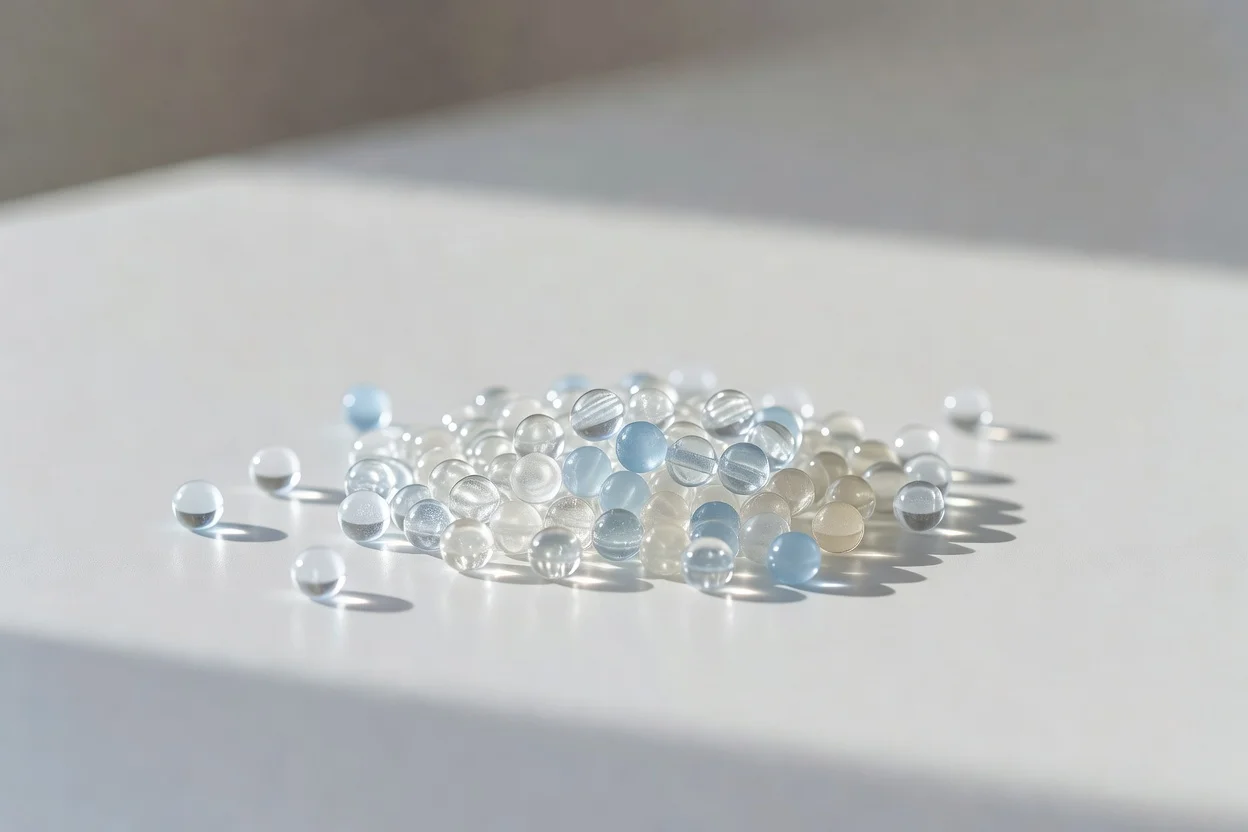
Desiccant is a broad term for a material used to remove or control moisture, thereby sustaining dryness in a closed or semi-closed environment. In plastics and related industrial packaging, desiccants are most often associated with moisture-protective packaging, compressed-air drying, resin handling, and the protection of moisture-sensitive products during storage and transport.
Within the plastics ecosystem, desiccants are not a single chemical but a family of hygroscopic materials and drying agents, commonly including silica gel, molecular sieves, activated alumina, bentonite clay, and calcium-based formulations. Their importance extends from primary packaging and logistics to polymer processing, where uncontrolled moisture can cause hydrolysis, bubbles, voids, reduced mechanical properties, and surface defects in hygroscopic resins such as PET, nylon, and polycarbonate. This makes desiccants strategically important not only for product preservation but also for manufacturing quality and process efficiency.
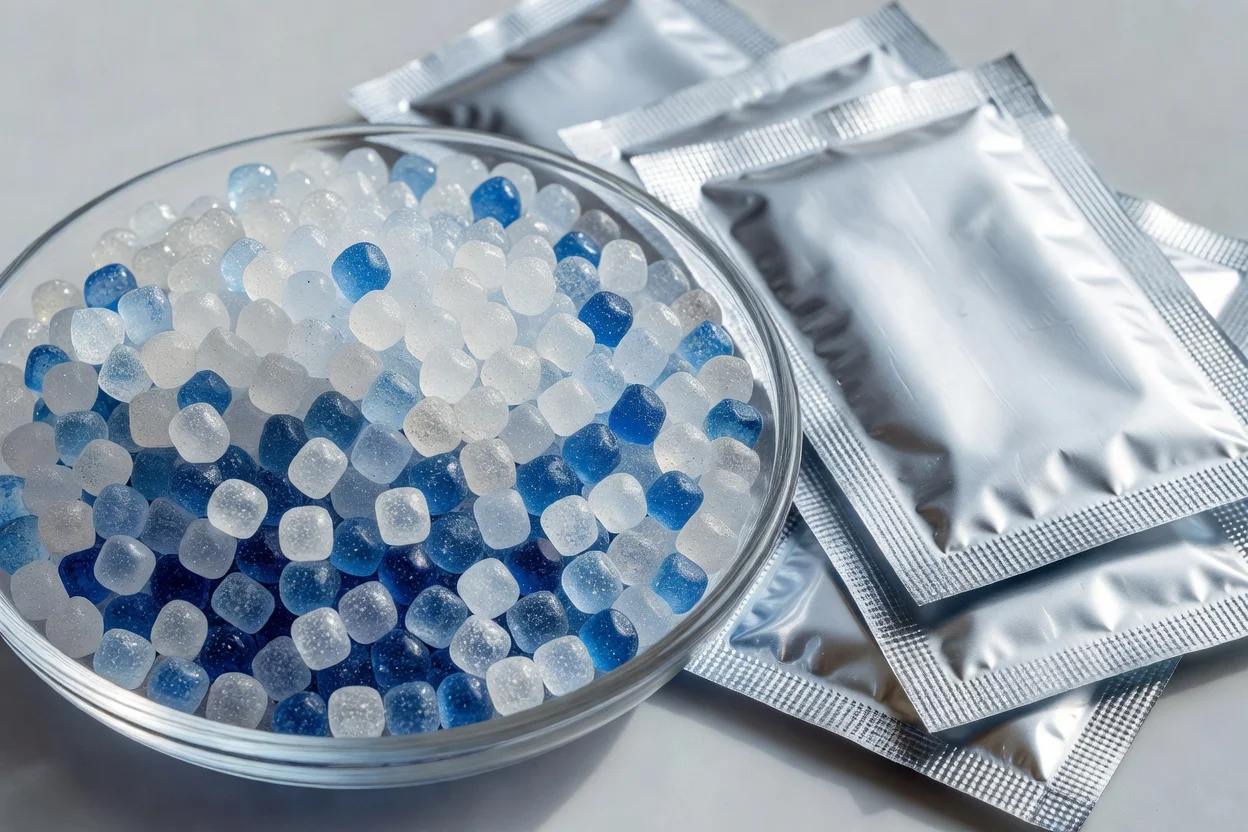
Historically, desiccants evolved from simple natural drying agents to engineered sorbents with tailored pore structures and adsorption behavior. Modern industrial desiccants are designed for predictable uptake over specific humidity ranges, with molecular sieves favored for very low relative humidity and silica gel or clay often used where broad, economical moisture control is sufficient. As sustainability pressures intensify, the field is also being reshaped by reusable systems, better packaging design, lower-waste formats, and more selective use of sorbents in circular manufacturing chains.
History and Development
The basic principle behind desiccants is longstanding: moisture removal by physical adsorption, chemical absorption, or a combination of both. Early industrial moisture control relied on naturally occurring substances such as salts, clay minerals, and other hygroscopic materials. Over time, engineered desiccants emerged to offer more consistent performance, especially in pharmaceuticals, electronics, and industrial packaging, where moisture tolerance is narrow and failure costs are high.
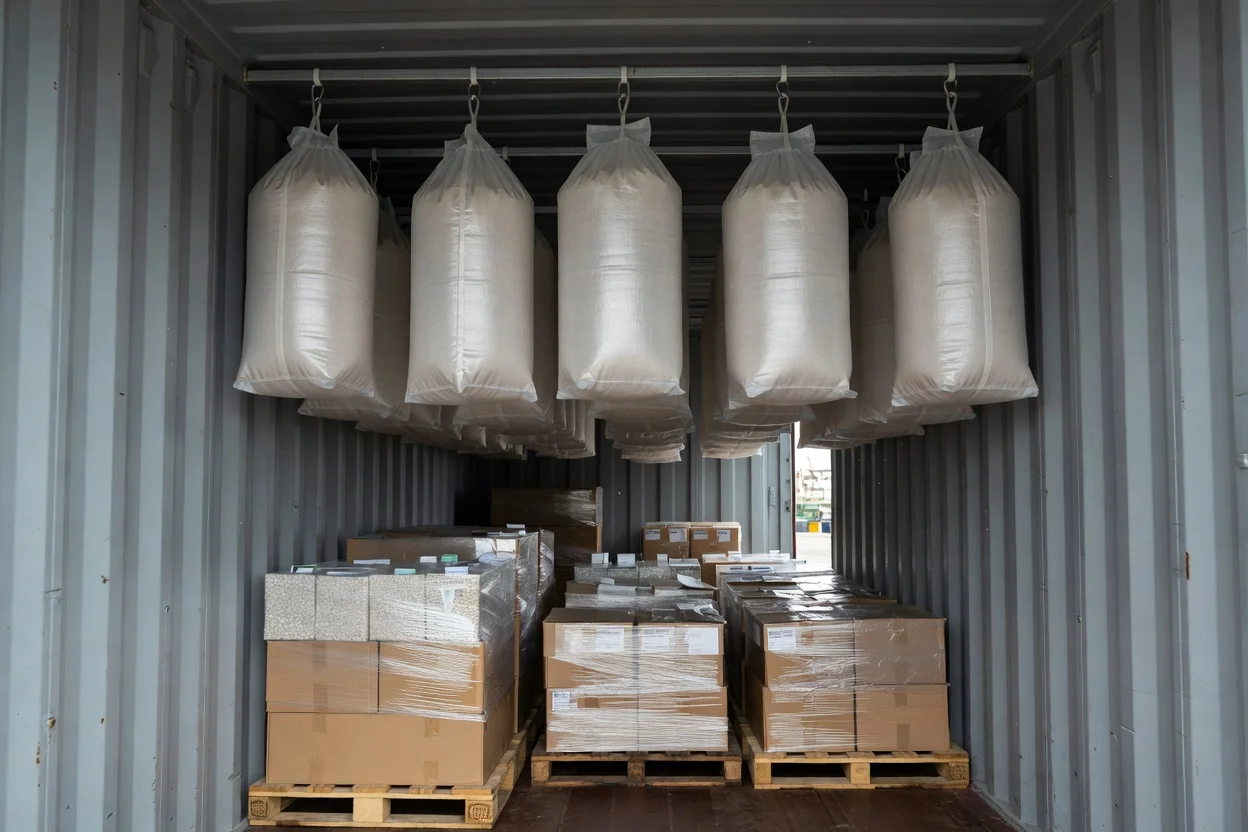
In the plastics and packaging sectors, desiccants became particularly important as global supply chains lengthened and moisture-sensitive products moved through humid climates, ocean freight, and storage cycles. Container “cargo sweat,” condensation, and corrosion created a strong demand for packaging desiccants and humidity-control systems that could function reliably across diverse transport conditions. More recently, dry-air systems, desiccant wheels, and inline drying have become integral to moisture-sensitive polymer processing, especially for high-performance and hygroscopic polymers.
Chemical Structure and Key Properties (Technical Overview)
Desiccants work by lowering the water vapor activity in their surroundings through adsorption onto a surface, absorption into a bulk material, or chemical binding. Their practical performance is governed by surface area, pore-size distribution, equilibrium moisture capacity, regeneration behavior, dusting, packaging format, and the humidity range in which they are most effective.
Common industrial desiccant families include:
| Desiccant family | Typical behavior | Strengths | Typical limitations |
|---|---|---|---|
| Silica gel | Broad-range physical adsorption | Stable, predictable, widely used | Less effective than molecular sieves at very low humidity |
| Molecular sieve | Strong adsorption at low humidity | Excellent low-RH performance | Higher cost; can over-dry sensitive contents |
| Bentonite clay | Natural adsorption | Low cost, widely used in packaging | Lower capacity than engineered sorbents in demanding conditions |
| Activated alumina | Porous adsorption | Robust industrial drying behavior | Less common in basic packaging than silica gel |
| Calcium chloride-based systems | Moisture absorption with liquefaction or gel formation | High capacity | Can deliquesce and require careful containment |
A key technical point is that desiccants are selected according to the required equilibrium relative humidity rather than simply the maximum amount of water they can hold. For example, molecular sieves are used when a very low residual humidity is needed, while silica gel is often chosen when the goal is moderate, stable moisture buffering over a broader humidity range.
Real-world limits matter in selection. One limit is that silica gel has good broad-range adsorption but lower performance at very low RH → this is caused by its adsorption profile, which is less aggressive than that of molecular sieves → the workaround is to use molecular sieve desiccant when very low residual moisture is required. Another limit is that clay desiccants are economical and useful in standard packaging → the cause is their lower adsorption intensity and less specialized pore structure compared with engineered sorbents → the workaround is to oversize the desiccant charge or switch to silica gel or molecular sieve for tighter moisture control.
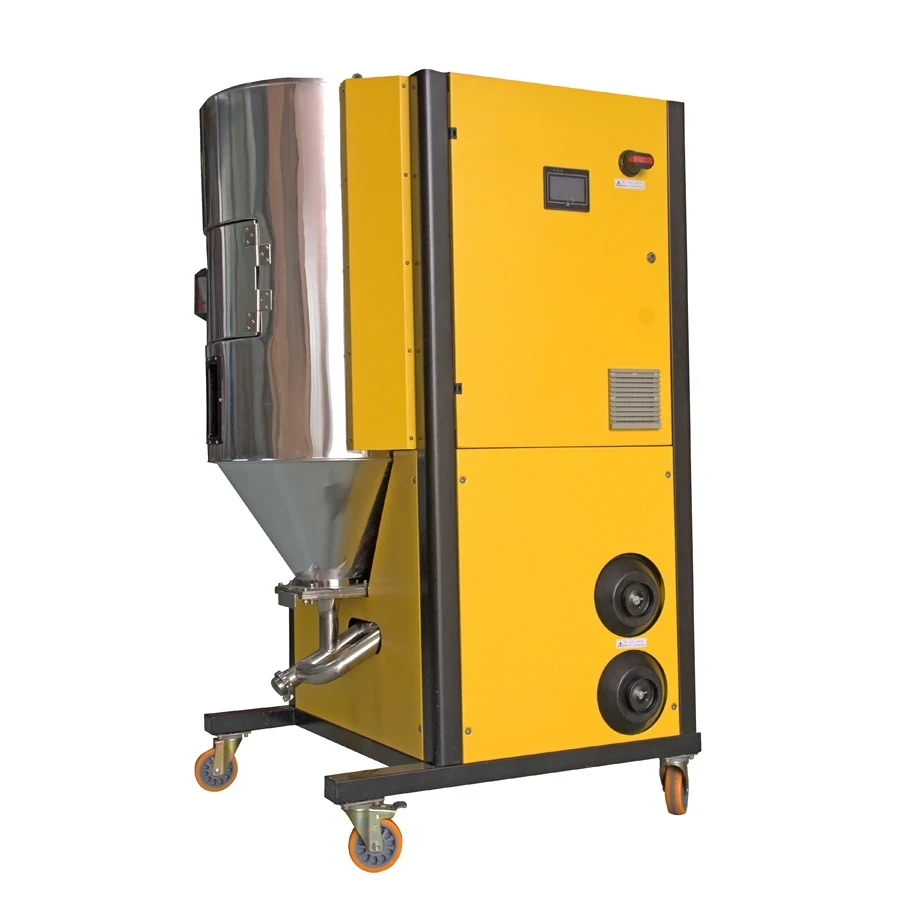
In industrial drying, the same moisture-control principle is applied to polymer pellets and process air. Hygroscopic resins must be dried before processing because absorbed water can hydrolyze chains during melt processing, reducing molecular weight and damaging final properties. In practice, this makes desiccant dryers and low-dew-point air systems a critical auxiliary in polymer plants, especially for PET, nylon, and other moisture-sensitive materials.
Production Processes and Raw Feedstocks
Desiccants are produced through routes that depend on the target material class and application.
- Silica gel is typically made from sodium silicate-derived silica networks, producing a porous amorphous material with high internal surface area.
- Molecular sieves are synthetic zeolites with controlled crystalline pore sizes, enabling selective uptake of water molecules.
- Activated alumina is produced by thermal activation of aluminum hydroxide or related precursor materials to create a porous sorbent.
- Bentonite clay desiccants rely on processed natural clay minerals, especially montmorillonite-rich clays.
- Calcium chloride systems are chemically active moisture absorbers and are often used where high capacity is needed.
Raw feedstocks therefore range from mineral and chemical intermediates to more engineered zeolitic structures. The production trade-off is straightforward: naturally derived or low-processing materials are often cheaper, while synthetic sorbents offer tighter control of adsorption properties and more reliable low-humidity performance.
For plastics processing, desiccant systems also appear as equipment rather than consumable packs. In these applications, the “desiccant” may be a regenerative bed or wheel containing sorbent media that dries incoming air before it contacts polymer pellets or enters a packaging environment.
Applications and End-Use Markets
Desiccants serve both packaging protection and process drying in plastics-related industries.
- Film and flexible packaging: Desiccants are used in barrier packaging, electronics bags, and moisture-sensitive consumer goods to prevent condensation, corrosion, and package degradation.
- Pharmaceutical and nutraceutical packaging: Silica gel, molecular sieves, bentonite clay, and activated carbon are commonly used to protect tablets, capsules, and sensitive dosage forms from humidity-induced instability.
- Electronics and semiconductors: Desiccants protect components from corrosion and moisture damage during shipment and storage, while dry cabinets and dry packs support low-humidity handling.
- Resin drying and polymer processing: Desiccant dryers are essential for moisture-sensitive plastics, reducing pellet water content before extrusion, injection molding, or compounding.
- Shipping containers and export logistics: Desiccant bags or units reduce “cargo sweat,” helping prevent rust, mold, and package collapse in humid transport routes.
- Industrial compressed air: Desiccant air dryers remove water from compressed air used in spraying, pneumatic tooling, and clean manufacturing operations.
- Food packaging: Moisture-control packets help maintain crispness and reduce clumping in dry foods, spices, snacks, and dehydrated products.
- Poor-fit use: Desiccants are generally a poor fit for open, non-sealed environments because they depend on a controlled space; in such settings, moisture influx exceeds practical sorption capacity and performance becomes uneconomic.
In plastics manufacturing, the usual process match is as follows:
- PET pre-drying: Desiccant dryer with low-dew-point air
- Nylon and other hygroscopic resins: Desiccant dryer or dry-air hopper system
- Moisture-sensitive packaging: Silica gel, clay, or molecular sieve sachets depending on RH target
- Very low humidity storage: Molecular sieve or regenerative dry cabinet systems
Environmental and Sustainability Aspects
Desiccants are often a waste-prevention technology because they protect products from spoilage, corrosion, and process scrap, which can reduce the environmental burden of rejected goods and premature replacement. In that sense, they can improve resource efficiency across packaging, transportation, and polymer processing.
At the same time, they create sustainability questions of their own:
- Single-use packaging waste: Small sachets and secondary packaging add material consumption and disposal volume.
- Regeneration and reuse: Some industrial desiccants can be regenerated thermally or by drying, which can reduce lifecycle impacts relative to disposable formats.
- Material choice: Natural clays may offer lower-cost, lower-complexity options, while synthetic zeolites and silica gel can deliver higher performance but may require more processing.
- System-level trade-off: The best environmental outcome is often not the smallest sachet, but the most effective moisture-control strategy that minimizes spoilage, scrap, and overpackaging.
For plastics sustainability, desiccants are also relevant to recycled content and bio-based materials. Recycled polymer streams often show greater variability in moisture content, contamination, and processing stability, which can increase the need for controlled drying and moisture buffering. Likewise, some bio-based and biodegradable plastics are especially sensitive to moisture during storage or processing, making desiccant management part of their commercial viability. The broader challenge is to pair moisture protection with recyclable packaging designs and reduced auxiliary material use.
Economic and Global Market Impact
The desiccant market is fragmented across packaging, industrial drying, pharmaceuticals, electronics, and logistics, with demand tied closely to global trade volumes and manufacturing intensity. In plastics production, desiccant dryers and dry-air systems are capital equipment purchases that influence throughput, energy use, and scrap rates, making them economically significant even when they are not part of the final product.
At the material level, commonly cited commercial suppliers include companies such as Clariant, with product families based on bentonite clay, silica gel, and molecular sieve formulations, reflecting the importance of sorbent specialization in industrial procurement. Leading producers vary by segment, but silica gel, clay, and molecular sieve technologies are the main commercial categories across global markets.
The economics are shaped by a simple hierarchy:
- Lowest cost: natural clay-based systems
- Middle range: silica gel
- Highest performance and usually higher cost: molecular sieve
For plastics processors, the economic value is not only in desiccant purchase price but in avoided defects, reduced regrind, lower downtime, and more stable processing windows.
Current Challenges and Innovations
Several technical and commercial challenges define the current market:
- Dusting and contamination control: Fine particles from some sorbents can be undesirable in sensitive packaging or clean manufacturing.
- Capacity matching: Under-sizing leads to moisture breakthrough; over-sizing increases cost and waste.
- Regeneration efficiency: Energy use is a concern for large-scale drying systems.
- Compatibility with circular packaging: Moisture-control components must fit recycling and reuse targets.
- Regulatory constraints: Pharmaceutical and food applications require controlled materials and validated performance.
Innovation is focused on:
- Higher-performance sorbents with improved low-RH selectivity.
- Integrated packaging designs that combine barrier films, seals, and desiccant functions more efficiently.
- Regenerable systems for industrial air and resin drying.
- Indicator technologies that signal saturation or replacement needs.
- Smart moisture management in logistics, including sensor-based humidity control for shipping containers and storage rooms.
A practical formulation example is silica gel sachets for moderate humidity control in packaged goods, often used as a low-cost moisture buffer, while molecular sieve packs are preferred where the target environment must remain extremely dry. The mechanism differs: silica gel adsorbs water on a high-surface-area amorphous network, whereas molecular sieves use precisely sized pores that preferentially retain water at lower humidity.
Future Outlook
Future demand for desiccants is likely to remain strong because moisture management is increasingly central to global manufacturing, electronic miniaturization, pharmaceutical stability, and plastics processing consistency. In plastics, growth should be supported by expanding use of recycled feedstocks, higher-performance engineering polymers, and tighter process control in extrusion and molding lines.
The most important directional changes are likely to be:
- More regenerable systems in industrial drying to reduce waste and energy intensity.
- Better integration with packaging design so moisture control uses fewer auxiliary materials.
- More selective sorbents for niche humidity targets in pharmaceuticals, electronics, and high-value polymers.
- Circularity-aware formats that reduce contamination and support recyclable or reusable packaging architectures.
Desiccants will remain a small but structurally important part of the plastics value chain because they protect product integrity at multiple points: in resin drying, manufacturing, storage, shipment, and final-use performance.
Summary
Desiccants are moisture-control materials and systems used to maintain dryness, protect products, and stabilize industrial processes. In plastics and packaging, they matter because moisture can damage materials, disrupt processing, and shorten shelf life or service life. Their future will be shaped by performance demands, cost pressure, recyclability, and the growing need to manage moisture in more complex, circular material systems.
References
- •
Merriam-Webster. (n.d.). Desiccant. In Merriam-Webster.com dictionary. https://www.merriam-webster.com/dictionary/desiccantLink
- •
Wikipedia. (2003, August 10). Desiccant. https://en.wikipedia.org/wiki/DesiccantLink
- •
Cambridge University Press. (2025, January 1). Desiccant. In Cambridge dictionary. https://dictionary.cambridge.org/us/dictionary/english/desiccantLink
- •
SorbentSystems.com. (n.d.). Desiccant types. https://www.sorbentsystems.com/desiccants_types.htmlLink
- •
Merriam-Webster. (2025, December 2). Desiccants. In Merriam-Webster.com dictionary. https://www.merriam-webster.com/dictionary/desiccantsLink
- •
Simple English Wikipedia. (2025, March 13). Desiccant. https://simple.wikipedia.org/wiki/DesiccantLink
- •
Dictionary.com. (n.d.). Desiccant. In Dictionary.com. https://www.dictionary.com/browse/desiccantLink
- •
ScienceDirect. (n.d.). Desiccant: An overview. https://www.sciencedirect.com/topics/neuroscience/desiccantLink
- •
Colorcon. (2026, May 6). What is a desiccant? Types, uses & benefits in packaging. https://www.colorcon.com/education-insights/what-is-a-desiccantLink
- •
Tanke Chemical. (2025, July 16). Desiccant usage & applications. https://tankechemical.com/desiccant-applications/Link
- •
Corrosionpedia. (2024, July 19). Desiccant. https://www.corrosionpedia.com/definition/378/desiccantLink
- •
Vocabulary.com. (n.d.). Desiccant. https://www.vocabulary.com/dictionary/desiccantLink
- •
Collins. (n.d.). Desiccant. In Collins English dictionary. https://www.collinsdictionary.com/us/dictionary/english/desiccantLink
- •
Clinical Info HIV.gov. (n.d.). Desiccant. https://clinicalinfo.hiv.gov/en/glossary/desiccantLink
- •
Superdry Systems. (2026, August 23). What is desiccant? Meaning, uses & how it works. https://superdrysystems.com/what-is-desiccant-and-the-many-uses-for-it/Link
- •
EDC Supply. (2025, June 3). Understanding desiccants: Function & types. https://www.edcosupply.com/blog/what-are-desiccants/Link
- •
AGM Container Controls. (2025, March 13). Selecting desiccant guide. https://www.agmcontainer.com/blog/desiccant/selecting-desiccant/Link
- •
Colorcon. (2024, November 15). 4 types of desiccants used in pharmaceuticals. https://www.colorcon.com/education-insights/what-kinds-of-desiccants-are-used-in-pharma-nutraLink
- •
Wikipedia. (2006, July 14). List of desiccants. https://en.wikipedia.org/wiki/List_of_desiccantsLink
- •
Noble Insights. (2025, October 2). Desiccant in the real world: 5 uses you'll actually see. https://www.linkedin.com/pulse/desiccant-real-world-5-uses-youll-actually-see-2025-noble-insig-hts-5fsqfLink
- •
Illimar, P. (2026, February 13). A comprehensive guide to desiccant types and their best uses. https://www.linkedin.com/pulse/comprehensive-guide-desiccant-types-best-uses-illimar-paul-6igmfLink
- •
Drytech Inc. (2023, September 25). Types of desiccant. https://drytechinc.com/types-of-desiccant/Link
- •
Laboratory Supply. (2019, February 13). Top 6 desiccant types to prevent moisture damage. https://www.laboratory-supply.net/blog/top-6-desiccant-types-to-prevent-moisture-damage/Link
- •
ScienceInsights. (2026, March 24). What is a desiccant? Types, uses, and safety. https://scienceinsights.org/what-is-a-desiccant-types-uses-and-safety/Link
- •
Stream Peak Group. (2022, March 22). What are desiccants? https://www.streampeakgroup.com/what-are-desiccants/Link
- •
EDC Supply. (2025, April 4). 28 creative uses for desiccant packs & silica gel. https://www.edcosupply.com/blog/28-different-uses-for-desiccants/Link
- •
Clariant. (2014, September 10). Desiccant types and performance. https://www.clariant.com/en/Solutions/Products/2014/09/10/00/28/DESICCANT-TYPESLink
- •
MDS Associates. (n.d.). What is a desiccant? Desiccants 101. https://www.mdsassociates.com/what-is-a-desiccantLink
- •
Clariant. (2026, February 6). Desiccant types and performance. https://www.clariant.com/en/products/desiccant-typesLink
- •
EDC Supply. (2014, May 17). Industrial applications of desiccant protective packaging. https://www.edcosupply.com/blog/applications-of-desiccants/Link
- •
Impak Corporation. (n.d.). All about desiccants USA. https://www.impakcorporation.com/desiccants/all-about-desiccantsLink
- •
Polygon Group. (n.d.). Which type of desiccant dehumidification should you use? https://www.polygongroup.com/en-US/blog/liquid-desiccant-vs-desiccant-wheel-dehumidification--whats-the-difference/Link
- •
Reddit. (2021, February 24). LPT: Don't throw away annoying silica gel little pockets. https://www.reddit.com/r/LifeProTips/comments/lrbrf9/lpt_dontt_throw_away_annoying_silica_gel_little/Link