
Introduction
Extrusion lines for flexible hoses are integrated production systems used to manufacture continuous hose products with a bendable wall structure, typically from PVC, polyethylene, polyurethane, rubber, or silicone, and often with reinforcement such as textile braid, steel wire helix, or multilayer coextrusion. In modern plastics processing, these lines combine material feeding, plasticizing, die forming, cooling, haul-off, reinforcement insertion, winding or coiling, and process control into a single synchronized manufacturing cell.
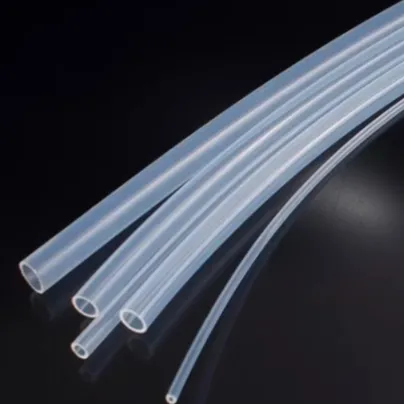
These lines are widely used for garden hoses, industrial water hoses, pneumatic tubing, medical tubing, suction hoses, and reinforced technical hoses for automotive and industrial service. Depending on the product, the line may be configured for smooth flexible tubing, braided hose, spiral-reinforced hose, or multi-layer hose structures with rigid or flexible mandrels.
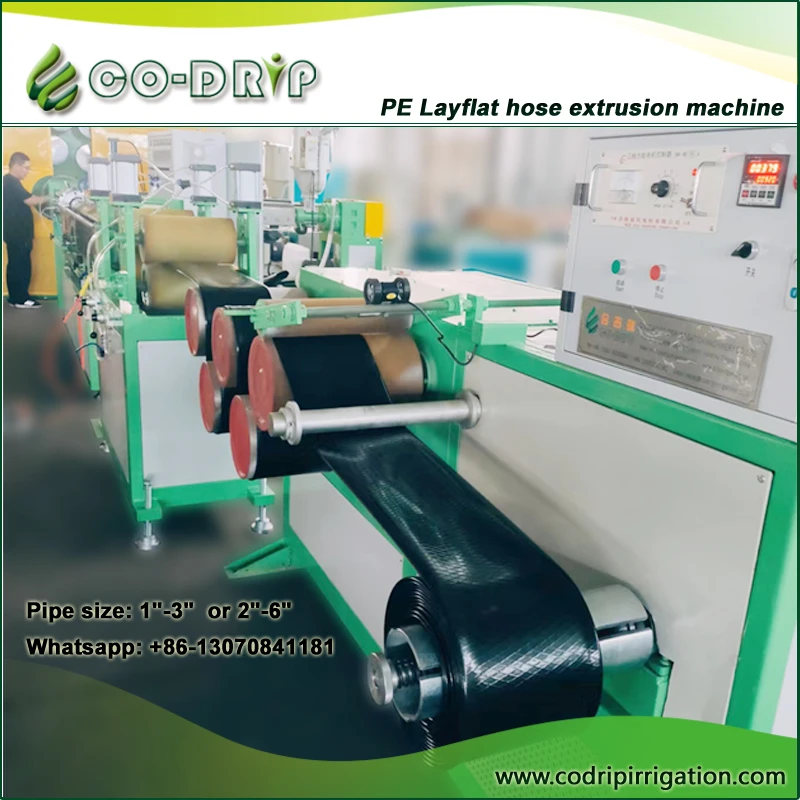
Historically, hose extrusion developed from conventional pipe and tubing technology, then expanded as hose users demanded higher pressure resistance, kink resistance, chemical compatibility, and better dimensional stability. Major developments include the shift from simple single-layer hoses to reinforced braided constructions, the adoption of turnkey downstream automation such as coilers and laser diameter control, and the increasing use of coextrusion and servo-controlled line synchronization to improve output consistency and reduce scrap.
Today, these systems are defined by a balance of throughput, layer adhesion, diameter control, and energy efficiency. Sustainability considerations are becoming more important as manufacturers seek lower material waste, reduced rework, and compatibility with recyclable polymers and circular-economy strategies. Future development is expected to center on higher automation, better in-line inspection, digital line monitoring, and improved processing of multi-material and specialty hose constructions.
History and development
Flexible hose extrusion evolved in parallel with the broader plastics extrusion industry, but it gained distinct technical identity as hose applications became more demanding.
- Early hose lines were based on simple single-screw extrusion of plasticized PVC and rubber compounds, producing flexible tubing for general-purpose fluid transport.
- Reinforced hose production introduced braiding and wire-helix insertion as integral line stages, enabling higher pressure ratings and better collapse resistance for applications such as garden hoses, suction hoses, and hydraulic or automotive hoses.
- Modern turnkey lines added downstream automation such as synchronized haul-off, winding/coiling, laser diameter measurement, and programmable control systems, allowing stable continuous production and tighter tolerances.
A further milestone has been the development of multilayer and coextruded hose constructions, in which the inner tube, reinforcement zone, and outer cover are engineered separately to improve bonding, durability, and product-specific performance.
Technical overview
A flexible hose extrusion line is not a single machine but a coordinated system. The typical sequence includes:
- Material preparation and feeding
- Single-screw or twin-screw extrusion
- Die head or crosshead shaping
- Calibration and cooling
- Reinforcement application, when required
- Haul-off
- Cutting, winding, or coiling
- PLC-based line control
Core processing principles
The extruder plastifies the polymer and pushes it through a hose die, where the melt is formed into a tube. For reinforced hoses, a braiding machine or wire-feeding module is integrated after the inner tube stage, followed by an outer covering extrusion or coating stage. Cooling solidifies the structure, while the haul-off stabilizes line speed and dimensional accuracy.
For flexible hose products, control of melt temperature, die swell, haul-off ratio, cooling intensity, and reinforcement tension is critical. Poor synchronization can cause ovality, wall-thickness variation, layer separation, or inconsistent pressure performance.
Typical technical benchmarks
Published commercial examples and industry descriptions indicate the following typical ranges:
- Line speed: about 3–20 m/min for many PVC reinforced hose lines, with 6–15 m/min often cited for reinforced hose products depending on diameter and construction.
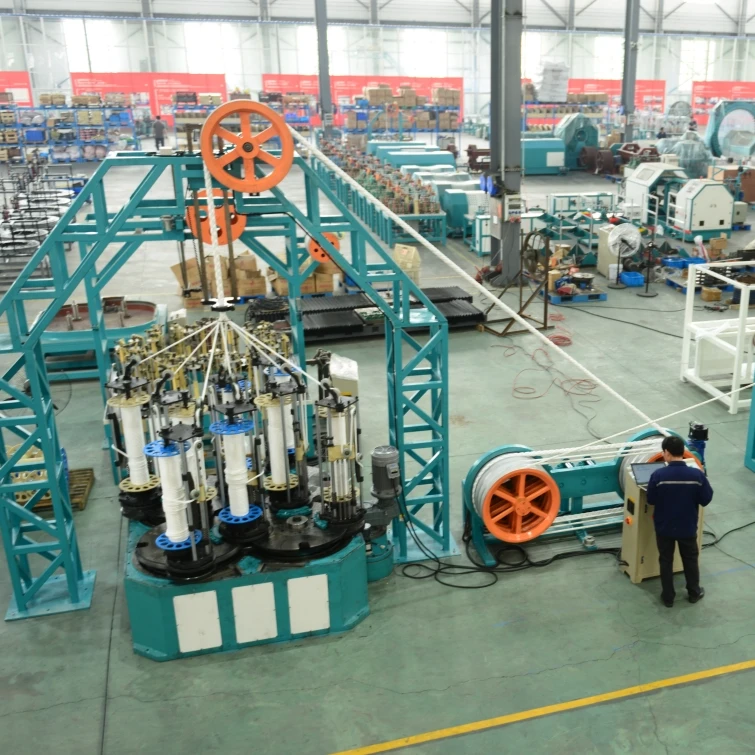
- Braiding carriers: commonly 24–64 carriers on PVC reinforced hose lines.
- Hose diameter range: roughly 6–75 mm for many reinforced flexible hose systems, although specific lines can be narrower or broader.
- Output: small to medium PVC hose lines are often marketed in the range of about 60–100 kg/h in compact configurations, while larger industrial systems can exceed that depending on product geometry and material.
- Cooling performance: downstream cooling is often paired with stainless-steel water tanks, cooling baths, or multipass cooling tanks to stabilize shape and surface quality.
- Dimensional control: laser diameter measurement and feedback to line speed are used on some mandrel or specialty hose lines to maintain consistency.
- Winding and coiling: tension-controlled coilers are standard for flexible hose and tubing so that the product can be packaged without flattening or deformation.
Material systems
Flexible hose extrusion lines are designed around the target polymer:
- Plasticized PVC for garden hoses, braided hoses, and many utility hoses
- PU and TPU for abrasion resistance, flexibility, and pneumatic service
- PE and soft polyolefins for lightweight hoses and irrigation products
- Rubber compounds such as EPDM, nitrile, or silicone for heat, weather, or chemical resistance
In reinforced structures, the reinforcement may be polyester yarn, aramid, fiberglass, or steel wire, selected according to pressure class, bend radius, and operating environment.
Main line types and configurations
| Type of extrusion line | Construction principle | Typical products | Key advantage |
|---|---|---|---|
| Smooth flexible hose line | Single-layer or multilayer tube extrusion | Shower hose, light-duty utility hose, medical tubing | Low cost and high productivity |
| Braided hose line | Inner tube + textile braid + outer cover | Garden hose, pressure hose, industrial water hose | Improved pressure resistance and kink control |
| Steel-wire spiral hose line | Tube with embedded or wrapped helix | Suction hose, vacuum hose, spiral-reinforced PVC hose | Crush resistance and shape retention |
| Rubber hose line | Rubber extrusion with vulcanization or curing | Automotive hose, industrial rubber hose | Heat and chemical performance |
| Mandrel hose line | Extrusion over rigid or flexible mandrel | Certain high-precision or profile-sensitive hoses | Better geometry for special constructions |
Braided and spiral-reinforced systems are especially important in the flexible hose sector because they bridge the gap between simple tubing and high-performance pressure hose.
Applications and uses
Flexible hose extrusion lines serve a wide cross-section of markets:
- Agriculture and gardening: garden hoses, irrigation hoses, spray hoses, and water transfer hose systems.
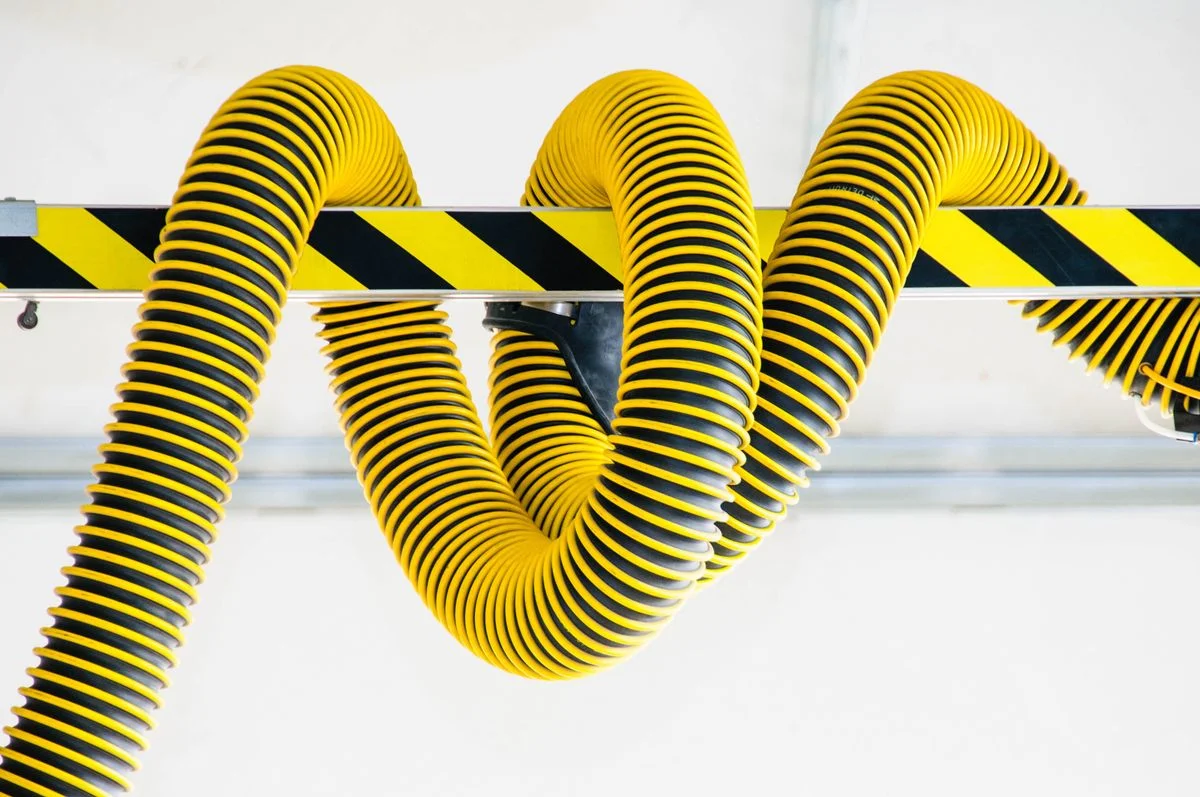
- Industrial fluid handling: air hoses, water hoses, suction hoses, slurry hoses, and chemical-transfer hoses.
- Automotive: radiator hose, fuel hose, power-steering hose, brake-related hose systems, and under-hood tubing.
- Construction and utilities: dewatering hoses, material-handling hoses, and jobsite water-transfer lines.
- Medical and laboratory: PVC and specialty tubing for fluid transport and low-diameter flexible conduits.
- Pneumatics and automation: compressed-air tubing and flexible instrument lines.
A less suitable application is high-temperature rigid-pressure pipe, because flexible hose lines are engineered for bendability and localized deformation tolerance rather than the stiffness and long-term hoop strength expected of rigid pressure pipe systems.
Key machinery elements
The machinery package varies with hose type, but commonly includes:
- Extruder(s): single-screw for most PVC hose lines, with twin-screw options in some compound-heavy or specialty applications.
- Crosshead or hose die: shapes the inner tube and manages melt flow distribution.
- Braiding machine: adds textile reinforcement with controlled carrier tension.
- Wire unwinder and feed module: supplies steel wire for spiral or helix-reinforced hoses.
- Cooling tank or water bath: stabilizes dimensions and surface finish.
- Haul-off unit: caterpillar or belt haul-off maintains constant line speed.
- Coiler or winder: packages flexible hose without permanent deformation.
- Control system: PLC-based synchronization, temperature control, and speed coordination.
Technological innovations and automation
Recent engineering progress has focused on line integration and process stability rather than simple extruder power.
- Laser diameter control improves closed-loop regulation of hose size and line speed.
- PLC coordination synchronizes extrusion, braiding, cooling, haul-off, and winding to reduce drift and scrap.
- Servo-driven braiders and winders improve tension control and packaging consistency.
- Multipass cooling tanks and optimized stainless-steel cooling sections enhance dimensional stability on larger diameters.
- Coextrusion allows the inner layer, reinforcement interface, and outer cover to be tailored separately for adhesion, abrasion resistance, or chemical resistance.
Automation introduces trade-offs: it improves repeatability and labor efficiency, but increases system complexity, maintenance requirements, and capital cost. For hose producers, the economic benefit depends on product mix, target tolerances, and how often the line must switch between sizes or constructions.
Environmental and sustainability aspects
Flexible hose extrusion lines can support sustainability goals when they are designed for material efficiency and stable process control.
- Material waste reduction: precise line synchronization lowers off-spec production, startup scrap, and trimming losses.
- Energy efficiency: modern extruders, optimized cooling, and efficient haul-off/winding systems reduce specific energy demand compared with older, manually adjusted lines.
- Recyclable material selection: PVC, PE, and some TPU systems can be formulated for better recyclability than heavily compounded or permanently bonded multi-material structures, although reinforcement can complicate recovery.
- Circular-economy compatibility: designs that minimize mixed-material bonding and use controlled mono-material layers are generally easier to reclaim than heavily laminated hose constructions.
At the same time, reinforced hoses can be harder to recycle because textile or wire reinforcements must often be separated from the polymer matrix. That makes design-for-disassembly and mono-material simplification important development areas.
Economic and global market impact
Flexible hose extrusion lines occupy a significant niche within plastics machinery because hoses are consumed in both mass-market and technical applications. Demand is supported by agriculture, construction, automotive service, industrial maintenance, and consumer water-management products.
The segment is characterized by:
- Broad product diversity, from low-cost garden hose to high-performance industrial hose
- Regional specialization, with some suppliers focusing on PVC hose, others on rubber or silicone lines, and others on turnkey reinforced hose systems.
- Customization intensity, since hose performance is defined by diameter, reinforcement, pressure rating, temperature rating, and flex life rather than by a single standardized product.
Manufacturers compete on line stability, downstream integration, and ability to adapt quickly to new hose constructions, not only on raw output.
Current challenges and innovations
The main technical challenges in hose extrusion are:
- Layer adhesion in coextruded or reinforced constructions
- Dimensional consistency across speed changes and material batches
- Reinforcement tension control in braiding and wire-helix systems
- Surface quality without scuffing, ovality, or distortion during cooling and haul-off
- Balancing flexibility and pressure resistance in the final design
Current innovation paths include:
- Better in-line measurement and quality logging
- Digital recipes for rapid changeover between hose sizes
- Improved energy management in heating and cooling
- More stable processing of specialty elastomers and silicone hose systems
- Greater use of modular line architectures to serve multiple hose families on one platform
Future outlook
Future extrusion lines for flexible hoses are likely to become more sensor-rich, software-driven, and application-specific. The most probable directions are:
- Closed-loop control based on diameter, wall thickness, and tension feedback
- Higher levels of automation in braiding, winding, and packaging
- More efficient multi-layer designs for pressure and chemical resistance
- Expanded use of specialty materials for medical, automotive, and high-temperature service
- Greater sustainability pressure to reduce waste and improve recyclability
The sector is unlikely to converge on a single universal hose line. Instead, machine builders will continue to differentiate through product specialization: garden hose lines, braided hose lines, spiral suction hose lines, rubber hose lines, and precision tubing lines will each remain distinct technical platforms.
Summary
Extrusion lines for flexible hoses are highly integrated production systems that transform polymers and reinforcement materials into flexible fluid-transport products. Their engineering value lies in precise control of melt flow, reinforcement placement, cooling, haul-off, and winding, with modern systems increasingly distinguished by automation, closed-loop measurement, and energy-conscious design.
References
- •
Garden hose extrusion line machine, Braided hose manufacturing process, Garden hose production line manufacturers, Braided hose production line europeLink
- •
Coiling / Winding - Flexplas Smart Engineering for Plastic ExtrusionLink
- •
Mandrel extrusion linesLink
- •
PVC PU steel wire hose production line, pvc flexible spiral steel wire reinforced hose, pvc spiral steel wire reinforced hose, pvc steel wire braided hoseLink
- •
Hose extrusion linesLink
- •
Dense and Sponge Sheet Extrusion LinesLink
- •
HOSE EXTRUSION LINESLink
- •
Rubber linesLink
- •
AMUT Pipe Extrusion – PVC, PE, PEX, Drip & 5-Layer LinesLink
- •
Extruder: Rubicon Gummitechnik & Maschinenbau GmbHLink
- •
[PDF] HIGHEST QUALITY AND SAFE PROCESSINGLink
- •
Rubber Mixing and ExtrusionLink
- •
Product Center - GUANGZHOU NUOTONG MACHINERY CO.,LTD.Link
- •
Rubicon Gummitechnik und Maschinenbau GmbH, GermanyLink
- •
Extrusion LinesLink
- •
Rubber Extruders and Vulcanizing OvensLink
- •
Baina Cold Feed Rubber Extruder | Rubber Production Line FactoryLink
- •
Flexible PVC Hose Braided Making Machine PVC Garden Hose Extrusion LineLink
- •
rubicon Gummitechnik und Maschinenbau GmbH | Machinery ManufacturingLink
- •
Tube coiler - All industrial manufacturersLink
- •
Custom Single Screw Extrusion Lines | Pipe, Hose, Profile and ...Link
- •
Pvc flexible hose extruderLink
- •
Company Overview - Yuyao At Machinery Co., Ltd.Link
- •
Flexible Corrugated Hose MachineLink
- •
Flexible Hose MachineLink
- •
China Factory PVC Agricultural Water Hose Fiber Braid Reinforced ...Link
- •
China Customized Flexible PVC Pipe Manufacturing Machine Manufacturers Suppliers FactoryLink
- •
Pipe Extrusion Lines - ExtrutechLink
- •
2016-01 EquipmentTireRubber WebLink
- •
PVC Reinforced Hose Extrusion Line | TWIN SCREWLink
- •
Extrusion lines for flexible hoses | Plastics & Rubber ProductsLink
- •
Extrusion SystemsLink
- •
PVC Medical Hose Extrusion Line | Durable Pipe Making Machine ...Link
- •
Plastic Extrusion Lines by POLYTECHLink
- •
Garden Hose Extrusion Line - Periplast - PDF CatalogsLink
- •
ABOUT USLink
- •
Braided Hoses and the Extrusion Process: A Complete GuideLink
- •
Pipe ExtrusionLink
- •
Extrusion Equipment | Cutters, Conveyors, and Pullers - ConairLink
- •
Custom Extruded Plastic Tubing ServicesLink
- •
Plastic Extrusion Technologies: Plastic Extrusions for Every ...Link