
Introduction
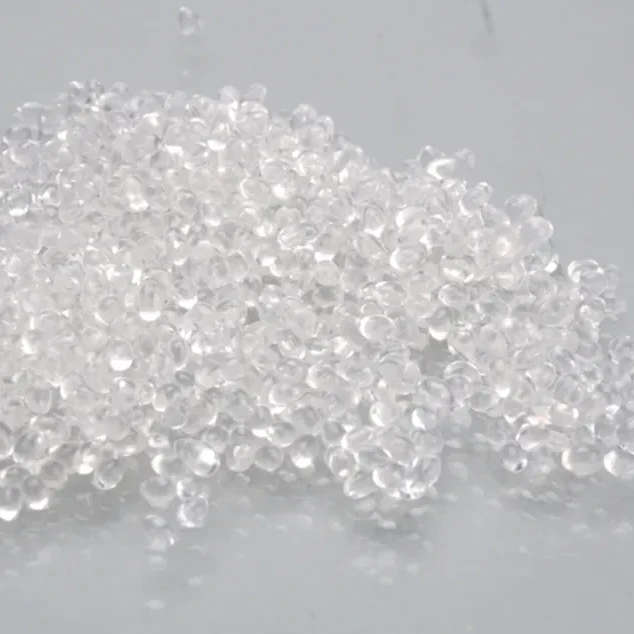
Styrenic block copolymers (TPS) are a major family of thermoplastic elastomers that combine rubber-like elasticity with thermoplastic processability. They are built from hard polystyrene blocks and soft diene-based or hydrogenated diene-based blocks, most commonly in SBS, SIS, SEBS, and related structures. In practice, the term TPS is often used for compounded materials based on these polymers, while SBC is used for the broader polymer family; the abbreviation can also be confused with thermoplastic starch, so the context matters.
TPS materials occupy a pivotal position in the plastics value chain because they bridge rigid plastics and vulcanized rubber. Their nanoscale phase-separated morphology creates reversible physical crosslinks, enabling melt processing by extrusion or injection molding while retaining elastic recovery in service. The family has evolved from early SBS materials introduced in the 1960s to hydrogenated grades such as SEBS and SEPS, which offer better heat, weathering, and chemical resistance.
Their industrial importance is broad: SBS remains a high-volume choice for footwear, adhesives, grips, and economical seals, while hydrogenated grades are favored for higher-performance automotive, medical, wire and cable, and consumer applications. At the same time, TPS faces sustainability and performance trade-offs, especially because non-hydrogenated diene blocks can age poorly under heat, oxygen, and UV exposure, although hydrogenation and formulation can substantially improve durability.
History and Development
The modern TPS category emerged in the mid-20th century with the development and commercialization of SBS by Shell Chemical and other producers, followed by SIS and hydrogenated analogues. This represented an important materials innovation because it replaced sulfur vulcanization with physical network formation through styrenic hard domains.
Over time, producers expanded the family to include hydrogenated structures such as SEBS and SEPS, which reduce unsaturation in the midblock and thereby improve thermal stability, oxidation resistance, and compatibility with demanding environments. More recent development has focused on compound design, surface modification, multiblock architectures, and silane or functional grafting to broaden use in medical, automotive, and electronic applications.
Chemical Structure and Key Properties
TPS materials are typically triblock or multiblock copolymers with polystyrene end blocks and a soft elastomeric middle block made from polybutadiene, polyisoprene, or their hydrogenated derivatives. In the solid state, the polystyrene segments aggregate into glassy domains that act as physical crosslinks, while the soft midblock provides extensibility and recovery.

Main structural families
| Family | Soft block | Key strengths | Typical limitations |
|---|---|---|---|
| SBS | Polybutadiene | High elasticity, strong tack, cost-effective | Lower heat, oxidation, and weather resistance |
| SIS | Polyisoprene | Excellent tack and softness | Lower aging resistance than hydrogenated grades |
| SEBS | Hydrogenated butadiene-based block | Better heat, ozone, and chemical resistance | Higher cost than SBS |
| SEPS | Hydrogenated isoprene-based block | Good flexibility and improved durability | More specialized, often higher cost |
Key property trends are controlled by styrene content, block length, molecular weight, and the degree of hydrogenation. Higher styrene content generally raises hardness and modulus by increasing the volume and strength of hard domains, whereas a softer midblock improves elongation and low-temperature flexibility.
Real property limits and workarounds
- Poor oxygen and grease barrier → caused by the hydrocarbon-rich, relatively permeable soft phase, especially in non-hydrogenated SBS/SIS → workaround: use barrier multilayers, surface coatings, blend design, or switch to a more suitable barrier polymer for packaging.
- Low surface energy and difficult adhesion before treatment → caused by the nonpolar styrenic/elastomeric surface chemistry → workaround: corona, plasma, flame treatment, or use of primers/compatibilizers to improve printing, bonding, or overmolding.
- Heat and UV aging sensitivity in non-hydrogenated grades → caused by double bonds in the diene midblock that are susceptible to oxidation and degradation → workaround: hydrogenated grades such as SEBS or UV/antioxidant stabilization packages.
Typical additive and formulation examples
- Antioxidants at about 0.1 to 0.5 wt% are commonly used to slow thermo-oxidative chain scission in diene-based grades; sterically hindered phenols and phosphites interrupt radical oxidation pathways during processing and service.
- Plasticizers or process oils at low to moderate loadings can soften compounds and lower melt viscosity; they work mainly by reducing intermolecular interactions in the soft phase, improving flow and flexibility, especially in footwear and adhesive formulations.
Production Processes and Raw Feedstocks
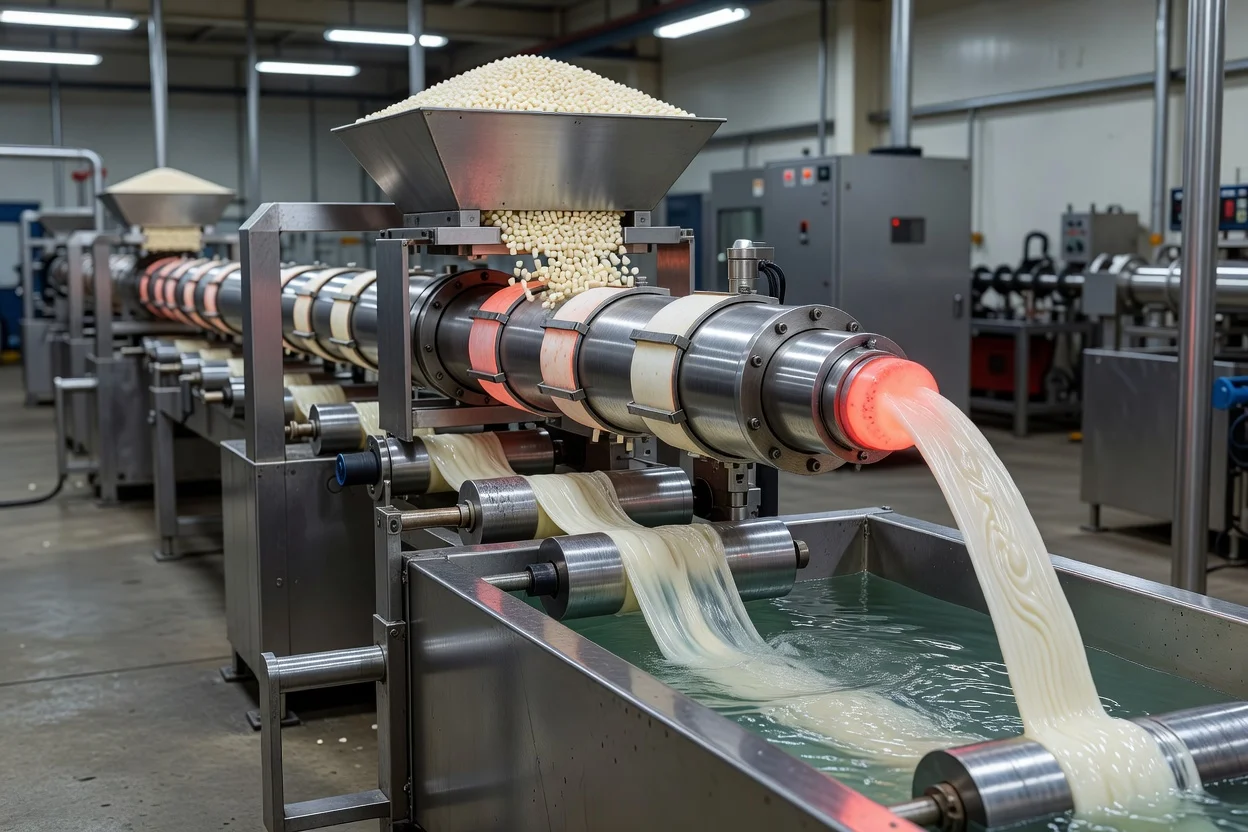
TPS is produced by anionic polymerization and related controlled polymerization routes that allow precise block sequencing and molecular weight control. The general process begins with styrene and a conjugated diene such as butadiene or isoprene, followed by block formation and, for hydrogenated grades, selective hydrogenation of the unsaturated midblock.
The principal feedstocks therefore include:
- Styrene, derived from petrochemical aromatics chains.
- Butadiene and isoprene, typically sourced from steam cracker C4 and C5 streams or related refinery and petrochemical routes.
- Hydrogenation inputs, used to saturate the diene block in SEBS, SEPS, and related grades.
After polymer synthesis, materials are usually compounded with oils, stabilizers, pigments, fillers, tackifiers, processing aids, or functional modifiers, depending on the target end use. Compounding is central to TPS performance because the base polymer is often only the starting point for application-specific grades.
Applications and End-Use Markets
TPS is used where designers need rubber-like feel, elastic recovery, and melt processability in one material. Grade selection is closely tied to performance requirements.
Major application sectors
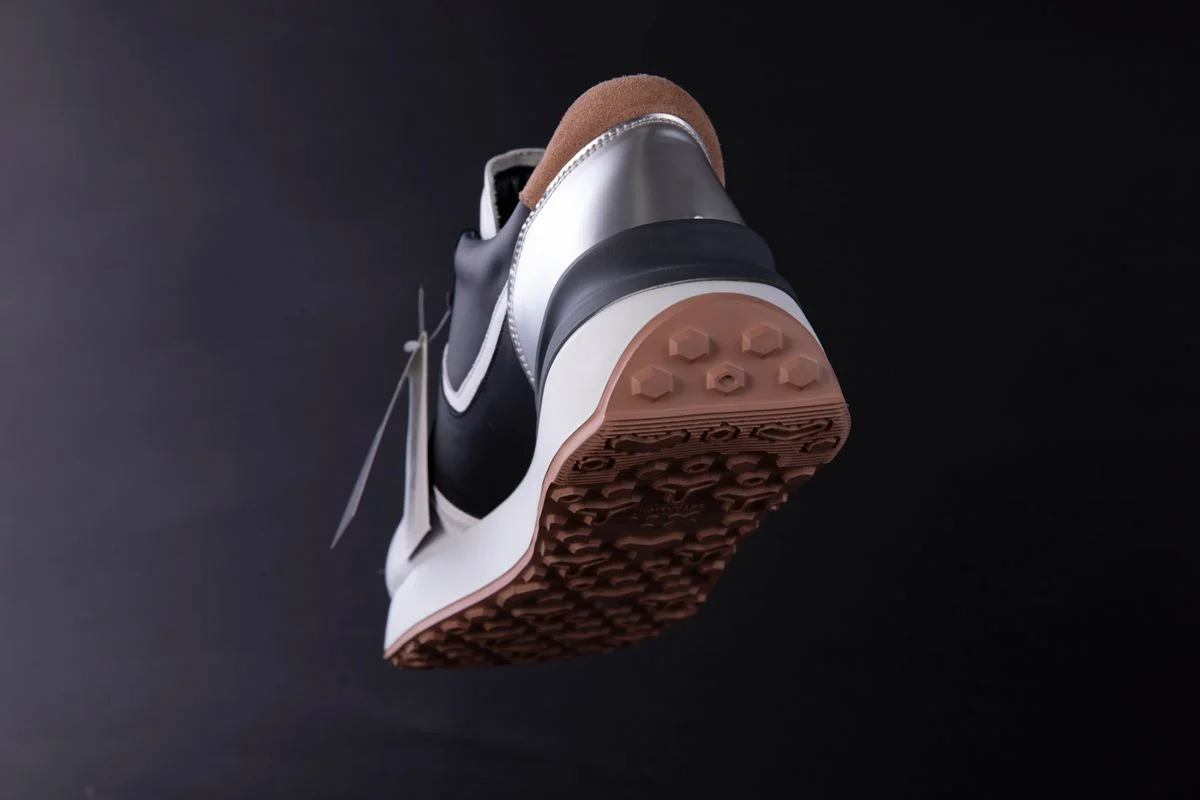
- Footwear: SBS and related low-cost grades are widely used in soles and heel components because they provide softness, traction, low-temperature flexibility, and fatigue resistance.
- Adhesives and sealants: SIS and SBS are widely used in hot-melt adhesives because they provide tack, peel strength, and cohesive strength; they are especially important in packaging, hygiene products, and assembly adhesives.
- Automotive: SEBS and formulated TPS compounds are used in interior trim, soft-touch surfaces, seals, gaskets, overmolded grips, and some under-the-hood parts where heat and aging resistance matter.
- Wire and cable: Hydrogenated grades are used for insulation and sheathing where flexibility, abrasion resistance, and environmental durability are required.
- Medical and healthcare: Transparent or low-extractables grades are used in tubing, grips, seals, and certain disposable or skin-contact products because they can be formulated for softness and ease of sterilization.
- Consumer goods: Handles, grips, appliance parts, toys, and soft-touch housings often use TPS because it is colorable, tactile, and injection-moldable.
- Packaging films and hygiene films: Certain styrenic block copolymer films are used in hygiene articles and flexible packaging, including diaper components and specialty transparent films.
- Construction and infrastructure: Sealing products, modified bitumen, and certain flexible components benefit from TPS toughness and processability.
Typical fit by grade
| Application | Usual TPS grade | Why it fits |
|---|---|---|
| Footwear soles | SBS, SIS | Softness, grip, cost efficiency |
| Hot-melt adhesives | SIS, SBS | High tack and cohesive strength |
| Automotive seals and trims | SEBS, SEPS | Better heat and weather resistance |
| Cable jackets | SEBS | Flexibility plus durability |
| Medical tubing and grips | SEBS-based compounds | Soft touch, clarity, formulation flexibility |
| Hygiene elastic films | Specialized SBC films | Thin-film elasticity and processability |
Poor-fit use
- Long-term food or oxygen-barrier packaging is generally a poor fit for TPS because the materials are comparatively permeable and are not inherently strong barrier resins.
Environmental and Sustainability Aspects
TPS is often viewed as more process-efficient than crosslinked rubber because it does not require vulcanization and can be reprocessed in melt form. This can reduce production waste, shorten cycle times, and simplify scrap handling in manufacturing.
However, the sustainability picture is mixed:
- Recyclability: TPS is technically recyclable as a thermoplastic, but real-world recycling is limited by contamination, formulation complexity, and mixing with other polymers or additives.
- Feedstock origin: Most TPS remains fossil-derived through styrene and diene feedstocks from petrochemical streams.
- Durability trade-off: Non-hydrogenated grades may age faster, which can reduce service life and raise replacement frequency; hydrogenated grades improve durability but add process complexity and cost.
- Circularity options: Mechanical recycling, reformulation of internal scrap, and design-for-disassembly are the main near-term pathways; chemical recycling is not yet a dominant route for TPS specifically.
- Bio-based and lower-carbon alternatives: Research and commercialization efforts are exploring bio-based styrene, bio-based diene precursors, and mass-balance feedstocks, but these remain niche relative to conventional supply.
In sustainability debates, TPS is often positioned as a “better processability” material rather than an inherently circular solution. Its main advantage is not compostability or biodegradability, but efficient use in products that demand elasticity and thermoplastic conversion.
Economic and Global Market Impact
TPS is a mature but still strategically important segment of the elastomers market, supported by large-volume use in footwear, adhesives, automotive interiors, cables, and medical consumables. SBS remains the highest-volume and often lower-cost entry point, while hydrogenated grades command premiums because of performance and durability.
Leading producers and brands cited across the industry include HEXPOL TPE, Kraton, Kuraray, China and Taiwan-based compounders, and other global elastomer suppliers with extensive SBC portfolios. Competitive advantage tends to depend on polymerization technology, hydrogenation capability, compounding expertise, and application development rather than on commodity scale alone.
Current Challenges and Innovations
Current technical challenges include:
- Aging resistance in non-hydrogenated grades.
- Barrier limitations in film and packaging uses.
- Adhesion and paintability issues without surface treatment.
- Feedstock volatility because styrene, butadiene, and isoprene pricing is linked to petrochemical cycles.
Innovation trends include:
- Hydrogenated architectures for better weathering and chemical resistance.
- Functionalized SBCs with improved compatibility, adhesion, and filler interaction.
- Medical and consumer compounds designed for clarity, low odor, and controlled extractables.
- Advanced processing and compounding to tailor hardness from very soft to highly resilient grades while retaining thermoplastic recyclability.
- Film and adhesive engineering that optimizes microphase morphology for transparency, tack, and elasticity.
Future Outlook
TPS is likely to remain a core thermoplastic elastomer platform because it uniquely combines soft-touch performance with industrial processing efficiency. Demand should continue in adhesives, medical consumables, footwear, automotive interiors, and flexible components, especially where manufacturers want lower-cost alternatives to vulcanized rubber or more design freedom than conventional plastics.
Future progress will likely depend on three directions:
- Higher-performance hydrogenated grades for durability-sensitive applications.
- More sustainable feedstocks and circularity measures to lower carbon intensity.
- Tighter structure-property control through advanced polymerization and compounding to expand use in electronics, mobility, and specialty films.
Summary
Styrenic block copolymers are versatile thermoplastic elastomers built from hard polystyrene blocks and soft elastomeric segments, typically SBS, SIS, SEBS, and SEPS. Their phase-separated morphology gives them the rare ability to behave like rubber while remaining melt-processable, which underpins their broad use in footwear, adhesives, automotive parts, wire and cable, medical products, and specialty films.
Their main strengths are elasticity, processability, and formulation flexibility, while their main weaknesses are barrier performance, surface adhesion without treatment, and, in non-hydrogenated grades, susceptibility to heat and oxidative aging. The long-term outlook is shaped by hydrogenation, functional compounding, and sustainability-driven redesign rather than by a fundamental change in the material class.
References
- •
What is TPS | Styrenic Block Copolymers | HEXPOL TPE. (n.d.). HEXPOL TPE. https://www.hexpol.com/tpe/resources/tpe-academy/what-is-tpe/what-is-tps/Link
- •
What does TPS stand for? (2025, May 27). KRAIBURG TPE. https://www.kraiburg-tpe.com/en/what-does-tps-stand-for-thermoplastic-styrene-block-copolymersLink
- •
1. (n.d.). J-STAGE. https://www.jstage.jst.go.jp/article/gomu/86/10/86_309/_pdf/-char/jaLink
- •
Thermoplastic Styrenic Block Copolymers (TPS). (2024, June 12). Teknor Apex. https://www.teknorapex.com/en-us/teknor-apexs-extensive-product-portfolio-of-vinyl-thermoplastic-elastomers-nylon-and-colorants/thermoplastic-elastomer/thermoplastic-styrenic-block-copolymers-tpsLink
- •
Styrenic Block Copolymers (TPS). (2025, February 22). Tamin Kalatak. https://taminkalatak.com/product/tps-styrenic-block-copolymers/Link
- •
TPS: Thermoplastic Styrene Elastomer. (n.d.). NETZSCH. https://analyzing-testing.netzsch.com/en-US/polymers-netzsch-com/thermoplastic-elastomers/tps-thermoplastic-styrene-elastomerLink
- •
Thermoplastic Styrene Elastomer. (n.d.). PatSnap Eureka. https://eureka.patsnap.com/materials/thermoplastic-styrene-elastomerLink
- •
What is Styrenic thermoplastic elastomer (TPS, TPE-S)? (n.d.). Phon Tech. https://www.phon-tech.com.tw/faq/detail/14/What+is+Styrenic+thermoplastic+elastomer+(TPS,+TPE-S)%3F.htmlLink
- •
Understanding TPS Material: Properties, Uses, and Benefits. (2024, December 9). Otivic. https://otivic.com/tps-material/Link
- •
スチレン系ブロック共重合体とは? - クラレ. (2023, August 10). Kuraray. https://www.elastomer.kuraray.com/jp/blog/styrenic-block-copolymer/Link
- •
スチレン系熱可塑性エラストマー - プラスチック素材辞典. (2026, May 16). Plastics Material. https://plastics-material.com/tpe-s/Link
- •
What are styrenic block copolymers? (2026, August 3). Kuraray. https://elastomer.kuraray.com/us-en/blog/styrenic-block-copolymer/Link
- •
Thermoplastic elastomer. (2006, February 15). In Wikipedia. https://en.wikipedia.org/wiki/Thermoplastic_elastomerLink
- •
(32 ). (n.d.). J-STAGE. https://www.jstage.jst.go.jp/article/gomu/90/4/90_206/_pdfLink
- •
What is Thermoplastic Styrene Block Copolymer (TPS)? ... (2025, October 4). LinkedIn. https://www.linkedin.com/pulse/what-thermoplastic-styrene-block-copolymer-tps-xirnfLink
- •
Thermoplastic Styrenic Block Copolymer Industrial Applications. (n.d.). PatSnap Eureka. https://eureka.patsnap.com/materials/styrenic-block-copolymer-appsLink
- •
Skupina in vrsta polimera. (2025, June 1). Sitras. https://sitras.si/skupina-vrsta-polimera/TPS/Link
- •
(4) Overview of Thermoplastic Styrenic Elastomers (TPS). (2018, February 6). Mitsubishi Chemical. https://www.m-chemical.co.jp/en/products/departments/mcc/ams/tech/1203676_7578.htmlLink
- •
Styrenic block copolymers tps (SEBS) - Mexpolimeros. (2014). Mexpolimeros. https://www.mexpolimeros.com/aditivos/styrenic-block-copolymers-tps.htmlLink
- •
Explore TPS Elastomers: What It Is, Manufacturing, Modification, Granulation And Applications - Cowin Extrusion. (2023, September 18). Cowin Extrusion. https://www.cowinextrusion.com/ko/explore-tps-elastomers-and-recommend-suitable-extruder-for-tps/Link
- •
TPV vs TPS: When to Specify Each Material for Auto OEMs. (2024, June 12). Teknor Apex. https://www.teknorapex.com/en-us/resources/blogs/tpv-vs-tps-when-the-difference-matters-for-auto-oemsLink
- •
Thermoplastic Styrenic Block Copolymer Film. (n.d.). PatSnap Eureka. https://eureka.patsnap.com/materials/styrenic-block-copolymer-filmLink
- •
Thermoplastic Styrenic Block Copolymer Non-Hydrogenated .... (n.d.). PatSnap Eureka. https://eureka.patsnap.com/materials/non-hydrogenated-tpe-analysisLink
- •
Styrenic block copolymer‐based thermoplastic elastomers in smart applications: Advances in synthesis, microstructure, and structure–property relationships—A review. (n.d.). Wiley Online Library. https://onlinelibrary.wiley.com/doi/full/10.1002/app.52942Link
- •
Styrenic Block Copolymers (SBCs). (2024, October 15). Kraton. https://kraton.com/newsroom/styrenic-block-copolymers-sbcs/Link
- •
Silane Grafting And.... (n.d.). PatSnap Eureka. https://eureka.patsnap.com/materials/styrenic-block-copolymer-tpeLink