
Introduction
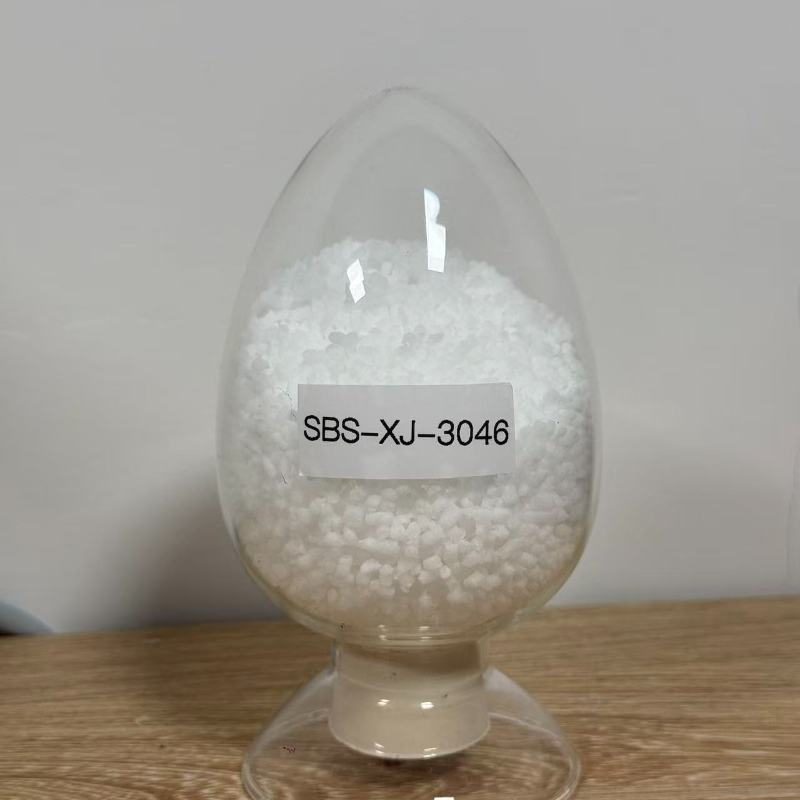
Styrene-butadiene-styrene (SBS) is a thermoplastic elastomer built from a hard-soft-hard triblock architecture, with polystyrene end blocks surrounding a polybutadiene mid-block. This microphase-separated structure gives SBS an unusual combination of rubber-like elasticity, thermoplastic processability, and strong recovery after deformation, which is why it is widely used in adhesives, asphalt modification, footwear, and polymer compounding.
Within the broader family of styrenic block copolymers, SBS is one of the most commercially important materials because its properties can be tuned by changing styrene content, molecular weight, and architecture such as linear or radial forms. It is especially valued in applications that require low-temperature flexibility, good tack or adhesion, and the ability to be remelted and reprocessed without chemical vulcanization.
SBS also sits at an important intersection of performance and sustainability. Its service life advantages can reduce material replacement in products such as roofing membranes and modified asphalt, but its unsaturated polybutadiene segment makes it less weather-resistant than fully hydrogenated styrenic elastomers such as SEBS, and it is not itself a simple solution to plastic circularity. Current development work focuses on lower-VOC formulations, better oxidative stabilization, improved compatibility in polymer blends, and greater use in durable infrastructure materials where long life offsets resource consumption.
History and Development
SBS emerged from advances in anionic polymerization, which made it possible to build block copolymers with controlled chain sequence and narrow molecular architecture. The key innovation was the realization that polystyrene end blocks can form hard physical domains, while the polybutadiene middle segment provides elasticity, producing a material that behaves like rubber in use but can be processed like a thermoplastic when heated.
Commercial development accelerated as industries sought alternatives to vulcanized rubber that could be melted, molded, and recycled in processing systems. SBS gained early traction in footwear, adhesives, and asphalt modification, then expanded into sealants, flexible compounds, and impact modifiers for plastics. Its success helped establish styrenic block copolymers as a major thermoplastic elastomer platform alongside SIS, SEBS, and related families.
Chemical Structure and Key Properties
SBS is a triblock copolymer typically described as S-B-S, where the polystyrene blocks are at the ends and the polybutadiene block is in the center. In plain terms, the styrene-rich blocks are the hard phase and the butadiene-rich block is the soft phase.
Structure-property relationship
- The polystyrene end blocks form physical crosslinks below their glass transition temperature, giving the material strength and shape retention.
- The polybutadiene mid-block remains flexible at ambient temperatures, providing elasticity and impact resistance.
- The resulting microphase separation is reversible with heat, which allows remelting and reshaping.
Key properties
| Property | Typical SBS behavior |
|---|---|
| Mechanical response | Elastic, resilient, and tough |
| Processing | Thermoplastic; can be melt processed and reprocessed |
| Low-temperature performance | Strong, often better than many rigid plastics |
| Adhesion / tack | Good, especially in hot-melt and pressure-sensitive formulations |
| Solubility | Readily soluble in many hydrocarbon solvents, which is useful in solvent-borne adhesives and coatings |
| Weathering resistance | Moderate to limited in outdoor exposure because the butadiene block is unsaturated and can oxidize |
| Heat resistance | Moderate; service performance is limited at elevated temperatures compared with more heat-stable TPEs |
A useful practical limit is that outdoor weathering can be weak → the polybutadiene segment contains unsaturation that oxidizes under UV/oxygen exposure → stabilizers, protective formulations, or substitution with SEBS are common workarounds.
Another important limit is that high-temperature performance is only moderate → physical crosslinks soften above the styrene domains’ effective temperature window → engineers compensate by increasing styrene content, blending, or selecting a different TPE platform for hotter service conditions.
Production Processes and Raw Feedstocks
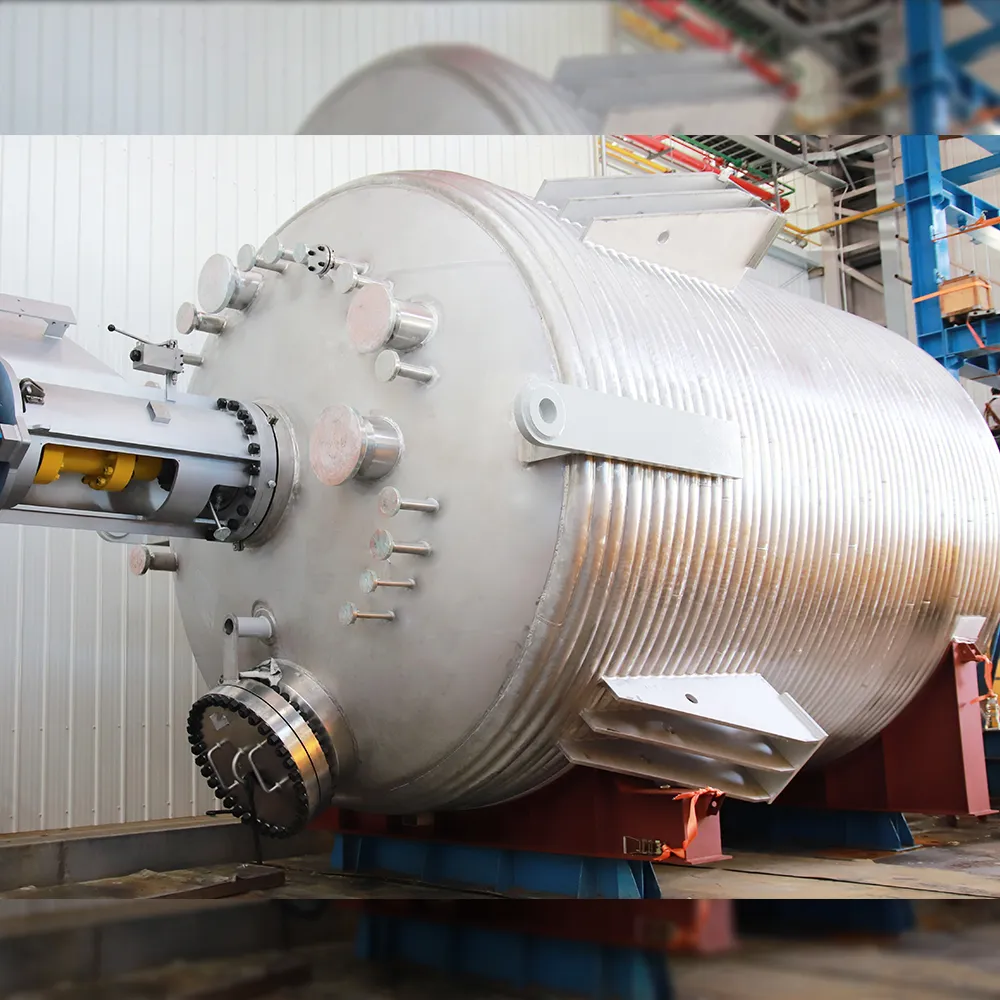
SBS is generally produced by anionic polymerization of styrene and butadiene, typically in hydrocarbon solution with organolithium initiators. This method allows precise control over block formation and molecular weight, which is critical because small changes in architecture can strongly affect viscosity, hardness, elongation, and adhesion.
Typical feedstocks and process steps
- Styrene and butadiene are the main monomers.
- Polymerization is usually carried out in solution rather than bulk, helping control heat and chain growth.
- Depending on design, the product may be linear or radial/star-shaped, with radial grades often offering different rheology and elastic response.
- After polymerization, the material may be compounded with oil, antioxidants, tackifiers, fillers, pigments, or process aids depending on the target end use.
Formulation note
- Process oil at around 20 to 50 phr is common in many flexible SBS compounds → it lowers hardness and melt viscosity by swelling the rubbery phase → this improves processability in adhesives, footwear, and sealant compounds.
- Antioxidants such as hindered phenols are often used at low loadings, commonly below 1 phr in many elastomeric formulations → they slow oxidative chain scission in the unsaturated butadiene block → this improves storage and service stability.
Applications and End-Use Markets
SBS is used where elasticity, adhesion, processability, and low-temperature flexibility must coexist. Its main markets span infrastructure, adhesives, consumer products, and plastic modification.
| End-use sector | Typical SBS role | Common grade or form |
|---|---|---|
| Asphalt and roofing | Bitumen modifier, waterproofing membrane component, mastic | High-molecular-weight, often radial or suitably oil-extended grades |
| Adhesives and sealants | Hot-melt adhesives, pressure-sensitive adhesives, construction sealants | Linear grades with controlled styrene content and tackifier compatibility |
| Footwear | Shoe soles and molded elastomeric components | Flexible compounds, often oil-extended |
| Polymer modification | Impact modifier for styrenics and compatible blends | Compounding grades |
| Consumer and industrial goods | Gaskets, grips, anti-slip mats, soft-touch parts | General-purpose elastomeric grades |
| Medical and personal care | Flexible non-sterile components, grips, housings, some disposable product parts | Specialized low-extractables compounds |
| Packaging and films | Flexible packaging layers, sleeves, and specialty films | Processable grades in blends or formulations |
Major application areas
1. Asphalt modification and roofing
This is one of SBS’s most important markets. SBS-modified bitumen improves elastic recovery, crack resistance, and low-temperature flexibility, making pavements and roofing membranes more resistant to thermal cycling and mechanical stress. In roofing, it is used in waterproof membranes, mastics, sealants, and coatings.
2. Adhesives and sealants
SBS is a cornerstone polymer for hot-melt and pressure-sensitive adhesives because it provides tack, cohesive strength, and flexibility while remaining processable in conventional melt equipment. It is widely used in decorative adhesives, packaging-related bonding, and construction sealants.
3. Footwear
SBS has long been used in shoe soles because it combines comfort, resilience, abrasion resistance, and moldability. The usual advantage is a rubber-like feel without full vulcanization, which supports efficient mass production.
4. Plastic compounding and impact modification
SBS is used to improve toughness in styrenics and compatibilize certain polymer blends, especially where low-temperature impact resistance is needed. In small amounts, it can significantly improve the toughness of compounds based on plastics such as polypropylene, polyethylene, or polystyrene in certain formulations, although compatibility and final properties depend heavily on blend design.
5. Consumer and industrial elastomeric products
SBS is used in grips, mats, gaskets, seals, and various molded or extruded items where flexibility and resilience are more important than long-term outdoor durability.
One poor-fit use
SBS is a poor fit for long-term outdoor structural exposure → its unsaturated butadiene block is vulnerable to oxidation, ozone, and UV aging → SEBS or other stabilized systems are typically preferred when weathering resistance is critical.
Environmental and Sustainability Aspects
SBS is not bio-based in its conventional commercial form; it is generally derived from petrochemical styrene and butadiene. Its sustainability profile is therefore tied to fossil feedstocks, process energy, product durability, and end-of-life handling.
Recyclability and circularity
- As a thermoplastic elastomer, SBS can be remelted and reprocessed during manufacturing scrap recovery.
- In practice, however, post-consumer recycling is difficult when SBS is combined with bitumen, fillers, adhesives, or multi-material structures.
- In durable infrastructure uses, its value often comes from service-life extension, which can lower lifetime material demand even if the polymer itself is fossil-based.
Bio-based and lower-impact alternatives
- Bio-attributed styrene and bio-based butadiene routes are under development in the wider market, but they are not yet mainstream for SBS at large scale.
- For applications requiring higher aging resistance, SEBS is often chosen because hydrogenation removes most unsaturation in the mid-block, improving weatherability and stability.
- In some adhesive or compounding systems, formulators reduce SBS content through optimized tackifier packages, better oils, or partial substitution with alternative elastomers to lower environmental impact while maintaining performance.
Carbon footprint considerations
The footprint of SBS depends heavily on monomer sourcing, plant energy intensity, and use phase durability. In road and roofing applications, long lifespan and reduced maintenance can be a meaningful offset against initial fossil-based production impacts, whereas short-lived consumer goods offer less environmental benefit.
Economic and Global Market Impact
According to recent industry analyses, SBS demand is closely linked to infrastructure spending, roofing activity, footwear production, and adhesive consumption. The market is also influenced by crude oil and monomer price volatility, since styrene and butadiene costs strongly affect SBS economics.
Strategic market features
- SBS is favored where a cost-performance balance is needed, especially in construction and adhesives.
- Demand tends to rise with road maintenance cycles, housing renovation, and consumer goods manufacturing.
- Producers compete on styrene content range, melt viscosity, oil extension, radial versus linear architecture, and consistency of supply.
Leading producers
Major global SBS capacity is concentrated in Asia, Europe, and parts of North America, with producers including large petrochemical and specialty polymer companies such as TSRC, LG Chem, LCY, Kuraray, and several Chinese suppliers. Market leadership often reflects integration with upstream monomer supply and downstream compounding or asphalt modifier distribution.
Current Challenges and Innovations
Main challenges
- Oxidative aging in outdoor or hot service because of the unsaturated mid-block.
- Compatibility constraints in complex blends, especially when SBS is used as a modifier rather than the primary matrix.
- Bitumen formulation stability, where high SBS loadings can raise viscosity and storage complexity in modified asphalt systems.
- End-of-life separation when SBS is embedded in multi-layer or composite products.
Innovation directions
- Radial SBS architectures to tune rheology and processability in adhesives and asphalt systems.
- Oil-extended and non-oil-extended grades to better balance softness, strength, and formulation flexibility.
- Higher-performance stabilization packages for longer outdoor life.
- Hybrid asphalt systems that combine SBS with other modifiers for improved storage stability and fatigue resistance.
- Medical and specialty applications where SBS-derived platforms are engineered for controlled softness and processing performance, although regulatory and extractables requirements are demanding.
Future Outlook
SBS is likely to remain a core thermoplastic elastomer for adhesives, roofing, footwear, and impact modification, because its performance profile is difficult to replace at equivalent cost in many applications. The most important future shifts are expected to involve more efficient compounding, greater use in long-life infrastructure materials, improved oxidative stability, and partial decarbonization through cleaner monomer supply and more circular feedstocks.
In the longer term, SBS will compete increasingly with SEBS and other thermoplastic elastomers where weathering and thermal resistance are critical, while retaining an advantage in formulations that value tack, flexibility, and cost effectiveness. Its strongest growth opportunities are likely to come from road durability systems, advanced sealants, and optimized adhesive platforms rather than from generic consumer goods.
Summary
SBS is a styrenic thermoplastic elastomer whose hard styrene end blocks and soft butadiene mid-block create a versatile balance of elasticity, strength, and processability. It is widely used in asphalt modification, roofing, adhesives, footwear, and polymer compounding, but its unsaturated structure limits outdoor weathering and high-temperature stability. Its future depends on better stabilization, smarter compounding, cleaner feedstocks, and continued use in applications where long service life justifies its petrochemical origin.
References
- •
Styrene-butadiene block copolymer (SBS): Structure, properties ... (2025, May 13). Zhonglitec. https://www.zhonglitec.com/news/industry-news/styrenebutadiene-block-copolymer-sbs-structure-properties-and-industrial-applications.htmlLink
- •
What is styrene-butadiene block copolymer (SBS) used for? (2025, August 7). Zhonglitec. https://www.zhonglitec.com/news/industry-news/what-is-styrenebutadiene-block-copolymer-sbs-used-for.htmlLink
- •
Styrene butadiene styrene (SBS) copolymer: Types, applications ... (2026, March 16). Canrud. https://www.canrud.com/knowledge/testing-analysis/styrene-butadiene-styrene-sbs-copolymer-types-applications-and-uses-in-2026-97Link
- •
SBS and SEBS thermoplastic elastomers: Industrial applications ... (2026, February 10). Arvin Polymer. https://arvinpolymer.com/en/news/62/sbs-and-sebs-thermoplastic-elastomers-industrial-applications-and-comparative-analysisLink
- •
Styrene-butadiene-styrene - An overview. (n.d.). ScienceDirect. https://www.sciencedirect.com/topics/engineering/styrene-butadiene-styreneLink
- •
Poly(styrene-butadiene-styrene) introduction. (n.d.). Voltronic Turkey. https://voltronic-turkey.com/wp-content/uploads/2023/11/SBS.pdfLink
- •
Styrene-butadiene and styrene-isoprene block copolymers (SBR). (2009, July 22). Britannica. https://www.britannica.com/science/styrene-butadiene-and-styrene-isoprene-block-copolymersLink
- •
SBS. (n.d.). LG Chem. https://www.lgchem.com/product-detail/sbsLink
- •
Бутадиен-стирольный каучук СБС: состав, структура и ... (2026, March 16). Zvenogroup. https://zvenogroup.ru/blog/formula-butadien-stirolnogo-kauchuka/Link
- •
Difference between SBS and SBR. (2022, January 1). Mexpolimeros. https://www.mexpolimeros.com/eng/diferencia%20entre%20sbs%20y%20sbr.htmlLink
- •
Copolímero de bloque de estireno-butadieno (SBS). (2025, May 13). Zhonglitec. https://es.zhonglitec.com/news/industry-news/styrenebutadiene-block-copolymer-sbs-structure-properties-and-industrial-applications.htmlLink
- •
A complete guide on styrene butadiene copolymer resins. (2025, July 17). SpecialChem. https://www.specialchem.com/adhesives/guide/selection-of-styrene-butadiene-copolymer-resinsLink
- •
Diferencia entre SBS y SBR. (2010, January 1). Mexpolimeros. https://www.mexpolimeros.com/diferencia%20entre%20sbs%20y%20sbr.htmlLink
- •
苯乙烯-丁二烯嵌段共聚物. (2022, July 29). Baidu. https://baike.baidu.com/item/%E8%8B%AF%E4%B9%99%E7%83%AF-%E4%B8%81%E4%BA%8C%E7%83%AF%E5%B5%8C%E6%AE%B5%E5%85%B1%E8%81%9A%E7%89%A9/5138310Link
- •
SBS: Styrene butadiene styrene (non-oil-extended). (n.d.). LCY. https://www.lcycic.com/en/product/performance-materials/thermoplastic-elastomers/sbs-noeLink
- •
SBS radial block copolymer: Molecular architecture, performance ... (n.d.). PatSnap Eureka. https://eureka.patsnap.com/materials/sbs-radial-block-copolymerLink
- •
Styrene-butadiene-styrene block copolymer. (n.d.). Gulei Petrochemical. https://www.gulei-petrochemical.com/knowledge/styrene-butadiene-styrene-block-copolymer-sbs-cas-9003-55-8-industrial-supply.htmlLink
- •
SBS - Styrene butadiene styrene. (n.d.). Biesterfeld. https://www.biesterfeld.com/en/se/product/sbs-styrene-butadiene-styrene/Link
- •
SBS. (2024, May 9). Polimertec. https://polimertec.com/en/produkt/sbs-2/Link
- •
Styrene butadiene styrene block copolymer. (n.d.). PatSnap Eureka. https://eureka.patsnap.com/materials/sbs-block-copolymer-analysisLink
- •
SBS(styrene –butadiene block copolymer). (n.d.). Haitung Chem. https://www.haitungchem.com/sbsstyrene-butadiene-block-copolymer.htmlLink
- •
Styrene-butadiene-styrene block copolymer. (2025, January 1). Infosis Resin. https://www.infosis-resin.com/knowledge/information/styrene-butadiene-styrene-block-copolymer-chemical-buy-supplier-manufacturer-factory-price.htmlLink
- •
SBS linear block copolymer: Comprehensive analysis of ... (2026, February 26). PatSnap Eureka. https://eureka.patsnap.com/materials/sbs-linear-block-copolymerLink
- •
What is SBS? The main advantages and applications of SBS. (2025, July 14). LinkedIn. https://www.linkedin.com/pulse/what-sbs-main-advantages-applications-chembull-vmnhcLink
- •
TDS_SBS_R30-00A_21.06.2021. (2026, January 1). Scribd. https://www.scribd.com/document/943977132/TDS-SBS-R30-00A-21-06-2021Link
- •
Understanding styrene-butadiene copolymer resins. (n.d.). Zhonglitec. https://www.zhonglitec.com/news/industry-news/understanding-styrenebutadiene-copolymer-resins-a-comprehensive-guide.htmlLink
- •
SBS. (2023, July 19). TSRC. https://www.tsrc.com.tw/products-services/sbs/Link
- •
Styrene butadiene styrene (SBS) in the real world: 5 uses you'll ... (2025, October 8). LinkedIn. https://www.linkedin.com/pulse/styrene-butadiene-sbs-real-world-5-uses-youll-actually-jtb6fLink
- •
Poly(styrene-butadiene-styrene). (n.d.). Polymer Science Learning Center. https://pslc.ws/french/sbs.htmLink
- •
Ready to revolutionise your polymer processing with ... (2025, October 20). Xiangxi Chem. https://www.xiangxichem.com/ready-to-revolutionise-your-polymer-processing-with-sbs-and-sebs-compounds/Link
- •
We are a styrene butadiene styrene (SBS) supplier. (2012, February 15). BassTech International. https://basstechintl.com/products/styrene-butadiene-styrene-sbs/Link
- •
SBS block copolymer market size 2025-2035. (2025, July 7). Future Market Insights. https://www.futuremarketinsights.com/reports/styrene-butadiene-styrene-block-copolymer-marketLink
- •
Styrene-butadiene-styrene block copolymer boosts performance ... (2026, May 6). LinkedIn. https://www.linkedin.com/posts/shreya-sulkunde_styrene-butadiene-styrene-block-copolymer-activity-7457662937286152192-5Ap4Link
- •
China styrene butadiene copolymer SBS polymer ... (n.d.). CH Polymer. https://www.chpolymer.com/rubber/sbs-rubber/styrene-butadiene-copolymer-sbs-polymer.htmlLink
- •
Application of thermoplastic styrene butadiene rubber ... (2025, June 20). LinkedIn. https://www.linkedin.com/pulse/application-thermoplastic-styrene-butadiene-rubber-mike-zf4neLink
- •
SB (styrene-butadiene): Comprehensive technical analysis for ... (n.d.). PatSnap Eureka. https://eureka.patsnap.com/materials/sb-styrene-butadiene-analysisLink
- •
Styrenic block copolymer‐based thermoplastic elastomers ... (n.d.). Wiley Online Library. https://onlinelibrary.wiley.com/doi/full/10.1002/app.52942Link
- •
SBS copolymer. (2024, July 26). Monchy. https://monchy.com/products/styrol-butadien-styrol-copolymer-sbs/Link
- •
What are styrenic block copolymers? (2026, August 3). Kuraray. https://elastomer.kuraray.com/eu-en/blog/styrenic-block-copolymer/Link
- •
Effect of styrene–butadiene–styrene triblock copolymer ... (2023, October 12). Construction and Building Materials. https://www.sciencedirect.com/science/article/abs/pii/S0950061823024546Link