
Introduction
Liquid silicone rubber (LSR) is a two-component, platinum-cured silicone elastomer supplied as a low-viscosity liquid and converted into a solid, high-performance rubber during heat curing. It is widely used where precision molding, thermal stability, electrical insulation, biocompatibility, and long service life are required, especially in medical devices, automotive sealing, electronics, food-contact products, and infant-care goods.
As a member of the silicone family, LSR differs from conventional hydrocarbon rubbers because its backbone is based on siloxane chemistry rather than carbon–carbon chains, which gives it unusually broad temperature resistance and weathering durability. Commercial LSR compounds are typically formulated from vinyl-terminated polysiloxanes, reinforcing silica, crosslinkers, platinum catalysts, and functional additives, allowing manufacturers to tailor hardness, clarity, tear strength, compression set, and conductivity for specific end uses.
The material sits at the intersection of specialty chemistry and high-precision manufacturing. Its low initial viscosity enables automated liquid injection molding, short cure cycles, thin-wall geometries, and flash-free parts, which is why LSR is often selected for parts that are difficult to mold cleanly with conventional elastomers.
Historically, LSR emerged as part of the broader evolution of silicone elastomers from room-temperature vulcanizing and high-consistency compounds toward faster, cleaner, and more repeatable production methods. Current development is focused on medical-grade purity, optical transparency, self-bonding grades, electrically conductive formulations, and more sustainable formulations with lower extractables, improved process efficiency, and increasing use of recycled or mass-balance silicone feedstocks where available.
History and Development
Silicone elastomers were developed from the mid-20th century as industry sought materials that could outperform organic rubbers under heat, ozone, moisture, and electrical stress. LSR became especially important when precision injection molding matured, because a pumpable two-part silicone enabled faster cycle times and tighter dimensional control than many traditional rubber-processing routes.
The adoption of LSR accelerated in sectors that needed clean processing and reliable performance, particularly healthcare, infant products, and electronics. In these markets, the material’s low volatility, low compression set, and sterilization resistance became decisive advantages over many thermoplastic or hydrocarbon-based alternatives.
Chemical Structure and Key Properties (Technical Overview)
LSR is an addition-cured silicone elastomer built on a siloxane chain, with silicon and oxygen atoms in the backbone and organic side groups that influence flexibility and reactivity. The oxygen-rich backbone is more flexible than carbon-based chains, which contributes to the material’s resilience at low temperatures and its ability to retain elasticity after prolonged thermal exposure.
Typical commercial systems are supplied as two parts, commonly called A and B, that are mixed and then cured in a heated mold. One part usually contains the base polymer and catalyst, while the other carries the crosslinker and inhibitor package; in platinum-cured systems, hydrosilylation links the vinyl-functional polymer chains into a stable network.
Key property profile
- Thermal stability: LSR commonly operates from about -60 °C to 200 °C, with short-term peaks above that range in some grades.
- Electrical insulation: LSR is valued for high resistivity and dielectric strength, making it suitable for encapsulation and insulation components.
- Biocompatibility: Medical grades can be formulated for contact with skin, mucosa, or body fluids, and are widely used in healthcare devices.
- Low compression set: This supports long-term sealing performance under load, which is essential in gaskets and O-rings.
- Processability: Its low initial viscosity supports precise injection molding and fine-feature replication.
Real limits and workarounds
- Poor oxygen and grease barrier → caused by the inherently permeable siloxane network → usually worked around with multilayer structures, coatings, or by choosing a different polymer such as barrier-grade thermoplastics for packaging.
- Low surface energy before treatment → caused by the non-polar silicone surface chemistry → often addressed with plasma, corona, primer systems, or overmolding to improve adhesion, printing, or bonding.
- Higher material cost than commodity elastomers → caused by specialty feedstocks, purification, and platinum-cure processing → offset by lower scrap, automation, faster cycle times, and longer part life in demanding uses.
Typical property ranges
| Property | Typical range or characteristic | Practical significance |
|---|---|---|
| Hardness | about 5 to 80 Shore A | Covers very soft seals to firmer technical parts |
| Tensile strength | about 4 to 10 MPa in filled systems | Suitable for functional elastomer parts |
| Elongation at break | about 200% to 800% | Supports elastic deformation and recovery |
| Compression set | often low relative to many rubbers | Important for durable sealing |
| Transparency | possible in low-fill grades | Used for lighting, optics, and clear consumer parts |
Production Processes and Raw Feedstocks
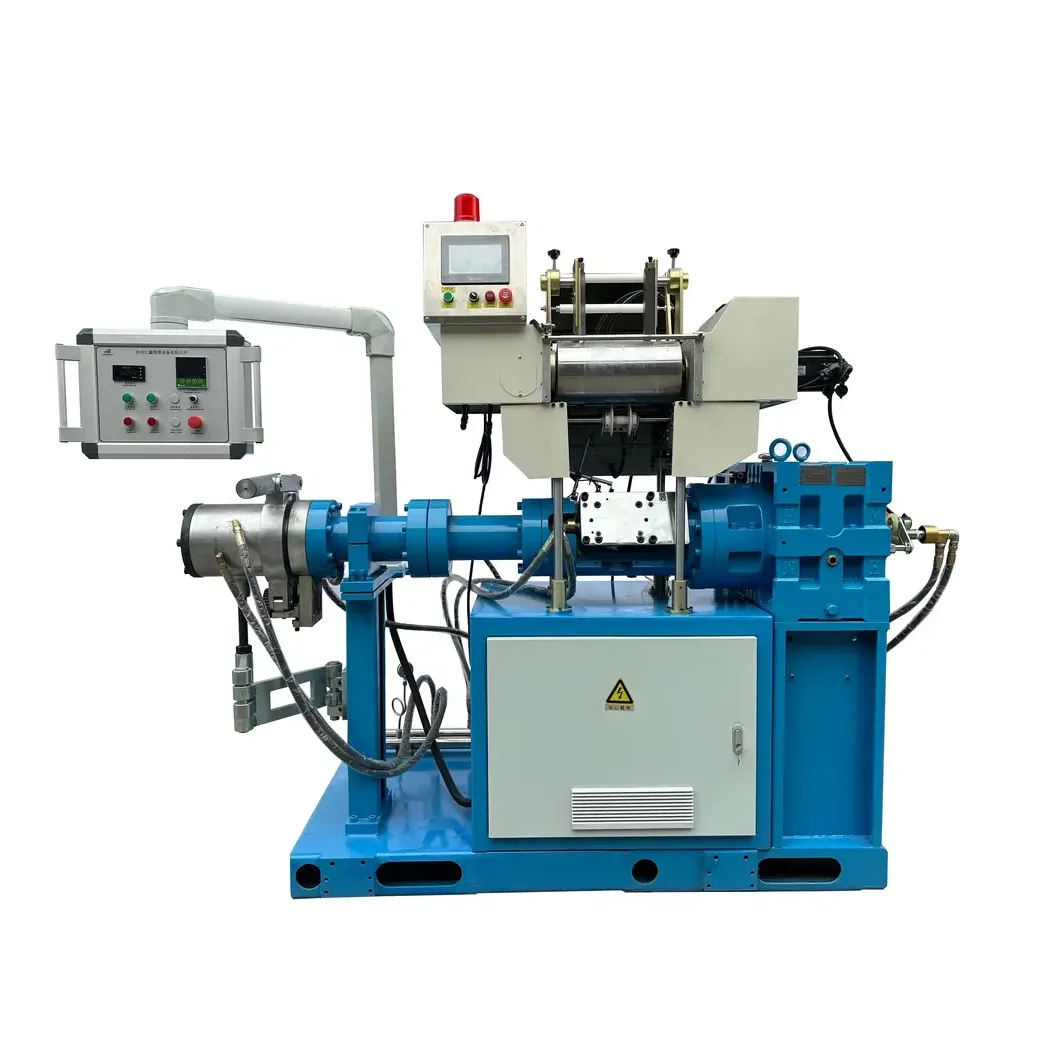
LSR is produced by compounding silicone base polymers with fillers, catalysts, crosslinkers, and additives into two pumpable components. The base polymer is typically a polyorganosiloxane, while reinforcing silica is used to improve mechanical strength and tear resistance.
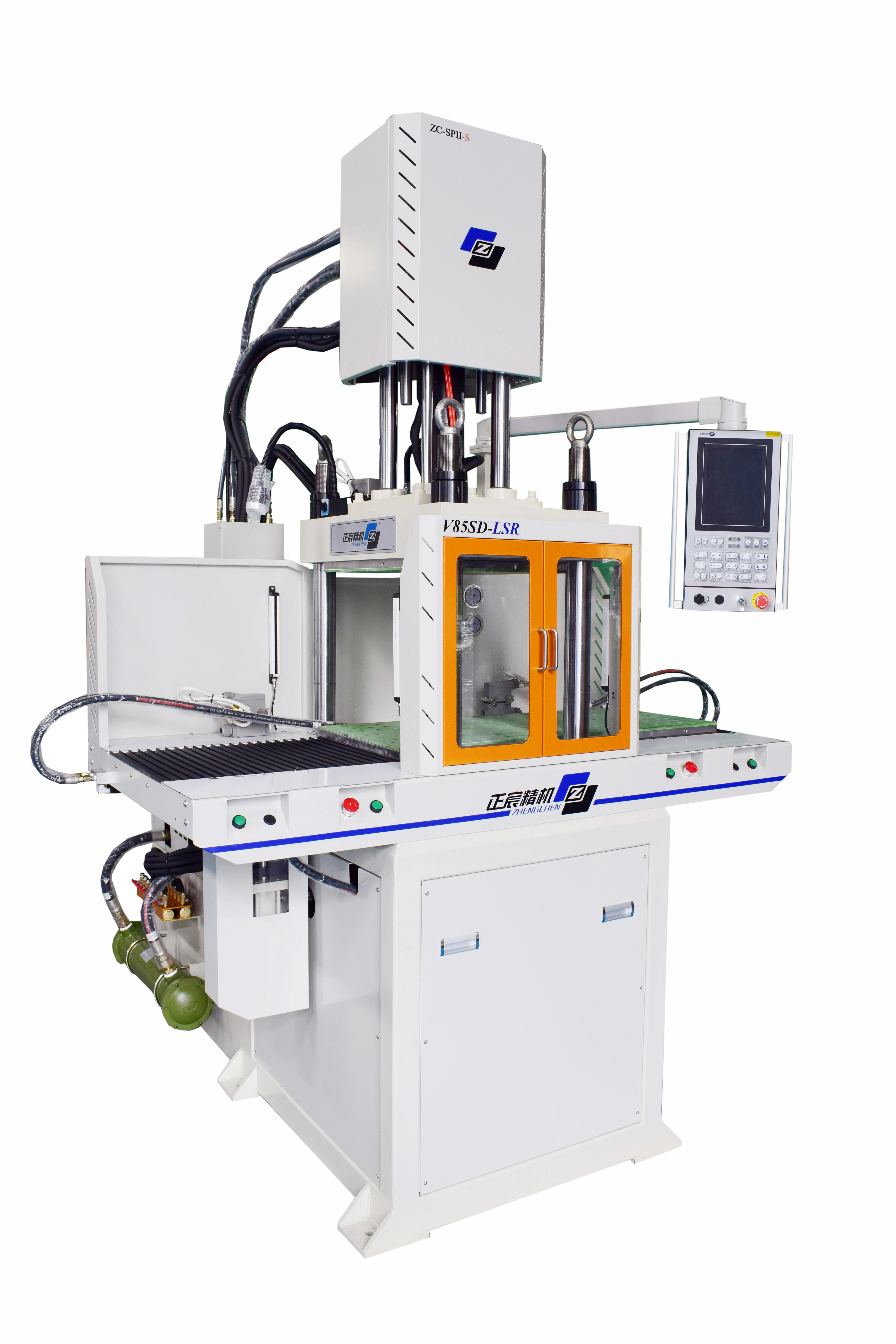
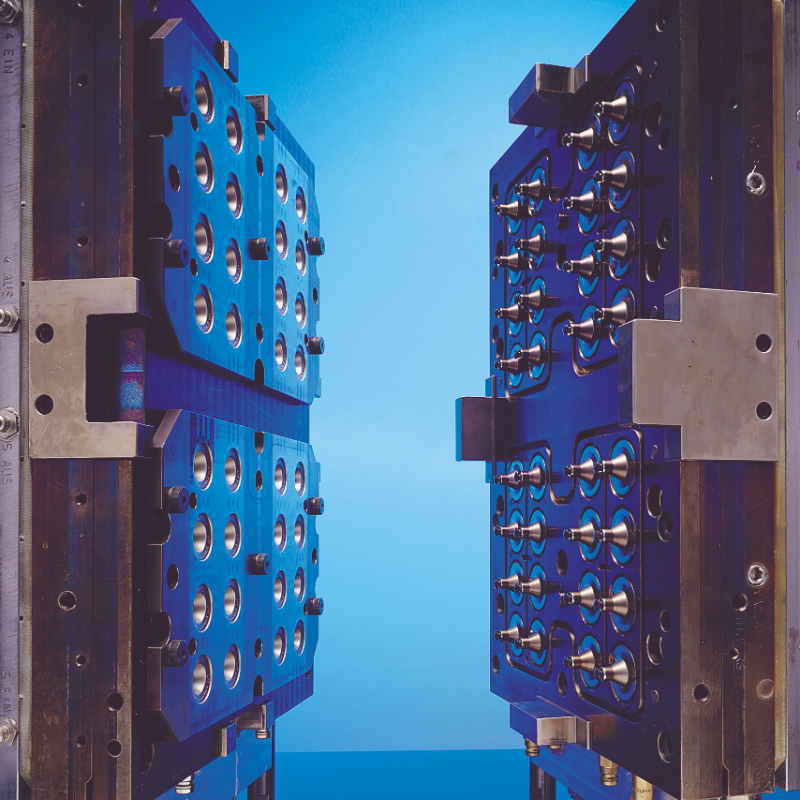
The key industrial processing route is liquid injection molding, in which the two components are metered, mixed, injected into a heated mold, and rapidly cured into the finished part. This process is especially suitable for high-volume, dimensionally consistent parts with complex geometries, thin walls, and low flash requirements.
Important raw-feedstock and formulation elements include:
- Silicone polymers: provide the elastomeric backbone.
- Reinforcing silica: increases strength, tear resistance, and dimensional stability.
- Platinum catalysts: enable rapid addition cure.
- Crosslinkers and inhibitors: control pot life, cure speed, and final network density.
- Functional additives: can impart color, radiopacity, conductivity, self-lubrication, or self-bonding behavior.
A practical formulation example is a medical-grade clear LSR with low filler loading for optical clarity and low extractables, whereas a sealing grade for automotive use may include more reinforcement to improve tear resistance and compression set performance.
Applications and End-Use Markets
LSR is a cross-sector material, but it is especially strong where precision, cleanliness, and durability matter.
| End-use sector | Common LSR grades | Typical process | Representative parts |
|---|---|---|---|
| Medical and healthcare | medical-grade, low-extractable, biocompatible | liquid injection molding | catheters, seals, masks, valves, drug-delivery components |
| Automotive and EVs | heat-resistant, tear-resistant, conductive or self-bonding grades | injection molding, overmolding | gaskets, connector seals, battery seals, cable glands, boots |
| Electronics and lighting | insulating, transparent, conductive, flame-retardant grades | precision molding | keypads, connectors, LED optics, encapsulants |
| Food contact and infant care | food-grade, odorless, high-purity grades | injection molding | bottle nipples, pacifiers, bakeware, kitchen accessories |
| Industrial and energy | high-temperature, chemical-resistant grades | molding and sealing | O-rings, insulators, weatherseals, grommets |
Major application areas
- Medical devices: LSR is widely used in catheters, infusion components, valve membranes, respiratory masks, seals, and implant-adjacent parts because it can be cleanly molded and sterilized.
- Automotive and EV systems: It is used in engine gaskets, spark-plug boots, connector seals, sensor housings, battery-pack seals, and cable glands, where heat resistance and sealing durability are important.
- Electronics: LSR serves as an electrical insulator and weather barrier in keypads, housings, seals, and LED-related components.
- Consumer and infant products: Its softness, neutrality, and clean processing make it suitable for baby nipples, pacifiers, wearable straps, kitchen tools, and food-contact parts.
- Industrial sealing: LSR performs well in O-rings, gaskets, and vibration-damping parts exposed to heat, moisture, and chemicals.
One relatively poor-fit use is oxygen-barrier packaging, because LSR’s permeability is too high for applications that require strong gas or aroma retention.
Environmental and Sustainability Aspects
LSR is not biodegradable, and it is generally used because its service life and performance outweigh that limitation in demanding applications. Its chemical durability can reduce replacement frequency, which may lower lifetime material demand in some sealing and medical uses, but it also means end-of-life management remains a challenge.
Recycling is more difficult than with thermoplastics because cured LSR is a crosslinked thermoset, so it cannot simply be remelted and reprocessed. Available pathways include:
- Mechanical recycling or grinding into filler-like applications, usually with significant property loss.
- Chemical recovery or devulcanization-style approaches, which remain less mature for silicone elastomers than for some other polymer families.
- Design for longevity and reusability, especially in durable goods and industrial components.
- Material reduction through precision molding, which can reduce scrap compared with more wasteful processing routes.
From a carbon-footprint perspective, LSR is a specialty material with energy-intensive upstream chemistry and purification requirements, but its low scrap rates, long service life, and efficient processing can partially offset that in high-value applications. Bio-based or lower-carbon silicone feedstocks are being explored in the broader silicone industry, but they remain more limited than conventional petrochemical-silicon supply chains.
Economic and Global Market Impact
LSR occupies a premium segment of the elastomer market, where value is driven less by tonnage and more by performance, regulatory compliance, and process efficiency. Demand is supported by medical technology, EV electrification, advanced electronics, and premium consumer products, all of which reward tight tolerances and repeatable processing.
The leading global silicone suppliers include large specialty chemical groups such as Dow, Elkem, Wacker, Momentive, and Shin-Etsu, along with regional producers and compounders that tailor formulations for local medical, automotive, and industrial requirements. Competitive advantage increasingly depends on certification, supply reliability, clean-room-compatible manufacturing, and custom formulation capability rather than price alone.
Current Challenges and Innovations
Current technical and commercial challenges include:
- Adhesion management: LSR often needs primers, plasma treatment, or special bonding chemistries for overmolding and assembly.
- Regulatory compliance: Medical and food-contact grades require strict control of extractables, volatiles, and trace contaminants.
- Conductive and optical tuning: Combining transparency with conductivity or flame resistance remains formulation-intensive.
- End-of-life treatment: Thermoset crosslinking limits straightforward recycling.
Innovation is focusing on:
- Self-bonding LSR grades for multi-material assemblies and automated overmolding.
- Low-extractable medical grades for drug contact, wearables, and long-term implantation-adjacent use.
- Optical and lighting grades with higher clarity and anti-yellowing performance.
- Conductive or EMI-shielding formulations for sensors and electronics.
- More efficient molding systems that reduce cycle time, flash, and energy use.
A practical additive example is a platinum-cured LSR with a silane-based adhesion promoter used in overmolding; at the interface, the promoter helps create stronger interfacial bonding than the untreated silicone surface would allow, reducing delamination in assembled parts.
Future Outlook
LSR is likely to remain a strategic material in sectors that need soft, durable, and precisely molded components. The strongest growth themes are expected in medical devices, EV sealing, wearable electronics, and optical/electrical protection, where performance and regulatory confidence matter more than commodity cost.
Future development is likely to emphasize:
- lower-extractable and cleaner formulations for health-related uses,
- greater integration with automated, high-cavitation molding lines,
- more functional grades for conductivity, optics, and multi-material bonding,
- and improved circularity through longer-life design, lower-waste processing, and emerging recovery routes for silicone materials.
Summary
LSR is a high-performance silicone elastomer defined by low-viscosity processing, rapid platinum cure, excellent thermal stability, strong electrical insulation, and broad formulation flexibility. Its most important role in the plastics and elastomers ecosystem is enabling precision-molded parts for medical, automotive, electronics, and consumer applications that conventional rubbers often cannot serve as effectively.
References
- •
Guide to Liquid Silicone Rubber (LSR) Material. (2024, February 19). Simtec Silicone.Link
- •
Comprehensive Guide to LSR Liquid Silicone Rubber. (n.d.). Churubber.Link
- •
Liquid Silicone Rubber (LSR) – Properties & Uses | Silico®. (2025, September 19). Silicorex.Link
- •
Liquid Silicone Rubber Elastic Material: Advanced Formulations.... (n.d.). Patsnap Eureka.Link
- •
Liquid Silicone Rubber Applications: Industries & Use Cases.... (2026, April 21). Meitu-Engelhardt.Link
- •
Liquid Silicone Rubber (LSR). (2025, November 5). Dow.Link
- •
What Is Liquid Silicone Rubber (LSR)? Engineer's Explainer. (2026, July 8). Wetopsilicone.Link
- •
Applications Of Liquid Silicone Rubber (LSR) Molding - Knowledge. (2025, July 4). Anysiliconerubber.Link
- •
Liquid Silicone Rubber: Global Product Selection Guide. (n.d.). Uniflip.Link
- •
Liquid Silicone Rubber Consumer Material: Comprehensive.... (n.d.). Patsnap Eureka.Link
- •
What is liquid silicone rubber used for - Knowledge. (2024, October 25). Anysiliconerubber.Link
- •
Sattler Elastomer and Polymer Technology. (2023, March 26). Sattler.Link
- •
Liquid Silicone Rubber: Properties, Types, and Process - DEK. (2025, September 4). DEK.Link
- •
The Versatile Applications of Heat-Resistant Liquid Silicone Rubber (LSR) - Knowledge. (2025, February 28). Anysiliconerubber.Link
- •
Liquid Silicone Rubber Materials, LSR for Molding. (2026, June 4). Stockwell.Link
- •
Liquid Silicone Rubber: Definition, Components, and Use. (2025, June 13). Thomasnet.Link
- •
What is a Liquid Silicone Rubber? (n.d.). Elkem.Link
- •
Liquid Silicone Rubber Properties: A Complete Guide - Legensilico. (2026, April 14). Legensilico.Link
- •
LSR Materials Properties and Everything You Need to Know | Fox Mold. (2025, December 15). Foxmolds.Link
- •
What is Liquid Silicone Rubber - LSR Introduction - Junle. (2021, October 8). Junlevn.Link
- •
Introduction to liquid silicone rubber. (2024, September 25). Sbfchem.Link
- •
Injection molding of liquid silicone rubber. (2006, October 14). Wikipedia.Link
- •
What are the Properties of Liquid Silicone Rubber? (2022, November 18). Simtec Silicone.Link
- •
Medical Grade LSR Properties and Applications. (2026, June 2). Simtec Silicone.Link
- •
Liquid Silicone Rubber (LSR) for Precision Injection Molding. (2026, March 24). Momentive.Link
- •
Silicone Elastomers. (n.d.). KCC Silicone.Link
- •
Silico® Liquid Silicone Rubber | Medical & Industrial LSR. (2026, April 20). Silicorex.Link
- •
Liquid Silicone Rubber (LSR): The Ultimate Guide. (2026, May 28). Ruihesilica.Link
- •
Liquid Silicone Rubber Industrial Applications. (n.d.). Patsnap Eureka.Link
- •
Liquid Silicone Rubber (LSR) Injection Molding - Trelleborg. (n.d.). Trelleborg.Link
- •
A Comprehensive Guide to Liquid Silicone Rubber (LSR) Material. (2026, March 11). Legensilico.Link
- •
Liquid Silicone Rubber Injection Molding. (n.d.). Protolabs.Link
- •
Liquid Silicone Rubber (LSR). (2025, April 28). Robinson Rubber.Link
- •
Liquid Silicone Rubber – Tailoring Properties with Chemistry. (2011, September 21). AZoM.Link