
Introduction
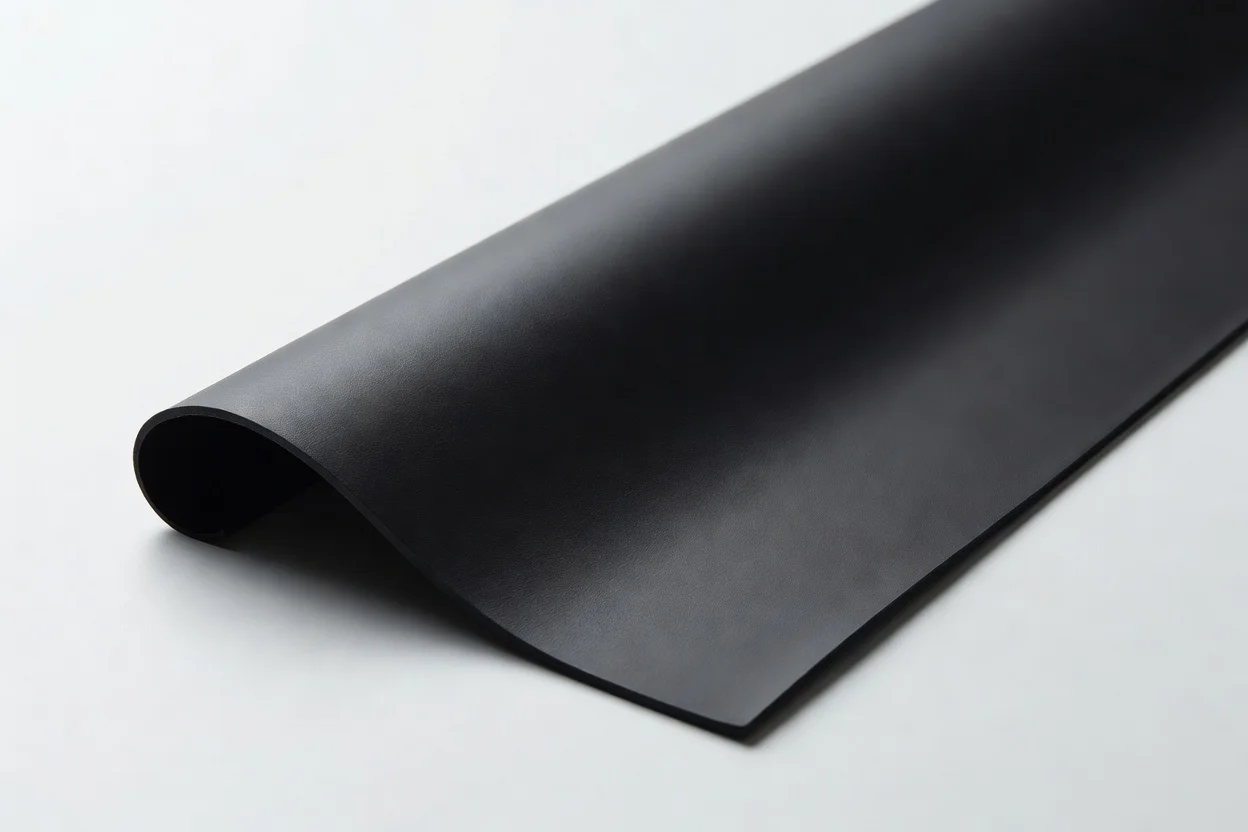
EPDM is a synthetic elastomeric terpolymer made from ethylene, propylene, and a small amount of a non-conjugated diene comonomer, and it is widely used as a durable sealing and weathering material in the plastics and rubber industries. Its saturated hydrocarbon backbone gives it exceptional resistance to ozone, UV radiation, heat, steam, and outdoor aging, while the diene units provide sites for vulcanization and crosslinking that convert the raw polymer into useful rubber compounds.
In industrial practice, EPDM is usually discussed as a family of grades rather than a single material, because properties are tuned through ethylene content, diene type, molecular weight, and compounding package. These variations determine whether the material is optimized for automotive weather seals, roofing membranes, cable jacketing, hoses, gaskets, molded technical parts, or specialty uses such as electrical insulation and potable-water sealing.
EPDM occupies an important position in the plastics value chain because it bridges polymer synthesis, elastomer compounding, and downstream extrusion or molding, and because it is often selected where long service life is more important than resistance to oils and fuels. The material also sits at the center of current sustainability debates: its durability supports long use phases, but its thermoset-like crosslinked end products are difficult to recycle mechanically, which has encouraged research into devulcanization, better compounding efficiency, and more circular design strategies.
History and Development
EPDM emerged in the early 1960s as part of the broader development of ethylene-propylene elastomers designed to improve weather and ozone resistance compared with conventional unsaturated rubbers. The key technical advance was the introduction of a diene monomer into an ethylene-propylene backbone, which preserved the excellent environmental resistance of the saturated chain while restoring the ability to vulcanize effectively.
Commercial adoption accelerated as the material proved especially well suited to outdoor sealing and building applications, automotive weatherstripping, and electrical insulation. Over time, catalyst systems and process control improved, enabling tighter control over molecular architecture, cleaner polymer production, and more consistent grades for demanding applications.
Chemical Structure and Key Properties
EPDM is an amorphous elastomer belonging to the unsaturated polyolefin family, typically prepared by polymerizing ethylene and propylene with a small quantity of a non-conjugated diene. Common diene comonomers include ENB, DCPD, and VNB, and the diene units are usually incorporated in side chains rather than the main backbone.
That structure explains the material’s defining behavior:
- The saturated backbone provides strong resistance to ozone, sunlight, oxidation, and heat.
- The diene side groups enable sulfur vulcanization or alternative crosslinking routes, creating durable rubber networks for finished parts.
- The amorphous morphology gives flexibility and elastic recovery, especially when the compound is properly reinforced and cured.
Typical property ranges vary widely by grade and formulation, but commonly reported EPDM compounds can cover hardness from roughly 40 to 90 Shore A, tensile strength up to about 25 MPa, and elongation at break from roughly 300% to 600%. Low-temperature flexibility is also a major advantage, with many grades remaining serviceable in severe cold, while specialist grades extend the upper operating range for hot-water and steam service.
Key limitations and workarounds
- Poor resistance to oils and fuels → cause: the saturated, non-polar polyolefin backbone swells in many hydrocarbon fluids → workaround: choose nitrile rubber, fluorocarbon rubber, or a more fluid-resistant elastomer when prolonged oil or fuel exposure is expected.
- Weak mechanical strength when unfilled → cause: EPDM is amorphous and does not self-reinforce strongly like some crystalline polymers → workaround: add reinforcing fillers such as carbon black, silica, or mineral fillers, plus optimized cure systems.
- Low surface energy and difficult adhesion to some substrates → cause: the non-polar surface resists wetting and bonding → workaround: corona or plasma treatment, primers, adhesive tie layers, or co-extrusion with more polar materials.
Property summary
| Attribute | Typical EPDM behavior |
|---|---|
| Weather resistance | Excellent |
| Ozone resistance | Excellent |
| UV resistance | Excellent |
| Steam resistance | Excellent to very good, grade dependent |
| Electrical insulation | Very good |
| Oil and fuel resistance | Poor |
| Compression set | Good to very good, formulation dependent |
| Reinforcement need | High, especially in unfilled compounds |
Production Processes and Raw Feedstocks
EPDM is produced from ethylene, propylene, and a diene comonomer derived from petrochemical feedstocks. Industrial production typically uses polymer-grade monomers and catalyst systems designed to control microstructure, molecular weight, and comonomer incorporation.
A representative manufacturing flow includes:
- Polymerization Ethylene and propylene are copolymerized with a small amount of diene, commonly in solution or suspension processes, depending on the technology platform.
- Purification Residual monomers, catalyst fragments, and solvents are removed to meet product-quality and stability targets.
- Finishing The polymer is devolatilized, pelletized or baled, and packaged for shipment to compounders.
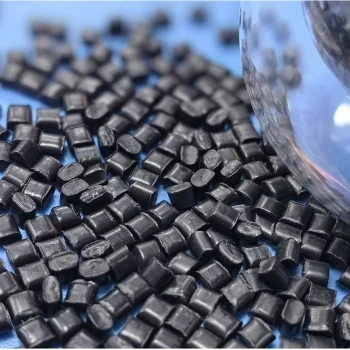
Catalyst choice is central to product performance and process economics. Modern processes use advanced coordination catalysts to tailor ethylene content, diene content, and viscosity distribution, which in turn influence processability, cure response, and final part properties.
Because EPDM is usually converted into compounded rubber before final use, the downstream formulation step is as important as the polymer synthesis step. Common ingredients include carbon black or silica reinforcement, oils or plasticizers, antioxidants, curing agents, and processing aids, all of which determine compression set, tear resistance, flexibility, and weathering behavior.
Applications and End-Use Markets
EPDM is primarily used where long-term exposure to heat, ozone, water, or weathering is expected. It is especially important in automotive, construction, electrical, and industrial sealing markets.
| End-use sector | Typical EPDM grade/form | Main reason for use |
|---|---|---|
| Automotive sealing | Extruded and molded compounds | Weather, ozone, heat, and dynamic sealing |
| Roofing and construction | Sheets, membranes, coated fabrics | UV and weather durability, waterproofing |
| Wire and cable | Insulating and jacketing compounds | Electrical insulation and outdoor stability |
| Hoses and tubing | Flexible compounded grades | Heat and water resistance |
| Gaskets and O-rings | Molded technical compounds | Compression sealing and recovery |
| Electrical/electroplating | Lining compounds | Dielectric strength and chemical exposure in selected media |
| Specialty outdoor products | Sheets, profiles, sponge forms | Durability in harsh environments |
Major applications
- Automotive: door and window seals, weatherstripping, grommets, hoses, vibration mounts, and coolant-related components where heat and environmental durability are critical.
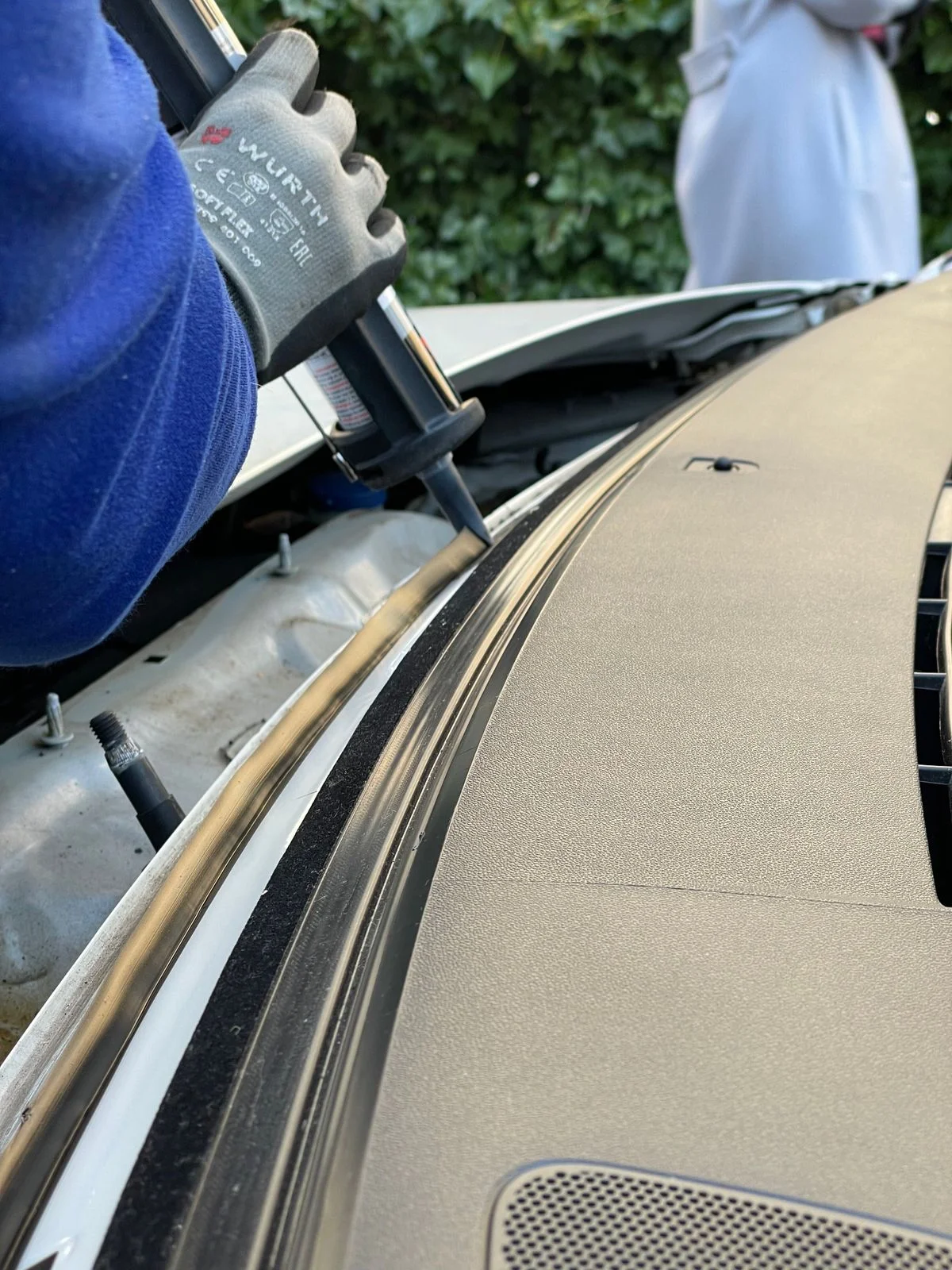
- Construction: roofing membranes, expansion joints, glazing gaskets, waterproofing layers, and sealants for long-life exterior exposure.

- Wire and cable: cable jacketing and insulation, especially where UV and ozone resistance matter.
- Industrial sealing: O-rings, tank linings, valve parts, and seals exposed to water, steam, dilute chemicals, or outdoor conditions.
- Electrical applications: insulation pads, cable accessories, and electroplating tank linings, benefiting from high dielectric strength.
- Specialty uses: potable-water gaskets, respirator face seals, outdoor sports goods, and vibration-damping parts.
A poor-fit use is continuous exposure to mineral oils, gasoline, or diesel, because EPDM is not designed for hydrocarbon-fluid resistance and will generally swell or degrade in those environments.
Environmental and Sustainability Aspects
EPDM is often viewed as a durable material with favorable in-use environmental performance because long service life can reduce replacement frequency and maintenance burden in roofing, sealing, and infrastructure applications. In that sense, durability is a sustainability advantage.
At the same time, its environmental profile has important drawbacks:
- The material is commonly based on petrochemical feedstocks, so upstream carbon intensity depends on monomer production and energy use.
- Crosslinked EPDM compounds are difficult to remelt, which limits conventional mechanical recycling after vulcanization.
- Mixed-material products, adhesives, and reinforcements can further complicate recovery and reuse.
Current circularity approaches include:
- Devulcanization of scrap rubber to recover processable material fractions.
- Closed-loop scrap use in less demanding applications, where performance requirements allow.
- Design for disassembly, especially in roofing and building systems.
- Material efficiency improvements through better compounding and process control.
Bio-based or lower-carbon alternatives are still limited for EPDM itself, because the core polymer chemistry depends on ethylene and propylene supply chains, though renewable feedstock sourcing for monomers may reduce life-cycle emissions in the future. Recycled-content strategies are therefore more immediately relevant than direct substitution in many applications.
Economic and Global Market Impact
EPDM is a mature but strategically important elastomer market because it supports high-volume uses in vehicles, buildings, cables, and industrial infrastructure. Recent industry analyses place major demand in automotive sealing, building and construction membranes, and wire-and-cable insulation, which together account for most global consumption.
Market leadership is concentrated among large chemical and elastomer producers with integrated monomer and polymer capabilities. Companies commonly associated with the segment include ExxonMobil, Dow, Mitsubishi Chemical Group, and European licensors and producers such as Versalis, alongside other international rubber suppliers.
Demand is influenced by several macro trends:
- growth in building-envelope refurbishment and waterproofing,
- higher vehicle content in comfort, sealing, and noise-control systems,
- electrification and cable-network expansion,
- and replacement demand from aging infrastructure.
Current Challenges and Innovations
The main technical challenge for EPDM remains the balance between processability, compression set, and long-term durability. Compounds that are very soft and flexible may lose sealing force over time, while highly reinforced systems may become harder to process or bond.
Current innovation themes include:
- Cleaner polymerization technologies that reduce residues and improve grade consistency.
- Tailored molecular architecture to improve cure response and compression-set performance.
- Advanced fillers and surface treatments to raise strength and adhesion without compromising weather resistance.
- Recycling and devulcanization research aimed at recovering value from post-industrial and post-consumer scrap.
- Hybrid formulations in which EPDM is combined with other polymers or thermoplastic matrices for improved processing or targeted performance.
In compounding practice, one common strategy is to use a reinforcing filler package such as carbon black at moderate-to-high loading, which increases tensile strength and abrasion resistance by forming a stress-transfer network within the rubber matrix. Another is the use of curatives and accelerators at carefully controlled levels to tailor crosslink density; this directly affects compression set, heat resistance, and elastic recovery.
Future Outlook
EPDM is likely to remain a core elastomer for outdoor sealing, roofing, and electrical insulation because few materials match its combination of weather resistance, low-temperature flexibility, and manufacturing maturity. The strongest future opportunities are in infrastructure durability, electric-vehicle sealing systems, energy-related building envelopes, and more recyclable compound designs.
Longer term, the sector will probably be shaped by three forces:
- pressure to lower life-cycle emissions through cleaner feedstocks and more efficient polymerization,
- stronger regulatory and customer demand for circularity in building and automotive materials,
- and continued technical substitution challenges in applications where oils, fuels, or solvents are present.
Summary
EPDM is a high-performance ethylene-propylene terpolymer elastomer valued for its exceptional resistance to weathering, ozone, UV, heat, and water. Its diene-based crosslinking chemistry makes it highly useful in sealing, roofing, cable, and outdoor industrial applications, but its poor oil resistance and limited recyclability define the main constraints on use and sustainability.
References
- •
Ethylene-propylene-diene-monomer - an overview. (2005, November 6). ScienceDirect. https://www.sciencedirect.com/topics/engineering/ethylene-propylene-diene-monomerLink
- •
EPDM rubber. (2005, February 25). Wikipedia. https://en.wikipedia.org/wiki/EPDM_rubberLink
- •
What is EPDM rubber? Properties, applications, and key advantages. (2025, July 29). Elastec JSC. https://elastecjsc.com/en/news/what-is-epdm-rubber/Link
- •
EPDM material characterization. (2016, March 3). Lorric. https://www.lorric.com/en/Articles/Material/rubber/epdm-material-datasheetLink
- •
EPDM rubber: Properties, uses and grades explained. (2026, April 7). Delta Rubber. https://deltarubber.co.uk/epdm-rubber-properties-uses-grades/Link
- •
Ethylene propylene diene terpolymer (EPDM). (2025, November 5). Dow. https://www.dow.com/en-us/product-technology/pt-elastomers-rubber/pg-elastomers-epdm.htmlLink
- •
EPDM rubber: Properties and applications. (2025, May 23). Scribd. https://www.scribd.com/document/304520817/EPDM-RubberLink
- •
A review of EPDM (ethylene propylene diene monomer). (2024, June 17). PMC. https://pmc.ncbi.nlm.nih.gov/articles/PMC11207359/Link
- •
Ethylene-propylene polymers. (n.d.). Softbeam. http://softbeam.net:8080/txt/ko2008/article/ethynoor.a01/current/ethynoor.a01.pdfLink
- •
Ethylene propylene diene monomer rubber - an overview. (n.d.). ScienceDirect. https://www.sciencedirect.com/topics/engineering/ethylene-propylene-diene-monomer-rubberLink
- •
EPDM (ethylene propylene terpolymer)-6. (2020, July 16). SlideShare. https://www.slideshare.net/slideshow/epdm-ethylene-propylene-terpolymer6/236953939Link
- •
What is EPDM rubber? Properties, applications, & uses. (2022, August 11). Lake Erie Rubber. https://lakeerierubber.com/what-is-epdm-rubber-properties-applications-uses/Link
- •
Mastering EPDM rubber: A complete guide to applications. (2026, May 15). Glorysun Group. https://www.glorysungroup.com/blog/what-is-epdm-rubberLink
- •
What is EPDM rubber and what is it used for? (n.d.). Reid Supply. https://www.reidsupply.com/en-us/industry-news/what-is-epdm-rubber-what-is-it-used-forLink
- •
What is EPDM material? (2024, November 27). WARCO. https://warco.com/what-is-epdm/Link
- •
EPDM: Ethylene-propylene-diene rubber. (n.d.). Netzsch. https://analyzing-testing.netzsch.com/en-US/polymers-netzsch-com/elastomers/epdm-ethylene-propylene-diene-rubberLink
- •
What's the difference between EPR and EPDM? (2021, January 11). Gallagher Seals. https://www.gallagherseals.com/blog/whats-difference-epr-epdmLink
- •
Ethylene-propylene terpolymers (EPDM). (n.d.). Trelleborg. https://www.trelleborg.com/en/engineered-coated-fabrics/Solutions/Coatings/epdmLink
- •
Seikei-kakou. (n.d.). J-STAGE. https://www.jstage.jst.go.jp/article/seikeikakou/22/12/22_680/_pdf/-char/jaLink
- •
Ethylene propylene. (n.d.). Globalso. https://ecdn6.globalso.com/upload/p/606/source/2023-12/656ef3f297e6152152.pdfLink
- •
EPDM rubber. (2024, May 21). Mitsubishi Chemical Group. https://automotive.mcgc.com/glossary_term/epdm-rubber/Link
- •
9 ways EPDM rubber can transform your application. (2022, November 17). Ramsay Rubber. https://www.ramsayrubber.com/9-uses-of-epdm-rubber/Link
- •
Ethylene propylene diene elastomer: Comprehensive analysis. (n.d.). Patsnap. https://eureka.patsnap.com/materials/epdm-synthesis-applicationsLink
- •
EPDM rubber TDS. (n.d.). ExxonMobil Chemical. https://www.exxonmobilchemical.com/en/resources/product-data-sheets/epdm-rubberLink
- •
Ethylene-propylene terpolymers (EPDM). (n.d.). Trelleborg. https://www.trelleborg.com/en/engineered-coated-fabrics/solutions/coatings/ethylene-propylene-terpolymers-(epdm)Link
- •
Ethylene-propylene-diene rubber (EPDM). (2023, November 21). Rado Rubber. https://www.rado-rubber.com/specialities/epdm/Link
- •
EPDM rubber guide — grades, specs, selection. (n.d.). Source by Spec. https://www.sourcebyspec.com/encyclopedia/epdm-rubber.htmlLink
- •
EPDM - ethylene propylene rubber. (2017, July 12). Rahco Rubber. https://rahco-rubber.com/materials/epdm-ethylene-propylene-rubber/Link
- •
A complete guide to EPDM rubber. (n.d.). Seals Direct. https://www.sealsdirect.co.uk/epdm-rubberLink
- •
EPM vs EPDM. (2025, July 5). Scribd. https://www.scribd.com/document/522631231/epm-vs-epdmLink
- •
Ethylene propylene diene monomer rubber. (2022, October 30). Plastics-material.com. https://plastics-material.com/epdm/Link
- •
Ethylene propylene diene rubber compound: Comprehensive analysis. (n.d.). Patsnap. https://eureka.patsnap.com/materials/epdm-compound-formulationLink
- •
Technology profile: Production of EPDM rubber. (2022, April 1). Chemengonline. https://www.chemengonline.com/technology-profile-production-of-epdm-rubber/Link
- •
EP(D)M. (n.d.). Versalis. https://www.versalis.eni.com/assets/documents/versalis/it/documentazione/licensing/2024/EPDM_20x29.pdfLink
- •
EPDM. (2008, February 27). Wikipedia. https://fr.wikipedia.org/wiki/EPDMLink
- •
EPDM (ethylene-propylene-diene monomer) rubber. (2014, June 23). Google Patents. https://patents.google.com/patent/CN104072889A/enLink
- •
EPDM rubber solutions. (2018, November 1). Echo Engineering. https://www.echosupply.com/blog/epdm-rubber-solutions/Link
- •
Ethylene propylene diene monomer (EPDM) market size. (2024, November 1). Market Growth Reports. https://www.marketgrowthreports.com/market-reports/ethylene-propylene-diene-monomer-epdm-market-108120Link
- •
Process for producing ethylene-propylene-diene monomer terpolymer. (1995, May 30). Google Patents. https://patents.google.com/patent/US5229477A/enLink
- •
Process for the production of an ethylene-propylene-diene terpolymer (EPDM) composition. (2017, June 1). Google Patents. https://patents.google.com/patent/EP3409711A1/enLink
- •
一种三元乙丙橡胶EPDM复合材料及其制备方法. (2013, June 7). Google Patents. https://patents.google.com/patent/CN103319792A/zhLink
- •
Understanding the EPDM rubber manufacturing process. (2025, August 20). Rajshila. https://rajshila.com/blog/understanding-the-epdm-rubber-manufacturing-processLink
- •
EPDM and how it changed rubber forever. (2023, November 27). Airboss Rubber Solutions. https://airbossrubbersolutions.com/epdm-and-how-it-changed-rubber-forever/Link