
Introduction
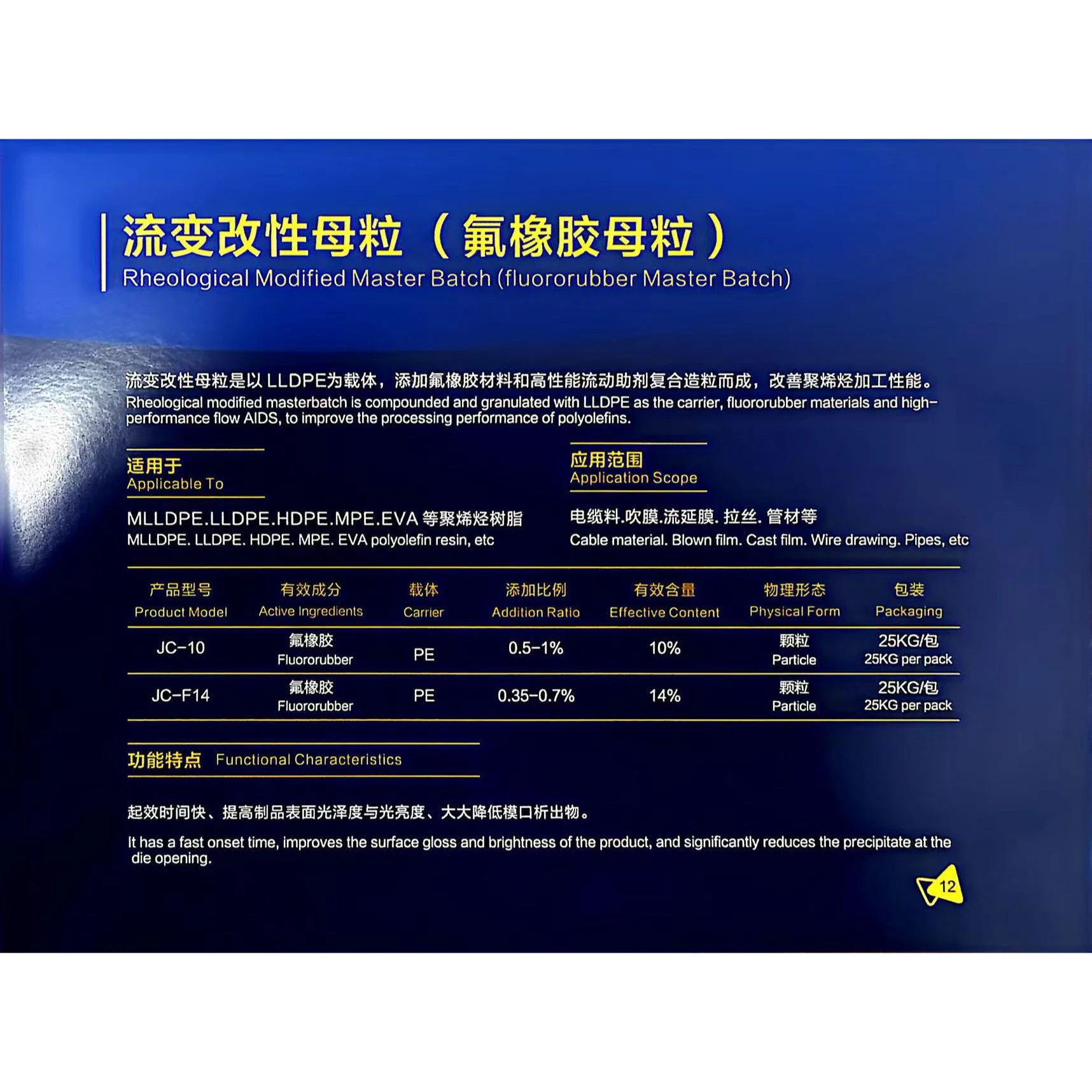
FPM is the ISO designation commonly used for fluoro rubber, more broadly known as fluoroelastomer or FKM in many industrial contexts. It is a high-performance synthetic elastomer valued for its exceptional resistance to heat, oils, fuels, ozone, weathering, and many aggressive chemicals, which makes it one of the most important sealing materials in demanding industrial environments.
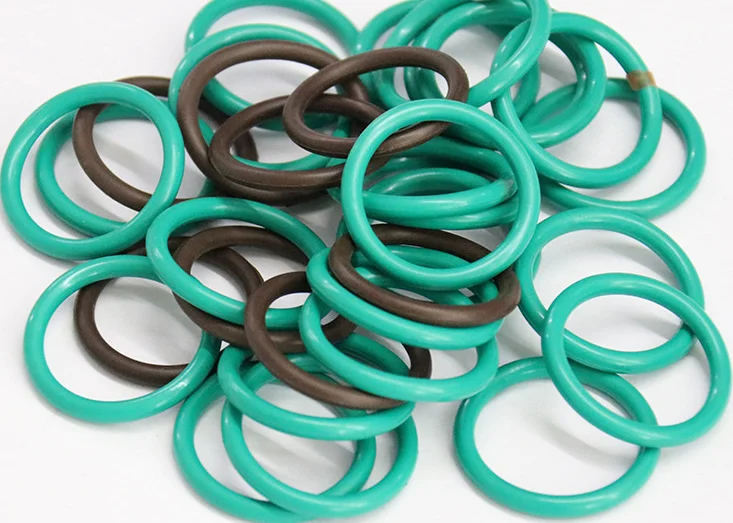
Unlike general-purpose rubbers, FPM is engineered for service reliability under thermal and chemical stress rather than for maximum elasticity or low cost. Its typical use cases include O-rings, gaskets, valve seats, seals, hoses, and precision molded parts in automotive, aerospace, petrochemical, semiconductor, and industrial equipment. At the same time, its high fluorine content, energy-intensive synthesis, and limited recyclability place it within the broader sustainability debate around high-performance fluoropolymers and specialty elastomers.
History and Development
Fluoroelastomers were developed to address failure modes that conventional rubbers could not withstand, especially rapid swelling in fuels and loss of mechanical integrity at elevated temperatures. Their industrial importance grew as automotive, aerospace, and chemical processing systems demanded seals that could remain stable in hot oils, solvents, and oxidizing atmospheres for long periods.
Over time, FPM became a standard reference material for premium sealing applications, while more highly fluorinated grades such as perfluoroelastomers were later introduced for even harsher chemical environments. This development pathway reflects a broader materials trend in plastics and elastomers: higher molecular fluorination generally increases chemical resistance and thermal stability, but also raises cost and processing complexity.
Chemical Structure and Key Properties
FPM is a fluorinated synthetic elastomer in which fluorine atoms are incorporated into the polymer backbone or side chains, strengthening carbon–fluorine interactions and reducing susceptibility to heat, oxidation, and chemical attack. The resulting material is dense, chemically inert relative to ordinary rubbers, and typically formulated for crosslinked service rather than thermoplastic reprocessing.
Key performance characteristics
| Property | Typical behavior |
|---|---|
| Thermal resistance | Common continuous service around 200 C to 250 C, with brief exposure above that in some grades. |
| Chemical resistance | Excellent against mineral oils, fuels, many hydrocarbons, acids, and oxidizing environments. |
| Gas permeability | Low, which is advantageous in sealing and vacuum-related applications. |
| Weathering and ozone resistance | Very high, with strong long-term stability under outdoor exposure. |
| Density | High relative to most rubbers, typically around 1.80 to 1.87 g/cm3 or higher depending on grade. |
Practical limits
- Poor resistance to polar solvents and certain bases → caused by chemical incompatibility with ketones, esters, amines, and strong caustics → workaround: select a different elastomer such as EPDM, VMQ, or a specialty perfluoroelastomer depending on the medium.
- High viscosity and limited filler tolerance → caused by the inherent physical and chemical inertness of the compound → workaround: use carefully designed compounding systems with low levels of suitable inactive fillers and optimized processing conditions.
- Relatively high material cost → caused by fluorinated monomer chemistry, specialized polymerization, and demanding quality control → workaround: reserve FPM for applications where downtime, leakage, or chemical attack would be more expensive than the polymer itself.
Production Processes and Raw Feedstocks
FPM is produced through fluorinated monomer chemistry and elastomer polymerization routes rather than simple blending of commodity plastics. The exact monomer families and cure systems vary by grade, but the underlying objective is the same: create a fluorinated elastomer network with high resistance to heat and aggressive media.
Typical production and finishing steps include:
- Monomer synthesis and purification for fluorinated feedstocks.
- Polymerization to produce the base fluoroelastomer.
- Compounding with curing agents, stabilizers, and limited fillers.
- Molding or extrusion into seals, hoses, and technical parts.
- Vulcanization / curing to form the final crosslinked network.
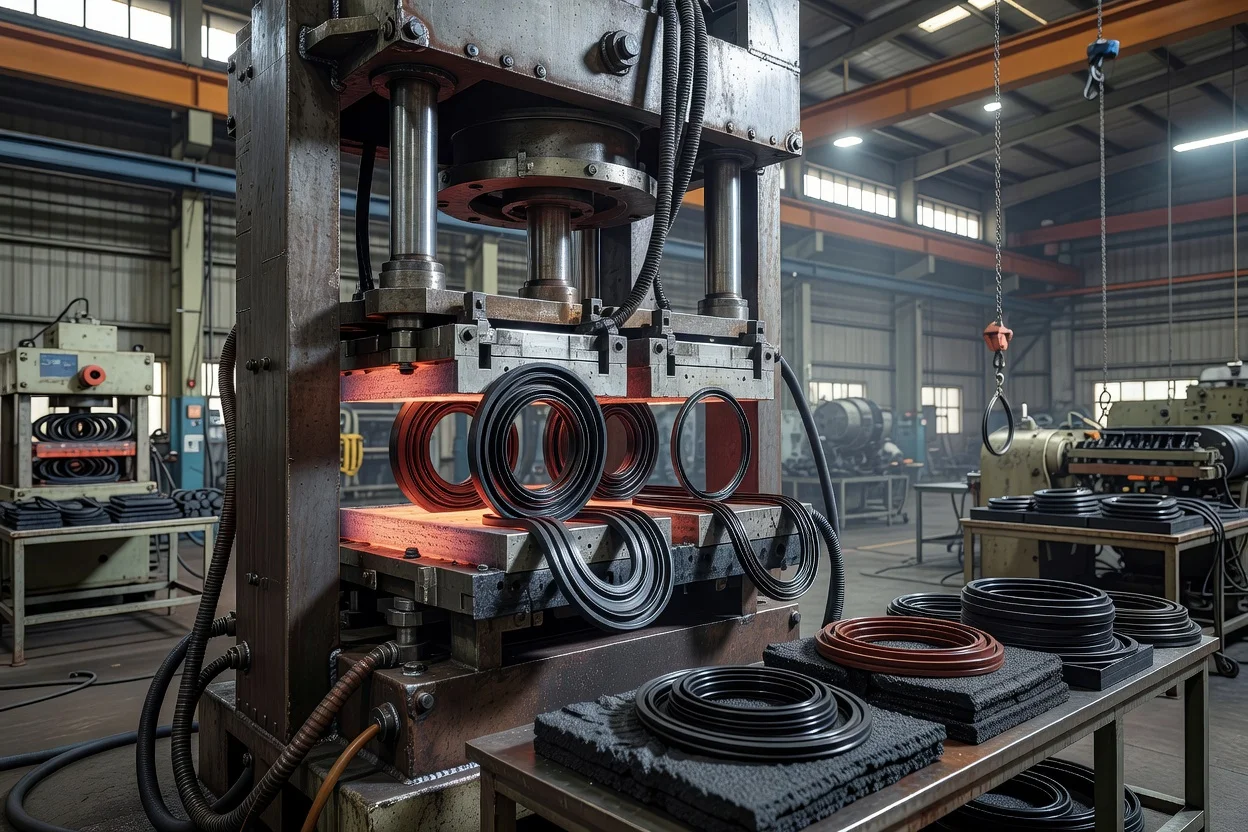
Because FPM is chemically inert and highly viscous, processing is more demanding than for many general-purpose elastomers. This is one reason the material is concentrated in higher-value applications where performance, not easy reprocessability, is the dominant design criterion.
Applications and End-Use Markets
FPM is used primarily where failure is not acceptable and where exposure to heat, fuels, oils, and chemicals is routine. The most important markets are sealing, fluid-handling, and protective technical components.
| End-use sector | Typical grade / form | Common applications |
|---|---|---|
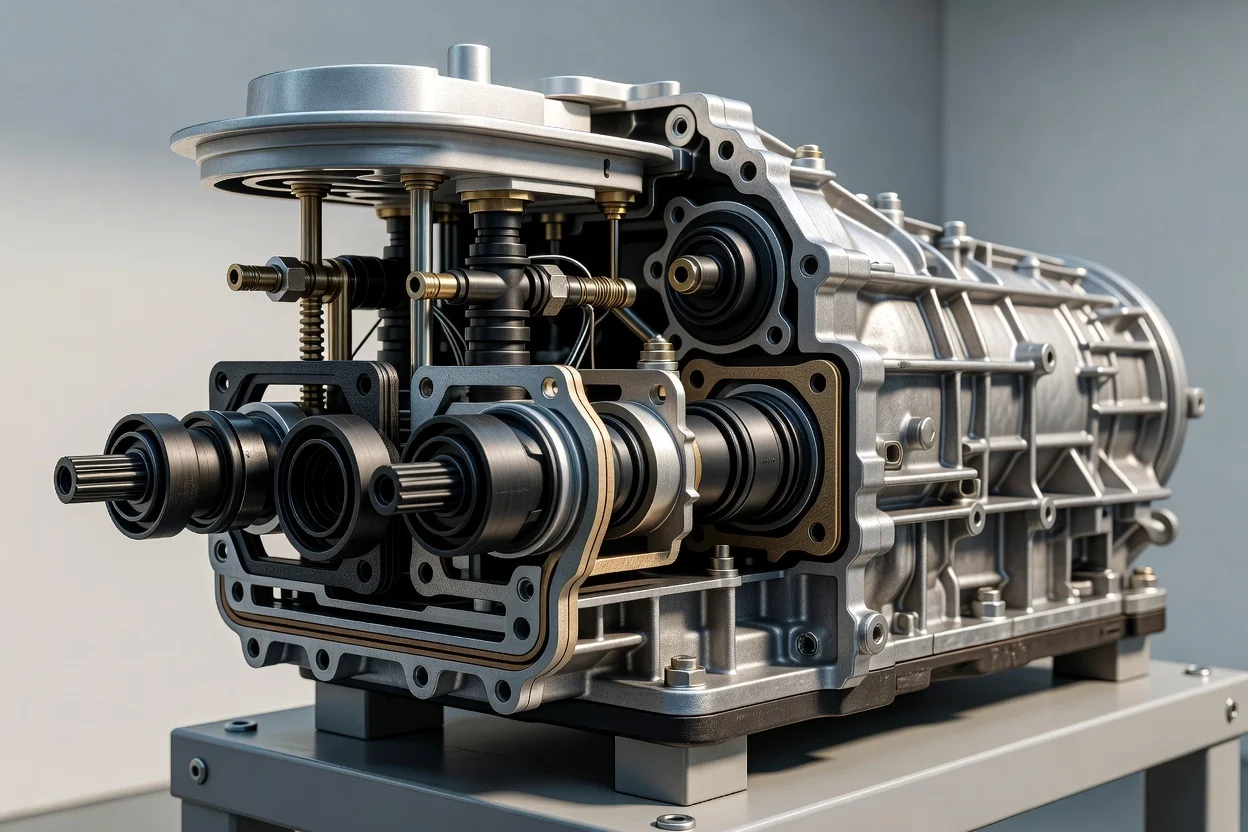
| Automotive | Medium- to high-hardness FPM compounds | O-rings, shaft seals, fuel system seals, injector seals, transmission seals. |
| Aerospace | Low-compression-set grades | Hydraulic seals, fuel system components, firewall seals, gaskets. |
| Petrochemical and chemical processing | Chemical-resistant formulations | Valve seats, pump seals, gaskets, linings, instrument seals. |
| Semiconductor and electronics | High-purity sealing grades | Vacuum chamber seals, process-tool O-rings, high-temperature insulation-related seals. |
| Industrial machinery | General-purpose high-temperature compounds | Rotary seals, diaphragm components, connectors, high-temperature gaskets. |
| Medical and pharmaceutical equipment | Selected compliant grades | Seals exposed to disinfectants and aggressive cleaning agents. |
| Food-related equipment | Limited specialty grades | Seals for oil- and grease-exposed service where regulatory compliance is met. |
A poor-fit use is continuous contact with ketones, esters, amines, or hot caustic solutions, where FPM often performs poorly and another elastomer is usually more appropriate.
Environmental and Sustainability Aspects
FPM is durable in service, and that durability can itself be a sustainability advantage when it prevents leaks, extends maintenance intervals, and reduces component replacement frequency. In demanding sealing applications, longer lifetime often means lower total material throughput over the equipment life cycle.
However, FPM also presents several environmental challenges:
- Fluorinated raw-material chemistry is energy-intensive and more complex than commodity polymer production.
- Recycling is limited because FPM is typically crosslinked, making conventional melt reprocessing impossible.
- End-of-life management is difficult because high-performance fluorinated elastomers are not usually recovered into equivalent new seal products at scale.
The main sustainability pathways are therefore:
- Design for durability, so fewer replacements are needed.
- Material optimization, using FPM only where its property set is essential.
- Selective substitution, replacing FPM in noncritical uses with lower-impact elastomers when performance allows.
- Improved compounding and manufacturing efficiency, which can reduce scrap and energy use.
- Emerging recycling and feedstock recovery research for fluorinated polymers, although industrial-scale circularity remains constrained for crosslinked elastomers.
Economic and Global Market Impact
FPM occupies a premium niche in the global elastomer market, with value driven more by critical performance than by volume. Its economic importance is amplified in industries where one seal failure can trigger downtime, contamination, safety risk, or product loss.
The most important demand centers are automotive powertrains and fuel systems, aerospace fluid systems, chemical processing equipment, and semiconductor manufacturing infrastructure. These sectors favor qualified, specification-driven suppliers and often require long-term consistency in formulation and batch performance.
Market concentration is generally linked to specialized fluoropolymer and elastomer producers rather than broad commodity-rubber manufacturers, reflecting the technical barriers to entry and the need for tight quality control.
Current Challenges and Innovations
The main current challenges are:
- balancing high performance with cost and environmental scrutiny;
- maintaining performance in more chemically complex operating fluids;
- improving low-temperature flexibility without sacrificing heat resistance;
- ensuring compliance in regulated sectors such as food, medical, and semiconductor manufacturing;
- reducing dependence on high-impact fluorinated supply chains.
Innovation directions include:
- Lower-compression-set formulations for longer sealing life at high temperature.
- Purity-improved grades for semiconductor and high-end process equipment.
- Compounding refinements that improve handling while preserving low permeability and chemical resistance.
- Application-specific optimization, including grades for fuels with oxygenates, aggressive lubricants, and mixed chemical exposure.
A useful formulation example is small amounts of carefully selected inactive fillers, which can improve processability and handling without undermining chemical inertness; in contrast, heavy plasticization is generally avoided because FPM is intolerant of plasticizers compared with many other rubbers.
Future Outlook
FPM is likely to remain a critical material wherever heat, chemicals, and sealing reliability intersect. Near-term growth is expected to be strongest in high-specification industrial systems, automotive electrification interfaces that still involve thermal oils and coolants, semiconductor process equipment, and advanced chemical processing infrastructure.
Its long-term position will depend on three parallel developments:
- whether manufacturing can lower environmental burden without weakening performance;
- whether alternative elastomers can replace it in some applications;
- whether higher-value systems continue to justify the premium for extreme durability.
Summary
FPM is a premium fluoroelastomer used primarily for seals and technical elastomer parts that must withstand heat, fuels, oils, ozone, and aggressive chemicals. Its strengths are exceptional chemical and thermal resistance, low gas permeability, and long service life, while its weaknesses are higher cost, limited compatibility with certain polar or strongly alkaline media, and constrained recyclability.
References
- •
RADO Gummi GmbH. (2020, June 29). Fluoro rubber (FPM). https://www.rado-rubber.com/specialities/fpm/Link
- •
KAISER Elektro. (n.d.). FPM Elastomere [PDF]. https://assets.kaiser-elektro.de/media/47/4727/Data_sheet_FPM_.pdfLink
- •
Rubber-tools.com. (2024, December 24). Understanding FPM rubber: Properties, applications, and.... https://www.rubber-tools.com/fpm-rubber-guide-in-depth/Link
- •
AL Gummi + Kunststofftechnik GmbH. (2023, June 5). Fluorine rubber (FKM/FPM). https://algummi.de/en/knowhow/fluorine-rubber-fkm-fpm/Link
- •
COG. (2000, January 1). Fluoro natural rubber (FPM). https://www.cog.de/en/products/data-sheets/overview-of-sealing-material/fluoro-natural-rubber-fpmLink
- •
Science Insights. (2026, March 14). What is FPM material? FKM, Viton & fluoro rubber. https://scienceinsights.org/what-is-fpm-material-fkm-viton-fluoro-rubber/Link
- •
Alfotech. (2025, May 15). Miniguide: Fluoro rubber – FPM, FKM and Viton® explained. https://www.alfotech.eu/news/miniguide-fluoro-rubber-fpm-fkm-viton-explainedLink
- •
Savvy Rubber. (2021, March 18). What is FKM/Viton rubber? https://savvyrubber.com/what-is-fkm-viton-rubber/Link
- •
Grommet Seal. (2021, July 2). What is fluoro rubber (FKM & FPM & Viton)? https://www.grommetseal.com/news/what-is-fluoro-rubber-fkm-fpm-viton-f-47255933.htmlLink
- •
Walle Global. (2026, July 2). FKM FPM. https://walleglobal.com/products/fkm-fpm/Link
- •
Power Rubber. (2012, January 1). Viton® FKM FPM rubber – fluorine rubber. https://powerrubber.com/en/viton-fkmfpm-fluoro-rubberLink
- •
KBRT. (n.d.). Fluoro-elastomers (FPM, FKM). https://www.kbrt.de/en/applications/fluoro-elastomers-fpm-fkm/Link
- •
SSP Seals. (n.d.). FKM (fluorocarbon rubber). https://www.sspseals.com/materials/fkm-fluorocarbon-rubberLink
- •
ITC Élastomères. (2024, July 10). Fluorocarbone – FKM. https://www.itc-elastomeres.com/en/material/fluorocarbone-fkm/Link
- •
ATRIA Europe. (1997, January 1). Fluorosilicone rubber (FPM). https://www.atria-europe.com/glossary/fluorosilicone-rubber--fpm/Link
- •
Sulphuric-acid.com. (2003, November 15). Fluoro rubber. http://www.sulphuric-acid.com/techmanual/materials/materials_elastomers_fluororubber.htmLink
- •
WARCO. (2024, May 7). Understanding fluoroelastomer (FKM & Viton™) rubber. https://warco.com/understanding-fluoroelastomer-fkm-viton-rubber/Link
- •
Rubbersealing.com. (n.d.). FPM VITON seals. https://www.rubbersealing.com/TCI/goods.php?id=1026Link
- •
O-ring Supply Co. (n.d.). FKM/Viton® O-rings | high-temp fluorocarbon seals. https://oringsupplyco.com/products/fkm/Link
- •
RCT Online. (2025, November 21). Fluoroelastomer FKM/FPM: The universal sealing material. https://www.rct-online.de/magazin/en/fluoroelastomer-fkm-fpm/Link
- •
Wayne Rubber. (2026, April 14). FFKM perfluoroelastomer | properties & applications. https://waynerubber.com/materials/ffkm-rubber/Link
- •
Grommet-seal.com. (2024, January 29). Co to jest guma fluorowa (FKM, FPM i Viton)? https://pl.grommet-seal.com/news/what-is-fluoro-rubber-fkm-fpm-viton-f-74731975.htmlLink
- •
ZORGE Rubber Solutions GmbH. (2024, February 22). Perfluoro rubber (FFPM). https://www.zorge.com/en/rubber-lexicon/ffpm/Link
- •
CNL Seals. (n.d.). O-ring materials – VITON™, FPM, FKM, HK. https://www.cnlseals.com/o-ring-materials-viton-fpm-fkmLink
- •
Chien Chie. (n.d.). Fluoro rubber for automotive & industrial sealing. https://www.chien-chie.com/fpm-chemical-resistanceLink
- •
AGC Chemicals. (2024, February 20). Fluoroelastomer rubber performs in demanding applications. https://www.agcchem.com/blog/fluoroelastomer-rubber-performs-in-demanding-applications/Link
- •
HQ Seals. (2025, December 13). What is the difference between FPM and EPDM. https://www.hqseals.com/news/1911.htmlLink
- •
Baidu Baike. (n.d.). 氟胶O型圈. https://baike.baidu.com/item/%E6%B0%9F%E8%83%B6O%E5%9E%8B%E5%9C%88/892461Link
- •
Zrunek. (n.d.). ZruElast FPM designing with fluoroelastomers (Viton, FKM, FPM) [PDF]. https://www.zrunek.at/viton-fkm-fpm-fluorelastomere/download/zruelast-fpm-designing-with-fluoroelastomers.pdfLink
- •
J-Flex. (2012, August 7). What is a fluoroelastomer? | difference between FPM & FKM. https://www.j-flex.com/what-is-a-fluoroelastomer/Link
- •
M-Seals. (n.d.). Fluorocarbon rubber (FPM/FKM/Viton™). https://www.m-seals.com/dk/fi/products/engineered-machined-seals/engineered-materials/fluorocarbon-rubber-fpm-fkm-vitonLink
- •
Silicon Gasket. (2021, June 25). What is fluorosilicone (FVMQ) rubber? https://www.silicongasket.com/what-is-fluorosilicone-fvmq-rubber.htmlLink
- •
Wikipedia. (2006, March 16). FKM. https://en.wikipedia.org/wiki/FKMLink