
Introduction
Synthetic fibers are man-made textile fibers produced by chemical synthesis rather than obtained directly from plants or animals. They are typically formed by polymerizing petrochemical feedstocks and then converting the resulting polymers into filaments or staple fibers by spinning processes such as melt spinning, dry spinning, or wet spinning.
In the modern textiles and plastics value chain, synthetic fibers are not a single material but a broad family that includes polyester, nylon (polyamide)*, **acrylic, **spandex/elastane, **polyolefin fibers*, and related specialty products such as aramids and high-performance fibers. The category emerged in the twentieth century, with nylon widely recognized as the first fully synthetic fiber and a milestone in industrial polymer chemistry. Today, synthetic fibers dominate many apparel, home-textile, industrial, automotive, filtration, hygiene, and reinforcement markets because they combine durability, processability, and cost efficiency with tunable performance.
At the same time, synthetic fibers sit at the center of major sustainability debates. Their fossil-based origin, energy-intensive manufacture, and persistence in the environment have driven innovation in recycled polymers, bio-based feedstocks, fiber-to-fiber recycling, and lower-shedding textile design. The future of the sector is therefore shaped not only by demand for performance materials, but also by carbon reduction, circularity, and regulatory pressure on waste and microfibers.
History and Development
The development of synthetic fibers is closely tied to advances in polymer chemistry and industrial spinning technology. Nylon, developed in the 1930s, is commonly cited as the first fully synthetic fiber and became a model for subsequent man-made fibers. Polyester followed in the mid-twentieth century and later became the most important mass-market synthetic fiber because it combined strength, wrinkle resistance, dimensional stability, and low cost.
The expansion of synthetic fibers accelerated after World War II as chemical industry capacity, petrochemical feedstocks, and large-scale fiber spinning plants matured. Over time, the market broadened from clothing and hosiery into carpets, upholstery, tire cords, ropes, nonwovens, geotextiles, and technical textiles. More recently, recycled polyester, bio-derived monomers, and specialty fibers such as high-strength aramids and ultra-fine microfibers have extended the category into advanced industrial and performance applications.
Chemical Structure and Key Properties
Synthetic fibers are long-chain polymers engineered to form continuous or staple filaments. Their performance depends on polymer chemistry, molecular orientation, crystallinity, additive package, and spinning and drawing conditions. Common fiber-forming polymers include polyesters, polyamides, acrylic polymers, polyolefins, and polyurethane-based elastomeric fibers.
Typical performance advantages include:
- High tensile strength
- Good abrasion resistance
- Low weight
- Controlled elasticity or stretch recovery
- Fast drying
- Resistance to wrinkling and many chemicals
- Compatibility with high-throughput industrial spinning
Key technical limits remain important:
- Poor moisture absorption in many hydrophobic fibers → causes reduced comfort in some apparel and limits dye uptake in certain systems → workaround: use fiber blends, moisture-management finishes, or more hydrophilic copolymers.
- Static buildup and pilling in some fabrics → caused by low surface moisture and filament shedding during wear → workaround: antistatic additives, surface finishes, texturing, or blend optimization.
- Thermal sensitivity in thermoplastic fibers → heat can soften or deform the polymer → workaround: controlled ironing, heat-setting, or use of higher-melting specialty fibers.
- Environmental persistence → durable carbon-based backbones resist biological degradation → workaround: recycling systems, design for durability, and lower-shedding constructions.
Production Processes and Raw Feedstocks
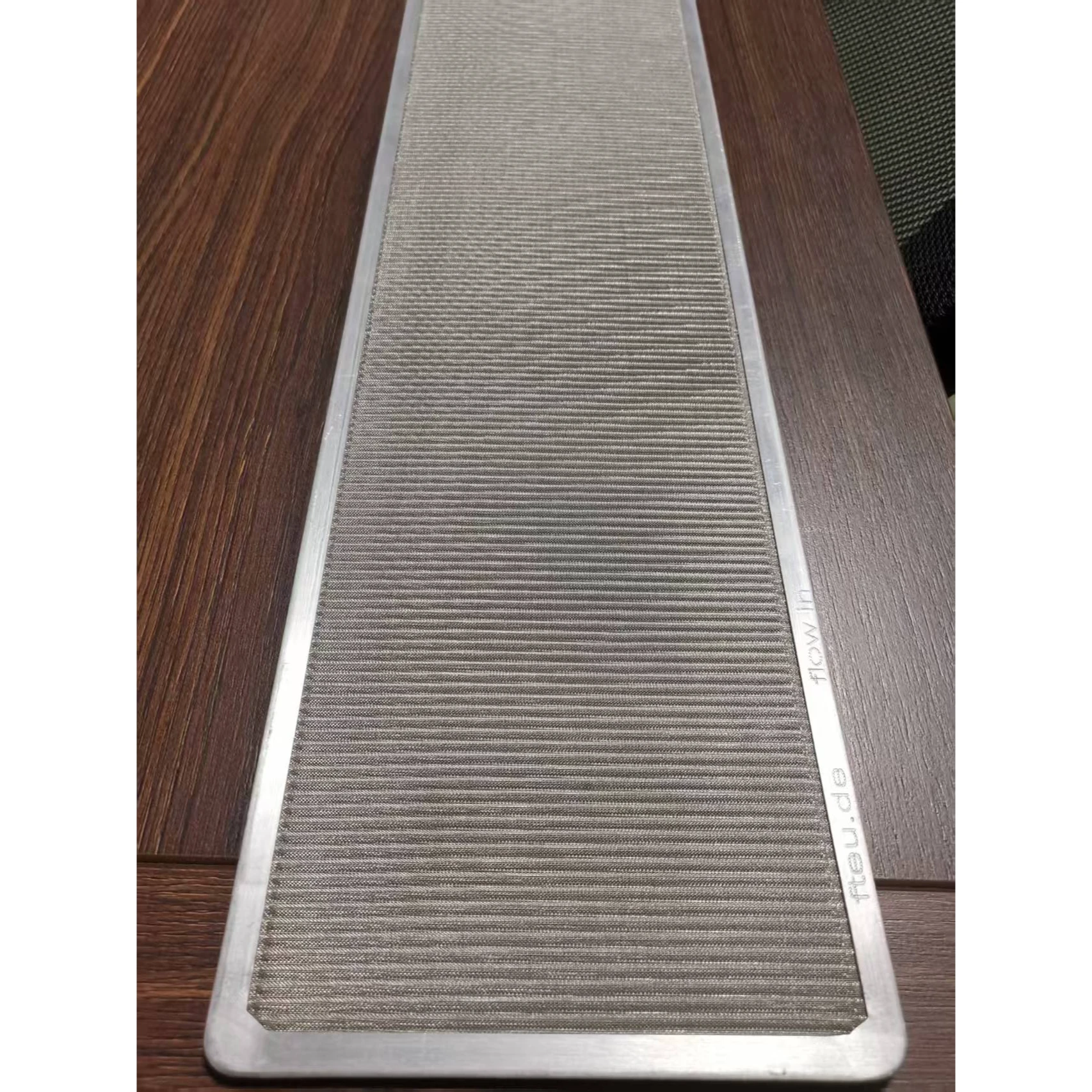
Most synthetic fibers begin with fossil-derived feedstocks such as crude-oil- or natural-gas-based intermediates, although recycled and bio-based routes are increasingly important. The production chain usually includes monomer synthesis, polymerization, extrusion through spinnerets, filament solidification, drawing to align chains, and finishing or texturing.
Common spinning routes include:
- Melt spinning for thermoplastic polymers such as polyester, nylon, and polypropylene
- Dry spinning for polymers dissolved in a solvent and solidified by evaporation
- Wet spinning for polymers coagulated in a liquid bath
Feedstock and process choices strongly influence properties. For example, polyester is typically melt-spun and then drawn to increase crystallinity and strength, while spandex/elastane relies on segmented polyurethane chemistry that enables large reversible elongation. In some products, a low dosage of additive can materially change processability or performance; for instance, antistatic agents at very small loadings can reduce surface charge accumulation by increasing surface conductivity, while titanium dioxide pigment in white fibers improves opacity by scattering light.
Major Types of Synthetic Fibers
| Fiber type | Main characteristics | Typical strengths | Common uses |
|---|---|---|---|
| Polyester | Strong, wrinkle-resistant, dimensionally stable | Low cost, easy care, blends well | Apparel, home textiles, bottles-to-fiber recycling, carpets, industrial yarns |
| Nylon (polyamide) | Tough, abrasion-resistant, elastic | High strength and fatigue resistance | Hosiery, ropes, carpets, tire cord, technical textiles |
| Acrylic | Lightweight, warm, wool-like hand feel | Bulk, softness, colorability | Sweaters, blankets, upholstery, imitation wool |
| Spandex/elastane | Very high extensibility and recovery | Stretch and fit retention | Sportswear, swimwear, compression garments |
| Polyolefin fibers | Very light, moisture-resistant | Low density, chemical resistance | Ropes, geotextiles, hygiene and industrial nonwovens |
| Aramid fibers | High heat and cut resistance | Flame resistance, high strength | Protective clothing, reinforcement, ballistic uses |
Applications and End-Use Markets
Synthetic fibers are used across both consumer and industrial markets, often in the form of spun yarns, filament yarns, nonwovens, or reinforcement textiles.
Major sectors include:
- Apparel and fashion → polyester, nylon, acrylic, and spandex dominate where durability, stretch, wrinkle resistance, and low cost matter.
- Sportswear and performance clothing → polyester and spandex are typical because of quick drying, stretch, and shape retention.
- Home furnishings → carpets, curtains, blankets, upholstery, and bedding commonly use polyester and acrylic for durability and easy care.
- Automotive textiles → seat belts, airbags, tire cords, upholstery, and insulation often rely on nylon and polyester due to high strength and abrasion resistance.
- Industrial reinforcement → ropes, cables, belts, conveyor materials, and composites use high-tenacity yarns.
- Medical and hygiene products → nonwoven synthetic fibers are used in wipes, filters, masks, dressings, and disposable products.
- Civil engineering and geotextiles → synthetic fibers support soil stabilization, drainage, erosion control, and reinforcement.
- Outdoor and marine uses → fishing nets, sails, tents, backpacks, and cords use fibers chosen for weather resistance and strength.
A notable poor-fit use is high-temperature flame exposure for ordinary polyester or nylon textiles, because thermoplastic fibers soften or melt well below the service temperatures required in fire-critical settings; in those cases, aramid or mineral fibers are preferred.
Environmental and Sustainability Aspects
Synthetic fibers present a dual profile: high utility and major environmental concern. Their principal sustainability issue is that most are produced from fossil-derived feedstocks and require substantial energy for polymerization, spinning, and finishing. Because they are durable polymers, they can persist in the environment for long periods if discarded improperly.
Key sustainability topics include:
- Recyclability: Polyester is the most mature candidate for mechanical and chemical recycling, especially in bottle-to-fiber and textile-to-textile pathways.
- Bio-based alternatives: Bio-derived monomers and partially bio-based polyesters can reduce reliance on fossil carbon, although scale, cost, and end-of-life performance remain constraints.
- Carbon footprint: Emissions depend heavily on energy mix, polymer route, recycled content, and logistics; recycled content generally lowers cradle-to-gate impact versus virgin resin.
- Microfiber shedding: Washing synthetic textiles can release fine fibers into wastewater, motivating better yarn engineering, fabric construction, filters, and finishing strategies.
- Circular design: Mono-material products, easier disassembly, and reduced additive complexity can improve recycling quality.
The sector is therefore moving toward a more circular model, but this transition remains uneven because blended fabrics, dyes, finishes, and contaminant removal make fiber-to-fiber recycling technically demanding.
Economic and Global Market Impact
Synthetic fibers are a cornerstone of the global textile economy and a major outlet for petrochemical and polymer producers. According to recent industry analyses and market commentaries, polyester is the dominant synthetic fiber by volume, followed by nylon and acrylic, with these three accounting for most synthetic fiber production. The market is supported by large integrated chemical companies, polyester and nylon chain producers, and regional textile manufacturing hubs in Asia, Europe, and North America.
The most influential value-chain segments include:
- Petrochemical monomer and polymer producers
- Fiber spinning and yarn conversion companies
- Textile mills and nonwoven manufacturers
- Brand owners and retailers driving recycled-content commitments
- Waste management and recycling firms building circular systems
Because the category spans commodity fibers and high-value technical fibers, pricing is shaped by both petrochemical cycles and application-specific performance requirements.
Current Challenges and Innovations
Current challenges include:
- Dependence on fossil feedstocks
- Textile waste accumulation
- Microfiber pollution
- Blended-material recycling difficulty
- Volatile energy and monomer costs
- Consumer demand for both low price and low impact
Innovation is focused on several pathways:
- Chemical recycling of polyester and some nylon streams to recover monomers or oligomers
- Improved sorting and labeling for textile-to-textile recycling
- Bio-based monomers for lower-carbon polyester and polyamide routes
- Dope-dyeing and low-water processing to reduce energy and effluent
- Anti-shed yarns and fabric engineering to reduce microfiber release
- High-performance specialty fibers that achieve more function per unit mass, improving service life and resource efficiency
Future Outlook
The future of synthetic fibers is likely to be defined less by simple growth in volume and more by performance plus circularity. Polyester will probably remain the dominant workhorse fiber, but growth in recycled content, mass-balance bio-based feedstocks, and design-for-recycling systems is expected to reshape supply chains. High-performance niches such as protective textiles, filtration, medical nonwovens, and industrial reinforcements should also continue to expand, supported by demand for lightweight, durable, and engineered materials.
Over the longer term, the most competitive synthetic fibers will likely be those that combine:
- Lower carbon intensity
- Better recycling compatibility
- Reduced microfiber shedding
- Stable performance across demanding end uses
- Compatibility with automation and digital textile manufacturing
Summary
Synthetic fibers are chemically synthesized, polymer-based fibers that have transformed clothing, home furnishings, and technical textiles through their strength, durability, and processing versatility. Their industrial importance is anchored by polyester, nylon, acrylic, and spandex, while their future increasingly depends on recycled feedstocks, lower-impact manufacturing, and circular design.
References
- •
8 different types of synthetic fabrics. (2024, October 15). Sahni Fabs. https://www.sahnifabrics.com/blogs/news/different-types-of-synthetic-fabricsLink
- •
Synthetic fiber. (2003, July 17). Wikipedia. https://en.wikipedia.org/wiki/Synthetic_fiberLink
- •
Synthetic fiber - An overview. (2025, November 2). ScienceDirect. https://www.sciencedirect.com/topics/materials-science/synthetic-fiberLink
- •
Synthetic fiber: Definition, properties & examples - Lesson. (2017, June 7). Study.com. https://study.com/academy/lesson/what-are-synthetic-fibers-definition-types-examples.htmlLink
- •
Uses of synthetic fibers: Applications in modern industries. (n.d.). Engineering Textile. https://engineeringtextile.com/fiber/188-uses-of-synthetic-fibersLink
- •
Classification of synthetic fibres. (2016, January 9). BYJU'S. https://byjus.com/chemistry/synthetic-fibre/Link
- •
Synthetic fibres: Types, properties & uses explained. (2025, September 4). Vedantu. https://www.vedantu.com/chemistry/synthetic-fibresLink
- •
Definition. (n.d.). Textil-Trainer. https://textil-trainer.de/en/textile-glossary/synthetic-fibersLink
- •
Synthetic fibers: Types, properties and uses. (2021, November 1). Textile Learner. https://textilelearner.net/synthetic-fibers-types-properties/Link
- •
Synthetic fibers and fabrics: Complete guide to types, properties, uses. (2026, April 21). VNPOLYFIBER. https://vnpolyfiber.com/synthetic-fibers-fabrics-complete-guide-to-types-properties-uses/Link
- •
Types of synthetic fibers. (2021, July 10). GeeksforGeeks. https://www.geeksforgeeks.org/chemistry/types-of-synthetic-fibers/Link
- •
Synthetic fibers vs man-made fibers: Definitions and classifications. (2022, April 6). VNPOLYFIBER. https://vnpolyfiber.com/synthetic-fibers-vs-man-made-fibers-definitions-and-classifications/Link
- •
Types of synthetic fibres: Properties, uses & examples. (2025, September 4). Vedantu. https://www.vedantu.com/chemistry/types-of-synthetic-fibresLink
- •
Synthetic fiber definition & meaning. (2024, August 5). Merriam-Webster. https://www.merriam-webster.com/dictionary/synthetic%20fiberLink
- •
What is synthetic fiber? Definition, types, and uses. (2026, March 14). Science Insights. https://scienceinsights.org/what-is-synthetic-fiber-definition-types-and-uses/Link
- •
Synthetic fibres and it's types. (2020, October 7). BYJU'S. https://byjus.com/biology/types-of-synthetic-fibers/Link
- •
Synthetic fibers. (2022, November 23). Cornell University Library. https://exhibits.library.cornell.edu/social-fabric-land-labor-and-the-world-the-textile-industry-created/feature/synthetic-fibersLink
- •
Organic chemical process industry: 6.9 synthetic fibers [PDF]. (n.d.). U.S. Environmental Protection Agency. https://www.epa.gov/sites/default/files/2020-10/documents/c06s09_0.pdfLink
- •
Types, properties and uses of synthetic fibres. (2023, February 1). Textile Engineering. https://textileengineering.net/types-properties-and-uses-of-synthetic-fibres/Link
- •
Types of synthetic fibers. (2025, October 1). Jongstit. https://www.jongstit.com/en/blog/synthetic-fiberLink
- •
Synthetic fibers in the real world: 5 uses you'll actually need. (2025, October 1). LinkedIn. https://www.linkedin.com/pulse/synthetic-fibers-real-world-5-uses-youll-actually-vwpxfLink
- •
Synthetic fibers. (2024, January 22). Première Vision. https://www.premierevision.com/en/articles/b4708a60-77fa-ef11-90cb-00224888722c/synthetic-fibersLink
- •
Synthetic fiber. (2025, March 10). Simple English Wikipedia. https://simple.wikipedia.org/wiki/Synthetic_fiberLink
- •
Synthetic fibers. (2018, August 13). Encyclopedia.com. https://www.encyclopedia.com/science-and-technology/chemistry/chemistry-general/synthetic-fibersLink
- •
Natural, artificial and synthetic fabrics: How do they differ? (n.d.). Cikis Studio. https://www.cikis.studio/en/article/natural-artificial-and-synthetic-fabrics-how-do-they-differLink
- •
Synthetic fabrics 101: What you need to know. (2024, October 18). Eureka by PatSnap. https://eureka.patsnap.com/blog/material-tech-resources/synthetic-fabrics/Link
- •
All uses of synthetic fibers you need to know. (2021, October 21). Panaprium. https://www.panaprium.com/blogs/i/synthetic-fiber-usesLink
- •
Types of synthetic fibers. (2024, January 22). Treasurie. https://blog.treasurie.com/man-made-fibers/Link
- •
Synthetics. (2025, November 7). Textile Exchange. https://textileexchange.org/synthetics/Link
- •
Category: Synthetic fibers. (2018, October 22). Wikipedia. https://en.wikipedia.org/wiki/Category:Synthetic_fibersLink
- •
Synthetic fibre. (2025, August 30). Britannica. https://www.britannica.com/technology/synthetic-fiberLink
- •
Complete guide to synthetic fabrics. (2023, May 6). Herculite. https://www.herculite.com/blog/the-history-of-synthetic-fabricsLink
- •
Pros & cons of synthetic fibres. (2021, September 17). Goonvean Fibres. https://goonveanfibres.com/news-insights/news/synthetic-fibres-the-pros-cons/Link
- •
Synthetic fiber, semi-synthetic fiber, & natural fiber defined. (2020, April 27). Natural Clothing. https://www.naturalclothing.com/synthetic-semi-synthetic-natural/Link
- •
Know your fibers: Natural, synthetic or semi-synthetic. (2021, September 19). Selfless Clothes. https://www.selflessclothes.com/blog/natural-vs-synthetic-fibers/Link
- •
Know your fabrics: Synthetics. (2017, January 13). Reddit. https://www.reddit.com/r/malefashionadvice/comments/5nt0ye/know_your_fabrics_synthetics/Link