
Introduction
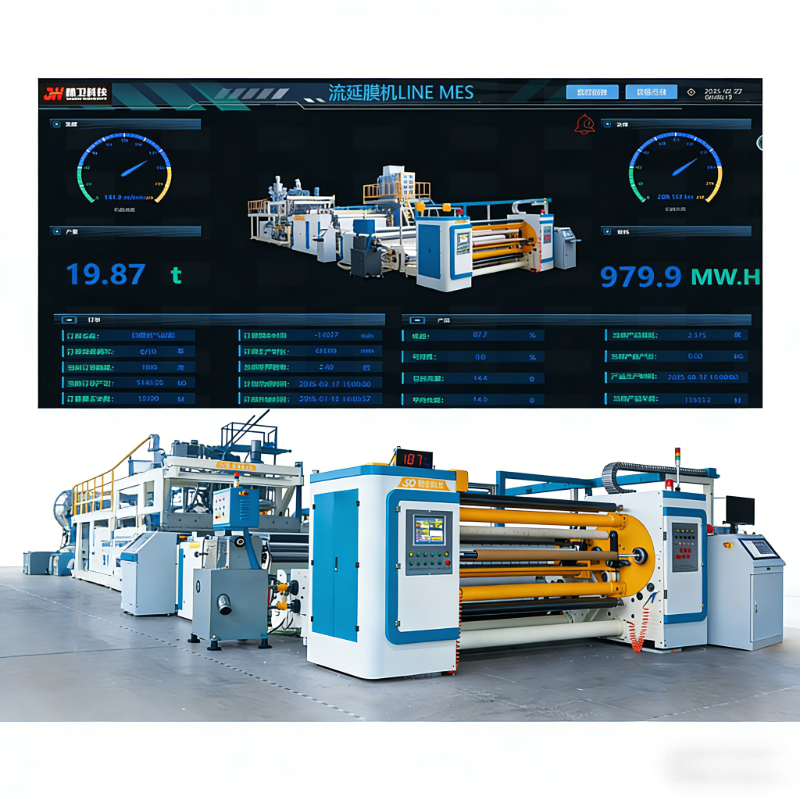
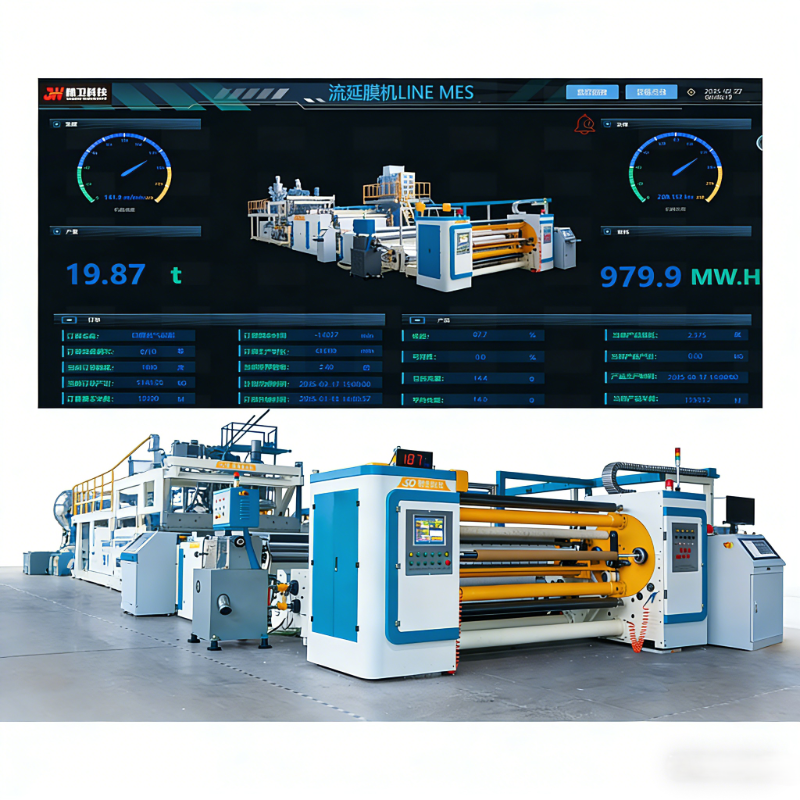
Manufacturing Execution System (MES) equipment and software refers to the digital tools, connected shop-floor devices, and industrial applications used to monitor, coordinate, record, and optimize production in real time. In most factories, MES acts as the operational layer between ERP systems above and machines, sensors, and operators below, translating production plans into executed work while maintaining traceability, quality records, and performance data.
In plastics processing, MES is especially relevant because production often involves variable recipes, multi-step workflows, batch genealogy, material lot tracking, quality inspection, and machine-to-machine coordination across injection molding, extrusion, blow molding, thermoforming, compounding, and recycling lines. Modern MES platforms are increasingly modular, cloud-connected, and integrated with IIoT, analytics, digital twins, and low-code tools, while sustainability concerns have pushed vendors and users toward better energy visibility, reduced scrap, and tighter control of regrind and recycled content flows.
Historical Development
MES emerged from the broader evolution of manufacturing computing, as plants sought a layer that could bridge business planning systems and automation systems on the shop floor. Gartner describes MES as a specialist class of production-oriented software that manages, monitors, and synchronizes real-time physical processes, while also coordinating with ERP, PLM, and quality systems.
Key milestones in the development of MES include:
- The formalization of MES as a distinct manufacturing software category around the ISA-95 production-information model, which helped define the boundary between enterprise planning and shop-floor execution.
- The expansion of MES from recordkeeping and dispatching into real-time control, traceability, and genealogy, especially in regulated and high-mix industries.
- The recent shift from monolithic on-premises installations toward cloud, hybrid, and modular architectures, with vendor offerings increasingly emphasizing low-code configuration, scalable deployment, and tighter IIoT connectivity.
Technical Overview
MES is not a single machine, but a system-of-systems that combines software, industrial networking, data acquisition, and operator-facing hardware. Typical elements include industrial PCs or terminals, barcode and RFID readers, machine interfaces, PLC and SCADA connectors, vision systems, label printers, and historian or database infrastructure, all linked to execution software.
Core functions usually include:
- Work order dispatching and detailed scheduling
- Machine, labor, and material tracking
- Quality control and nonconformance management
- Traceability and genealogy
- Downtime, OEE, and performance analysis
- Electronic batch or production records
- Integration with ERP, QMS, PLM, SCADA, and IIoT platforms
In practical terms, MES answers questions that ERP cannot answer directly: what is running now, on which machine, with which operator, using which lot of material, and whether the output meets specification.
Common hardware and interface components
- Operator terminals for job instructions, confirmations, and data entry
- Barcode or RFID scanners for material and WIP identification
- Industrial tablets or HMIs for guided execution
- Sensors and machine gateways for collecting cycle counts, alarms, energy use, temperatures, pressures, and speeds
- Printers and label systems for traceable packaging and logistics
- Servers or cloud services for execution logic, databases, dashboards, and analytics
Types and Variations
MES implementations vary by architecture and by manufacturing sector. The most common variations are summarized below.
| Type | Main characteristics | Typical strengths | Typical limitations |
|---|---|---|---|
| On-premises MES | Installed within the plant or enterprise data center | Strong control, local latency advantages, easier fit for some validated environments | Higher infrastructure burden, slower scaling |
| Cloud MES | Delivered as SaaS or cloud-native platform | Faster deployment, easier multi-site standardization, simpler updates | Depends on network reliability and cybersecurity design |
| Hybrid MES | Combines local execution with cloud analytics or enterprise coordination | Balanced latency and scalability | Integration complexity |
| Modular MES | Built from smaller applications or modules | Easier phased rollout, better fit for targeted use cases | Can require stronger integration governance |
| Full MOM suite | MES plus quality, maintenance, analytics, and orchestration functions | Broad functional coverage | Greater implementation scope and cost |
Industry-specific MES variants are common in regulated, high-complexity, or high-volume sectors. For example, pharmaceutical MES emphasizes electronic batch records and compliance, while electronics and semiconductor MES prioritizes complex routing, serialization, and equipment connectivity.
Applications and Uses in Plastics Processing
MES is widely used in plastics manufacturing because the industry depends on precise material handling, equipment synchronization, and traceable process conditions.
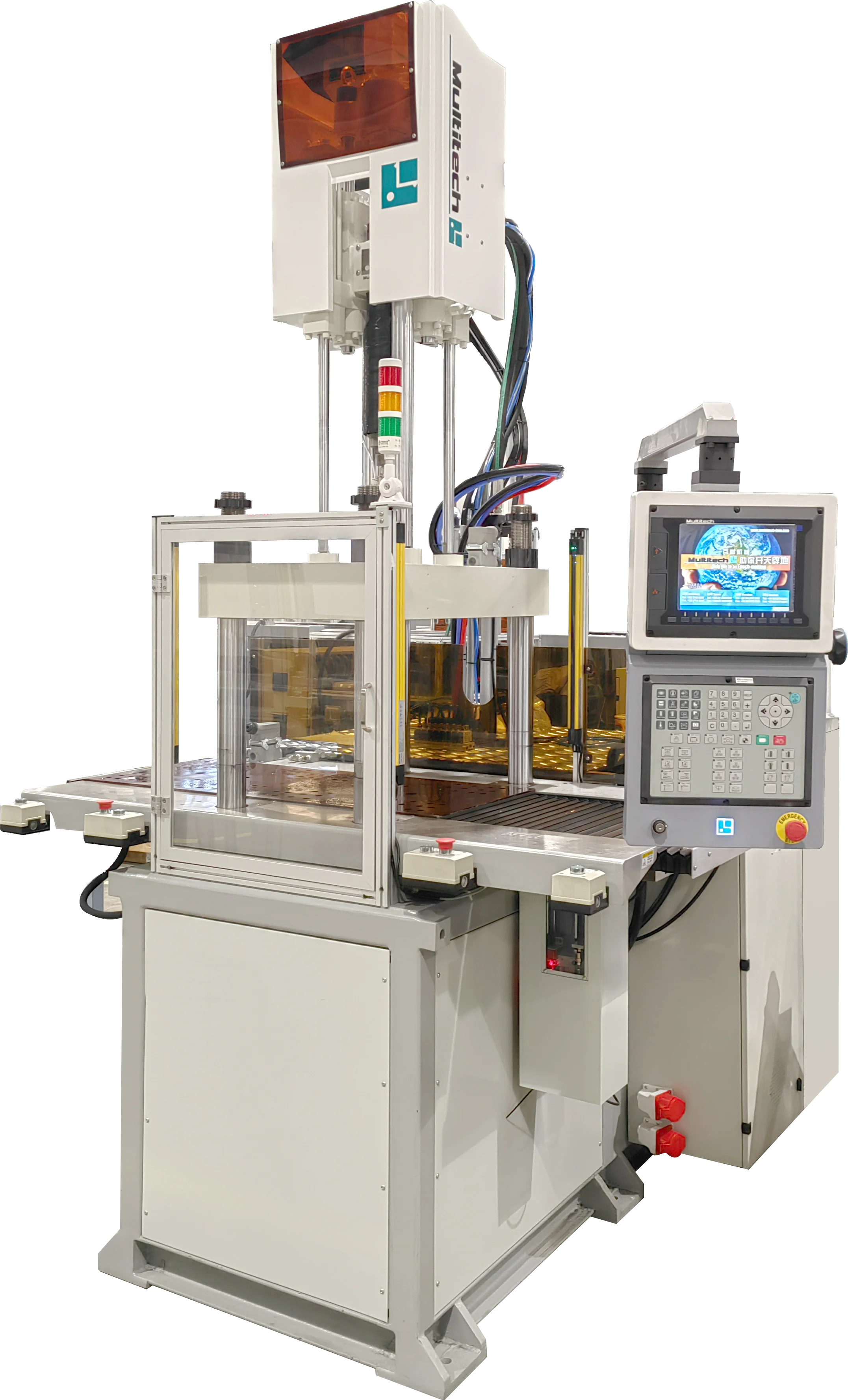
Injection molding
MES supports:
- Work-order release to molding cells
- Mold and press assignment
- Cycle monitoring and OEE
- Material lot traceability for resins, masterbatch, and additives
- In-process quality checks and cavity-level defect logging
This is a strong-fit use case because injection molding often involves many short cycles, high part counts, and frequent changeovers.
Extrusion and compounding
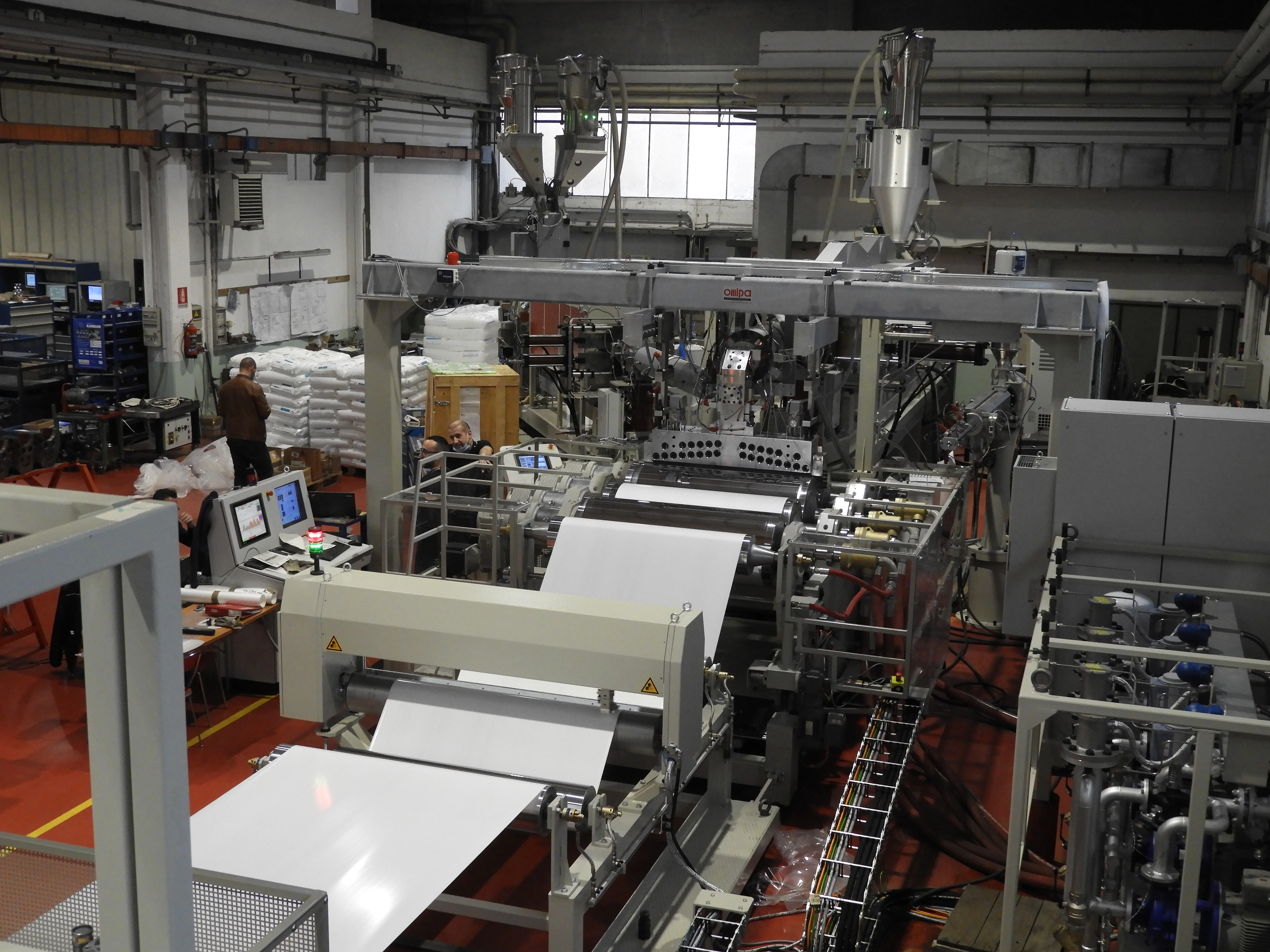
MES is used to:
- Track recipe adherence
- Monitor screw speed, melt temperature, pressure, and line speed
- Record lot usage for virgin resin, regrind, fillers, and colorants
- Synchronize downstream winding, cutting, pelletizing, or packaging
This is particularly valuable where product consistency and documentation are critical.
Blow molding and thermoforming
MES helps with:
- Job sequencing
- Thickness, weight, and dimensional quality records
- Machine parameter logging
- Scrap and reject analysis
- Packaging traceability
Plastic recycling and reprocessing
MES is increasingly relevant in recycling plants that must manage variable feedstock, contamination risk, and output quality. It can trace input bales or flakes through washing, separation, extrusion, filtration, and pelletizing stages.
Poor-fit use case
MES is a weaker fit for very small, low-complexity shops that run a limited number of machines with minimal changeovers, manual recordkeeping, and low compliance pressure. In such settings, the implementation overhead can exceed the operational benefit unless the firm is preparing for growth or traceability requirements.
Key Characteristics and Technical Performance
MES performance depends on how well it captures data, enforces execution, and integrates with production systems. Vendor descriptions and buyer guides emphasize real-time visibility, guided workflows, closed-loop quality control, and traceability as core value drivers.
Typical technical metrics
- Response time: often designed for near-real-time shop-floor updates rather than delayed reporting
- Data granularity: machine, batch, lot, unit, operator, and timestamp level
- Throughput support: scalable from single lines to multi-plant operations, with commercial systems deployed across discrete, process, and mixed-mode manufacturing.
- OEE tracking: widely used as a standard productivity indicator in MES dashboards.
Plastics-relevant process data commonly captured
- Resin lot and drying conditions
- Mold ID, cavity data, and tool history
- Barrel temperatures, melt pressure, screw speed, and cycle time
- Extrusion line speed, gauge, and tension
- Scrap classification and rework rates
- Energy consumption by machine, cell, or product family
Quantitative process benchmarks in connected plastic recovery and preparation workflows
Although MES itself is software, it often supervises adjacent equipment whose performance is important to the overall execution layer. In plastic recycling and preparation systems, vendor and engineering literature commonly report the following operating ranges for linked equipment:
- Centrifugal dewatering can leave washed plastic flakes with residual moisture low enough for downstream drying, often in the low single-digit percentage range depending on material and washing line design.
- Flake size after granulation or shredding is often controlled in the roughly 10–50 mm range, with finer downstream size reduction used for specific separation or reprocessing steps.
- Rotor speeds in size-reduction equipment may range from several hundred to a few thousand revolutions per minute depending on cutter design and feedstock.
- Throughputs vary widely, from a few hundred kilograms per hour in compact lines to several tonnes per hour in industrial washing, extrusion, or pelletizing systems.
- Specific energy consumption is highly process-dependent, but MES can help reduce avoidable energy use by detecting idle states, bottlenecks, and unstable setpoints.
These figures are best understood as engineering ranges rather than universal standards, because actual performance depends on resin type, contamination level, machine configuration, and product specification.
Automation, Data Integration, and Industry 4.0
MES is increasingly positioned as the digital hub of the smart factory. Siemens describes MES as a system that monitors and synchronizes manufacturing activities across plants, while Rockwell Automation emphasizes real-time plant-floor control and ERP connectivity.
Important automation trends include:
- Closed-loop quality control, where inspection results trigger parameter adjustments or quarantine actions
- Guided operator workflows, which reduce variation and training burden
- Machine connectivity, using PLC, SCADA, OPC UA, and IIoT gateways
- Digital twin and simulation links, which help evaluate scheduling and production scenarios
- Low-code configuration, which accelerates workflow design and adaptation to plant-specific requirements
In plastics plants, these capabilities support faster mold changeovers, fewer quality escapes, better material accountability, and more stable process windows.
Environmental and Sustainability Aspects
MES can contribute to sustainability by reducing scrap, improving first-pass yield, and exposing energy and material inefficiencies. Dassault Systèmes states that MES can reduce waste, inventory, and cycle times by using real-time data to trigger execution decisions.
Major sustainability benefits include:
- Scrap reduction through tighter parameter control and faster deviation detection
- Material efficiency through better traceability of virgin resin, regrind, and recycled content
- Energy visibility through machine-level and order-level consumption tracking
- Inventory reduction by improving point-of-use material management
- Compliance support for recycled-content documentation and product provenance
At the same time, MES sustainability performance depends on implementation quality. Poorly designed systems can add data-entry burden, duplicate workflows, and increase IT energy demand, so the net benefit is strongest when the software is tightly integrated with actual production controls.
Economic and Global Market Impact
MES is a strategic investment category because it affects labor efficiency, throughput, quality, and responsiveness. Industry reviews from 2026 show strong market attention to cloud MES, modular deployments, and industry-specific specialization, with major vendors including Siemens, Rockwell Automation, Dassault Systèmes, SAP, Critical Manufacturing, and Tulip repeatedly appearing in buyer evaluations.
The economic value of MES typically comes from:
- Less unplanned downtime
- Faster troubleshooting
- Higher traceability and recall readiness
- Reduced paper handling and manual reporting
- Better schedule adherence
- Lower scrap and rework
- Improved regulatory readiness in controlled industries
Global adoption is also shaped by regional manufacturing digitization programs, cybersecurity expectations, and the need to harmonize multi-site operations across different plants and product families.
Current Challenges and Innovations
MES adoption still faces several practical challenges:
- Integration complexity across legacy PLCs, historians, ERP systems, and quality platforms
- Validation burden in regulated industries
- Change management for operators and supervisors
- Data quality issues when source systems are inconsistent
- Cybersecurity risk as shop-floor systems become more connected
- Vendor lock-in concerns for highly customized implementations
Current innovation is focused on:
- AI-assisted scheduling and anomaly detection
- Low-code and no-code application building
- Hybrid deployment architectures
- Improved digital genealogy and serialization
- Deeper machine-learning-based quality prediction
- More flexible MES for mixed-mode production
Future Outlook
The future of MES in plastics processing is likely to center on more adaptive, data-rich execution environments. Systems will probably become more modular, more cloud-connected, and more tightly linked to machine vision, energy analytics, and quality prediction models.
For plastics manufacturers, the most important developments are likely to be:
- Better real-time coordination between material preparation and processing
- More reliable tracking of recycled and bio-based feedstocks
- Stronger closed-loop process optimization
- Greater interoperability across multi-plant operations
- Expansion of MES into broader manufacturing operations management rather than isolated scheduling software
Summary
MES equipment and software form the operational backbone that connects enterprise planning to actual manufacturing execution. In plastics processing, MES is valuable because it improves traceability, quality control, material accountability, and production visibility across highly variable and equipment-intensive processes.
As the industry moves toward smarter, cleaner, and more connected plants, MES is becoming less of an optional reporting tool and more of a core control layer for competitive manufacturing.
References
- •
Best MES (Manufacturing Execution System) Software. (2026, June 16). Manufacturingmag. https://www.manufacturingmag.com/top-10/best-mes-softwareLink
- •
Best Manufacturing Execution Systems Reviews 2026. (2025, January 1). Gartner. https://www.gartner.com/reviews/market/manufacturing-execution-systemsLink
- •
MES Software Options 2026: An Independent Buyer Guide. (2026, April 22). Viewpoint Analysis. https://www.viewpointanalysis.com/post/manufacturing-execution-system-software-2026Link
- •
Manufacturing execution system software. (n.d.). Siemens. https://www.siemens.com/en-us/solutions/manufacturing-execution-system-mes/Link
- •
Manufacturing Execution System Software. (2026, July 10). Rockwell Automation. https://plex.rockwellautomation.com/en-us/products/manufacturing-execution-system.htmlLink
- •
Manufacturing Execution Systems. (2026, July 8). Rockwell Automation. https://www.rockwellautomation.com/en-us/products/software/factorytalk/operationsuite/mes.htmlLink
- •
8 best manufacturing execution system software for 2026. (2026, July 14). Guideflow. https://www.guideflow.com/blog/manufacturing-execution-system-softwareLink
- •
10 Best MES Software According to Operators. (2026, January 9). Epsilon3. https://www.epsilon3.io/behind-the-console/mes-softwareLink
- •
What is a manufacturing execution system (MES)? (2022, March 29). SAP. https://www.sap.com/resources/what-is-mesLink
- •
Manufacturing Execution System (MES) Software. (2023, February 27). Dassault Systèmes. https://www.3ds.com/products/delmia/manufacturing-operations/manufacturing-execution-systemLink
- •
Top Manufacturing Execution System (MES) Software. (n.d.). ABI Research. https://www.abiresearch.com/blog/top-manufacturing-execution-system-mes-softwareLink
- •
Best Manufacturing Execution System (MES) Software. (2026, May 26). G2. https://www.g2.com/categories/manufacturing-execution-systemLink
- •
Best Manufacturing Execution System (MES) Software. (n.d.). LinkedIn. https://www.linkedin.com/products/categories/manufacturing-execution-system-softwareLink
- •
What is a Manufacturing Execution System (MES)? (2023, May 23). IBM. https://www.ibm.com/think/topics/mes-systemLink
- •
Manufacturing execution system. (2008, October 31). In Wikipedia. https://en.wikipedia.org/wiki/Manufacturing_execution_systemLink
- •
Manufacturing Execution System. (2026, April 21). Autodesk. https://www.autodesk.com/solutions/mes-manufacturing-execution-systemsLink
- •
Top 10 Benefits of Manufacturing Execution Systems (MES). (2025, April 9). CAI Software. https://caisoft.com/resources/manufacturing-execution-system-benefits/Link