
Introduction
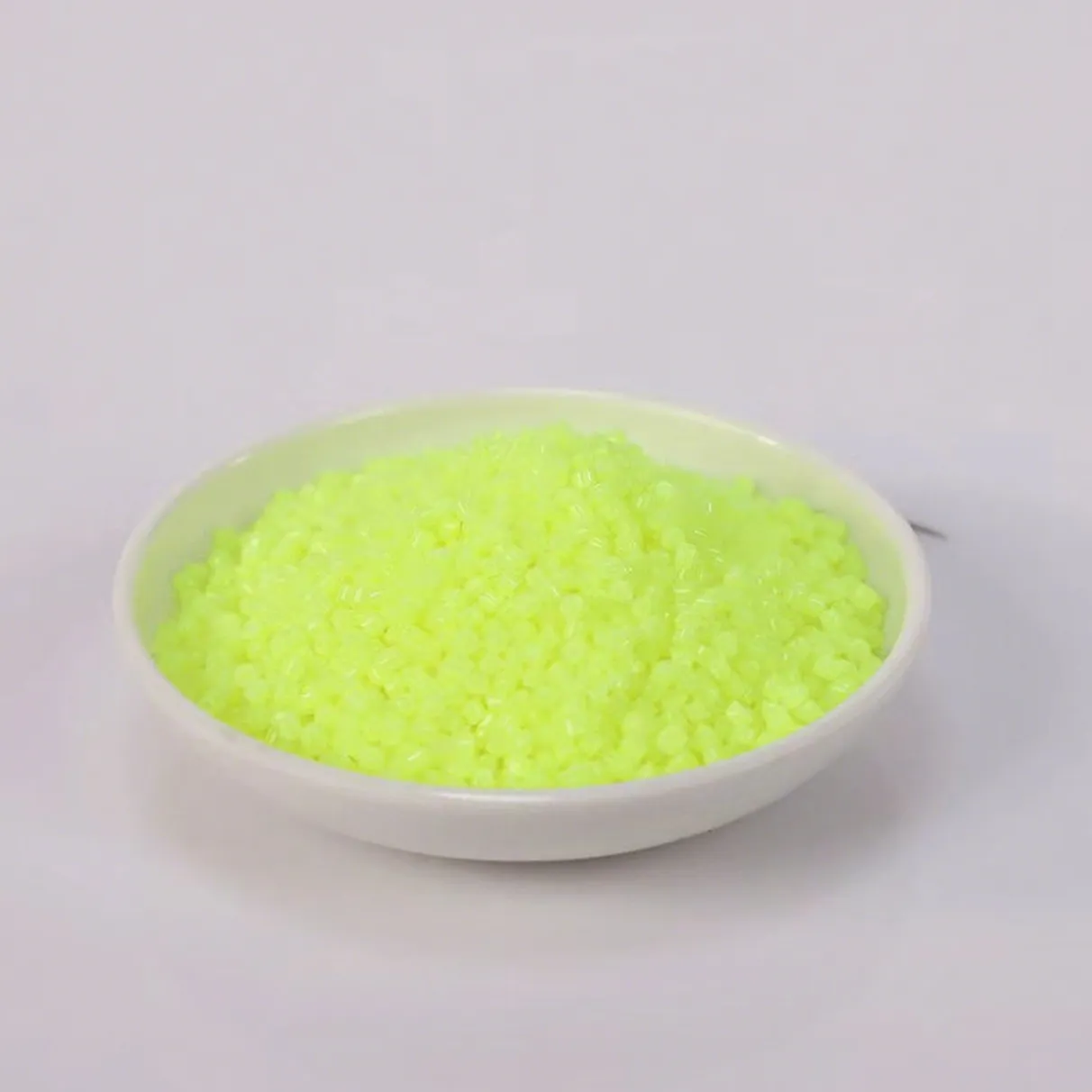
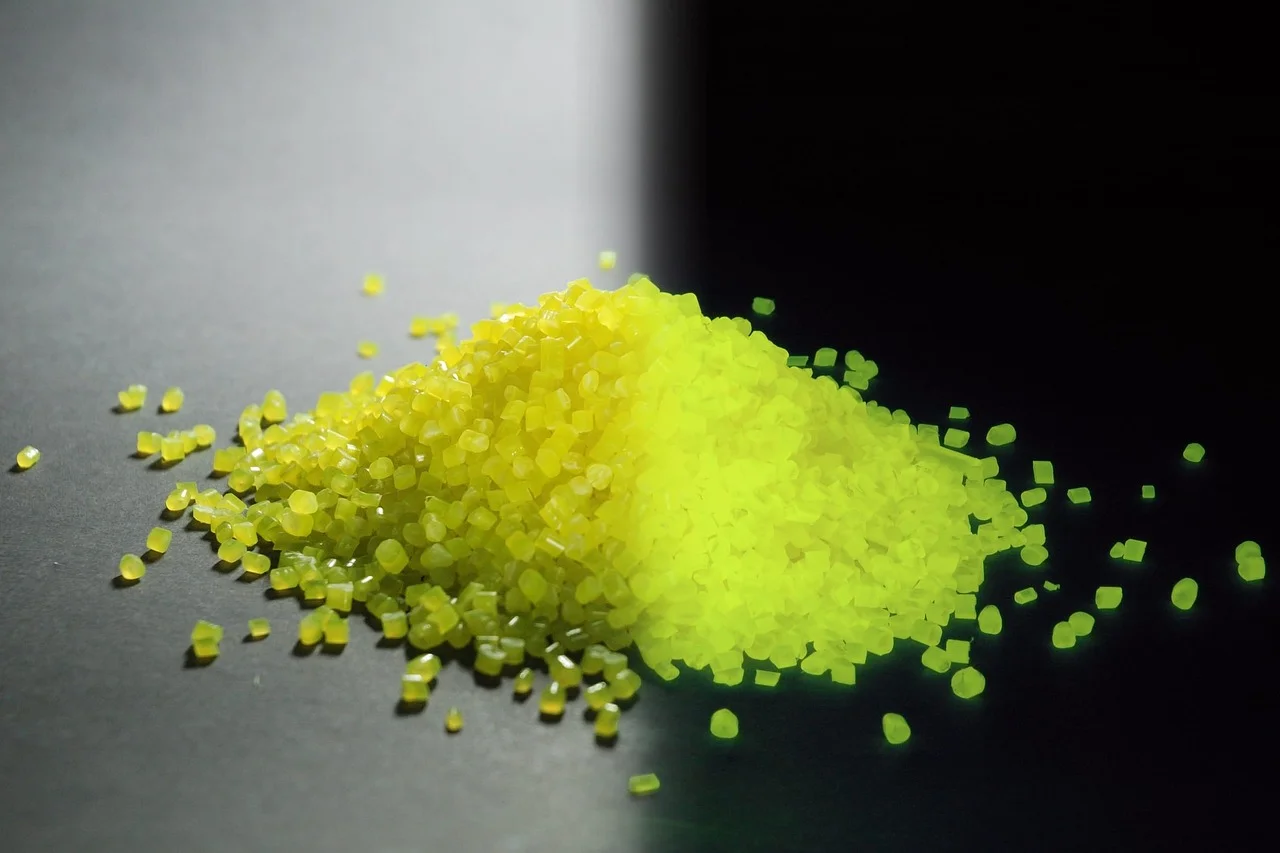
Optical brighteners are fluorescent additives that absorb ultraviolet and near-violet light and re-emit part of that energy as blue-visible light, increasing the apparent whiteness, brightness, or color brilliance of a substrate. In plastics, they are used primarily as appearance modifiers to mask yellowing, improve the visual “cleanliness” of white and light-colored parts, and compensate for color shifts introduced by resin aging or high-temperature processing.
Within the plastics value chain, optical brighteners sit at the interface of formulation science, aesthetics, and consumer perception. They are commonly used in polymers, coatings, inks, fibers, detergents, paper, and specialty consumer goods, with the plastics segment favoring compounds that can survive melt processing and remain effective at low loading levels. Their commercial importance has grown alongside demand for brighter packaging, household goods, appliances, automotive interiors, and recycled-plastic grade correction, while sustainability discussions now increasingly focus on migration behavior, photostability, recyclate compatibility, and the need to avoid “false whiteness” claims in circular-economy contexts.

History and Development
Optical brighteners emerged from dye chemistry and fluorescence research, and early commercial use extended beyond textiles into food packaging and X-ray film enclosures, where improving visual appearance or resisting ultraviolet-induced deterioration was valuable. Over time, the technology expanded into paper, plastics, detergents, coatings, and many industrial and consumer applications, with the family now covering many chemical structures and performance profiles.
In practice, the field developed around the challenge of compensating for yellowish tones that arise from raw-material impurities, processing heat, oxidative aging, or recycled feedstock coloration. The shift from textile-only use to plastics and paper reflected the broader industrial need for low-dose, high-impact additives that could enhance perceived quality without materially changing bulk polymer properties.
Chemical Structure and Key Properties
Optical brighteners are typically colorless to weakly colored organic molecules with extended conjugated aromatic systems, often built around stilbene, distyrylbiphenyl, coumarin, benzoxazole, or related fluorophore motifs. Their core function is fluorescence: they absorb UV radiation, relax to a lower-energy excited state, and emit visible light in the blue region, typically around 420–470 nm, which offsets residual yellow tones in the substrate.
Key performance traits include:
- High molar efficiency at very low dosage, often in the range of fractions of a percent for plastics and even lower in some coatings or process aids.
- Blue-shifted emission, which visually increases whiteness by optical complementarity rather than chemical bleaching.
- Substrate affinity, which determines whether the additive remains dispersed in a polymer matrix or preferentially adsorbs to fibers or surfaces.
- Photostability and thermal stability, both of which are critical in plastics because processing temperatures can degrade less robust brighteners.
Important limits are especially relevant in plastics:
- UV dependency → the whitening effect requires excitation by UV or near-UV light → workaround: use in environments with daylight or UV-containing illumination, or combine with pigments and stabilizers when indoor lighting conditions are weak.
- Thermal degradation → some brighteners can lose activity during high-temperature melt processing → workaround: choose heat-stable grades and add them via masterbatch or late-stage compounding to reduce residence-time exposure.
- Migration or blooming risk → insufficient compatibility with the polymer can lead to surface deposition or transfer → workaround: select polymer-specific chemistries and optimize dispersion, crystallinity, and loading level.
- Poor fit for dark or heavily pigmented materials → the optical mechanism depends on reflected visible light, so strong coloration can overwhelm the effect → workaround: use only in white, pastel, or lightly tinted formulations where perceived brightness matters most.
For plastics specifically, a major functional drawback is that the additive improves appearance rather than intrinsic polymer performance; it does not strengthen the material, improve barrier, or repair oxidation damage, and it may be ineffective if the substrate already has strong intrinsic yellowing.
Production Processes and Raw Feedstocks
Industrial optical brighteners are synthesized from aromatic chemical building blocks through multi-step organic synthesis, with the exact route depending on the chemical family. In commercial practice, many products are supplied as powders, granules, or concentrates and then incorporated into masterbatches or formulation systems for plastics, inks, coatings, or detergents.
Common feedstock themes include:
- Aromatic intermediates derived from petrochemical chains.
- Sulfonated or polar substituents to improve solubility in water-based systems.
- Polymer-compatible variants designed for low migration and improved thermal resistance in plastics.
Process selection is guided by the target substrate. Water-soluble brighteners are common in detergents and textile finishing, whereas plastics often require hydrophobic or polymer-compatible grades that can tolerate extrusion, injection molding, or film blowing without significant loss of fluorescence.
Applications and End-Use Markets
Optical brighteners are used wherever a whiter, cleaner, or more brilliant visual effect is desired, but their relevance differs by substrate and processing route.
| End-use sector | Typical role | Common grade characteristics | Typical processing context |
|---|---|---|---|
| Plastics and packaging | Mask yellowing, improve whiteness and brightness | Heat-stable, polymer-compatible, low-migration grades | Masterbatch, extrusion, injection molding, film |
| Textiles and fibers | Increase perceived whiteness and shade clarity | Fiber-affinity, often water-soluble or dispersible | Dye bath, pad-dry-cure, finishing |
| Paper and board | Raise brightness and improve print appearance | Water-soluble, high optical efficiency | Wet-end addition, surface coating |
| Detergents and cleaning products | Deposit on fabrics during washing to maintain whiteness | Hydrophilic, fabric-substantive grades | Powder and liquid detergent formulations |
| Coatings, inks, and lacquers | Enhance surface brilliance and hide yellow cast | Solvent-compatible or dispersible grades | Formulation and surface finishing |
In plastics, the most common uses are in:
- Films and packaging, where visual whiteness and shelf appeal are critical.
- Consumer goods and appliance housings, where the additive compensates for resin discoloration or aging.
- Automotive interior parts, where cosmetic quality and color consistency matter.
- Fibers and technical textiles, especially when whiteness retention is important.
- Latex, coatings, and inks, where surface brightness influences branding and print quality.
A notable poor-fit use is in strongly pigmented black or dark-colored plastics, where the optical mechanism is largely obscured and the additive offers little practical benefit.
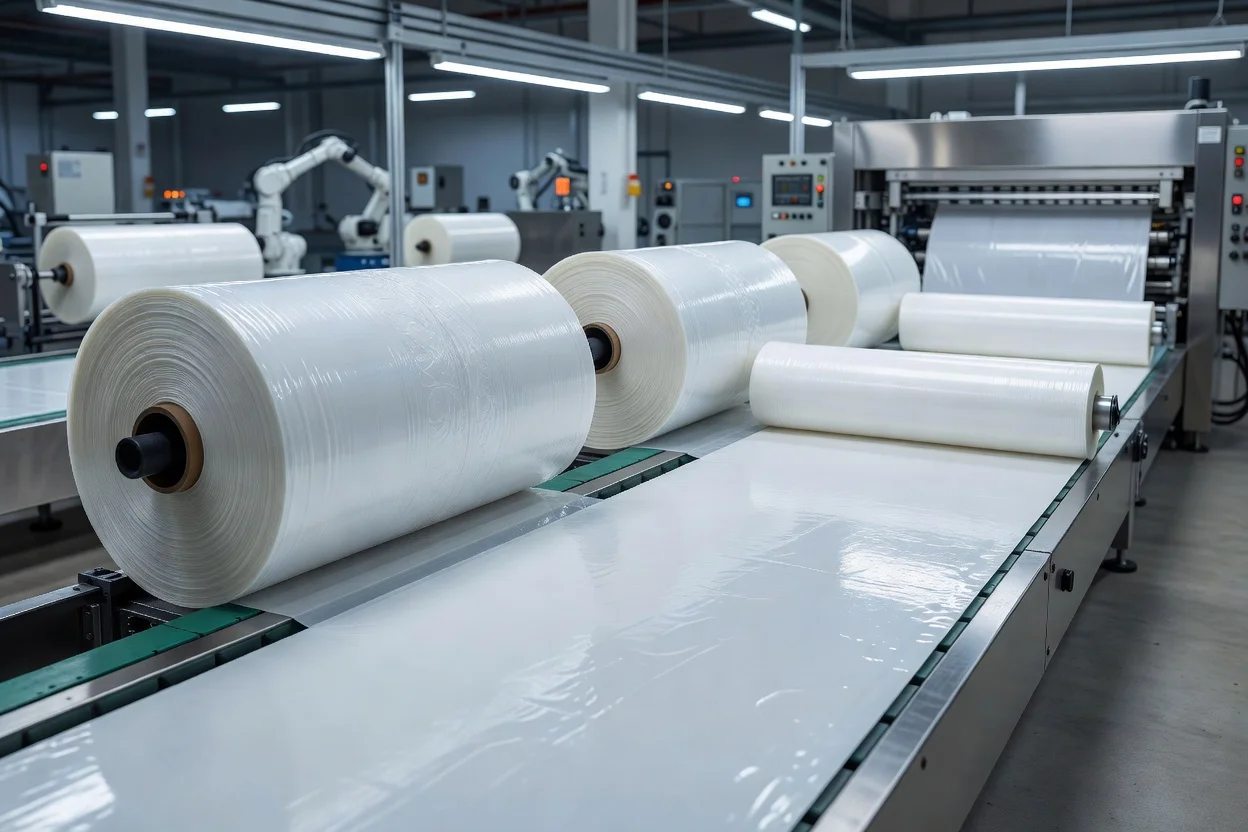
For plastics processors, typical dosage is low because the additive is highly efficient; in many formulations the effect is achieved through trace-level incorporation, often via a masterbatch, to ensure uniform dispersion and avoid local overconcentration that can cause uneven appearance.
Environmental and Sustainability Aspects
The sustainability profile of optical brighteners depends heavily on chemical class, substrate, and end-of-life pathway. In detergents and textiles, some common hydrophilic brighteners are designed for relatively low aquatic toxicity, but environmental concerns still arise around persistence, wastewater release, and the cumulative chemistry of laundry effluents.
In plastics, the main sustainability questions are different:
- Recyclability: brighteners do not generally prevent mechanical recycling, but they can complicate color sorting and make recycled material appear whiter than its actual contamination level would suggest.
- Recycled content use: they are sometimes used to visually upgrade recycled polymers, although this can mask quality differences rather than solve underlying contamination or degradation problems.
- Bio-based alternatives: there is no universal bio-based replacement that fully matches the cost-performance balance of established optical brighteners, so substitution is application-specific rather than broad-based.
- Carbon footprint: the footprint is usually dominated by aromatic chemical synthesis, solvent use, purification, and transportation rather than by in-use loading level, since the additive is used in very small quantities.
A balanced assessment is important: the visual enhancement supplied by optical brighteners can extend the commercial acceptance of recycled or slightly yellowed materials, but it can also encourage overreliance on surface appearance rather than material quality improvement. That tension is increasingly relevant in circular plastics markets.
Economic and Global Market Impact
Optical brighteners are a mature specialty-additives segment with demand closely tied to paper, detergent, textile, and plastics production cycles. Their economics favor small-volume, high-value sales, with value driven more by performance consistency, thermal stability, and regulatory compliance than by bulk tonnage.
The market is geographically broad because end uses are globally distributed. Major production and formulation capacity is concentrated in large chemical manufacturing hubs in Asia, Europe, and North America, with supply chains typically linked to aromatic intermediates and specialty dye chemistry. In plastics, leading demand is associated with packaging, consumer goods, and engineering plastics where visual grade consistency matters most.
Current Challenges and Innovations
Current technical challenges include:
- Thermal robustness: maintaining fluorescence after extrusion or molding.
- Compatibility with recycled polymers: achieving brightness without blooming or odor issues.
- Regulatory scrutiny: ensuring acceptable safety profiles for food-contact, textile, or detergent uses.
- False-whiteness perception: preventing visual masking from being used as a substitute for genuine material quality control.
- Durability under UV exposure: balancing brightness with long-term lightfastness.
Innovation is focused on:
- More polymer-specific brighteners with improved anchoring in polyethylene, polypropylene, polyesters, and engineering thermoplastics.
- Masterbatch engineering for better dispersion and lower dust exposure during handling.
- Combination packages with light stabilizers and antioxidants to improve overall appearance retention.
- Better analytical methods for detecting and quantifying brightener content in recycled streams and finished products.
A useful formulation example is a white polypropylene masterbatch containing a low-dose optical brightener plus a titanium dioxide system; the brightener shifts reflected light toward blue while the pigment increases scattering, producing a cleaner visual white than pigment alone. Another common mechanism is in detergent-treated textiles, where the brightener deposits onto fibers and converts otherwise invisible UV into blue emission that counteracts yellowing.
Future Outlook
The future of optical brighteners in plastics will likely be shaped by three forces: greater use of recycled feedstocks, stricter product stewardship, and continued demand for high visual quality in consumer goods and packaging. In recycled plastics, brighteners may remain valuable as appearance correctors, but their role will be more carefully bounded by claims about recyclate quality and transparency.
Longer term, the most successful products are likely to be those that combine strong fluorescence, low migration, high thermal stability, and compatibility with circular manufacturing models. In parallel, formulators may increasingly pair optical brighteners with stabilizers, compatibilizers, and improved sorting technologies so that whiteness enhancement supports rather than obscures material circularity.
Summary
Optical brighteners are fluorescence-based additives that improve the apparent whiteness and brightness of plastics and many other substrates by converting invisible UV light into blue visible light. In plastics, they are valued for low-dose cosmetic improvement, but their effectiveness depends on substrate compatibility, processing stability, and the availability of UV light for excitation. Their future will be tied to recycled-content formulations, tighter environmental oversight, and the continuing demand for visually premium materials.
References
- •
Optical brightener. (2001, October 31). In Wikipedia. https://en.wikipedia.org/wiki/Optical_brightenerLink
- •
荧光增白剂| 4404-43-7. (n.d.). ChemicalBook. https://www.chemicalbook.com/ChemicalProductProperty_CN_CB8486659.htmLink
- •
Optical Brighteners. (n.d.). MPI Chemie. https://mpi.eu/chemie/products/optical-brighteners/Link
- •
“可怕的”荧光增白剂,你真的了解吗_ 化妆品消费警示. (2021, January 14). https://yjj.scjgj.fujian.gov.cn/ztzl/kpzl/spyjts/hzpxfjs/202101/t20210114_5517550.htmLink
- •
荧光增白剂85 | 12224-06-5. (n.d.). ChemicalBook. https://www.chemicalbook.com/ChemicalProductProperty_CN_CB6855130.htmLink
- •
擦亮眼睛,别被误导,权威科普荧光增白剂. (2023, June 10). Xinhuanet. http://www.news.cn/tech/20230610/9360ae516c35436595363d516a06f0f4/c.htmlLink
- •
荧光增白剂. (n.d.). Baidu Baike. https://baike.baidu.com/item/%E8%8D%A7%E5%85%89%E5%A2%9E%E7%99%BD%E5%89%82/5370940Link
- •
荧光增白剂CAS#: 4404-43-7. (2023, January 1). ChemicalBook. https://www.chemicalbook.com/ProductChemicalPropertiesCB8486659.htmLink
- •
Optical brighteners. (2009, March 15). U.S. Environmental Protection Agency. https://hero.epa.gov/hero/index.cfm/reference/details/reference_id/4854779Link
- •
Optical Brighteners: A Primer. (n.d.). X-Rite. https://www.xrite.com/page/optical-brightening-agents-a-primerLink
- •
荧光增白剂87 | 12768-91-1. (n.d.). ChemicalBook. https://www.chemicalbook.com/ChemicalProductProperty_CN_CB2855172.htmLink
- •
Soap and detergent - Optical Brighteners. (2025, August 8). In Britannica. https://www.britannica.com/science/soap/Optical-brightenersLink
- •
为荧光增白剂摘“黑帽”. (2025, May 7). Guangming Online. https://m.gmw.cn/toutiao/2025-05/07/content_38011200.htmLink
- •
Brighter optical. (2020, October 29). Altmeyers Encyclopedia. https://www.altmeyers.org/en/allergology/brighter-optical-133579Link
- •
Optical brighteners: history and technology. (2000, January 1). Studies in Conservation, 45(Supplement-1), 133–140. https://www.tandfonline.com/doi/full/10.1179/sic.2000.45.Supplement-1.133Link
- •
荧光增白剂是什么?. (2021, April 9). ChemicalBook. https://www.chemicalbook.com/NewsInfo_21518.htmLink
- •
增白剂. (2023, June 12). Baidu Baike. https://baike.baidu.com/item/%E5%A2%9E%E7%99%BD%E5%89%82/786402Link
- •
食品及农产品中荧光增白剂检测技术研究进展. (n.d.). Hans Publishers. https://pdf.hanspub.org/HJFNS20190400000_12580601.pdfLink
- •
荧光增白剂如何发挥作用. (2021, July 30). Sina Finance. https://finance.sina.com.cn/jjxw/2021-07-30/doc-ikqciyzk8577679.shtmlLink
- •
荧光增白剂,你真的了解吗?. (2022, February 23). Wuhu Market Supervision Administration. https://amr.wuhu.gov.cn/ztzl/qxcpzh/8347972.htmlLink
- •
荧光增白剂. (2025, August 13). ChemicalBook. https://www.chemicalbook.com/ChemicalProductsList_695.htmLink
- •
Optical Brighteners / Whitening Agents. (2025, June 26). SpecialChem. https://www.specialchem.com/polymer-additives/pf-optical-brighteners-whitening-agentsLink
- •
彰化縣衛生局. (n.d.). https://www.chshb.gov.tw/node/190920945Link
- •
Optical brightener. (2025, September 19). In Britannica. https://www.britannica.com/science/optical-brightenerLink
- •
“荧光增白剂”真的有毒吗?. (n.d.). Sina News. https://news.sina.com.cn/c/sd/2011-08-09/171822962453_2.shtml?from=wapLink
- •
Optical Brighteners-A Study of Water Solubility. (n.d.). https://resources.culturalheritage.org/pmgtopics/2005-volume-eleven/11_08_Wetzel.htmlLink
- •
[PDF] OPTICAL BRIGHTENERS EFFECT ON WHITE AND COLOURED .... (n.d.). University of Minho. https://repositorium.uminho.pt/server/api/core/bitstreams/2bd6cdea-2aeb-4509-8049-eb4395cb32e3/contentLink
- •
一种式(I)的荧光增白剂(PAB),其中每个n独立代表1或2,带浮动键的SO~3~M基团代表连接在4位或5位,每个M独立代表非发色阳离子的等同物,并且每个M’独立代表氢或M,(P~AB~)中的阳离子M的至少一部分为聚阳离子多元醇/表氯醇/胺聚合物(P~A~)的阳离子基团,包括作为杂原子环. (2002, October 18). Google Patents. https://patents.google.com/patent/CN1302045C/zhLink
- •
Optical Brightener - an overview. (n.d.). ScienceDirect. https://www.sciencedirect.com/topics/biochemistry-genetics-and-molecular-biology/optical-brightenerLink
- •
CN102906200A - 荧光增白剂及含有其的组合物. (2011, May 18). Google Patents. https://patents.google.com/patent/CN102906200A/zhLink
- •
Optical Brightener - an overview. (n.d.). ScienceDirect. https://www.sciencedirect.com/topics/agricultural-and-biological-sciences/optical-brightenerLink
- •
Cosmetic compositions containing optical brighteners. (1999, May 26). Google Patents. https://patents.google.com/patent/US6313181B1/enLink
- •
The influence of the optical brighteners concentration on .... (n.d.). Hrcak. https://hrcak.srce.hr/file/445702Link
- •
Optical brighteners and compositions comprising the same. (2013, June 3). Google Patents. https://patents.google.com/patent/US8740997B2/enLink