
Introduction
Ageing stabilizers are polymer additives used to slow or prevent degradation caused by heat, oxygen, light, ozone, moisture, and related environmental stresses during processing and service life. In plastics practice, the term usually covers antioxidant systems, heat stabilizers, light stabilizers, and ozone-protective packages that preserve mechanical properties, color, and appearance while extending useful life.
These additives are central to the plastics value chain because most polymers undergo some combination of thermal-oxidative, photo-oxidative, or hydrolytic ageing during melt processing, storage, and end use. Their chemistry is highly application-specific: polyolefins often rely on phenolic antioxidants and phosphites, outdoor products frequently use UV absorbers and hindered amine light stabilizers, and some engineering polymers require specialized systems to resist long-term heat or hydrolysis.
History and Development
The development of ageing stabilizers followed the industrialization of polymers, as manufacturers recognized that many plastics were too reactive to survive processing and long service without protection. Early stabilization strategies focused on simple antioxidants and heat-resistant formulations, while later generations added more sophisticated light stabilizers, synergistic blends, and metal-deactivating systems for demanding applications.
A major turning point was the shift from single-component protection to stabilizer packages, in which primary and secondary antioxidants, UV absorbers, and HALS are combined to target different degradation pathways at once. This approach remains dominant because polymer ageing is usually multifactorial rather than driven by a single mechanism.
Chemical Structure and Key Properties (Technical Overview)
Ageing stabilizers do not form a single chemical family; they are a functional class defined by performance rather than structure. The main groups used in plastics are:
| Stabilizer class | Main function | Typical mechanism | Common use |
|---|---|---|---|
| Primary antioxidants | Interrupt radical chains | Donate hydrogen to radicals | Polyolefins, styrenics |
| Secondary antioxidants | Remove hydroperoxides | Decompose peroxides before chain propagation | Processing stability, long-term heat ageing |
| UV absorbers | Reduce UV penetration | Absorb UV and dissipate energy as heat | Outdoor plastics |
| HALS | Suppress photo-oxidation | Radical trapping and cyclic regeneration | Outdoor polyolefins, coatings |
| Metal deactivators | Reduce catalytic metal effects | Chelation or passivation | Wires, cables, technical compounds |
Primary antioxidants are commonly hindered phenols or aromatic amines, while secondary antioxidants are often phosphites or thioesters. UV stabilizer systems usually include UV absorbers and HALS, which act by different pathways and are frequently used together because of their complementary effects.
Two practical limits are especially important:
- Thermal-oxidative ageing limit → polymer chains still oxidize when stabilizers are exhausted or used below the required loading → workaround: use synergistic antioxidant packages and optimize residence time, processing temperature, and oxygen exposure.
- Photo-ageing limit → UV stabilizers cannot fully compensate for prolonged weathering in thin or highly exposed parts → workaround: combine HALS, UV absorbers, pigments, carbon black, and suitable part design or coatings.
At the molecular level, these additives work by interrupting free-radical chain reactions, decomposing hydroperoxides, absorbing ultraviolet energy, or binding catalytic metal ions that accelerate oxidation. In practice, loadings are often low, but they are formulation-critical; even small dosage changes can strongly affect melt stability, color retention, and service lifetime.
Production Processes and Raw Feedstocks
Ageing stabilizers are manufactured by the fine-chemical industry through synthesis routes tailored to the target mechanism and compatibility with polymer matrices. Feedstocks vary by class:
- Phenolic antioxidants are typically derived from substituted phenols and related aromatic intermediates.
- Phosphite stabilizers use phosphorus-containing chemistries designed to decompose hydroperoxides.
- HALS rely on hindered amine structures that enable radical scavenging and regeneration in the photo-oxidation cycle.
- UV absorbers include benzotriazoles, benzophenones, triazines, and related chromophores selected for spectral match and durability.
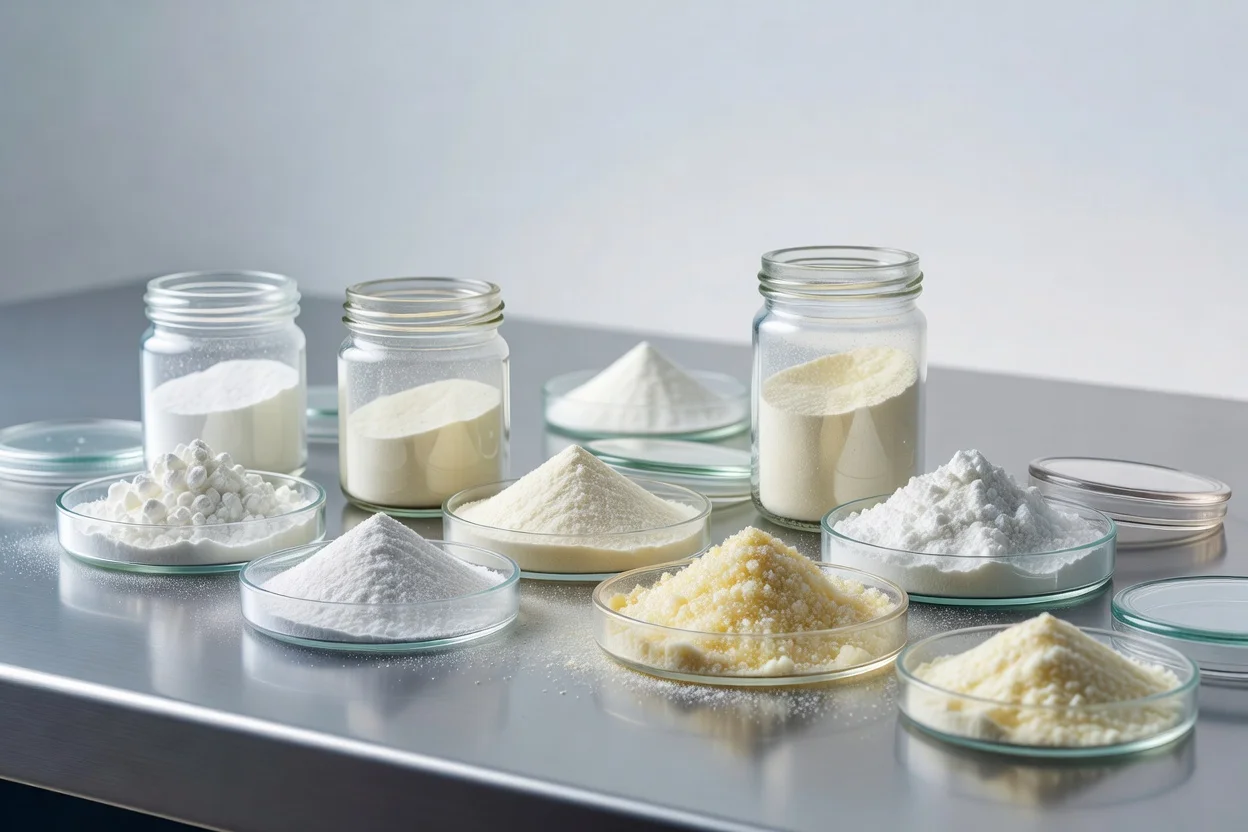
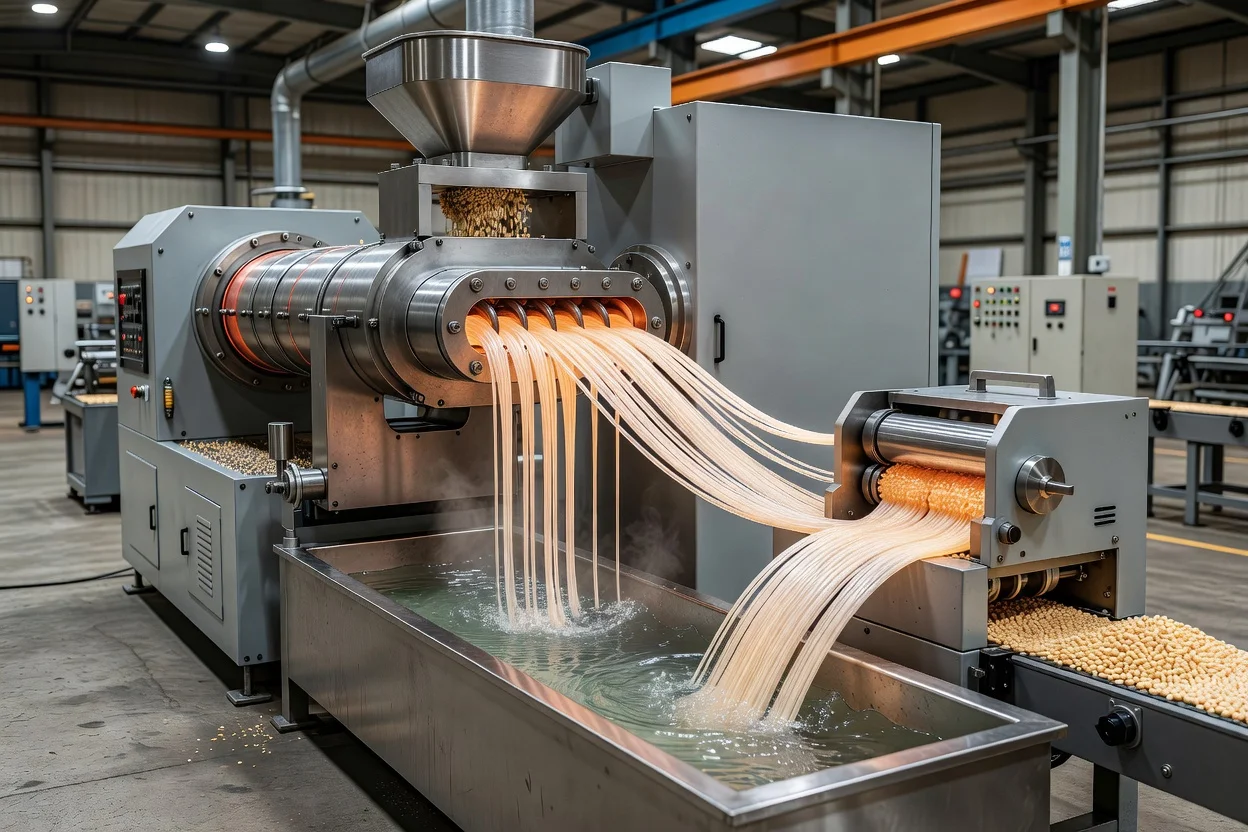
In industrial compounding, stabilizers are commonly delivered as powders, liquids, or masterbatches so they can be dispersed uniformly into the base polymer during extrusion, injection molding, blow molding, or film conversion. Masterbatch formulations typically concentrate the active additive in a carrier resin, improving handling and dosing consistency.
Applications and End-Use Markets
Ageing stabilizers are used across nearly all polymer sectors, but the stabilizer package is usually matched to both the polymer and the processing route.
- Films and flexible packaging: Polyolefin films usually rely on antioxidants for melt processing and long-term storage stability; outdoor films may add UV protection.
- Bottles and rigid containers: Stabilizers help preserve clarity, color, and mechanical strength during conversion and shelf life, especially in exposed or heat-stressed supply chains.
- Pipe and pressure applications: Long-life pipe grades require heat and oxidative stability to maintain stress resistance over decades.
- Cable and wire: Stabilizers help protect insulation and sheathing from heat, oxygen, and, in outdoor service, sunlight and ozone.
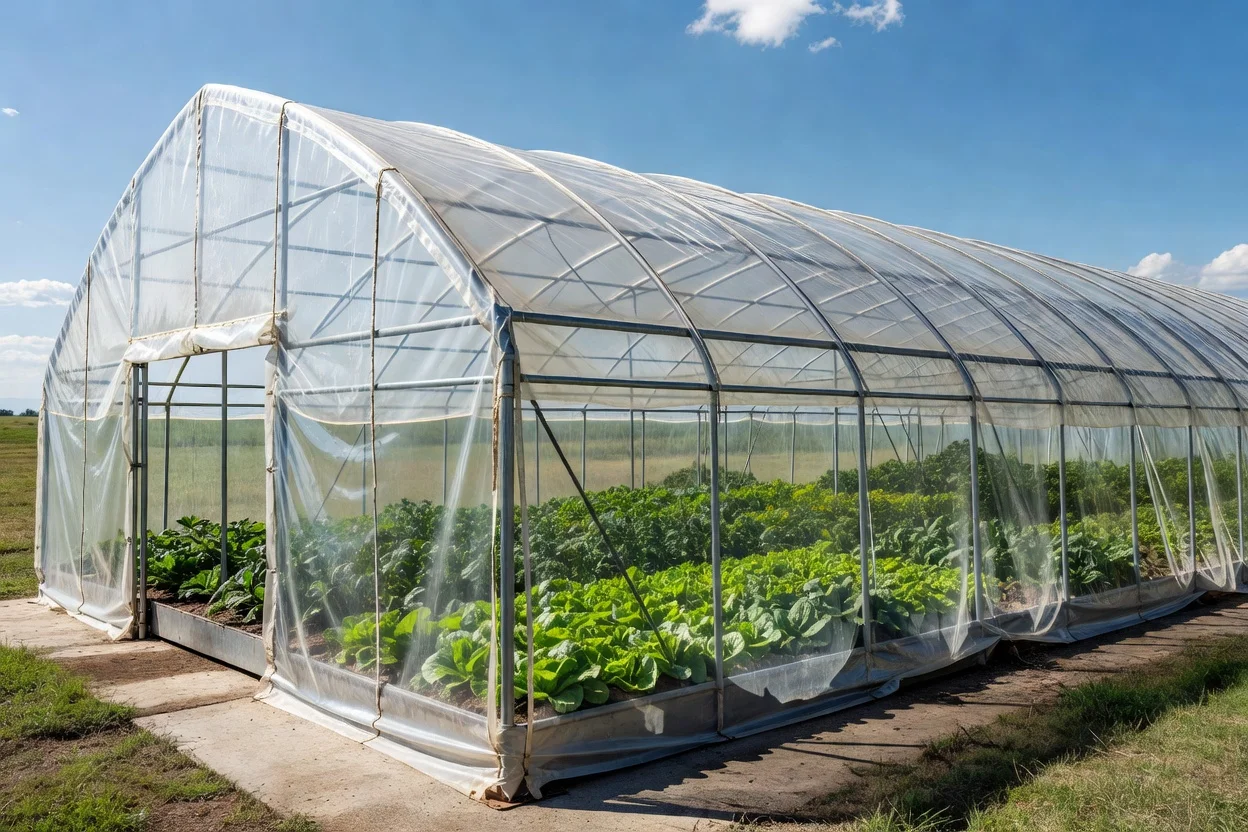
- Agriculture: Mulch films, greenhouse coverings, and irrigation-related plastics often need strong UV resistance and weathering durability.
- Geomembranes and construction membranes: These applications demand long-term resistance to UV, oxidation, and thermal cycling.
- Rotomolding: Large outdoor parts such as tanks and bins often require heavy-duty antioxidant and UV packages because of long residence times and exposure.
- UHMWPE wear and medical components: Ageing stabilizers help retain molecular integrity and reduce oxidative embrittlement in high-performance parts.
- PEX and crosslinked systems: Stabilization supports processing and long-term thermal performance in hot-water and plumbing service.
A relatively poor-fit use is any short-life, disposable indoor product that has minimal heat or UV exposure; in such cases, extensive stabilizer packages may add cost without meaningful benefit.
Environmental and Sustainability Aspects
Ageing stabilizers improve durability, and durability is itself a sustainability benefit because longer-lasting products reduce replacement frequency and material throughput. This is especially important for infrastructure, automotive, agricultural, and outdoor construction applications where premature failure would create large embedded-carbon losses.
At the same time, stabilizers raise sustainability questions:
- Some legacy chemistries have regulatory constraints because of toxicity, migration, or persistence concerns.
- Additives can complicate recycling when they are depleted, incompatible with reprocessing temperatures, or present in mixed waste streams.
- Weathered plastics may still degrade, so stabilizers are not a substitute for design-for-recycling or good end-of-life systems.
Bio-based or lower-carbon alternatives are being explored mainly through renewable feedstocks, improved compounding efficiency, and more durable formulations that reduce additive loss over time rather than by eliminating stabilization altogether. In most applications, the near-term sustainability strategy is not additive removal but additive optimization: use the minimum effective stabilizer package, improve compatibility, and design for recyclability and reuse.
Economic and Global Market Impact
Ageing stabilizers are a high-value specialty segment within plastic additives because small dosages protect large volumes of polymer value. Demand is closely tied to growth in packaging, construction, automotive, agriculture, and infrastructure, especially where service-life expectations are rising.
Global supply is concentrated among multinational additive producers and specialty chemical firms, with major positions held by large global suppliers of antioxidants, phosphites, HALS, and UV absorbers. Competitive differentiation typically depends on thermal efficiency, low volatility, extraction resistance, color performance, regulatory compliance, and compatibility with increasingly demanding recycled-resin applications.
Current Challenges and Innovations
Current technical challenges include:
- maintaining performance in recycled polymers, where prior thermal history and contaminant carryover accelerate ageing risk;
- reducing odor, discoloration, and extractables in sensitive applications;
- replacing older chemistries that face regulatory pressure;
- improving stabilizer efficiency at lower dosage levels.
Innovation is focused on:
- multifunctional stabilizer packages that combine antioxidants, HALS, UV absorbers, and processing aids in one system;
- higher-molecular-weight or low-volatility antioxidants for reduced migration;
- tailored packages for mechanically recycled resins;
- formulation tools that model antioxidant depletion and service-life prediction.
Concrete examples include:
- 0.05–0.2% phenolic antioxidant packages in polyolefins, often paired with a phosphite, where the phenol traps radicals and the phosphite decomposes hydroperoxides before they propagate oxidation.
- HALS plus UV absorber blends in outdoor polyethylene or polypropylene, where the UV absorber reduces photon penetration and HALS cycles through radical scavenging to slow photo-oxidation.
Future Outlook
The future of ageing stabilizers will be shaped by three forces: longer service-life expectations, higher recycled-content targets, and stricter regulatory scrutiny. Demand is likely to increase for stabilizers that remain effective in recycled streams, survive repeated processing, and preserve appearance and mechanical integrity in thinner, lighter parts.
Over time, the most successful systems are likely to be those that combine high performance with lower environmental burden, especially through lower migration, improved recyclability, and better formulation efficiency. In that sense, ageing stabilizers will remain indispensable not only as performance additives but also as enablers of material efficiency and circular plastics use.
Summary
Ageing stabilizers are essential plastic auxiliaries that protect polymers from thermal, oxidative, UV, ozone, and moisture-driven degradation, thereby extending processing window, appearance retention, and service life. Their most important classes are antioxidants, UV stabilizers, HALS, and related synergistic packages, and their use is now inseparable from modern polymer compounding, durability engineering, and circular-economy design.
References
- •
Стабилизаторы старения - Словарь терминов. (2018, October 26). e-plastic.ru. https://e-plastic.ru/slovar/c/ctabilizatoru_ctareniua/Link
- •
Influence of various stabilizer systems on the ageing.... (1998, December 23). ScienceDirect. https://www.sciencedirect.com/science/article/abs/pii/S0141391098000494Link
- •
Geroprotectors and Skeletal Health: Beyond the Headlines. (2022, February 9). Frontiers. https://www.frontiersin.org/journals/cell-and-developmental-biology/articles/10.3389/fcell.2022.682045/fullLink
- •
Geroprotectors: A Unified Concept and Screening Approaches. (2017, May 2). PMC. https://pmc.ncbi.nlm.nih.gov/articles/PMC5440114/Link
- •
Anti-Aging Heat Stabilizer Masterbatch: Complete Guide. (2026, July 28). Kerke. https://www.kerkeextruder.com/news/industry-news/anti-aging-heat-stabilizer-masterbatch-complete-guide/Link
- •
Stabilizer (chemistry). (2005, November 15). Wikipedia. https://en.wikipedia.org/wiki/Stabilizer_(chemistry)Link
- •
Anti-aging Additives and Stabilizers. (n.d.). Kerton Chemical. https://www.kerton-industry.com/blog_detail/Anti-aging_Additives_and_Stabilizers.htmlLink
- •
Influence of various stabilizer systems on the ageing.... (n.d.). ScienceDirect. https://www.sciencedirect.com/science/article/abs/pii/S0141391098000482Link
- •
Application-Specific.... (2026, April 1). Kerke. https://www.kerkeextruder.com/news/industry-news/comprehensive-guide-to-anti-aging-masterbatch-and-heat-stabilizer-masterbatch-service-life-extension-and-formulation/Link
- •
Influence of various stabilizers on ageing of dicumyl.... (n.d.). ScienceDirect. https://www.sciencedirect.com/science/article/pii/S0141391004000862Link
- •
Polymer UV Stabilizers & Antioxidants. (2026, February 4). RBH Group. https://www.rbhltd.com/en/products/polymer-additives-stabilizers-antioxidants/Link
- •
Stabilizer selection and formulation strategies for.... (n.d.). ScienceDirect. https://www.sciencedirect.com/science/article/pii/S2666647224000083Link
- •
[PDF] Application of thin layer chromatography for qualitative analysis of.... (n.d.). MedCrave. https://medcraveonline.com/IJBSBE/IJBSBE-05-00144.pdfLink
- •
Chemical aging of polymers - Physico-Chemical Stabilization. (2016, September 1). Techniques de l'Ingénieur. https://www.techniques-ingenieur.fr/en/resources/article/ti100/chemical-aging-of-polymers-am3153/v2Link
- •
紫外线吸收剂光稳定剂分类和特性. (n.d.). Milan Chemical. https://www.milanchemical.com/content.php?categoryID=525&id=2309Link
- •
Anti-ageing treatments: these two drug types are being.... (2021, January 27). The Conversation. https://theconversation.com/anti-ageing-treatments-these-two-drug-types-are-being-investigated-153409Link
- •
evaluation-of-the-effect-of-uv-stabilizers-on-the-change-.... (n.d.). SciSpace. https://scispace.com/pdf/evaluation-of-the-effect-of-uv-stabilizers-on-the-change-in-vscduidmiz.pdfLink
- •
NATO Propellant Lifetime Guide | PDF | Nitrogen. (2026, January 1). Scribd. https://www.scribd.com/document/681851242/Lifetime-prediction-of-propellantsLink
- •
STABILIZER | definition in the Cambridge English Dictionary. (2025, January 1). Cambridge Dictionary. https://dictionary.cambridge.org/us/dictionary/english/stabilizerLink
- •
22. (n.d.). Fraunhofer. https://publica-rest.fraunhofer.de/server/api/core/bitstreams/445de9a0-32b5-4777-924f-55e8630d8b18/contentLink
- •
Additives Used with Plastics. (2021, February 3). AZoM. https://www.azom.com/article.aspx?ArticleID=17479Link
- •
Article[16].pdf. (n.d.). ThaiScience. https://www.thaiscience.info/journals/Article/TKJN/10471259.pdfLink
- •
vayasthapan.pptx. (2023, April 29). SlideShare. https://www.slideshare.net/slideshow/vayasthapanpptx/257622568Link
- •
principles of stabilizers. (2021, February 11). Partin Chem. https://partinchem.com/blog/principles-of-stabilizers/Link
- •
A) Phosphites. (2026, July 8). LinkedIn. https://www.linkedin.com/pulse/from-antioxidants-ozone-protective-waxes-everything-single-crjgeLink
- •
Dietary Supplements and Natural Products: An Update on Their.... (2022, April 28). PMC. https://pmc.ncbi.nlm.nih.gov/articles/PMC9096086/Link
- •
Aging-modulating treatments: from reductionism to a system-oriented perspective. (2014, December 19). PMC. https://pmc.ncbi.nlm.nih.gov/articles/PMC4271728/Link
- •
Polymer stabilizer. (2008, April 28). Wikipedia. https://en.wikipedia.org/wiki/Polymer_stabilizerLink
- •
STABILIZER Definition & Meaning. (2026, May 24). Merriam-Webster. https://www.merriam-webster.com/dictionary/stabilizerLink
- •
The role of antioxidants in polymer conservation. (n.d.). Journals.co.za. https://journals.co.za/doi/pdf/10.10520/AJA03794350_823Link
- •
polymers. (n.d.). Semantic Scholar. https://pdfs.semanticscholar.org/ecfc/fd3c840eca0436a957afe43b474724bc955d.pdfLink
- •
[PDF] Reaction kinetics of antioxidants for polyolefins. (n.d.). Energiforsk. https://energiforsk.se/media/33609/sampo-report-reaction-kinetics-of-antioxidants-for-polyolefins.pdfLink
- •
Interventions to Slow Aging in Humans: Are We Ready? (2015, April 22). PMC. https://pmc.ncbi.nlm.nih.gov/articles/PMC4531065/Link
- •
STABILIZERS Definition & Meaning. (2026, February 1). Merriam-Webster. https://www.merriam-webster.com/dictionary/STABILIZERSLink
- •
Light stabilizers added to the shell of co-extruded wood/high-density polyethylene composites to improve mechanical and anti-UV ageing properties. (2018, May 9). PMC. https://pmc.ncbi.nlm.nih.gov/articles/PMC5990811/Link
- •
The Purpose And Benefits Of.... (2023, January 31). Brenntag. https://www.brenntag.com/en-us/industries/case-and-construction/guide-to-stabilizers/Link
- •
Deterioration of Pp-R Formulations Based on Phenolic Antioxidants.... (n.d.). OUCI. https://ouci.dntb.gov.ua/en/works/96nrowB9/Link
- •
Epigenetic regulation of aging: implications for.... (2022, November 7). Nature. https://www.nature.com/articles/s41392-022-01211-8Link
- •
Molecular mechanisms of aging and anti-aging strategies. (2024, May 24). PMC. https://pmc.ncbi.nlm.nih.gov/articles/PMC11118732/Link
- •
Stabilizing agent. (2018, January 1). EPA. https://comptox.epa.gov/chemexpo/functional_use_category/101/Link
- •
стабилизаторы полимеров | это... Что такое стабилизаторы полимеров? (2021, May 1). Academic.ru. https://dic.academic.ru/dic.nsf/es/54386/%D1%81%D1%82%D0%B0%D0%B1%D0%B8%D0%BB%D0%B8%D0%B7%D0%B0%D1%82%D0%BE%D1%80%D1%8BLink
- •
Guided positional stabilization: a hypothesis on the role of.... (2026, August 3). Frontiers. https://www.frontiersin.org/journals/aging/articles/10.3389/fragi.2026.1886928/fullLink
- •
What Is a Stabilizer? Definition, Types, and Uses.... (2026, March 5). Science Insights. https://scienceinsights.org/what-is-a-stabilizer-definition-types-and-uses/Link
- •
7+ Uses: What are Stabilizers & How They Work. (2025, October 16). FOD. https://maktaba.fod.ac.ma/what-are-stabilizers/Link
- •
Aging Morphotypes classification and treatments. (2021, January 7). Prime Journal. https://www.prime-journal.com/aging-morphotypes-classification-and-treatments/Link
- •
Aging: What to expect. (2026, February 5). Mayo Clinic. https://www.mayoclinic.org/healthy-lifestyle/healthy-aging/in-depth/aging/art-20046070Link
- •
Macromolecular stabilizers for polymers. (n.d.). Wiley. https://onlinelibrary.wiley.com/doi/abs/10.1002/apmc.1988.051580112Link
- •
Analysis of the aging process of double-base propellants.... (2023, December 18). Academia.edu. https://www.academia.edu/111706637/Analysis_of_the_aging_process_of_double_base_propellants_without_an_organic_stabilizerLink
- •
Stabilizatör (kimya) - Vikipedi. (2026, January 10). Vikipedi. https://tr.wikipedia.org/wiki/Stabilizat%C3%B6r_(kimya)Link
- •
Aging Types and Causes. (2026, February 8). Verywell Health. https://www.verywellhealth.com/what-is-aging-2224347Link
- •
Can we slow aging? (2026, February 13). National Institutes of Health. https://www.nih.gov/news-events/nih-research-matters/can-we-slow-agingLink
- •
Aging and aging-related diseases: from molecular.... (2022, December 16). Nature. https://www.nature.com/articles/s41392-022-01251-0Link
- •
Can ageing be slowed down? (2026, January 7). Max Planck Institute. https://www.age.mpg.de/can-ageing-be-slowed-downLink