
Introduction
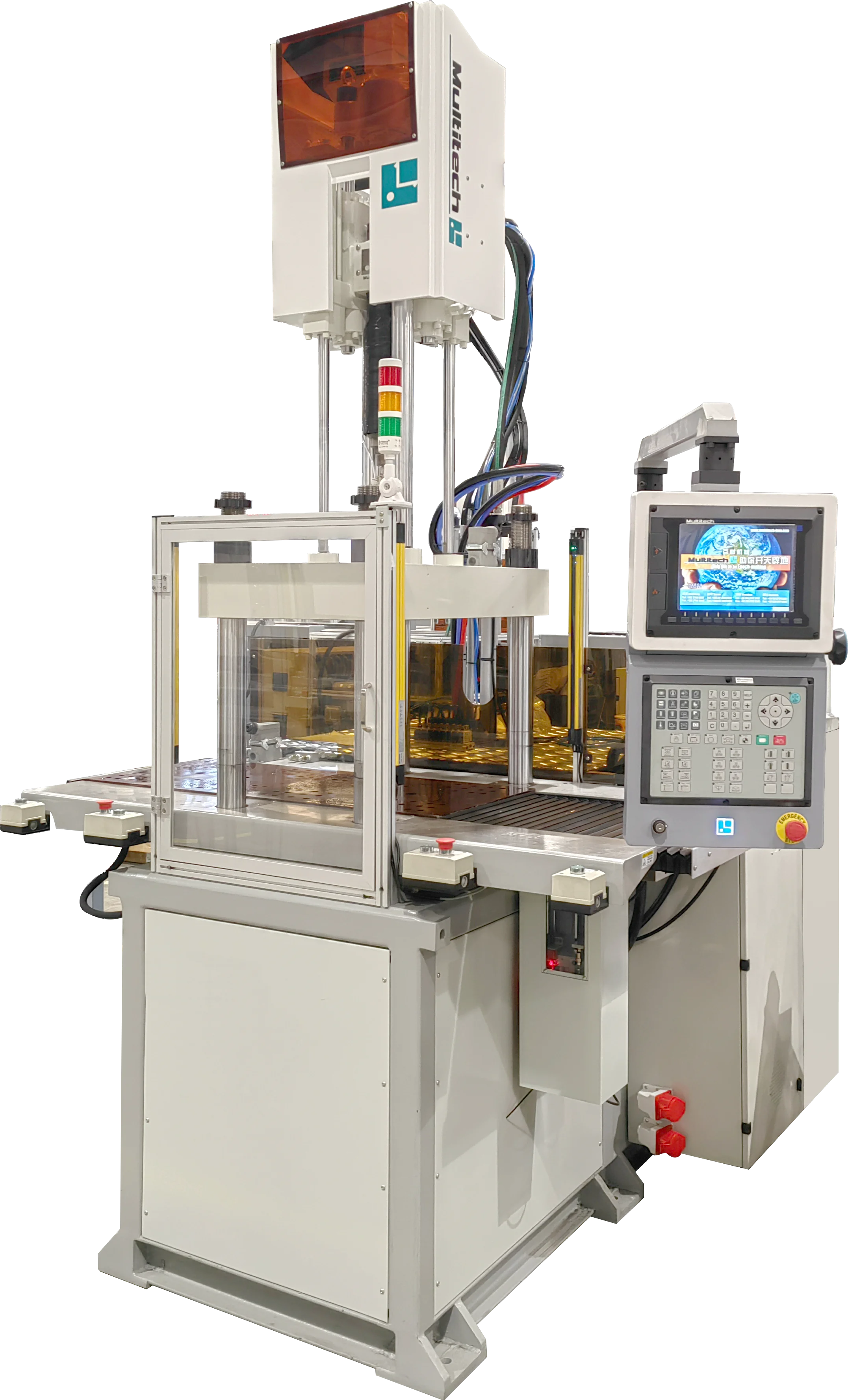
Reaction molding machinery and equipment refers to the specialized systems used to process reactive liquid polymers into finished parts by mixing, metering, and injecting chemical components into a closed mold, where the material cures by chemical reaction rather than by cooling alone. In plastics processing, the term is most closely associated with reaction injection molding (RIM) and related reaction process machinery for polyurethane and other reactive systems, including structural foam, elastomer, and composite formulations.
These machines are distinct from conventional thermoplastic injection molding equipment because they are built around precise liquid handling, ratio control, temperature conditioning, impingement mixing, and controlled mold clamping rather than high-temperature melt plastification. The technology became especially important in automotive and large-part manufacturing, where low-pressure processing, design freedom, and relatively low tooling cost can be advantageous for medium-size or lower-volume production runs.
Reaction molding machinery has evolved from early polyurethane foam processing into highly integrated systems that combine material preparation, multi-component dosing, mixing heads, press or mold-carrier systems, trimming, and digital process control. Current development trends emphasize automation, closed-loop monitoring, material efficiency, energy reduction, and compatibility with recyclable or bio-based reactive chemistries, while future growth is likely to be shaped by lighter-weight design requirements, electrification, and more demanding quality-control standards.
History and Development
Reaction molding technology developed from polyurethane chemistry and early foam-processing equipment, with significant engineering refinement in Germany and later broader commercialization in North America and elsewhere. The process gained traction as manufacturers sought an alternative to thermoplastic molding for larger, more complex parts that needed low weight, tough surfaces, and good cosmetic finish.
Key milestones include:
- Early polyurethane RIM systems: initial equipment combined metering, temperature conditioning, and impingement mixing to make integral-skin and foam parts for industrial and automotive uses.
- Expansion into automotive exterior and interior components: automotive demand drove the maturation of higher-output proportioning systems, larger presses, and more durable molds for bumpers, fascia, panels, and housings.
- Integration into complete process cells: modern suppliers now offer not only metering and mixing equipment but also molds, trimming, and plant-level process integration for polyurethane and composite applications.
As the process matured, reaction molding branched into variants such as RRIM (reinforced reaction injection molding) and structural foam systems, which improved stiffness, impact resistance, and part performance in transport, industrial, and equipment housings.
Technical Overview
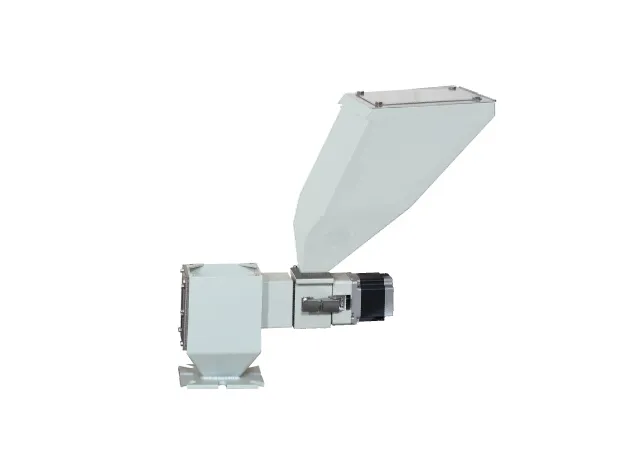
Reaction molding equipment is designed to handle low-viscosity reactive liquids rather than thermoplastic melt. A typical system includes:
- Material conditioning tanks with agitation and temperature control
- Metering pumps for precise A-side/B-side delivery
- High-pressure mixing head or low-pressure mixing arrangement
- Injection or shot delivery system
- Mold clamping press or mold carrier
- Control system for ratio, temperature, pressure, shot time, and cycle sequencing
The core operating principle is that two or more reactive components are measured in strict proportion, mixed immediately before or during injection, and delivered into a closed mold where an exothermic cure forms the final polymer network. For polyurethane RIM, the classic chemistry uses an isocyanate and a polyol resin blend; after mixing, the reaction creates a solid thermoset or elastomeric structure depending on formulation.
Typical process conditions vary by formulation, but published industry descriptions commonly place RIM around 90–105°F processing temperature and 50–150 psi injection pressure, far below conventional injection molding pressures. Some equipment is described with broader low-temperature ranges around 75–140°F, depending on resin system and plant practice. Because the chemistry drives solidification, the press primarily functions as a precision clamping and alignment system during cure rather than as a high-pressure injection machine.
Typical performance parameters
| Parameter | Common range or benchmark | Notes |
|---|---|---|
| Processing temperature | about 75–140°F | Depends on formulation and plant practice |
| Injection pressure | about 50–150 psi | Much lower than thermoplastic injection molding |
| Typical system function | Metering, mixing, injection, curing | Core machine sequence |
| Part character | Large, thick, complex, low-volume | Frequently selected for such parts |
For downstream materials handling, reaction molding is often paired with trimming and finishing operations. In polyurethane composite systems, trimming and post-processing are part of the integrated process chain rather than an afterthought.
Main Machine Elements
The principal machine elements are:
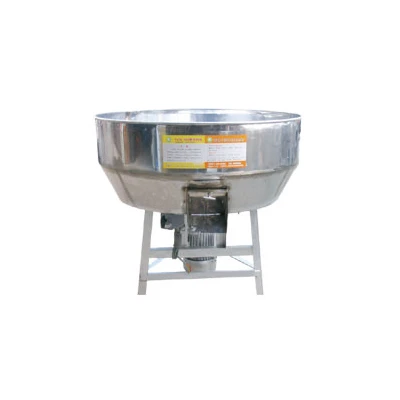
- Storage and conditioning system: keeps raw components at stable temperature and prevents viscosity drift.
- Metering pumps: ensure accurate ratio control, which is critical because off-ratio mixing can cause defects, incomplete cure, or poor physical properties.
- Mixing head: typically an impingement unit for high-pressure systems, enabling rapid homogenization immediately before mold filling.
- Mold press or carrier: holds the tool closed, manages alignment, and supports curing under repeatable conditions.
- Controls and alarms: monitor temperature, pressure, flow, ratio, and shot timing.
Modern suppliers increasingly market these systems as complete process cells rather than standalone machines, reflecting the importance of process integration and tooling compatibility.
Types and Variations
Reaction molding machinery covers several related machine and process variants:
- Standard RIM: produces rigid or elastomeric polyurethane parts using two or more reactive liquid streams.
- RRIM: incorporates reinforcement, often glass fiber or mineral fillers, to improve stiffness and dimensional stability.
- Structural foam RIM: creates a skin-core structure with reduced density and improved stiffness-to-weight ratio.
- Integral-skin RIM: forms a dense outer skin with a more cellular interior, useful for tactile and cosmetic parts.
- DCPD-based reaction molding: used for large, impact-resistant parts in transport and industrial equipment.
- Reaction process machinery for composites: extends the same dosing-and-curing logic to resin/fiber systems for reinforced components.
A practical distinction exists between high-pressure impingement-mix systems and lower-pressure mixing or casting systems. The first emphasizes fast mix quality and cycle control, while the second may prioritize simpler tooling and lower capital cost for certain foam or elastomer applications.
Applications and Uses
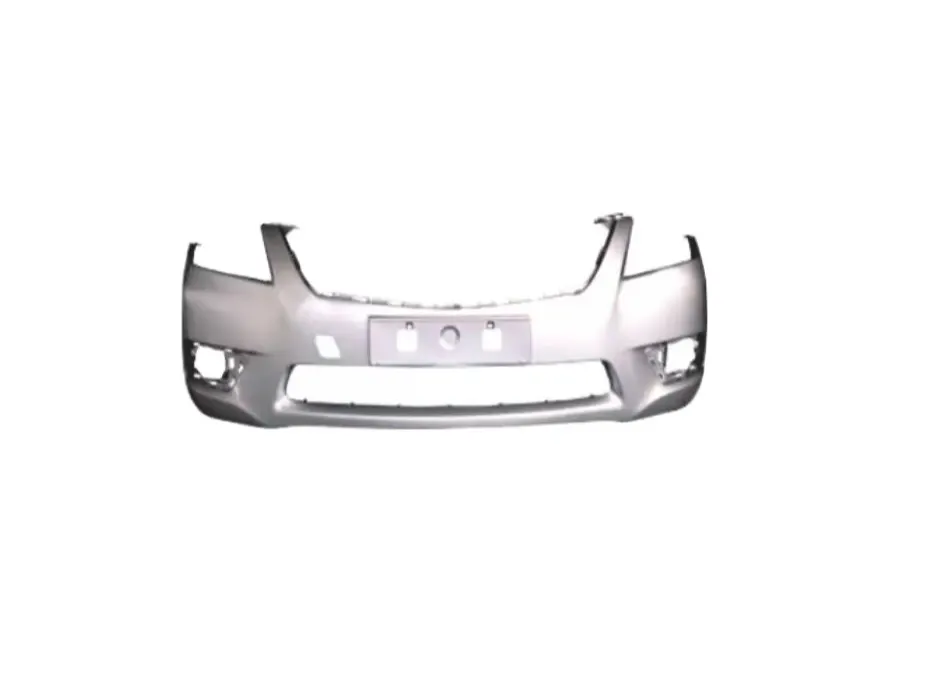
Reaction molding machinery is most established in automotive, where it is used for bumpers, fascia, spoilers, interior panels, and other large exterior or cabin components requiring impact resistance and good surface quality. It is also widely used in medical devices, industrial equipment, electronics housings, and transportation interiors.
Major application sectors
- Automotive: bumpers, fascias, rocker panels, trim, interior panels, seat bases, and under-hood covers.
- Medical: device housings, carts, enclosure panels, patient-support components, and equipment covers.
- Industrial equipment: machine guards, enclosures, control-panel housings, and protective covers.
- Electronics and telecom: cabinets, housings, and durable cosmetic enclosures.
- Construction and infrastructure: panels, doors, access covers, and insulation-related components.
- Agricultural and heavy equipment: large durable body parts and protective shells.
A relatively poor-fit use is very high-volume commodity packaging, because reaction molding is generally optimized for larger, more complex, lower-volume parts rather than thin-wall, ultra-high-throughput consumer packaging.
Material Systems
Reaction molding equipment is strongly linked to the chemistry being processed:
- Polyurethane (PUR) is the dominant family for RIM and related processes.
- Polyurea and elastomeric systems are used where abrasion resistance and toughness matter.
- Structural foam formulations provide stiffness at reduced density.
- Composite resin systems extend the process into fiber-reinforced applications.
Material choice determines machine configuration, including pump compatibility, mix-head design, mold temperature management, and cleanup procedures. In practice, machine selection is tightly coupled to the target part’s density, surface quality, cure profile, and mechanical requirements.
Technological Innovations and Automation
Recent machine development emphasizes:
- Closed-loop ratio control for more stable part quality.
- Programmable shot profiles to improve fill balance and reduce scrap.
- Multiple mixing heads for higher output or multi-cavity operation.
- Integrated trimming and post-processing to streamline cell productivity.
- Digital monitoring and alarms for process traceability and fault detection.
Automation is especially valuable because reactive systems are sensitive to temperature drift, ratio variation, and mix-head cleanliness. Better control can improve repeatability, but it also increases system complexity, calibration needs, and capital cost.
Environmental and Sustainability Aspects
Reaction molding machinery offers some sustainability advantages because it can support lightweighting, near-net-shape production, and lower-pressure processing than many thermoplastic alternatives. Lower part weight can reduce energy use in transport applications, especially in automotive and mobility markets.
At the same time, sustainability remains challenging because many systems are based on thermoset chemistry, which is less straightforward to recycle mechanically than thermoplastics. The main environmental priorities for modern equipment are therefore:
- reducing off-ratio scrap and rejects through tighter controls
- improving energy efficiency in heating, metering, and mold conditioning
- supporting formulations with reduced VOC or improved circularity potential
- enabling better reuse of tooling and modular process cells
Economic and Global Market Impact
Economically, reaction molding equipment occupies a specialized segment of the plastics machinery industry focused on higher-value, lower-to-medium-volume parts rather than commodity production. Its value proposition lies in combining design flexibility, lower tooling cost than some alternative processes, and the ability to produce large parts with good aesthetics and durability.
Market demand is strongest where manufacturers need:
- large, lightweight components
- good surface finish with limited secondary finishing
- lower clamping forces than thermoplastic molding
- short development cycles for customized parts
Suppliers active in this segment typically emphasize complete process solutions, including material preparation, metering, mold handling, and trimming, rather than standalone molding hardware alone.
Current Challenges and Innovations
The main engineering challenges are:
- ratio accuracy
- mix-head wear and cleaning
- cure control
- temperature sensitivity
- tooling alignment and sealing
- operator safety with reactive chemicals
Current innovation efforts are concentrated on improving machine diagnostics, reducing cycle variability, and extending the usable range of formulations and part sizes. Another major direction is compatibility with more sustainable polyurethane chemistries and better process control for low-scrap production.
Future Outlook
Reaction molding machinery is likely to remain important in sectors that value large-part design freedom, low-pressure processing, and efficient structural performance. Future equipment development is expected to focus on:
- more precise digital dosing and mix control
- higher integration with robotic trimming and handling
- energy-efficient mold temperature management
- expanded use of composite and reinforced formulations
- improved compatibility with recyclable or lower-impact chemistries
As product designers continue to demand lighter parts, fewer assembly steps, and customized form factors, reaction molding systems should retain a strong role as a specialized but strategically important branch of plastics processing machinery.
Summary
Reaction molding machinery and equipment is a specialized class of plastics-processing systems built around liquid reactive chemistries, especially polyurethane, and is distinguished by precise metering, mixing, and low-pressure curing in a mold. It is most relevant for large, complex, and often lower-volume parts in automotive, medical, industrial, and electronics markets, where its combination of design freedom, good surface quality, and efficient structural performance remains highly competitive.
References
- •
Reaction Process Technology Systems. (n.d.). KraussMaffei. https://www.kraussmaffei.com/en/reaction-process-machinery/productsLink
- •
Reaction Injection Molding (RIM). (2024, March 8). Osborne Industries. https://www.osborneindustries.com/capabilities/reaction-injection-molding/Link
- •
Reaction Process Machinery. (2021, August 1). Tri Project. https://triproject.rs/en/reaction-process-machinery-2/Link
- •
Reaction Injection Moulding - An overview. (n.d.). ScienceDirect. https://www.sciencedirect.com/topics/engineering/reaction-injection-mouldingLink
- •
Reaction Injection Molding (RIM): Definition, Importance, How It.... (2023, July 29). Xometry. https://www.xometry.com/resources/injection-molding/reaction-injection-molding/Link
- •
Reaction injection molding. (2007, April 24). In Wikipedia. https://en.wikipedia.org/wiki/Reaction_injection_moldingLink
- •
Reaction Injection Molding Process With Hydraulic Press. (n.d.). French Oil Mill Machinery Co. https://frenchoil.com/products/hydraulic-presses/rim-srim/Link
- •
The Complete Guide to RIM Part Manufacturing. (2025, April 8). Exothermic. https://exothermic.com/news/the-complete-guide-to-rim-part-manufacturingLink
- •
Sinochem Equipment Technology (Qingdao) Company Limited. (2025, January 1). https://www.sinochemeqpt.com/english/Link
- •
Injection Molding / RIM. (2026, June 23). Beckwood Press Company. https://beckwoodpress.com/applications/injection-molding-rim/Link
- •
Reaction Injection Molding. (2025, January 29). Romeo RIM. https://romeorim.com/what-is-reaction-injection-molding/Link
- •
Reaction Process Machinery for Polyurethane & Composites. (n.d.). KraussMaffei. https://www.kraussmaffei.com/en/reaction-process-machinery?lang=enLink
- •
Reaction Injection Molding (RIM). (n.d.). Armstrong RM. https://www.armstrongrm.com/pages/reaction.htmlLink
- •
Reaction Injection Molding. (2024, January 12). MD+DI. https://www.mddionline.com/manufacturing/reaction-injection-moldingLink
- •
고정밀 APG 사출 성형기 작동을 위한 효율적인 솔루션. (2025, January 20). Alibaba. https://korean.alibaba.com/g/apg-injection-molding-machine.htmlLink
- •
The different types of reaction injection molding products. (2024, June 15). Techplast Mould. https://www.techplastmould.com/info/the-different-types-of-reaction-injection-mold-96688504.htmlLink
- •
Reaction Injection Molding: Process, Materials, and Applications. (2025, January 16). Proleantech. https://proleantech.com/reaction-injection-molding/Link
- •
Korean Home, Jung-Shin Trading Company - JSTC. (n.d.). https://www.jstradingco.com/koreanew.htmlLink
- •
Reaction Injection Molding | Advanced Resins. (n.d.). Sika Automotive. https://automotive.sika.com/en/solution-products/advanced-resins/mold-making.htmlLink
- •
Установка литьевого прессования реактопластов. (2012, January 1). Chap Machinery. http://chap-machinery.ru/1-6-plastic-molding-machine.htmlLink
- •
[Hot Item] Pid Temperature-Controlled Mould Heater for Chemical Reactor Water Type 9kw. (2025, January 1). Made-in-China. https://beimanmachine.en.made-in-china.com/product/ZTopMkRVCGhq/China-Pid-Temperature-Controlled-Mould-Heater-for-Chemical-Reactor-Water-Type-9kw.htmlLink
- •
Reaction Injection Molding Applications. (2021, February 5). Rimnetics. https://rimnetics.com/blog/rim-applications-for-laboratory-and-scientific-equipment/Link
- •
Reaction Injection Molding: Materials, Types, Applications. (2024, September 13). Proleantech. https://proleantech.com/all-of-reaction-injection-molding/Link
- •
Reaction Injection Molding (RIM). (2025, November 24). Fathom Manufacturing. https://fathommfg.com/capabilities/molding/reaction-injection-molding/Link
- •
6 Applications of Reaction Injection Molding (RIM). (2023, September 27). Thieme. https://www.thieme-products.com/en-de/blog/applications-of-reaction-injection-moldingLink
- •
Guides A Closer Look at Reaction Injection Molding. (n.d.). Treatstock. https://www.treatstock.com/guide/article/135-a-closer-look-at-reaction-injection-moldingLink
- •
Reaction Injection Molding Process Guide. (2025, May 5). Rapid-Protos. https://www.rapid-protos.com/reaction-injection-molding-process-guide/Link
- •
Reaction Injection Molding. (n.d.). Romeo RIM. https://romeorim.com/wp-content/uploads/2021/01/RIM-Design-Guide.pdfLink
- •
RIM Molding: Process, Benefits & Uses. (2026, June 16). IQS Directory. https://www.iqsdirectory.com/articles/plastic-injection-molding/rim-molding.htmlLink
- •
What Products Are Made from Reaction Injection Molding (RIM)? (2022, August 7). RIM Molding. https://rim-molding.com/blog/what-products-are-made-from-reaction-injection-molding-rimLink
- •
[Hot Item] 폴리머 용융 폴리콘덴세이션 반응기 E형 교반기 시스템. (2026, March 6). Made-in-China. https://kr.made-in-china.com/co_sunkaiertech/product_Polymer-Melt-Polycondensation-Reactor-with-E-Type-Kneader-System_yuesseryry.htmlLink
- •
Injection Molding vs RIM. (2021, October 25). Thieme. https://rim-molding.com/blog/reaction-injection-molding-vs-injection-moldingLink