
Introduction
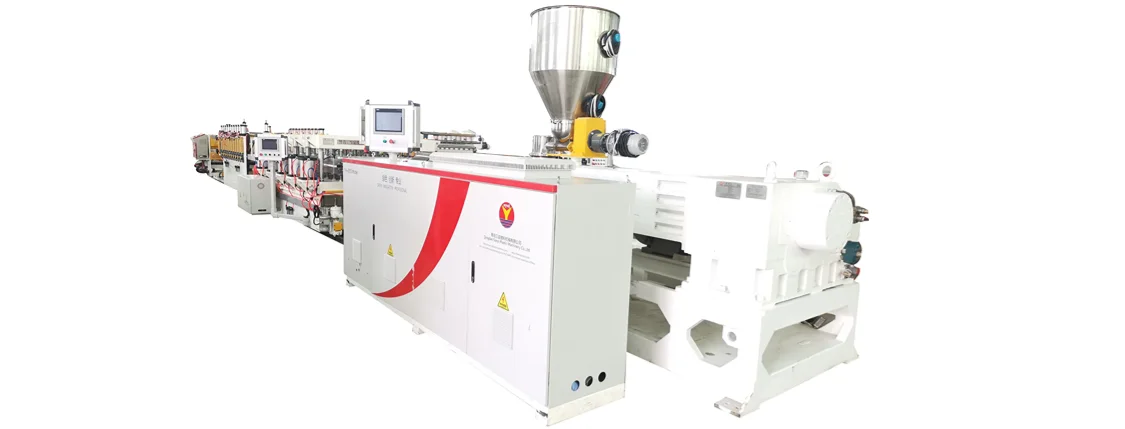
Pre-expanders for EPS, EPP, and EPE are the core foaming machines used to convert raw expandable polymer beads into low-density particles suitable for parts molding, block molding, and downstream cutting or fabrication operations. In industrial particle-foam production, the pre-expander determines the initial cell structure, bulk density, and flow behavior of the beads, which strongly influence final part quality, dimensional stability, and material yield.
These machines are used in integrated lines for expanded polystyrene (EPS), expanded polypropylene (EPP), and expanded polyethylene (EPE) processing, with related equipment typically including curing silos, block molds, shape molding machines, and recycling or transfer systems. The technology has evolved from basic steam-heated batch vessels to highly automated systems with closed-loop density control, fluidized-bed cooling, and process-specific variants for EPS and EPP.
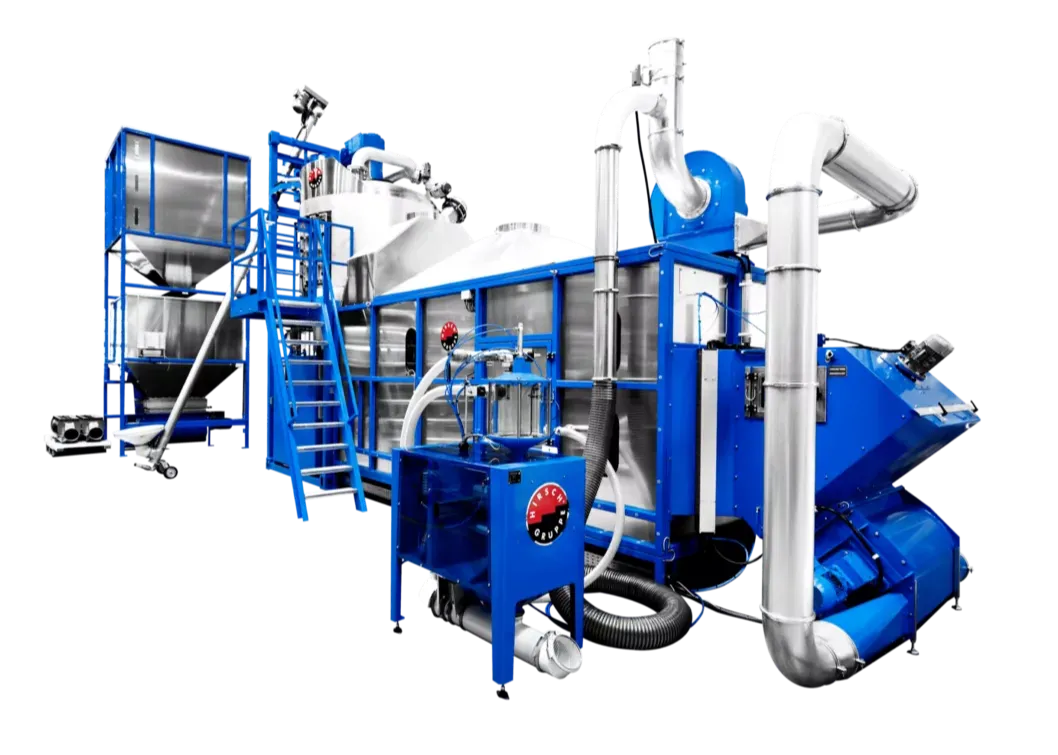
In practical industry use, pre-expanders are central to applications such as protective packaging, insulation blocks, construction components, automotive energy-absorbing parts, and industrial cushioning products, while EPE systems are often associated with flexible packaging and cushioning foams rather than rigid block production. Sustainability considerations increasingly shape equipment selection, especially through steam efficiency, reduced bead breakage, lower scrap rates, and compatibility with recycled content and closed-loop bead handling.
History and Development
The industrial pre-expansion of particle foams developed as producers sought a controllable method to transform expandable resin beads into stable, moldable intermediates for large-scale foam part production. Early systems relied on manual or semi-manual batch operation, with steam exposure used to activate the blowing agent and expand the beads.
A major milestone was the transition to automatic batch and continuous pre-expanders, which improved repeatability, density uniformity, and throughput. Modern systems commonly integrate electronic weighing, precise steam-pressure control, and cooling/stabilizing stages to reduce density variation and improve downstream molding consistency.
A further development has been the appearance of material-specific pre-expanders, especially for EPP, where process windows differ from EPS because of the polymer’s higher heat resistance and typical lightweight-foaming requirements. Contemporary suppliers also offer turnkey lines combining pre-expansion, curing, molding, and scrap recovery, reflecting the movement from standalone machines to fully engineered production systems.
Technical Overview
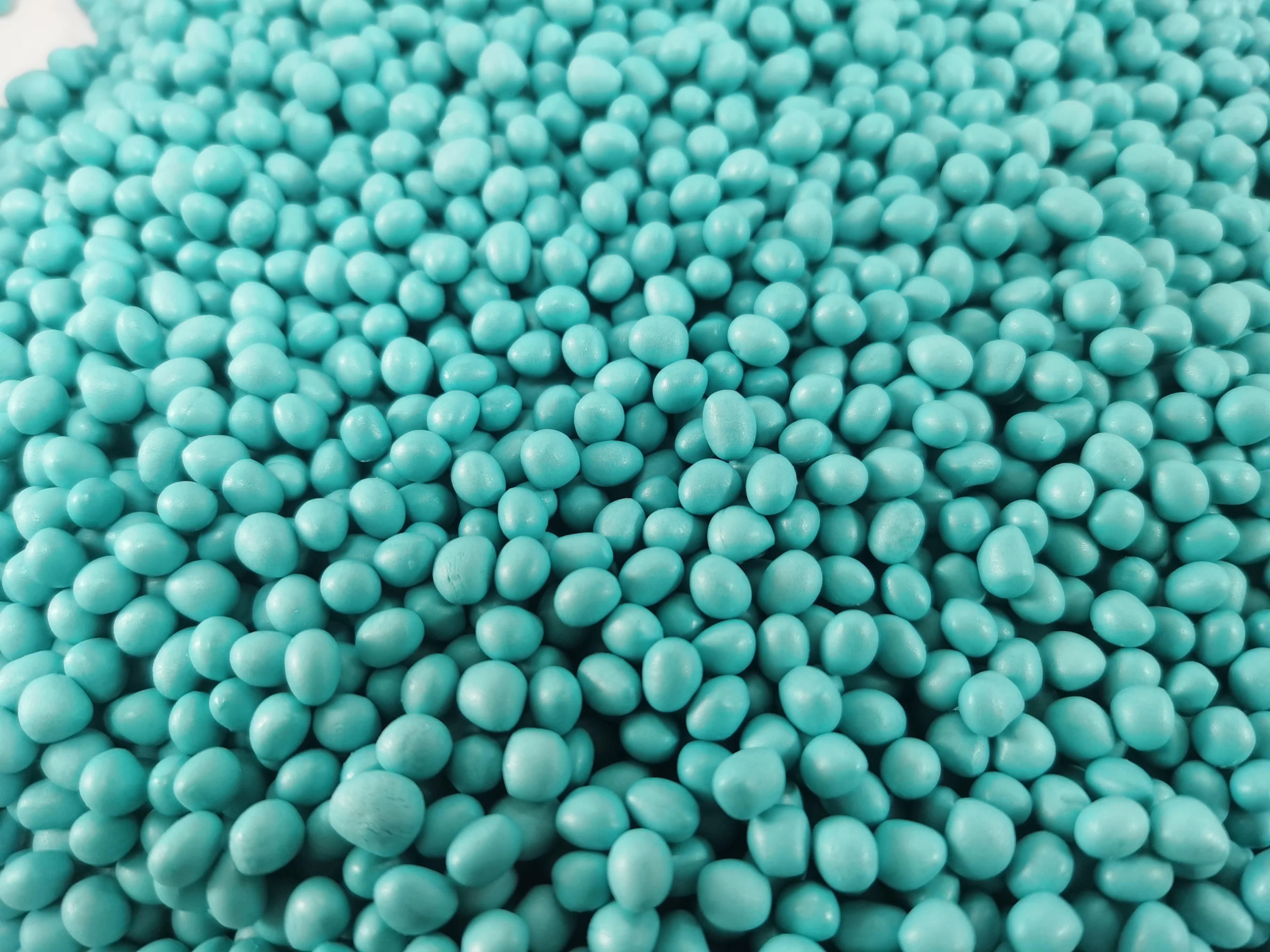
A pre-expander works by feeding raw polymer beads into a heated expansion chamber, where wet steam softens the beads and activates the blowing agent contained within them. The beads increase in volume, then are cooled and stabilized before transfer to silos or directly to downstream molding equipment.
Key process stages include:
- Metering and weighing of raw beads
- Steam heating in the expansion chamber
- Controlled density reduction
- Cooling and stabilization
- Pneumatic conveying to storage or mold-feed systems
Typical process characteristics include:
- EPS bulk density after pre-expansion: often in the range of about 15–60 g/L, depending on application and machine control strategy.
- Density control accuracy: some modern systems report deviations as low as ±1 g/L in tightly controlled operation.
- Steam pressure control: advanced machines may maintain precision around ±0.1 bar.
- Pre-expander vessel sizes: commercial systems are available from small to large capacities, with some suppliers offering ranges from about 0.15 to 3.0 m³.
- Throughput: industrial offerings range from roughly 50 to 4,000 kg/h for continuous and batch pre-expanders, depending on model and material.
- Energy use: specific consumption varies widely with resin type, density target, and heat recovery design; modern systems are marketed as energy-saving, especially when using optimized steam management and reduced material loss.
For downstream quality, the pre-expanded beads must remain sufficiently intact to avoid excessive fines and fusion defects in block or shape molding. This makes bead breakage, moisture management, and stabilization time critical process variables.
Types and Variations
| Machine type | Main function | Typical strengths | Typical use |
|---|---|---|---|
| Batch pre-expander | Expands beads in discrete cycles | Good control, flexible density adjustment | EPS parts and block production, smaller plants |
| Continuous pre-expander | Expands beads in a continuous stream | High throughput, stable production, lower labor intensity | Large-volume EPS lines and integrated plants |
| EPS pre-expander | Expands expandable polystyrene beads | Broad industrial maturity, strong density control | Insulation boards, packaging, block molding |
| EPP pre-expander | Expands expandable polypropylene beads | Better suited to lightweight, impact-resistant parts | Automotive components, reusable packaging, technical parts |
| EPE foaming machinery | Produces expanded polyethylene foam products | Typically associated with flexible cushioning formats | Cushioning, packaging inserts, protective sheets |
EPS systems are the most widely recognized because of their role in block molding, construction insulation, and protective packaging. EPP variants are especially relevant where parts need resilience, repeated impact absorption, and thermal stability. EPE equipment is generally more associated with flexible foam products than with conventional rigid bead pre-expansion, so it is a less direct fit for block-style processing even when marketed alongside EPS and EPP machinery.
Applications and Uses
Pre-expanders are used wherever a controlled intermediate foam bead is needed before molding or cutting. The major application sectors include:
- Packaging: EPS and EPP are used for protective packaging, appliance inserts, electronics cushioning, and reusable transit trays.
- Construction and insulation: EPS blocks feed into insulation boards, panels, and insulated concrete form components.
- Automotive: EPP pre-expanded beads are molded into energy-absorbing parts, dunnage, and interior support elements.
- Cold-chain and food logistics: EPS is used for fish boxes, coolers, and temperature-sensitive containers.
- Consumer and industrial products: sporting goods, toys, and industrial cushioning components often use shape-molded particle foam parts.
A poor-fit use is high-temperature structural service, because EPS, EPP, and EPE particle foams are not intended to replace engineering thermoplastics in load-bearing components exposed to elevated heat for long periods. This limitation is especially relevant when design requirements exceed the foam’s thermal and mechanical envelope.
How Pre-Expansion Supports Parts and Blocks
Pre-expanders are not final-part machines; they create the bead condition needed for either:
- Block molding, where pre-expanded beads are fused into large blocks for later cutting, or
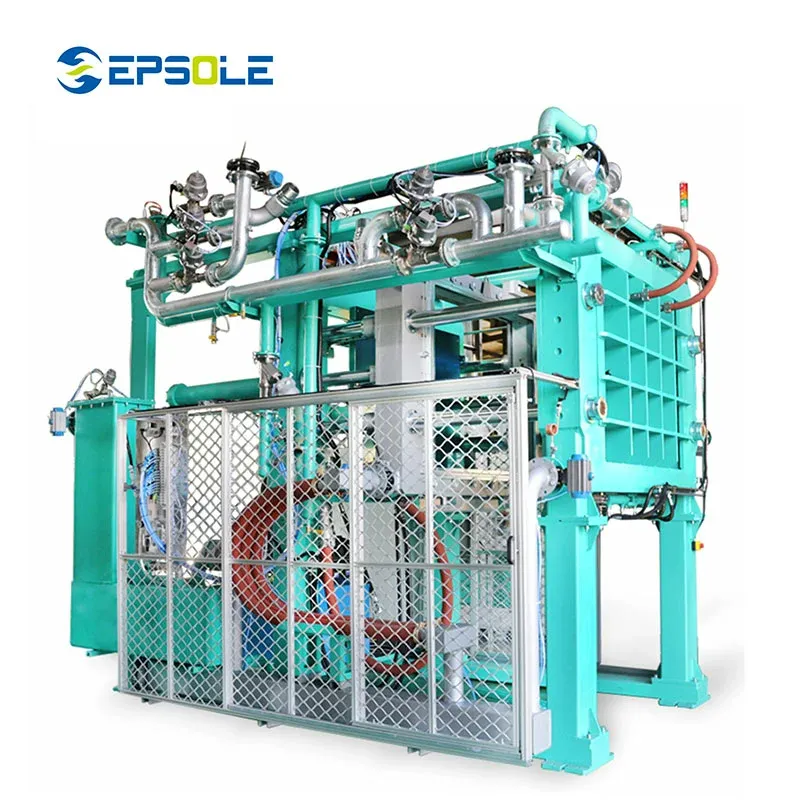
- Shape molding, where beads are expanded again and fused directly in a mold to form finished parts.
In block production, bead consistency affects block density uniformity, cutting behavior, and surface quality. In shape molding, the same factors influence fill quality, fusion strength, cycle time, and dimensional accuracy.
Technological Innovations and Automation
Recent machine development has focused on improving process reproducibility, automatic density control, and integration with upstream and downstream handling. Common features include:
- PLC-based control systems
- Electronic weighing and recipe storage
- Automatic steam regulation
- Fluidized-bed cooling
- Pneumatic transfer to silos
- Material-specific operating recipes for EPS and EPP
Some manufacturers also emphasize vacuum-assisted pre-expansion, optimized nozzle design, and material-flow management to improve bead uniformity and reduce process instability. In automated plants, these features help reduce operator dependence and improve consistency across shifts.
Environmental and Sustainability Aspects
Sustainability performance in pre-expanding equipment is increasingly judged by steam efficiency, yield, scrap reduction, and compatibility with recycled or reprocessed material. The main environmental levers are:
- Lower steam consumption per kilogram of expanded beads
- Reduced bead breakage and fines generation
- Better density accuracy, which lowers overuse of raw material
- Integration of scrap recovery and reprocessing systems
Because pre-expansion is an energy-intensive thermal step, plant design matters as much as machine design. Systems that recover heat effectively, stabilize beads quickly, and minimize re-expansion losses can reduce both operating cost and carbon intensity.
Economic and Global Market Impact
Pre-expanders occupy a strategic position in the particle-foam equipment chain because they influence resin utilization, labor demand, and final product consistency. Suppliers commonly market complete lines that include pre-expanders, block molding machines, shape molding machines, cutting systems, and auxiliary equipment, reflecting the economic value of system integration rather than isolated machine sales.
The global market is supported by packaging, construction insulation, automotive lightweighting, and cold-chain logistics, all of which favor low-density foam parts and blocks. At the same time, competition among machine suppliers has intensified around automation, energy efficiency, and the ability to process multiple particle-foam materials on the same platform.
Current Challenges and Innovations
The principal engineering challenges are:
- Maintaining uniform bulk density across changing raw-material lots
- Controlling moisture and bead stabilization time
- Preventing fines generation and bead damage
- Balancing throughput with precise thermal control
- Adapting machines to different foam chemistries, especially EPS versus EPP
Recent innovation is aimed at solving these issues through more precise pressure regulation, improved chamber design, and integrated process monitoring. Turnkey suppliers increasingly emphasize spare-parts support, retrofits, and modernization of older lines, which is important for plants operating legacy EPS machinery.
Future Outlook
Future pre-expander development is likely to emphasize digital process control, higher energy efficiency, and greater material flexibility. As particle foam producers face tighter environmental requirements and more variable raw-material streams, the value of accurate density control and lower scrap generation will continue to rise.
Demand is also likely to grow for machines that can serve both parts and blocks with minimal changeover, especially in regional markets where producers want compact, flexible production cells rather than large single-purpose lines. In parallel, EPP applications may expand where impact resistance and reusable packaging offer advantages over conventional EPS.
Summary
Pre-expanders for EPS, EPP, and EPE are foundational machines in particle-foam processing, converting raw beads into controlled, low-density intermediates for blocks and molded parts. Their performance determines final product quality, productivity, and operating cost, making them one of the most important units in the foam production chain.
References
- •
Modix USA: EPS molding machines, EPS equipment & EPP parts. (2023, November 13). https://modixusa.com/Link
- •
Processing of EPS, EPP, EPE. (n.d.). https://1plastcompany.com/processing-of-eps-epp-epeLink
- •
EPP pre-expander. (n.d.). https://kurtzersa.com/products/particle-foam-processing/pre-expander/epp-pre-expanderLink
- •
Erlenbach GmbH. (n.d.). https://1plastcompany.com/erlenbachLink
- •
EPS machinery manufacturer | Pre-expanders, molding & cutting. (n.d.). https://www.eprotechnologies.com/Link
- •
EPS adjustable block molding machine. (2026). https://www.chinaplasonline.com/eMarketplace/ProductInfo/eng?compid=1029369&seqid=24962&actionlink=trueLink
- •
EPS pre-expander. (n.d.). https://kurtzersa.com/products/particle-foam-processing/pre-expander/eps-pre-expanderLink
- •
China EPS continuous preexpander manufacturers and suppliers. (2022, August 19). https://www.welleps.com/eps-continuous-preexpander/Link
- •
Machine à blocs en polystyrène expansé fabricants et fournisseurs. (2022, August 26). https://fr.made-in-china.com/manufacturers/expandable-polystyrene-block-machine.htmlLink
- •
Minglong: One-stop EPS & EPP machine manufacturer. (2026, February 2). https://www.hzmilon.com/Link
- •
EPS machine China, foam machinery manufacturers. (n.d.). https://www.epseppmachine.com/Link
- •
EPP machine. (n.d.). https://www.chinaplasonline.com/eMarketplace/productinfo/eng?compid=1004503&SeqId=27754&ActionLink=trueLink
- •
High precision EPS batch pre-expander machine. (2025, July 18). https://www.epstec.com/product/high-precision-eps-batch-pre-expander/Link
- •
Pre-expander - All industrial manufacturers. (2025, January 1). https://www.directindustry.com/industrial-manufacturer/pre-expander-80099.htmlLink
- •
All products. (2003, December 10). https://dong-shan.en.made-in-china.com/product-list-1.htmlLink
- •
EPP pre expander machine. (2026, January 8). https://www.alibaba.com/product-detail/EPP-Pre-Expander-Polypropylene-Raw-Material_1600623765508.htmlLink
- •
Industrial EPS EPP pre expender equipment for optimal foam stability production. (2025, July 15). https://dong-shan.en.made-in-china.com/product/KUDrBVbPXokm/China-Industrial-EPS-EPP-Pre-Expander-Equipment-for-Optimal-Foam-Stability-Production.htmlLink
- •
Recommended products. (2022, January 1). https://www.fang-yuan.com/products/EPS+pre-expander+machine.htmlLink
- •
Hangzhou Fuyang Dongshan Plastic Machinery Co., Ltd.: EPS pre. (2003, December 10). https://dong-shan.en.made-in-china.com/Link
- •
EPP pre-expander machine. (2022, January 1). https://www.fang-yuan.com/EPP-Pre-expander-Machine-pl3154090.htmlLink