
Introduction
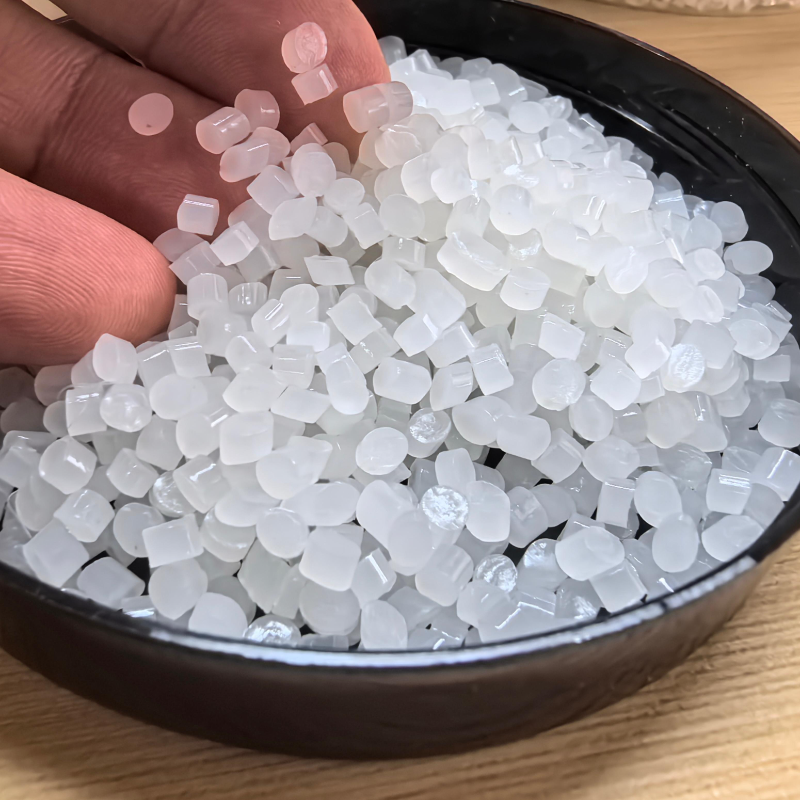
Recycled thermoplastic polyurethane (rTPU) is a recycled-grade polyurethane elastomer made by reprocessing thermoplastic polyurethane scrap, most often from post-industrial streams and, increasingly, selected post-consumer sources. Like virgin TPU, rTPU is valued for its combination of elasticity, abrasion resistance, chemical resistance, and processability, but it is positioned as a lower-carbon, resource-conserving alternative in applications such as footwear, automotive interiors, films, cables, coatings, and flexible molded parts.
rTPU sits at the intersection of polymer engineering and circular materials management. It inherits the segmented block-copolymer structure of TPU, where hard segments provide strength and soft segments provide flexibility, while recycling introduces variability in molecular weight, contamination risk, and property retention that must be managed through sorting, drying, filtration, and sometimes compounding with virgin TPU or fillers. The material is therefore best understood not as a single resin, but as a family of recycled TPU grades tuned to different feedstocks, performance targets, and end-use requirements.
The significance of rTPU has grown alongside industry pressure to reduce fossil feedstock dependence and product carbon footprints. Recent industry reporting and product life-cycle assessments indicate that recycled-content TPU solutions can materially reduce emissions relative to virgin TPU, although results vary with recycled-content level, collection route, and processing energy. At the same time, rTPU remains technically constrained by feedstock consistency, odor and color control, hydrolysis sensitivity in some formulations, and the limited availability of clean TPU waste streams suitable for high-quality closed-loop recycling.
History and Development
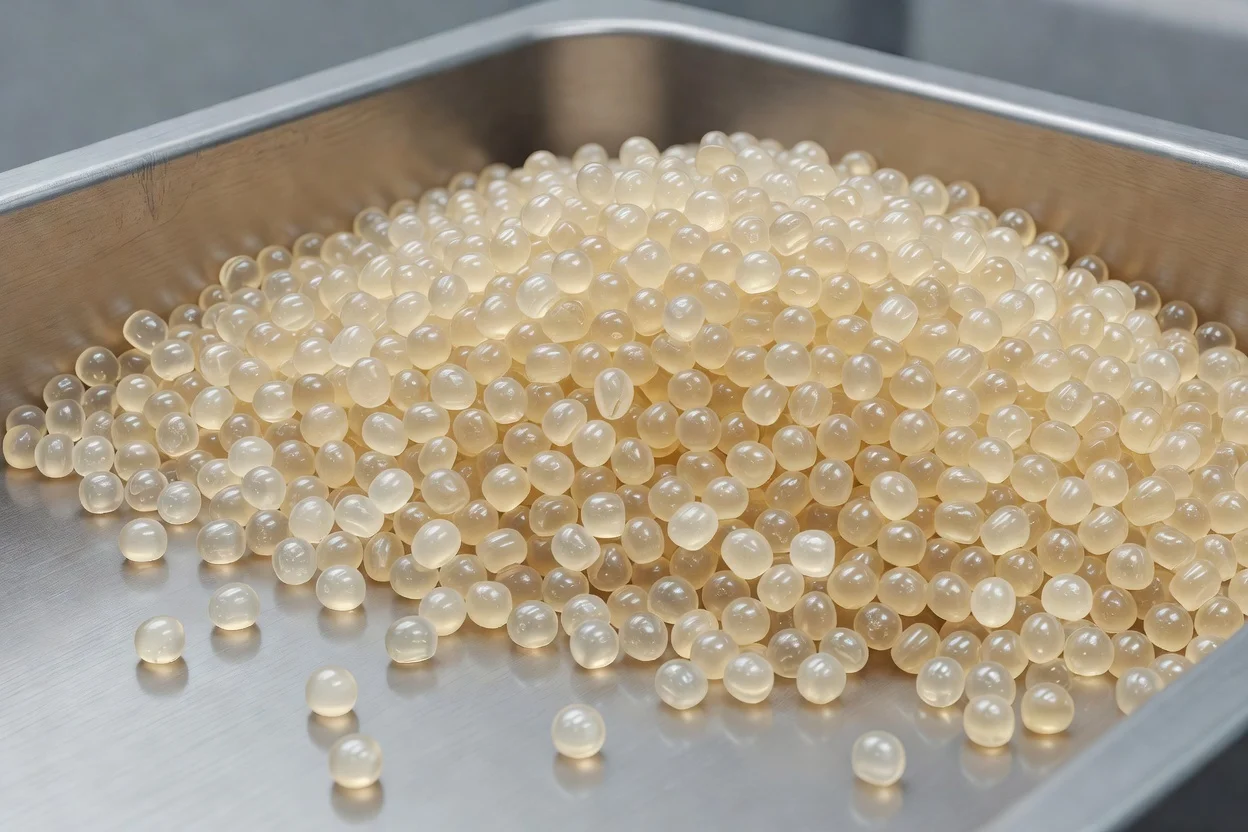
TPU itself was developed as a thermoplastic alternative to conventional vulcanized rubber, combining elastomeric behavior with melt-processability. Its long industrial use in footwear, cable jacketing, hoses, films, and molded goods created both a broad installed base and a recurring waste stream, which later enabled recycling concepts based on regrinding and reprocessing.
Early rTPU development focused on mechanical recycling of production scrap, especially from footwear manufacturing, injection molding, and film conversion. Because TPU is thermoplastic, it can be remelted and reshaped, unlike thermoset polyurethanes that require chemical recycling or more aggressive breakdown routes. This made TPU one of the more promising polyurethane families for closed-loop or near-closed-loop material recovery.
More recent development has emphasized:
- post-industrial and post-consumer collection systems for purified TPU streams
- compounding strategies to restore flow, toughness, or appearance
- design-for-recycling approaches in footwear midsoles, sheets, and films
- blended or certified recycled-content grades with traceable sourcing
Commercialization has been especially visible in footwear, where brands and material suppliers have introduced rTPU midsole and filament solutions with defined recycled-content claims and lower carbon footprints.
Chemical Structure and Key Properties
TPU is a segmented block copolymer built from alternating soft and hard domains. The soft segments, typically derived from polyols, provide flexibility and resilience, while the hard segments, formed from diisocyanates and chain extenders, provide cohesion, strength, and thermal resistance. In rTPU, this architecture remains fundamentally the same, but the recycled material may contain shorter chains, residual additives, and a wider distribution of molecular weights depending on the source and reprocessing history.
Key property advantages include:
- high elasticity with strong recovery after deformation
- abrasion resistance, making it suitable for wear-prone surfaces such as soles, rollers, and protective films
- chemical resistance to oils, greases, fuels, and many solvents in many grades
- low-temperature flexibility in suitable formulations
- good processability by extrusion, injection molding, thermoforming, and filament production
Important practical limits include:
- hydrolysis sensitivity in some TPU grades → ester-based soft segments can degrade in hot, humid, or wet environments → use ether-based TPU, hydrolysis-stabilized formulations, or tighter drying and processing control.
- property drift after repeated recycling → chain scission, oxidative aging, and contamination can reduce melt strength and mechanical consistency → use cleaner source streams, blend with virgin TPU, add stabilizers, or apply compatibilization and filtration.
- odor, color, and appearance variability → recycled feedstocks often carry residual process history and pigments → use sorting, decolorization, and application targeting where aesthetics are less critical.
- moderate heat resistance compared with engineering plastics → soft-segment mobility limits upper service temperature → use in flexible components rather than high-heat structural parts.
Typical property profile versus function
| Property | Relevance for rTPU | Practical implication |
|---|---|---|
| Elastic recovery | High | Useful for midsoles, grips, seals, and flexible housings |
| Abrasion resistance | High | Supports footwear, cable jackets, belts, and rollers |
| Chemical resistance | Moderate to high | Good for oils and greases; grade selection matters |
| Hydrolysis resistance | Variable | Critical for humid or wet-service environments |
| Surface energy | Relatively low | Can limit adhesion and printing without treatment |
| Color consistency | Variable | Better suited to dark, technical, or hidden components |
A key processing-related limitation inherited from TPU is low surface energy before treatment → weak adhesion, printing, or coating performance on untreated surfaces → use corona, plasma, primers, flame treatment, or surface-activated compounding.
Production Processes and Raw Feedstocks
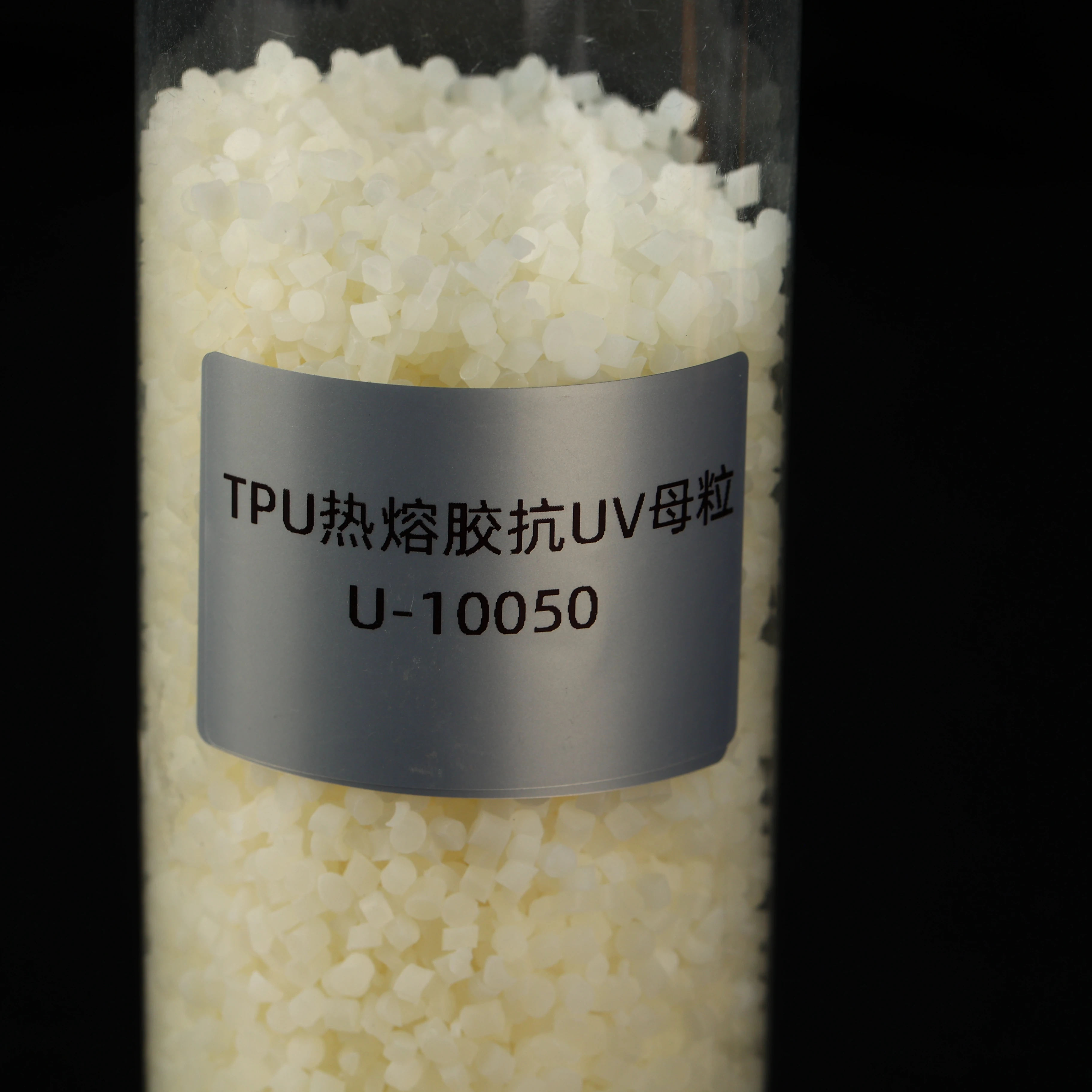
rTPU production begins with TPU waste sorting and preparation. Clean post-industrial scrap is the most valuable feedstock because it is typically more uniform in chemistry and contamination profile than post-consumer material. Common feedstock preparation steps include:
- size reduction by shredding or grinding
- washing and drying
- melt filtration
- degassing
- pelletizing or regranulation
Mechanical recycling is the dominant route for high-quality rTPU because TPU is thermoplastic and can be reprocessed with conventional equipment. In practice, however, rTPU producers often rely on careful blending, stabilizer packages, and quality sorting to preserve elongation, tear resistance, and melt stability.
Raw feedstocks typically include:
- post-industrial TPU scrap from film, footwear, cable, and molding operations
- post-consumer TPU articles where collection and sorting are feasible
- recycled TPU plus virgin TPU blends for grade stabilization
- additives and fillers used to tune flow, stiffness, cost, or aesthetics
Where rTPU is used in foam or cellular applications, microcellular injection molding and related foaming processes can create lighter parts while preserving useful toughness. In filament and sheet applications, extrusion consistency and moisture control are particularly important because TPU is hygroscopic and sensitive to processing defects if insufficiently dried.
Leading producers and market participants
The rTPU field is fragmented, but several companies have become visible through circular material programs and specialty grades:
- Covestro has promoted TPU circularity strategies and recycled-content grades across a range of TPU formulations.
- Lubrizol markets TPU technologies with recyclable, mass-balance, and bio-based options, reflecting broader TPU circularity trends.
- Cirql has commercialized recycled TPU midsole materials for footwear with published lower-carbon claims.
- FormFutura and similar filament producers have introduced rTPU for additive manufacturing.
- Regional recyclers and compounders, such as Sinox Polymers, focus on TPU regranulate from clean industrial streams.
Applications and End-Use Markets
rTPU is favored where recyclability is valued but the application still demands elasticity, abrasion resistance, and processing flexibility. The most important markets are:
- Footwear: midsoles, outsoles, insoles, heel inserts, and performance components are among the strongest growth areas, especially for brands seeking recycled-content and lower-carbon materials.
- Film and sheet: protective films, laminated layers, and flexible covers use rTPU when toughness and recoverability matter.
- Cable and wire: jackets, sheathings, and protective layers benefit from flexibility, abrasion resistance, and chemical resistance.
- Automotive: interior trim, flexible parts, damping elements, seals, and protective coverings are common technical markets.
- Industrial hoses and tubing: abrasion-resistant and chemically resistant grades are used in demanding service environments.
- 3D printing: flexible filaments and functional prototypes use rTPU where durability and impact resistance are more important than perfect aesthetic uniformity.
- Nonwovens and fibers: melt-blown and related textile-like products can use recycled TPU where softness and resilience are important.
- Molded consumer goods: phone cases, grips, wearables, protective housings, and sports equipment are common secondary applications.
A poor-fit use for most rTPU grades is high-heat structural components → the material’s thermal ceiling and moisture sensitivity can be limiting → more suitable alternatives are engineering thermoplastics or specialized high-temperature elastomers.
Usual grade-to-application fit
| End use | Typical rTPU form | Why it fits |
|---|---|---|
| Footwear midsoles | Pelletized or compounded rTPU | Energy return, damping, lightweight comfort |
| Cable jacketing | Extrusion grade | Flexibility and abrasion resistance |
| Films and laminates | Sheet or film grade | Toughness, stretch, and tear resistance |
| Automotive trim | Injection grade | Resilience and touch-friendly feel |
| 3D printing filament | Moisture-controlled filament grade | Flexibility and impact resistance |
| Hoses and tubes | Extrusion grade | Bend fatigue and chemical resistance |
Environmental and Sustainability Aspects
rTPU is important because it can reduce demand for virgin fossil feedstocks while diverting TPU scrap from disposal or downcycling. Closed- or near-closed-loop recovery is especially attractive for TPU because the resin can be mechanically recycled when the waste stream is sufficiently pure.
Environmental benefits depend heavily on:
- recycled-content percentage
- collection efficiency
- energy used in sorting, washing, and remelting
- transport distances
- yield losses during cleaning and filtration
Industry life-cycle claims indicate meaningful carbon reductions are possible. For example, one published footwear-related rTPU assessment reported a 39% reduction in total carbon footprint versus virgin TPU for a specific recycled-content product configuration. Such figures should be interpreted cautiously because they are product- and system-specific rather than universal.
Sustainability pathways include:
- mechanical recycling of clean TPU scrap
- design for mono-material construction
- use of recycled-content grades in durable products
- life-extension through repair and remanufacture
- controlled blending with virgin TPU to maintain performance
Recyclability considerations
TPU is more recyclable than many crosslinked polyurethane systems because it softens and remelts rather than being permanently cured. However, recycled quality declines if the input stream is mixed, contaminated, or repeatedly heat-aged. This is why rTPU works best in organized industrial loops, especially footwear and manufacturing scrap loops.
Bio-based and mass-balance TPU options also compete in the broader sustainability space. These may reduce fossil feedstock use without relying entirely on recycled feedstock availability, but they do not replace the need for end-of-life collection and recycling infrastructure.
Economic and Global Market Impact
rTPU is a niche within the broader TPU market, but it has outsized strategic importance because it aligns with regulatory pressure, brand sustainability commitments, and the premiumization of recycled materials. Footwear, sports goods, and consumer brands have been early adopters because they can translate recycled content into market differentiation and measurable climate claims.
The economics of rTPU are shaped by:
- the cost and availability of clean TPU scrap
- sorting and purification expenses
- performance loss relative to virgin TPU
- brand willingness to pay for certified recycled content
- regional differences in waste collection and industrial clusters
High-purity post-industrial scrap is generally the most economical feedstock because it lowers sorting costs and reduces property variability. Post-consumer rTPU can carry stronger sustainability value, but its economics are more challenging because of contamination, mixed polymers, and collection complexity.
Global production leadership remains concentrated in the TPU industry rather than in recycled TPU alone. Major TPU suppliers, compounders, footwear material innovators, and regional recyclers collectively shape the rTPU market, with Europe and East Asia especially active in circular TPU development.
Current Challenges and Innovations
Current challenges include:
- feedstock purity: mixed elastomer streams reduce consistency and limit high-end applications.
- aging and property retention: multiple heat histories can lower elongation, tear resistance, and melt stability.
- moisture control: TPU must be dried carefully before processing to avoid hydrolysis and defects.
- odor and color control: especially important for consumer-facing parts.
- traceability and certification: recycled-content claims require robust chain-of-custody systems.
Key innovations include:
- recycled-content TPU grades with documented performance windows
- scalable footwear midsoles made with significant recycled fractions
- additive packages and fillers that recover stiffness or flow balance
- microcellular foaming to reduce density and material use
- recycled TPU filaments for additive manufacturing
- chemical and mechanical recycling hybrids for tougher waste streams
A useful formulation example is a recycled TPU compounded with calcium carbonate at moderate loading, which can raise stiffness and alter melt flow; one study on recycled TPU evaluated calcium carbonate effects on mechanical properties, hydrolytic degradation, and shape-memory behavior, illustrating how fillers can be used to compensate for recycling-induced property drift. Another common industrial strategy is blending recycled TPU with 1% to 20% recycled polyurethane components in recycled-content TPU formulations to stabilize performance while improving sustainability claims.
Future Outlook
The future of rTPU will likely be defined by three developments:
- better collection systems for clean TPU waste, especially from footwear and industrial manufacturing
- more robust recycled-content grades with tighter property control and traceability
- design-for-recycling adoption in consumer goods, where TPU can be selected and assembled to support repeated recovery
Footwear will probably remain the leading showcase market, but industrial applications are likely to expand as recyclers improve decontamination, compounding, and quality assurance. Additive manufacturing may also become a meaningful niche because rTPU filament can support low-volume, flexible, and repair-oriented production.
Over the longer term, the most competitive rTPU systems will be those that combine:
- reliable post-industrial and post-consumer feedstock access
- predictable mechanical properties
- verified carbon reduction
- compatibility with existing extrusion and molding equipment
- clear end-of-life routing back into recycling loops
Summary
rTPU is a recycled TPU material family that preserves the elastomeric advantages of thermoplastic polyurethane while reducing reliance on virgin petrochemical feedstocks. Its strongest markets are footwear, films, cables, automotive interiors, and flexible consumer or industrial goods, where abrasion resistance, elasticity, and processability are essential.
Its main constraints are feedstock variability, hydrolysis sensitivity in some grades, and the need for rigorous sorting and drying. Even so, rTPU remains one of the more practical circular materials in the polyurethane ecosystem because it can be mechanically recycled, compounded, and reprocessed using established thermoplastic methods.
References
- •
Cirql rtpu50 | Fully recyclable TPU midsole for sustainable footwear. (2025, October 9).Link
- •
Influence of calcium carbonate fillers on the properties of recycled .... (2012).Link
- •
Tensor processing units (TPUs). (n.d.).Link
- •
Tensor processing unit - Wikipedia. (2016, May 30).Link
- •
Introduction to Cloud TPU. (n.d.).Link
- •
Understanding recycled TPU material: Key specifications, industrial .... (2025, November 9).Link
- •
Recycling of polyurethanes. (n.d.).Link
- •
Process for the preparation of recycled thermoplastic polyurethane. (2013, July 30).Link
- •
Thermoplastic polyurethane recycled content grade. (2026, April 22).Link
- •
1° TPU material: Recyclability and skillful processing - Expafol. (2025, February 21).Link
- •
Recycled TPU filament for 3D printing. (n.d.).Link
- •
r-TPU NL - Sinox Polymers. (n.d.).Link
- •
Mechanical recycling of TPU foams via microcellular injection molding. (n.d.).Link
- •
Layout 1. (n.d.).Link
- •
Recycled polyurethane: Advanced chemical and mechanical .... (n.d.).Link
- •
Rigid polyurethane (RTPU). (2021, September 2).Link
- •
Recycling and reprocessing of thermoplastic polyurethane ... - PMC. (2020, August 25).Link
- •
Thermoplastic polyurethane from recycled raw materials. (2019, March 12).Link
- •
Cirql publishes LCA results for rTPU materials, reporting lower .... (2026, February 5).Link
- •
Thermoplastic polyurethane - Wikipedia. (2008, September 26).Link
- •
Sinox Polymers. (n.d.).Link
- •
[PDF] Recyclability of thermoplastic polyurethane under repeated .... (n.d.).Link
- •
Robust thermoplastic polyurethane elastomers prepared from recycling polycarbonate. (2021, January 6).Link
- •
Why China's rTPE OEMs lead: Topcentral's certified edge - Maximise Blog. (2026, June 16).Link
- •
An efficient way to recycle thermoset polyurethanes. (2022, August 11).Link
- •
Green material development through mechanical .... (2025, December 1).Link
- •
Effect of the filler content on some physical and mechanical properties of virgin- and recycled thermoplastic polyurethane composites. (2024, October 22).Link
- •
Recycled TPU pellets | Flexible & abrasion resistant - Topcentral. (n.d.).Link
- •
Making TPU more circular. (n.d.).Link
- •
Recycled waste as polyurethane additives or fillers - PMC. (2024, February 22).Link
- •
Technical data sheet. (n.d.).Link
- •
Rigid thermoplastic polyurethane (RTPU, PUR-RT). (2020, May 30).Link
- •
Thermoplastic polyurethane: Key properties, processing, .... (2026, April 13).Link
- •
What is TPU and when should you use it? (n.d.).Link
- •
RPU vs. RTPU. (2021, July 12).Link
- •
TPU: What it is, properties and industrial uses. (2026, January 29).Link
- •
RTPU vs. PBT. (2021, July 12).Link
- •
Understanding the properties and benefits of .... (2024, April 19).Link
- •
Advanced and traditional processing of thermoplastic .... (n.d.).Link
- •
Recycled TPU. (n.d.).Link
- •
What is TPU? - Lubrizol. (2025, January 1).Link
- •
Tpu extrusion 3d printing. (2021, October 20).Link
- •
Can TPU be recycled? (2024, September 25).Link
- •
What is TPU? (2025, June 2).Link
- •
What is TPU 3D printing & uses | Markforged. (2025, January 31).Link
- •
TPU elastomer benefits and applications. (n.d.).Link
- •
Google TPU architecture: 7 generations explained | Introl Blog. (2025, December 1).Link