
Introduction
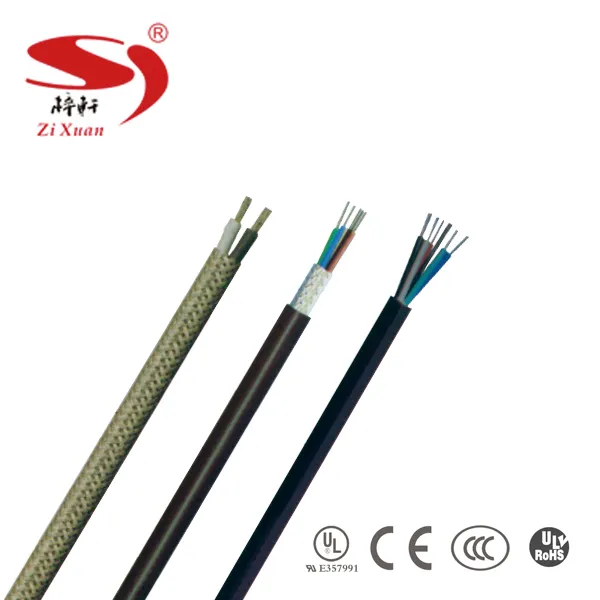
Extrusion lines for sheathing of pipes and cables are integrated production systems that apply a continuous polymer or elastomer layer around a pipe, cable, or assembled cable bundle to provide protection, insulation, sealing, or mechanical reinforcement. In cable manufacture, these lines are used for insulation, primary jacket, bedding, and outer sheathing; in pipe-related applications, they are used for protective overjacketing, foam-core systems, or functional sheath layers.
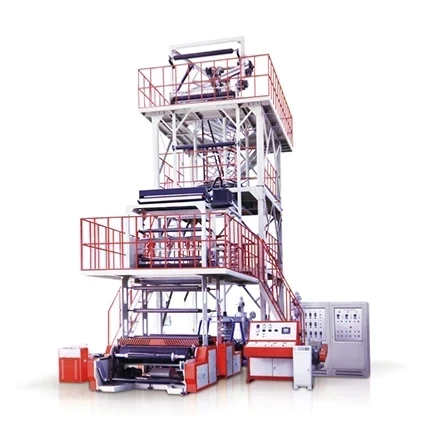
The technology sits at the intersection of polymer processing, precision tooling, and downstream handling, and it is closely associated with continuous processing of materials such as PVC, PE, XLPE, LSHF/HFFR, TPU, Nylon, and in specialized cases silicone or lead. Modern lines typically combine pay-off units, extruders, crossheads, cooling troughs, haul-off systems, diameter control, and take-up equipment, with many configurations supporting single-layer, dual-layer, or tandem filling-and-sheathing production.
Historically, these lines developed from simple single-extruder jacket systems into highly automated production platforms capable of co-extrusion, high-line-speed operation, and precise wall-thickness control. Their current importance is shaped by demand for higher cable performance, flame-retardant and halogen-free formulations, lower energy use, and compatibility with increasingly complex conductor and pipe assemblies.
History and Development
Early cable sheathing systems were based on relatively simple extrusion arrangements that formed a single polymer layer over a conductor or pipe bundle. As cable architectures became more complex, manufacturers introduced tandem and co-extrusion arrangements to separately manage filling, bedding, skinning, and outer jacket formation in one continuous line.
A major milestone was the widespread industrialization of crosshead extrusion, which enabled the molten polymer to be applied concentrically over a moving core while maintaining stable eccentricity and dimensional uniformity. This made continuous insulation and jacket production viable at industrial scale for power, telecom, and building wire applications.
A second milestone was the expansion from single-material jackets into multilayer and tandem systems, allowing combinations such as filler plus sheath, dual-layer jackets, and stripe or color-capable constructions. These systems improved process flexibility for products that required both cost-effective core filling and a higher-performance outer skin.
A third development has been the integration of online control and automation, including diameter gauges, thickness measurement, PLC-based recipe management, and advanced pay-off/take-up coordination. Recent line offerings also emphasize higher speeds, lower changeover times, and compatibility with low-smoke halogen-free compounds for safety-driven end markets.
Technical Overview
At the core of a sheathing line is an extruder that plastifies the compound and a crosshead die that directs the melt concentrically around the cable or pipe substrate. The molten sheath is then stabilized in a cooling trough, pulled by a capstan or caterpillar haul-off, and wound or reeled by a take-up system.
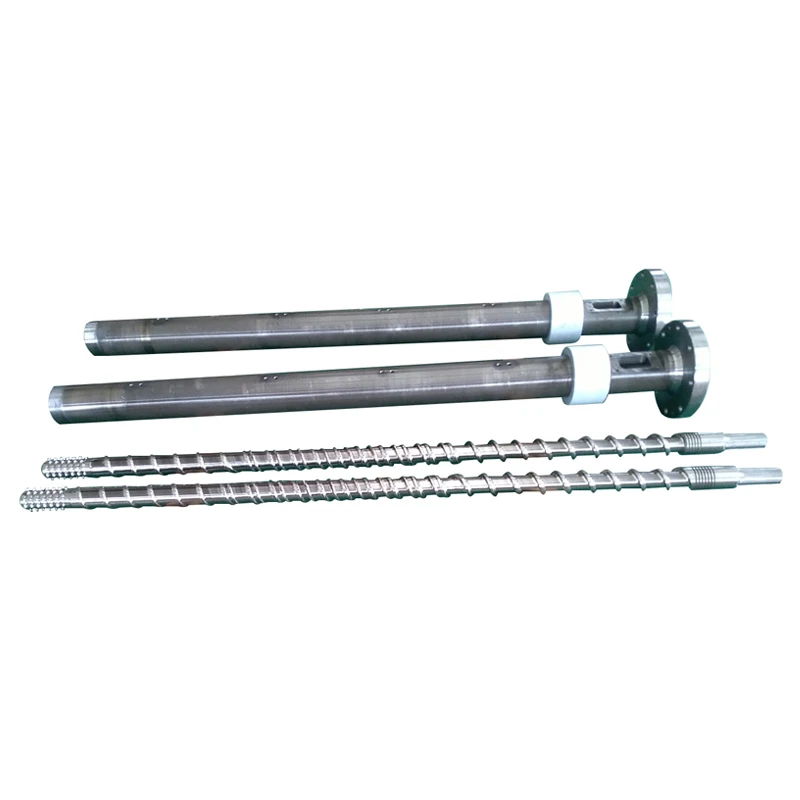
Typical line layouts include:
- Pay-off station
- Extruder
- Crosshead
- Cooling trough or flume
- Capstan or haul-off caterpillar
- Diameter or thickness control
- Take-up or accumulator system
- PLC control and operator interface
A key engineering objective is concentricity: the sheath must maintain uniform thickness around the circumference to avoid weak points, eccentric insulation, or downstream performance failures. In cable applications, this is especially important for dielectric reliability, flame resistance, abrasion resistance, and mechanical durability.
Common processing conditions vary widely by product size and material, but published industrial line data show the practical range. For cable sheathing, maximum line speeds are commonly quoted from about 100 m/min for heavier power-cable sheathing lines to 300 m/min or more for certain compact designs, while specialized building-wire lines may reach 500 m/min or even 600 m/min in particular cable classes and diameters.
Material and dimensional capability also vary strongly by line class. Published examples include cable diameters up to 120 mm, 130 mm, or larger, depending on the line family, and crosshead sizes around 20–130 mm for certain systems. Some industrial cable extrusion systems list cross sections up to 1000 mm² and finished diameters up to 140 mm for larger models.
For recycle-oriented processing, a practical benchmark is that a well-designed wet dewatering and drying train can reduce moisture in post-consumer flakes to low residual levels before extrusion; in integrated plastics recycling systems, centrifugal dewatering is commonly followed by thermal drying to prepare material for stable extrusion. In cable and pipe sheathing, this principle matters because moisture can degrade melt quality, surface finish, and electrical performance, especially in hygroscopic or contaminated compounds. This is an engineering inference from standard polymer-processing practice rather than a value stated in the cited line brochures.
Key Characteristics
The performance of a sheathing line is defined by several interdependent parameters:
- Line speed: determines output but must be balanced against cooling capacity and wall-control accuracy.
- Material compatibility: PVC, PE, XLPE, LSZH/LSHF/HFFR, TPU, PP, Nylon, silicone, and in niche cases lead or specialty fluoropolymers.
- Sheath architecture: single-layer, stripe, dual-layer, co-extruded, tandem filling-and-sheathing, or skinning/overjacketing.
- Diameter range: from small signal cables to heavy-duty power cables and large cable bundles.
- Process stability: controlled by melt temperature, screw design, crosshead geometry, haul-off tension, and cooling length.
Common technical benchmarks cited by suppliers include:
- Maximum line speed: about 100–600 m/min, depending on cable type and product diameter.
- Cable diameter capability: up to 120–130 mm in several standard offerings, with larger industrial lines extending beyond this range.
- Cross sections: examples from 10–240 mm² up to 120–1000 mm² on certain models.
- Extruder screw diameters: roughly 20–150 mm across different manufacturers and product classes.
- Layer configurations: single layer, double layer, triple layer, or tandem fill-plus-skin arrangements.
In pipe-related overjacketing and functional sheathing, the same principles apply, but tolerances may prioritize mechanical protection, corrosion shielding, or service-life extension rather than electrical performance. That said, the most common industrial association of “sheathing lines” remains cable manufacture.
Types and Variations
| Line type | Main purpose | Typical use |
|---|---|---|
| Single-layer sheathing line | Applies one protective jacket | Building wire, control cable, basic power cable |
| Filling and sheathing line | Adds filler/bedding and outer sheath in one process | Large-diameter power cable, round or flat assembled cable |
| Co-extrusion line | Applies multiple layers simultaneously | Dual-color jackets, functional skin layers, improved barrier structures |
| Tandem extrusion line | Uses separate extrusion groups for fill and sheath | Higher-output cable bundles and large-section conductors |
| Specialty sheathing line | Handles unique materials or products | Silicone high-temperature cable, lead sheath, optical cable, coaxial cable |
The distinction between sheathing and insulation is important. Insulation lines focus on dielectric separation around individual conductors, while sheathing lines usually apply a more external protective layer around a completed core or bundle. In many factories the same equipment platform can be adapted for both roles through crosshead, screw, and downstream changes.
Applications and Uses
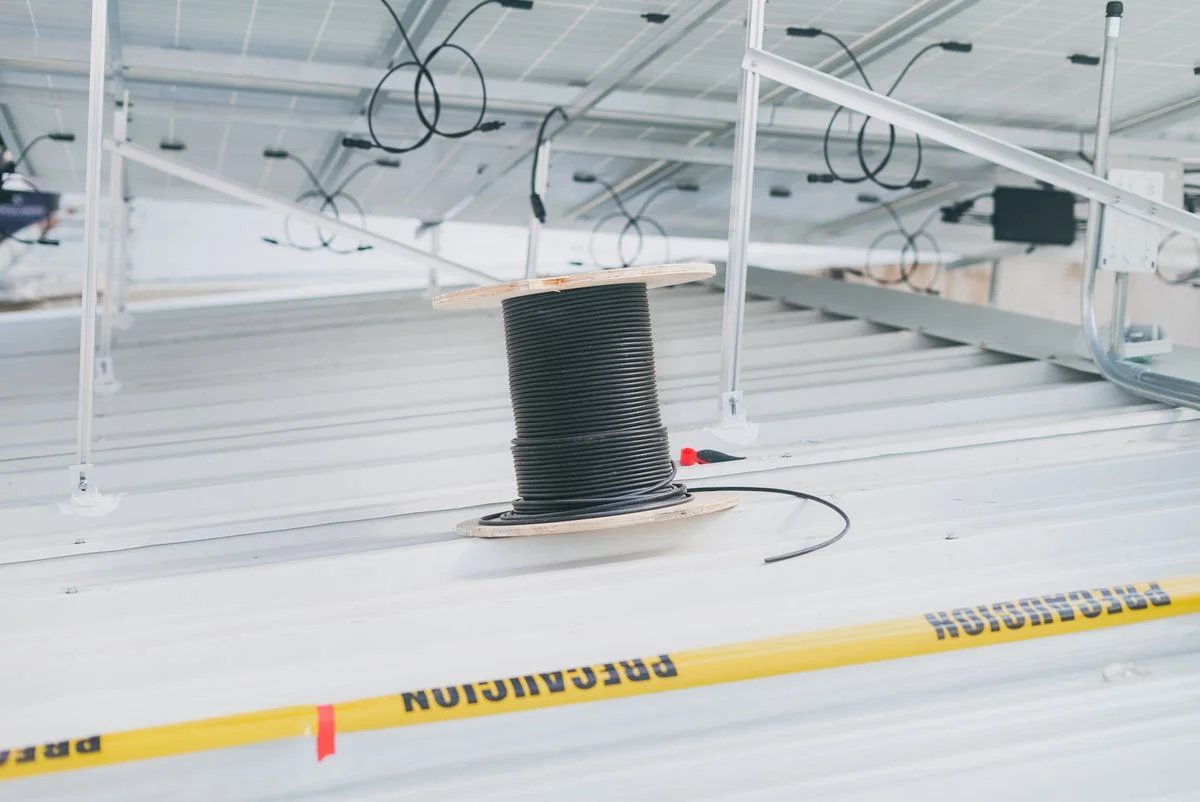
- Power cables: outer jackets for low-, medium-, and in some cases higher-voltage cable assemblies, often using PVC, PE, XLPE, or halogen-free compounds.
- Building wires: sheath layers for fixed-installation cables in residential, commercial, and infrastructure wiring.
- Telecommunications and data cables: sheathing for telephone, LAN, coaxial, and signal cables where surface quality and dimensional control are critical.
- Automotive cables: jacketing for harnesses and signal lines that require thermal resistance, flexibility, and abrasion performance.
- Specialty cables: fire-resistant, instrument, elevator, and high-temperature silicone cable constructions.
- Pipe and duct protection: overjacketing or protective sheathing of pipes, microduct bundles, or conduit-like assemblies.
One comparatively poor-fit use is lead sheathing for mainstream modern power distribution cable, because lead adds weight, processing complexity, and environmental constraints; it remains relevant only in niche applications where barrier performance is essential.
Materials and Polymer Considerations
Material choice determines the sheath’s electrical, mechanical, thermal, and environmental performance. PVC remains widespread because it is economical and process-friendly. PE and XLPE are common where electrical and mechanical performance is prioritized. LSHF/HFFR compounds are widely used where smoke suppression and halogen-free compliance are important. TPU, PP, Nylon, and silicone serve specialty applications requiring flexibility, abrasion resistance, or high-temperature endurance.
For co-extruded or tandem products, compatibility between layers matters as much as the individual compound properties. Thermal shrinkage, adhesion, melt viscosity balance, and cooling behavior must be matched to prevent delamination, eccentricity, or stress concentration.
Automation and Process Control
Modern sheathing lines increasingly use PLC control, touchscreen HMIs, automatic feeding, diameter gauges, inkjet marking, laser marking, and thickness monitoring. Several suppliers also offer auxiliary modules such as color masterbatch dosing, graphite coating, striping, and on-line taping.
Automation improves repeatability and reduces operator dependence, but it also introduces integration challenges. The line must synchronize extrusion output, haul-off speed, cooling stability, and take-up tension; otherwise, the result can be ovality, surface defects, or wall-thickness variation.
Environmental and Sustainability Aspects
Energy efficiency is a central issue because extrusion lines run continuously and may operate at high throughput for long production campaigns. Savings come from optimized screw design, reduced rework, accurate temperature zoning, efficient drives, and minimized scrap during start-up and changeover.
Sustainability is also tied to material efficiency. Precise concentricity and online control reduce over-thickness, while closed-loop process control reduces off-spec output. In cable sheathing, this directly lowers compound consumption per meter of finished product.
The adoption of halogen-free flame-retardant compounds reflects both safety and regulatory pressure, although these materials can be more demanding in processing and may require tighter control of melt temperature, viscosity, and cooling.
Economic and Global Market Impact
Extrusion lines for sheathing are capital equipment with strong links to broader demand in construction, utilities, telecom, transport, and electrification. Their market is influenced by grid expansion, building electrification, renewable-energy infrastructure, automotive wiring demand, and fiber-optic and data-network growth.
Supplier activity shows a broad global base: European and international manufacturers emphasize high-end engineering and process integration, while numerous Asian and regional machine builders target compact, cost-competitive, and application-specific systems. Public product literature indicates that competitive differentiation often comes from line speed, automation level, material versatility, and downstream handling rather than from the extrusion principle itself.
Current Challenges and Innovations
Current engineering challenges include:
- maintaining concentricity at higher line speeds
- processing difficult low-smoke or flame-retardant compounds
- minimizing energy consumption and scrap
- supporting frequent product changeovers
- integrating online dimensional inspection and data logging
Innovation is increasingly concentrated in:
- multilayer co-extrusion
- tandem filling-and-sheathing
- smart monitoring of diameter and wall thickness
- modular line layouts for different cable families
- specialty materials for fire resistance, high temperature, and industrial environments
Future Outlook
Future sheathing lines are likely to emphasize greater recipe flexibility, tighter digital quality control, and better energy performance. As cable systems become more specialized for electric mobility, data infrastructure, renewable power, and industrial automation, demand will remain strong for lines that can process both commodity and high-performance compounds with minimal downtime.
Further development is also expected in material efficiency and circularity, particularly in reducing start-up waste, improving compatibility with reprocessed polymers where permitted, and expanding digital traceability for production and compliance documentation.
Summary
Extrusion lines for sheathing of pipes and cables are continuous manufacturing systems that apply protective or functional polymer layers with high precision. They range from simple single-layer cable jacket lines to multilayer, tandem, and specialty systems for power, telecommunications, automotive, and niche high-performance applications, and their evolution is being shaped by automation, material innovation, energy efficiency, and stricter performance requirements.
References
- •
Extrusion lines. (2018). Pioneerm. https://www.pioneerm.com/en/extrusion-lines.htmlLink
- •
Cable extrusion. (n.d.). Akte. http://www.akte.co.rs/pdf_files/samp/Sampsistemi%20ekstruzione%20linije.pdfLink
- •
Extruders. (2020, October 27). New Max Industries. https://www.newmaxindustries.com/Link
- •
Insulation and sheathing extrusion production line. (2025, August 22). RLB. https://www.rlbcable.com/Product/Insulation-and-Sheathing-Extrusion-Production-Line.htmlLink
- •
Extrusion lines for sheathing. (n.d.). Um. http://www.um.com.tr/extrusion-lines/extrusion-lines-for-sheathingLink
- •
Cable extrusion line manufacturer. (n.d.). Gtcablemachine. https://gtcablemachine.com/extrusionLink
- •
Continuous lead sheathing extruder. (n.d.). Goldsupplier. https://www.goldsupplier.com/provide/p121222999.htmlLink
- •
Sheathing extrusion line. (2021, April 22). Gemwellmachine. https://gemwellmachine.com/product-item/sheathing-extrusion-line/Link
- •
Extruders. (2020, July 14). Maillefer. https://www.maillefer.net/en/components/extruders/Link
- •
Industrial cable extrusion line for electrical cable manufacturing. (2025, January 1). Cablecitysource. https://www.cablecitysource.com/extrusion-line-2659870/Link
- •
Nirman Maschinen Fabrik. (n.d.). Nirmanind. https://www.nirmanind.in/extrusion-lines-extruders-wire-drawing-lines-manufacture.htmlLink
- •
Extrusion lines and components. (2014, April 28). Progressive Machinery. https://progmach.com/machinery/extrusion-lines-and-components/Link
- •
Wire & cable extrusion lines. (n.d.). Fulcha. https://www.fulcha.com/extrusion/Link
- •
Power cable manufacturing making machine. (2026, January 10). Gfcablemachine. https://gfcablemachine.en.made-in-china.com/product/bBqEPmgGRRYr/China-Power-Cable-Manufacturing-Making-Machine.htmlLink
- •
Power cable sheathing line. (2025, July 24). Expometals. https://www.expometals.net/en/hall/machines/wire-drawing-machines/stand/samp-spa/products/power-cable-sheathing-lineLink
- •
Wire sheathing line for the construction industry. (2012, August 29). Expometals. https://www.expometals.net/en/hall/machines/wire-drawing-machines/stand/samp-spa/products/building-wire-sheathing-lineLink
- •
Lead extruder machine. (2025, January 13). Wiretech. https://wiretech.com/2025/01/lead-extruder-machine/Link
- •
Silicone rubber continuous vulcanization extrusion equipment. (n.d.). Hagsin. https://hagsin.com/index.php/show/id/642.htmlLink
- •
Browse our products list of Kabra Extrusionteknik Ltd. (2018, January 1). Exportersindia. https://www.exportersindia.com/kabra/products.htmLink
- •
Wire & cable extruder. (2026, June 19). Rosendahlnextrom. https://rosendahlnextrom.com/cable/products/single-machines/extruders/Link
- •
Sant Engineering Industries. (2017, July 1). Indiamart. https://www.indiamart.com/santengineeringindustries/profile.htmlLink
- •
Sheathing lines. (2023, February 19). Savsan. https://www.savsan.com/en/sheathing-lines/Link
- •
Our products. (n.d.). Nirman. https://nirmanind.com/product-offerings.htmlLink
- •
Crosshead extruder: High-precision cable & wire solutions. (2025, August 26). Accio. https://www.accio.com/plp/crosshead-extruderLink
- •
Extruders. (2024, November 1). Indiamart. https://www.indiamart.com/santengineeringindustries/extruders.htmlLink
- •
Cable extrusion machine. (n.d.). Wirecablemakingmachine. https://www.wirecablemakingmachine.com/products-category/extrusion-machine.htmlLink
- •
Extrusion lines. (n.d.). Comprex. https://comprex.com.pl/en/products/extrusion-linesLink
- •
Extruder. (2018, January 11). Cablewiremachine. https://www.cablewiremachine.com/power-cable-extruderLink
- •
Tube extrusion line. (2019, June 12). Directindustry. https://www.directindustry.com/prod/amut/product-20400-214889.htmlLink
- •
Komax. (2024, April 9). Businessfrance. https://event.businessfrance.fr/npe-2024/komax/Link
- •
Plastic sheath cable extrusion machine. (n.d.). Made-in-china. https://www.made-in-china.com/products-search/hot-china-products/Plastic_Sheath_Cable_Extrusion_Machine.htmlLink
- •
Extrusion machine. (n.d.). Made-in-china. https://www.made-in-china.com/products-search/hot-china-products/Extrusion_Machine.htmlLink
- •
Communication cable sheathing protective covering corrugated tube machine. (n.d.). Made-in-china. https://www.made-in-china.com/price/prodetail_Plastic-Pipe-Machinery_lNSQnzKYhTWj.htmlLink
- •
System solutions for economical. (n.d.). Kraussmaffei. https://www.kraussmaffei.com/media/datastore/cms/media/ext/downloads/ext-br-rohrextrusionsanlagen-en.pdfLink
- •
Sheathing machine. (2026, July 8). Made-in-china. https://www.made-in-china.com/products-search/hot-china-products/Sheathing_Machine.htmlLink
- •
Wire and cable extrusion systems. (n.d.). Scribd. https://www.scribd.com/document/98863117/Wire-and-Cable-Extrusion-SystemsLink
- •
Sheath wire extrusion line. (n.d.). Made-in-china. https://www.made-in-china.com/products-search/hot-china-products/Sheath_Wire_Extrusion_Line.htmlLink
- •
Extrusion lines: Definition, components, types, and. (2025, August 18). Polytechme. https://polytechme.com/extrusion-lines/Link
- •
Cable extruder manufacturers, suppliers, dealers & prices. (2026, August 5). Tradeindia. https://www.tradeindia.com/manufacturers/cable-extruder.htmlLink
- •
The process of plastic extrusion in cable manufacturing. (2023, May 8). Taizhengmachine. https://www.taizhengmachine.com/the-process-of-plastic-extrusion-in-cable-manufacturing.htmlLink