
Introduction
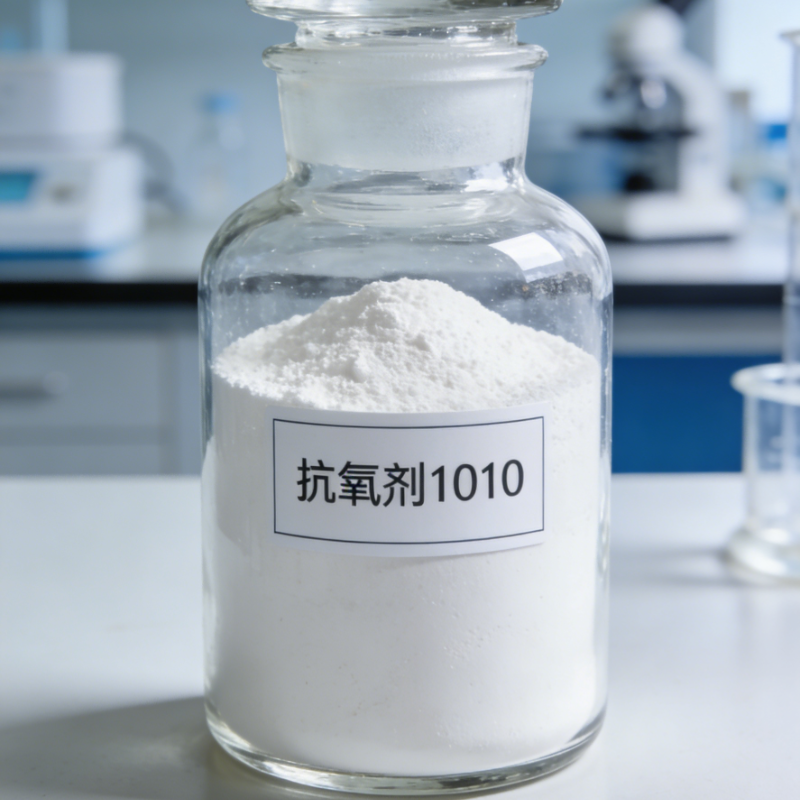
Hindered phenol antioxidants are a major class of primary stabilizers used to protect plastics, rubbers, lubricants, and related organic materials from thermal-oxidative degradation. In polymer systems, they act mainly as chain-breaking radical scavengers: the phenolic hydrogen is transferred to peroxy and other radicals, terminating oxidation chains and slowing molecular weight loss, discoloration, embrittlement, and viscosity drift.
These additives are especially important in polyolefins, engineering plastics, and elastomers, where heat history during extrusion or molding and long service exposure can generate reactive radical species. Commercially important examples include Irganox 1010 and Irganox 1076, along with related monohydric and polyfunctional hindered phenols used alone or in blends with secondary antioxidants such as phosphites.
From an industrial perspective, hindered phenol antioxidants sit at the intersection of performance, durability, and circularity. They extend the useful life of polymers, support process stability at elevated temperatures, and can improve retention of mechanical properties during service; at the same time, they are part of the broader debate over additive migration, recyclability, and the formulation of lower-carbon, longer-lasting materials.
History and Development
Hindered phenols have been used as antioxidant agents for more than half a century, with early work establishing them as key polymer stabilizers because they interrupt autoxidation chains efficiently at low concentrations. Their adoption accelerated as commodity plastics and engineering polymers expanded into applications demanding heat resistance, color retention, and long-term durability.
A major development was the transition from simple phenols to more highly substituted structures with improved thermal stability, lower volatility, and better compatibility with polymers. Later generations included oligomeric and multifunctional antioxidants designed to reduce migration and extraction, improve permanence, and better match modern processing temperatures.
Recent research has continued to refine mechanistic understanding, including the role of atom transfer, resonance stabilization of the phenoxyl radical, and structure-dependent reactivity in different polymer environments. This has supported the design of grafted, bound, and renewable hindered phenol derivatives for more durable and potentially more sustainable stabilization systems.
Chemical Structure and Key Properties
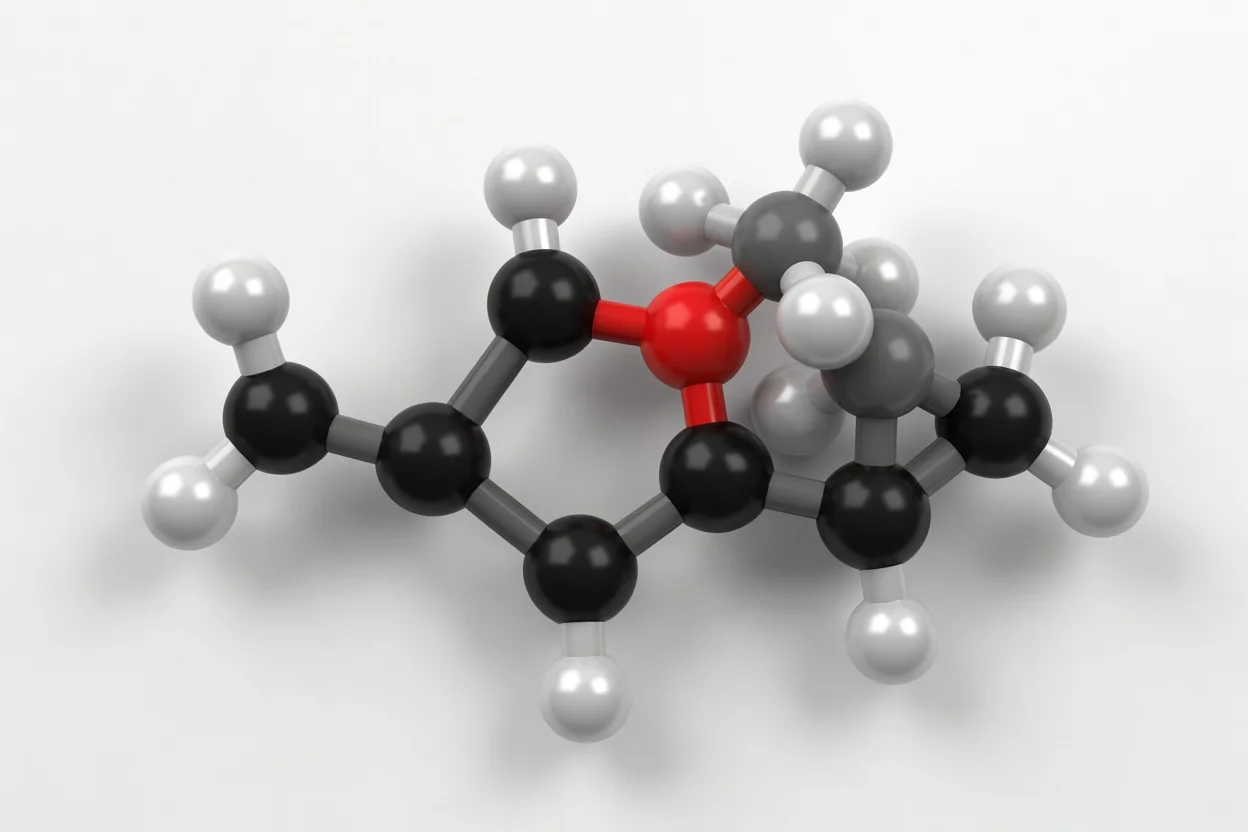
Hindered phenol antioxidants are sterically hindered phenols: phenolic compounds in which bulky substituents, often tert-butyl groups, flank the hydroxyl group on the aromatic ring. This steric arrangement makes the phenolic hydrogen relatively available for donation to radicals, while the resulting phenoxyl radical is stabilized by resonance and steric protection.
Their stabilizing action is primarily a chain-breaking mechanism. They donate hydrogen to peroxy, alkoxy, and related radicals, converting those highly reactive species into less reactive products and thereby terminating oxidation chains. In practical terms, this helps preserve melt flow, color, impact strength, and other performance attributes during processing and end use.
Typical strengths and limitations include the following:
| Property | Advantage | Limitation | Usual workaround |
|---|---|---|---|
| Radical scavenging | Efficient chain termination at low dosage | Exhaustion over very long aging periods | Pair with phosphites or thioesters for synergistic protection |
| Thermal stability | Useful during extrusion and molding | Very high processing temperatures can still deplete protection | Use higher-molecular-weight or polymer-bound grades |
| Compatibility | Broad utility in polyolefins and engineering plastics | Some grades can migrate or bloom in demanding formulations | Select oligomeric, high-MW, or low-volatility variants |
| Color retention | Reduces discoloration and viscosity drift | Oxidation is not fully prevented, only slowed | Combine with process optimization and secondary stabilizers |
A practical formulation example is Irganox 1010 or Irganox 1076 in polyolefins at low parts-per-hundred or lower additive levels, often paired with a phosphite such as tris(nonylphenyl) phosphite or a similar secondary antioxidant; the phenol traps radicals while the phosphite helps decompose hydroperoxides, creating synergistic stabilization. Another example is multifunctional, higher-molecular-weight hindered phenols used in polyamides, where reduced mobility helps improve permanence in long-life parts.
Production Processes and Raw Feedstocks
Hindered phenol antioxidants are produced through aromatic substitution, alkylation, esterification, etherification, or related synthetic routes that build bulky alkyl-substituted phenolic structures. Industrial routes commonly rely on petrochemical feedstocks such as phenol derivatives, isobutylene or tert-butyl precursors, aldehydes, and ester-forming intermediates.
Manufacturing objectives include:
- high purity and low color
- controlled molecular weight or oligomerization
- low residual phenol and low volatiles
- consistent particle size or liquid handling properties
- compatibility with target polymers and processing temperatures
Process innovation has increasingly focused on renewable chemistry and enzyme-assisted synthesis of sterically hindered phenols, reflecting efforts to reduce dependence on fossil feedstocks while preserving the same antioxidant function. In parallel, polymer-bound antioxidants and reactive antioxidant monomers have been developed to reduce migration and improve lifetime performance in demanding applications.
Applications and End-Use Markets
Hindered phenol antioxidants are used wherever polymers or organic formulations are exposed to heat, oxygen, and time. Their most important market remains plastics stabilization, but they are also widely used in rubbers, lubricants, fuels, coatings, and adhesives.
| End-use sector | Typical role | Common grade characteristics | Usual processing context |
|---|---|---|---|
| Polyolefins | Melt and long-term stabilization | Low-volatility, high-compatibility grades | Extrusion, injection molding, film making |
| Engineering plastics | Heat-aging resistance | Higher-MW or multifunctional grades | High-temperature compounding and molding |
| Rubber and elastomers | Oxidation resistance during cure and service | Broad-spectrum antioxidants | Mixing, vulcanization, long-term flexing |
| Lubricants and fuels | Oxidation inhibition | Oil-soluble phenols | Blending into oils and fuels |
| Coatings, adhesives, sealants | Shelf-life and color stability | Low-discoloration grades | Formulation and storage stability |
Major plastics applications include:
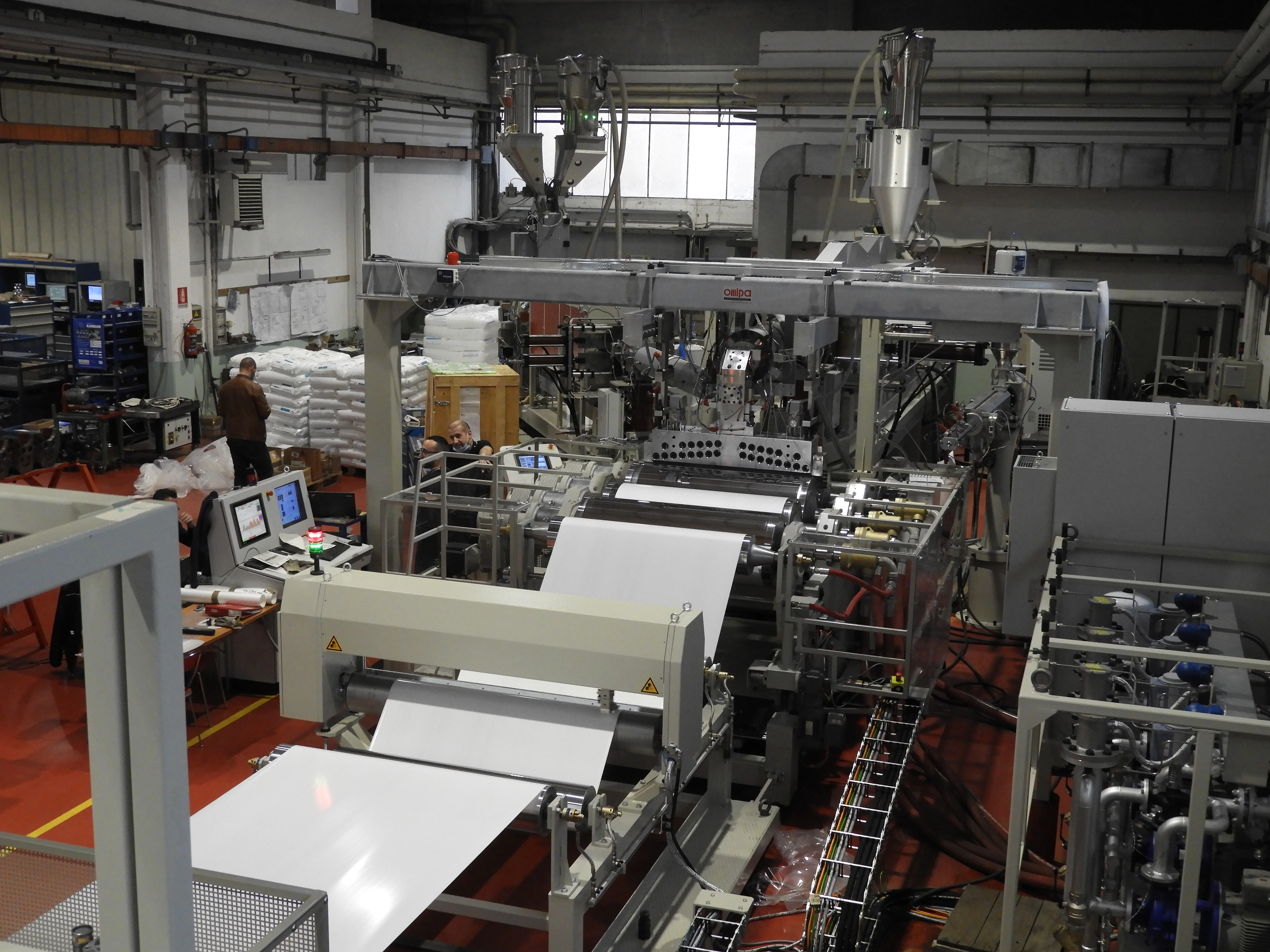
- Film and packaging: polyolefin films benefit from improved melt stability and reduced oxidative embrittlement during extrusion and service.
- Pipes and pressure applications: antioxidants help preserve long-term hydrostatic performance in polyethylene and related systems.
- Wires and cables: heat and oxygen resistance is essential for insulation durability.
- Agricultural plastics and geomembranes: long outdoor exposure requires persistent stabilization, often in combination with light stabilizers.
- Rotomolding and thick-wall parts: high thermal residence time makes oxidative protection especially important.
- UHMWPE wear and medical applications: stabilization is crucial for oxidative resistance and long-term property retention.
- PEX and crosslinked systems: antioxidants support processing and service stability before and after crosslinking.
A less ideal fit is highly transparent or very migration-sensitive formulations that demand extremely low extractables and no odor; in such cases, polymer-bound antioxidants or nonphenolic alternatives may be preferred over conventional low-molecular-weight hindered phenols.
Environmental and Sustainability Aspects
Hindered phenol antioxidants contribute positively to sustainability by extending product life, reducing premature failure, and lowering material replacement rates. In many cases, longer-lasting plastics can reduce total resource use over the full service life, especially in infrastructure, automotive, electrical, and agricultural applications.
At the same time, several environmental issues remain important:
- Recyclability: additives can be depleted during multiple heat histories, so recycled polymers often need re-stabilization to recover performance.
- Migration and extraction: low-molecular-weight antioxidants may migrate in some formulations, motivating a shift toward higher-MW or polymer-bound options.
- Feedstock origin: many commercial products are still derived from petrochemical raw materials, although renewable synthesis routes are emerging.
- End-of-life chemistry: antioxidant residues and transformation products may complicate analytical assessment of recyclates and waste streams.
Sustainability research is therefore focused on three directions: renewable feedstocks, more permanent antioxidant architectures, and additive systems optimized for mechanical recycling and multiple processing cycles. These developments are particularly relevant as the plastics industry seeks to combine durability with circular-economy goals.
Economic and Global Market Impact
Hindered phenol antioxidants are among the most commercially important polymer additives because they are used across both commodity and engineering plastics, as well as in lubricants and elastomers. Demand is closely tied to output in polyethylene, polypropylene, polyamides, polyesters, rubber goods, and industrial lubricants.
Market supply is concentrated among global specialty chemical producers and additive formulators, with widely recognized commercial families such as Irganox-type products and competing equivalent lines from multiple suppliers. Competitive differentiation typically depends on purity, permanence, low color, low volatility, regulatory compliance, and application-specific compatibility rather than on the antioxidant mechanism alone.
Current Challenges and Innovations
Current technical challenges include:
- maintaining protection during high-temperature processing
- minimizing volatility, blooming, and extraction
- preserving optical clarity and low odor
- ensuring additive performance in recycled and reprocessed polymers
- balancing antioxidant effectiveness with regulatory and sustainability requirements
Innovation is proceeding along several fronts:
- Multifunctional antioxidants that combine phenolic radical scavenging with other functions such as lactone or phosphorous synergy.
- Bound or grafted antioxidants that reduce migration and improve long-term permanence in polymers.
- Renewable synthesis of hindered phenol structures from bio-based precursors or enzyme-enabled routes.
- Application-specific blends where phenols are paired with phosphites, thioesters, or light stabilizers to address both processing and weathering.
Mechanistically, recent studies continue to show that subtle changes in substitution pattern can strongly affect radical-scavenging efficiency and oxidation-pathway preference, which is why antioxidant design remains an active area of polymer chemistry.
Future Outlook
The future of hindered phenol antioxidants is likely to be shaped by three converging requirements: longer service life, better recyclability, and reduced environmental footprint. Demand should remain strong because durable plastics and elastomers will continue to require oxidative stabilization during processing and use.
Over time, the strongest growth opportunities are likely to come from:
- high-performance and recycled plastics requiring re-stabilization
- polymer-bound or low-migration systems
- renewable or partially renewable antioxidant platforms
- multifunctional additive packages designed for circular manufacturing
As polymer formulations become more complex and sustainability expectations tighten, hindered phenol antioxidants will remain foundational additives, but increasingly as part of engineered stabilization systems rather than as stand-alone ingredients.
Summary
Hindered phenol antioxidants are the leading primary antioxidants for polymer stabilization, valued for efficient radical scavenging, broad compatibility, and low-dose effectiveness. Their importance spans plastics, rubber, lubricants, and fuels, while current innovation is centered on permanence, low migration, synergistic blends, and renewable synthesis routes.
References
- •
Synthesis, Characterization, and Evaluation of a Hindered Phenol ... (2024, July 24). https://pmc.ncbi.nlm.nih.gov/articles/PMC11351231/Link
- •
Electron structure variations in hindered phenolic antioxidant ... (n.d.). https://pubs.rsc.org/en/content/articlepdf/2025/ra/d5ra01209kLink
- •
The antioxidant mechanism of hindered phenolic antioxidants ... (n.d.). https://www.sciencedirect.com/science/article/pii/S0032386123008832Link
- •
Hindered Phenol Antioxidants Supplier (n.d.). https://www.onelead.co/hindered-phenols.htmlLink
- •
1998-Mechanistic Action of Phenolic Antioxidants in Polymers a Review (2025, July 3). https://www.scribd.com/document/562737227/1998-Mechanistic-Action-of-Phenolic-Antioxidants-in-Polymers-a-ReviewLink
- •
Hindered Phenols | Antioxidants for Plastics | amfine.com (n.d.). https://www.amfine.com/hindered_phenols.shtmlLink
- •
Antioxidants: hindered phenols (n.d.). https://link.springer.com/chapter/10.1007/978-94-011-5862-6_9Link
- •
[The interrelation of chemical structure and inhibiting action of the stericly hindered phenols of ichfan groups] - PubMed (2005, January 1). https://pubmed.ncbi.nlm.nih.gov/16223030/Link
- •
Hindered phenolic antioxidant:How does it protect polymers? (2022, September 2). https://en.deltachem.net/1047.htmlLink
- •
Electron structure variations in hindered phenolic ... (2025, May 6). https://pmc.ncbi.nlm.nih.gov/articles/PMC12054472/Link
- •
[PDF] Sterically Hindered Phenols as Antioxidant | Semantic Scholar (n.d.). https://www.semanticscholar.org/paper/Sterically-Hindered-Phenols-as-Antioxidant-Viraj-Chhavi/dcc79a4935bb4779977e2e2cf9aa796c5bb8298fLink
- •
Mechanism of Hindered Phenol Antioxidant - Vinati Organics (2024, June 21). https://vinatiorganics.com/2024/06/21/mechanism-of-hindered-phenol-antioxidant/Link
- •
Mechanisms of antioxidant action: The reaction of hindered phenols with rubber in the presence of free radicals (n.d.). https://www.sciencedirect.com/science/article/pii/0014305778901830Link
- •
Molecular mechanics study of hindered phenols used as antioxidants (n.d.). https://pubs.rsc.org/en/content/articlelanding/1990/ft/ft9908600047Link
- •
Synthesis, Redox Properties and Antibacterial Activity of Hindered Phenols Linked to Heterocycles (2020, May 20). https://www.mdpi.com/1420-3049/25/10/2370Link
- •
图形1 (n.d.). http://www.hongda-chem.com/Uploads/HongDa/Product/PDF/201505/00jfocog.sc216092015055411.pdfLink
- •
Sterically hindered catechol-derived Schiff bases: design, synthesis, SAR analysis and mechanisms of the antioxidant activity (2025, December 16). https://pubs.rsc.org/en/content/articlelanding/2026/md/d5md00969cLink
- •
Relationship structure-antioxidant activity of hindered phenolic compounds (1999, January 10). https://grasasyaceites.revistas.csic.es/index.php/grasasyaceites/article/download/1516/1632?inline=1Link
- •
5.1 Phosphorus Compounds (2025, August 1). https://onlinelibrary.wiley.com/doi/full/10.1002/mame.202500039Link
- •
Hindered Phenol - Wellt Chemicals (2024, January 5). https://welltchemicals.com/plastic-antioxidants/hindered-phenol/Link
- •
Relationship structure-antioxidant activity of hindered phenolic compounds ; Relación estructura-actividad antioxidante de compuestos fenólicos impedidos estéricamente (n.d.). https://pdfs.semanticscholar.org/3696/30aecbdbfc7baaed0aadc4305919a14e8c23.pdfLink
- •
Hindered phenol antioxidant and preparation method thereof (2016, October 28). https://patents.google.com/patent/CN106588663A/enLink
- •
Investigation of hindered phenol antioxidant effects on the ... (2020, June 23). https://pmc.ncbi.nlm.nih.gov/articles/PMC7311468/Link
- •
Hindered Phenolic Antioxidants (n.d.). https://www.ascent-petrochem.com/products/functional-additives/hindered-phenolic-antioxidants-cas-128-37-0.htmlLink
- •
Chemo-Enzymatic Synthesis of Renewable Sterically-Hindered ... (2018, October 26). https://pmc.ncbi.nlm.nih.gov/articles/PMC6274793/Link
- •
Hindered phenol antioxidant (2025, January 20). https://www.alibaba.com/showroom/hindered-phenol-antioxidant.htmlLink
- •
Electron structure variations in hindered phenolic antioxidant ... (2025, May 6). https://pubs.rsc.org/de-at/content/articlehtml/2025/ra/d5ra01209kLink
- •
C―H···O hydrogen bonding interactions for sterically hindered phenols and their phenoxyl radicals (n.d.). https://onlinelibrary.wiley.com/doi/abs/10.1002/poc.3927Link
- •
The Hindered Phenols (2002, May 1). https://pubs.acs.org/doi/10.1021/ja01218a045Link
- •
1. Introduction (n.d.). https://www.jstage.jst.go.jp/article/jpi/54/1/54_1_22/_pdfLink
- •
5.1 Phosphorus Compounds (2025, August 1). https://onlinelibrary.wiley.com/doi/10.1002/mame.202500039Link
- •
Hindered Phenolic Antioxidants - Performance Additives (2020, April 15). https://performanceadditives.us/antioxidants-hindered-phenolic-antioxidants/Link
- •
Hindered phenolic antioxidant compositions (2002, March 8). https://patents.google.com/patent/US20020142923A1/enLink
- •
EP1243634A1 - Hindered phenolic antioxidant compositions (2002, March 25). https://patents.google.com/patent/EP1243634A1/enLink
- •
Hindered Phenolic Antioxidant | Everlight Chemical (2023, January 1). https://everlight-uva.com/products/eversorb/antioxidant/everaox/hindered-phenolic-antioxidantLink
- •
Ester antioxidant of sterically hindered phenol, preparation method and application thereof (2016, October 20). https://patents.google.com/patent/CN106700129A/enLink