
Introduction
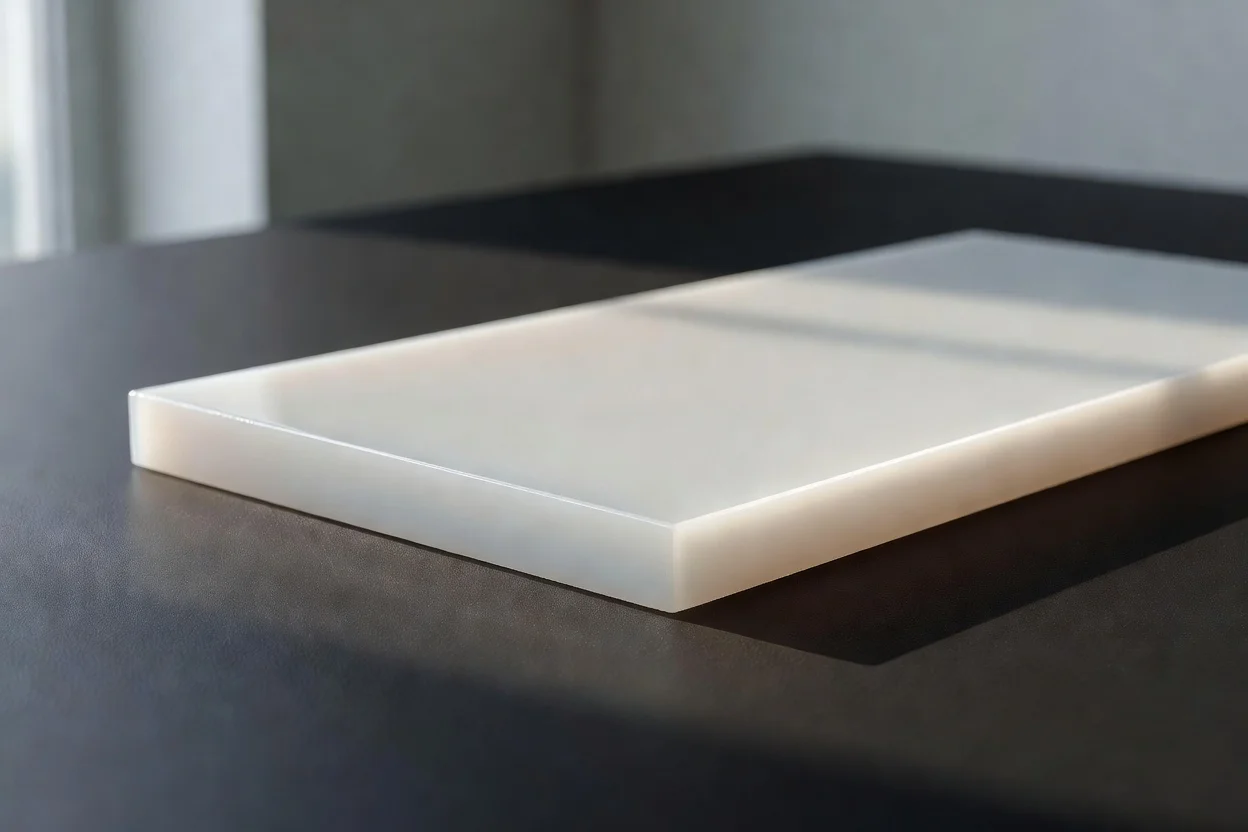
Polychlorotrifluoroethylene (PCTFE) is a high-performance fluoropolymer valued for its exceptional gas and moisture barrier performance, chemical inertness, dimensional stability, and usefulness in cryogenic and precision-sealing applications. It occupies a distinct position within the fluoroplastics family: stronger and more dimensionally stable than PTFE, but generally less heat-resistant and more expensive than many conventional engineering plastics.
PCTFE is used where permeation control matters more than bulk structural strength, particularly in pharmaceutical moisture barriers, aerospace and cryogenic seals, semiconductor and analytical components, and specialty films and sheets. Its commercial importance has historically been shaped by a relatively narrow but technically demanding set of applications, which has kept production specialized and price-sensitive.
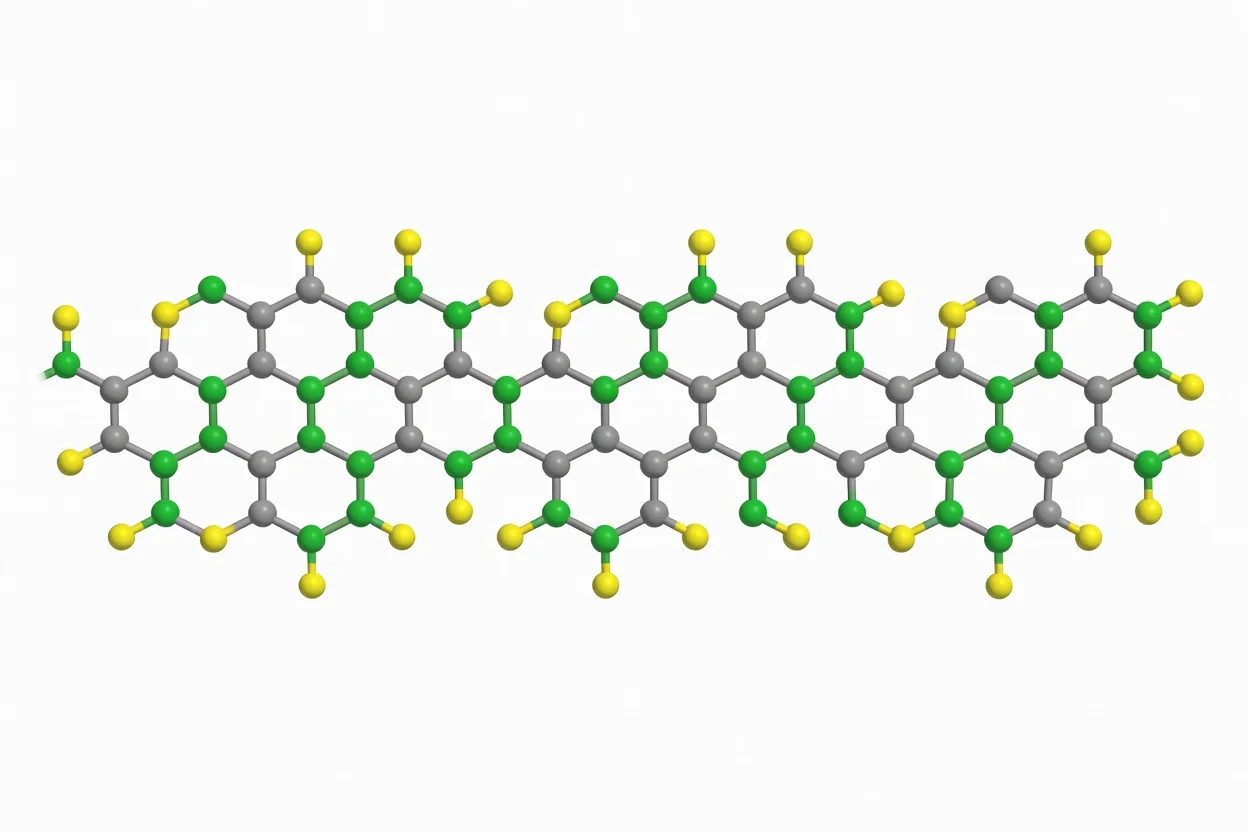
The material’s value is rooted in its molecular structure: a carbon backbone fully substituted with chlorine and fluorine atoms, which creates a rigid, highly polarizable, low-free-volume polymer network. That structure produces very low water vapor transmission, low gas permeability, low flammability, and excellent resistance to many aggressive chemicals and oxidizers.
Sustainability considerations are more complex. PCTFE is not a mass-volume polymer, so its environmental footprint is usually discussed in terms of high-value, long-life performance, not broad commodity recycling streams. However, it remains a fluoropolymer, which means end-of-life management, fluorine-related emissions controls, and regulatory scrutiny are important themes in its future development.
History and Development
PCTFE was developed as one of the early commercial fluoropolymers and became known historically under trade names such as Kel-F. Its adoption expanded in the mid-20th century as industry sought materials that could survive chemically aggressive environments, low temperatures, and demanding sealing conditions where conventional plastics failed.
Early growth was tied to defense, aerospace, cryogenics, and precision instrumentation, where low outgassing, gas impermeability, and dimensional stability were decisive advantages. Over time, use broadened into pharmaceutical packaging and specialized industrial components, especially where moisture and oxygen exclusion were critical.
Chemical Structure and Key Properties
PCTFE is the homopolymer of chlorotrifluoroethylene and is typically described as a semi-crystalline fluoropolymer with a comparatively rigid molecular structure. The chlorine atom in the repeat unit distinguishes it from PTFE and helps increase stiffness, hardness, and barrier performance, while fluorination contributes to chemical resistance and low surface energy.
Key property profile
| Property | Typical behavior | Practical significance |
|---|---|---|
| Gas permeability | Very low | Enables seals, barriers, and cryogenic containment |
| Water vapor transmission | Extremely low | Supports blister packaging and moisture-sensitive systems |
| Chemical resistance | Excellent | Suitable for oxidizing and corrosive media |
| Dimensional stability | High | Reduces leakage and distortion in precision parts |
| Flammability | Nonflammable / V-0 | Important in aerospace and electrical uses |
| Optical clarity | Good to high in thin sections | Useful in films and observation components |
PCTFE’s most important technical strengths are tied to barrier performance and thermal-mechanical stability. It has among the lowest moisture transmission rates of thermoplastics and one of the lowest gas permeabilities among engineering polymers.
Real limitations, causes, and workarounds
- High cost → low-volume, specialty production and fluoropolymer feedstock economics → use only where barrier and cryogenic performance justify the premium.
- Brittleness relative to many engineering plastics → rigid fluorinated structure and semi-crystalline morphology → design for thicker sections, controlled radii, and moderate impact loads.
- Lower upper-temperature capability than PTFE → PCTFE’s thermal envelope is narrower than some fluoropolymers → select PTFE, PFA, or FEP when sustained higher heat resistance is the priority.
- Difficult adhesion and bonding → low surface energy typical of fluoropolymers → use surface treatment, mechanical interlocks, or compatible adhesives where joining is required.
- Poor fit for high-friction sliding parts → its surface properties favor barrier and sealing roles more than tribological applications → choose PTFE-based materials for low-friction bearings and slide surfaces.
Production Processes and Raw Feedstocks
PCTFE is produced by polymerizing chlorotrifluoroethylene, typically through emulsion or suspension routes. The process produces a melt-processable fluoropolymer that can be formed into sheet, rod, film, and molded parts.
The feedstock chain begins with fluorochemical intermediates derived from fluorine-rich industrial chemistry, with chlorotrifluoroethylene serving as the key monomer. Production is technically demanding because fluoropolymer manufacturing requires tight control of purity, molecular weight, and thermal history to achieve the desired balance of barrier, stiffness, and processability.
Typical processing routes include:
- Compression molding
- Extrusion
- Injection molding
- Sheet and film fabrication
- Precision machining from semifinished stock
PCTFE generally requires careful thermal control during processing because its window is narrower than that of many commodity thermoplastics. This contributes to higher manufacturing cost but also to the consistent performance demanded in regulated and mission-critical applications.
Applications and End-Use Markets
PCTFE is primarily a specialty performance material rather than a broad-volume resin. Its strongest markets are those where barrier integrity, cryogenic stability, and dimensional precision are central to product function.
| End-use sector | Typical PCTFE form | Why it is used |
|---|---|---|
| Pharmaceutical packaging | Film, blister barrier layers | Extremely low moisture transmission |
| Aerospace and cryogenics | Seals, seats, valve parts | Low outgassing, low permeability, cryogenic toughness |
| Chemical processing | Linings, valve components, seals | Resistance to aggressive chemicals and oxidizers |
| Semiconductors and electronics | Precision parts, insulators | Cleanliness, low permeability, dielectric performance |
| Analytical and laboratory systems | Valve seats, containment parts | Dimensional stability and contamination control |
| Medical devices | Sealing and precision components | Moisture resistance and sterilization compatibility |
| Optical and transparent parts | Thin films, windows | Clarity in selected geometries |
A particularly important use is pharmaceutical blister packaging, where PCTFE film is chosen to protect moisture-sensitive drugs that would degrade under humid storage conditions. In this role, PCTFE often outperforms other barrier polymers when very low water vapor transmission is required.

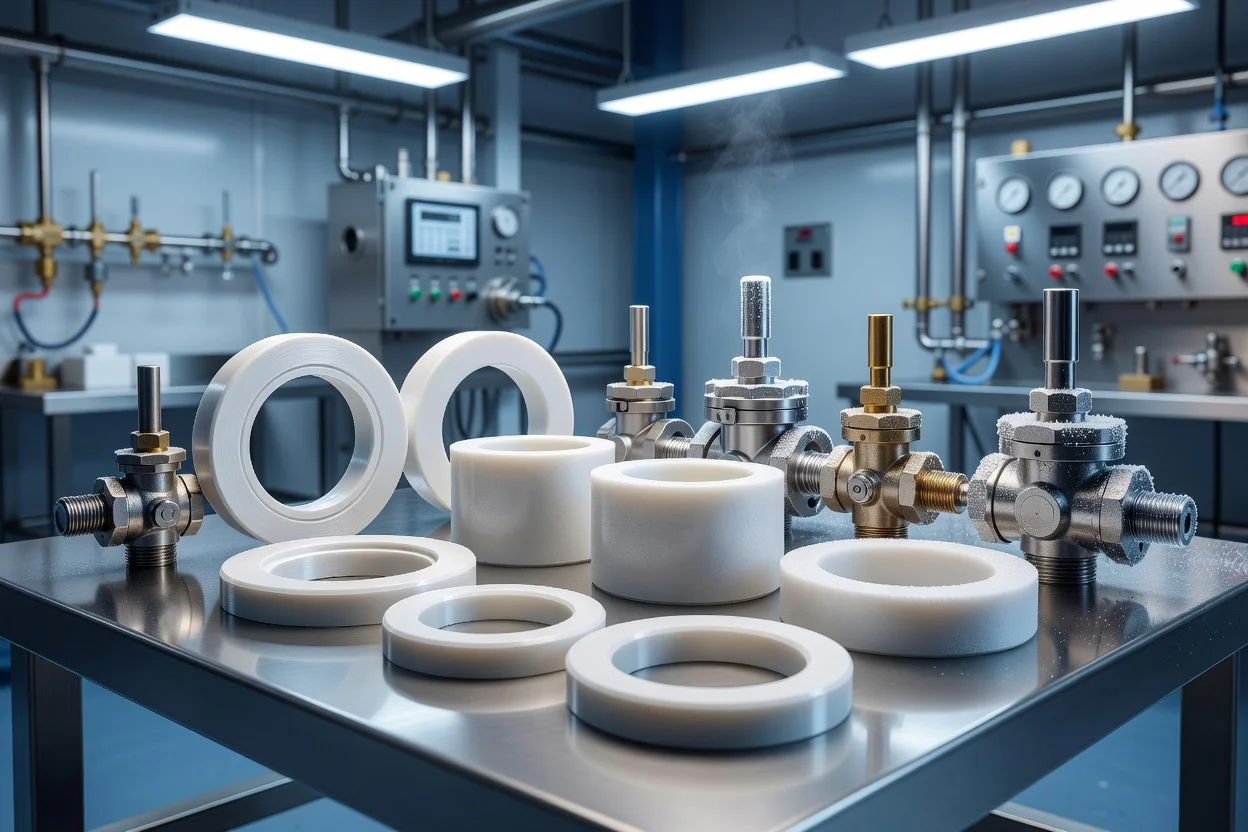
Another core market is cryogenic sealing for liquid oxygen, liquid nitrogen, liquefied natural gas, and related systems, where low thermal expansion and resistance to embrittlement are decisive. In such systems, PCTFE is valued not for flexibility but for maintaining seal integrity under rapid temperature changes.
A less favorable fit is high-wear sliding bearings or low-cost general-purpose housings, where PCTFE’s cost and relatively high friction compared with PTFE make it economically or tribologically unattractive.
Environmental and Sustainability Aspects
PCTFE is not widely discussed in mainstream plastics recycling systems because its use volume is small and its applications are highly specialized. Most post-use streams are therefore limited, and recycling is constrained by contamination, separation difficulty, and the economics of recovering a niche fluoropolymer.
From a sustainability perspective, PCTFE presents a classic trade-off:
- It is resource-intensive and fluorine-based, which raises upstream environmental scrutiny.
- It can enable material efficiency and product longevity in demanding applications, reducing leakage, spoilage, or failure in service.
- Its barrier performance can support lighter packaging structures in some uses, although multilayer designs may complicate recycling.
Bio-based substitutes are not direct replacements for PCTFE in high-barrier cryogenic and corrosive services. In lower-demand packaging applications, alternative barrier materials and multilayer structures may be preferred for sustainability or cost reasons, but few match PCTFE’s combined moisture barrier, inertness, and low-temperature performance.
A practical environmental issue is end-of-life management of fluorinated materials. Because PCTFE is a fluoropolymer, safe thermal treatment and emissions control matter more than they do for many conventional plastics, especially where incineration is used. This makes design for long service life and application-specific use central to its sustainability profile.
Economic and Global Market Impact
PCTFE sits in a premium segment of the fluoropolymer market, with economics driven by niche demand rather than commodity volume. Its price is typically justified by avoided failure costs in critical systems, such as leakage in cryogenic seals, moisture ingress in pharmaceutical packaging, or contamination in precision equipment.
The global market is shaped by several factors:
- Concentrated demand in aerospace, pharmaceuticals, and semiconductor-adjacent applications
- Limited number of qualified producers and converters
- Tight quality requirements for medical, aerospace, and regulated industrial use
- Competition from other fluoropolymers and high-performance engineering plastics in overlapping applications
Leading suppliers and fabricators tend to be specialized fluoropolymer companies rather than large commodity resin producers. Market leadership is often associated with long-established fluoropolymer brands, qualified supply chains, and the ability to provide film, sheet, rod, and precision-machined forms with tight consistency.
Current Challenges and Innovations
Current development efforts focus on improving manufacturability, widening processing options, and preserving barrier performance while reducing cost and environmental burden.
Key challenges include:
- Limited recyclability in multilayer and contaminated forms
- High raw material and processing cost
- Narrower process window than many thermoplastics
- Trade-offs between stiffness, toughness, and temperature performance
Innovation directions include:
- Modified PCTFE grades with improved toughness or processability for specific service windows
- Cryogenic formulations optimized for seal retention at extremely low temperatures
- Thin-film barrier structures for pharmaceutical and electronic packaging
- Surface modification and blending approaches aimed at improving joining, fabrication, or adhesion behavior
- Application-specific compounding to balance clarity, machinability, and creep resistance
Where space allows, examples clarify the material logic:
- In pharmaceutical blister film, very low-thickness PCTFE layers are used as moisture barriers; the mechanism is the polymer’s low free volume and highly fluorinated structure, which suppresses diffusion of water vapor.
- In cryogenic valve seats, PCTFE is selected because low thermal expansion and creep resistance help maintain sealing force as temperature falls; the mechanism is reduced dimensional change under thermal cycling.
Future Outlook
PCTFE is likely to remain a specialty high-performance fluoropolymer rather than a mass-market resin. Its strongest long-term prospects are in applications where failure costs are high and material substitution is technically difficult: cryogenics, pharmaceutical moisture barriers, semiconductor containment, and precision seals.
Future growth will depend on three parallel trends:
- Continued demand for ultra-reliable barrier materials in regulated industries
- Development of more efficient, lower-emission fluorochemical production and downstream handling
- Application-driven innovation that extends life, reduces thickness, or improves fabrication without sacrificing performance
Because PCTFE solves problems that many polymers cannot, its role in the plastics ecosystem is likely to remain narrow but strategically important. Its value lies in enabling reliability at the edge of material performance, which is precisely where conventional plastics often fail.
Summary
PCTFE is a specialty fluoropolymer defined by exceptionally low gas and moisture permeability, strong chemical resistance, low flammability, and excellent performance in cryogenic and precision-sealing environments. It is produced from chlorotrifluoroethylene and used mainly in pharmaceutical barrier films, aerospace and cryogenic seals, chemical processing components, and specialized industrial and electronic parts.
Its main limitations are cost, a narrower processing window, and less-than-ideal toughness compared with some alternatives, but those limitations are offset in high-value applications where leakage, contamination, or seal failure would be unacceptable.
References
- •
Understanding Polychlorotrifluoroethylene (PCTFE). (2025, November 20). PBY Plastics. https://www.pbyplastics.com/blog/understanding-polychlorotrifluoroethylene-pctfe-comprehensive-overviewLink
- •
Drake PCTFE – Comprehensive overview. (2025, April 15). Drake Plastics. https://drakeplastics.com/drake-pctfe-comprehensive-overview/Link
- •
Polychlorotrifluoroethylene lining material: Advanced chemical ... (n.d.). Eureka PatSnap. https://eureka.patsnap.com/materials/pctfe-lining-chemical-resistLink
- •
Polychlorotrifluoroethylene (PCTFE) - Supplier Data by ... (2004, January 20). AZoM. https://www.azom.com/article.aspx?ArticleID=2342Link
- •
Structure, properties, and modification of polychlorotrifluoroethylene. (2022, March 3). Frontiers in Materials. https://www.frontiersin.org/journals/materials/articles/10.3389/fmats.2022.824155/fullLink
- •
PCTFE / PTFCE (polychlorotrifluoroethylene). (n.d.). Demgy. https://www.demgy.com/en/datacomp/materials-directory/pctfe-ptfce-polychlorotrifluoroethyleneLink
- •
Cryogenic grade polychlorotrifluoroethylene: Advanced material ... (n.d.). Eureka PatSnap. https://eureka.patsnap.com/materials/cryogenic-pctfe-propertiesLink
- •
Machining polychlorotrifluoroethylene (PCTFE): A plastics guide. (n.d.). AIP Precision. https://aipprecision.com/machining-polychlorotrifluoroethylene-pctfe-plastics-guide/Link
- •
What is polychlorotrifluoroethylene? (PCTFE). (2016, March 9). Fluorocarbon Group. https://fluorocarbon.co.uk/resources/blog/what-is-polychlorotrifluoroethylene-pctfe/Link
- •
Latest innovations of PCTFE. (2024, October 24). Eureka PatSnap. https://eureka.patsnap.com/blog/material-tech-resources/pctfe-polychlorotrifluoroethylene/Link
- •
PCTFE (polychlorotrifluoroethylene) [PDF]. (n.d.). Lawrence Berkeley National Laboratory. https://www-eng.lbl.gov/~shuman/NEXT/MATERIALS&COMPONENTS/Pressure_vessels/PCTFE.pdfLink
- •
PCTFE: Properties, uses & cost guide. (2026, May 31). Propprose. https://propprose.com/materials/pctfe-properties/Link
- •
Analyzing the relationship between the structure and performance of PCTFE. (2024, December 31). Alfa Chemistry. https://fluoropolymers.alfa-chemistry.com/resources/analyzing-the-relationship-between-the-structure-and-performance-of-pctfe.htmlLink
- •
What is polychlorotrifluoroethylene (PCTFE)? (2024, April 7). Hony Plastic. https://www.honyplastic.com/news/what-is-polychlorotrifluoroethylene-pctfe-248938.htmlLink
- •
PCTFE (polychlorotrifluoroethylene). (2023, September 13). Sterling Plastics. https://sterlingplasticsinc.com/product/pctfe-polychlorotrifluoroethylene/Link
- •
PCTFE (polychlorotrifluoroethylene). (n.d.). Roncelli Technologies. https://roncelli.com/materials-2/pctfe/Link
- •
Comprehensive analysis of synthesis, properties, and advanced ... (n.d.). Eureka PatSnap. https://eureka.patsnap.com/materials/pctfe-resin-synthesis-propertiesLink
- •
A guide to the remarkable PCTFE ... (2024, October 24). Eureka PatSnap. https://eureka.patsnap.com/blog/pctfe-polychlorotrifluoroethylene/Link
- •
PCTFE Kel-F®, Neoflon® cryogenic applications ... (2025, February 6). Curbell Plastics. https://www.curbellplastics.com/materials/plastics/pctfe/Link
- •
Exploring the polymer cousins of PTFE: ETFE, PCTFE, ... (2026, August 28). Polyfluoro Ltd. https://polyfluoroltd.com/blog/exploring-the-polymer-cousins-of-ptfe-etfe-pctfe-and-ectfe/Link
- •
Polychlorotrifluoroethylene sheet: Comprehensive analysis of ... (n.d.). Eureka PatSnap. https://eureka.patsnap.com/materials/pctfe-sheet-propertiesLink
- •
PTFE vs PCTFE - What are the differences? (2020, November 3). Fluorocarbon Group. https://fluorocarbon.co.uk/resources/blog/ptfe-vs-pctfe/Link
- •
Polychlorotrifluoroethylene. (2004, November 19). Wikipedia. https://en.wikipedia.org/wiki/PolychlorotrifluoroethyleneLink
- •
PCTFE (polychlorotrifluoroethylene) [PDF]. (n.d.). Polyfluor. https://www.polyfluor.nl/assets/files/datasheet-pctfe-uk.pdfLink