
Introduction
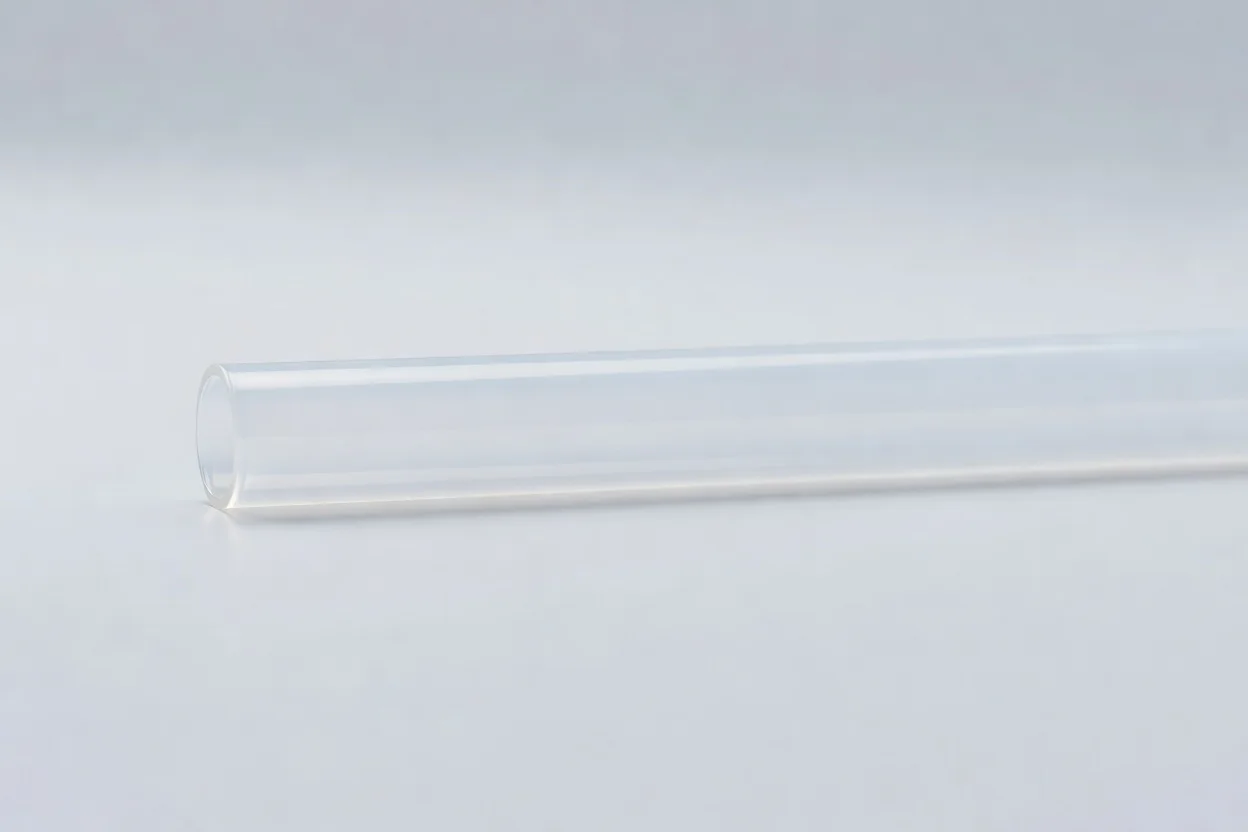
PFA, or polyfluoroalkoxy, is a high-performance melt-processible fluoropolymer valued for its exceptional chemical inertness, thermal stability, low friction, and high purity. It is widely used where conventional engineering plastics fail, especially in semiconductor wet-chemistry systems, high-purity fluid handling, chemical processing, and specialized electrical insulation.
Chemically, PFA is a fully fluorinated copolymer based on tetrafluoroethylene with a minor amount of perfluoroalkyl vinyl ether comonomer, a design that preserves PTFE-like performance while making the resin processable by conventional thermoplastic methods such as extrusion, injection molding, and welding. Its major industrial appeal lies in the combination of PTFE-like resistance with improved fabrication flexibility, which has made it one of the most important fluoropolymers for critical-process applications.
Historically, PFA emerged as part of the broader fluoropolymer family developed to overcome the processing limits of PTFE, and it occupies a premium niche above FEP in temperature and chemical resistance, while remaining easier to process than PTFE. In modern markets, PFA is associated with high-specification grades for ultra-high-purity applications, corrosion-resistant linings, and demanding cable and tubing systems, with growing attention to trace-extractables control, contamination avoidance, and lifecycle sustainability challenges.
History and Development
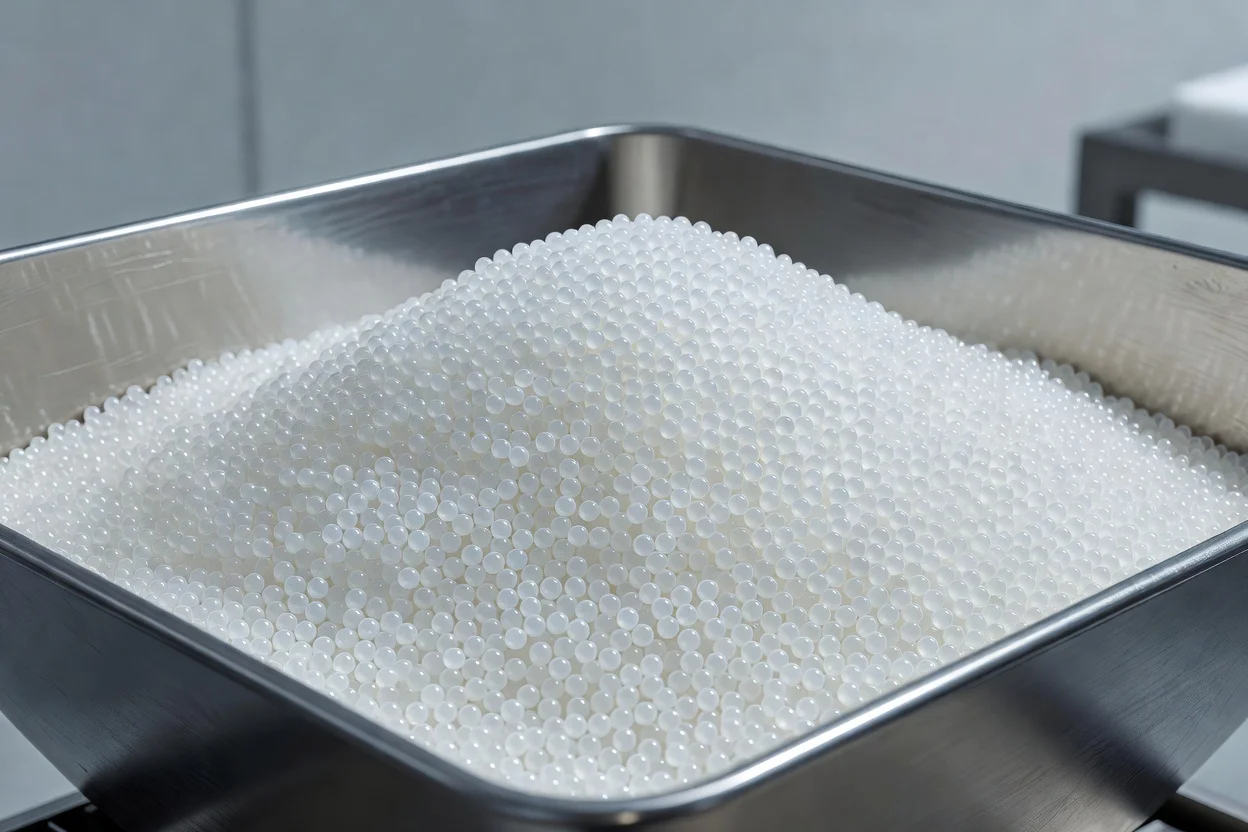
PFA was developed as a response to a long-standing industrial problem: the need for a fluoropolymer with PTFE-like performance that could still be melt processed. This requirement was particularly important for fabricating complex tubing, fittings, valves, and linings used in chemical and semiconductor systems.
Over time, the material evolved from a specialty fluoropolymer into a critical enabling resin for high-purity manufacturing, especially in electronics, pharmaceuticals, and advanced chemical processing. The growth of semiconductor fabrication, where ultra-low extractables and particle generation are essential, significantly expanded the role of PFA in the value chain.
Chemical Structure and Key Properties
PFA is a fully fluorinated, semi-crystalline copolymer. The perfluoroalkyl vinyl ether comonomer introduces processability by lowering melt viscosity relative to PTFE, while retaining a highly fluorinated backbone that drives chemical resistance, thermal endurance, and low surface energy.
Key property profile
| Property | Typical significance |
|---|---|
| Continuous service temperature | Up to 260°C. |
| Melting point | About 305°C to 310°C. |
| Density | About 2.15 g/cm3. |
| Coefficient of friction | Very low, around 0.2 to 0.21 in reported data. |
| Water absorption | Very low, typically below 0.03% to 0.05%. |
| Dielectric behavior | Excellent electrical insulation with low dielectric constant and dissipation factor. |
| Chemical resistance | Near-universal resistance to strong acids, bases, oxidizers, and many solvents. |
Important limitations and workarounds
- High cost → driven by fluorinated raw materials, demanding synthesis, and specialized processing → workaround: use only where performance justifies the premium, or substitute with lower-cost fluoropolymers or non-fluorinated materials in less severe environments.
- Low stiffness and moderate load-bearing strength → inherent to the polymer’s flexible fluorinated chains → workaround: use filled grades, structural design changes, or metal support where dimensional rigidity is required.
- Difficult surface bonding and adhesion → caused by the material’s low surface energy and chemical inertness → workaround: apply plasma, etch, or mechanical anchoring methods before bonding or coating.
- Poor fit for high-load structural parts → the resin prioritizes chemical and thermal durability over rigidity → workaround: reserve PFA for liners, tubing, film, and process-contact components rather than primary load-bearing structures.
Production Processes and Raw Feedstocks
PFA is produced by fluoropolymer polymerization routes based on tetrafluoroethylene and a minor amount of a perfluoroalkyl vinyl ether comonomer such as PMVE, PEVE, or PPVE. The comonomer content is typically low, but it has a major effect on melt behavior and processability.
The upstream feedstock chain is closely tied to fluorine chemistry and fluorinated intermediates, which makes PFA production technically demanding and capital intensive. Unlike commodity polymers, the raw material ecosystem is constrained by specialty chemistry, strict safety controls, and a limited number of qualified producers.
Processing normally uses conventional thermoplastic operations because PFA is melt-processible, unlike PTFE. Common fabrication routes include:
- extrusion for tubing, wire insulation, and liners
- injection molding for fittings and precision parts
- welding and heat sealing for assemblies
- rotational or lined fabrication for corrosion-resistant components in selected cases
Applications and End-Use Markets
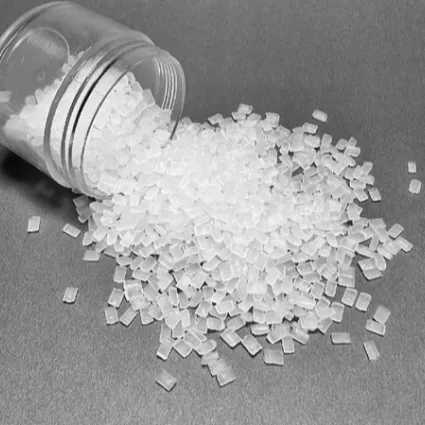
PFA is used where a combination of chemical resistance, purity, thermal stability, and low contamination risk is essential.
| End-use sector | Typical PFA form or grade | Why PFA is used |
|---|---|---|
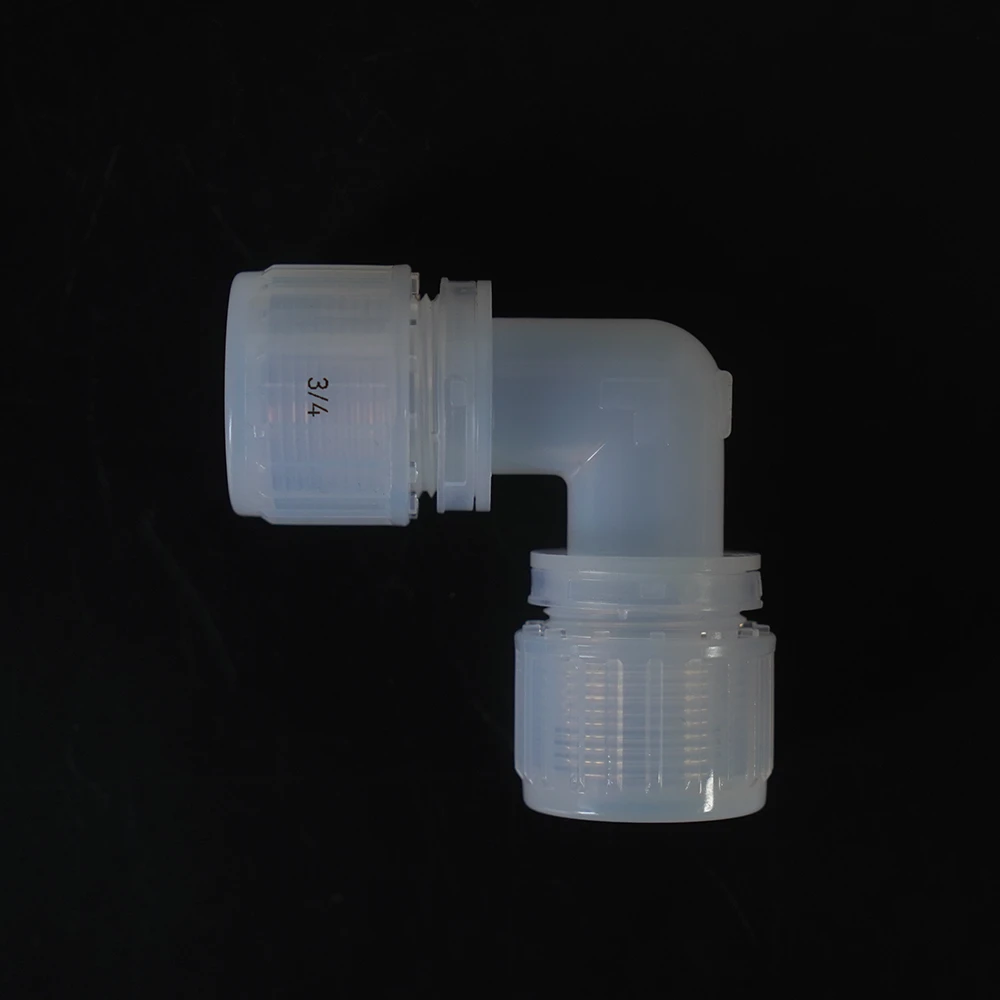
| Semiconductor and microelectronics | Ultra-high-purity tubing, valves, fittings, containers | Low extractables, low particle generation, excellent chemical resistance. |
| Pharmaceuticals and biotechnology | High-purity tubing, fluid pathways, process components | Cleanability, purity, sterilizability, and chemical inertness. |
| Chemical processing | Linings, pumps, valves, pipe, cable coatings | Resistance to aggressive media and elevated temperature. |
| Laboratory equipment | Tubing, beakers, fittings, analytical components | Inertness and contamination control. |
| Wire and cable | Primary insulation and jacketing | Electrical insulation and thermal endurance. |
| Medical devices | Fluid-contact tubing and reusable equipment | Purity, flexibility, and sterilization compatibility. |
| Aerospace and industrial systems | Specialized insulation and corrosion-resistant parts | Thermal and environmental durability. |
| Release and anti-stick uses | Coatings and process-contact surfaces | Low surface energy and low friction. |
One poor-fit use is general-purpose structural housing or load-bearing mechanical parts, where PFA’s cost and stiffness profile are less favorable than engineering thermoplastics such as polyamide, PPS, or PEEK.
Environmental and Sustainability Aspects
PFA’s sustainability profile is complex. On one hand, its long service life, high chemical resistance, and low failure rate can reduce replacement frequency in severe-duty systems, which may lower lifecycle impacts in specialized applications. On the other hand, it is a fluoropolymer, and the broader fluorochemicals sector faces scrutiny related to persistence, end-of-life management, and the environmental footprint of fluorinated feedstocks.
Recyclability and end of life
Mechanical recycling of PFA is limited by contamination sensitivity, small-volume waste streams, and the difficulty of maintaining ultra-high purity. In practice, many PFA parts are used in applications where reclaim quality is hard to guarantee, so end-of-life pathways often rely on controlled recovery, downcycling into less demanding uses, or regulated disposal depending on local systems and contamination status.
Bio-based and circular alternatives
Bio-based replacements are not direct equivalents because most do not match PFA’s chemical and thermal performance envelope. For less extreme service conditions, engineers may evaluate alternative fluoropolymers, high-performance hydrocarbon polymers, or design changes that reduce the need for fluorinated materials.
Footprint considerations
PFA’s footprint is best assessed on a functional basis rather than per kilogram alone. In high-purity semiconductor or corrosive-service systems, its ability to prevent contamination, corrosion damage, and unplanned shutdowns can outweigh its mass-based environmental burden. In lower-demand applications, however, its premium manufacturing footprint is harder to justify.
Economic and Global Market Impact
PFA is a specialty, high-value resin rather than a volume polymer. Demand is concentrated in sectors with high margins and strict material standards, especially semiconductors, life sciences, and advanced chemical processing.
The market is shaped by a relatively small number of global fluoropolymer producers and brand owners, with recognized names including Chemours through Teflon-branded PFA resins and other established fluoropolymer suppliers serving regional and global markets. The supply chain is characterized by qualification barriers, long validation cycles, and high switching costs, which make incumbent suppliers difficult to displace once a material is approved in a critical process.
Economic value is driven less by tonnage than by performance risk reduction. In semiconductor and pharmaceutical systems, the cost of contamination, corrosion, or downtime can be far greater than the price difference between PFA and less demanding materials.
Current Challenges and Innovations
The main technical and market challenges are:
- persistent regulatory and reputational pressure on fluorinated materials
- high raw-material and processing cost
- limited recyclability in high-purity applications
- dependence on specialized supply chains
- the need for ever-lower extractables and contamination levels in advanced manufacturing
Current innovation directions include:
- ultra-high-purity grades with lower extractable ions and reduced particle shedding for semiconductor fabs
- permeation-resistant grades for more demanding chemical and gas-handling uses
- anti-static grades for industrial environments where charge control is important
- improved processability and surface finish to reduce contamination retention and ease fabrication
- more efficient manufacturing and stricter emissions control across fluoropolymer production chains
A practical formulation example is the use of filled or reinforced PFA grades in selected components to improve stiffness or dimensional stability, typically at modest loading levels relative to base resin systems; the mechanism is physical reinforcement, not chemical alteration of the fluoropolymer backbone. Another common performance strategy is surface activation before bonding, where plasma treatment increases surface energy and enables adhesives or coatings to adhere more reliably.
Future Outlook
PFA is expected to remain a critical material in high-purity and corrosion-intensive industries because its performance envelope is difficult to match with non-fluorinated polymers. Semiconductor manufacturing, advanced chemical processing, and specialized medical or analytical systems should continue to support demand for the highest-purity grades.
At the same time, the future will likely be shaped by tighter fluorochemical regulation, stronger sustainability expectations, and the need for better end-of-life solutions. The most important opportunities lie in reducing emissions and contamination across production, improving recyclability and qualification of reprocessed streams where feasible, and developing application-specific grades that minimize material use without sacrificing performance.
Summary
PFA is a premium fluoropolymer that combines PTFE-like inertness with melt processability, making it indispensable in high-purity, high-temperature, and chemically aggressive environments. Its strengths are exceptional, but so are its costs and sustainability challenges, which means its best use is narrowly defined by performance-critical applications rather than broad substitution across the plastics market.
References
- •
Perfluoroalkoxy PFA - Properties. (n.d.). Swicofil. https://www.swicofil.com/commerce/products/perfluoroalkoxy/312/propertiesLink
- •
PFA products and specific industry solutions | Materials. (n.d.). Polyfluor. https://www.polyfluor.nl/en/materials/pfa/Link
- •
PFA (polyfluoroalkoxy). (n.d.). Stainless Micropolish. https://www.stainlessmicropolish.com/pfa-polyfluoroalkoxyLink
- •
Perfluoralkoxy-Polymere. (2006, March 15). Wikipedia. https://de.wikipedia.org/wiki/Perfluoralkoxy-PolymereLink
- •
Perfluoroalkoxy alkane. (2014, February 2). Wikipedia. https://en.wikipedia.org/wiki/Perfluoroalkoxy_alkaneLink
- •
PFA (Perfluoroalkoxy) Detailed Properties - Row Inc. (2000). Row Inc. https://row-inc.com/pfa-detailed-propertiesLink
- •
PFA Polymer: Properties, Uses & Cost Guide — Propprose. (2026, May 29). Propprose. https://propprose.com/materials/pfa-perfluoroalkoxy/Link
- •
PFA Material: Properties, Applications, and PFA vs PTFE. (2026, August 13). Peflon. https://peflon.com/pfa-material-properties-applications-and-pfa-vs-ptfe/Link
- •
Perfluoroalkoxy Alkane Polymer: Comprehensive Analysis. (n.d.). Patsnap Eureka. https://eureka.patsnap.com/materials/perfluoroalkoxy-alkane-polymerLink
- •
PFA (Perfluoroalkoxy): Properties, Grades & Applications. (2026, August 2). Pexco. https://www.pexco.com/resources/pfa-for-industrial-applications/Link
- •
PFA & PTFE - What's the Difference? (2017, December 31). Process Technology. https://www.processtechnology.com/pfa-ptfe-whats-the-difference/Link
- •
PFA (perfluoroalkoxy): High-performance fluoropolymer for critical process environments. (2026, February 12). Linseis. https://www.linseis.com/en/wiki/pfa-perfluoroalkoxy-high-performance-fluoropolymer-for-critical-process-environments/Link
- •
PFA Tubing | Properties. (2017, February 13). Fluorotherm. https://www.fluorotherm.com/technical-information/materials-overview/pfa-properties/Link
- •
PFA. (n.d.). Plastics International. https://www.plasticsintl.com/products/pfaLink
- •
Perfluoroalkoxy. (2009, October 12). Wikipédia. https://fr.wikipedia.org/wiki/PerfluoroalkoxyLink
- •
Perfluoroalkoxy Alkane (PFA) Chemical Resistant Polymer. (2026, May 7). Patsnap Eureka. https://eureka.patsnap.com/materials/pfa-chemical-resistant-polymerLink
- •
Properties Of Perfluoro Alkoxy (PFA). (2021, November 1). Trebor International. https://treborintl.com/properties-for-pfa/Link
- •
Materials Information. (2018, October 31). Entegris. https://www.entegris.com/en/home/resources/technical-information/material-propertiesandsafety/materials-information.htmlLink
- •
What Is PFA? What Is PFA Used For? - Peflon. (2025, December 16). Peflon. https://peflon.com/what-is-pfa-what-is-pfa-used-for/Link
- •
Everything You Need to Know about PFA. (2024, November 5). Marcote. https://www.marcote.co.uk/services/fluoropolymer/everything-you-need-to-know-about-pfa/Link
- •
What is PFA polymer or perfluoroalkoxy alkane? How and when to choose it. (2024, June 24). Argos ST. https://www.argos-st.com/en/news/what-is-pfa-polymer-or-perfluoroalkoxy-alkane-how-and-when-to-choose-it/Link
- •
What is Perfluoroalkoxy Polymer? (PFA). (2016, June 21). Fluorocarbon. https://fluorocarbon.co.uk/resources/blog/what-is-perfluoroalkoxy-polymer-pfa/Link
- •
Perfluoroalkoxy PFA. (n.d.). Swicofil. https://www.swicofil.com/commerce/products/pfa/312/applicationsLink
- •
PFA. (2025, January 30). Curbell Plastics. https://www.curbellplastics.com/materials/plastics/pfa/Link
- •
PFA Material Guide: High-Performance Fluoropolymer Applications. (2026, February 2). Dachang Plastic. https://www.dachangplastic.com/info/pfa-material-guide-high-performance-fluoropol-103376355.htmlLink
- •
What is PFA and What Is It Used For? - Performance Plastics. (2022, February 28). Performance Plastics. https://performanceplastics.com/blog/what-is-pfa-and-what-is-it-used-for/Link
- •
PFA: The Versatile, High-Performance Fluoropolymer. (2024, October 18). Patsnap Eureka. https://eureka.patsnap.com/blog/material-tech-resources/what-is-pfa/Link
- •
Materials Data Sheet. (n.d.). WK Fluid Handling. https://cdn.wkfluidhandling.com/wp-content/media/materials/pfa-perfluoroalkoxy.pdfLink
- •
PFA: The Versatile, High-Performance Fluoropolymer. (2024, October 18). Patsnap Eureka. https://eureka.patsnap.com/blog/what-is-pfa/Link
- •
Perfluoroalkoxy PFA - Applications - Swicofil. (n.d.). Swicofil. https://www.swicofil.com/commerce/products/perfluoroalkoxy/312/applicationsLink
- •
Teflon™ PFA Resins | Versatile Fluoropolymer Resins. (1999). Teflon. https://www.teflon.com/en/products/resins/pfa-resinsLink
- •
PFA (Perfluoroalkoxy). (n.d.). Precision Coating. https://www.precisioncoating.com/engineered-coatings/pfa/1000/Link