
Introduction
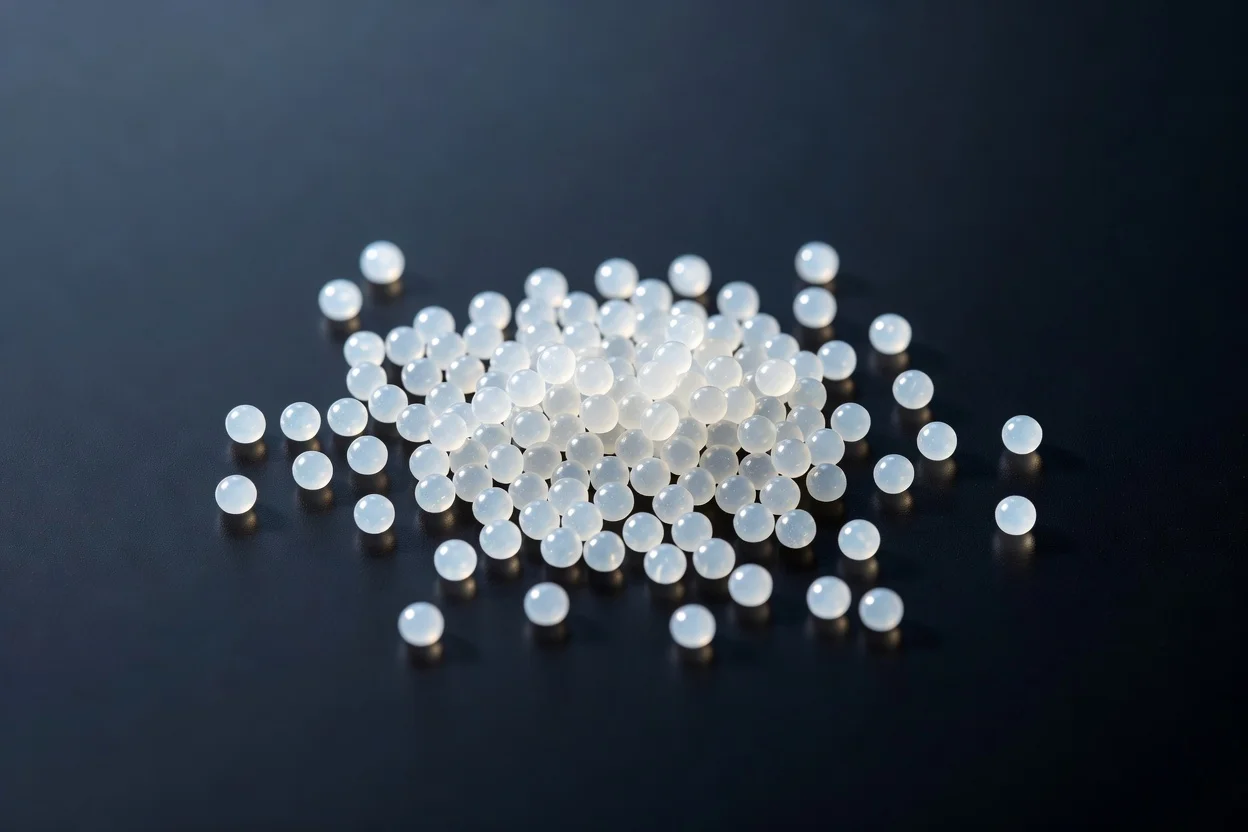
Polyvinylidene fluoride (PVDF) is a semi-crystalline fluoropolymer valued for its combination of chemical inertness, mechanical toughness, thermal stability, electrical properties, and processability. It occupies an important position in the plastics value chain because it bridges conventional thermoplastic processing with high-performance end uses in chemical equipment, membranes, wire and cable, energy storage, and advanced functional devices.
PVDF is produced by polymerizing vinylidene fluoride monomer and is available in homopolymer and copolymer grades, with formulation choices tailored to flexibility, crystallinity, piezoelectric response, and processing behavior. Its commercial importance has expanded beyond traditional fluoropolymer applications into lithium-ion batteries, separation membranes, sensors, and architectural coatings, while sustainability discussions increasingly focus on fluorinated-feedstock sourcing, energy-intensive production, and end-of-life management.
History and Development
PVDF emerged as part of the broader postwar fluoropolymer family, which was developed to exploit the unusually strong carbon-fluorine bond and the resulting resistance to heat, chemicals, and weathering. Industrial adoption accelerated as processors recognized that PVDF could be melt processed more readily than some older fluoropolymers while still delivering very high performance.
Its role broadened significantly once researchers and manufacturers began to exploit the β-phase crystalline structure, which gives PVDF its piezoelectric, pyroelectric, and ferroelectric behavior. That development shifted PVDF from being viewed mainly as a corrosion-resistant engineering resin to a multifunctional material for sensing, energy harvesting, and electroactive membranes.
Chemical Structure and Key Properties
PVDF is the polymer of vinylidene fluoride, with a backbone dominated by alternating methylene and difluoromethylene units. This structure yields a strong dipole moment and a balance of stiffness and flexibility, while the fluorine-rich surface lowers surface energy and increases resistance to solvents, acids, bases, and oxidation.
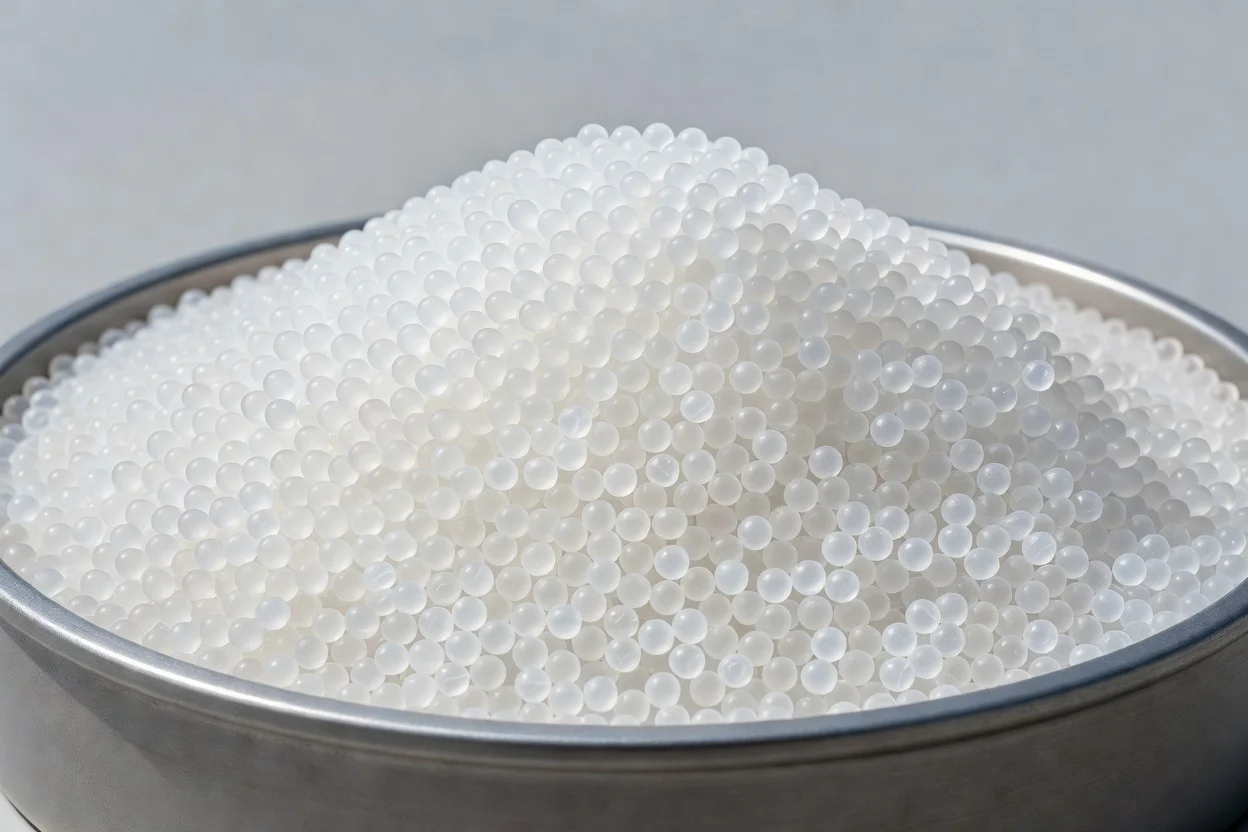
Key properties
| Property | Typical significance |
|---|---|
| Chemical resistance | Suitable for acids, bases, oxidants, halogens, and many organic solvents. |
| Thermal stability | Useful at elevated temperatures; melting point commonly reported around 165–184 C depending on grade and method. |
| Mechanical strength | Combines toughness, abrasion resistance, creep resistance, and useful stiffness. |
| Electrical behavior | High dielectric constant and low dielectric loss support wire insulation, capacitors, and electroactive uses. |
| Weathering resistance | Resistant to UV, ozone, and outdoor exposure. |
| Low surface energy | Promotes release and anti-fouling behavior, but also makes adhesion difficult without treatment. |
Real limits and practical workarounds
- Poor adhesion to paints, inks, and adhesives → caused by low surface energy → workaround: surface treatment such as corona, plasma, etching, or primer systems.
- Limited oxygen and gas-barrier performance compared with dedicated barrier plastics → caused by the polymer’s semi-crystalline fluoropolymer structure and application-specific morphology → workaround: multilayer structures, coatings, or blending with barrier layers in film and membrane systems.
- High density and fluoropolymer cost → caused by fluorinated feedstocks and complex production chains → workaround: use only where corrosion resistance, purity, or durability justify the premium.
Typical property profile versus common fluoropolymers
| Property | PVDF | Typical implication |
|---|---|---|
| Melting point | Lower than ETFE and ECTFE in many data sets | Easier melt processing than some higher-melting fluoropolymers. |
| Dielectric constant | Higher than ETFE and ECTFE | Useful where capacitive or piezoelectric response matters. |
| Chemical resistance | Very high | Strong fit for chemical processing and aggressive environments. |
| Flexibility | Moderate to high depending on grade | Enables films, tubing, and membranes. |
Production Processes and Raw Feedstocks
The principal feedstock is vinylidene fluoride monomer, which is polymerized under controlled pressure and temperature, commonly in aqueous emulsion or suspension systems. Industrial descriptions also note radical initiators, water, dispersing additives, and careful deaeration to remove oxygen before reaction, because oxygen suppresses radical polymerization.
Main industrial routes
- Emulsion polymerization → widely used for fine-particle and aqueous dispersions, especially where film, coating, or battery-binder performance is desired.
- Suspension polymerization → used for resin grades that are subsequently pelletized and melt processed into standard thermoplastic shapes.
- Solution-based finishing or post-processing → used in high-purity or specialty grades, especially for membranes and electronic applications.
Processing characteristics
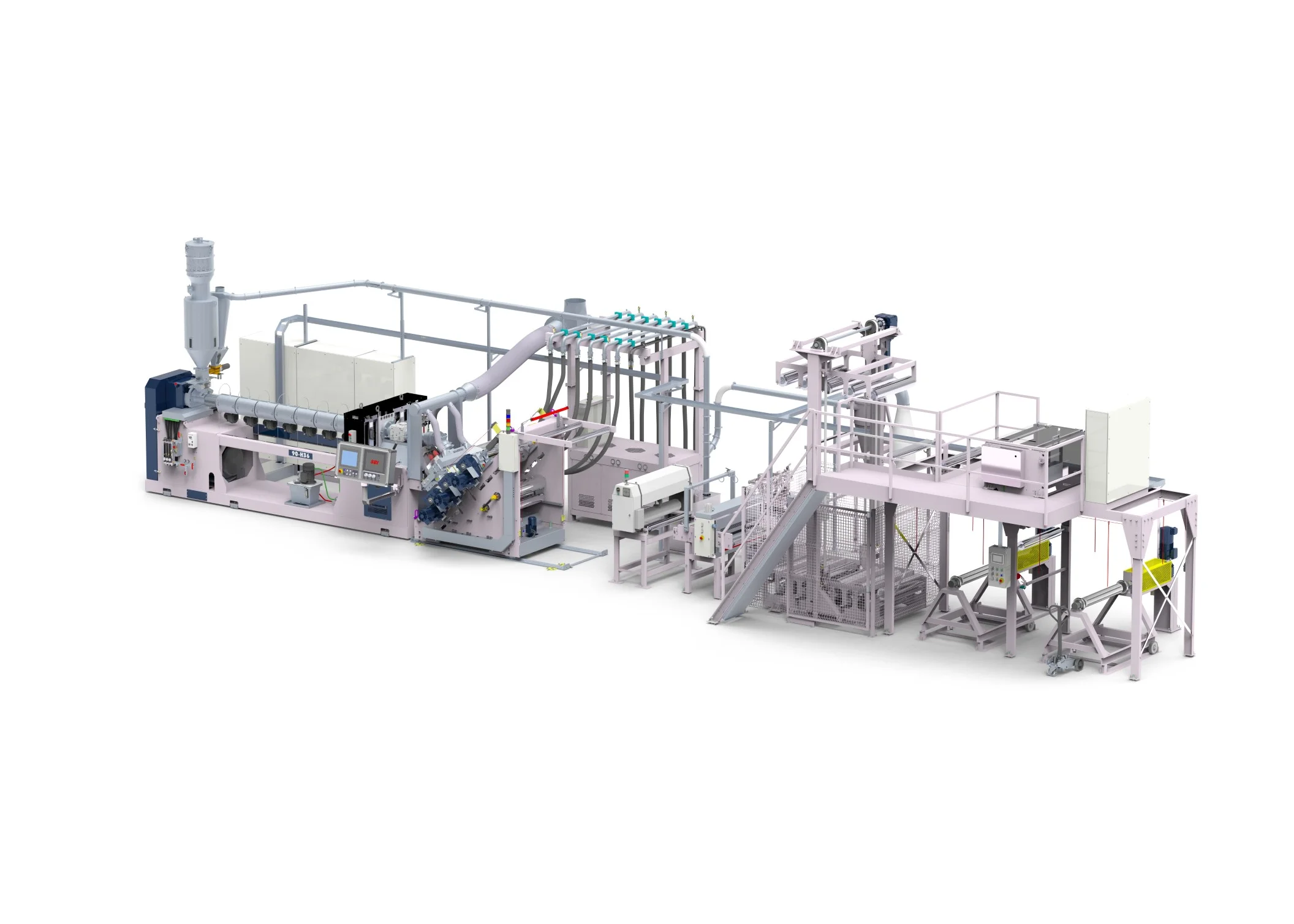
PVDF is a melt-processable fluoropolymer and can be shaped by extrusion, injection molding, blow molding, film casting, and some fiber or membrane routes. Drying is important because moisture can contribute to hydrolytic or processing defects, especially in film and precision parts.
Leading producers and industrial position
PVDF supply is concentrated among large fluorochemicals and specialty polymer producers with integrated upstream fluorine chemistry. Market leadership is generally associated with companies such as Arkema, Solvay, Kureha, 3M-derived legacy capacity in certain fluoropolymer segments, and major Asian fluoropolymer producers; these firms are prominent because PVDF production depends on tightly controlled monomer supply, fluorochemical handling, and high-specification quality control.
Applications and End-Use Markets
PVDF serves both as a traditional engineering plastic and as a functional material with electroactive behavior. Its best-known uses cluster around corrosive-service equipment, membranes, electrical systems, coatings, and energy technologies.
Major applications by grade and process
| End use | Typical PVDF grade | Usual process | Why PVDF is used |
|---|---|---|---|
| Film and coating | Homopolymer or selected copolymer | Melt extrusion, casting, solution coating | Weatherability, chemical resistance, electrical performance. |
| Pipes, valves, linings, fittings | Toughened homopolymer | Extrusion, molding, lining fabrication | Corrosion resistance and purity. |
| Wire and cable insulation | Electrical-grade PVDF | Extrusion | Dielectric strength, flame resistance, thermal stability. |
| Membranes and filters | Fine-particle or specialty membrane grades | Phase inversion, electrospinning, casting | Chemical resistance, controllable porosity, hydrophobicity. |
| Lithium-ion battery binder | High-purity PVDF | Slurry processing | Cohesion, solvent resistance, electrochemical stability. |
| Sensors and actuators | β-phase oriented films or fibers | Stretching, poling, electrospinning | Piezoelectric and pyroelectric response. |
| Architectural and industrial coatings | Copolymers or coating grades | Solution or dispersion coating | UV stability and long outdoor life. |
| Medical and laboratory equipment | High-purity grades | Extrusion, molding, membrane fabrication | Cleanliness, sterilizability, chemical inertness. |
One poor-fit use
PVDF is generally a poor fit for low-cost, large-volume commodity packaging where very low material cost and strong gas-barrier performance dominate the specification. Its premium cost, density, and processing economics make it better suited to high-value technical uses than to commodity film replacement.
Notable functional examples
- In lithium-ion batteries, PVDF binder levels are typically only a few weight percent in the electrode slurry, but the polymer is critical because it helps maintain adhesion between active particles, conductive carbon, and the current collector.
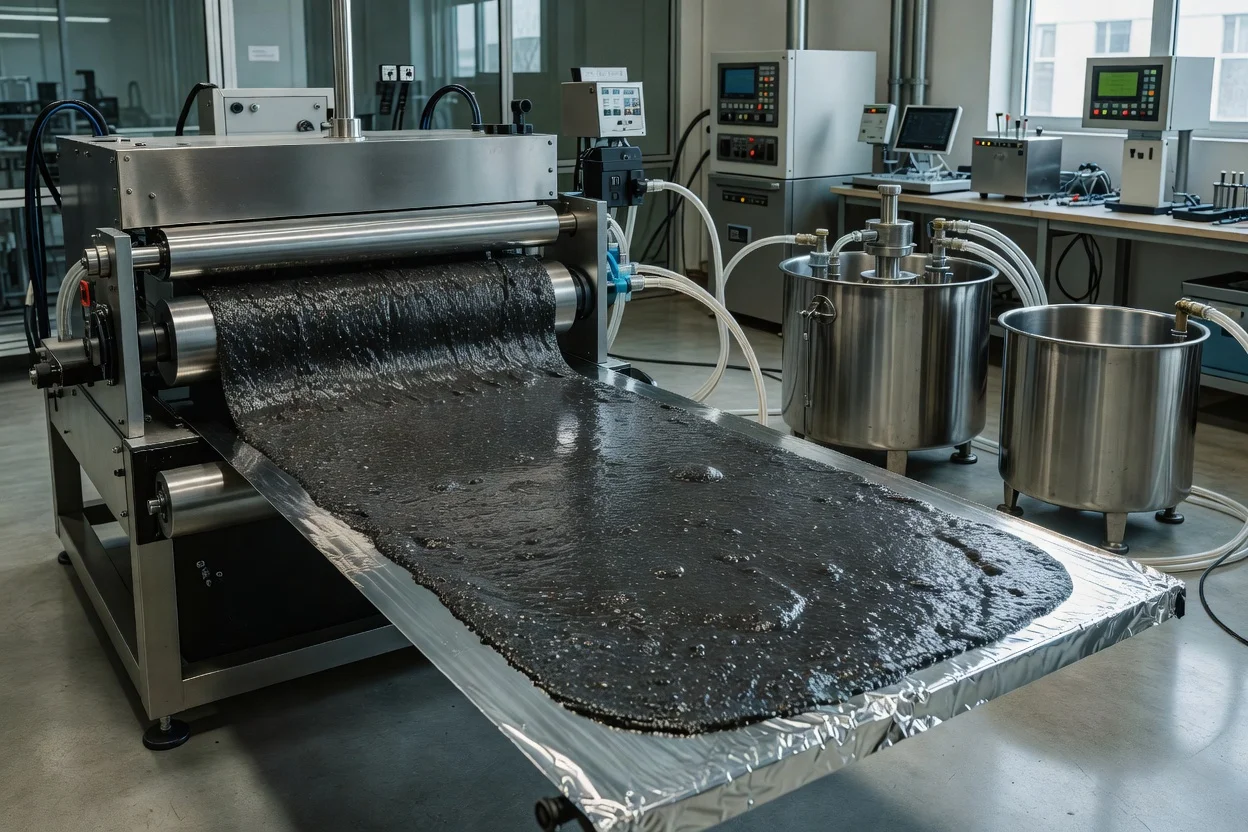
- In piezoelectric devices, PVDF performance improves when processing promotes the β-phase crystal form; techniques such as stretching, electrospinning, or poling are used to align dipoles and increase electromechanical response.
Environmental and Sustainability Aspects
PVDF’s durability is both its environmental strength and its challenge. Long service life reduces replacement frequency in corrosive or outdoor applications, but fluoropolymer production depends on fluorinated chemistry that is energy- and resource-intensive.
Recyclability and end of life
Mechanical recycling is technically possible for clean, single-polymer scrap, but it is limited by collection quality, contamination, and the relatively small, dispersed volumes of many PVDF applications. In practice, closed-loop recovery is more feasible in industrial scrap streams than in mixed post-consumer waste.
Bio-based alternatives and substitution
There is no direct bio-based equivalent that reproduces PVDF’s full combination of chemical resistance, electroactivity, and thermal performance. In lower-demand applications, other polymers may substitute on cost or sustainability grounds, but substitution usually involves compromises in either corrosion resistance, temperature capability, or electrical behavior.
Carbon footprint considerations
PVDF’s carbon footprint is shaped by upstream fluorochemical production, monomer synthesis, and energy-intensive purification. This makes material efficiency, long service life, and targeted use especially important from a lifecycle perspective.
Regulatory and perception issues
Fluoropolymer markets operate under increasing scrutiny related to broader PFAS policy debates, even though high-molecular-weight fluoropolymers such as PVDF differ substantially from low-molecular-weight surfactants and processing aids in mobility and exposure behavior. This distinction is central to technical and regulatory discussions, but scrutiny is likely to remain high across the fluorochemical value chain.
Economic and Global Market Impact
PVDF is a high-value specialty polymer, not a commodity resin. Demand is heavily influenced by chemical processing, energy storage, water treatment, and electronics rather than by general packaging or consumer goods.
Market drivers
- Expansion of lithium-ion battery production and electrode manufacturing.
- Growth in corrosion-resistant chemical equipment and industrial infrastructure.
- Increasing use in membranes for filtration, water treatment, and separation processes.
- Rising demand for high-performance coatings and outdoor building materials.
Supply chain characteristics
PVDF economics are closely linked to fluorine supply, monomer availability, and plant integration. Because product quality is highly specification-sensitive, producers compete on purity, particle morphology, consistency, and application support rather than only on price.
Market position of leading producers
The leading global producers tend to be vertically integrated fluorochemical groups with established monomer access and specialty-polymers expertise. Their position is reinforced by the technical barriers to entry: safe handling of fluorinated intermediates, high-capital reactors, and application qualification cycles in batteries, aerospace, and chemical processing.
Current Challenges and Innovations
PVDF development is currently shaped by the need to improve performance while reducing environmental and process burdens.
Main challenges
- Adhesion and compatibility with other materials remain weak without surface activation or primers.
- Cost and supply volatility remain important because the value chain depends on fluorochemical intermediates.
- Sustainability pressure is increasing across the fluoropolymer sector, especially for end-of-life and upstream emissions.
- Crystallinity control is essential in electroactive applications, making processing more complex than for standard thermoplastics.
Active innovation areas
- High-purity PVDF for batteries and electronic materials, with tighter control over residuals and particle morphology.
- Membrane engineering, including electrospun nanofibers and tailored porosity for filtration and desalination.
- Piezoelectric enhancement through phase control, stretching, and nanocomposites.
- Lower-temperature or more efficient processing to reduce energy use and improve film and coating throughput.
- Recycling and circularity trials aimed at recovering clean industrial scrap and reusing off-spec material where properties can be retained.
Future Outlook
PVDF is likely to remain strategically important wherever chemical resistance, electrical functionality, and long service life justify a premium polymer. Its strongest future growth prospects are in batteries, membranes, precision coatings, and specialized industrial systems rather than in traditional bulk plastics markets.
The most important technical direction is likely to be property specialization: higher-purity grades for electrochemistry, better-controlled morphology for membranes, and engineered crystalline phases for sensing and energy harvesting. At the same time, the material’s future will depend on how the industry addresses fluorochemical sustainability, regulatory pressure, and recycling feasibility across a fragmented end-use base.
Summary
PVDF is a high-performance fluoropolymer distinguished by chemical resistance, thermal stability, mechanical durability, and unusual electroactive properties. It is produced mainly through controlled radical polymerization of vinylidene fluoride and processed by standard thermoplastic routes, but its premium performance places it in specialized markets such as chemical equipment, membranes, batteries, coatings, and sensors.
Its central trade-off is clear: PVDF delivers exceptional service life and functionality, yet it carries higher cost, more complex production, and stronger sustainability scrutiny than commodity plastics.
References
- •
Brief review of PVDF properties and applications potential. (2022, November 8).Link
- •
Polyvinylidene fluoride (PVDF): Properties, processing & applications. (2026, April 27).Link
- •
Polyvinylidene fluoride (PVDF): Properties, applications.... (2026, April 23).Link
- •
Comprehensive guide to polyvinylidene fluoride (PVDF). (2025, February 28).Link
- •
Polyvinylidene fluoride. (2003, November 19). In Wikipedia.Link
- •
PVDF material properties data sheet. (n.d.).Link
- •
Properties and uses of polyvinylidene fluoride. (2024, June 25).Link
- •
PVDF-polyvinylidene fluoride. (2025, January 10).Link
- •
The applications of PVDF. (2023, August 25).Link
- •
Polyvinylidene fluoride: Reaction engineering and applications. (n.d.).Link
- •
PVDF composite nanofibers applications. (2022, November 15).Link
- •
Properties and common industrial applications of polyvinyl fluoride (PVF) and polyvinylidene fluoride (PVDF). (2018, August 1).Link
- •
Polyvinylidene fluoride as an advanced polymer for.... (2025, January 1).Link
- •
What is polyvinylidene fluoride (PVDF): A full overview. (2024, October 18).Link
- •
[PDF] Polyvinylidene fluoride for high purity water.... (n.d.).Link
- •
Understanding the manufacturing process of PVDF. (2025, January 1).Link
- •
Polyvinylidene fluoride—An overview. (n.d.).Link
- •
A comprehensive review on fundamental properties and applications of poly(vinylidene fluoride) (PVDF). (n.d.).Link
- •
Market dynamics and outlook. (2026, May 3).Link
- •
7.2 Recycling PVDF. (n.d.).Link
- •
Polyvinylidene difluoride fluoropolymer. (n.d.).Link
- •
Future prospects and recent developments of polyvinylidene fluoride.... (2023, January 9).Link
- •
PVDF high purity grade: Advanced manufacturing, characterization.... (n.d.).Link
- •
Composites, fabrication and application of polyvinylidene fluoride for flexible electromechanical devices: A review. (2020, December 3).Link
- •
Exploring the properties and applications of polyvinylidene fluoride.... (2024, March 26).Link
- •
Polyvinylidene fluoride, an advanced futuristic smart polymer material: A comprehensive review. (n.d.).Link
- •
Polyvinylidene difluoride polymer: Comprehensive analysis of.... (n.d.).Link
- •
Materials overview—PVDF properties. (2017, February 13).Link
- •
Process for making thermally stable PVDF. (2004, February 13).Link
- •
Polyvinylidene difluoride: Comprehensive analysis of.... (n.d.).Link
- •
Polyvinylidene fluoride (PVDF): Properties and applications of this.... (2024, December 16).Link
- •
PVDF film: Comprehensive analysis of properties, manufacturing.... (n.d.).Link
- •
Vinylidene fluoride polymer and method of making same. (2006, January 7).Link
- •
PVDF GP [PDF]. (2026, February 24).Link
- •
Physicochemical and mechanical properties of polyvinylidene fluoride nanofiber membranes. (n.d.).Link
- •
Polyvinylidene fluoride—An overview. (2022, October 28).Link
- •
Process for the production of vinylidene fluoride polymer. (2003, July 4).Link