
Introduction
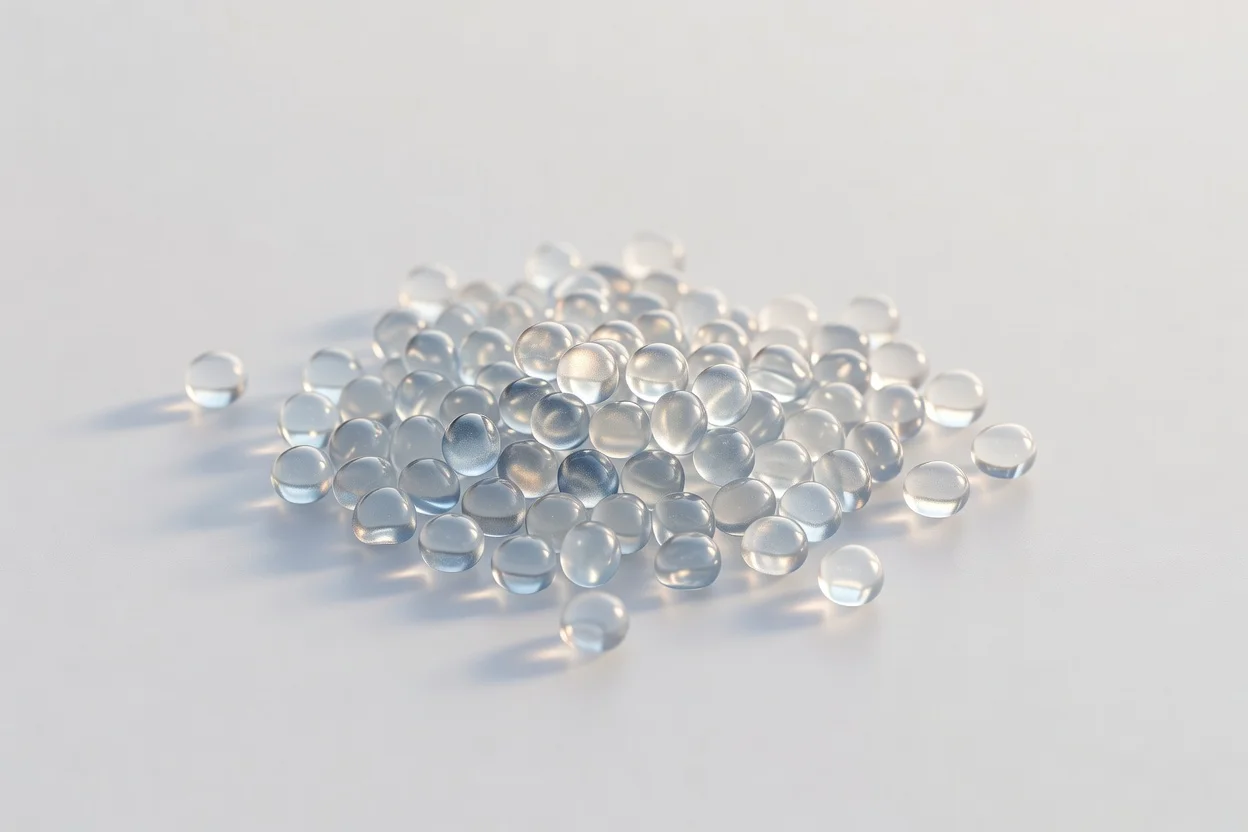
Polyurethane thermoplastics are commonly referred to as thermoplastic polyurethanes (TPU), a family of melt-processable polyurethane elastomers that combine rubber-like elasticity with thermoplastic reprocessability. They occupy an important niche in the plastics industry because they can be molded, extruded, and recycled like a thermoplastic while still delivering high abrasion resistance, toughness, flexibility, and good low-temperature performance.
Within the broader polyurethane universe, TPU is the thermoplastic branch, in contrast to the many polyurethane materials that cure irreversibly as thermosets. The material’s performance comes from a segmented block-copolymer structure: flexible soft segments provide elasticity, while hard segments create physical crosslinks that contribute strength, dimensional stability, and tear resistance.
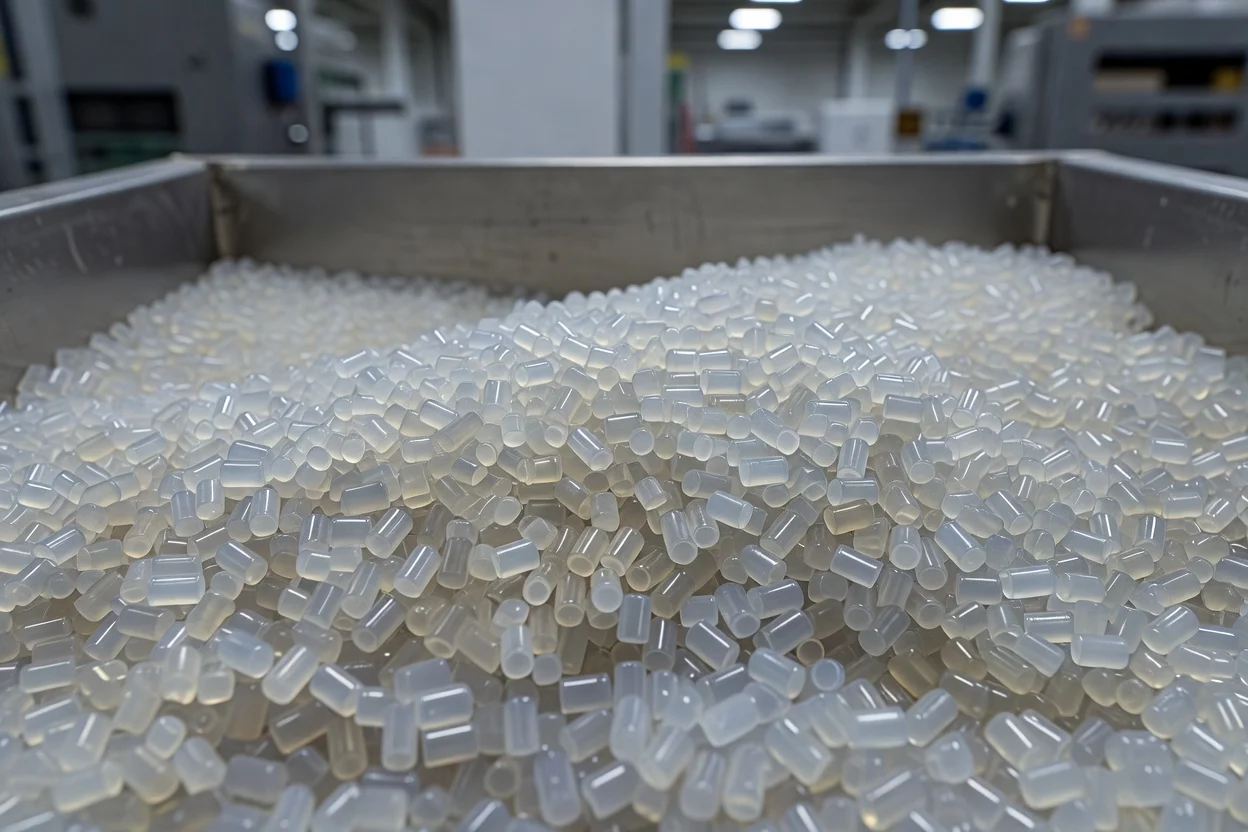
TPU has developed into a highly versatile platform material with multiple chemistry families, most notably polyester-based, polyether-based, and polycaprolactone-based grades, each balancing hydrolysis resistance, flexibility, and processability differently. This tunability has made TPU central to products ranging from footwear, cable jacketing, hoses, seals, and films to medical tubing, wearables, protective skins, and industrial components.
Sustainability remains a defining issue for TPU. The material is mechanically durable and recyclable in principle through mechanical reprocessing, but it still depends heavily on petrochemical feedstocks and, in many grades, on isocyanate chemistry with associated environmental and occupational controls. Current innovation is therefore concentrated on bio-based polyols, lower-carbon production routes, recycling-compatible formulations, and TPU systems designed for longer service life and easier recovery.
History and Development
Polyurethanes were first developed in the 1930s, and TPU emerged as one of the earliest elastomeric polyurethane forms that could be processed by thermoplastic methods. Its significance grew as the plastics industry sought materials that could replace rubber in demanding applications without requiring the slower curing cycles typical of conventional elastomers.
The commercial expansion of TPU followed improvements in diisocyanate chemistry, polyol selection, and reactive processing control, which made it possible to tailor hardness, elasticity, and thermal behavior over a wide range. As a result, TPU evolved from a specialty elastomer into a major engineering material used across consumer goods, automotive, medical, and industrial segments.
Chemical Structure and Key Properties (Technical Overview)
TPU is a segmented block copolymer formed by the reaction of a diisocyanate with one or more diols, typically including a long-chain polyol and a short-chain chain extender. This architecture produces microphase separation between soft and hard domains, which is the molecular basis for TPU’s unusual combination of elasticity and strength.
Structure-property relationship
- Soft segments increase flexibility, elongation, and low-temperature performance.
- Hard segments increase modulus, hardness, tear strength, and heat resistance through hydrogen bonding and physical aggregation.
- Increasing hard-segment content generally raises tensile strength and stiffness, while increasing soft-segment content improves extensibility and softness.
Typical property profile
| Property | Typical TPU range or behavior |
|---|---|
| Elasticity | High, rubber-like recovery |
| Tensile strength | Often reported in the tens of MPa, depending on grade and formulation |
| Elongation at break | Frequently several hundred percent, with many grades reaching 300% to 600% or more |
| Hardness | Broadly adjustable from soft elastomeric grades to much harder engineering grades |
| Low-temperature performance | Strong relative to many plastics and rubbers |
| Abrasion resistance | Excellent |
| Oil and grease resistance | Generally good to excellent, especially versus many elastomers |
Real limitations and practical workarounds
- Poor oxygen and grease barrier performance → TPU is not intrinsically a high-barrier packaging polymer → Workaround: use multilayer structures, barrier coatings, or blend/laminate TPU with barrier materials when barrier performance is required.
- Low surface energy before treatment → some TPU grades can be difficult to bond, print, or coat without surface activation → Workaround: corona treatment, plasma treatment, primers, or compatible tie layers improve adhesion.
- Hydrolysis sensitivity in some chemistries → polyester-based TPU can be more vulnerable to moisture and heat over time → Workaround: select polyether- or polycarbonate-based grades for humid or hydrolytic environments.
Production Processes and Raw Feedstocks
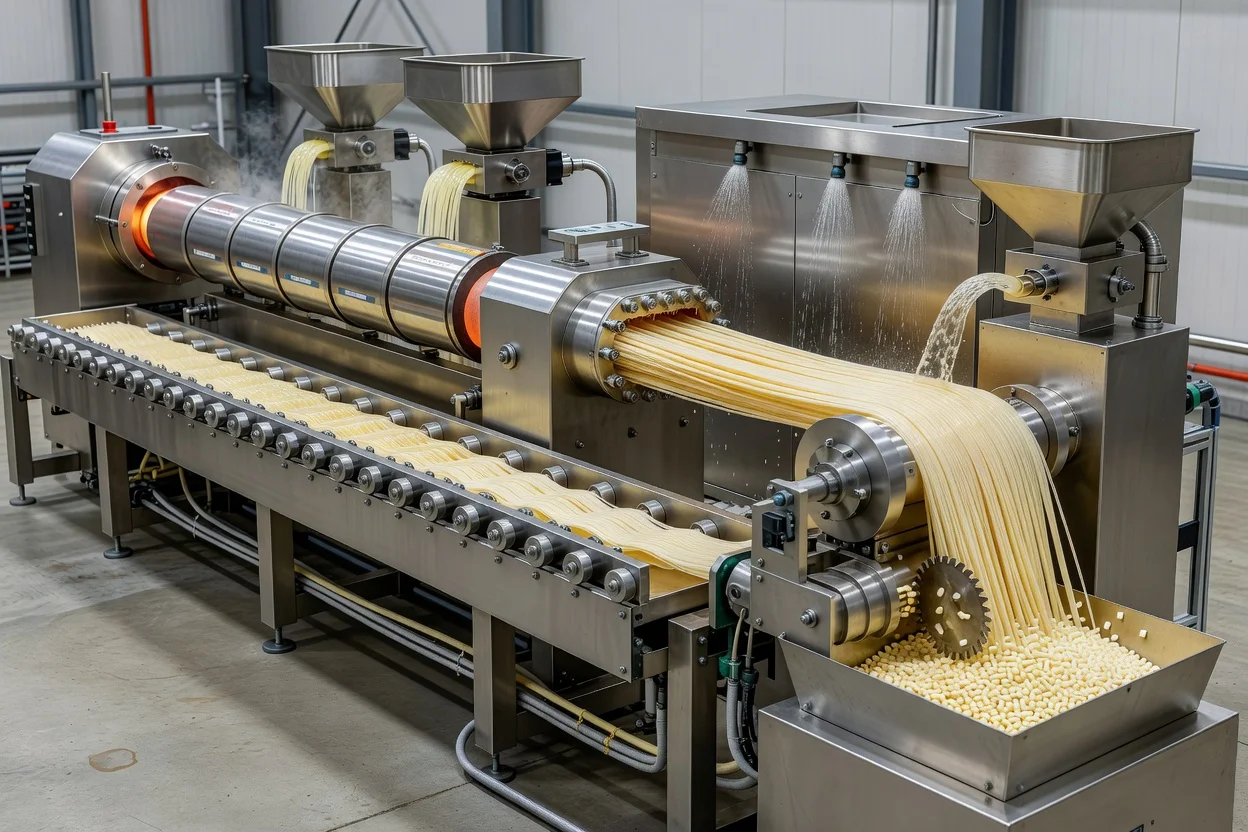
TPU is produced through controlled polyaddition chemistry using diisocyanates, polyols, and chain extenders. The exact monomer combination determines the balance between soft and hard segments and therefore the final performance profile.
Main raw-material families
- Diisocyanates: commonly aromatic or aliphatic isocyanates, chosen for reactivity, color stability, and end-use requirements.
- Polyols: polyester polyols, polyether polyols, or polycarbonate polyols, each giving different hydrolysis resistance, flexibility, and thermal durability.
- Chain extenders: low-molecular-weight diols that sharpen hard-segment formation and increase mechanical strength.
Common manufacturing routes
- Bulk or prepolymer processes for tightly controlled molecular architecture.
- Reactive extrusion for continuous compounding and efficient scale-up.
- Solution-based routes for specialized coatings, films, and medical applications.
- Melt processing after pelletization, which enables conventional thermoplastic conversion methods.
Leading producers and industry position
The TPU market includes major global polyurethane and engineering polymer producers such as Covestro, Huntsman, BASF, Lubrizol, and Hexpol, all of which are associated with broad grade portfolios and strong downstream application support. These companies are especially influential in high-performance TPU segments such as medical tubing, industrial hose, automotive films, and specialty elastomers.
Applications and End-Use Markets
TPU’s value lies in the combination of elasticity, toughness, processability, and wear resistance, which makes it a strong choice wherever rubber-like behavior is needed in a thermoplastic processing window.
Major sectors and typical grade/process fit
| End-use sector | Typical TPU grade | Usual process | Why TPU fits |
|---|---|---|---|
| Footwear | Soft to medium-hard TPU | Injection molding, extrusion | Abrasion resistance, flexibility, resilience |
| Films and laminates | Transparent or aliphatic TPU | Cast film, extrusion, coating | Clarity, toughness, weathering resistance |
| Cable and wire | Flexible TPU | Extrusion | Abrasion resistance, flexibility, good jacket performance |
| Automotive | Medium- to high-hardness TPU | Injection molding, extrusion, film lamination | Wear resistance, tactile quality, protective function |
| Industrial hose and tubing | Flexible TPU | Extrusion | Kink resistance, abrasion resistance, chemical resistance |
| Medical tubing and devices | Medical-grade TPU | Extrusion, injection molding | Flexibility, transparency, biocompatibility support |
| Sports and leisure | Elastomeric TPU | Injection molding, overmolding | Impact resistance, grip, durability |
| 3D printing | Filament-grade TPU | Filament extrusion, fused filament fabrication | Flexibility and layer adhesion |
| Wearables and electronics | Soft to medium grades | Injection molding, overmolding | Comfort, surface quality, impact resistance |
| Geomembrane and specialty sheets | Tough TPU sheet grades | Sheet extrusion, lamination | Puncture and abrasion resistance |
Key application notes
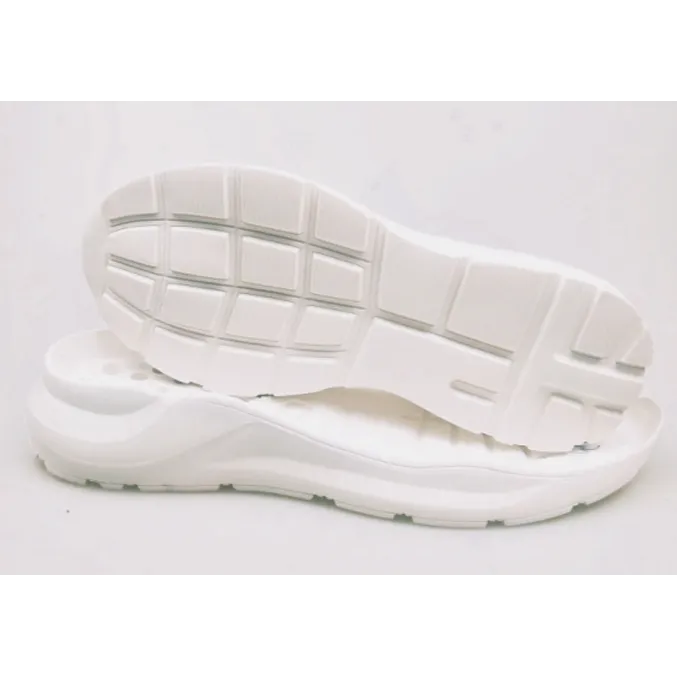
- Footwear: TPU is widely used for soles, midsoles, heel inserts, and wear-resistant components because it combines comfort with high abrasion resistance.
- Films: TPU films are used in protective films, membranes, and laminates where elasticity and surface durability matter more than high barrier performance.
- Cables and hoses: TPU is favored for jackets and hose covers because it resists abrasion, oils, and repeated flexing.
- Medical: TPU appears in tubing, catheters, wound-care products, and coated devices because it can be engineered for softness, clarity, and compatibility with sterilization requirements.
- Automotive: TPU is used in interior soft-touch parts, protective skins, and paint-protection films, especially where appearance and scratch resistance are important.
- Poor-fit use: TPU is generally a poor substitute for high-barrier packaging films because it does not deliver strong oxygen-barrier performance on its own and is usually chosen for mechanical performance rather than gas barrier.
Environmental and Sustainability Aspects
TPU presents a mixed sustainability profile. On one hand, it is durable, lightweight, and often long-lasting, which can reduce replacement frequency and material use over the product life cycle. On the other hand, most TPU remains tied to petrochemical feedstocks and conventional polyurethane chemistry, which carries carbon-intensity and end-of-life challenges.
Recyclability and circularity
- TPU is thermoplastic, so it can be remelted and reprocessed, which supports mechanical recycling in clean, well-sorted streams.
- In practice, TPU recycling is limited by contamination, mixed-material products, additive packages, and performance loss after repeated heat history.
- Design-for-recycling strategies increasingly emphasize mono-material constructions, reversible bonding, and easier separation from textile or multilayer assemblies.
Bio-based and lower-carbon alternatives
- Bio-based polyols are a major route to lowering fossil content in TPU formulations.
- Recycled feedstocks and mass-balance approaches are being explored to reduce cradle-to-gate emissions.
- Lower-VOC and solvent-reduced processing routes are also important in coated-film and adhesive applications.
Trade-offs
- Longer service life and wear resistance can improve sustainability by delaying replacement.
- However, TPU is not inherently biodegradable in conventional use conditions, and “biobased” does not automatically mean “compostable” or “lower impact” in every system.
- The most credible sustainability gains come from longer product life, cleaner recycling streams, and lower-carbon precursor chemistry rather than from material substitution alone.
Economic and Global Market Impact
TPU is a value-added engineering polymer rather than a commodity resin, so its economics are shaped less by bulk tonnage and more by performance-critical applications, customization, and technical service. Demand is supported by footwear, industrial protection, automotive surfaces, medical devices, and consumer electronics, all of which value TPU’s balance of aesthetics and durability.
Recent industry analyses commonly describe TPU as a growth segment within thermoplastic elastomers, driven by premium footwear, wearables, protective films, medical tubing, and industrial abrasion-resistant parts. Market concentration is moderate to high in specialty grades, where leading producers compete on consistency, regulatory support, and formulation expertise rather than only on price.
Regional growth has been strongest where downstream manufacturing is concentrated, particularly in Asia-Pacific for footwear and electronics, Europe for high-performance engineering applications, and North America for medical, industrial, and protective-film uses. TPU pricing is sensitive to isocyanate and polyol costs, energy prices, and tightening environmental compliance around polyurethane intermediates.
Current Challenges and Innovations
Main challenges
- Recycling complexity: TPU often appears in composite or bonded products that are hard to separate.
- Feedstock dependence: conventional TPU remains strongly linked to fossil-based chemistry.
- Processing sensitivity: moisture control is important because residual water can affect molecular weight and cause defects.
- Hydrolysis and weathering: certain grades require careful chemistry selection for humid, hot, or outdoor environments.
Innovation directions
- Bio-based TPU: replacing part of the polyol fraction with renewable inputs.
- Recycling-compatible TPU: formulations engineered to tolerate reprocessing with lower property loss.
- High-performance transparent grades: especially aliphatic TPU for films, optics, and protective surfaces.
- Medical TPU advancement: tighter control of extractables, sterilization resistance, and long-term biostability.
- Additivation and compounding: UV stabilizers, hydrolysis stabilizers, flame-retardant packages, and antimicrobial systems tailored for specific uses.
Chemical and dosage examples
- 0.3–1.0 phr hydrolysis stabilizer package is often used in moisture-exposed TPU systems; the mechanism is to suppress chain scission from water-assisted ester cleavage in vulnerable polyester-based grades.
- 0.5–2.0 wt% UV stabilizer or HALS package is commonly used in outdoor TPU films and parts; the mechanism is radical scavenging and delayed photo-oxidation, improving weathering resistance.
Future Outlook
TPU is likely to remain strategically important because it sits at the intersection of elastomer performance, thermoplastic processing, and design flexibility. Future growth is expected to be driven by premium protective films, advanced footwear, lightweight mobility components, medical consumables, and wearable electronics.
The most significant technical direction is not replacement of TPU’s core chemistry, but refinement of its feedstocks, lifecycle performance, and recyclability. Producers are likely to emphasize lower-carbon inputs, more consistent circularity, and grades optimized for disassembly and reprocessing. In parallel, formulation work will continue to expand the property window of TPU, especially for transparency, hydrolysis resistance, and performance under repeated stress.
Summary
Polyurethane thermoplastics are a major class of thermoplastic elastomers that combine the resilience of rubber with the reprocessability of plastics. Their segmented chemistry enables broad tailoring across hardness, flexibility, and durability, which explains their strong presence in footwear, films, cables, medical devices, automotive parts, and industrial products.
Their principal limitations are equally important: barrier performance is modest, some chemistries are moisture-sensitive, and the material is still largely fossil-based. As a result, the future of TPU will depend on cleaner feedstocks, better recycling design, and continued innovation in high-performance grades that justify the material’s premium position in the plastics value chain.
References
- •
Thermoplastic Polyurethanes (TPU): How to select the right grade? (2025, July 8). SpecialChem. https://www.specialchem.com/plastics/guide/thermoplastic-polyurethanes-tpuLink
- •
Thermoplastic polyurethane. (2008, September 26). In Wikipedia. https://en.wikipedia.org/wiki/Thermoplastic_polyurethaneLink
- •
TPU: What it is, properties and industrial uses. (2026, January 29). Corti Srl. https://corti-srl.it/en/tpu-thermoplastic-polyurethane-properties-and-applications-in-industrial-moulding/Link
- •
Reactive extrusion and.... (n.d.). Eureka PatSnap. https://eureka.patsnap.com/materials/polyurethane-thermoplasticLink
- •
What is TPU and when should you use it? (n.d.). Protolabs Network. https://www.hubs.com/knowledge-base/what-is-tpu-and-when-should-you-use-it/Link
- •
Thermoplastic polyurethane material: Comprehensive analysis of.... (n.d.). Eureka PatSnap. https://eureka.patsnap.com/materials/thermoplastic-polyurethaneLink
- •
Thermoplastic polyurethane (TPU). (n.d.). UL Prospector. https://www.ulprospector.com/plastics/en/generics/54Link
- •
TPU technical data sheet (TDS). (n.d.). IEMAI3D. https://www.iemai3d.com/wp-content/uploads/2020/12/TPU_TDS.pdfLink
- •
Polyuréthane thermoplastique : découvrez toutes ses applications. (n.d.). Synthesia. https://blog.synthesia.com/fr/polyurethane-thermoplastique-decouvrez-toutes-ses-applicationsLink
- •
Thermoplastic polyurethane: Comprehensive analysis of.... (2026, April 22). Eureka PatSnap. https://eureka.patsnap.com/materials/thermoplastic-polyurethane-analysisLink
- •
Thermoplastic polyurethanes: Synthesis, fabrication techniques, blends, composites, and applications. (n.d.). Springer. https://link.springer.com/article/10.1007/s10853-023-09077-zLink
- •
Thermoplastic polyurethane (TPU): The basics. (2021, November 15). Optinova. https://optinova.com/news/thermoplastic-polyurethane-tpu-the-basics/Link
- •
Thermoplastic polyurethane, do you know all its applications? (n.d.). Synthesia. https://blog.synthesia.com/en/thermoplastic-polyurethane-do-you-know-all-its-applicationsLink
- •
One-shot synthesis of thermoplastic polyurethane based on.... (2022, October 12). PMC. https://pmc.ncbi.nlm.nih.gov/articles/PMC9610669/Link
- •
Thermoplastic polyurethane: Comprehensive analysis of molecular.... (n.d.). Eureka PatSnap. https://eureka.patsnap.com/materials/thermoplastic-polyurethane-designLink
- •
Polyurethane structure - An overview. (n.d.). ScienceDirect. https://www.sciencedirect.com/topics/engineering/polyurethane-structureLink
- •
Thermoplastic polyurethane polymer: Comprehensive analysis of.... (n.d.). Eureka PatSnap. https://eureka.patsnap.com/materials/thermoplastic-polyurethane-polymerLink
- •
What is TPU. (2024, July 4). Hexpol. https://www.hexpol.com/tpe/resources/tpe-academy/what-is-tpe/what-is-tpu/Link
- •
Synthesis of thermoplastic polyurethane and its physical and shape memory properties. (n.d.). Wiley. https://onlinelibrary.wiley.com/doi/pdf/10.1002/app.24335Link
- •
A guide to thermoplastic polyurethanes (TPU). (n.d.). Aerospheres. https://www.aerospheres.com/Assets/Documents/Huntsman%20PU_Elastomers_Guide_to_TPU.pdfLink
- •
TPU elastomer benefits and applications. (n.d.). Protolabs. https://www.protolabs.com/materials/tpu/Link
- •
Polyurethane. (2002, April 9). In Wikipedia. https://en.wikipedia.org/wiki/PolyurethaneLink
- •
Thermoplastic polyurethane industrial applications. (n.d.). Eureka PatSnap. https://eureka.patsnap.com/materials/tpu-industrial-applicationsLink
- •
Poliuretano termoplástico. (2008, May 8). In Wikipedia. https://es.wikipedia.org/wiki/Poliuretano_termopl%C3%A1sticoLink
- •
Recent advances in thermoplastic polyurethane-based composites.... (n.d.). ScienceDirect. https://www.sciencedirect.com/science/article/abs/pii/S1226086X25006148Link
- •
Urethane polymers. (n.d.). Wiley. https://onlinelibrary.wiley.com/doi/abs/10.1002/0471238961.2118052021121809.a01.pub2Link
- •
Investigating physio-thermo-mechanical properties of polyurethane and thermoplastics nanocomposite in various applications. (2021, July 27). PMC. https://pmc.ncbi.nlm.nih.gov/articles/PMC8347130/Link
- •
Tunable structure and properties of segmented thermoplastic.... (2019, November 20). NIH. https://pmc.ncbi.nlm.nih.gov/articles/PMC6960985/Link
- •
A comprehensive review of polyurethane: Properties, applications.... (n.d.). ScienceDirect. https://www.sciencedirect.com/science/article/abs/pii/S0032386125003477Link
- •
Polyurethane: Thermoset vs thermoplastic. (2025, December 29). PSI Urethanes. https://psiurethanes.com/is-polyurethane-thermoset-or-thermoplastic/Link
- •
Use of thermoplastic polyurethanes for applications subject to significant everyday stress. (2019, August 30). Google Patents. https://patents.google.com/patent/WO2020048881A1/enLink
- •
Melt extrusion technologies. (n.d.). Eureka PatSnap. https://eureka.patsnap.com/materials/tpu-film-engineeringLink
- •
What is thermoplastic polyurethane? (2017, June 12). Iconn Systems. https://www.iconnsystems.com/blog/thermoplastic-polyurethaneLink
- •
Polyurethane (PU) polymers: Properties, applications &.... (2026, January 22). Rheolution. https://rheolution.com/application-notes/polyurethane-polymers/Link
- •
List of polyurethane applications. (2010, February 27). In Wikipedia. https://en.wikipedia.org/wiki/List_of_polyurethane_applicationsLink
- •
Thermoplastic polyurethane. (n.d.). Covestro. https://solutions.covestro.com/en/materials/thermoplastic-polyurethaneLink
- •
Thermal and mechanical behavior of new transparent.... (2018, May 16). PMC. https://pmc.ncbi.nlm.nih.gov/articles/PMC6415426/Link
- •
TPU extrusion 3D printing. (2021, October 20). Wevolver. https://www.wevolver.com/article/what-is-tpu-material-in-3d-printing-material-properties-applications-and-technologiesLink
- •
Polyurethane applications. (n.d.). American Chemistry Council. https://www.americanchemistry.com/industry-groups/center-for-the-polyurethanes-industry-cpi/applications-benefits/polyurethane-applicationsLink
- •
Mechanical properties of additively manufactured.... (n.d.). MDPI. https://www.mdpi.com/2073-4360/12/12/3010Link