
Introduction
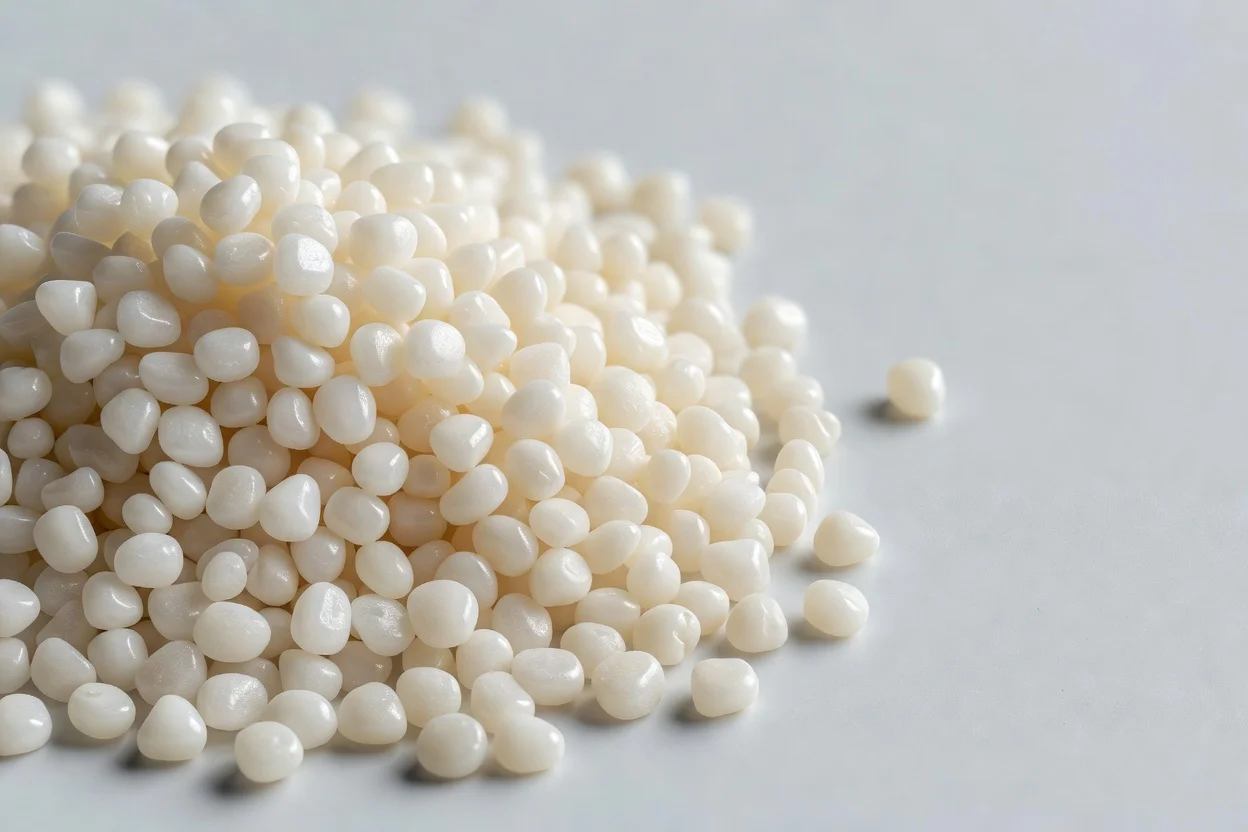
Chlorinated polyethylene (CPE) is a chlorinated derivative of polyethylene that bridges the performance gap between rigid plastics and elastomeric materials. It is used both as a specialty base polymer and as a modifier for PVC and other resins, where it contributes impact resistance, weatherability, flame retardancy, chemical resistance, and low-temperature flexibility.
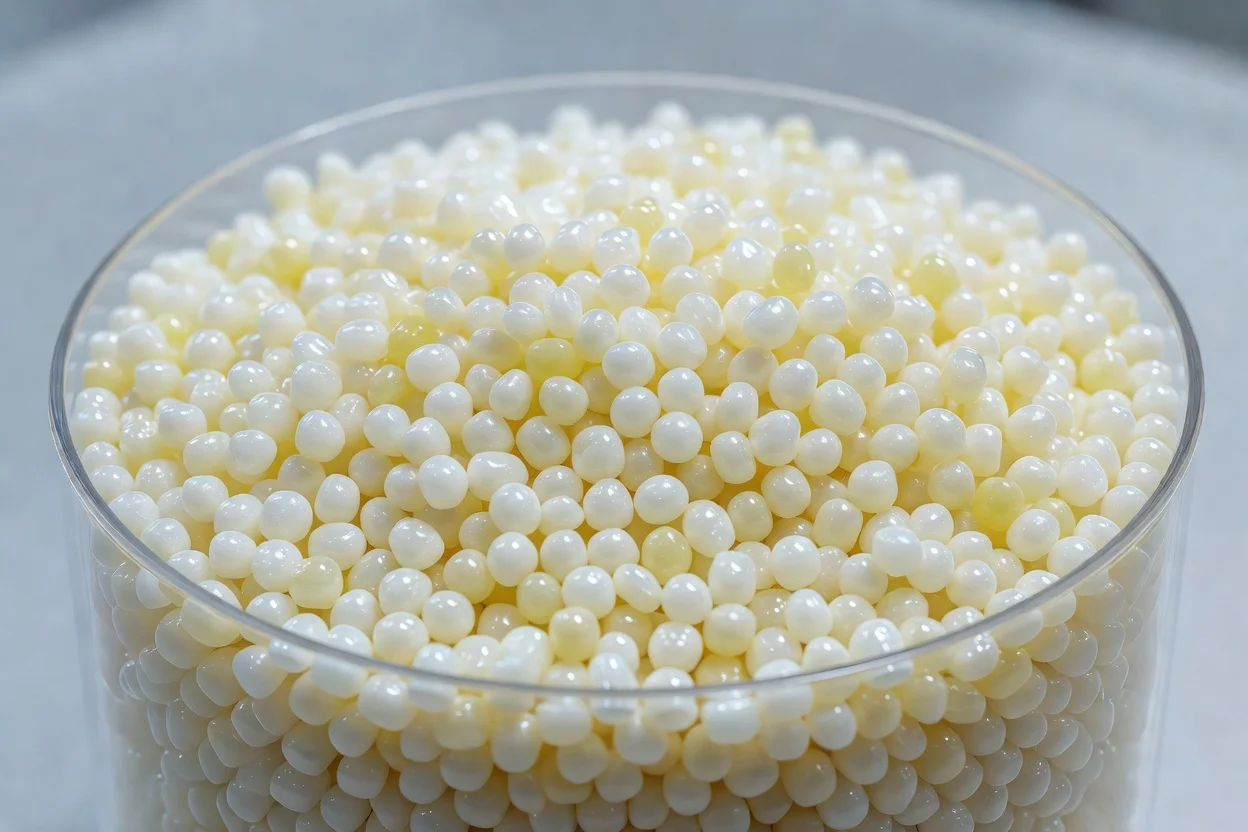
CPE is typically produced by chlorinating high-density polyethylene or related polyethylene feedstocks, and its properties vary significantly with chlorine content, molecular structure, and processing route. Commercial grades commonly fall in the broad range of about 25% to 45% chlorine, with many widely used products clustered around 34% to 44%; within this range, lower chlorination generally favors elasticity and toughness, while higher chlorination usually improves flame retardancy and oil resistance.
Historically, CPE emerged as a durable, cost-effective synthetic material for demanding industrial uses, and it remains important in cable jacketing, roofing and waterproofing membranes, hoses, industrial belts, molded parts, and particularly in PVC impact modification. Modern development work has focused on refining microstructure, blend compatibility, processing stability, and regulatory compliance, while also addressing the material’s place in circular-economy plastics systems.
From a market perspective, CPE is valued because it can deliver a strong balance of performance and cost in harsh-service applications where conventional polyethylenes, plasticized PVC, or general-purpose rubbers may fall short. At the same time, its chlorine content raises sustainability and end-of-life questions that are increasingly shaping material selection, recycling design, and additive formulation strategies.
History and Development
CPE was developed in the mid-20th century as part of broader efforts to chemically modify commodity polyolefins into more durable, weather-resistant materials. Technical literature notes that chlorinated polyethylene polymers were developed by DuPont in the late 1950s through chlorination of polyethylene.
Early adoption centered on electrical insulation, wire and cable jacketing, and toughened PVC compounds, where the material’s unusual combination of rubber-like flexibility and thermoplastic processability created a commercially useful niche. Over time, CPE moved into broader construction, automotive, and industrial markets as producers optimized chlorine content, molecular weight, and compounding packages.
A major reason for its long-lived industrial relevance is that CPE can be tailored across a wide performance window. Lower-chlorine grades are often used as flexible impact modifiers or rubber-like compounds, while higher-chlorine grades are preferred where flame retardancy, chemical resistance, and dimensional stability are more important.
Chemical Structure and Key Properties
CPE is formed by substituting chlorine atoms for a portion of the hydrogen atoms along the polyethylene backbone. This substitution disrupts crystallinity, increases polarity, and reduces chain regularity, which explains much of the material’s shift from a semicrystalline polyolefin toward a more amorphous, elastomer-like polymer.
Structure–property relationship
| Chlorine content | Typical behavior | Common implication |
|---|---|---|
| Lower range | More flexible, tougher, more elastic | Better for rubber modification and low-temperature performance |
| Mid range | Balanced flexibility and rigidity | Useful for general-purpose CPE and PVC compounding |
| Higher range | Greater polarity, flame retardancy, oil resistance | Useful for cable jackets and harsher-service products |
CPE is commonly described as a material with characteristics between plastics and rubber. It is often white or pale yellow, odorless, and non-toxic in standard commercial descriptions, with good compatibility in many blend systems and good resistance to ozone, weathering, acids, alkalis, and oxidative aging.
Important performance limits and practical workarounds
- Poor oxygen and grease barrier → the polyethylene backbone and the material’s blend-oriented design do not create a high barrier structure → use multilayer packaging designs or barrier coextrusion rather than relying on CPE as a stand-alone barrier resin.
- Low surface energy before treatment → like many polyolefin-derived materials, untreated surfaces can show weak ink, coating, or adhesive wetting → apply corona, flame, plasma, primer, or compounding-compatible surface-treatment strategies.
- Property trade-off with chlorination level → higher chlorine content improves flame retardancy and oil resistance but can reduce resilience and cold flexibility → select the chlorine level to match the intended service environment and blend architecture.
Typical formulation examples
- In flame-retardant systems, CPE may be compounded with aluminum hydroxide and antimony-based synergists; the mechanism is typically a combination of heat absorption, dilution of combustible gases, and promotion of char formation or flame suppression in the condensed and gas phases.
- In PVC impact modification, relatively low to moderate dosages are commonly used in practice to improve toughness and low-temperature impact behavior; the mechanism is physical toughening through dispersed elastomeric phases that deflect cracks and absorb impact energy.
Production Processes and Raw Feedstocks
CPE is produced by chlorination of polyethylene, usually starting from high-density polyethylene. The chlorination can be carried out by radical substitution in solution, slurry, or related industrial processes, with the final chlorine level controlled by reaction conditions, feedstock morphology, and post-treatment.
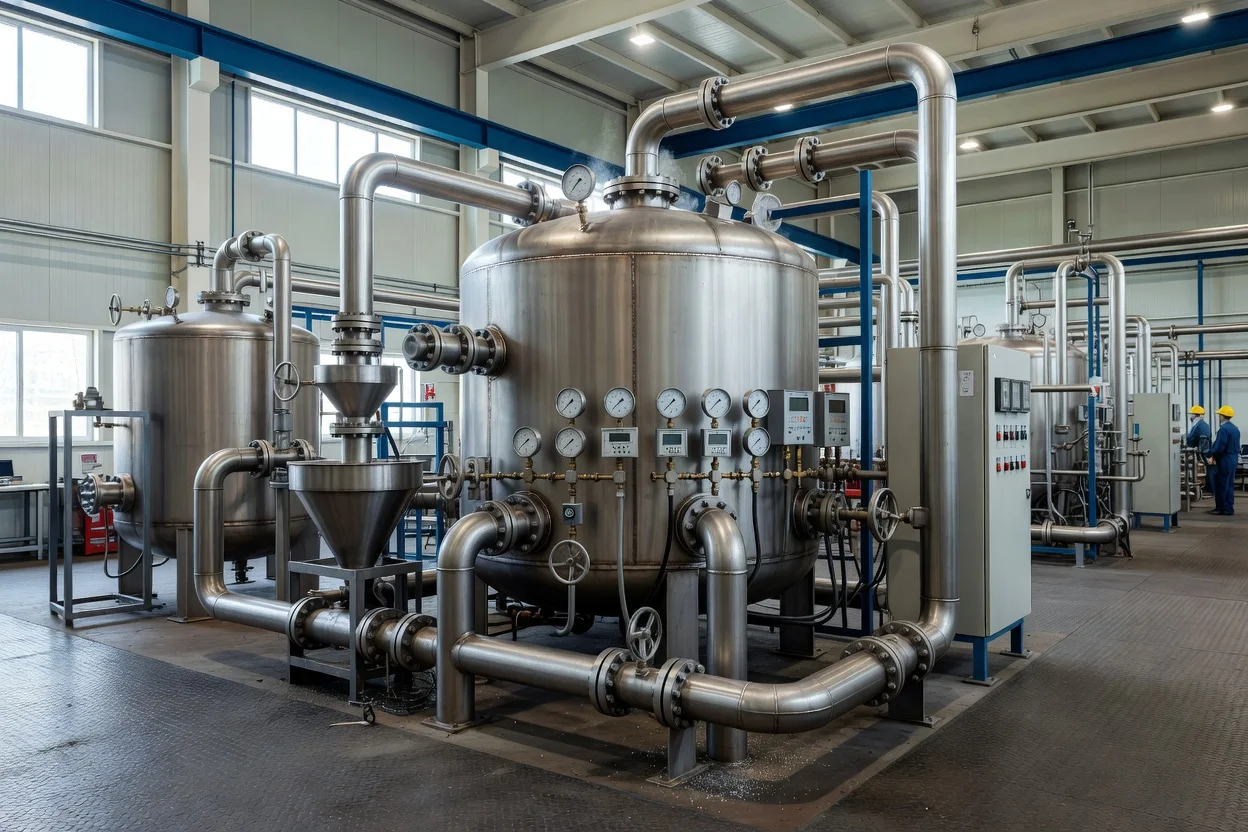
The key raw materials and process inputs are:
- Polyethylene feedstock, typically HDPE or similar polyethylene fractions.
- Chlorine source and reaction system, used to substitute hydrogen atoms on the polymer chain.
- Stabilizers and antioxidants, which help protect the chlorinated polymer from degradation during processing and service.
- Blend partners and auxiliaries, such as PVC, rubbers, fillers, flame retardants, and processing aids, depending on the target application.
Industrial manufacturing focuses on controlling:
- chlorine content,
- molecular weight distribution,
- residual crystallinity,
- particle morphology,
- thermal stability,
- and compatibility with downstream compounding.
Because CPE is often sold as a compound ingredient rather than a finished end-use resin, downstream formulation quality matters as much as polymer synthesis. Processing stability, dispersion of fillers, and package design all influence the final balance of impact resistance, flame performance, and weather durability.
Applications and End-Use Markets
CPE is used in two broad ways: as a stand-alone specialty elastomer-like material and as a modifier or alloy component in plastics and rubber systems. The most commercially important use remains impact modification of rigid PVC, but its application base is much wider.
Major application areas
| End-use sector | Usual CPE role | Typical processing route | Notes |
|---|---|---|---|
| PVC profiles, pipes, window and siding products | Impact modifier | Extrusion, injection molding | Improves toughness, low-temperature impact, and weathering resistance |
| Wire and cable | Jacketing and insulation compound | Extrusion | Chosen for flame retardancy, aging resistance, and durability |
| Roofing and waterproofing membranes | Flexible compound or blend component | Calendering, extrusion | Useful in outdoor exposure and moisture resistance |
| Hoses and tubing | Rubber-like compound | Extrusion, molding | Useful for chemical resistance and flexibility |
| Industrial belts, tapes, and molded goods | Specialty elastomeric material | Molding, extrusion | Used where abrasion and weathering matter |
| Automotive parts and seals | Blend component or compound base | Molding, extrusion | Used for flexibility and environmental resistance |
| Rubber modification | Blend modifier or specialty rubber | Compounding, vulcanization-related processing | Improves aging and flame performance |
| Adhesives, coatings, and anti-corrosion systems | Functional polymer component | Formulation-dependent | Used for chemical resistance and substrate protection |
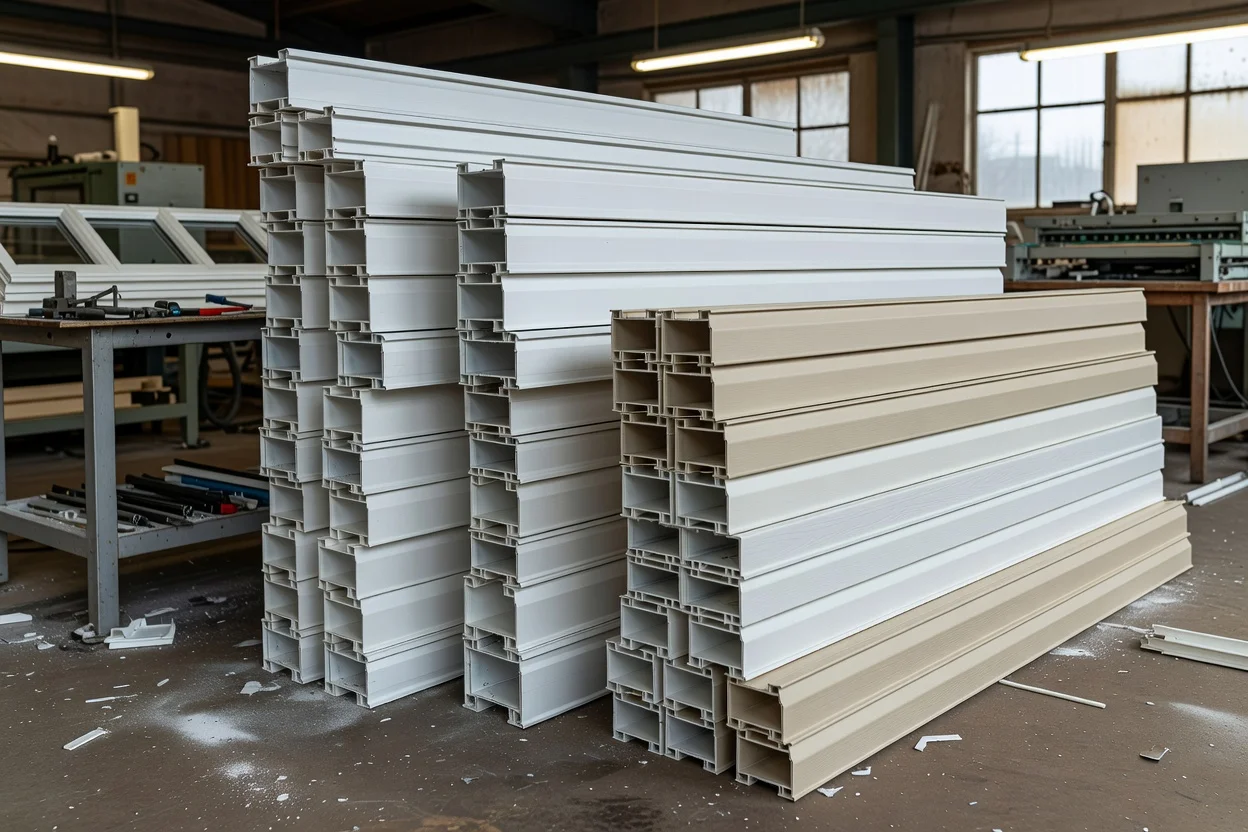
A particularly important use is PVC impact modification, where CPE improves toughness and reduces brittleness in rigid PVC profiles, pipes, siding, and related construction products. This use exploits the compatibility of CPE with PVC and its capacity to absorb impact energy through a dispersed elastomeric phase.
Another major segment is wire and cable, especially in applications requiring flame retardancy, electrical insulation, and service reliability under heat, oil exposure, or low-temperature conditions. CPE-based cable compounds have been used in coal-mine cable sheaths and standard wire and cable constructions.
In construction, CPE is used in waterproof membranes, door and window seals, pipe modifiers, and weather-exposed profiles, where ultraviolet stability and long-term environmental resistance are valuable.
In rubber compounding, CPE can function as a special-purpose synthetic rubber or as a blend component with materials such as EPR, IIR, NBR, and CSM, improving aging resistance, flame retardancy, and in some systems oil resistance.
A relatively poor-fit use is high-barrier packaging, because CPE is not a barrier specialty resin and does not provide the oxygen or aroma barrier performance required for demanding food or pharmaceutical packaging.
Environmental and Sustainability Aspects
CPE occupies an ambiguous position in sustainability discussions. On one hand, it can extend product life by improving durability, weather resistance, and crack resistance, which can reduce replacement frequency in long-life infrastructure products such as cables, roofing, and profiles. On the other hand, its chlorine content complicates recycling streams, especially when mixed into multi-polymer waste or when used in ways that contaminate PVC or polyolefin recycling.
Recyclability and circularity
- CPE is not typically a preferred target for closed-loop mechanical recycling on its own, because it is often used in compounded or blended articles.
- In mixed waste streams, chlorine-containing polymers can require careful sorting to avoid downstream processing issues, corrosion concerns, and specification failures.
- Design-for-recycling strategies increasingly favor controlled formulations, better labeling, and compatibility with established PVC recycling pathways when feasible.
Bio-based and lower-carbon alternatives
There is no widely established bio-based substitute that fully replicates CPE’s combination of weatherability, flame retardancy, and low-temperature flexibility at comparable cost and maturity. In some uses, alternative elastomers, modified PVC systems, or non-halogenated flame-retardant packages may reduce chlorine dependence, but each alternative typically brings trade-offs in cost, processability, or performance.
Regulatory and health context
CPE is often described by producers as non-toxic and free of heavy metals or brominated flame-retardant chemistries, which supports its use in regulated industrial and construction markets. However, sustainability assessment increasingly focuses on the whole system: production emissions, additive packages, end-of-life handling, and the compatibility of chlorine-bearing materials with circular plastics infrastructure.
Economic and Global Market Impact
CPE is a niche but strategically important specialty polymer in the global plastics industry. Its value lies not in volume leadership but in enabling performance upgrades in large downstream markets such as PVC building products, wire and cable, and industrial elastomers.
Market demand is shaped by:
- construction activity,
- electrical grid and cable demand,
- automotive and industrial maintenance cycles,
- fire-safety regulations,
- and the balance between cost and durability in commodity-plus applications.
Because CPE is frequently used as a compounding ingredient, its market position is closely linked to PVC and rubber processing economics rather than to stand-alone resin consumption alone. This makes it sensitive to resin pricing, additive substitution, and regional manufacturing trends in building products and electrical goods.
Publicly available source material identifies several active producers and compounders in the CPE segment, while the broader market remains fragmented across regional suppliers and specialty formulators. Technical and product-focused companies in Asia, Europe, and North America supply grades for PVC modification, cable compounds, and elastomeric applications.
Current Challenges and Innovations
The main technical challenge for CPE is balancing mutually competing properties. Increasing chlorination generally improves flame retardancy and oil resistance, but it can reduce elasticity and low-temperature toughness if pushed too far. Achieving the right performance therefore depends on precise grade selection and compounding.
Another challenge is processing stability. As a chlorinated polymer, CPE can require careful thermal stabilization and antioxidant selection to preserve performance during extrusion, molding, or long-term service.
Current innovation themes include:
- improved polymerization and chlorination control to narrow grade variability,
- better dispersion in PVC and rubber blends,
- optimized flame-retardant packages with lower additive loading,
- enhanced weathering and anti-aging formulations,
- and design strategies that make chlorine-containing products easier to manage at end of life.
There is also a steady push toward halogen-reduction strategies in some markets. While CPE remains useful where its exact performance profile is needed, some applications now evaluate non-chlorinated alternatives when regulatory, recycling, or customer requirements prioritize simpler material separation.
Future Outlook
CPE is likely to remain important wherever industry needs a cost-effective material that combines flexibility, weather resistance, flame retardancy, and compatibility with established processing lines. Its strongest future prospects are in cable compounds, long-life construction goods, and specialized rubber or PVC modification markets.
The most significant long-term constraint is not technical performance but system-level sustainability pressure. Future growth will depend on how well producers can improve formulation transparency, support recycling-compatible designs, reduce processing emissions, and demonstrate the material’s advantage in durability-based life-cycle terms.
For specialty applications, CPE will probably retain its role as a pragmatic engineering material: not universal, but highly effective where its distinctive property balance is required.
References
- •
Chlorinated Polyethylene -Properties, Uses & Structure. (2024, June 18). https://www.atmanpolymer.com/en/blog/chlorinated-polyethylene/Link
- •
News - What is chlorinated polyethylene (CPE) material and where is it used. (2025, January 1). https://www.bontecn.com/news/what-is-chlorinated-polyethylene-cpe-material-and-where-is-it-used/Link
- •
What Is Chlorinated Polyethylene (CPE). (n.d.). https://additives-pvc.com/storage/uploads/files/10038/20220527/c5223f6ccf74aaabadd0727893dd9b01.pdfLink
- •
Chlorinated polyethylene — properties and applications. (2019, August 25). https://forplastwax.com/articles/4132/Link
- •
Advances in Chlorinated Polyethylene. (2025, October 15). Journal of Applied Polymer Science. https://onlinelibrary.wiley.com/doi/full/10.1002/app.57526Link
- •
CPE. (2025, August 25). https://www.scribd.com/document/463355162/CPELink
- •
Chlorinated Polyethylene (CPE). (2026, July 7). https://www.arpmaterials.com/products/polymers/chlorinated-polyethylene/Link
- •
Journal of Applied Polymer Science. (2025, October 15). https://onlinelibrary.wiley.com/doi/abs/10.1002/app.57526Link
- •
Chlorinated Polyethylene (CPE) Characteristics And Application - News - Shandong Repolyfine Chemical Co.,Ltd. (2021, June 26). https://www.repolyfine.com/news/company-cpe-47080179.htmlLink
- •
What is chlorinated polyethylene material and where is it used? (2025, January 1). https://www.bontecn.com/news/what-is-chlorinated-polyethylene-material-and-where-is-it-used/Link
- •
Chlorinated polyethylene. (2016, May 13). https://en.wikipedia.org/wiki/Chlorinated_polyethyleneLink
- •
Hypalon. (2001, October 30). https://www.sciencedirect.com/topics/engineering/hypalonLink
- •
What Is Polyethylene Chloride | Bisley International LLC. (2024, July 15). https://bisleyinternational.com/what-is-polyethylene-chloride/Link
- •
What are the chlorinated polyethylenes? (2024, December 9). https://www.sshsilicone.com/what-are-the-chlorinated-polyethylenes/Link
- •
Chlorinated Polyethylene as an Impact Modifier Additive. (2026, January 16). http://vichem.vn/en/chlorinated-polyethylene-cpe-as-an-impact-modifier-additive/Link
- •
What is CPE Plastic? Properties, Applications, Advantages, and .... (n.d.). https://www.bagglove.com/what-is-cpe-plastic/Link
- •
Improvement of the Properties of Polyethylene with Chlorinated Polyethylene (CPE). (n.d.). https://journals.sagepub.com/doi/pdf/10.1177/096739110301100206Link
- •
Application and blending characteristics of chlorinated polyethylene CPE - Knowledge. (2025, March 21). https://www.pvcchemical.com/info/application-and-blending-characteristics-of-ch-102847563.htmlLink
- •
Chlorinated Polyethylene - CPE. (2001, April 25). AZoM. https://www.azom.com/article.aspx?ArticleID=346Link
- •
[PDF] CPE: A unique polymer for rubber and plastics extrusion. (n.d.). https://library.technobiz.org/uploadFiles/literature/00004/FebMarRTD2022_article%202.pdfLink
- •
Chlorinated Polyethylene (CPE) Health & Environment - GreenSpec. (2025, September 12). http://www.greenspec.co.uk/building-design/chlorinated-polyethylene-cpe-health-environment/Link
- •
What Is Chlorinated Polyethylene (CPE) - Pvc Additives Manufacturer. (2022, May 27). https://additives-pvc.com/blog/what-is-chlorinated-polyethylene-cpe/Link
- •
CPE Request for Quotation. (n.d.). https://www.chembk.com/en/chem/CPELink
- •
ppPLUS. (2025, June 28). https://portfolio-pplus.com/ProductMains/Details/236Link
- •
Introduction to CPE Chlorinated Polyethylene - Knowledge - JUBANG. (2021, September 13). https://www.pvcchemical.com/info/introduction-to-cpe-chlorinated-polyethylene-61753434.htmlLink
- •
Introduction and use of chlorinated polyethylene - Knowledge - Wuxi Jubang Auxiliaries Co., Ltd. (2021, September 27). https://www.pvcchemical.com/info/introduction-and-use-of-chlorinated-polyethyle-62109665.htmlLink
- •
Chlorinated Low Molecular Weight Polyethylene. (n.d.). https://eureka.patsnap.com/materials/chlorinated-low-mw-peLink
- •
Chlorinated Polyethylene (CPE) - Passaic Rubber Company. (2020, September 10). https://passaic.com/product/uncured-chlorinated-polyethylene-cpe/Link
- •
characterization-and-structural-study-of-chlorinated- .... (n.d.). https://www.tsijournals.com/articles/characterization-and-structural-study-of-chlorinated-polyethylene-production-in-suspension-phase.pdfLink
- •
Chlorinated Polyethylene (CPE) - Joss Elastomers & Chemicals. (2022, February 23). https://joss.nl/product/chlorinated-polyethylene-cpe/Link
- •
Microsoft Word - 14B AEB Feb 2012. (n.d.). http://www.aensiweb.com/old/aeb/2012/530-533.pdfLink
- •
CPE Alloys | High-Performance in Harsh Conditions. (2018, March 6). https://www.auroramaterialsolutions.com/materials/cpe-chlorinated-polyethylene-elastomer-alloys/Link
- •
Polymer Journal, Vol. 7, No. 3, pp 300-311 (1975). (n.d.). https://www.nature.com/articles/pj197538.pdfLink
- •
Oberoi, S., & Malik, M. (2022). Polyvinyl Chloride (PVC), Chlorinated Polyethylene (CPE .... https://link.springer.com/chapter/10.1007/978-3-030-76073-1_3?error=cookies_not_supported&code=4e651a35-efe2-4ade-8985-c8d8cf026842Link
- •
Composition and Microstructure Analysis of Chlorinated Polyethylene by Pyrolysis Gas Chromatography and Pyrolysis Gas Chromatography/Mass Spectrometry. (1997, February 15). Chem.*, 69*(4), 618–622. https://pubs.acs.org/doi/10.1021/ac960947cLink
- •
Process for stabilizing chlorinated polyethylene against degradation. (2006, June 28). https://patents.google.com/patent/EP0561516A1/enLink
- •
Fluid and heat resistant chlorinated polyethylenes (CPE). (2006, May 26). https://patents.google.com/patent/EP1860150A1/enLink