
Introduction
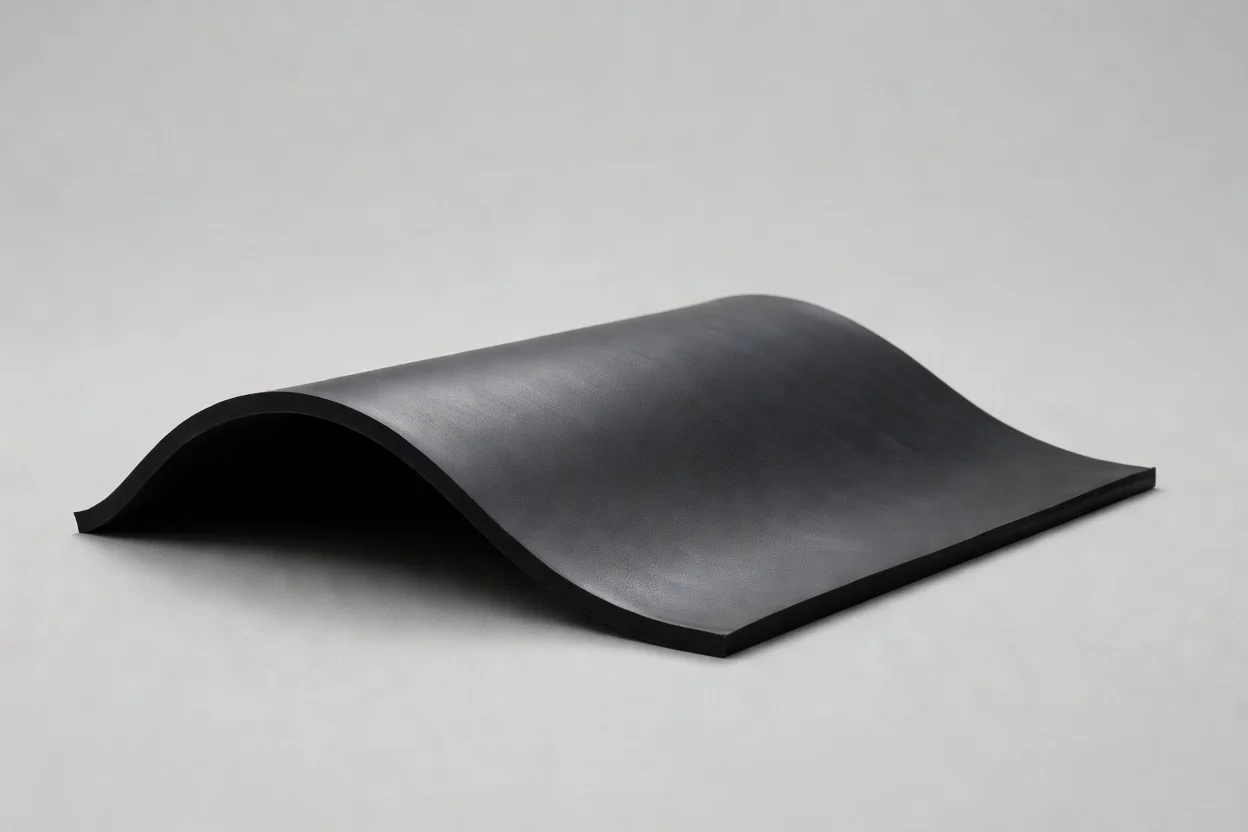
HNBR, or hydrogenated nitrile butadiene rubber, is a high-performance synthetic elastomer made by selectively hydrogenating nitrile butadiene rubber so that most of the reactive carbon-carbon double bonds in the butadiene segments are converted to a more saturated backbone while the nitrile groups remain intact. This structural change preserves the oil and fuel resistance associated with nitrile rubber while markedly improving heat aging resistance, ozone resistance, abrasion resistance, tensile retention, and long-term mechanical stability, which is why HNBR is widely used in demanding sealing and dynamic applications.
HNBR occupies an important middle position in the specialty elastomer landscape: it is typically more capable than standard NBR, but usually less expensive than top-tier fluoroelastomers, making it a common choice when performance must be high but extreme chemical resistance is not required. Major commercial grades vary mainly by acrylonitrile content, residual unsaturation, and filler/cure package, allowing formulators to balance low-temperature flexibility, media resistance, compression set, and dynamic durability for specific end uses.
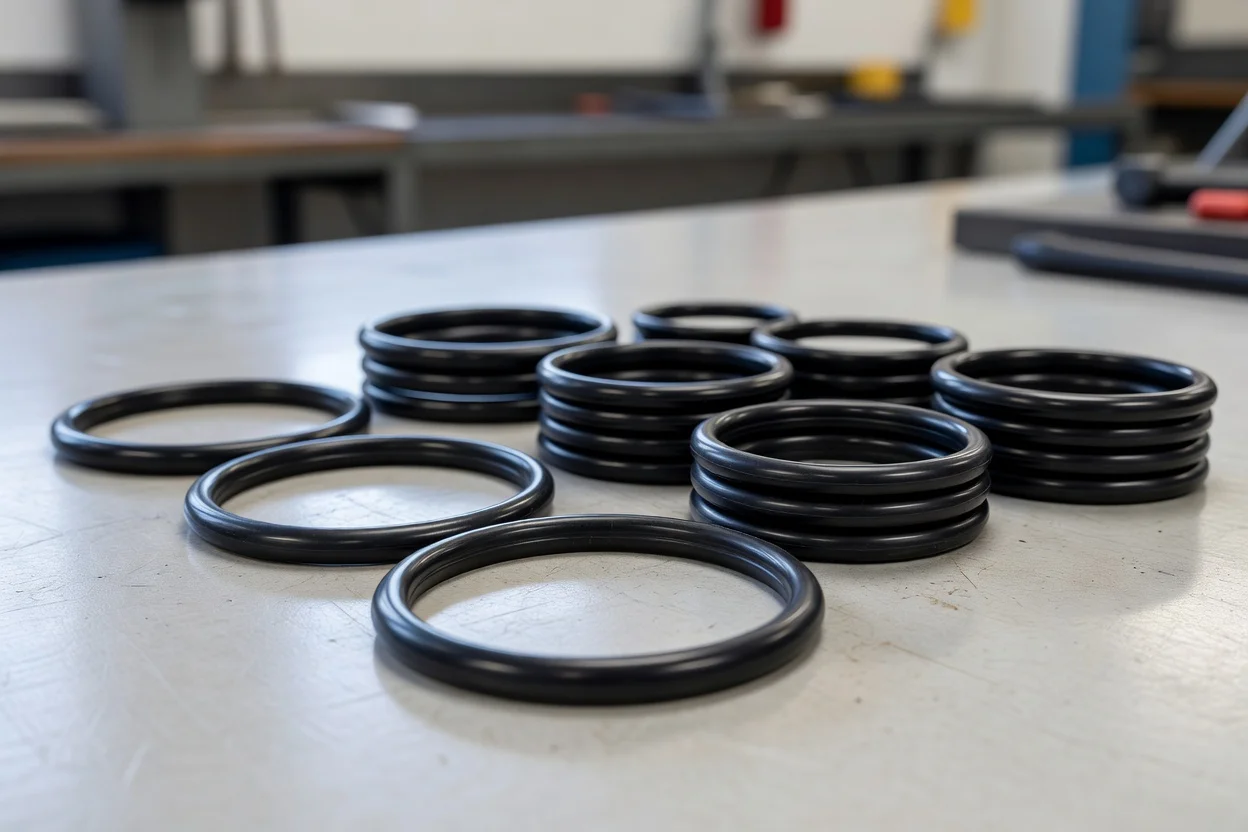
Historically, HNBR emerged as a response to the limitations of NBR in higher-temperature and more aggressive service environments, and it became established in the 1980s through commercial development by major elastomer producers. Today it is a reference material for automotive sealing systems, oil and gas equipment, industrial power transmission components, and other applications where oils, fuels, heat, and motion act together.
From a sustainability perspective, HNBR presents a mixed profile. Its long service life can reduce replacement frequency and waste in demanding equipment, but it remains a petrochemical-derived specialty polymer and is not among the easiest elastomers to recycle at end of life. Research and industry practice therefore focus on longer-life formulations, lower-emission processing, and improved compounding efficiency rather than simple substitution with commodity rubbers.
History and Development
HNBR was developed by applying selective hydrogenation to NBR, a process that removes the most oxidation-prone unsaturation from the polymer chain while keeping the acrylonitrile-derived polarity that gives nitrile rubbers their oil resistance. This chemistry created a new elastomer category designed specifically to bridge the gap between conventional nitrile rubber and more expensive high-performance rubbers in thermally and chemically demanding service.
Commercial HNBR grades became especially important as automotive powertrains, belt systems, air-conditioning systems, and oilfield equipment began operating under more severe thermal and chemical conditions. Over time, improved hydrogenation control, better catalyst systems, and more sophisticated compounding expanded the usable temperature window and improved low-temperature flexibility in certain grades.
Chemical Structure and Key Properties
HNBR is derived from NBR, a copolymer of acrylonitrile and butadiene, by hydrogenating the unsaturated butadiene-derived segments. The acrylonitrile content strongly influences polarity, oil resistance, and low-temperature behavior, while the degree of hydrogenation affects thermal stability, ozone resistance, and oxidative durability.
| Property | Typical implication |
|---|---|
| High oil and fuel resistance | Retained from the nitrile component, especially useful in seals and hoses. |
| Improved heat resistance | Due to reduced chain unsaturation after hydrogenation. |
| Excellent ozone/weather resistance | Because the vulnerable double bonds are largely removed. |
| Strong abrasion and tensile performance | Supports dynamic seals, belts, and mechanical parts. |
| Broad formulation window | Property balance can be tuned by ACN content, filler type, and cure system. |
Two practical limits are especially important:
- Low-temperature flexibility limit → high acrylonitrile content increases polarity and restricts chain mobility → workaround: use lower-ACN or specially formulated low-temperature grades.
- Extreme fluorinated-chemical resistance limit → HNBR is strong in oils, fuels, and many industrial fluids but is not a universal solvent barrier → workaround: select FKM or another specialty elastomer for highly aggressive solvents or very harsh chemical service.
Typical commercial HNBR compounds are reported to operate broadly from around -40 C to 150 C, with some specially formulated grades extending higher for short-term exposure. Mechanical properties are also strongly formulation-dependent, with tensile strength, elongation, hardness, and compression set all influenced by filler choice, cure chemistry, and the residual unsaturation remaining after hydrogenation.
Production Processes and Raw Feedstocks
HNBR production begins with NBR feedstock, itself made from butadiene and acrylonitrile. The NBR is then subjected to selective hydrogenation, usually in solution, using hydrogen and a catalyst system such as palladium or platinum compounds; some descriptions also note homogeneous and heterogeneous hydrogenation routes.
A simplified industrial sequence is:
- Prepare the NBR polymer and dissolve it in a suitable solvent.
- Introduce hydrogen in the presence of a catalyst to hydrogenate the butadiene double bonds selectively.
- Remove solvent, catalyst residues, and unreacted materials through post-treatment.
- Compound and vulcanize the HNBR with fillers, antioxidants, curatives, and other auxiliaries.
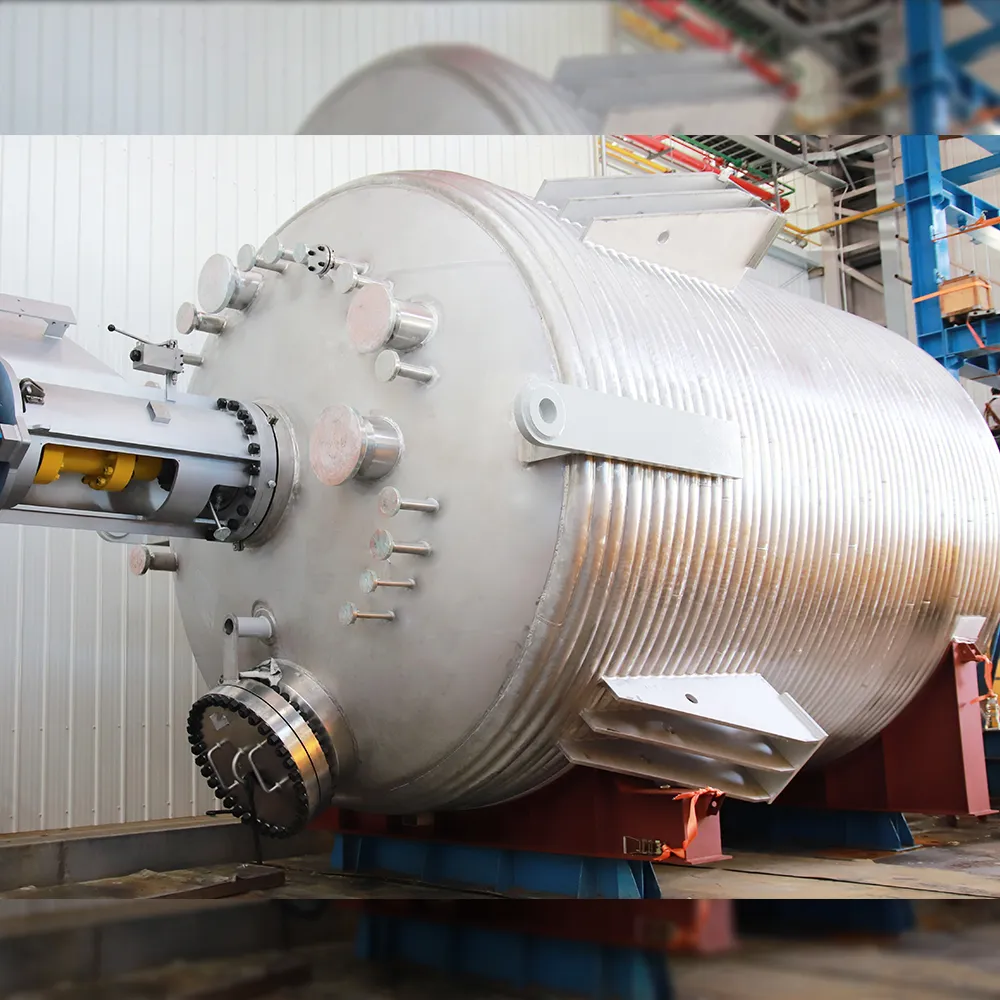
Common curing approaches include peroxide curing and, in some formulations, sulfur systems, with the cure package selected to optimize heat resistance, compression set, and dynamic performance. In practice, compounding is central to performance: zinc oxide, methacrylic acid, carbon black, specialty fillers, and processing aids can materially change reinforcement, heat build-up, and sealing behavior. For example, peroxide-cured HNBR is often preferred where higher heat resistance and better compression set are needed, while filler loading is adjusted to balance tear strength against flexibility.
Applications and End-Use Markets
HNBR is used where a conventional nitrile rubber is close to adequate, but not fully sufficient for temperature, wear, or ozone demands.
| End-use sector | Typical products | Common grade/process fit |
|---|---|---|
| Automotive | Timing belts, oil seals, O-rings, hoses, grommets, A/C seals, engine compartment parts | Medium- to high-ACN HNBR, often peroxide-cured for heat and compression set resistance. |
| Oil and gas | Packer elements, blowout preventers, wellhead seals, drilling components | High-performance HNBR with strong sour-gas and fluid resistance. |
| Industrial machinery | Rotary shaft seals, diaphragms, bellows, vibration elements, gaskets | Balanced grades emphasizing abrasion and heat aging. |
| Power transmission | Timing belts, V-belts, serpentine belts, pulleys | High fatigue resistance and thermal retention. |
| HVAC and cooling | Seals and hoses exposed to coolants and glycol-based fluids | Grades with strong glycol and hot-water resistance. |
| Food, pharmaceutical, sanitary uses | Selected seals and gaskets | Special compliant grades where regulations permit. |
A notably poor-fit use is highly aggressive solvent or fluorinated chemical service, where HNBR is often outperformed by fluorocarbon elastomers. Nevertheless, in many mineral-oil, fuel, lubricant, hot-water, and ozone-exposed applications, HNBR offers a better cost-performance balance than those higher-end alternatives.
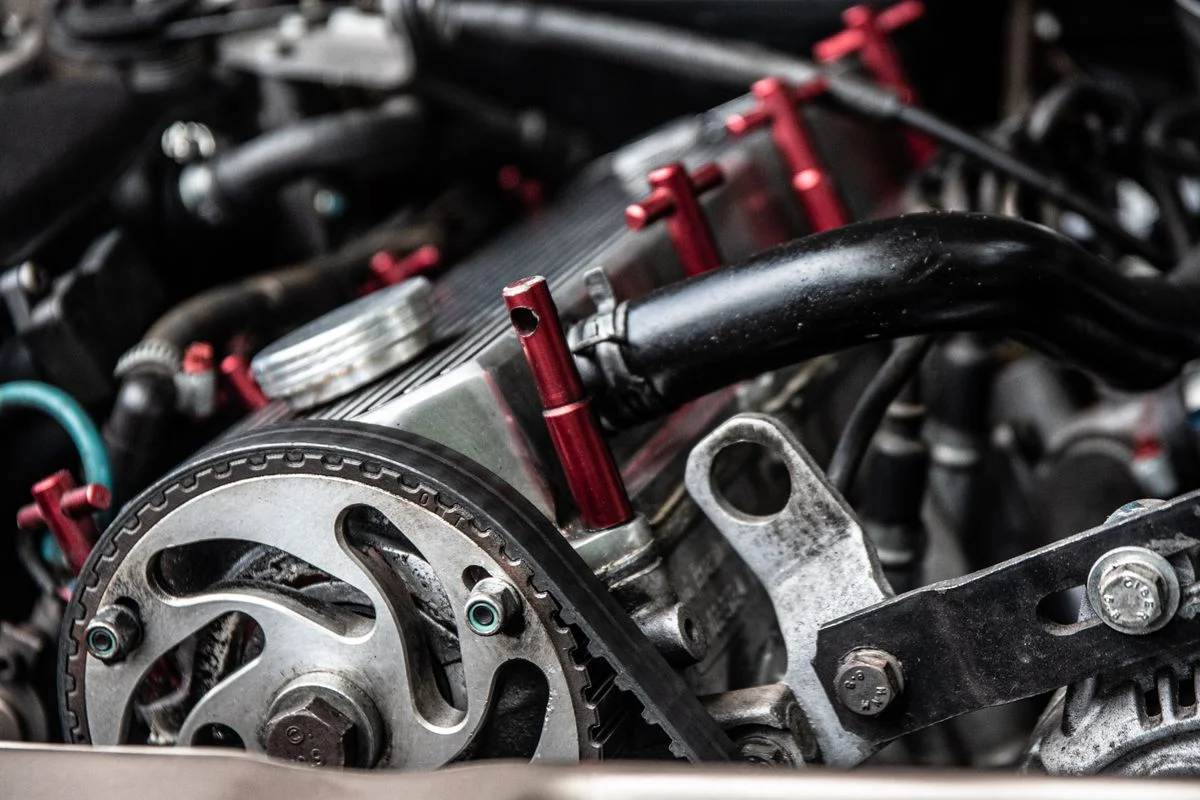
Automotive remains the most visible volume market, particularly for seals, hoses, and belts, because modern engines and drivetrains impose continuous exposure to heat, oils, fuels, and motion. In oil and gas, HNBR is valued for its retention of mechanical integrity in seals and downhole components exposed to pressure, temperature cycling, and sour environments.
Environmental and Sustainability Aspects
HNBR is not a bio-based polymer in its conventional commercial form, and its raw material base is tied to petrochemical feedstocks through NBR manufacture and subsequent hydrogenation. Its environmental value therefore comes less from feedstock renewability than from durability: if a component lasts longer under heat, oil, and motion, the total material consumed over the equipment life can be lower.
Key sustainability considerations include:
- Recyclability: Like most vulcanized elastomers, HNBR is difficult to remelt and mechanically recycle in a high-value loop after crosslinking.
- Service life extension: Longer lifetime in seals and belts can reduce maintenance, downtime, and part replacement.
- Process efficiency: Better cure control and compounding can reduce scrap and energy intensity during manufacturing.
- Bio-based alternatives: There is no direct, drop-in bio-based replacement with the same combination of heat, oil, and dynamic durability for most HNBR applications.
- End-of-life options: Downcycling, energy recovery, and emerging devulcanization or elastomer recycling technologies remain limited compared with thermoplastics.
The main sustainability trade-off is therefore between high performance and end-of-life complexity. In critical applications, HNBR can improve the use phase substantially, but it does not solve the circularity challenges inherent to crosslinked specialty rubbers.
Economic and Global Market Impact
HNBR is a specialty elastomer with a higher unit price than standard NBR, but lower cost than many fluorinated alternatives, which makes it economically attractive when total cost of ownership matters. Its market demand is closely linked to automotive powertrain design, oilfield activity, industrial maintenance cycles, and the broader trend toward higher-performance fluid sealing materials.
Major global producers and commercial brands commonly associated with HNBR include Arlanxeo and Zeon, with additional supply from other international elastomer and compound manufacturers serving regional processing markets. Because HNBR is often sold as compounded or application-specific material rather than as a simple commodity resin, downstream converters and molders play an unusually important role in final performance.
Current Challenges and Innovations
Current technical challenges center on balancing competing requirements:
- Low-temperature performance versus oil resistance
- High heat resistance versus compression set
- High hardness versus dynamic flexibility
- Reinforcement versus processability
Recent innovation directions include:
- Improved hydrogenation control to tailor residual unsaturation and cure response.
- Better low-temperature grades for cold climates and refrigerant-adjacent service.
- Advanced peroxide and coagent systems for lower compression set and better hot-age retention.
- Specialty compounds for sour gas, hot water, steam, and aggressive automotive fluids.
- Expanded use in power transmission and electrified vehicle systems where thermal management and fluid compatibility remain important.
A practical formulation example is the use of peroxide cure systems in place of sulfur cure where elevated-temperature durability is the priority; the mechanism is the formation of more heat-stable crosslinks that resist reversion and preserve compression performance under long service. Another example is the use of methacrylic acid and zinc oxide in certain reinforced compounds to improve reinforcing interaction and wear behavior in belts and vibration parts.
Future Outlook
HNBR is likely to remain a key specialty elastomer in sectors where equipment must survive simultaneous exposure to heat, oils, motion, and ozone. Demand should continue to track the reliability requirements of automotive systems, the maintenance intensity of oil and gas infrastructure, and the need for more durable industrial sealing materials.
Future gains are most likely to come from:
- More precisely tailored grades with better low-temperature flexibility and lower compression set.
- Compounding systems that reduce processing energy and improve service life.
- Expanded use in electrified drivetrains, thermal management, and specialty industrial assemblies.
- Incremental sustainability improvements through longer life, lower scrap, and better material efficiency rather than through immediate bio-based substitution.
Summary
HNBR is a specialty elastomer created by hydrogenating nitrile rubber to deliver a superior balance of oil resistance, thermal stability, ozone resistance, and abrasion performance. Its value lies in demanding applications where conventional NBR is insufficient and where fluorocarbon elastomers may be unnecessarily costly.
References
- •
Hydrogenated Nitrile Butadiene Rubber (HNBR). (2002, November 13). AZoM. https://www.azom.com/article.aspx?ArticleID=1724Link
- •
HNBR Rubber | Hydrogenated Nitrile Properties & .... (2026, April 14). Wayne Rubber. https://waynerubber.com/materials/hnbr-rubber/Link
- •
HNBR. (2012, April 28). Wikipedia. https://fr.wikipedia.org/wiki/HNBRLink
- •
Nitrile rubber - Wikipedia. (2005, October 7). Wikipedia. https://en.wikipedia.org/wiki/Nitrile_rubberLink
- •
HNBR - Hydrogenated Nitrile Butadiene Rubber - Arlanxeo. (n.d.). Arlanxeo. https://www.arlanxeo.com/en/families/hnbrLink
- •
HNBR Technical Guide | The NBR-to-FKM Gap Filler | 150°C .... (2025, December 11). Yh Rubber Tech. https://yhrubbertech.com/en/articles/hnbr-hydrogenated-nitrile-guideLink
- •
HNBR - ERIKS. (2024, March 25). ERIKS. https://eriks.com/en/what-we-do/rubber-materials-overview/hnbr/Link
- •
Hydrogenated Nitrile Butadiene Rubber (HNBR) - STM Journals. (2025, March 19). STM Journals. https://journals.stmjournals.com/article/article=2025/view=233433/Link
- •
Partially Hydrogenated Nitrile Rubber: Advanced Material .... (n.d.). PatSnap Eureka. https://eureka.patsnap.com/materials/partially-hydrogenated-hnbrLink
- •
Properties and Applications of HNBR rubber. (2025, February 19). Rubber Producer. https://rubberproducer.com/properties-and-applications-of-hnbr-rubber/Link
- •
HNBR rubber - Hydrogenated nitrile rubber. (2024, March 9). Inpart24. https://inpart24.com/en/resources/article/62/hnbr-rubber-hydrogenated-nitrile-rubber-definition-production-properties-applicationsLink
- •
HNBR Rubber Compounds - Hydrogenated Nitrile - Techno Ad. (2023, September 24). Techno Ad. https://www.technoad.com/engineering/materials/hnbr/Link
- •
Hydrogenated Nitrile Rubber - AZoM. (2001, June 7). AZoM. https://www.azom.com/article.aspx?ArticleID=537Link
- •
HNBR - high temperature and media resistance. (2026, May 20). Gume. https://www.gume.de/en/hnbr-hydrogenated-nitrile-butadiene-rubber/Link
- •
HNBR Rubber | HEXPOL Rubber Compounding. (n.d.). HEXPOL. https://www.hexpol.com/rubber/high-performance-compound/high-performance-polymers/hnbr-rubber/Link
- •
HNBR - Hydrogenated Nitrile Butadiene Rubber. (2017, July 12). Rahco Rubber. https://rahco-rubber.com/materials/hnbr-hydrogenated-nitrile-butadiene-rubber/Link
- •
Hydrogenated Nitrile Butadiene Rubber (HNBR) - Chambroad. (2024, March 1). Chambroad. https://chambroad.com/en/col673/1571Link
- •
Hydrogenated NBR elastomer (HNBR) - RADO Gummi GmbH. (2020, June 29). RADO Gummi. https://www.rado-rubber.com/specialities/hnbr/Link
- •
Hydrogenated nitrile butadiene rubber. (2004, February 13). Google Patents. https://patents.google.com/patent/US20040166346A1/enLink
- •
Hydrogenated Nitrile Rubber Compound - PatSnap Eureka. (n.d.). PatSnap Eureka. https://eureka.patsnap.com/materials/hnbr-compound-formulationLink
- •
Hydrogenated Nitrile Rubber (HNBR) Detailed Introduction. (2024, November 23). Rubber Dlseals. https://rubber.dlseals.net/articles/hydrogenated-nitrile-rubber-hnbr-detailed-introductionLink
- •
HNBR Rubber, Hydrogenated Nitrile Rubber - Savvy. (2022, June 24). Savvy Rubber. https://savvyrubber.com/what-is-hnbr-rubber/Link
- •
Hydrogenated Nitrile Rubber: Comprehensive Analysis Of Molecular .... (n.d.). PatSnap Eureka. https://eureka.patsnap.com/materials/hnbr-molecular-engineeringLink
- •
NBR Rubber Hydrogenated Grades (HNBR): Structure, .... (n.d.). PatSnap Eureka. https://eureka.patsnap.com/report-research-on-nbr-rubber-hydrogenated-grades-hnbr-structure-property-gains-and-limitsLink
- •
What Is HNBR Material: Key Properties and Applications. (2026, March 12). Science Insights. https://scienceinsights.org/what-is-hnbr-material-key-properties-and-applications/Link
- •
High Temperature Nitrile Rubber: Advanced Formulations, Thermal .... (n.d.). PatSnap Eureka. https://eureka.patsnap.com/materials/high-temp-nitrile-rubberLink
- •
HNBR Rubber Solutions - Echo Supply. (2018, November 7). Echo Supply. https://www.echosupply.com/blog/hnbr-rubber-solutions/Link
- •
HNBR vs. NBR. (n.d.). Repurvis. https://www.repurvis.com/articles/hnbr-vs-nbr-understanding-differences-choosing-right-materialLink
- •
HNBR - Sattler Elastomer and Polymer Technology. (2023, March 26). Sattler SCM. https://sattler-scm.de/en/lexicon/hnbrLink
- •
High-Performance HNBR Parts Manufacturer. (n.d.). Minor Rubber. https://www.minorrubber.com/hnbr.htmlLink
- •
Exploring the Versatility of HNBR - Dawn Group. (2024, January 30). Dawn Polymer Material. https://www.dawnpolymermaterial.com/blog/exploring-the-versatility-of-hnbr-applications-inautomotive-and-aerospace-lndustriesLink