
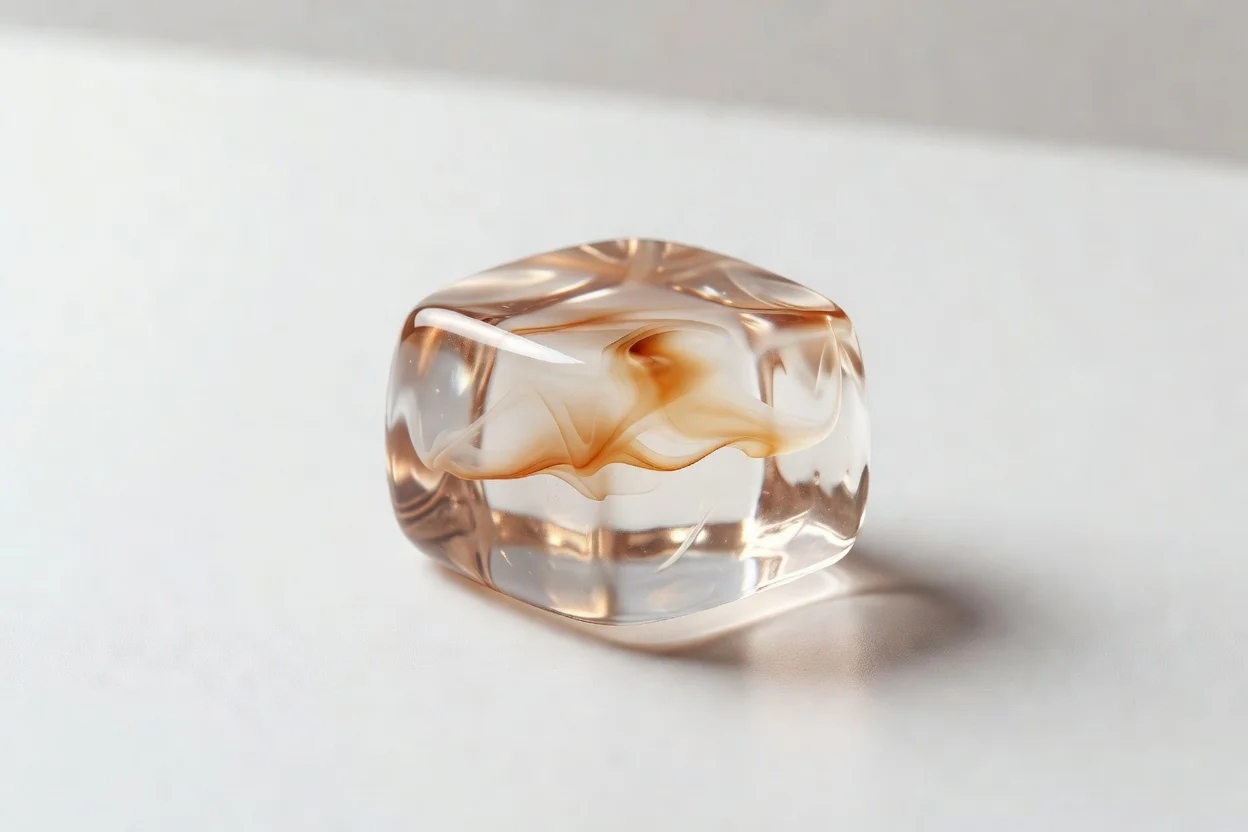
Introduction
Polyurethane casting resins are reactive liquid thermosets used to produce detailed parts, prototypes, molds, tooling, and short-run end-use components by pouring a two-component system into a mold, where it cures into a solid polyurethane network. They occupy a distinctive place in the plastics value chain because they combine low-viscosity processing, rapid room-temperature or warm curing, and broad property tunability ranging from flexible elastomers to rigid engineering-like plastics.
In industrial practice, polyurethane casting resins are closely associated with silicone-mold or vacuum-casting workflows for low- to medium-volume production, design validation, and bridge manufacturing, especially where injection-molding tooling would be uneconomic or too slow. Their chemistry is based on the reaction of polyols with polyisocyanates, often with chain extenders, fillers, pigments, and catalysts added to adjust pot life, hardness, shrinkage, thermal resistance, and appearance.
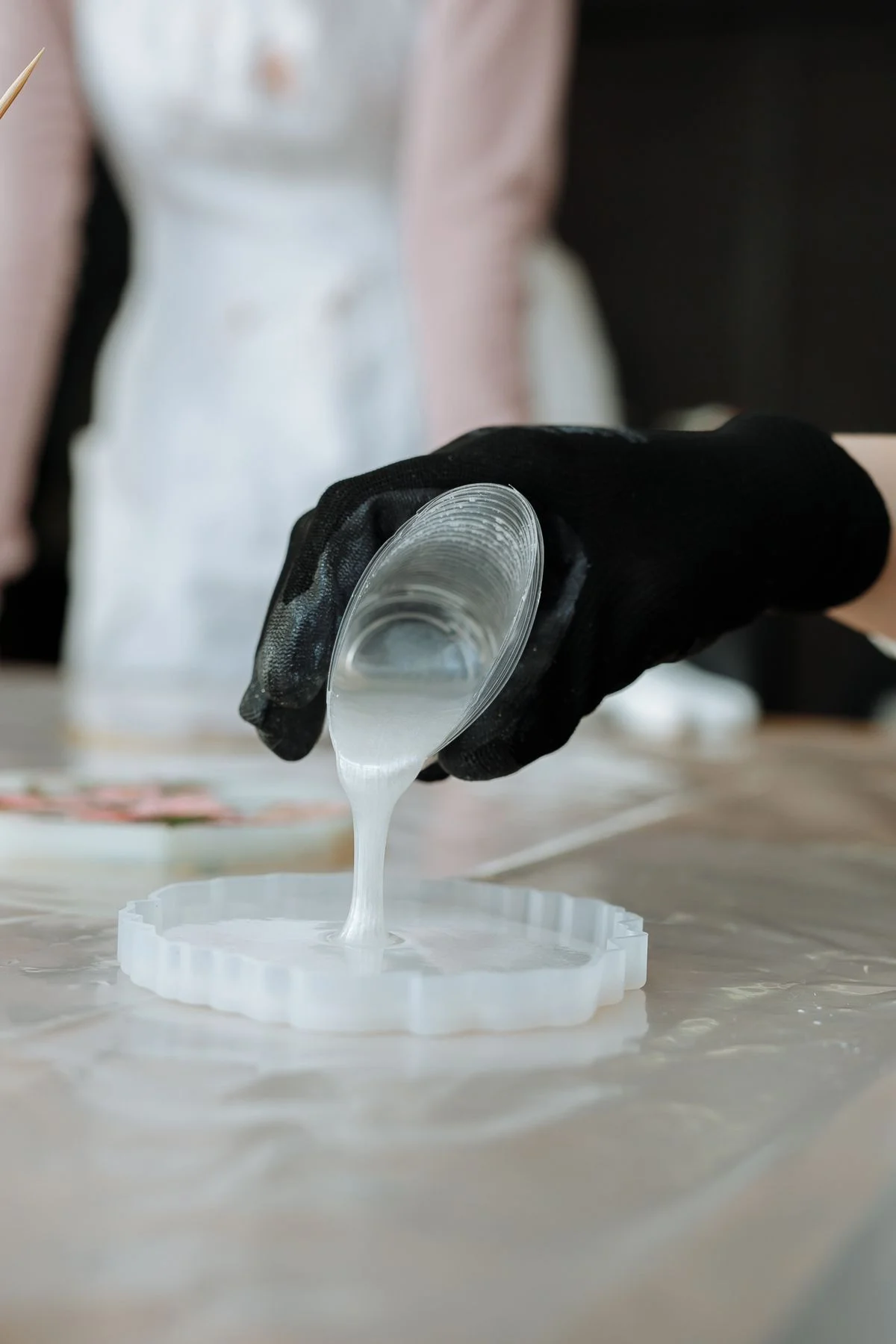
The material family includes rigid casting resins, semi-rigid grades, and elastomeric systems, as well as filled and specialty formulations for electrical potting, wear parts, transparent castings, flame-retardant parts, and high-precision models. While polyurethane casting resins have clear technical advantages, they also sit within a broader sustainability debate because conventional systems are usually fossil-based, difficult to recycle after crosslinking, and sensitive to moisture during processing.
Ongoing development is focused on lower-emission formulations, bio-based polyols, improved hydrolysis and UV resistance, reduced shrinkage, safer isocyanate handling, and compatibility with circular-economy strategies in tooling, repair, and low-waste manufacturing.
History and Development
Polyurethane chemistry emerged from broader polyurethane research into polyols and polyisocyanates, later expanding into foams, coatings, adhesives, elastomers, and castable thermosets. Casting-specific polyurethane systems developed as manufacturers sought materials that could reproduce fine detail, cure with low shrinkage, and deliver a wider property range than many traditional thermosets.
Industrial uptake accelerated with the spread of rapid prototyping, vacuum casting, and silicone mold fabrication, where polyurethane resins became a practical bridge between digital design and small-batch production. Over time, grades evolved from general-purpose rigid resins toward application-specific formulations for electrical encapsulation, model making, high abrasion resistance, transparent parts, and low-temperature curing.
Chemical Structure and Key Properties
Polyurethane casting resins are typically produced by a two-component reaction system in which a polyol-rich component reacts with an isocyanate-rich component to form a crosslinked polyurethane network. The final properties depend strongly on monomer choice, polyol molecular weight, chain extender content, filler loading, catalyst package, and the ratio of soft segments to hard segments in the cured structure.
Common performance advantages include:
- Low viscosity for mold filling and fine detail reproduction.
- Fast cure and short demolding times in many grades.
- Low shrinkage and good dimensional accuracy.
- High abrasion resistance and impact resistance in tougher formulations.
- Broad hardness range, from elastic to rigid systems.
Important limits include:
| Limit | Cause | Workaround |
|---|---|---|
| Moisture sensitivity | Isocyanate-containing components react with water, which can cause defects and inconsistent curing. | Store components dry, control humidity, and use disciplined mixing and dispensing practices. |
| Limited UV resistance in many grades | Cured polyurethane can yellow or degrade under sunlight unless stabilized. | Use UV-stabilized formulations, pigments, coatings, or protected service environments. |
| Thermoset recyclability challenge | Crosslinked networks cannot be remelted like thermoplastics. | Prioritize reuse of molds, design for long service life, and use chemical recycling or controlled downcycling where available. |
A useful chemical formulation example is a filled electrical casting resin based on a solvent-free two-component system with an MDI hardener, intended for low-voltage cable joints and electronic encapsulation; the material is formulated for low viscosity, low water absorption, and hydrolysis resistance. Another common formulation strategy is the use of mineral fillers or color pastes to tailor flow, density, mechanical strength, and surface finish for technical cast parts.
Production Processes and Raw Feedstocks
The core feedstocks are polyols and polyisocyanates, with chain extenders, catalysts, surfactants, pigments, stabilizers, and fillers used to tune the final resin. Feedstock selection shapes both processing and final performance, which is why casting formulations are often highly application-specific rather than universal.
Typical production and use sequence:
- Formulation of the resin and hardener components with the desired additives.
- Mixing at the specified ratio to initiate exothermic polymerization.
- Degassing or vacuum processing when bubble-free parts or high detail fidelity are required.
- Casting into silicone or other molds for open-pour or closed-mold production.
- Room-temperature or heated curing, depending on the resin system.
- Demolding and post-processing, which may include trimming, sanding, painting, machining, or assembly.
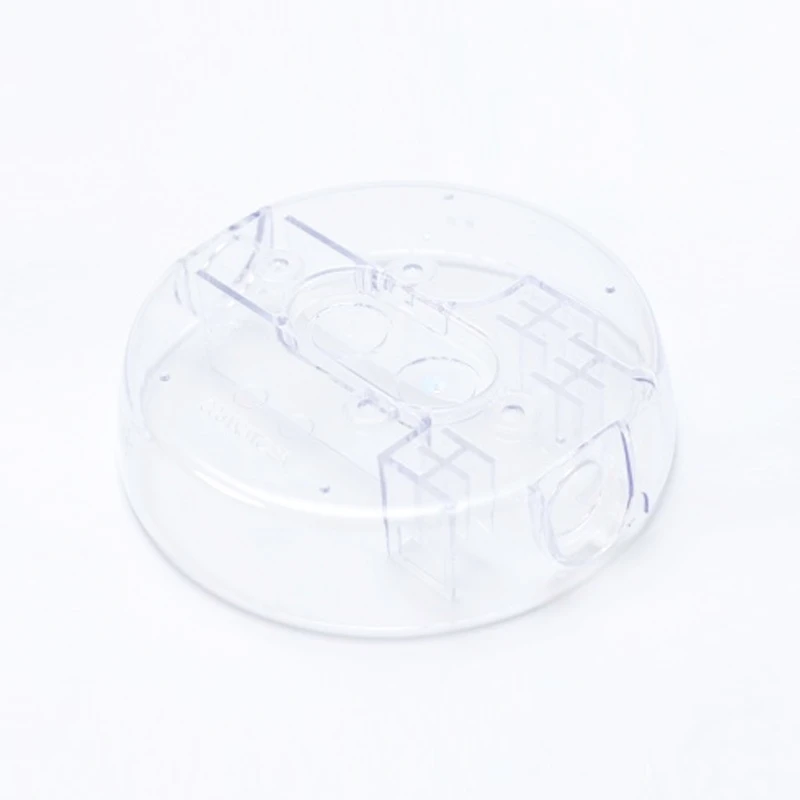
Industrial sources indicate that vacuum-cast PUR systems are often cured at moderate elevated temperatures, such as 60–80°C, to support dimensional accuracy and throughput. Many commercial systems are also designed for room-temperature cure, especially in model-making, prototyping, and cable-accessory applications.
Applications and End-Use Markets
Polyurethane casting resins are used across sectors that need fine detail, short lead times, and performance between rubber and rigid plastic. They are especially valuable in applications where tool costs or part volumes favor casting over injection molding.
| Sector | Typical grade or form | Usual process | Main function |
|---|---|---|---|
| Prototyping and model making | Low-viscosity rigid or semi-rigid grades | Silicone mold casting, vacuum casting | Design validation, visual mock-ups, fit-check parts. |
| Small-series production | Filled rigid grades or tough elastomers | Vacuum casting, open casting | Bridge production and low-volume end-use parts. |
| Electrical and electronics | Low-shrinkage potting and encapsulation grades | Potting, encapsulation, casting | Insulation, moisture protection, mechanical support. |
| Industrial components | Abrasion-resistant or semi-rigid grades | Casting into technical molds | Rollers, belts, wheels, gaskets, bushings, machine parts. |
| Automotive and transport | Rigid, elastomeric, and transparent grades | Casting, prototyping | Interior parts, housings, dampers, concept models. |
| Art, design, and special effects | Clear or pigmented grades | Open casting, mold replication | Sculptures, props, decorative pieces, replicas. |
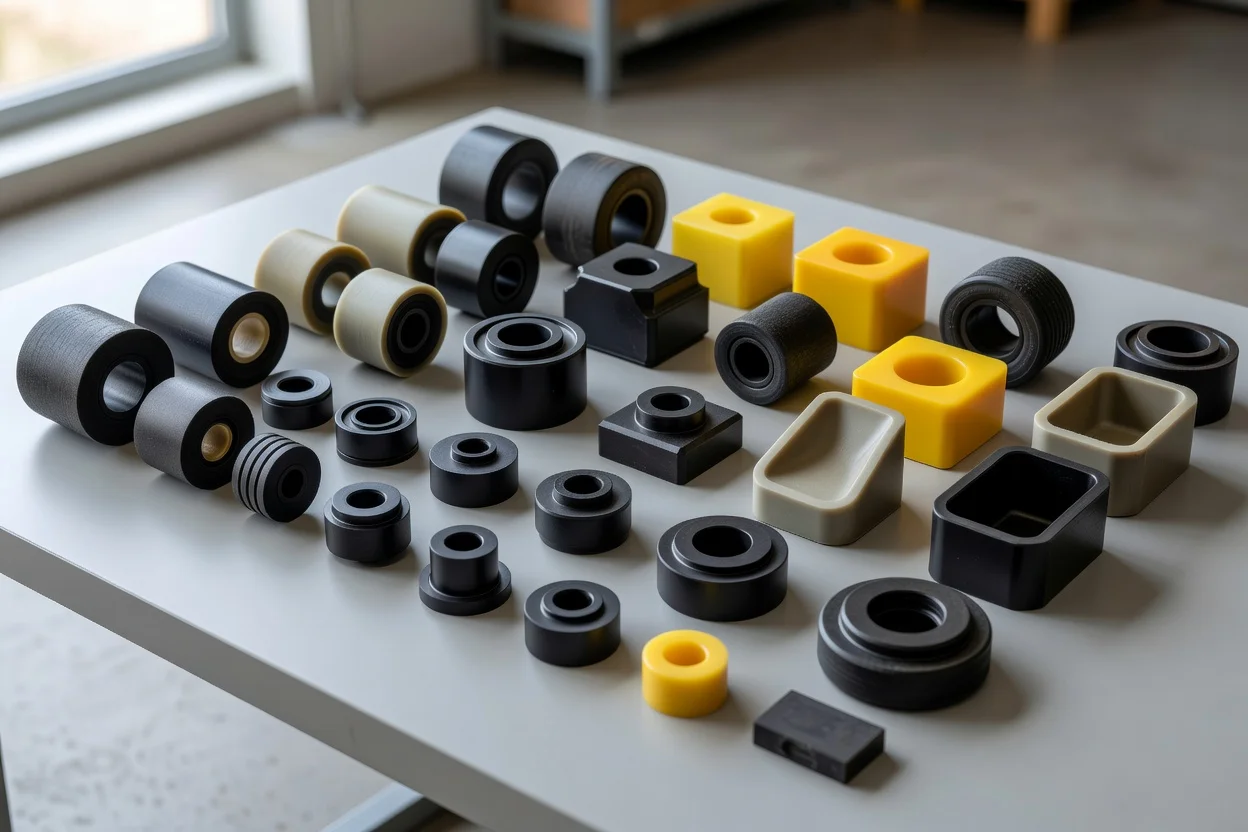
Mitsui Chemicals notes that cast polyurethane resins are used for items such as large rolls, solid tires, belts, and machine parts, particularly where abrasion, chemical resistance, and cold-temperature performance are important. Industry sources also describe applications in electrical cable insulation and mechanical protection, including low-voltage and medium-voltage cable joints.
One poor-fit use is high-volume commodity parts with low geometric complexity, where injection molding or extrusion is usually more cost-effective and faster once tooling is amortized. In such cases, polyurethane casting is generally a process choice for flexibility, speed to market, or low-volume economics rather than for minimum unit cost.
Environmental and Sustainability Aspects
Polyurethane casting resins present a mixed sustainability profile. On one hand, they can reduce waste in development cycles because they support rapid prototyping, low-volume manufacturing, and design iteration without committing to expensive hard tooling. Their low shrinkage and good service life can also support durable parts with fewer replacements.
On the other hand, most conventional systems rely on fossil-derived feedstocks and contain crosslinked networks that are not melt-reprocessable. Many formulations also depend on isocyanates, which require careful occupational controls and moisture management during processing.
Current sustainability directions include:
- Bio-based polyols to reduce fossil carbon intensity.
- Lower-VOC and solvent-free systems for cleaner processing.
- Longer-life formulations to improve durability and reduce replacement frequency.
- Recycling and circularity strategies focused on tool reuse, material recovery, and chemical recycling pathways.
- Specialty low-hazard formulations for regulated sectors such as electronics and cable accessories.
The carbon footprint of a casting system depends heavily on formulation, cure energy, scrap rates, and part lifespan rather than resin chemistry alone. In many manufacturing settings, the avoidance of hard tooling and the ability to cast only needed quantities can reduce overall material waste, but this benefit does not eliminate end-of-life challenges associated with thermoset polyurethane.
Economic and Global Market Impact
Polyurethane casting resins occupy a specialized but strategically important niche within the broader polyurethane market. Their economics are driven less by commodity volume than by performance, turnaround time, and the value of low-volume manufacturing flexibility.
Key commercial factors include:
- Tooling avoidance, which makes them attractive for prototypes and short runs.
- Application-specific premiums, especially for electrical, transparent, UV-stable, flame-retardant, or filled systems.
- Regional supplier specialization, with manufacturers and distributors offering dedicated casting lines for model making, prototyping, and industrial casting.
Commercially significant producers and brand families mentioned in industry sources include Mitsui Chemicals, Huntsman-linked distribution channels, RAMPF systems, ebalta, Biesterfeld-distributed systems, Smooth-On, and specialty resin suppliers serving tooling and prototyping markets.
Current Challenges and Innovations
The principal technical challenges are moisture sensitivity, variable cure behavior, UV durability, and the intrinsic thermoset recycling problem. For industrial users, health and safety management around isocyanate handling remains a central operational issue.
Innovation is concentrated in several areas:
- Fast-cure, low-viscosity formulations for higher throughput and better mold filling.
- Filled systems that improve stiffness, wear resistance, or thermal behavior.
- High-performance electrical grades for cable joints, potting, and encapsulation.
- Transparent and UV-stabilized resins for visible parts and decorative applications.
- Sustainable formulations using lower-carbon feedstocks and improved end-of-life strategies.
A practical example is the use of mineral fillers in casting resin to raise modulus or modify thermal behavior, while preserving flowability for complex mold reproduction. Another example is the addition of stabilizers in clear systems to improve resistance to sunlight and aging, addressing one of polyurethane’s major service-life limits.
Future Outlook
Polyurethane casting resins are likely to remain important where speed, flexibility, and precision matter more than maximum production scale. Their strongest future opportunities are in low-volume industrialization, digital manufacturing, specialty electrical systems, wear-resistant components, and custom-fit applications.
Future development is likely to emphasize:
- More sustainable formulations with partial bio-based content.
- Improved safety profiles and processing robustness.
- Higher thermal and UV resistance for broader outdoor and industrial use.
- Hybrid manufacturing workflows combining additive manufacturing, silicone molds, and polyurethane casting.
- Circular design strategies that extend part life and reduce scrap.
Summary
Polyurethane casting resins are versatile two-component thermosets that combine fine detail reproduction, fast curing, and a wide property spectrum from soft elastomeric to rigid engineering-like castings. Their greatest strengths are in prototyping, vacuum casting, electrical encapsulation, and low-volume parts production, while their main drawbacks are moisture sensitivity, limited UV resistance in many grades, and difficult end-of-life recycling.
References
- •
SyBridge Technologies. (2020, December 10). An overview of cast urethane materials. https://sybridge.com/cast-urethane-materials/Link
- •
Polyurethane resin: Properties, applications & processing. (2026, June 29). https://fiberglas-discount.de/polyurethane-resin-properties-applications-processingLink
- •
Polyurethane resin – A look at polyurethane casting resin. (2024, June 24). https://craft-art.com/polyurethane-resin/Link
- •
Casting use. (2024, January 11). Mitsui Chemicals, Inc. https://jp.mitsuichemicals.com/en/service/product/polyurethane/casting/index.htmLink
- •
The science behind polyurethane casting resin for wholesale. (2026, February 21). https://www.alibaba.com/product-insights/polyurethane-casting-resin-for-wholesale.htmlLink
- •
Polyurethane casting resins. (2026, April 30). ebalta Kunststoff GmbH. https://ebalta.com/en/casting-resins-systems/polyurethane-casting-resins/Link
- •
Polyurethane casting resin. (2024, September 11). Poolkemie. https://www.poolkemie.it/en/products/polyurethane-resins/casting-resinsLink
- •
Polyurethane resin. (2018, February 1). https://davidneat.wordpress.com/materials/casting/polyurethane-resin/Link
- •
PUR (resin) casting resins. (n.d.). HP-Textiles. https://shop.hp-textiles.com/shop/en/silicon-moulding-cast-resin/resins/Link
- •
High-performance tooling resins for model and mould making. (n.d.). ebalta. https://ebalta.com/wp-content/uploads/ebalta-product-overview.pdfLink
- •
Guide to cast urethane molding: Process & applications. (2026, June 6). https://rotocastmold.com/feeds/blog/cast-urethane-moldingLink
- •
Polyurethane casting resins - RenCast. (n.d.). Biesterfeld SE. https://www.biesterfeld.com/en/fr/product/polyurethane-casting-resins/Link
- •
Urethane resins from Smooth-On, Inc. (n.d.). https://www.smooth-on.com/category/urethane-resin/Link
- •
Polyurethane resin – Properties, types & industrial applications. (2025, August 4). https://www.tridevresins.com/blog/polyurethane-resin-properties-types-and-industrial-uses/Link
- •
Polyurethane casting resin, foams & rubbers world wide. (n.d.). https://syntecshop.com/en/polyurethane-casting-resin/Link
- •
Polyurethane casting resins. (n.d.). Biesterfeld. https://www.biesterfeld.com/en/de/product/polyurethane-casting-resins/Link
- •
What materials are used in urethane casting? Complete resin guide. (2026, March 30). https://lkprototype.com/urethane-casting-materials-guide/Link
- •
Clear polyurethane casting resin: Superior transparent material for industrial and creative applications. (2026, January 13). https://www.jhepoxy.com/application/clear-polyurethane-casting-resinLink
- •
PUR liquid resins. (2024, November 1). https://www.modulor.de/en/mold-making/casting-resins-aids/pur-liquid-resins/Link
- •
Urethane casting. (2025, January 19). https://www.fnsheppard.com/industry-news-blog/urethane-casting/Link
- •
Epoxy and polyurethane casting. (n.d.). Sika. https://industry.sika.com/en/home/advanced-resins/epoxy-and-polyurethanecasting.htmlLink
- •
Guide to vacuum casting (urethane casting). (2023, June 5). Formlabs. https://formlabs.com/blog/vacuum-casting-urethane-casting-polyurethane-casting/Link
- •
Polyurethane casting resin clear: Uses... | Resin art basics. (2025, December 1). https://resinartbasics.com/blog/polyurethane-casting-resin-clear-uses-tips/Link
- •
Technical data sheet: 08/2005. (n.d.). https://rapidchemical.com.tw/upload/files/1/TM-21-2350-Black-ENG-26-09-13.pdfLink
- •
Silicon moulding / cast resin. (n.d.). HP-Textiles. https://shop.hp-textiles.com/shop/en/silicon-moulding-cast-resin/Link
- •
PUR casting/moulding resin U1404. (2020, December 15). https://www.modulor.de/en/pur-casting-moulding-resin-u1404.htmlLink
- •
PUR resin | Polyurethane resin. (2025, February 25). https://pmcplastics.com/resources/engineered-resins/pur-resin/Link
- •
Advantages and disadvantages of polyurethane casting. (2026, January 16). https://elimold.com/polyurethane-casting-advantages-and-disadvantages-design-tips-and-uses/Link
- •
Structural casting resins by industry experts. (n.d.). RAMPF Group. https://www.rampf-group.com/en/casting-resins/resin-systems/Link
- •
Polyurethane products | PU resin, coatings and casting resins. (n.d.). https://v-sure.eu/products/polyurethane/Link
- •
Elastomer, PUR. (2025, August 7). https://spotmaterial.com/material/polyurethane-resin-pur/elastomer-pur/Link
- •
Industrial‐scale vacuum casting with silicone molds: A review. (n.d.). https://onlinelibrary.wiley.com/doi/full/10.002/appl.202100012Link
- •
List of polyurethane applications. (2010, February 27). Wikipedia. https://en.wikipedia.org/wiki/List_of_polyurethane_applicationsLink
- •
Cast resin, polyurethane resin (PUR) black, 655ml. (2018, July 6). https://marmooqqatar.com/product/cast-resin-polyurethane-resin-pur-black-655ml/Link
- •
Cast resin, polyurethane resin (PUR) black, 1140ml. (2018, July 6). https://marmooqqatar.com/product/cast-resin-polyurethane-resin-pur-black-1140ml/Link
- •
What is polyurethane casting resin used for? (2024, December 15). https://www.entronglobal.com/What-Is-Polyurethane-Casting-Resin-Used-For-id49847056.htmlLink
- •
Polyurethane casting resin - 38 manufacturers, traders & suppliers. (n.d.). https://www.industrystock.com/en/companies/Plastic-Industry/Casting-Resins/Polyurethane-Casting-ResinLink
- •
Urethane casting resins | Tooling and prototyping. (2023, June 5). Curbell Plastics. https://www.curbellplastics.com/materials/specialty-products/prototyping-tooling/urethane-casting-resins/Link
- •
Introduction to urethane casting resins. (2024, September 23). Fibre Glast. https://www.fibreglast.com/blogs/learning-center/introduction-to-urethane-casting-resinsLink
- •
4 things to know before selecting your polyurethane casting resin. (2023, March 31). https://simpleresin.com/4-things-to-know-before-selecting-your-polyurethane-casting-resin/Link