
Introduction
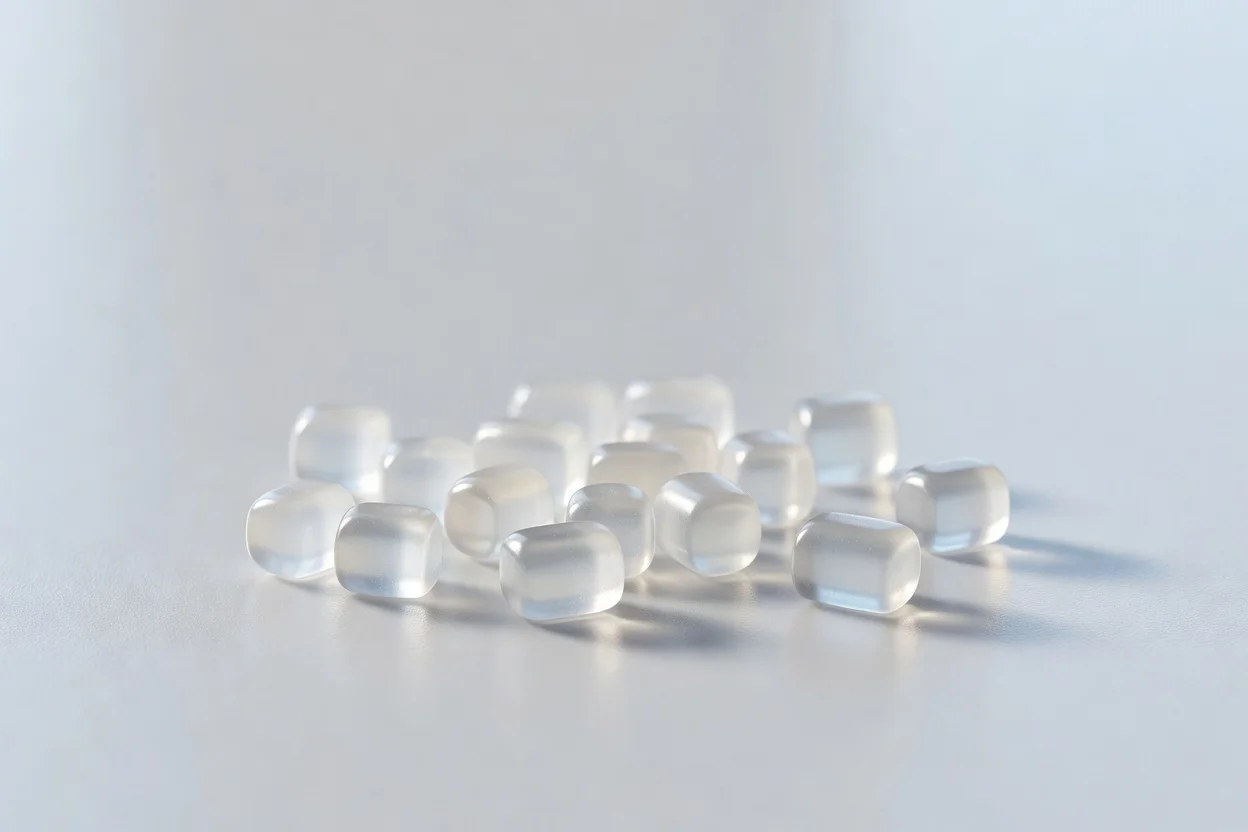
Polytrimethylene terephthalate (PTT) is a semicrystalline aromatic polyester best known for its combination of elasticity, resilience, softness, and chemical resistance, which has made it especially valuable in carpet yarns, textiles, and selected engineering applications. It is synthesized from 1,3-propanediol and terephthalic acid or dimethyl terephthalate, placing it in the same broad polyester family as PET and PBT, but with a chain structure that gives it a distinct balance of stretch and recovery.
PTT was first synthesized and patented in 1941, but its commercial significance emerged much later, when industrial development of cost-effective 1,3-propanediol and polyester processing enabled larger-scale production. Modern PTT is used both as a conventional petrochemical polyester and, in some grades, as a partially bio-based material when the 1,3-propanediol is produced from renewable feedstocks such as sugar-derived intermediates.
PTT occupies an intermediate position in the plastics and fibers ecosystem: it is not as rigid as PET, not as soft as elastane, and not as widely commodity-priced as PET or PP, but it offers a distinctive performance niche where recovery, feel, dyeability, and stain resistance matter more than absolute cost. Its future is shaped by two parallel trends: expanding use in textile and carpet markets, and ongoing efforts to improve circularity, reduce fossil carbon intensity, and broaden access to bio-based feedstocks.
History and Development
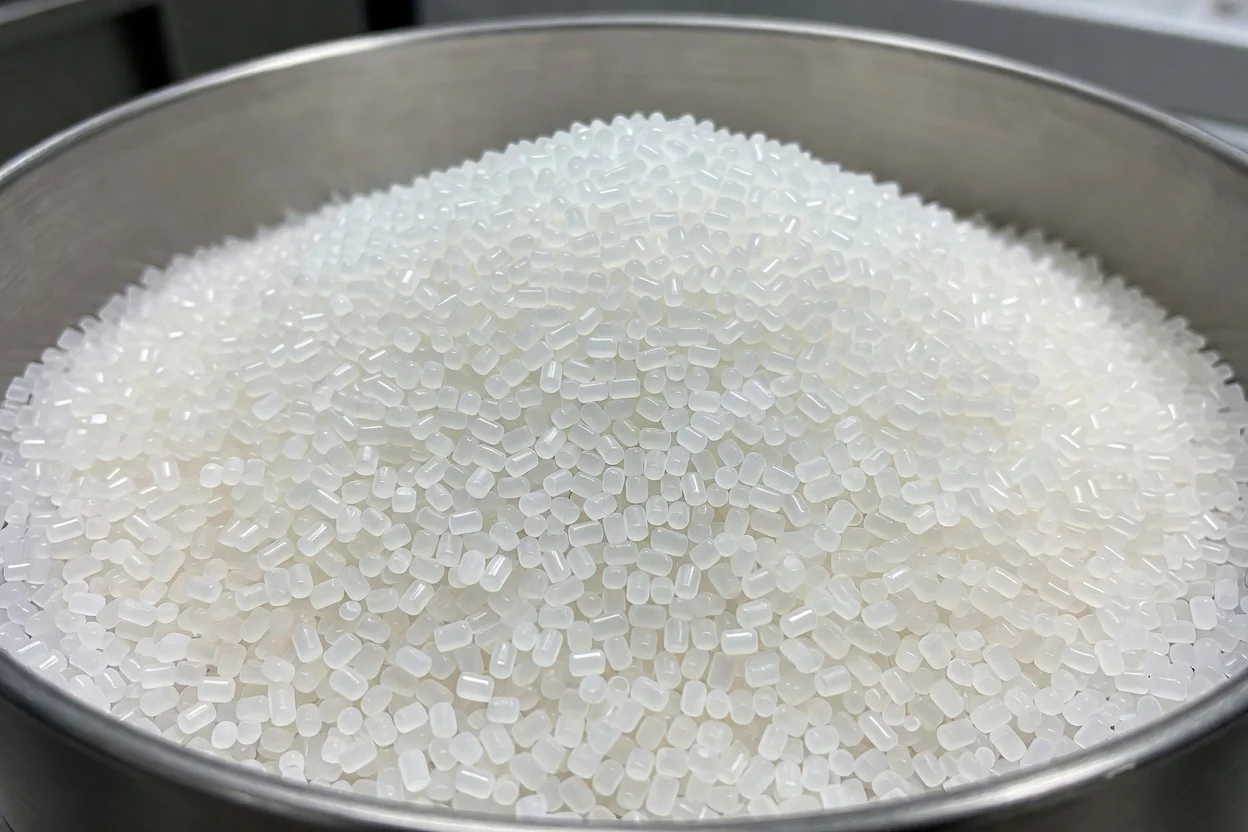
PTT originated as a laboratory and patent chemistry in the early 1940s, but it remained a relatively specialized polyester for decades because the economics of 1,3-propanediol production were not yet favorable. Commercial interest increased when polyester producers and chemical companies recognized that the polymer’s molecular geometry produced a property profile distinct from PET and PBT, especially higher elastic recovery and a softer hand in fibers.
The most important industrial milestone was the scaling of route chemistry based on purified terephthalic acid and 1,3-propanediol, including transesterification and esterification-polycondensation processes. In the industrial era, PTT became closely associated with carpet fiber development, where it offered a premium alternative to nylon and PET in certain applications because of its resiliency, easy dyeing, and resistance to permanent crushing.
PTT also became a case study in platform chemistry. Its development demonstrated how a polyester family member can be repositioned from a niche specialty to a broader materials platform when feedstock economics, polymerization technology, and end-use demand align. That platform logic later supported blends, composites, and nanocomposites for broader engineering uses.
Chemical Structure and Key Properties
PTT is a linear aromatic polyester formed from a terephthalate unit and a three-carbon aliphatic glycol segment. The three-methylene segment is the structural feature that most clearly distinguishes it from PET and PBT and is central to its mechanical behavior.
Key structural implications
- The three-carbon glycol segment enables a chain conformation that supports high elastic recovery and low permanent set in fibers.
- PTT is semicrystalline, which supports a useful combination of processability, strength, and dimensional stability.
- Compared with PET, PTT generally shows lower modulus and greater extensibility, while maintaining polyester chemical stability.
- Compared with PBT, PTT often offers a more attractive fiber balance of softness and resilience, though exact performance depends on molecular weight, crystallinity, and processing history.
Representative properties
| Property | Typical significance for PTT |
|---|---|
| Semicrystalline morphology | Supports fiber strength and controlled processing |
| Low glass-transition temperature relative to PET | Helps create softer hand and easier dyeability in fibers |
| High elastic recovery | Supports resilience in carpets and stretch textiles |
| Chemical resistance | Useful in apparel, upholstery, and some engineering uses |
| Fast crystallization | Helps processing in spinning and molding operations |
Important limitations
- Poor oxygen barrier → caused by polyester chain structure and moderate free volume → workaround: use multilayer structures, barrier coatings, or combine with barrier polymers where packaging-like performance is needed.
- Low surface energy before treatment → caused by the inherently nonpolar polyester surface → workaround: corona, plasma, flame treatment, primers, or surface-activated compounding for printing, coating, or adhesion.
- Cost sensitivity versus commodity polyesters → caused by the economics of 1,3-propanediol and specialty positioning → workaround: use in premium performance markets, bio-based routes, or blended formulations where added value justifies cost.
PTT also has processing limits that matter in production. As with other semicrystalline polyesters, crystallization behavior affects shrinkage, draw ratio, and final properties, so thermal history and take-up speed strongly influence fiber and film performance.
Production Processes and Raw Feedstocks
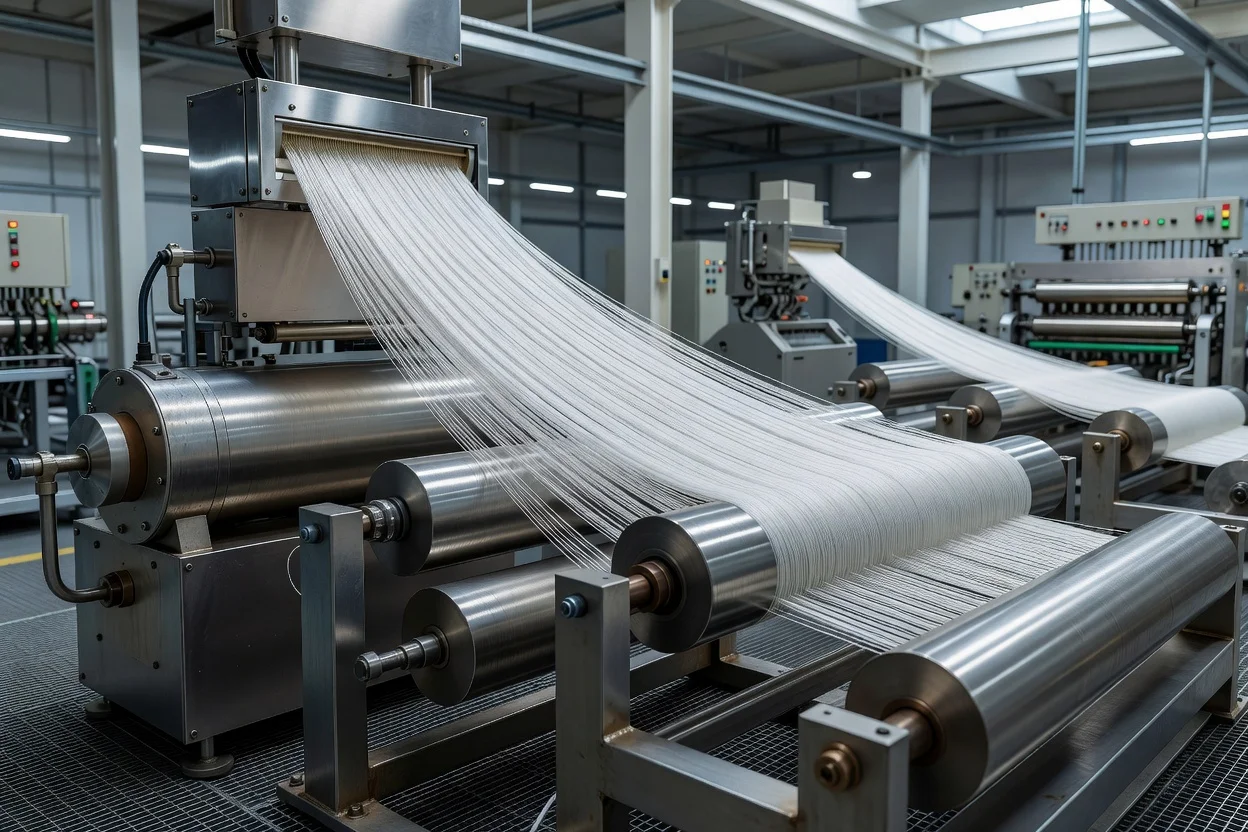
PTT is usually produced by melt polycondensation from 1,3-propanediol (PDO) and either terephthalic acid (TPA) or dimethyl terephthalate (DMT). The process may begin with esterification or transesterification, followed by precondensation and final polycondensation under elevated temperature and reduced pressure.
Main feedstocks
- TPA or DMT provides the aromatic terephthalate unit and is derived from petrochemical aromatics chains.
- 1,3-propanediol provides the tri-methylene segment and may be produced petrochemically or from renewable sugar-based routes.
Process overview
- Esterification or transesterification creates oligomeric intermediates.
- Precondensation builds molecular weight while removing water or methanol by-product.
- Final polycondensation raises intrinsic viscosity to fiber- or resin-grade levels.
- In some cases, solid-state polymerization is used to further increase molecular weight for demanding applications.
Industrial positioning and producers
PTT is not a global commodity in the way PET is, but it has been commercialized by companies with strong polyester, fiber, or specialty polymer capabilities. Shell’s Corterra brand is one of the best-known historic PTT platforms, and the polymer has also been developed in industrial programs in China and other regions focused on polyester innovation. Technical compounders such as RTP Company also market PTT-based materials for engineered applications.
Applications and End-Use Markets
PTT’s core market is fibers, especially carpets and textile yarns, because the polymer’s mechanical and tactile properties are particularly valuable in those uses. It is also used in some engineering thermoplastics, films, nonwovens, monofilaments, and specialty molded products.
| End-use sector | Typical grade or form | Why PTT fits | Typical processing route |
|---|---|---|---|
| Carpet fiber | Fiber-grade PTT | Resilience, crush recovery, stain resistance, softness | Melt spinning and texturing |
| Apparel and textiles | Fiber-grade PTT | Stretch-recovery, dyeability, hand feel | Melt spinning, draw texturing |
| Upholstery and automotive textiles | Fiber-grade PTT | Comfort, resilience, durability | Woven or nonwoven fiber conversion |
| Nonwovens | Fiber or staple-grade PTT | Bulk, recoverability, processability | Spunbond or staple conversion |
| Monofilaments | Higher-modulus fiber grade | Toughness and dimensional control | Monofilament extrusion/spinning |
| Films | Specialty film-grade PTT | Shrinkage and heat-shrink behavior in selected uses | Film extrusion and orientation |
| Engineering parts | Filled or reinforced PTT compounds | Chemical resistance, impact balance, fast crystallization | Injection molding |
| Poor-fit use: clear barrier packaging | Not a natural fit | Barrier performance is not competitive with dedicated packaging resins | Usually avoided unless modified |
Major application characteristics
- Carpets: This remains the signature market because PTT fibers combine resilience, softness, and stain resistance in a way that is especially attractive for residential and commercial flooring.
- Apparel and activewear: PTT is used where stretch recovery and a soft hand are more important than maximum strength or low cost.
- Automotive and home textiles: It can be used in seat covers, upholstery, and interior fabrics where comfort and dimensional stability matter.
- Engineering plastics: PTT compounds can be used for molded parts where fast crystallization and balanced mechanical behavior are useful, although it is less common than PET or PBT in mainstream engineering applications.
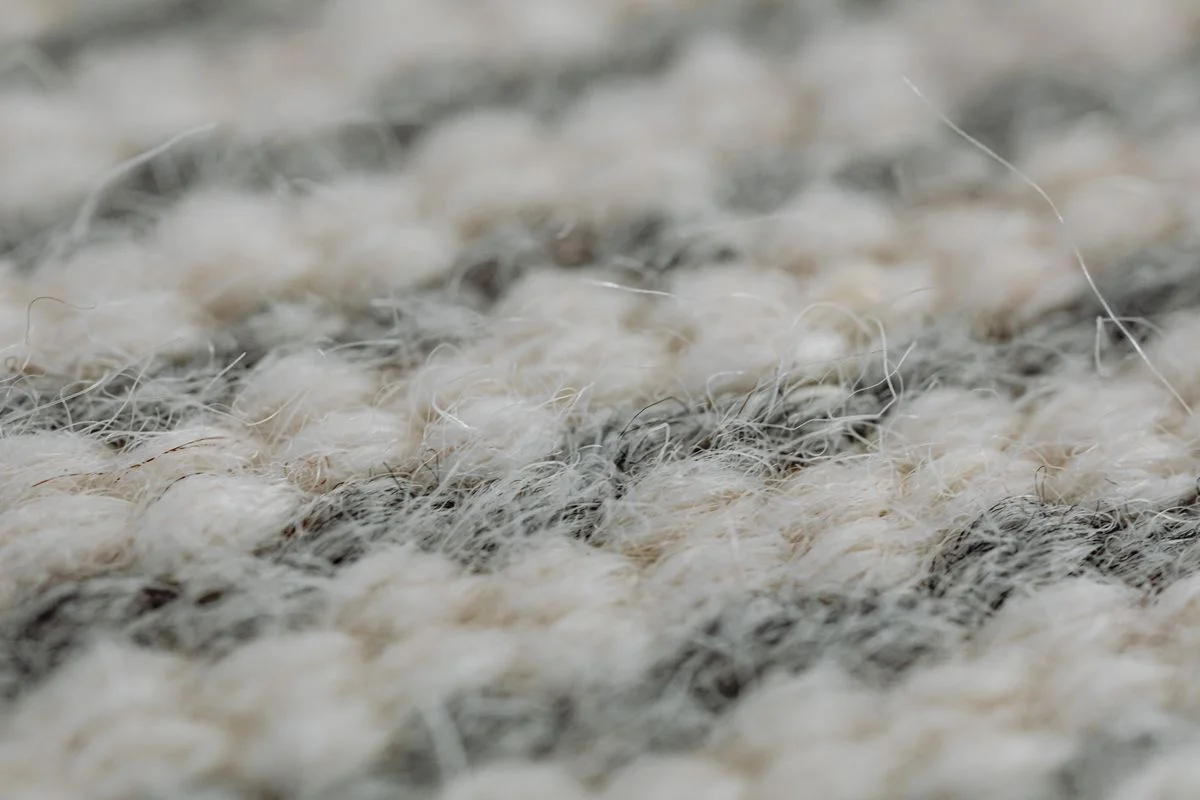
A practical performance example is PTT carpet fiber with a moderate intrinsic viscosity suitable for melt spinning, often around fiber-grade values cited in the literature in the range needed for stable spinning and resilient yarn formation. Another example is PTT in blends or composites, where fillers or nanofillers can be added at low loadings to improve stiffness or thermal performance while retaining some of the polymer’s elastic character.
Environmental and Sustainability Aspects
PTT is often discussed as a partially bio-based polyester because the 1,3-propanediol component can be made from renewable sugar-derived feedstocks. In such systems, a meaningful fraction of the polymer carbon can be biogenic, though the terephthalate portion usually remains petrochemical unless alternative aromatic feedstocks are used.
Recyclability and circularity
- PTT is a thermoplastic polyester, so it is theoretically recyclable through mechanical and chemical routes similar in principle to those used for other polyesters.
- In practice, recycling is constrained by collection, sorting, contamination, and the relatively specialized market scale of PTT versus PET.
- Blended or contaminated textile streams can reduce recyclate quality, which is a shared challenge across polyester fibers.
Carbon and feedstock considerations
The sustainability profile depends heavily on feedstock origin, polymer plant efficiency, and end-of-life management. Bio-based PDO can reduce fossil-carbon dependence, but it does not automatically make the polymer low-carbon across its full life cycle, because terephthalate production, energy use, and transport still matter.
Sustainability trade-offs
- Advantage: potential for renewable content in the glycol segment.
- Advantage: durability and long service life in carpets and textiles can reduce replacement frequency.
- Trade-off: the polymer remains a polyester derived partly from fossil or industrial carbon unless fully bio-based aromatic routes are used.
- Trade-off: recycling systems are less mature than for PET beverage packaging.
Economic and Global Market Impact
PTT is a specialty polyester rather than a high-volume commodity, so its market dynamics are driven more by performance value than by bulk resin economics. Demand is concentrated in carpets, technical textiles, and selected engineered products, where users are willing to pay for resilience, feel, and process advantages.
Market structure
- Upstream economics depend on the cost and availability of PDO and terephthalate feedstocks.
- Midstream economics depend on polycondensation efficiency, molecular-weight control, and spinning or compounding performance.
- Downstream economics depend on whether PTT replaces nylon, PET, or PBT in a premium niche.
Industry leadership
- Shell/Corterra is historically one of the best-known PTT commercial platforms and helped establish the polymer in fibers and carpets.
- Asian polyester developers, especially in China, have played an important role in expanding PTT industrial know-how and market adoption.
- Specialty compounders such as RTP Company supply PTT-based formulations for customers needing engineered performance rather than commodity resin.
The economic case for PTT is strongest where a material premium can be recovered through longer service life, improved aesthetics, lower staining, or better tactile quality. In commodity packaging or low-cost molded goods, PTT usually faces a difficult cost-performance comparison against PET, PP, and PBT.
Current Challenges and Innovations
PTT’s central challenge is not technical feasibility but market positioning. The polymer performs well in its core applications, yet it remains less widely adopted than PET because the latter benefits from enormous scale, established recycling infrastructure, and lower cost.
Current challenges
- High relative cost versus commodity polyesters.
- Limited recycling infrastructure specific to PTT.
- Sensitivity of final properties to spinning, drawing, and thermal history.
- Narrower application base than PET, PP, or nylon.
Innovation directions
- Bio-based PDO integration: increasing renewable content while preserving performance.
- Blends and composites: improving stiffness, heat resistance, or dimensional stability for engineering applications.
- Surface modification: improving adhesion, printability, and interfacial compatibility in films and composites.
- Textile innovation: optimizing yarn architecture for softness, resilience, and stain management in carpets and apparel.
A notable technical theme is structure-property control. Studies comparing PTT and PET fibers show that PTT’s elastic behavior is less sensitive to certain processing variables, which can simplify design in some spinning windows and support consistent textile performance.
Future Outlook
PTT is likely to remain a specialty polyester with strongest relevance in carpets, textile fibers, and selected engineered materials. Its long-term growth will depend on whether bio-based feedstocks can lower carbon intensity and whether the industry can expand circularity without losing the property advantages that make the polymer attractive in the first place.
The most plausible future pathways are:
- higher use of renewable PDO to strengthen sustainability claims,
- more use in performance textiles where resilience and hand are valued,
- broader adoption in blends and composites rather than as a universal commodity resin,
- incremental advances in recycling and sortation for polyester textile streams.
PTT is unlikely to displace PET at global commodity scale, but it has a durable role where performance differentiation matters more than lowest cost. In that sense, its future is tied to the broader plastics industry’s move toward specialization, circularity, and feedstock diversification rather than simple volume growth.
Summary
PTT is a specialty aromatic polyester whose main industrial identity is as a resilient, soft, dyeable fiber polymer with strong performance in carpets and textiles. Its chemistry, based on 1,3-propanediol and terephthalate feedstocks, gives it a distinctive structure-property profile that also supports limited engineering and composite uses. Sustainability efforts focus on bio-based PDO, improved recycling pathways, and lower-carbon production, while market growth remains anchored in premium applications where PTT’s comfort and recovery advantages justify its higher cost.
References
- •
Polytrimethylene terephthalate. (2006, January 24). Wikipedia. https://en.wikipedia.org/wiki/Polytrimethylene_terephthalateLink
- •
Polytrimethylene terephthalate (PTT). (2021, September 2). RTP Company. https://www.rtpcompany.com/products/product-guide/polytrimethylene-terephthalate-ptt/Link
- •
Polytéréphtalate de triméthylène. (2010, November 19). Wikipédia. https://fr.wikipedia.org/wiki/Polytrim%C3%A9thyl%C3%A8ne_t%C3%A9r%C3%A9phtalateLink
- •
PTT - Introduction. (n.d.). Swicofil. https://www.swicofil.com/commerce/products/ptt/179/introductionLink
- •
Polytrimethylenterephthalat. (2012, April 27). Wikipedia. https://de.wikipedia.org/wiki/PolytrimethylenterephthalatLink
- •
Poly(trimethylene terephthalate): A "new" type of polyester fiber. (2007, June 12). OJP. https://www.ojp.gov/ncjrs/virtual-library/abstracts/polytrimethylene-terephthalate-new-type-polyester-fiberLink
- •
Poly(trimethyleentereftalaat). (2009, May 13). Wikipedia. https://nl.wikipedia.org/wiki/Poly(trimethyleentereftalaat)Link
- •
Polytrimethylentereftalát. (2017, June 16). Wikipedia. https://cs.wikipedia.org/wiki/Polytrimethylentereftal%C3%A1tLink
- •
POLY(TRIMETHYLENE TEREPHTHALATE). (n.d.). https://arch.ies.gov.pl/images/PDF/2001/vol_46/46_houck1.pdfLink
- •
Properties and overview of PTT (polytrimethylene terephthalate). (n.d.). Engineercalculator. https://www.engineercalculator.com/polymer-plastic-properties-and-overview/ptt-polymer-plastic-various-properties-and-overview/Link
- •
Polytrimethylene terephthalate (PTT). (2023, December 6). Textile Exchange. https://textileexchange.org/glossary/polytrimethylene-terephthalate-ptt/Link
- •
Politereftalato de trimetileno. (2021, September 9). Wikipédia. https://pt.wikipedia.org/wiki/Politereftalato_de_trimetilenoLink
- •
Industrial applications of PTT-based polymer blends, composites, and nanocomposites. (n.d.). Springer. https://link.springer.com/chapter/10.1007/978-981-19-7303-1_11Link
- •
Process of producing polytrimethylene terephthalate (PTT). (2001, May 18). Google Patents. https://patents.google.com/patent/US6326456B2/enLink
- •
PTT fabric: Properties and applications. (2025, July 19). Scribd. https://www.scribd.com/document/861067159/PTT-PROCESSING-AND-APPLICATIONSLink
- •
Poly trimethylene terephthalate: Based blends, IPNs, composites and nanocomposites. (n.d.). DOKUMEN.PUB. https://dokumen.pub/poly-trimethylene-terephthalate-based-blends-ipns-composites-and-nanocomposites-9789811973024.htmlLink
- •
CORTERRA PTT, PTT fibres, CORTERRA polymer. (2008, April 28). Fibre2Fashion. https://www.fibre2fashion.com/industry-article/3261/ptt-an-innovative-polymerLink
- •
Polytrimethylene terephthalate: An example of an industrial polymer platform development in China. (n.d.). Wiley. https://onlinelibrary.wiley.com/doi/10.1002/mren.201400070Link
- •
PTT-based green composites. (2022, November 3). Springer. https://link.springer.com/chapter/10.1007/978-981-19-7303-1_9Link
- •
Poly(alkylene terephthalate)s: From current developments. (n.d.). UGent. https://backoffice.biblio.ugent.be/download/8731343/01HDZSECPTANHJESD15A29EJGCLink
- •
Poly(trimethylene terephthalate) polymer for fibers. (2000). Technica.net. http://www.technica.net/NF/NF1/eptt.htmLink
- •
PET (poly(ethylene terephthalate)) and PTT (poly(trimethylene terephthalate)). (n.d.). Springer. https://link.springer.com/referenceworkentry/10.1007/978-3-642-36199-9_239-1Link
- •
PET vs. PTT. (n.d.). MakeItFrom. https://www.makeitfrom.com/compare/Polyethylene-Terephthalate-PET-PETE/Polytrimethylene-Terephthalate-PTTLink
- •
Comparison of the structure-property relationships for PTT and PET fibers spun at various take-up speeds. (n.d.). Springer. https://link.springer.com/article/10.1007/s12221-011-0771-3Link
- •
ポリトリメチレンテレフタレート. (2026, May 24). Plastics-material.com. https://plastics-material.com/ptt/Link
- •
Fibre labelling polytrimethylene terephthalate - PTT. (n.d.). Publications Office of the European Union. https://publications.jrc.ec.europa.eu/repository/bitstream/JRC78840/lb_na_25777_en_n.pdfLink
- •
Poly-butylene succinate. (2017, October 22). ScienceDirect. https://www.sciencedirect.com/topics/engineering/poly-butylene-succinateLink
- •
Polyalkylènetéréphtalates (PET, PTT et PBT). (2025, March 5). Techniques de l'Ingénieur. https://www.techniques-ingenieur.fr/base-documentaire/procedes-chimie-bio-agro-th2/procedes-industriels-de-base-en-chimie-et-petrochimie-42329210/polycondensation-des-polyesters-satures-j5850/polyalkyleneterephtalates-pet-ptt-et-pbt-j5850niv10002.htmlLink
- •
Microsoft Word - PTT_final_report_revision_1_V_14_03_05_first_page_with_identifiers. (n.d.). Publications Office of the European Union. https://publications.jrc.ec.europa.eu/repository/bitstream/JRC89087/ptt_final_report_revision_1_v_14_03_05.pdfLink
- •
Process for producing polytrimethylene terephthalate. (2005, October 3). Google Patents. https://patents.google.com/patent/EP1812495A1/enLink
- •
Polytrimethylene terephthalate (PTT) derived from polyethylene terephthalate (PET) and containing PET residues. (2006, December 27). Google Patents. https://patents.google.com/patent/US20070225473A1/enLink
- •
Study of PTT. (2025, July 6). Scribd. https://www.scribd.com/document/861067152/Study-of-PTTLink
- •
Fibra PTT versus poliéster PET: Como a estrutura molecular muda o desempenho. (2026, August 18). BZY Fiber. https://www.bzyfiber.com/portuguese/news/ptt-fiber-vs-pet-polyester-how-molecular-structure-changes-stretch-recovery-and-fabric-performance-385528.htmlLink
- •
Comparative analysis of PET, PTT and PBT yarns. (n.d.). DergiPark. https://dergipark.org.tr/tr/download/article-file/1737096Link
- •
What are PET, PBT, and PTT fibers? Do you know the difference. (2025, October 7). Hanma Machinery. https://www.hanmamachinary.com/blog/what-are-pet-pbt-and-ptt-fibers-do-you-know-the-difference-between-them.htmlLink
- •
Solid-state polymerization of poly(trimethylene terephthalate). (n.d.). Wiley. https://onlinelibrary.wiley.com/doi/10.1002/app.12389Link
- •
PET vs polyester: Material comparison, properties & testing guide. (2026, July 31). Infinita Lab. https://infinitalab.com/blog/pet-vs-polyster-which-material-suits-your-needs/Link
- •
PET – PBT – PETP – PTT. (n.d.). Holm & Holm A/S. https://plasticwelding.dk/en/plastic-info/thermoplastic/pet-pbt-petp-ptt/Link
- •
PET, PBT, PTT, PCT, PEN, PBN properties and applications. (2025, December 29). LinkedIn. https://www.linkedin.com/posts/mahmoud-abdelhameed-87a1b9256_polymerization-process-13-key-polyester-activity-7411307014892736513-dgohLink
- •
Polyethylene terephthalate. (2003, August 10). Wikipedia. https://en.wikipedia.org/wiki/Polyethylene_terephthalateLink
- •
PE vs. PET: How are they different? (2023, September 30). SpecialChem. https://www.specialchem.com/plastics/guide/pe-vs-petLink
- •
PET vs. polypropylene: The wrong choice can cost you. (2025, April 7). Inline Plastics. https://www.inlineplastics.com/blog/differences-pet-polypropylene/Link
- •
PE vs PP vs PET. (2016, August 2). Reddit. https://www.reddit.com/r/AskEngineers/comments/4vrhnm/pe_vs_pp_vs_pet/Link