
Introduction
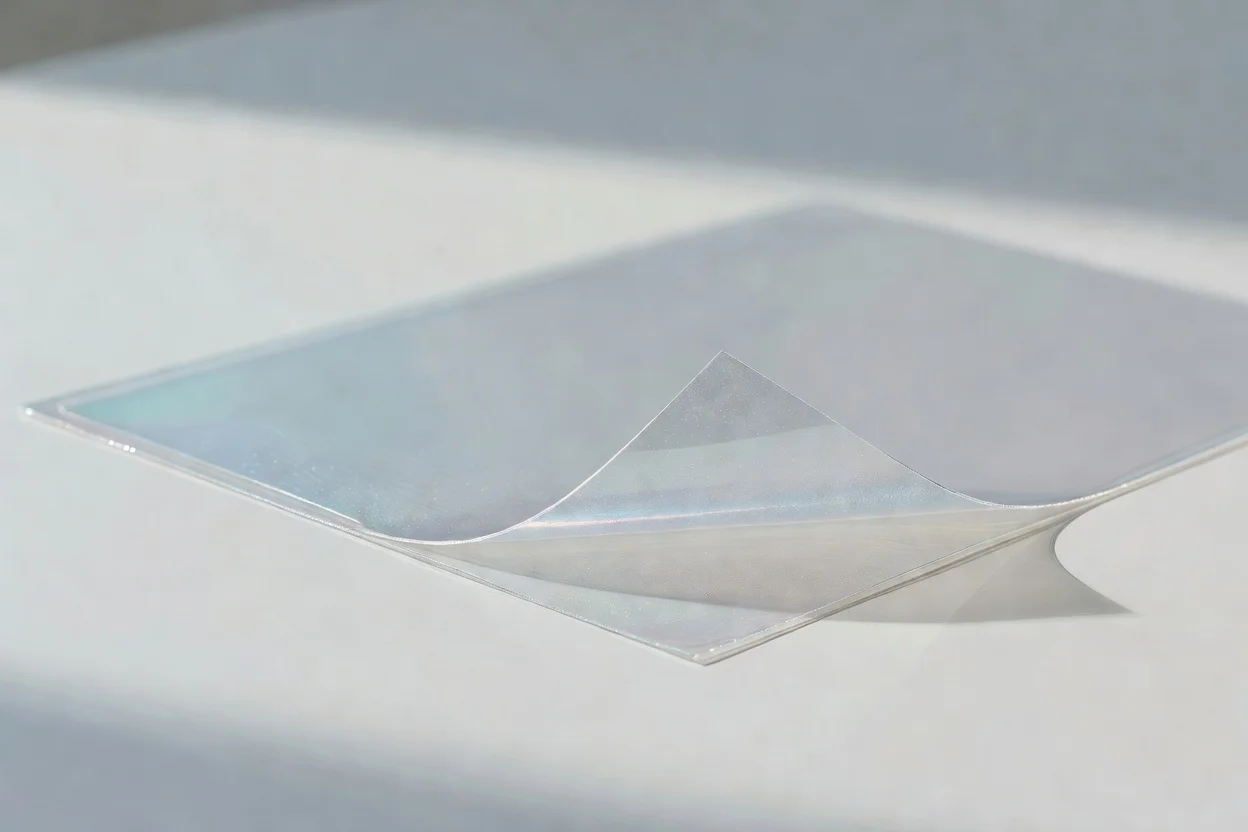
Heat seal adhesives are thermoplastic adhesive systems designed to create bonds when heat and pressure are applied, then solidify on cooling to form a sealed joint. They are central to flexible packaging, lidding, blister packs, laminates, paper converting, and selected technical assembly applications, where fast sealing, clean appearance, and compatibility with automated converting lines are critical.
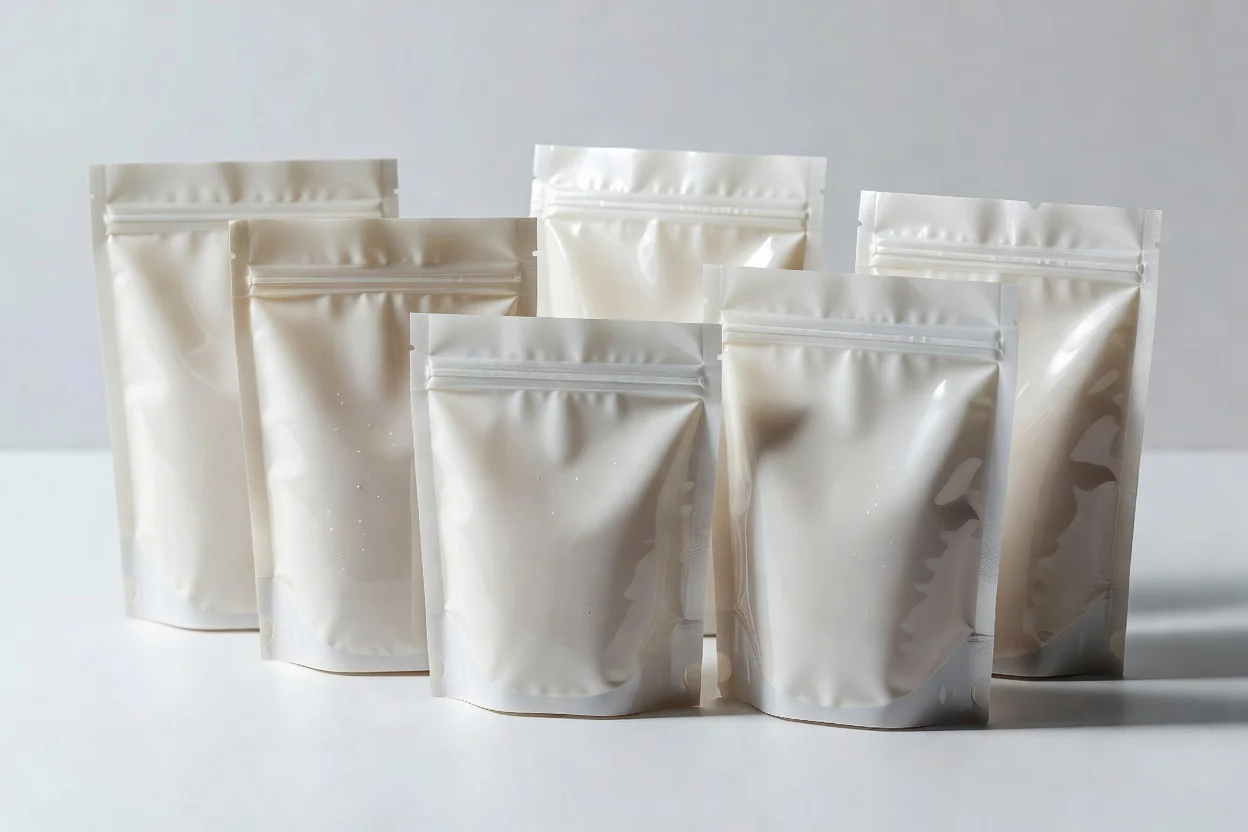
In plastics and packaging, heat seal adhesives occupy a distinctive position between the substrate and the final package performance: they can be formulated as coatings, lacquers, films, or hot-melt layers, and they are used on paper, plastic films, foils, nonwovens, and engineered laminates. Their chemistry commonly includes EVA, modified polyolefins, polyester-based systems, and other thermoplastic or heat-activatable formulations, allowing the seal to be tailored for peelability, high bond strength, retort resistance, or low-temperature activation.
Historically, heat sealing developed alongside the growth of thermoplastic packaging and industrial laminating, then expanded with the rise of food convenience packaging, pharmaceutical barrier packs, and recyclable mono-material structures. Current development is strongly shaped by sustainability requirements, including lower coating weights, reduced sealing temperatures, solvent-free or waterborne systems, and formulations intended to support recyclable packaging designs.
The technology now spans a broad spectrum of performance classes, from easy-open lidding seals to high-integrity medical and retort applications. Its future is being shaped by recyclable packaging mandates, food-contact compliance, low-VOC manufacturing, and innovations in seal layer chemistry, process efficiency, and compatible barrier structures.
History and Development
Heat seal technology emerged from the broader evolution of thermoplastic joining, in which a polymer layer softens under heat, flows at the interface, and re-solidifies to form a bond. Early patent literature already described heat-sealing adhesive compositions for foils, paper, and textiles, showing that the concept predates modern flexible packaging by decades.
As packaging markets expanded, heat seal adhesives moved from simple industrial bonding into specialized coating systems for paper converting, laminated structures, and sealed wraps. The development of waterborne, solvent-based, and later solventless and radiation-curable variants broadened the technology’s range, enabling improved solids content, application efficiency, and environmental performance.
In modern packaging, the growth of pouching, lidding, and medical barrier formats has driven more demanding seal specifications. The result has been a shift from “one-size-fits-all” sealing toward application-specific formulations with controlled seal initiation temperature, peel behavior, hot tack, and chemical resistance.
Chemical Structure and Key Properties
Heat seal adhesives are typically based on thermoplastic polymer chemistry, meaning the material softens when heated and regains cohesion when cooled. Common chemistry families include EVA, modified EVA, modified polyolefins, polyesters, and modified polyesters, with formulation additives used to tune melt behavior, tack, viscosity, crystallization, and adhesion to difficult substrates.
Key performance characteristics include:
- Seal initiation temperature: the temperature at which sealing begins under pressure.
- Hot tack: the ability to retain bond strength while the seal is still warm.
- Peel strength: important for easy-open, tamper-evident, and consumer-friendly packages.
- Optical clarity: important in transparent lidding and retail-visible packaging.
- Barrier compatibility: especially when used with foil, metallized film, or high-barrier structures.
Typical limitations and practical workarounds include:
- Poor heat resistance after sealing → thermoplastic softening at elevated temperature → workaround: use higher-melting or crosslinkable formulations, or choose retort-grade seal layers.
- Adhesion sensitivity to surface treatment → low surface energy substrates or contaminated films reduce wetting → workaround: corona, plasma, flame treatment, or primer/coating selection.
- Seal variability on narrow process windows → inconsistent temperature, dwell, or pressure cause weak seals → workaround: tighter line control and formulations with broader sealing range.
- Limited compatibility with some recyclable mono-material designs → traditional multilayer structures can impair recycling → workaround: recycle-ready sealant chemistries and downgauged coatings.
A practical formulation example is an EVA- or polyolefin-based heat seal coating used at relatively low coating weights to achieve rapid activation and reliable bond formation; the mechanism is melting of the seal layer, interdiffusion across the interface, and resolidification on cooling. Another example is a peelable lidding seal formulation designed so the interfacial adhesion is intentionally lower than film cohesion, producing a controlled peel rather than fiber tear or destructive opening.
Production Processes and Raw Feedstocks
Heat seal adhesives are manufactured using several process routes, depending on whether the product is a coating, lacquer, film, or hot-melt layer.
Common production pathways include:
- Solvent-based coating: resin is dissolved, applied to a substrate, and dried to leave the active seal layer.
- Waterborne dispersion coating: polymer particles are dispersed in water, applied, then dried and coalesced into a sealing film.
- Solventless or 100% solids systems: eliminate the drying step and reduce VOC emissions.
- Hot-melt application: the adhesive is applied in molten form and solidifies on cooling.
- Radiation-curable or hybrid systems: used where specialized post-application performance is required.
Raw feedstocks vary by chemistry, but typically include polymer resins, tackifiers, plasticizers, waxes, stabilizers, and processing aids. In some systems, the formulation is tuned with small amounts of modifiers to reduce activation temperature or adjust peel behavior; for example, low-activation metallocene polyolefin hot melts have been developed to seal at lower temperatures for energy efficiency and heat-sensitive substrates.
Processing often involves coating onto a substrate such as paper, PET, PP, foil, or specialty film, followed by drying or cooling and later activation during package forming or final assembly.
Applications and End-Use Markets
Heat seal adhesives are used primarily in packaging, but they also appear in automotive, textile, electronics, aerospace, and specialty assembly markets.
| End-use market | Typical function | Common substrate or format | Usual seal style |
|---|---|---|---|
| Food packaging | Lidding, pouches, sachets, wraps | PET, PP, paper, foil, multilayer films | Peelable or permanent |
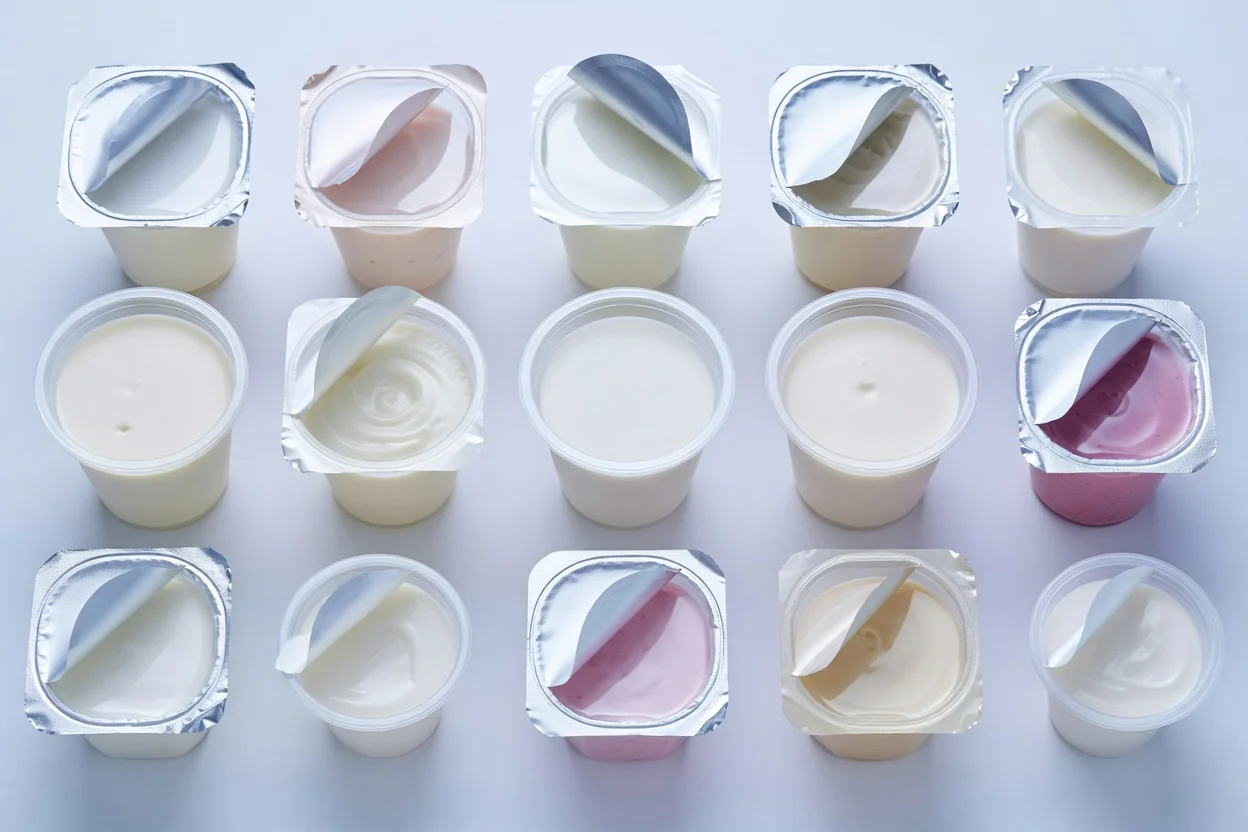
| Dairy and chilled foods | Yogurt, cheese, condiment lidding | PET, APET, CPET, paperboard | Low-temperature peel seal |
| Pharmaceutical packaging | Blister packs, sterile barrier packs | Foil, PVC, PET-based structures | High-integrity seal |
| Medical packaging | Device trays, diagnostic kits | PET, foils, thermoformed trays | Tamper-evident or sterile seal |
| Industrial packaging | Pouches, protective packs | Films, laminates, nonwovens | Durable seal |
| Paper converting | Laminates, labels, coatings | Paper, paperboard, coated paper | Heat-activated bond |
| Automotive and aerospace | Interior laminates, insulation, trim | Foams, textiles, films | Process-driven laminate bond |
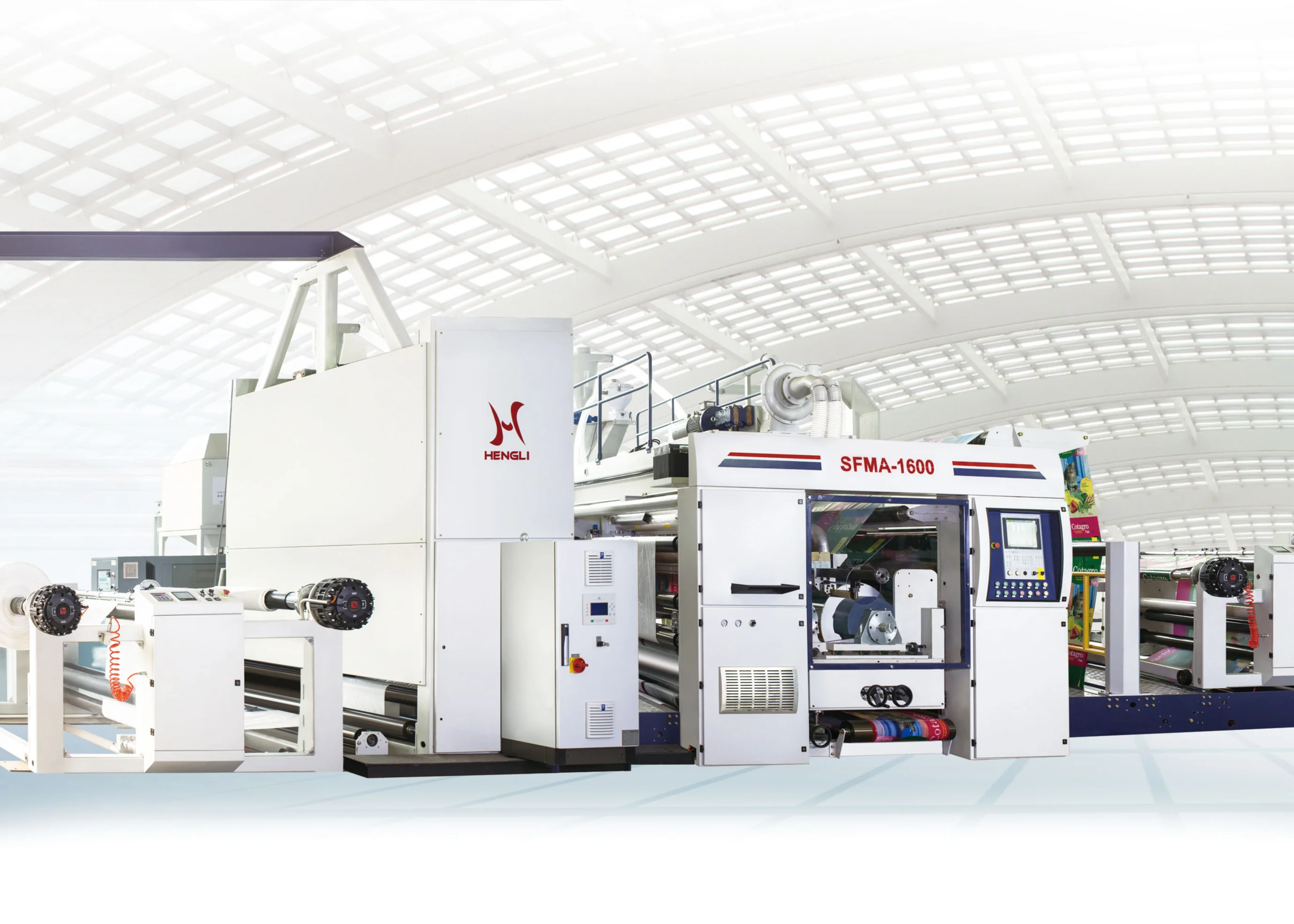
Major packaging applications include film laminating, pouch construction, blister-pack sealing, and lidding for dairy, condiments, ovenable trays, and retortable containers. Food-contact grades are often selected for compatibility with direct food contact and regulated packaging structures.
Pharmaceutical and medical markets use heat seal adhesives for blister packs and sterile barrier systems because they can deliver a controlled seal with traceable process conditions and strong package integrity. In these applications, the seal layer must balance opening performance, barrier preservation, and resistance to sterilization or handling stresses.
Non-packaging uses include credit card lamination, decorative laminates, textile bonding, and certain electronics or automotive assemblies where a heat-activated layer is advantageous. A relatively poor-fit use is highly structural load-bearing bonding, because heat seal adhesives are usually optimized for surface joining and packaging integrity rather than deep structural strength.
Environmental and Sustainability Aspects
Sustainability is now a defining issue for heat seal adhesives, especially because packaging films are expected to become more recyclable, lower in carbon intensity, and safer for food-contact and worker exposure.
Key sustainability dimensions include:
- Recyclability: seal layers must increasingly support mono-material or recycle-ready packaging designs.
- VOC reduction: waterborne and solventless systems reduce emissions compared with traditional solvent-based coatings.
- Energy use: lower sealing temperatures can reduce package conversion energy and improve line efficiency.
- Material efficiency: lower coating weights help reduce overall material usage.
- Regulatory compatibility: formulations increasingly avoid or reduce substances of concern in food packaging, such as PVC, BPA, phthalates, and styrene in some product lines.
Bio-based alternatives and recycled-content strategies are emerging, but they face trade-offs in cost, supply consistency, sealing performance, and food-contact qualification. The main technical challenge is that a sustainable seal layer must still provide heat activation, consistent peel or bond strength, and compatibility with downstream recycling streams.
From a carbon-footprint perspective, the most important levers are lower coating weight, reduced drying energy, lower seal temperature, and avoidance of high-VOC solvents. These gains can be significant in large-scale packaging converting, where millions of square meters of coated material are processed annually.
Economic and Global Market Impact
Heat seal adhesives are an enabling technology for the global flexible packaging economy. Demand is supported by growth in convenience foods, extended-shelf-life packaging, e-commerce protective packaging, and medical/pharmaceutical barrier formats.
Commercially, the most important market drivers are:
- expansion of flexible packaging and lidding formats,
- demand for high-speed sealing on automated lines,
- sustainability-led redesign toward recyclable structures,
- and increasing use of direct-food-contact compliant coatings.
Leading suppliers in the sector include global adhesive and seal-coating manufacturers such as Bostik and Henkel, alongside specialized formulators serving regional packaging and converting markets. Competition is increasingly based on seal performance, compliance, process efficiency, and recyclability rather than on adhesive strength alone.
Current Challenges and Innovations
Current technical challenges include:
- achieving strong seals on recycled or downgauged films,
- maintaining peel consistency across machine speed fluctuations,
- enabling low-temperature sealing without sacrificing hot tack,
- and meeting stricter food-contact and sustainability requirements.
Important innovation directions include:
- Low-activation formulations for lower energy use and heat-sensitive substrates.
- Waterborne and low-VOC systems for improved environmental performance.
- Recyclable-package-compatible sealants designed for mono-material film structures.
- Peelable and frangible seal engineering for consumer convenience and tamper evidence.
- Broader process windows to support high-speed packaging lines with fewer defects.
A useful technical example is a low-activation polyolefin hot-melt system that softens and bonds at reduced temperatures, helping lower energy demand and reduce distortion of sensitive films. Another is a peelable lidding coating engineered so the seal fails predictably at the interface, which improves openability in dairy and ready-meal packaging.
Future Outlook
Heat seal adhesives are likely to become more specialized, more recyclable-package-compatible, and more tightly integrated with package design than at any earlier stage in their development.
The strongest future opportunities are expected in:
- recyclable flexible packaging,
- direct-food-contact lidding,
- retortable and microwaveable trays,
- medical barrier systems,
- and automated, high-speed converting lines requiring precise seal control.
Future formulations will probably emphasize lower seal temperatures, reduced coating weights, elimination of problematic substances, and improved compatibility with digital quality control and advanced converting equipment. The broader trend is from general-purpose sealing toward engineered interface materials that are simultaneously adhesive, functional, and sustainability-enabling.
Summary
Heat seal adhesives are thermoplastic sealing materials that bond substrates under heat and pressure, then solidify into functional seals used chiefly in packaging and related converting industries. Their importance lies in their ability to combine speed, automation, appearance, barrier performance, and tailored opening behavior, while their main challenge is to meet increasingly strict sustainability and recyclability requirements without losing seal reliability.
References
- •
Heat-seal adhesive coatings. (2007, March 21). SpecialChem. https://www.specialchem.com/adhesives/guide/heat-seal-adhesive-coatingsLink
- •
Heat seal adhesives and heat seal coating for paper and plastic films. (2025, June 26). Cattie Adhesives. https://cattieadhesives.com/adhesive-applications/heat-seal-adhesives-and-heat-seal-coatings-for-paper-and-plastic-filmsLink
- •
Heat seal adhesives for packaging, product assembly. (2026, August 1). Cattie Adhesives. https://cattieadhesives.com/products/heat-seal-adhesivesLink
- •
Heat seal adhesives and barrier coatings for paper coating. (2025, December 8). Cattie Adhesives. https://cattieadhesives.com/latest-news/heat-seal-adhesives-2Link
- •
Tag: hot melt heat seal. (2026, August 1). Cattie Adhesives. https://cattieadhesives.com/tag/hot-melt-heat-sealLink
- •
Adhesion, adhesives, and heat sealing. (n.d.). https://2024.sci-hub.se/4715/05a6cfcb5092b648f507ae7a178f80c9/selke2015.pdfLink
- •
Heatseal tapes. (2023, March 10). Cattie Adhesives. https://cattieadhesives.com/products/heatseal-tapesLink
- •
Products archives. (2026, August 1). Cattie Adhesives. https://cattieadhesives.com/category/productsLink
- •
Heat seal coatings. (n.d.). Laminating Adhesive Products. https://www.laminatingadhesiveproducts.com/products/by-family/heat-seal-coatingsLink
- •
Heat seal for blister packs. (2026, February 22). Cattie Adhesives. https://cattieadhesives.com/adhesive-applications/heat-seal-blister-packsLink
- •
Heat seal coatings for flexible packaging. (n.d.). Henkel. https://dm.henkel-dam.com/is/content/henkel/white-paper-heat-seal-coatings-for-flexible-packagingLink
- •
Heat seal coatings. (2025, January 1). Bostik. https://www.bostik.com/us/en_US/markets-applications/seal-coatings/heat-seal/Link
- •
Heat seal lacquers. (n.d.). Bostik. https://www.bostik.com/uk/en_GB/markets-applications/seal-coatings/heat-seal/Link
- •
Heat seal adhesives for packaging & product assembly. (2025, July 15). Chemix. https://www.chemix-tech.com/blog/heat-seal-adhesives-packaging-product-assemblyLink
- •
Smith-rohm-haas-cpp05.pdf. (2025, July 2). Scribd. https://www.scribd.com/document/481768582/smith-rohm-haas-cpp05-pdfLink
- •
Brand owners: Why your packaging needs heat seal. (2023, November 10). Bostik. https://www.bostik.com/us/en_US/blog/post/advanced-packaging/flexible/nam/heat-seal-adhesive-technology-sustainable-packaging/Link
- •
The basic chemistry of heat seal coatings. (2019, May 8). ChemPoint. https://www.chempoint.com/insights/the-basic-chemistry-of-heatseal-coatingsLink
- •
Heat seal tapes in the real world: 5 uses you'll actually. (2025, October 11). LinkedIn. https://www.linkedin.com/pulse/heat-seal-tapes-real-world-5-uses-youll-actually-y5tqcLink
- •
Heat seal. (2025, January 1). Bostik. https://www.bostik.com/us/en_US/markets-applications/transportation-aerospace/heat-seal/Link
- •
Heat seal. (2000, January 1). Bostik. https://www.bostik.com/canada/en_US/markets-applications/transportation-aerospace/heat-seal/Link
- •
Heat sealer. (2005, May 6). Wikipedia. https://en.wikipedia.org/wiki/Heat_sealerLink
- •
Heat seal adhesives. (n.d.). Bostik. https://www.bostik.com/israel/en/markets-applications/packaging-adhesive/seal-coatings/heat-seal/Link
- •
Essential tips for working with heat seal glue. (2025, July 29). Chemix. https://www.chemix-tech.com/blog/essential-tips-working-heat-seal-glueLink
- •
Technology of heat seal coatings. (n.d.). Texochem. https://www.texochem.com/assets/pdfs/heat-seal-coating-presentation.pdfLink
- •
On hot-melt, heat-seal and hot-set adhesives. (n.d.). JAIC. https://cool.culturalheritage.org/jaic/articles/jaic18-01-006_indx.htmlLink
- •
Heat seal coatings. (2025, July 8). Chemix. https://www.chemix-tech.com/blog/heat-seal-coatings-best-laminating-adhesive-productsLink
- •
High temperature resistant bonding, sealing and coating compounds. (2026, July 10). Master Bond. https://www.masterbond.com/properties/high-temperature-resistant-bonding-sealing-and-coating-compoundsLink
- •
Heat seal adhesive paper product, method for manufacturing, and laminate product. (2005, September 8). Google Patents. https://patents.google.com/patent/US8067087B2/enLink
- •
What is heat seal bonding and how is it used? (2025, August 5). Chemix. https://www.chemix-tech.com/blog/heat-seal-bonding-how-usedLink
- •
Feature L&L products. (2025, March 2). Adhesives Magazine. https://digitaledition.adhesivesmag.com/february-2025/feature-ll-products/Link
- •
Inside water based heat seal coating. (2026, January 24). Alibaba. https://www.alibaba.com/product-insights/water-based-heat-seal-coating.htmlLink
- •
Cold seal vs. heat seal technology. (2021, March 12). Packaging Strategies. https://www.packagingstrategies.com/articles/102766-cold-seal-vs-heat-seal-technologyLink
- •
Heat-seal adhesive compositions and methods of making same. (2002, January 11). Google Patents. https://patents.google.com/patent/US3214402A/enLink
- •
Metallocene polyolefin based low activation temperature heat seal hot melt adhesive. (2016, January 22). Google Patents. https://patents.google.com/patent/US20160215176A1/enLink
- •
Cold seal vs heat seal packaging: What's the difference? (2022, January 6). Epac Flexible Packaging. https://epacflexibles.com/cold-seal-vs-heat-seal-packaging-whats-the-difference/Link
- •
Heat sealing equipment for precision plastic assembly. (2024, October 10). Thermal Press. https://thermalpress.com/heat-sealing-in-manufacturing-offering-value-across-multiple-industries/Link
- •
Why you need two heat sealable packaging pathways. (2024, February 7). Bostik. https://www.bostik.com/us/en_US/blog/post/advanced-packaging/flexible/nam/two-heat-sealable-packaging-pathways/Link
- •
Method of producing zone specific peelable heat seals for flexible packaging applications. (1997, October 15). Google Patents. https://patents.google.com/patent/US6245176B1/enLink
- •
Heat sealing for package integrity. (2025, April 25). GreyB. https://xray.greyb.com/packaging/heat-sealingLink
- •
Hot melt adhesives: Types & applications. (2026, June 16). IQS Directory. https://www.iqsdirectory.com/articles/adhesive/hot-melt-adhesives.htmlLink
- •
Thermally cross-linkable heat-sealing adhesive. (1995, September 4). Google Patents. https://patents.google.com/patent/WO1994028046A1/enLink