
Introduction
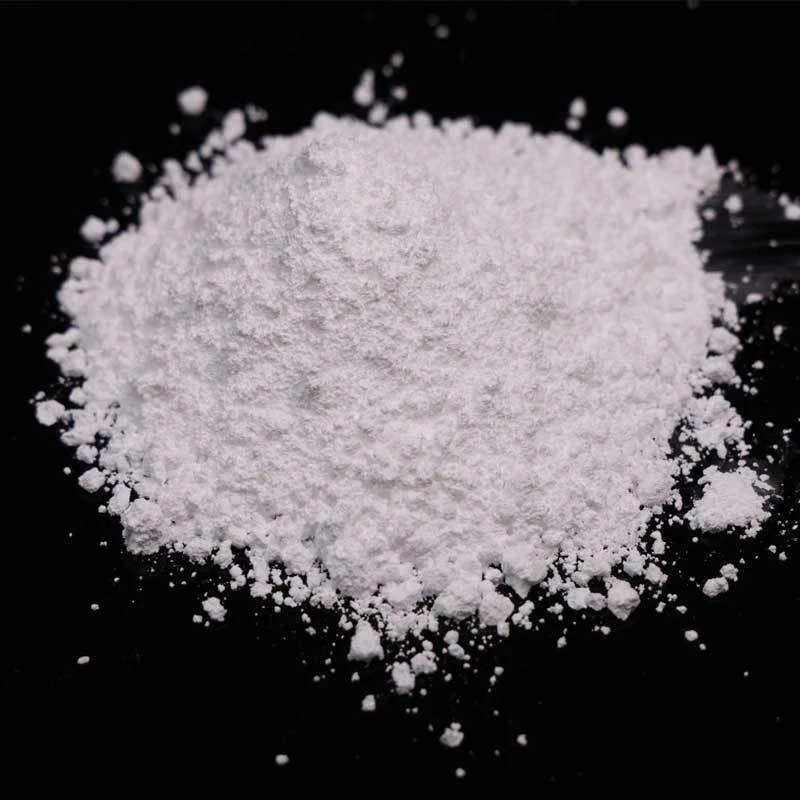
Solid lubricants are materials that reduce friction and wear by separating contacting surfaces with a solid film or dispersed solid phase rather than a liquid oil or grease. In plastics and polymer engineering, they are used both as surface coatings and as internal additives in self-lubricating composites, where they can lower the coefficient of friction, reduce stick-slip, and improve sliding wear performance under conditions where conventional lubricants are impractical.
These materials occupy an important niche in the plastics value chain because they bridge tribology, compounding, and end-use design. Common classes include layered inorganic solids such as graphite and molybdenum disulfide, organic solid lubricants such as PTFE, soft metals, fluorides, and other lubricious oxides or polymers; they are selected according to temperature, load, speed, vacuum, contamination risk, and compatibility with the host polymer or substrate. Their importance has grown in applications where contamination control, extreme temperatures, vacuum, intermittent operation, or maintenance-free service make liquid lubricants unsuitable.
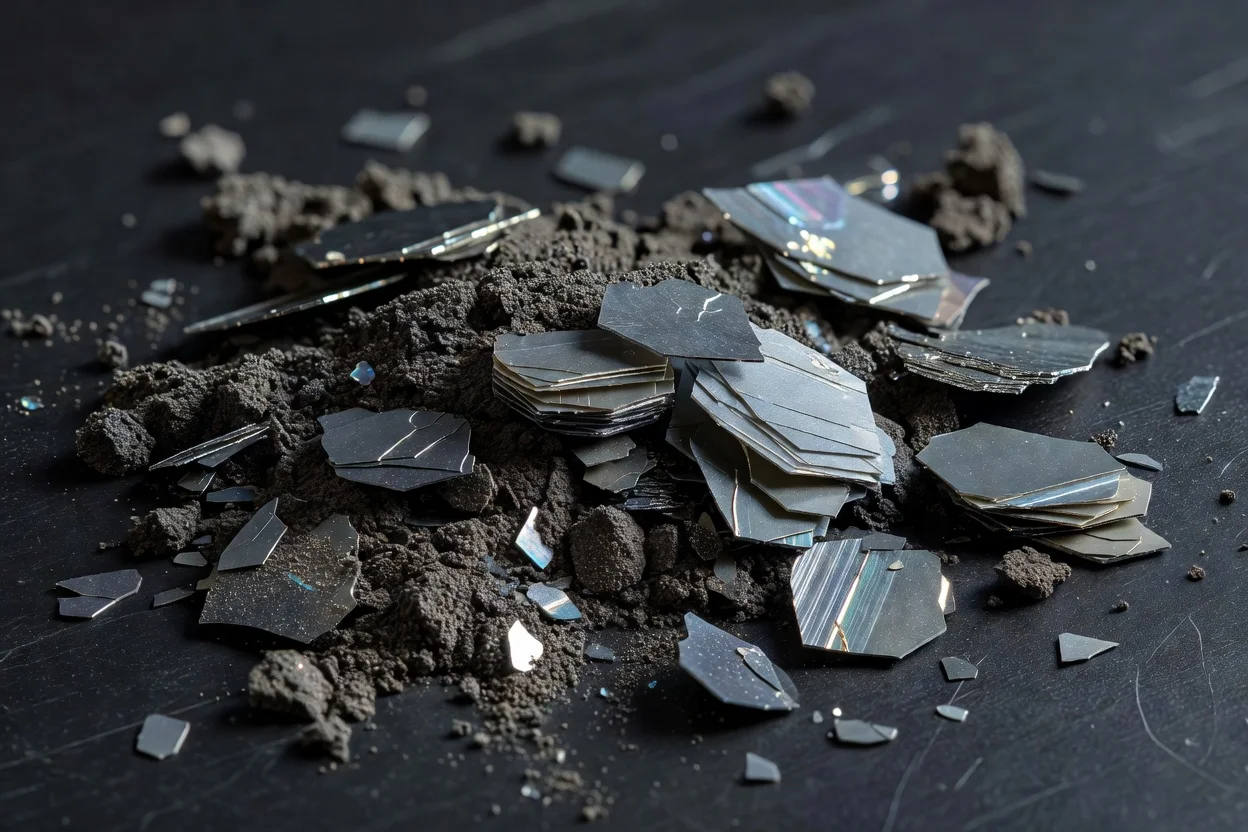
The field has developed from classic dry-film lubrication toward engineered tribological systems, including reinforced thermoplastic composites, conversion coatings, and multifunctional additive packages. At the same time, sustainability debates have intensified because solid lubricants can enable lubricant-free designs and lower maintenance, yet some of the most effective chemistries rely on mined or fluorinated materials with their own environmental and supply-chain trade-offs.
History and Development
Early use of solid lubrication predates modern polymer science and emerged from practical needs in dry, dusty, high-temperature, or otherwise hostile environments where oils and greases failed. Graphite became one of the best-known dry lubricants because of its layered crystal structure, and molybdenum disulfide later gained major importance for vacuum, aerospace, and heavily loaded contacts.
With the rise of plastics and engineered polymers, solid lubrication expanded beyond powders and coatings into self-lubricating materials. PTFE, polyimides, filled thermoplastics, and composite bearing materials enabled low-friction components without external oiling, especially in bearings, sliding guides, seals, and electromechanical assemblies. More recently, research has focused on nanostructured additives, hybrid tribofilms, and lubricious fillers that preserve mechanical strength while improving wear performance.
Chemical Structure and Key Properties
Solid lubricants work in the boundary lubrication regime, where a thin tribofilm, transfer film, or layered solid layer prevents direct asperity-to-asperity contact. Their performance is typically linked to one of three mechanisms:
- Layered crystal structure, where adjacent planes slide easily because interlayer bonding is weak, as in graphite, MoS2, WS2, and hBN.
- Transfer-film formation, where material is deposited on the counterface and becomes the low-shear sliding layer.
- Soft-phase shearing, where a ductile or soft solid deforms at low shear stress and reduces adhesive wear.
Key practical properties include low shear strength, thermal stability, chemical inertness, vacuum compatibility, and the ability to form a persistent film under load.
Typical limitations and workarounds
| Limitation | Cause | Common workaround |
|---|---|---|
| Finite service life | The solid phase is not continuously replenished like oil | Use a higher-loading composite, a bonded coating, or a wear-resistant matrix that releases lubricant gradually. |
| Poor performance outside boundary lubrication | Solid lubricants are most effective when a film can be maintained under sliding contact | Pair with a compatible binder, surface texture, or hybrid lubricant system. |
| Processing or property trade-offs in plastics | High filler loading can reduce impact strength, elongation, or weldability | Use lower dosages, surface-treated particles, or synergistic blends with waxes and processing aids. |
| Vacuum or high-temperature oxidation sensitivity for some chemistries | Certain lubricants degrade, oxidize, or lose structure at elevated temperature | Select hBN, fluorides, or advanced ceramic lubricants for hotter environments. |
Common material families
| Family | Representative materials | Main traits |
|---|---|---|
| Layered inorganics | Graphite, MoS2, WS2, hBN | Very low friction, strong tribological heritage, widely used. |
| Organic polymers | PTFE, polyimides | Low friction, useful in plastics and coated systems. |
| Soft metals | Ag, Au, Pb, In | Useful at high temperature or specialized contacts. |
| Fluorides and oxides | CaF2, BaF2, lubricious oxides | High-temperature utility, especially in extreme environments. |
Production Processes and Raw Feedstocks
In plastics, solid lubricants are usually introduced in one of three ways:
- Dry blending and compounding into thermoplastics or masterbatches.
- Surface coating or conversion treatment on substrates to create a low-shear interface.
- Composite reinforcement, where the lubricant is dispersed throughout the bulk material and replenishes the wear surface during service.
Raw feedstocks depend on the lubricant family. Graphite is derived from natural or synthetic carbon sources; MoS2 and WS2 are produced through mineral-processing or chemical routes; PTFE comes from fluorochemical feedstocks; and many high-temperature lubricious oxides and fluorides are made by controlled inorganic synthesis. The quality of particle size distribution, crystallinity, and surface treatment is critical because these factors influence dispersion, film formation, and wear behavior in the final compound.
Example formulations and mechanisms
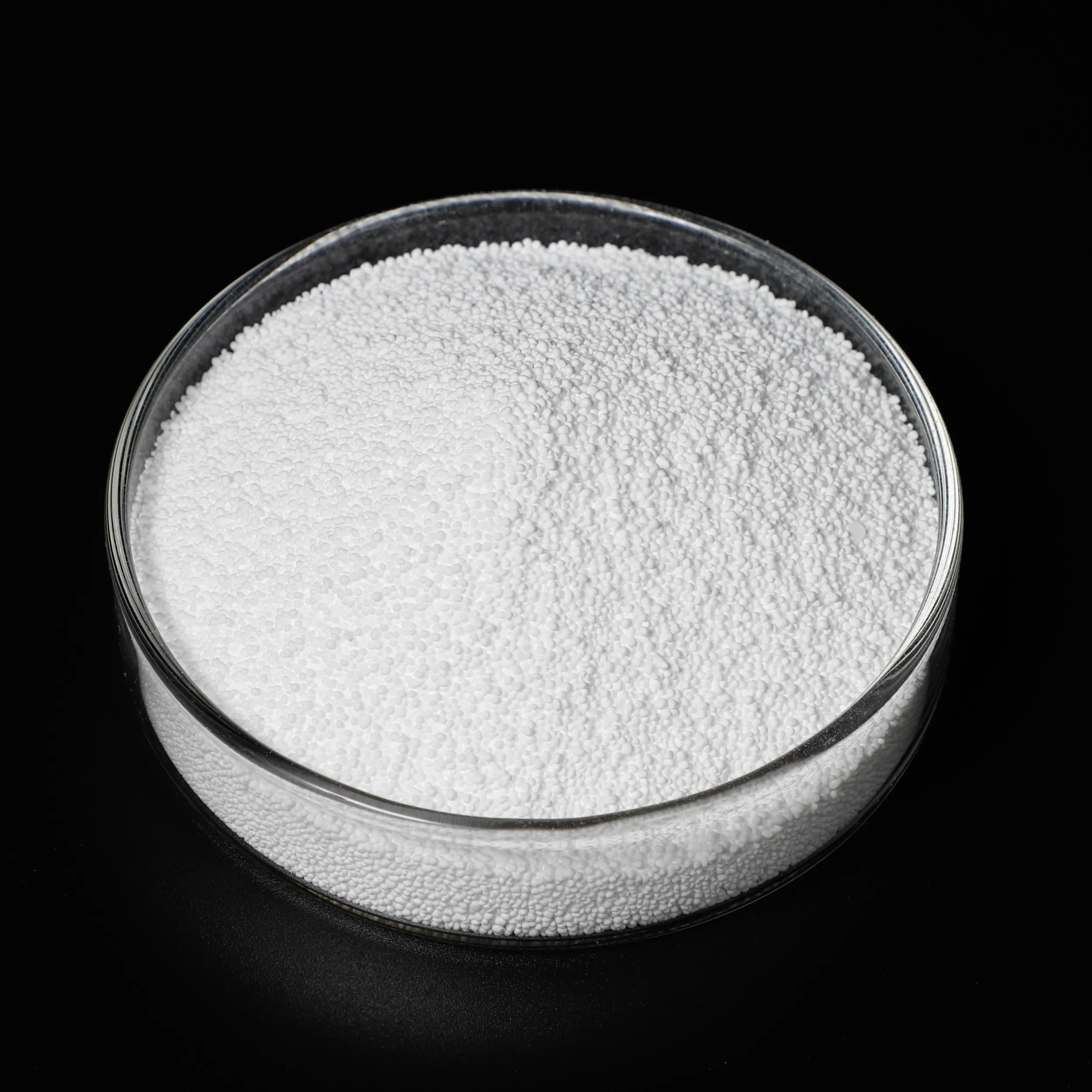
- PTFE at about 5–20% in a polymer bearing compound is often used to lower friction by creating a low-shear transfer film on the counterface; the polymer matrix holds the particles in place while wear gradually exposes fresh lubricant.
- MoS2 at low single-digit to moderate loadings in engineering plastics or coatings is frequently used for heavy-load sliding because its layered structure shears easily, reducing adhesive wear and galling.
Applications and End-Use Markets
Solid lubricants are used where liquid lubricants are unreliable, undesirable, or impossible. Their most important applications in the plastics ecosystem include both lubricated materials and lubricating additives.
| End use | Typical solid lubricant form | Usual polymer or system |
|---|---|---|
| Bearings and bushings | PTFE, graphite, MoS2-filled composites | POM, PA, PEEK, UHMWPE, phenolics, sintered composites |
| Sliding guides and wear strips | PTFE, graphite, hBN, waxy lubricants | Engineering thermoplastics and coated surfaces |
| Seals and valve components | PTFE, MoS2, graphite | Fluoropolymers, elastomers, composite seals |
| Dry machining and assembly aids | Lubricious coatings or powders | Metal parts, inserts, threaded assemblies |
| Aerospace and vacuum systems | MoS2, WS2, graphite, hBN | Coatings, composites, space mechanisms |
| High-temperature machinery | hBN, fluorides, lubricious oxides | Metal and ceramic interfaces |
| Food, textile, and clean environments | PTFE, selected polymer lubricants | Low-contamination assemblies and conveyor systems |
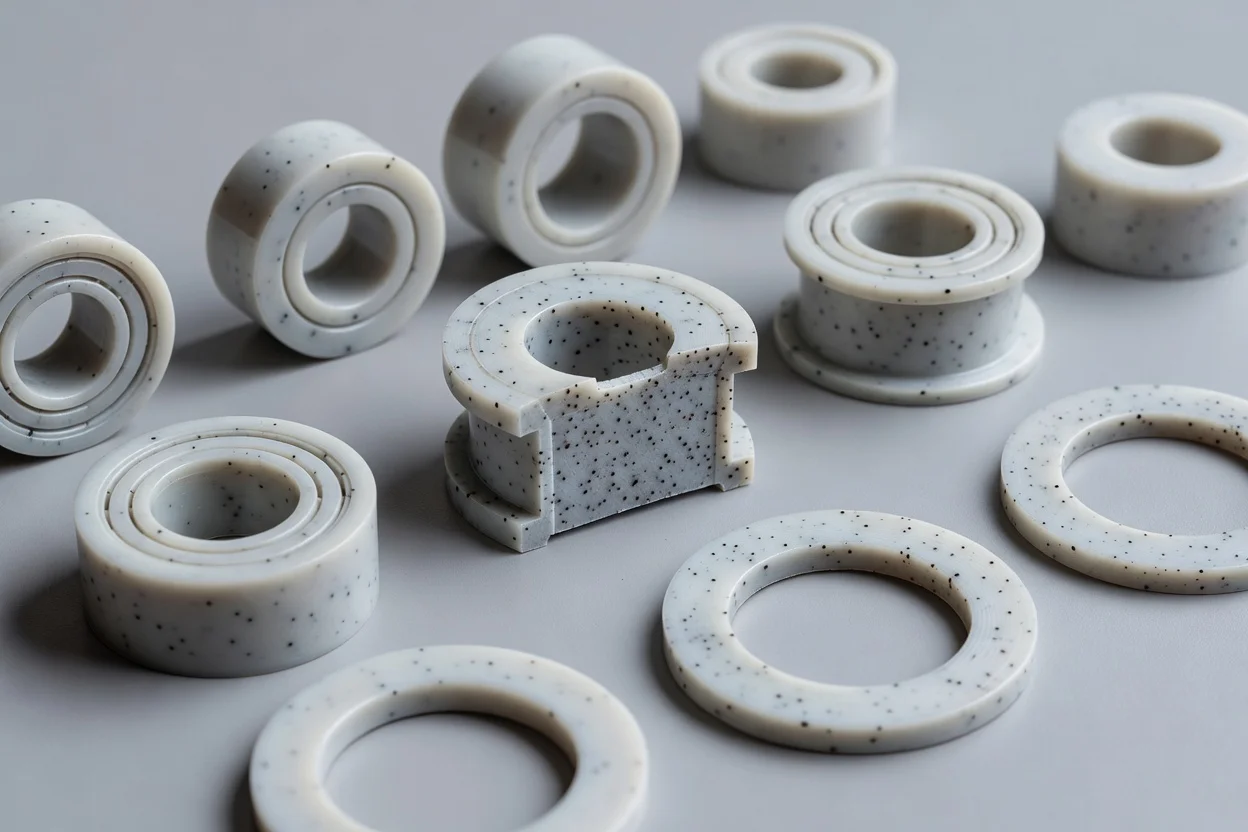
In plastics, the most important uses are in self-lubricating engineering plastics, especially where sliding wear matters more than bulk structural load. These include gears, bushings, connectors, camera mechanisms, office equipment, appliance parts, and industrial automation components. The poor-fit use is high-speed, heavily lubricated hydrodynamic bearings, where liquid lubrication remains superior because solid lubricants do not continuously recirculate and have finite life.
Environmental and Sustainability Aspects
Solid lubricants can support sustainability by eliminating or reducing oil and grease use, lowering leakage risk, simplifying maintenance, and extending component life in dry-running systems. They are particularly attractive in contamination-sensitive applications, such as food processing, clean manufacturing, or sealed mechanisms, where avoiding lubricant migration can reduce waste and cleanup burdens.
At the same time, sustainability is not uniformly positive. Some high-performance solid lubricants depend on fluorinated chemistry, mining-intensive metals, or energy-demanding synthesis routes, and some additives can complicate recycling when they are used at high levels or in multi-material composites. In polymer recycling, lubricant-filled compounds may alter melt behavior and mechanical property retention, so compatibilization and formulation discipline are important for circularity.
Bio-based and lower-impact alternatives are being explored, including renewable waxes, plant-derived lubricious additives, and more efficient composite designs that use smaller amounts of high-value solids. The most credible circular-economy pathway is often durability first: if a solid lubricant enables a longer-lived part, the avoided replacement and maintenance burden can outweigh the added material complexity.
Economic and Global Market Impact
Solid lubricants are a specialized but strategically important segment of the broader lubricants and high-performance materials market. Demand is driven by aerospace, transportation, industrial automation, electronics, clean manufacturing, and high-temperature process industries, with growth tied to miniaturization, maintenance-free design, and energy efficiency.
The market is fragmented across mineral processors, chemical companies, additive suppliers, and specialty coating formulators. Based on recent industry analyses and product portfolios, major participants commonly include global graphite, molybdenum, fluorochemical, and specialty additive producers, along with advanced materials companies serving coatings and tribology markets. Competitive advantage depends less on commodity volume than on particle engineering, purity, consistency, and validated wear performance in demanding test regimes.
Current Challenges and Innovations
Current technical challenges include:
- Maintaining low friction without sacrificing mechanical strength in polymer composites.
- Achieving stable dispersion and interfacial bonding in thermoplastics.
- Extending service life in high-load or high-speed contacts where boundary films are periodically disrupted.
- Replacing fluorinated or supply-constrained ingredients with more sustainable chemistries.
Innovation is moving in several directions:
- Hybrid tribological systems, combining solids such as PTFE, graphite, and MoS2 with waxes, fibers, or nanoparticles.
- Engineered transfer films, designed to form faster and more reliably on metal or polymer counterfaces.
- High-temperature lubricious ceramics and oxides, intended for engines, turbines, and process equipment.
- Surface-engineered plastics, where the base resin, filler package, and morphology are tuned together rather than selected independently.
Future Outlook
Future growth is likely to come from applications that reward low maintenance, low contamination, and reliable performance under extremes. Solid lubricants will remain important in aerospace, electric mobility, medical devices, industrial automation, and compact mechatronic systems, especially where designers seek to remove grease, simplify assemblies, or increase service intervals.
The most promising direction is not a single universal lubricant, but application-specific tribology: pairing the right solid lubricant chemistry with the right polymer matrix, counterface, and loading regime. Advances in particle engineering, sustainable feedstocks, and recyclable composite design are likely to determine which formulations move from niche use toward broader industrial adoption.
Summary
Solid lubricants are dry or quasi-dry materials that reduce friction and wear by forming low-shear films or dispersions at sliding interfaces. In plastics and auxiliaries, they are central to self-lubricating composites, wear-resistant coatings, and contamination-sensitive designs, with major chemistries including graphite, MoS2, WS2, hBN, PTFE, and selected oxides and fluorides. Their value lies in enabling lubrication where oils and greases are impractical, while their main trade-offs involve finite life, material compatibility, processing complexity, and sustainability challenges linked to specific chemistries.
References
- •
Solid lubricants - Definition, properties and products. (2018, January 16). ADDINOL. https://addinol.de/en/service-en/expert-tip/solid-lubricants/Link
- •
Lubrication - Solid, film, friction. (1998, July 20). Britannica. https://www.britannica.com/technology/lubrication/Solid-lubricantsLink
- •
Solid lubrication fundamentals and applications. (n.d.). NASA. https://ntrs.nasa.gov/api/citations/19980218923/downloads/19980218923.pdfLink
- •
Chapter 6 Nonfluid lubrication. (n.d.). PDHonline. https://www.pdhonline.com/courses/m221/c-6.pdfLink
- •
Solid lubricants. (2019, January 1). STLE. https://www.stle.org/files/TLTArchives/2019/08_August/Lubrication_Fundamentals.aspxLink
- •
Solid lubricants as friction modifiers. (2024, June 26). Develub. https://develub.com/solid-lubricants/Link
- •
Applications of solid lubrication. (n.d.). Engineers Edge. https://www.engineersedge.com/lubrication/applications_solid_lubrication.htmLink
- •
Solid lubricant - An overview. (n.d.). ScienceDirect. https://www.sciencedirect.com/topics/engineering/solid-lubricantLink
- •
Application of solid lubricants. (2018, June 6). Polytechnic Hub. https://www.polytechnichub.com/application-solid-lubricants/Link
- •
Solid lubricant. (2010, October 13). ScienceDirect. https://www.sciencedirect.com/topics/materials-science/solid-lubricantLink
- •
Solid lubricants: Types and applications. (2026, April 18). Scribd. https://www.scribd.com/document/335087484/Third-ReportLink
- •
An outline on modern day applications of solid lubricants. (2020, October 11). ScienceDirect. https://www.sciencedirect.com/science/article/abs/pii/S2214785320341614Link
- •
Dry lubricant. (2007, December 30). Wikipedia. https://en.wikipedia.org/wiki/Solid_lubricantsLink
- •
Solid lubrication with MoS2: A review. (n.d.). Semantic Scholar. https://pdfs.semanticscholar.org/1250/1ce262cdcf128ccd75db8a8364b57eca15f9.pdfLink
- •
Mastering friction: Solid lubricants guide. (2024, August 21). FHD Bearings. https://fhdbearings.com/blog/solid-lubricants/Link
- •
The promise of solid lubricants for a sustainable future. (2025, November 24). PMC. https://pmc.ncbi.nlm.nih.gov/articles/PMC12878814/Link
- •
What is a solid lubricant? (2023, April 13). Lubchem. https://lubchem.com/blog/lubrication-systems/what-is-a-solid-lubricant/Link
- •
Fluid mechanics. (n.d.). University of Babylon. https://www.uobabylon.edu.iq/eprints/publication_12_19477_137.pdfLink
- •
Solid lubricants: Classification, properties, and applications. (n.d.). Springer. https://link.springer.com/chapter/10.1007/978-3-662-64243-6_1Link
- •
Definition. (2025, May 13). Scribd. https://www.scribd.com/presentation/463189486/definitionLink
- •
High-temperature solid lubricants and self-lubricating composites. (n.d.). Semantic Scholar. https://pdfs.semanticscholar.org/43e9/983c5db58bee3c50aec9fa23b7fe780f021e.pdfLink
- •
How do solid lubricants work? (2023, January 26). Precision Lubrication. https://precisionlubrication.com/articles/solid-lubricants/Link
- •
Solid lubricants. (2017, December 31). ASM International. https://dl.asminternational.org/handbooks/edited-volume/50/chapter-abstract/634676/Solid-LubricantsLink
- •
Solid lubrication fundamentals and applications. (n.d.). NASA. https://ntrs.nasa.gov/api/citations/19960045816/downloads/19960045816.pdfLink
- •
Solid lubricants. (2022, October 27). SL Gleitlagertechnik GmbH. https://www.sl-gleitlagertechnik.de/en/technology/solid-lubricants/Link
- •
Solid lubricants in sustainable manufacturing. (n.d.). UMP. https://journal.ump.edu.my/index.php/ijame/article/download/12046/3761Link
- •
International journal of automotive and mechanical engineering. (n.d.). UMP. https://journal.ump.edu.my/ijame/article/download/12046/3761/53448Link
- •
Solid lubricants. (n.d.). NASA. https://ntrs.nasa.gov/api/citations/19910013083/downloads/19910013083.pdfLink
- •
Solid lubrication at high-temperatures—A review. (2022, February 24). PMC. https://pmc.ncbi.nlm.nih.gov/articles/PMC8911202/Link
- •
Solid lubricants used in extreme conditions experienced in.... (n.d.). Semantic Scholar. https://pdfs.semanticscholar.org/e20e/d9c72554e0e42a5deaaca82beb2678d7963c.pdfLink
- •
Solid lubricant materials: Topics by Science.gov. (2018, July 1). Science.gov. https://www.science.gov/topicpages/s/solid+lubricant+materials.htmlLink
- •
Microsoft Word - lec 16 Video course on tribology. (n.d.). IIT Delhi. https://web.iitd.ac.in/~hirani/lec16.pdfLink
- •
The evolution of lubrication: Exploring advanced solid lubricants. (2024, July 16). AZoM. https://www.azom.com/article.aspx?ArticleID=23834Link
- •
RASA contract report. (n.d.). NASA. https://ntrs.nasa.gov/api/citations/19730023633/downloads/19730023633.pdfLink