
Introduction
Waxes are a broad class of hydrophobic, low-volatility materials used extensively in plastics, coatings, inks, adhesives, lubricants, polishes, and packaging. In the plastics industry, the term commonly covers petroleum-derived, synthetic, natural, and modified waxes that function as processing aids, slip and release agents, dispersants, viscosity modifiers, and surface-performance enhancers.
Chemically, waxes are typically long-chain, nonpolar or weakly polar substances; many natural waxes are esters of long-chain fatty acids and long-chain alcohols, while industrial waxes also include paraffin, microcrystalline, polyethylene wax, Fischer-Tropsch wax, oxidized waxes, and specialty functional waxes. Their value in plastics comes from a combination of low melting behavior, low surface energy, lubricity, crystallinity, and controlled compatibility with polymer matrices and pigments.
Historically, waxes entered industrial use first as natural materials from plants and animals, then as mineral waxes from petroleum refining, and later as synthetic and functional waxes designed for tighter melting ranges, higher hardness, oxidation resistance, and tailored polarity. Today, wax selection is increasingly shaped by sustainability requirements, food-contact and regulatory constraints, renewable feedstocks, and the need to improve energy efficiency and circularity in polymer processing.
History and Development
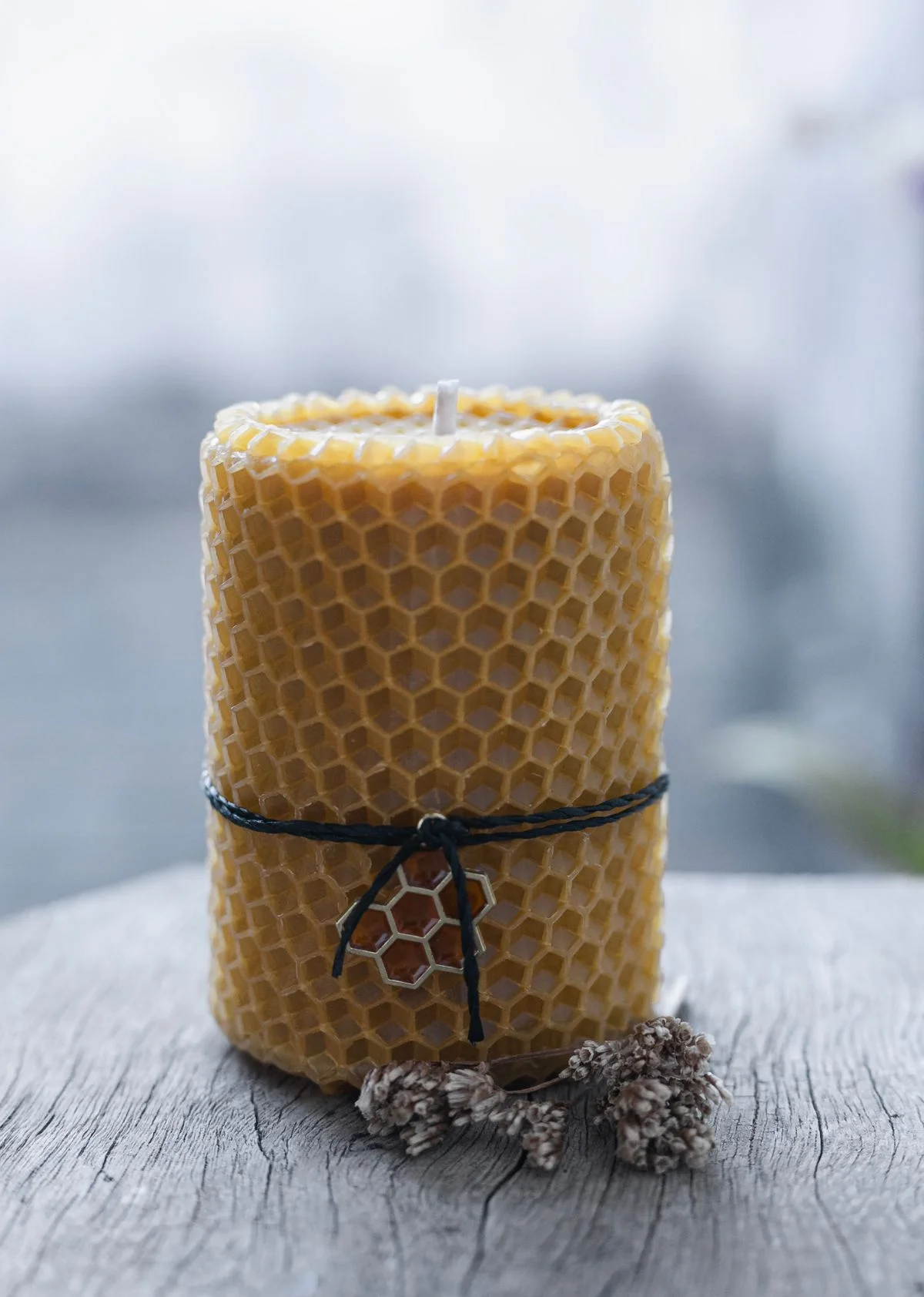
Natural waxes have been used since antiquity for candles, sealing, waterproofing, cosmetics, and surface protection. Beeswax and plant waxes such as carnauba and candelilla became important because they are moldable solids with high water repellency and useful film-forming behavior.
Industrial expansion in the 20th century shifted wax supply toward petroleum fractions, especially paraffin and microcrystalline waxes, which offered consistent quality and large-scale availability. Later, synthetic waxes such as polyethylene wax and Fischer-Tropsch wax were developed to provide narrower molecular-weight distributions, improved thermal stability, and more predictable processing behavior in plastics and coatings.
In modern compounding, waxes evolved from simple surface modifiers into engineered auxiliaries. Oxidized polyethylene waxes, amide waxes, metal-stearate systems, and emulsified wax dispersions are now used to fine-tune lubrication, pigment wetting, antiblocking, scratch resistance, matting, and mold release across plastics and coatings formulations.
Chemical Structure and Key Properties
Waxes are defined more by their physical behavior than by one single molecular structure. They are generally solid at room temperature, soften or melt at moderate temperatures, and exhibit low viscosity when molten, which makes them useful as processing aids and surface modifiers.
Common structural families include:
- Natural waxes: long-chain fatty acid esters with long-chain alcohols, often with minor hydrocarbons and other constituents.
- Mineral waxes: paraffinic and microcrystalline hydrocarbon mixtures from petroleum refining.
- Synthetic waxes: polyethylene wax, Fischer-Tropsch wax, and related engineered products with controlled chain length and melting profile.
- Functional waxes: oxidized, maleated, esterified, or otherwise modified materials designed to increase polarity and compatibility with fillers, pigments, or polar polymers.
Typical properties relevant to plastics include:
| Property | Typical relevance in plastics |
|---|---|
| Low surface energy | Improves slip, release, and anti-blocking |
| Moderate melting point | Enables controlled processing and post-application performance |
| Low molten viscosity | Helps dispersion and lubricity |
| Hydrophobicity | Supports moisture resistance and water repellency |
| Crystallinity | Contributes to hardness, gloss, and abrasion resistance |
| Limited polarity, unless functionalized | Determines compatibility with specific polymers and additives |
A key technical limitation is that waxes are often too hydrophobic for some systems: poor compatibility with polar polymers, waterborne formulations, or mineral fillers can cause haze, bloom, or phase separation, so oxidized or emulsified grades are often used as a workaround. Another limitation is that many waxes migrate to the surface over time; this migration improves slip and release, but excessive migration can reduce interlayer adhesion or printability, so formulators use lower dosages, higher-melting grades, or reactive/functionalized waxes to control it.
For polyethylene processing in particular, the main practical limits are:
- Poor oxygen and grease barrier → caused by the inherently nonpolar, relatively open-chain structure → workarounds include multilayer structures, barrier coatings, or blending with barrier polymers.
- Low surface energy before treatment → caused by the chemically inert hydrocarbon surface → workarounds include corona, flame, plasma, or primer treatments.
Although the second point is usually discussed for polyethylene itself, it is also relevant to wax-rich coatings and wax-modified polymer surfaces because the same hydrophobic chemistry governs adhesion behavior.
Production Processes and Raw Feedstocks
Industrial waxes are produced from several distinct feedstocks and routes:
- Petroleum refining: paraffin wax and microcrystalline wax are recovered from lubricating-oil fractions and slack wax streams, then refined to remove oil, odor, and color.
- Fischer-Tropsch synthesis: waxy hydrocarbon products are formed by converting synthesis gas into long-chain paraffins, which can then be hydroprocessed or fractionated into narrow-cut waxes.
- Polymerization routes: polyethylene wax is made by controlled polymerization or by thermal degradation of polyethylene to targeted molecular weights; oxidized grades are then produced by controlled oxidation to introduce polar groups.
- Natural extraction: beeswax, carnauba, candelilla, rice bran, montan, and related waxes are obtained from biological or mineral sources and refined for color, odor, and consistency.
- Blending and modification: waxes are frequently compounded with resins, fatty acids, alcohols, emulsifiers, and anti-oxidants to create application-specific performance profiles.
In plastics, the most relevant industrial wax families are:
- Paraffin wax for moisture resistance, low-cost lubricity, and basic release properties.
- Microcrystalline wax for greater flexibility, tack, and coating integrity.
- Polyethylene wax for internal and external lubrication in compounding.
- Oxidized polyethylene wax for improved dispersion, polarity, and compatibility in polar systems.
- Fischer-Tropsch wax for high purity and narrow melting range.
- Specialty natural waxes for premium polishes, coatings, food-contact uses, and cosmetics.
Applications and End-Use Markets
Waxes are rarely used as standalone plastics; instead, they are enabling auxiliaries that improve processing, appearance, and durability.

| End-use sector | Common wax type | Usual function | Typical processing context |
|---|---|---|---|
| PVC compounding | PE wax, oxidized PE wax, paraffin wax | Internal/external lubrication, die build-up reduction, fusion control | Extrusion and calendaring |
| Masterbatch and pigment dispersions | Oxidized PE wax, FT wax | Pigment wetting, dispersion, anti-sedimentation | High-shear compounding |
| Coatings and inks | PE wax emulsions, carnauba, FT wax | Slip, abrasion resistance, matting, anti-blocking | Waterborne and solventborne systems |
| Packaging films | Paraffin, PE wax, microcrystalline wax | Moisture barrier, antiblocking, sealing aid | Film extrusion and coating |
| Rubber and tire processing | Paraffin and microcrystalline wax | Bloom control, anti-ozone protection, release | Mixing and compounding |
| Adhesives and sealants | FT wax, PE wax | Viscosity control, set-time adjustment, open-time tuning | Hot-melt formulations |
| Candle and decorative products | Paraffin, soy, carnauba, beeswax | Combustibility, hardness, gloss, burn control | Melt-cast and blend systems |
| Cosmetics and personal care | Beeswax, carnauba, candelilla, microcrystalline wax | Structure, texture, occlusion, stability | Anhydrous sticks, balms, creams |
| Paper and board coatings | Paraffin, microcrystalline, emulsified wax | Water repellency and gloss | Size press and surface coating |
| Engineering plastics and molding | PE wax, FT wax | Mold release, flow improvement, surface finish | Injection molding and extrusion |
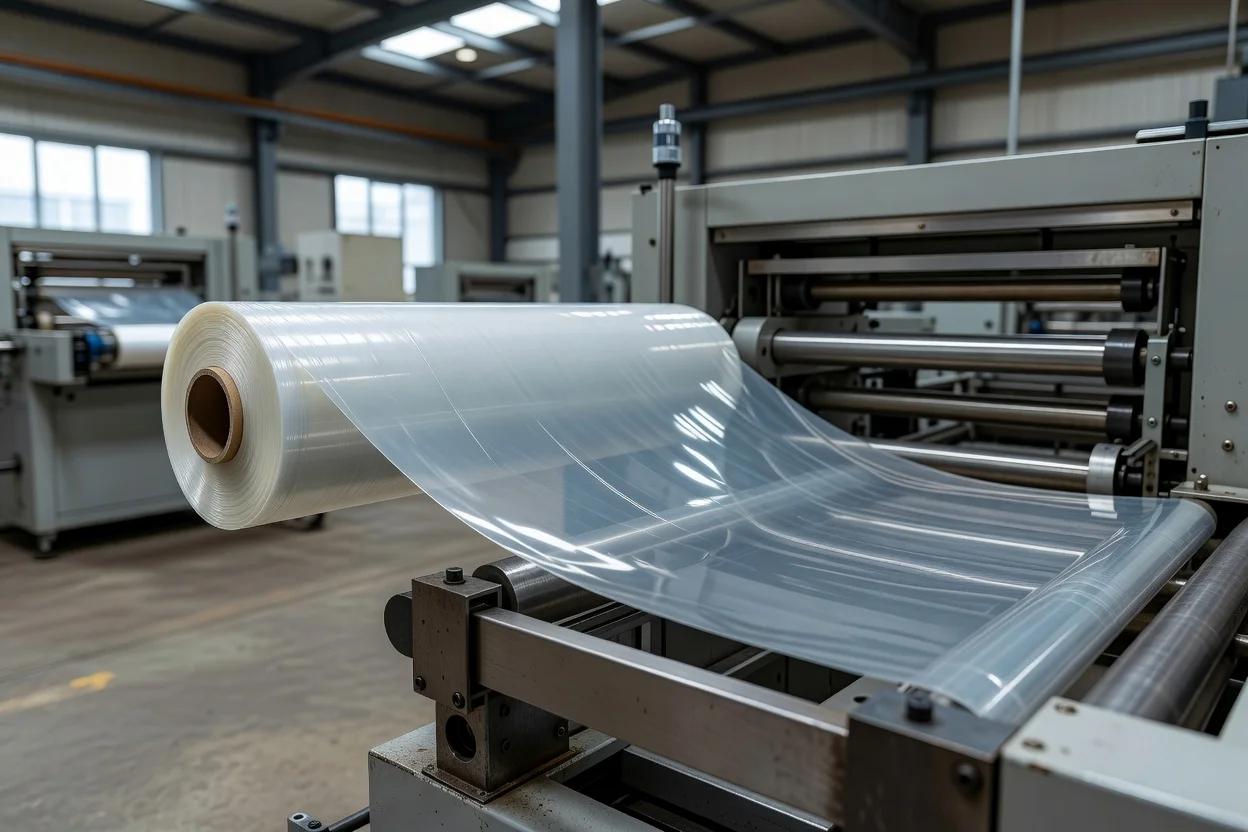
In plastics manufacturing, polyethylene wax is one of the most important grades because it acts as a lubricant at low loading levels, often around a fraction of a percent up to a few percent depending on resin and process, by reducing melt friction and metal-to-polymer adhesion. In PVC, waxes help control fusion and reduce torque, while in masterbatches they improve pigment wetting and dispersion by lowering interparticle friction and enhancing melt flow.
A typical dosage example is 0.2 to 1.0 percent wax in a PVC or masterbatch formulation, where the mechanism is mainly boundary lubrication and improved wetting of fillers or pigments; higher loadings may be used in difficult-to-process compounds, but excessive wax can impair printability or weld strength. Another example is wax emulsions used below a few percent solids in coatings and inks, where they create discrete hydrophobic particles that migrate during drying to produce slip, rub resistance, and anti-blocking effects.
A relatively poor-fit use is wax in demanding structural plastics where permanent high-temperature load-bearing strength and adhesive bonding are required; waxes are excellent auxiliaries, but they are not substitutes for structural polymers because their low modulus and low softening points limit mechanical contribution.
Environmental and Sustainability Aspects
Waxes present a mixed sustainability profile. Petroleum-based waxes depend on fossil feedstocks, so their carbon footprint is linked to refining and hydrocarbon supply chains, while synthetic waxes also carry fossil-origin impacts unless they are produced from renewable carbon or recycled feedstocks.
Natural waxes can offer renewable sourcing advantages, but they are not automatically lower-impact. Land use, agricultural inputs, extraction efficiency, animal origin, and supply-chain traceability all matter, and some natural waxes are resource-constrained or expensive relative to mineral alternatives.
Recyclability and circularity are highly application-dependent:
- In thermoplastics, wax additives are generally present at low levels and do not prevent recycling, but they can influence melt flow, odor, color, and contamination behavior in reprocessing streams.
- In coatings, inks, and adhesives, waxes may complicate de-inking, delamination, or mechanical recycling when heavily cross-linked or when they create hydrophobic layers on substrates.
- In food-contact and cosmetics, regulatory acceptance and impurity control are often as important as carbon footprint, which favors highly refined or well-characterized grades.
Bio-based alternatives are expanding, including soy wax, candelilla wax, carnauba wax, rice bran wax, and other plant-derived materials, as well as newer routes to synthetic waxes from renewable feedstocks or mass-balanced carbon. For plastics applications, the main challenge is not merely replacing fossil origin, but matching the melting profile, hardness, migration behavior, and compatibility needed for a specific formulation.
Economic and Global Market Impact
The wax market is shaped by refining economics, feedstock availability, and end-use demand from packaging, coatings, plastics processing, and personal care. Paraffin and microcrystalline wax availability depends heavily on petroleum refining outputs, while polyethylene wax supply is influenced by polyethylene production and modification capacity.
According to recent industry analyses, demand growth is strongest in Asia-Pacific, where plastics compounding, coatings, adhesives, and packaging manufacturing are concentrated. China is a major producer and consumer of synthetic and petroleum-based waxes, while Europe and North America remain important in specialty waxes, food-contact grades, and high-performance emulsions.
Leading global supply is typically associated with integrated petrochemical and specialty chemical producers, along with refiners and regional wax formulators. In practice, market power is often segment-specific: one company may lead in paraffin wax, another in polyethylene wax dispersions, and another in natural or cosmetic-grade waxes.
Current Challenges and Innovations
Key challenges include:
- Supply volatility for petroleum-derived waxes due to refinery shifts and lubricant-demand changes.
- Compatibility limits in increasingly complex polymer blends, recycled resins, and waterborne systems.
- Migration control in high-performance coatings and food-contact packages.
- Regulatory pressure on impurity profiles, odor, and migration in sensitive applications.
- Circularity constraints where wax-coated or wax-modified structures may complicate recycling.
Current innovation directions include:
- Functional waxes with tailored polarity for better dispersion and lower dosage use.
- Emulsified wax systems for waterborne inks and coatings, reducing solvent content.
- Bio-based wax blends that combine renewable origin with engineered performance.
- Narrow-distribution synthetic waxes for more reproducible processing windows and lower defect rates.
- Reactive wax technologies designed to anchor more strongly in matrices and reduce unwanted migration.
A practical formulation trend is the use of micronized or emulsified waxes rather than raw solid wax, because particle-size control can improve scratch resistance, matting, and slip while making dosing more consistent in modern high-speed production lines.
Future Outlook
Waxes are likely to remain indispensable in plastics because they solve a persistent industrial problem: how to control friction, surface behavior, dispersion, and release with very small additive loadings. Their future role will be increasingly defined by sustainability metrics, low-migration performance, and compatibility with recycled and bio-based polymers.
The most important developments are likely to be:
- Greater use of renewable and mass-balanced feedstocks.
- More high-functionality waxes that improve performance at lower dosages.
- Wider deployment of waterborne wax emulsions in coatings and inks.
- Better tuning for recycled plastics, where contamination, variability, and odor require robust additive packages.
- Increased emphasis on life-cycle assessment alongside traditional performance metrics.
Summary
Waxes are versatile industrial auxiliaries that bridge chemistry, processing, and surface engineering across the plastics value chain. Their importance lies less in bulk structural contribution than in precise performance control: lubrication, dispersion, gloss, release, moisture resistance, and abrasion protection.
Although many waxes are derived from fossil feedstocks, the category also includes renewable natural waxes and an expanding set of engineered synthetic and functional grades. As plastics manufacturing moves toward lower emissions, greater recyclability, and more demanding performance specifications, waxes will remain essential formulation tools, but with tighter requirements for purity, compatibility, and circularity.
References
- •
3.4: Lipid molecules - Waxes. (2024, November 23). LibreTexts. https://bio.libretexts.org/Bookshelves/Introductory_and_General_Biology/General_Biology_(Boundless)/03:_Biological_Macromolecules/3.04:_Lipid_Molecules_-_WaxesLink
- •
Waxes explained: Definition, examples, practice & video lessons. (2024, June 25). Pearson. https://www.pearson.com/channels/organic-chemistry/learn/johnny/32-lipids/waxesLink
- •
Waxes: Natural, synthetic, economic importances.... (n.d.). Aakash. https://www.aakash.ac.in/important-concepts/biology/waxesLink
- •
Wax. (n.d.). Britannica. https://kids.britannica.com/students/article/wax/275672Link
- •
Waxes: Videos & practice problems - Pearson. (2022, May 4). Pearson. https://www.pearson.com/channels/biochemistry/learn/jason/lipids/waxesLink
- •
26.10: Waxes. (2016, June 27). Chemistry LibreTexts. https://chem.libretexts.org/Bookshelves/Introductory_Chemistry/Introductory_Chemistry_(CK-12)/26:_Biochemistry/26.10:_WaxesLink
- •
About waxes…. (2023, December 8). ADC Solution. https://www.adc-solution.com/gb/content/47-about-waxesLink
- •
Waxes, fatty acids, esters - Lipid. (2026, September 13). Britannica. https://www.britannica.com/science/lipid/WaxesLink
- •
Waxes in biochemistry: Structure, biosynthesis & lipidomics. (n.d.). Creative Proteomics. https://www.creative-proteomics.com/resource/waxes-biochemistry-functions-contrasts.htmLink
- •
8.10: Waxes. (2021, January 7). Chemistry LibreTexts. https://chem.libretexts.org/Courses/University_of_Pittsburgh_at_Bradford/CHEM_0106:_Chemistry_of_the_Environment/08:_Biochemistry/8.10:_WaxesLink
- •
The ultimate guide to wax. (2025, March 12). PRWire. https://prwire.com.au/pr/120650/the-ultimate-guide-to-waxLink
- •
Waxes. (n.d.). Cyberlipid. http://cyberlipid.gerli.com/lipids/waxes/Link
- •
3.4: Waxes. (2021, May 11). Chemistry LibreTexts. https://chem.libretexts.org/Courses/Brevard_College/CHE_301_Biochemistry/03:_Lipids/3.04:_WaxesLink
- •
What is wax? (2021, June 17). Koster Keunen. https://www.kosterkeunen.com/what-is-wax/Link
- •
Studying different types of.... (2024, October 30). StudySmarter. https://www.studysmarter.co.uk/explanations/chemistry/organic-chemistry/waxes/Link
- •
Wax Chandlers. (n.d.). Wax Chandlers. https://www.waxchandlers.org.uk/wax/Link
- •
Waxes - Definition and examples. (2023, May 28). Biology Online. https://www.biologyonline.com/dictionary/waxesLink
- •
Types and uses of waxes explained | PDF. (2026, April 9). Scribd. https://www.scribd.com/document/965278654/WAXESLink
- •
Wax. (2005, January 1). CAMEO. https://cameo.mfa.org/wiki/WaxLink
- •
Waxes: Videos & practice problems - Pearson. (2024, March 4). Pearson. https://www.pearson.com/channels/gob/learn/jules/23-lipids/waxesLink
- •
Customize your GlobalSpec experience. (n.d.). GlobalSpec. https://www.globalspec.com/learnmore/materials_chemicals_adhesives/chemicals_raw_materials/waxes_wax_compoundsLink
- •
Wax types: Complete guide to every wax you might use at home. (2026, May 14). DGFloors. https://dgfloors.com/wax-types/Link
- •
Types of wax and their uses | PDF. (2026, April 7). Scribd. https://www.scribd.com/document/928073241/Product-ListLink
- •
All about waxes in skincare & candle making. (2025, October 3). Ibha Cares. https://www.ibhacares.in/post/all-about-waxes-in-skincare-candle-makingLink
- •
Our glossary of wax. (2026, January 30). All Wax. https://blendedwaxes.com/blog/glossary-of-wax/Link
- •
Microsoft Word - whitepaper-waxes. (n.d.). Making Cosmetics. https://www.makingcosmetics.com/on/demandware.static/-/Library-Sites-makingSharedLibrary/default/dwdf46b388/whitepapers/06-whitepaper-waxes.pdfLink
- •
Natural waxes: Types, benefits, and common applications. (n.d.). Alpha Wax. https://www.alphawax.com/blog/natural-waxesLink
- •
Wax | Properties, price & application | Material properties. (2021, June 26). Material Properties. https://material-properties.org/wax-properties-application-price/Link
- •
Definition of waxes. (2025, November 28). Merriam-Webster. https://www.merriam-webster.com/dictionary/waxesLink
- •
Natural waxes – Properties, compositions and applications. (n.d.). USPTO. https://ptacts.uspto.gov/ptacts/public-informations/petitions/1486854/download-documents?artifactId=PFs0OnjfXr-3K_9ZQyVLqQkG2DM8qd_OzP4epZlS6lORFz27vVZoEI8Link
- •
Waxes. (2016, January 1). The Free Dictionary. https://www.thefreedictionary.com/waxesLink
- •
Waxes. (n.d.). Chempri. https://chempri.com/en/insights/waxesLink
- •
What is wax? | Products/solutions. (2023, September 15). Artience. https://www.artiencegroup.com/en/products/wax/about.htmlLink
- •
From A for automobile to Z for zest coating waxes – Properties profile and application. (n.d.). Chimia. https://www.chimia.ch/chimia/article/download/2002_210/2873/13558Link
- •
Types of waxes. (2025, January 1). Amberse Group. https://www.ambersegroup.com/news/2/Types-of-Natural-waxes/Link
- •
Types, applications, and how industries actually use them. (2026, February 10). Noor Wax. https://noorwax.com/en/industrial-wax-products/Link
- •
Wax | Encyclopedia.com. (2016, August 24). Encyclopedia.com. https://www.encyclopedia.com/science-and-technology/chemistry/organic-chemistry/waxLink
- •
What is wax used for? Everyday and medical uses. (2026, March 17). Science Insights. https://scienceinsights.org/what-is-wax-used-for-everyday-and-medical-uses/Link
- •
What is wax for? Uses in nature, food, and industry. (2026, March 17). Science Insights. https://scienceinsights.org/what-is-wax-for-uses-in-nature-food-and-industry/Link
- •
"Waxes," in: Ullmann's encyclopedia of industrial chemistry. (n.d.). USPTO. https://ptacts.uspto.gov/ptacts/public-informations/petitions/1486854/download-documents?artifactId=el57o6C4rTi4ndAAqNjN5c5CwBByVY2PzU4oSoYZFdv1CsS3ShZg6FkLink
- •
Natural waxes ― properties, compositions and applications. (n.d.). Semantic Scholar. https://www.semanticscholar.org/paper/Natural-Waxes-%E2%80%95-Properties,-Compositions-and-Appl-Endlein-Peleikis/17a67c19f4d87314c751a1dd3344b09c8b83df86Link
- •
The use of wax emulsions in coatings and inks. (2005, April 1). PCI Magazine. https://www.pcimag.com/articles/83055-the-use-of-wax-emulsions-in-coatings-and-inksLink
- •
Wax | Candle making, cosmetics & manufacturing | Britannica. (1998, July 20). Britannica. https://www.britannica.com/technology/waxLink
- •
Elements of a candle: Wax. (2025, September 9). National Candle Association. https://candles.org/elements-of-a-candle-wax/Link
- •
Paraffin wax - Wikipedia. (2001, September 18). Wikipedia. https://en.wikipedia.org/wiki/Paraffin_waxLink
- •
The 7 types of candle wax: Benefits and uses. (2024, September 27). Myka Candles. https://mykacandlesandmoulds.com/blogs/news/types-of-candle-waxLink
- •
Diverse applications of bee’s wax across industries. (2026, March 17). Agriculture Institute. https://agriculture.institute/hive-products-beekeeping-economics/diverse-applications-bees-wax-industries/Link
- •
Features and applications of PE wax. (2023, February 16). Khonor Wax. https://www.khonorwax.com/features-and-applications-of-pe-wax.htmlLink
- •
Value-added products from beekeeping. Chapter 4. (2010, November 4). FAO. https://www.fao.org/4/w0076e/w0076e12.htmLink
- •
Paraffin wax: Properties and applications. (n.d.). Hywax. https://www.hywax.com/blog/paraffinwax-properties-and-applicationsLink
- •
Choosing the right wax for candle making. (2024, September 27). Kerax. https://kerax.com/blogs/news/choosing-the-right-wax-for-candle-making-a-complete-guideLink