
Introduction
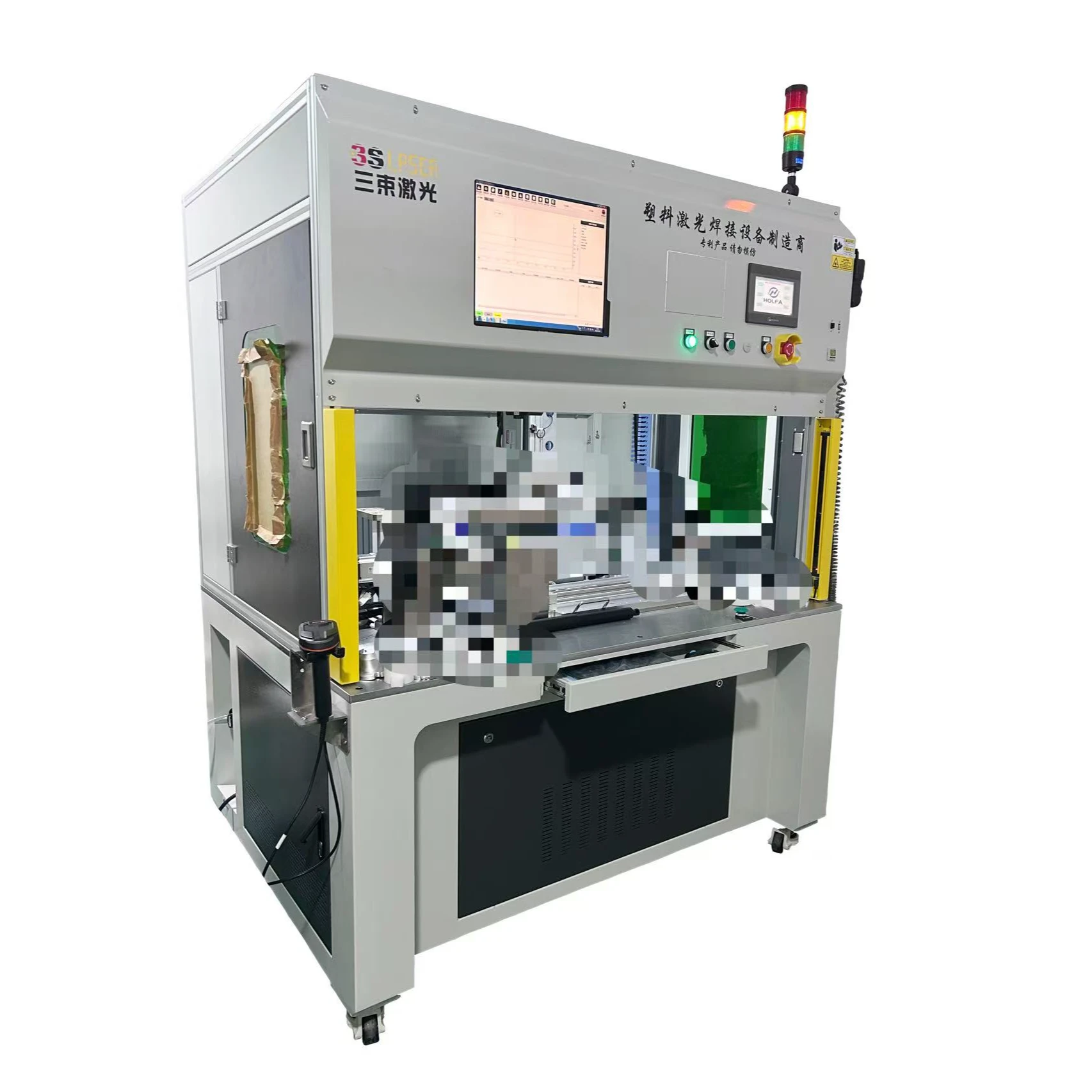
Laser beam welding machines are high-precision joining systems that use a focused laser beam to melt and fuse materials, producing narrow, deep welds with a small heat-affected zone and high welding speed. In plastics processing and industrial manufacturing, the term most often refers to machines for metal joining, although laser-based systems are also used for thermoplastics in specialized applications; in both cases, the central advantage is localized energy delivery with minimal distortion.
In modern manufacturing, laser beam welding has become a core process for automated and robotized production, especially where dimensional accuracy, repeatability, and low post-processing are important. The technology has evolved from early pulsed solid-state systems into a broad family of continuous-wave, pulsed, handheld, robotic, and turnkey cell-based machines, with fiber-laser platforms now widely favored for efficiency and beam delivery flexibility.
The process is particularly valued in automotive, aerospace, electronics, medical devices, consumer goods, and precision metal fabrication, where it supports high-throughput, low-spatter joining of thin sections, dissimilar metals, and delicate assemblies. At the same time, its adoption is shaped by energy use, safety requirements, joint-fit precision, and capital cost, making system selection as much an engineering decision as a productivity one.
History and Development
Laser beam welding emerged shortly after the development of the laser itself, when engineers recognized that coherent, concentrated light could generate enough localized heat to melt metal surfaces and form a fusion joint. Early descriptions of the process emphasized pulsed laser sources, optical focusing, and controlled motion of the beam or workpiece table.
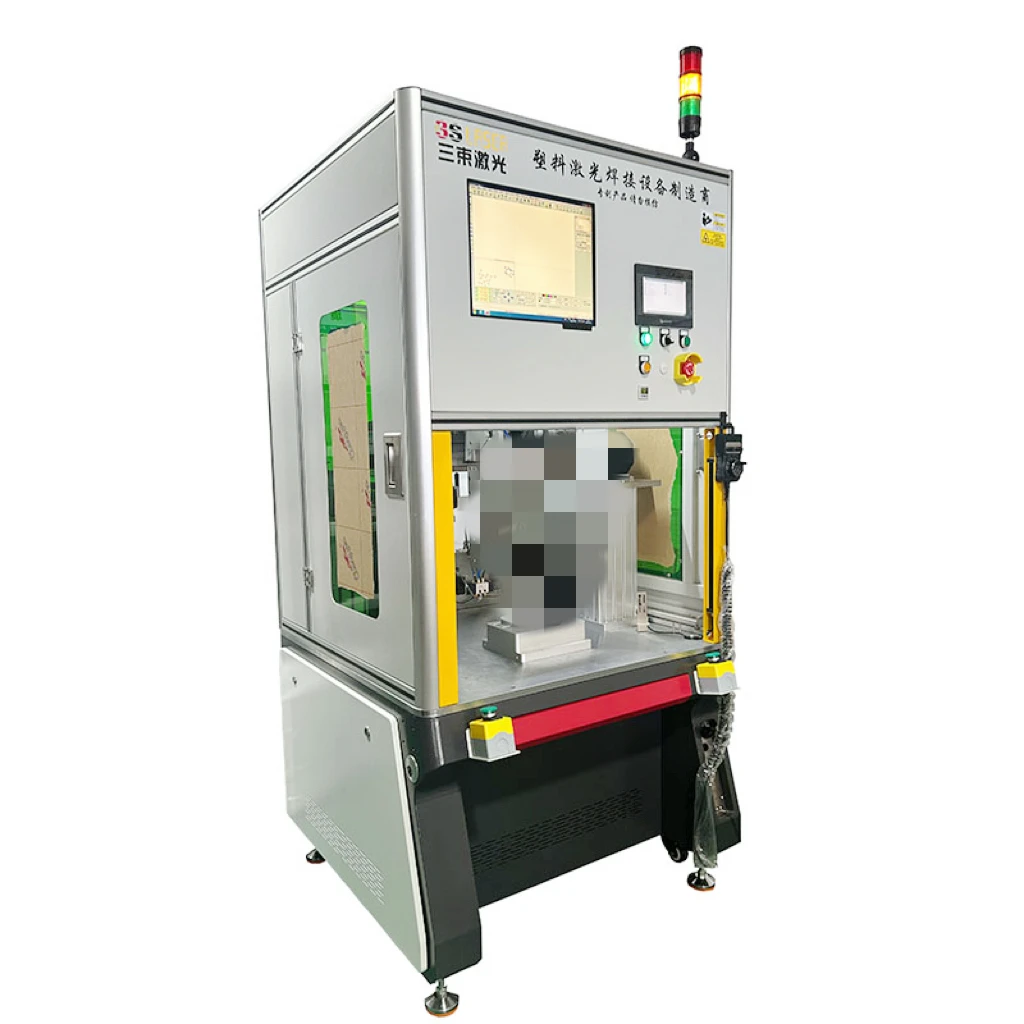
A major development milestone was the transition from laboratory systems to industrial joining platforms with programmable motion control, optical delivery, and shielding-gas support, which made repeatable seam welding practical for production environments. This shift enabled stable processing of thin sheet, precision parts, and high-value components where conventional arc welding could be too thermally aggressive.
A further milestone was the rise of fiber laser and other solid-state systems, which improved beam quality, electrical efficiency, and integration with robots and scanners. More recently, the field has expanded to include handheld systems, vacuum-capable special machines, and turnkey automated cells for high-mix manufacturing.
Technical Overview
Laser beam welding is a fusion welding process: the beam is focused onto a joint, the surface absorbs enough energy to form a molten pool, and the pool solidifies into a metallurgical bond as the beam moves on. Depending on power density, the process operates in either conduction mode, which produces shallower and broader welds, or keyhole mode, which forms a vapor cavity and enables deeper penetration.
A typical machine system includes the following elements:
- Laser source
- Beam delivery optics
- Focusing head and protective lenses
- Motion system such as CNC axes, robots, or galvanometer scanners
- Shielding gas delivery
- Fixtures and clamping
- Control software and sensors for power, focus, seam tracking, and process monitoring
Typical industrial performance characteristics include:
- Power density: commonly very high, sufficient to generate rapid localized melting and, in keyhole welding, deep penetration
- Beam spot size: usually small, enabling narrow seams and low total heat input
- Weld speed: generally high compared with many conventional fusion methods, especially in automated lines
- Heat-affected zone: typically small, reducing distortion and post-weld straightening needs
For plastic-processing-related laser joining of thermoplastics, process windows are narrower because material optical properties govern absorption and transmission; however, the same general machine architecture can be adapted to join compatible polymer components.
Types and Variations
| Type | Main feature | Typical use |
|---|---|---|
| Pulsed laser welders | High peak power in short bursts | Microwelding, thin sections, precision joints |
| Continuous-wave (CW) laser welders | Stable uninterrupted beam | Seam welding and production-line joining |
| Handheld laser welding machines | Manually guided torch-like head | Repair work, job shops, low-volume fabrication |
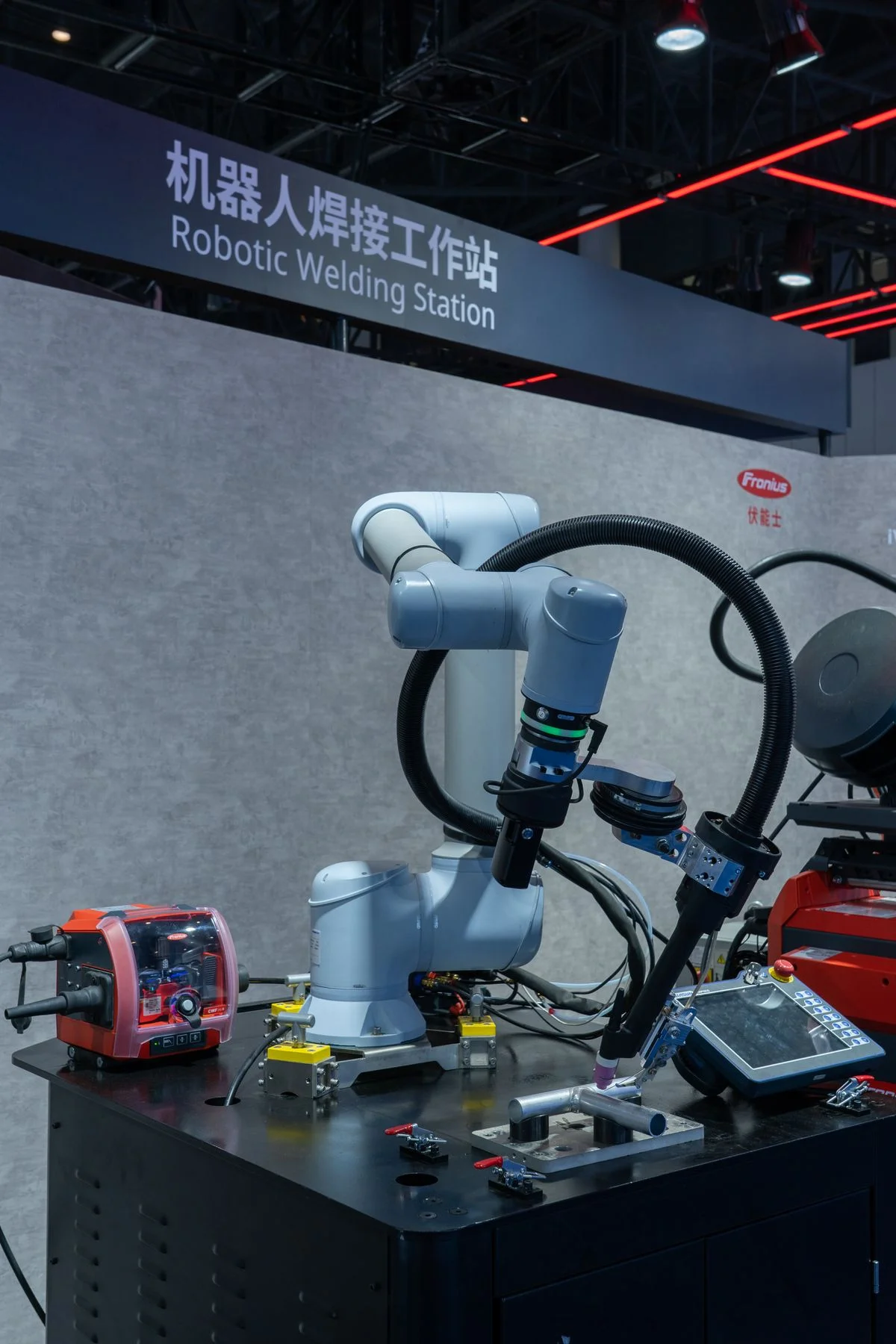
| Robotic laser welding cells | Automated motion and repeatability | Automotive, appliances, high-volume metal parts |
| Scanner-based systems | Fast beam steering with mirrors | High-speed spot and pattern welding |
| Turnkey special-purpose machines | Application-specific integration | Vacuum welding, large structures, or tailored production lines |
The choice among these types depends on part geometry, production volume, joint tolerance, thermal sensitivity, and the need for automation.
Working Principle
The basic operating sequence is straightforward:
- The machine generates a coherent laser beam.
- Beam delivery optics guide the beam to the work area.
- A lens concentrates the beam into a very small spot on the joint line.
- The metal surface absorbs the energy and melts locally.
- Motion control moves the beam or workpiece along the seam.
- Shielding gas helps reduce oxidation and defect formation.
- The molten pool rapidly solidifies into a weld bead.
In practical engineering terms, weld quality depends heavily on focus position, joint fit-up, material reflectivity, travel speed, power modulation, and surface cleanliness.
Applications and Uses
Laser beam welding machines are used where precision, speed, and low distortion matter most.
- Automotive and electric vehicles: battery tabs, motor housings, body panels, roof and door assemblies, exhaust and structural components.
- Aerospace: titanium and aluminum components, engine parts, fuselage sections, and other high-performance structures.
- Electronics and microwelding: connectors, sensor housings, circuit-related enclosures, optical components, and delicate assemblies.
- Medical devices: implants, surgical instruments, sterile enclosures, and precision stainless-steel parts.
- Consumer goods and appliances: washing machine drums, household appliance structures, garden equipment, and stainless-steel containers.
- Tool and die work: mold repair, die modification, and localized build-up or joining of precision tooling.
- Poor-fit use: thick, poorly fixtured joints with large gaps are generally unsuitable because laser welding depends on accurate beam placement and close joint control.
Materials and Process Compatibility
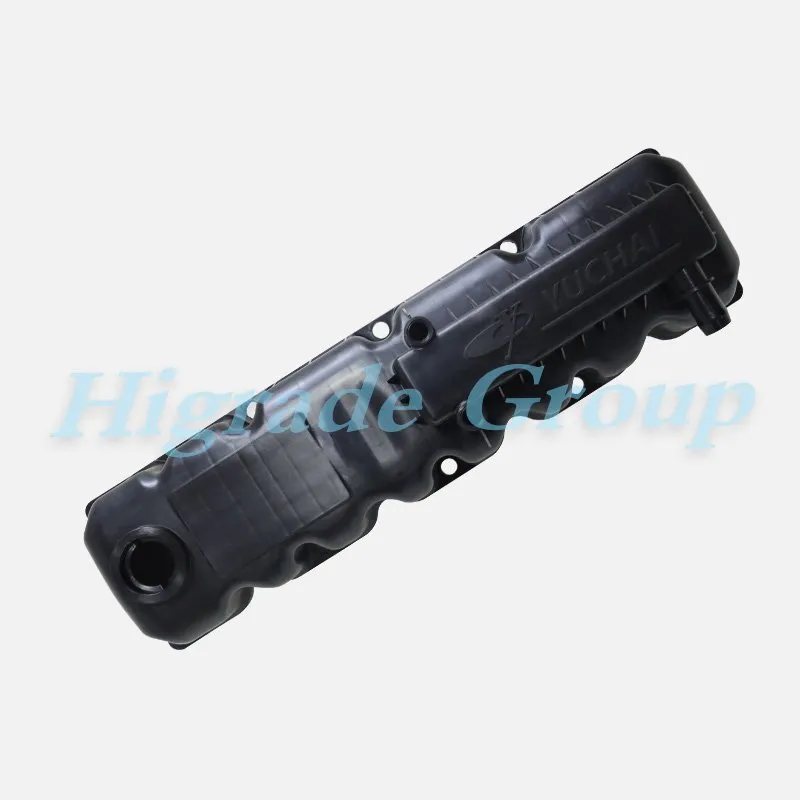
Laser beam welding is widely used for steel, stainless steel, titanium, nickel alloys, and selected aluminum, magnesium, and copper alloys. It can also be applied to some thermoplastics in specialized systems, although material transparency, absorption behavior, and joint design become critical.
The process is especially attractive for:
- Thin sheet and precision parts
- Dissimilar-metal joining in controlled conditions
- Heat-sensitive components
- Assemblies requiring minimal finishing after weld completion
Automation and Digital Control
Laser beam welding is strongly associated with automation and robotization. Modern systems often integrate:
- Robot arms
- CNC motion control
- Seam-tracking sensors
- Vision systems
- Real-time power modulation
- Data logging and quality traceability
This makes the process suitable for Industry 4.0 production lines, where repeatability, cycle-time reduction, and digital quality control are strategic priorities.
Sustainability and Environmental Aspects
Laser beam welding can support sustainability goals by reducing rework, minimizing filler use in many applications, and lowering post-processing demand because of its small heat-affected zone and clean seam formation. High process efficiency can also improve material utilization in high-volume production.
At the same time, sustainability benefits depend on machine configuration and operating conditions:
- Energy efficiency: fiber-based systems are generally more efficient than older laser architectures.
- Waste reduction: precise energy input can reduce scrap from distortion and weld defects.
- Process trade-offs: capital intensity, shielding-gas use, and tight fixturing requirements can offset gains if the application is poorly matched.
Economic and Global Market Impact
Laser beam welding machines occupy a premium segment of the welding equipment market because they combine high capital cost with high productivity, low downstream labor, and suitability for automated manufacturing. Their strongest economic case appears in industries with high part value, strict dimensional tolerances, and large production volumes.
Global adoption has been driven by automotive electrification, lightweight design in transport, appliance miniaturization, and the demand for precise hermetic seals in medical and electronics manufacturing. Competitive differentiation increasingly depends on machine integration, software, service support, and application engineering rather than on the laser source alone.
Current Challenges and Innovations
Key technical challenges include:
- Joint fit-up sensitivity
- Reflective-material processing, especially with copper and aluminum
- Spatter and porosity control
- Safety and enclosure requirements
- Process monitoring and defect detection
Current innovations focus on:
- Beam oscillation to widen process windows
- Hybrid joining strategies
- Adaptive optics
- Machine vision and AI-based inspection
- Handheld systems with improved portability
- Vacuum-assisted laser welding for specialty applications
Future Outlook
Laser beam welding machines are likely to become more deeply embedded in automated manufacturing as beam sources, sensors, and motion systems continue to improve. Growth is expected in battery manufacturing, lightweight transport structures, medical microjoining, and high-precision consumer products, where low distortion and repeatability are decisive advantages.
Further development will likely emphasize higher electrical efficiency, broader material compatibility, better in-line quality assurance, and more flexible systems that combine robotic automation with operator-guided repair capability.
References
- •
LBM/LBW - Gyan Sanchay. (n.d.). https://gyansanchay.csjmu.ac.in/wp-content/uploads/2021/12/L-07.pdfLink
- •
Examining Laser Beam Welders and Their Applications in ... (2025, November 27). https://denaliweld.com/blog/laser-welding-applications-2025/Link
- •
Laser Beam Welding (LBW) ppt. (n.d.). https://www.expertnotes.in/courses/welding-technology/lessons/laser-beam-welding-lbw-ppt/Link
- •
Laser beam welding. (2005, January 30). Wikipedia. https://en.wikipedia.org/wiki/Laser_beam_weldingLink
- •
Application of Laser Beam Welding - UMW. (2024, December 17). https://umw.top/application-of-laser-beam-welding/Link
- •
Examining Laser Beam Welders and Their Applications in 2025. (2025, November 27). https://denaliweld.com/laser-welding-applications-2025/Link
- •
Laser welding with laser welding machines from ALPHA LASER. (n.d.). https://alphalaser.eu/en/applications/laser-welding.htmlLink
- •
What is laser beam welding. (n.d.). https://www.gwklaser.com/laser-beam-welding-guide.htmlLink
- •
What is Laser Beam Welding and How Does it Work? - Kings of Welding. (2022, May 9). https://www.kingsofwelding.com/guides/what-is-laser-beam-welding/Link
- •
What is Laser Beam Welding? Learn How It Works. (2025, September 23). https://ebindustries.com/what-is-laser-beam-welding/Link
- •
Laser Beam Welding and its Applications. (2021, February 19). https://www.azooptics.com/Article.aspx?ArticleID=1633Link
- •
Laser Beam Welding Machines — buy in the Netherlands. (2022, October 14). https://virmer.com/catalog/laser-welding/Link
- •
What is a Laser Welding Machine and How Does it Work? (2025, July 19). https://electroweld.com.au/what-is-laser-beam-welding/Link
- •
Laser Beam Welding Means, Principle, Equipment, Applications. (2023, April 23). https://www.weldinginfo.org/welding-processes/laser-beam-welding-overview/Link
- •
Laser beam welding for consumer goods - Fraunhofer IWS. (2022, November 3). https://www.iws.fraunhofer.de/en/technologyfields/cutting-and-joining/welding/consumer-goods.htmlLink
- •
Laser Welding Machines | Laser Photonics ... (2024, April 22). https://laserphotonics.com/laser-welding-systems/Link
- •
Laser welding systems - Fraunhofer IWS. (2022, November 3). https://www.iws.fraunhofer.de/en/technologyfields/cutting-and-joining/welding/equipment/laser-welding-systems.htmlLink
- •
LaVa-X. (2026, May 27). https://www.lastek.com.au/home/principals/5708-lava-xLink
- •
Review and Analysis of Modern Laser Beam Welding Processes. (2024, September 23). https://pmc.ncbi.nlm.nih.gov/articles/PMC11433298/Link
- •
Laser beam welding - ACG Automatismes. (2025, April 30). https://www.acg-automatismes.com/en/our-expertise/welding/laser-beam-welding/Link
- •
LASER BEAM WELDING: WORKING, TYPES OF ... (2023, June 12). https://tristatefabricators.com/laser-beam-welding-working-types-of-laser-used-applications/Link
- •
5 Applications of Laser Beam Welding. (2024, September 5). https://blog.thepipingmart.com/other/applications-of-laser-beam-welding/Link
- •
Laser Welding Machines. (2026, April 9). https://www.coherent.com/machines-systems/laser-weldingLink
- •
Laser welding | TRUMPF. (n.d.). https://www.trumpf.com/en_US/solutions/applications/laser-welding/Link
- •
Laser Welding Explained | Laser Beam Welding. (2022, November 15). https://fractory.com/laser-welding-explained/Link
- •
What is Laser Welding and How Does It Work? (2024, April 16). https://www.laserax.com/blog/laser-weldingLink
- •
Laser Beam Welding Explained. (2024, October 16). https://www.laserax.com/blog/laser-beam-weldingLink
- •
Handheld Laser Welding Systems - Diodela. (2025, November 4). https://diodela.eu/handheld/handheld-laser-welding/Link
- •
Laser Welding Systems | Diodela. (n.d.). https://diodela.eu/wp-content/uploads/2024/08/Diodela-Laser-Welding-Systems-web.pdfLink
- •
Laser Beam Welding Explained: How It Transforms High- ... (2025, January 22). https://primeweld.com/blogs/news/laser-beam-weldingLink
- •
Laser Welders | Laser Welding Equipment | AMADA WELD TECH. (n.d.). https://amadaweldtech.com/product-category/laser-welding/Link
- •
Laser Beam Welding - an overview | ScienceDirect Topicswww.sciencedirect.com › topics › materials-science › laser-beam-welding. (n.d.). https://www.sciencedirect.com/topics/materials-science/laser-beam-weldingLink
- •
Laser Welding: Definition, How it Works, Process, Types, ... (2023, May 24). https://www.xometry.com/resources/sheet/laser-welding/Link
- •
Your Preferred Laser Welding Machines In 2026. (2026, January 6). https://www.stylecnc.com/laser-welding-machine/Link
- •
Laser Welding Equipment & Welding Automation Solutions. (2026, March 2). https://eetolaser.com/products/laser-welding-machine/Link
- •
Laser Welders | Compare, Price & Buy. (2026, April 5). https://themakerschest.com/collections/laser-weldersLink
- •
Laser Welders: How They Work, What They Can Do [With ... (2025, April 30). https://www.dnelaserusa.com/news/laser-welders-how-they-work-what-they-can-doLink
- •
Laser Welders. (n.d.). https://www.everlastgenerators.com/catalog/laser-weldersLink
- •
Laser Applications Laser Welding. (n.d.). https://www.mecco.com/application-laser-weldingLink
- •
6 Applications of Laser Welding in Industries. (2023, June 17). https://www.xometry.com/resources/sheet/laser-welding-applications/Link
- •
Frequently Asked Questions. (2026, May 13). https://www.stylecnc.com/laser-welding-machine/automatic-cnc-laser-welding-machine.htmlLink
- •
Laser Beam Welding. (2021, October 22). https://ebiweld.com/laser-welding/Link
- •
Applications for Laser Welding: Benefits and Tips. (2022, December 20). https://www.estesdm.com/what-are-the-best-applications-for-laser-welding/Link