
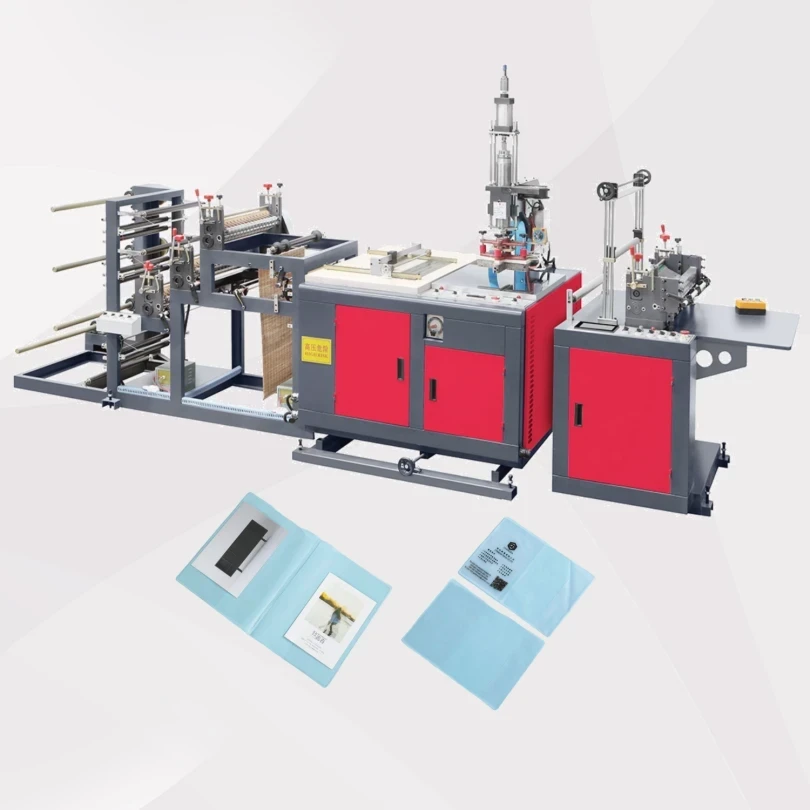
Introduction
High-frequency welding machines are industrial systems that join compatible thermoplastic materials by converting electrical energy into localized heat within the workpiece, then applying pressure and cooling to form a sealed bond. In plastics processing, the term is most commonly associated with radio-frequency (RF) / dielectric welding for polar thermoplastics such as PVC and PU, especially in products requiring airtight, watertight, or visually clean seams.
These machines are widely used where seam integrity matters more than bulk throughput, including medical consumables, inflatable structures, technical textiles, automotive trim, protective covers, packaging, and industrial sheeting. Their engineering appeal lies in the ability to concentrate heat in the weld zone rather than heating the entire part, which can improve cycle time, reduce distortion, and eliminate adhesives or hot-air seams in suitable applications.
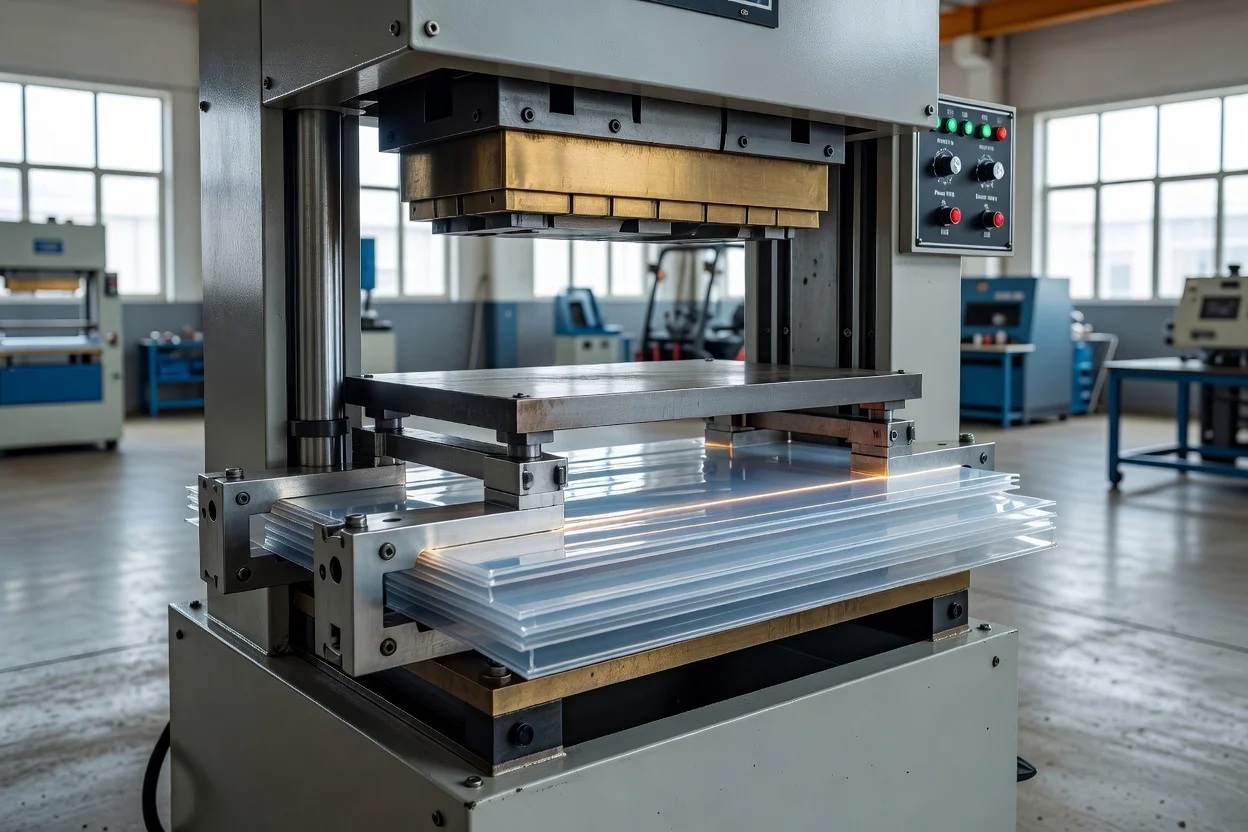
Modern high-frequency welding machines range from compact manual presses to fully automated production cells with programmable controls, guarding, inspection, and integration into continuous manufacturing lines. Development has moved from vacuum-tube generators toward more efficient solid-state inverter systems and tighter process control, while current design priorities increasingly include energy efficiency, repeatability, operator safety, and compatibility with circular-economy materials and designs.
History and development
High-frequency welding emerged from mid-20th-century dielectric heating research, which showed that rapidly alternating electric fields could generate internal heat in polar materials without external flame or direct conduction. This principle enabled sealed joining of plastics and coated textiles that were difficult to weld reliably by conventional thermal methods.
Two practical milestones shaped the modern machine class:
- Standardized HF/RF welding for PVC and coated fabrics became established in industrial production as manufacturers adopted electrode presses and controlled generators for repeatable seam formation.
- Solid-state power electronics progressively replaced earlier generator architectures, improving efficiency, controllability, and uptime while supporting broader automation and monitoring functions.
- Application-specific machine design expanded from general-purpose presses to specialized systems for medical bags, inflatables, technical apparel, automotive interiors, and pipe/tube welding, reflecting the different requirements of each sector.
The technology also developed alongside industrial standards and best-practice guidance, particularly for process parameters, safety, and seam quality in dielectric welding and high-frequency resistance welding.
Working principle and technical overview
High-frequency plastic welding relies on the behavior of polar molecules in materials such as PVC and polyurethane. When placed between electrodes and exposed to a rapidly alternating electric field, the molecules attempt to realign with the field, producing internal frictional heating and softening the material at the interface.
The typical process sequence is:
- Material layers are positioned between an upper electrode and a grounded lower platen.
- The machine applies clamping pressure through a pneumatic or hydraulic press.
- The HF generator energizes the electrode system, creating an alternating field through the material.
- The interface heats internally until fusion begins.
- Power is switched off and the joint cools under pressure, producing a bonded seam.
Unlike external-heating methods, the electrodes themselves remain comparatively cool, and peak temperature is typically concentrated in the joint region. This localization is one reason HF welding can produce clean seams with relatively little surface damage when the material is well matched to the process.
Typical technical characteristics
High-frequency plastic welding machines are commonly designed around these operating ranges and performance features:
- Frequency: often centered at 27.12 MHz for plastic dielectric welding, with some industrial systems operating in broader RF bands depending on design and jurisdiction.
- Power levels: machine ratings vary widely; industrial units may range from tens to several hundred kilowatts depending on the product geometry and production rate.
- Electrode materials: commonly brass or aluminum, selected for conductivity, machinability, and die-forming flexibility.
- Press type: pneumatic or hydraulic clamping is typical, especially where consistent pressure and dwell time are needed.
- Control functions: dwell time, power level, pressure, cooling time, interlocks, and seam pattern control are central to process repeatability.
For quality control, the process is often judged by seam strength, leak tightness, visual appearance, and dimensional stability rather than by metallurgical fusion metrics used in metal joining.
Types and variations
High-frequency welding machines for plastics are not a single machine type but a family of configurations adapted to product geometry and line architecture.
| Type | Main use | Typical strengths | Common limitations |
|---|---|---|---|
| Manual platen HF welders | Small and medium production of bags, covers, labels, and technical parts | Flexibility, lower capital cost, simple tooling | Lower productivity than automated systems |
| Semi-automatic press welders | Repetitive seam work in medical, automotive, and industrial goods | Better repeatability and operator productivity | Requires tooling changeovers and operator handling |
| Automatic production cells | High-volume packaging, inflatables, and textile assemblies | Higher throughput, integrated handling and inspection | Higher cost and engineering complexity |
| Contour or multi-tool welders | Complex seam shapes and large-format products | Accurate seam geometry and pattern control | Tooling is highly application-specific |
| Continuous or indexed systems | Repetitive long-seam manufacturing | Good cycle efficiency | Less suited to irregular parts |
In plastics processing, the process is often described as HF welding, RF welding, or dielectric welding; these terms are closely related in industry use and usually refer to the same basic joining principle.
Materials and product compatibility
High-frequency welding is best suited to materials with sufficient dielectric loss to heat effectively under an alternating electric field. The most common thermoplastic families include:
- PVC, especially coated fabrics, films, and flexible sheet goods.
- PU / TPU systems where formulation and dielectric response are appropriate.
- Certain multilayer or coated textiles used in industrial covers, medical products, and inflatables.
Material thickness, plasticizer content, coating composition, filler level, and moisture state can all affect weldability and seam consistency. Materials with poor dielectric response, excessive conductive fillers, or incompatible laminates may require alternative processes such as hot-air welding, ultrasonic welding, impulse sealing, or adhesive bonding.
Applications and uses
High-frequency welding machines are used where a strong, sealed seam is needed and where the part geometry benefits from localized dielectric heating.
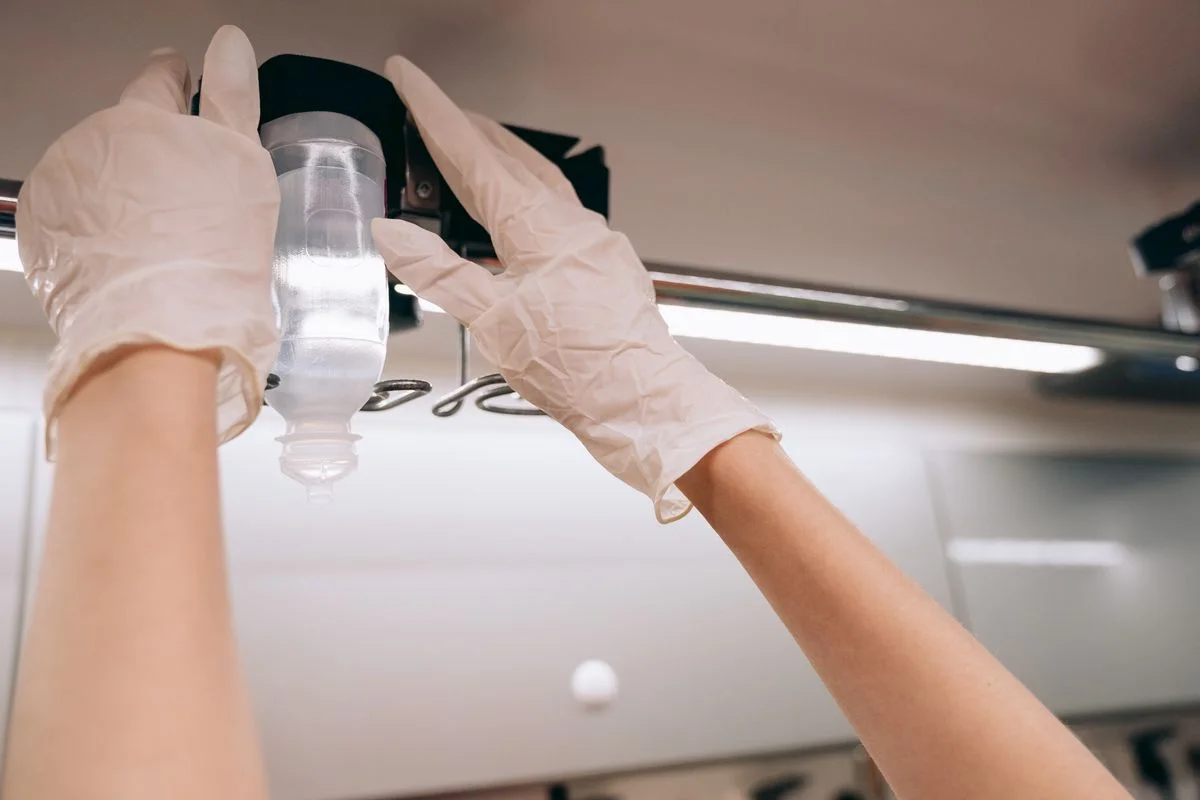
- Medical products: IV bags, blood bags, fluid containers, surgical drapes, inflatable medical supports, and protective apparel, where seal integrity and clean seam appearance are critical.
- Inflatables and leisure goods: air mattresses, boats, rafts, pools, bounce structures, and safety floats, where airtight seams are essential.
- Automotive interiors and trim: seat components, sun visors, mats, and decorative or functional textile assemblies.
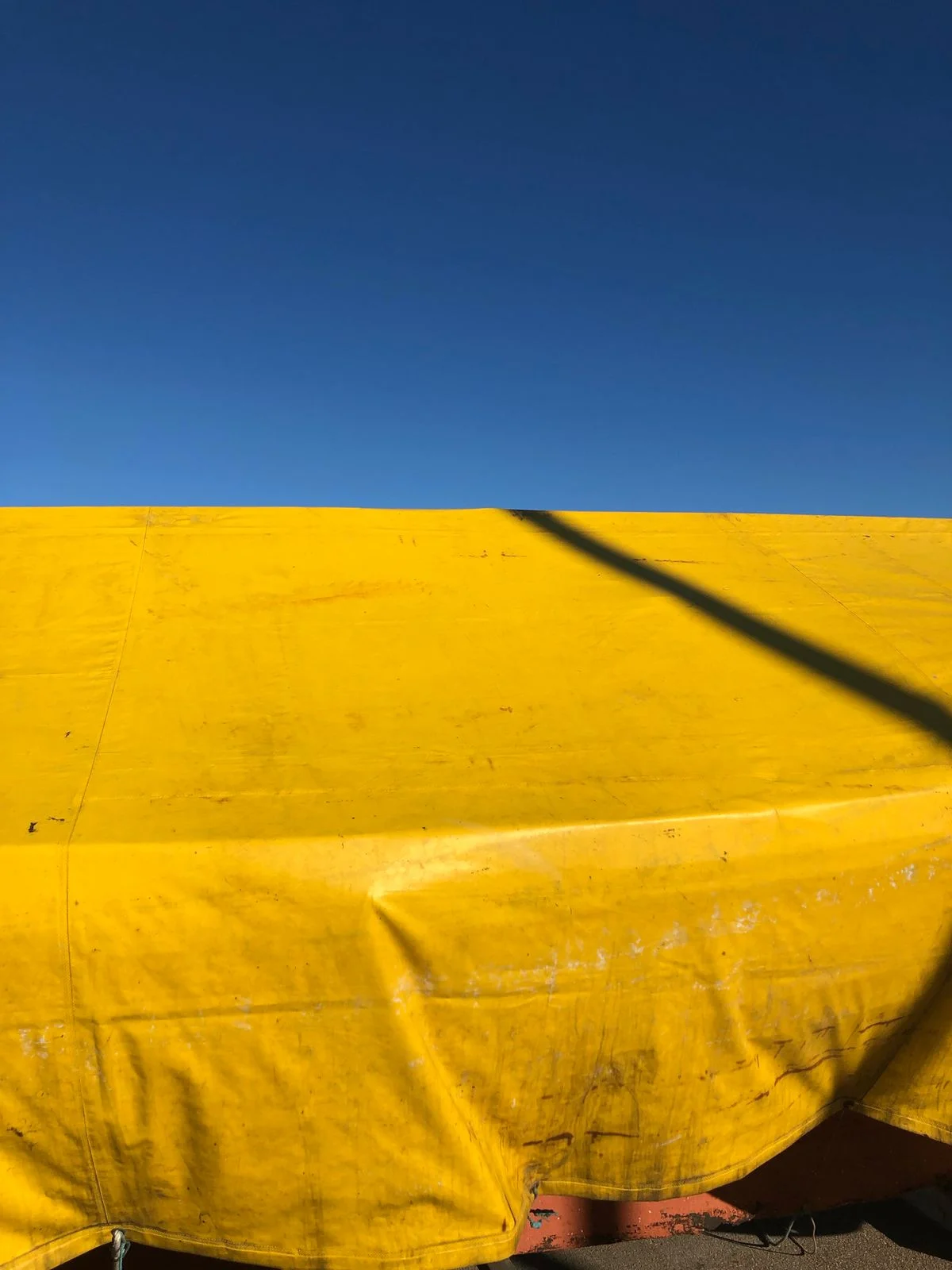
- Industrial covers and technical textiles: tarpaulins, tents, curtains, liners, conveyor-related covers, and weatherproof enclosures.
- Packaging and stationery: blister packs, binders, folders, display covers, and specialized retail packaging.
- Specialized electrical and insulation products: certain insulation and protective assemblies where dielectric weldability is advantageous.
A comparatively poor-fit use is highly rigid engineering plastics with low dielectric response, because these materials typically do not absorb HF energy efficiently enough for practical seam formation.
Engineering considerations and process quality
Successful HF welding depends on more than generator power. Key variables include:
- Electrode geometry, which determines seam shape, pressure distribution, and local field intensity.
- Pressure profile, which affects melt flow, fusion quality, and final seam thickness.
- Dwell time and cooling time, which influence cycle time and weld consolidation.
- Material stack-up, including film thickness, coatings, and any interlayers.
- Tool cleanliness and alignment, which are critical for repeatable seam appearance and leak performance.
Quality defects typically include incomplete fusion, burn-through, flash, distortion, weak corners, and nonuniform seam width. In medical and inflatable applications, leak testing and destructive seam tests are common elements of process validation.
Technological innovations and automation
Recent machine development has focused on solid-state power supplies, better electronic control, and integration with production automation. These improvements support finer adjustment of output power and response time, which is especially useful for delicate materials and variable seam geometries.
Important automation trends include:
- Programmable recipes for pressure, power, and dwell profiles.
- Servo-assisted or pneumatic handling for repeatable part placement and unloading.
- In-line inspection for seam quality, dimensional accuracy, and leak detection in critical products.
- Data logging and traceability for regulated sectors such as medical manufacturing.
- Digital maintenance diagnostics to reduce downtime and improve generator and tooling reliability.
For broader plastics manufacturing, this shift aligns with Industry 4.0 goals: higher repeatability, lower scrap, and more transparent process control.
Environmental and sustainability aspects
High-frequency welding can support sustainability goals in several ways:
- No adhesive consumption in applications where HF seams replace glue-based assembly.
- Localized heating, which can reduce wasted thermal energy compared with heating large tool masses or entire part surfaces.
- Cleaner seam formation, which may lower scrap and rework rates when process parameters are well controlled.
- Potential compatibility with repair and reuse models, especially for covers, inflatables, and technical textile products designed for serviceability.
At the same time, sustainability performance depends strongly on material selection. PVC-based products can be durable and weldable, but end-of-life recycling may be more complex than for some alternative thermoplastics. For this reason, manufacturers increasingly evaluate weldability alongside recyclability, material health requirements, and product life extension.
Economic and global market impact
High-frequency welding machines occupy a specialized but strategically important niche in plastics processing. Demand is tied closely to markets for medical disposables, protective goods, inflatables, coated fabrics, vehicle interiors, and industrial covers. These sectors value seam integrity, process speed, and the ability to produce complex sealed shapes with low leak risk.
Capital costs vary substantially by machine size, tooling complexity, and automation level. Smaller systems may serve job shops and regional converters, while large integrated lines are used by manufacturers with high-volume, validated production requirements. Because tooling is often product-specific, the business case depends heavily on design stability and production volume.
Current challenges and innovations
Several technical challenges continue to shape machine development:
- Material inconsistency: changes in coating chemistry, plasticizer content, or laminate structure can alter weld response.
- Regulatory pressure: medical, consumer safety, and environmental regulations increasingly affect material choice, traceability, and compliance documentation.
- Operator safety: HF systems require shielding, interlocks, and electrical safety controls because of the electromagnetic field and high-voltage equipment involved.
- Tooling optimization: complex seams often require careful die design to achieve uniform heating and pressure.
- Energy efficiency: users continue to seek lower specific energy consumption through better power electronics and cycle optimization.
Innovation is therefore concentrated not only in generator design but also in electrode engineering, simulation of field distribution, process monitoring, and modular machine platforms.
Future outlook
High-frequency welding machines are likely to remain essential wherever sealed thermoplastic seams are required and conventional thermal joining is less suitable. The most important future developments are likely to include:
- broader use of solid-state, digitally controlled generators;
- tighter closed-loop process monitoring;
- more machine designs tailored to medical, automotive, and technical textile sectors;
- improved compatibility with lightweight, recyclable, and multi-layer material systems;
- and stronger integration with automated material handling and quality assurance.
As plastics processing shifts toward higher product specificity, lower waste, and greater documentation, HF welding will continue to evolve from a niche joining method into a more data-driven production technology.
References
- •
Forsstrom High Frequency. (2018, May 3). Premium HF welding machines. https://www.forsstrom.com/en/Link
- •
Vacuumac. (2019, December 5). High frequency welding machine. https://www.vacuumac.com/high-frequency-welding-machine/Link
- •
KETCHAN Induction. (n.d.). High frequency welding machine. https://inductionheattreatment.com/high-frequency-welding-machine/Link
- •
Erez Therm. (2024, March 25). What is high frequency welding: Introduction to HF welding. https://erez-therm.com/introduction-to-high-frequency-welding/Link
- •
Zemat. (2024, October 31). HF welders: High frequency sealer machines from Zemat. https://www.zemat.com/high-frequency-welders/Link
- •
Heyzine. (n.d.). The ultimate welding machine [PDF]. https://cdnc.heyzine.com/files/uploaded/v2/4b038945b867ecf299ee15c879d2e04eb3183234.pdfLink
- •
The Fabricator. (n.d.). High-frequency electric resistance welding: An overview. https://www.thefabricator.com/thewelder/article/arcwelding/high-frequency-electric-resistance-welding-an-overviewLink
- •
Thermatool Europe. (2022, November 16). High-frequency welding machine. https://www.directindustry.com/prod/thermatool-europe/product-21736-2520247.htmlLink
- •
Inductotherm HW. (n.d.). High frequency solid state welders [PDF]. https://www.inductothermhw.com/wp-content/uploads/sites/21/2019/08/0305-Welder-overview-MB1001-Rev-B-v1.pdfLink
- •
TWI. (n.d.). 2. The HF welding process [PDF]. https://www.twi-global.com/pdfs/best-practice-guides/bphfws02.pdfLink
- •
Forsstrom High Frequency. (2026, June 10). Our HF (RF) welding machines. https://www.forsstrom.com/en/our-machines/Link
- •
ERW Pipe Machine. (2023, October 18). Solid state high frequency welder. https://www.erwpipemachine.com/products/solid-state-high-frequency-welder.htmlLink
- •
PDS Makina. (n.d.). High frequency solid state welding machine. https://www.pdsmakina.com.tr/en/urunler/h-f-kaynak-makinasiLink
- •
WeldWiki. (n.d.). High-frequency welding: Techniques and applications. https://weldwiki.com/high-frequency-welding-techniques-and-applications/Link
- •
Forsstrom. (2024, April 25). Understanding high frequency welding machines. https://www.forsstrom.com/en/hf-welding/high-frequency-welding-machine/Link
- •
LinkedIn. (2026, August 4). High frequency welding machine. https://www.linkedin.com/pulse/high-frequency-welding-machine-plastic-laser-welding-machine-h1ancLink
- •
Eastsign. (2024, October 30). What is high frequency welding. https://www.eastsign.com/news/what-is-high-frequency-welding.htmlLink
- •
EngineerFix. (2025, October 9). How high frequency welding works: The physics & equipment. https://engineerfix.com/how-high-frequency-welding-works-the-physics-equipment/Link
- •
CN Thermoforming Machine. (2025, January 5). High frequency welding machine. https://cn-thermoforming.com/high-frequency-welding-machine/Link
- •
Amada Weld Tech. (2024, July 11). HF-2500A high frequency inverter spot welder. https://amadaweldtech.com/product/hf-2500a-high-frequency-inverter-spot-welder/Link
- •
SlideShare. (2019, February 14). High frequency welding [PPTX]. https://www.slideshare.net/slideshow/high-frequency-welding/131789944Link
- •
Carmo. (2026, September 2). What is high frequency welding? https://www.carmo.dk/en/faq/what-is-high-frequency-welding/Link
- •
TWI Ltd. (n.d.). High frequency welding handbook [PDF]. https://www.twi-global.com/pdfs/best-practice-guides/bphfws01.pdfLink
- •
Faith Machinery. (2016, May 12). HF welder/high frequency induction welder. https://www.faith-machinery.com/HF-Welder-High-Frequency-Induction-Welder-pd43770531.htmlLink
- •
XM Jingshun. (n.d.). High frequency plastic welding. http://www.xm-jingshun.com/productList/17.htmlLink
- •
FIAB Machines. (2025, September 22). Welding technology high frequency. https://fiabmachines.com/technologyLink
- •
ScienceDirect. (n.d.). High-frequency welding: An overview. https://www.sciencedirect.com/topics/engineering/high-frequency-weldingLink
- •
Wikipedia. (2018, April 24). Radio-frequency welding. https://en.wikipedia.org/wiki/Radio-frequency_weldingLink
- •
Accio. (2025, August 24). HF welders: Industrial welding solutions for PVC, metal. https://www.accio.com/plp/hf-weldersLink
- •
PMC/NIH. (2024, January 21). Process parameters of high frequency welding. https://pmc.ncbi.nlm.nih.gov/articles/PMC10817333/Link
- •
Weldmaster. (2023, March 21). How high-frequency welding works: Full guide. https://www.weldmaster.com/blog/understanding-high-frequency-weldingLink