
परिचय
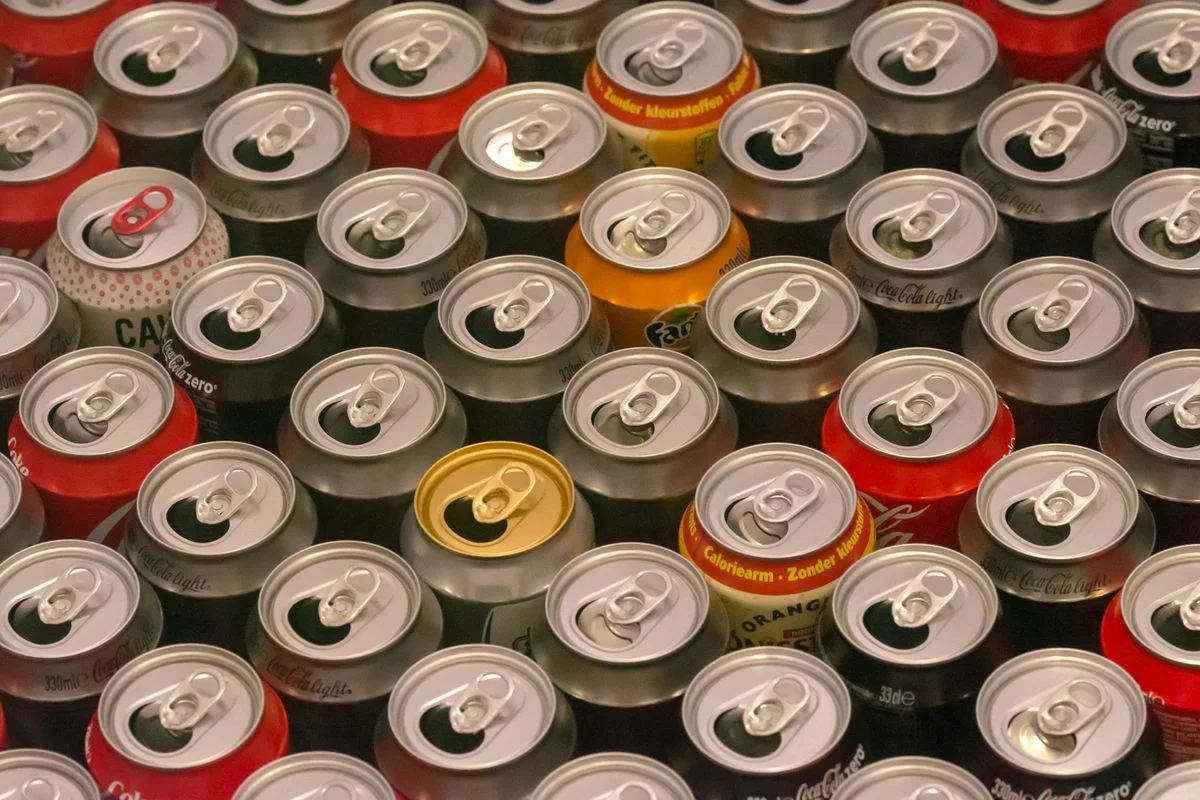
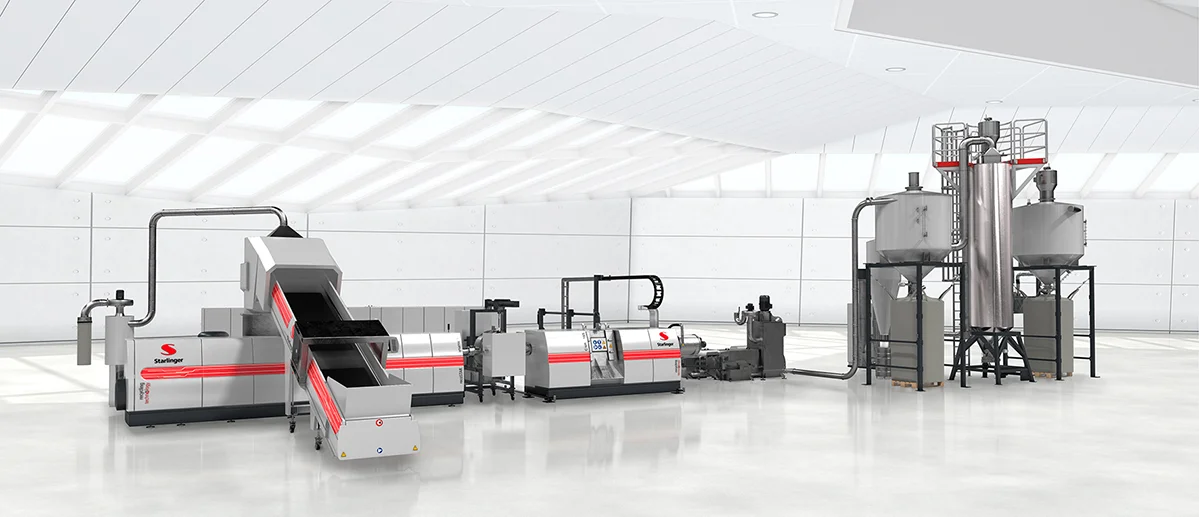
रीसाइक्लिंग लाइनें एकीकृत औद्योगिक प्रणालियाँ हैं जो उपभोक्ता-पश्चात और औद्योगिक-पश्चात अपशिष्ट को पुन: प्रयोज्य सामग्री धाराओं जैसे छांटे गए बेल्स, धुली हुई फ्लेक्स या पुनर्नवीनीकृत पेलेट्स में परिवर्तित करती हैं। प्लास्टिक प्रसंस्करण में, यह शब्द आमतौर पर यांत्रिक रीसाइक्लिंग लाइनों को संदर्भित करता है जो आकार में कमी, पृथक्करण, धुलाई, सुखाने और अक्सर निरंतर, समकालिक कार्यप्रवाह में एक्सट्रूज़न या पेलेटाइज़िंग को जोड़ती हैं।
व्यवहार में, एक रीसाइक्लिंग लाइन एक एकल मशीन नहीं बल्कि फीडस्टॉक, संदूषण स्तर और लक्ष्य आउटपुट गुणवत्ता के आसपास डिज़ाइन किया गया समन्वित संयंत्र अनुभाग है। प्लास्टिक के लिए, लाइन को मिश्रित अपशिष्ट के लिए छंटाई लाइन, दूषित पैकेजिंग और फिल्म के लिए धुलाई लाइन, या साफ फ्लेक्स और regrind को पुन: प्रयोज्य granules में बदलने के लिए पेलेटाइज़िंग लाइन के रूप में कॉन्फ़िगर किया जा सकता है। इन प्रणालियों का व्यापक महत्व सर्कुलर-इकोनॉमी नीति, रेजिन मूल्य अस्थिरता और कम-कार्बन सामग्री की मांग के साथ बढ़ा है, जबकि भविष्य का विकास बेहतर ऑप्टिकल छंटाई, बंद-लूप जल प्रणालियों और अधिक ऊर्जा-कुशल डीवाटरिंग और एक्सट्रूज़न तकनीकों द्वारा आकार दिया जा रहा है।
इतिहास और विकास
आधुनिक रीसाइक्लिंग लाइनें बुनियादी मैनुअल छंटाई और बेलिंग से अत्यधिक स्वचालित सामग्री-वसूली प्रणालियों में विकसित हुईं। प्रारंभिक नगरपालिका recycling facilities हाथ से छंटाई और सरल यांत्रिक पृथक्करण पर बहुत अधिक निर्भर थीं, लेकिन बीसवीं सदी के अंत तक कन्वेयर-आधारित संयंत्रों ने मिश्रित धाराओं को उच्च थ्रूपुट पर संसाधित करने के लिए स्क्रीन, मैग्नेट और बेलर्स को जोड़ना शुरू कर दिया था।
मुख्य मील के पत्थर में शामिल हैं:
- material recovery facilities (MRFs) का विस्तार, जिसने मिश्रित पुनर्नवीनीकरण को वस्तु धाराओं में अलग करने को औपचारिक रूप दिया, कन्वेयर, स्क्रीन, मैग्नेट, ऑप्टिकल सॉर्टर और बेलर्स का उपयोग करके।
- plastic washing and pelletizing lines का उदय, जिसने दूषित उपभोक्ता-पश्चात प्लास्टिक को फ्लेक्स और पेलेट्स में बदलने में सक्षम बनाया, निम्न-मूल्य पुन: उपयोग तक सीमित होने के बजाय।
- optical and infrared sorting को अपनाना, जिसने पॉलिमर प्रकारों की पहचान में सुधार किया और PET, HDPE, और PP जैसे प्लास्टिक के लिए मैनुअल छंटाई पर निर्भरता कम की।
तकनीकी अवलोकन
एक प्लास्टिक रीसाइक्लिंग लाइन आमतौर पर प्राप्त करने और पूर्व-छंटाई से शुरू होती है, उसके बाद आकार में कमी, सफाई, पृथक्करण, डीवाटरिंग, सुखाने और या तो बेल गठन या पेलेट्स में एक्सट्रूज़न होता है। सटीक कॉन्फ़िगरेशन इस बात पर निर्भर करता है कि फीड कठोर पैकेजिंग, PET बोतलें, फिल्म, मिश्रित कठोर स्क्रैप या औद्योगिक regrind है या नहीं।
मुख्य प्रक्रिया चरण
- Feeding and pre-sorting oversized वस्तुओं, खतरनाक contaminants और non-target सामग्रियों को मुख्य लाइन से पहले हटाते हैं।
- Shredding or granulation bulky प्लास्टिक को धुलाई और पृथक्करण के लिए प्रबंधनीय टुकड़ों में कम करता है।
- Washing and friction cleaning dirt, labels, glues, organics और तेलों को हटाते हैं; PET लाइनें अक्सर चिपकने वाले हटाने के लिए गर्म धुलाई शामिल करती हैं।
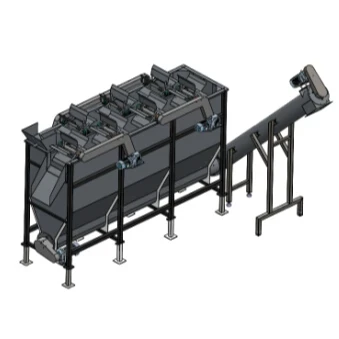
- Density separation जैसे sink-float tanks विशिष्ट गुरुत्व द्वारा पॉलिमर को अलग करते हैं, उदाहरण के लिए PET को PP और PE अंशों से।
- Dewatering and drying नमी को भंडारण या एक्सट्रूज़न के लिए उपयुक्त स्तरों तक कम करते हैं।
- Pelletizing or granulating साफ फीडस्टॉक को पिघलाते, फ़िल्टर करते और remanufacturing के लिए एकसमान पेलेट्स में काटते हैं।
विशिष्ट इंजीनियरिंग बेंचमार्क
| Parameter | Typical range in plastics recycling lines |
|---|---|
| Granulator output flakes | about 8–12 mm nominal, depending on screen size and material |
| Rotor speed | roughly 400–1,000 rpm in many granulation applications, depending on design and feed |
| Centrifugal dewatering residual moisture | commonly about 1–5% after mechanical dewatering; high-performance PET drying lines may go below 1% with thermal finishing |
| Line throughput | small lines may run at a few hundred kg/h; industrial PET, rigid, or film lines commonly run from about 500 kg/h to several t/h |
| Specific energy consumption | strongly dependent on contamination and line design; washing-heavy systems and pelletizing sections typically consume materially more energy than dry sorting alone |
ये आंकड़े पॉलिमर, संदूषण स्तर, लक्ष्य शुद्धता और क्या सिस्टम फ्लेक्स, washed regrind, या पेलेट्स के लिए डिज़ाइन किया गया है, के अनुसार व्यापक रूप से भिन्न होते हैं। PET बोतल धुलाई लाइनें, उदाहरण के लिए, आमतौर पर लेबल हटाने, गर्म धुलाई, घर्षण धुलाई, फ्लोटेशन पृथक्करण और उच्च-शुद्धता rPET फीडस्टॉक उत्पादन के लिए अंतिम सुखाने शामिल करती हैं।
उत्पाद गुणवत्ता विचार
आउटपुट गुणवत्ता संदूषण नियंत्रण, पॉलिमर शुद्धता और नमी प्रबंधन द्वारा नियंत्रित होती है। अवशिष्ट लेबल, fines, धातु और असंगत पॉलिमर पिघल गुणवत्ता को खराब कर सकते हैं, यांत्रिक गुणों को कम कर सकते हैं और डाउनस्ट्रीम एक्सट्रूज़न में निस्पंदन लोड बढ़ा सकते हैं। इस कारण से, बोतल-से-बोतल या फाइबर-ग्रेड रीसाइक्लिंग के लिए इच्छित लाइनें निम्न-ग्रेड regrind उत्पादन वाली लाइनों की तुलना में सख्त छंटाई और धुलाई नियंत्रण की आवश्यकता होती हैं।
प्रकार और विविधताएँ
रीसाइक्लिंग लाइनें आमतौर पर फीडस्टॉक और आउटपुट द्वारा वर्गीकृत की जाती हैं।
- MRF sorting lines mixed recyclables को संभालती हैं और डाउनस्ट्रीम reprocessing के लिए प्लास्टिक को कागज, धातु और कांच से अलग करती हैं।
- Plastic washing lines post-consumer या post-industrial प्लास्टिक को साफ फ्लेक्स में संसाधित करती हैं, अक्सर PET, HDPE, या rigid packaging के लिए।
- Film recycling lines lightweight flexible packaging के लिए अनुकूलित हैं और आमतौर पर aggressive washing, dewatering और agglomeration की आवश्यकता होती है क्योंकि फिल्में contaminants को फँसाती हैं और rigid scrap की तुलना में नमी अधिक आसानी से बनाए रखती हैं।
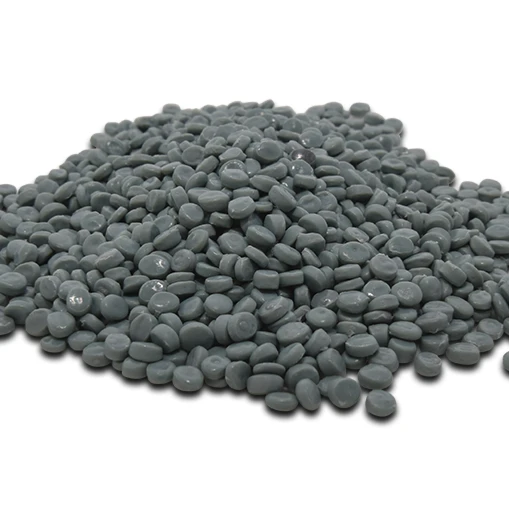
- Pelletizing lines साफ फ्लेक्स या regrind को melt filtration और strand या underwater cutting के साथ मानकीकृत पेलेट्स में परिवर्तित करती हैं।
- Comprehensive bottle-to-pellet lines sorting, label removal, granulation, washing, drying और extrusion को एकल संयंत्र प्रवाह में एकीकृत करती हैं।
अनुप्रयोग और उपयोग
रीसाइक्लिंग लाइनें कई प्लास्टिक और अपशिष्ट-प्रसंस्करण क्षेत्रों में उपयोग की जाती हैं।
- Packaging recycling सबसे बड़ा और सबसे दृश्यमान अनुप्रयोग है, विशेष रूप से PET बोतलों, HDPE कंटेनरों और PP closures के लिए।
- Industrial scrap recycling उत्पादन off-cuts, purge, runners और rejected parts को संभालता है, अक्सर cleaner feed और simpler washing आवश्यकताओं के साथ।
- Film and flexible packaging recycling agricultural film, stretch film और bags के लिए उपयोग किया जाता है, लेकिन संदूषण और entanglement के कारण तकनीकी रूप से अधिक demanding है।
- Mixed municipal recycling sorting lines पर निर्भर करता है बजाय direct polymer washing के, क्योंकि फीड में कागज, धातु, कांच और कई प्लास्टिक प्रकार होते हैं।
- Poor-fit use: heavily contaminated multilayer laminates और composite articles आमतौर पर मानक mechanical recycling lines के लिए poor fit हैं क्योंकि पॉलिमर पृथक्करण कठिन है और आउटपुट गुणवत्ता अस्थिर है।
तकनीकी नवाचार और स्वचालन
स्वचालन आधुनिक रीसाइक्लिंग लाइनों के केंद्र में है। ऑप्टिकल सॉर्टर infrared sensing और air ejection का उपयोग पॉलिमर परिवारों की पहचान करने और unwanted fractions को हटाने के लिए करते हैं, जबकि magnets और eddy current separators mixed streams से ferrous और non-ferrous metals को recover करते हैं।
अन्य उल्लेखनीय नवाचारों में शामिल हैं:
- AI-assisted sorting, जो mixed waste streams में object shape, color और material combinations की पहचान में सुधार करता है।
- Closed-loop water circuits, जो washing lines में freshwater demand को कम करते हैं और wastewater volumes को कम करते हैं।
- High-efficiency friction washers and dryers, जो contamination को कम करते हैं जबकि thermal load को सीमित करते हैं।
- Integrated process control, जो feeder speed, rotor loading, wash residence time और dryer performance को synchronize करता है ताकि throughput और quality को स्थिर किया जा सके।
पर्यावरणीय और स्थिरता पहलू
रीसाइक्लिंग लाइनें material recovery का समर्थन करती हैं, लेकिन उनका पर्यावरणीय प्रदर्शन energy use, water consumption और output resin की गुणवत्ता पर निर्भर करता है। मुख्य स्थिरता लाभ recyclate द्वारा virgin polymer production का विस्थापन है, जो fossil feedstocks की मांग को कम कर सकता है और waste disposal volumes को कम कर सकता है।
उसी समय, रीसाइक्लिंग लाइनें अपने स्वयं के पर्यावरणीय बोझ पैदा करती हैं:
- Electricity consumption shredding, hot washing, drying और extrusion के साथ बढ़ता है।
- Water demand efficient recirculation के बिना washing systems में महत्वपूर्ण हो सकता है।
- Reject streams को अभी भी disposal या alternative treatment की आवश्यकता होती है।
- Downcycling risk contamination के कारण high-value reuse को रोकने पर रहता है।
स्थिरता लाभ सबसे मजबूत होते हैं जब लाइन high yields, low reject rates और closed-loop reuse of water and heat के लिए डिज़ाइन की जाती है। Regulatory pressure और producer-responsibility schemes भी higher collection rates और better design for recyclability को प्रोत्साहित कर रहे हैं।
आर्थिक और वैश्विक बाजार प्रभाव
रीसाइक्लिंग लाइनें प्लास्टिक बाजारों में रणनीतिक संपत्ति बन गई हैं क्योंकि वे waste management को resin supply से जोड़ती हैं। उनकी अर्थव्यवस्था feedstock cost, output purity, energy pricing, labor intensity और flakes या pellets के लिए end markets तक पहुंच पर निर्भर करती है। MRFs और plastics recyclers भी economies of scale से लाभान्वित होते हैं, बड़े facilities आमतौर पर sorting, labor और equipment costs को बेहतर ढंग से absorb कर पाते हैं।
वैश्विक बाजार कई शक्तियों द्वारा आकार दिया जाता है:
- recycled-content packaging और consumer goods की मांग
- extended producer responsibility (EPR) जैसे नीति ढांचे
- virgin polymer prices में अस्थिरता
- regional sorting और reprocessing capacity में वृद्धि
- domestic recycling infrastructure को सुधारने और export dependence को कम करने का दबाव
वर्तमान चुनौतियाँ और नवाचार
मुख्य तकनीकी चुनौतियाँ feed variability, contamination, material losses और mixed waste से consistent high-quality output का उत्पादन करने की कठिनाई बनी रहती हैं। Film, labels, multilayer packaging, black plastics और odor retention processing को जटिल बनाते रहते हैं।
वर्तमान नवाचार प्राथमिकताओं में शामिल हैं:
- dark, multilayer और composite packaging के लिए बेहतर polymer identification
- adhesives, inks और organic residues के लिए improved contaminant removal
- Lower-energy drying and extrusion
- More robust process monitoring downtime और reject rates को कम करने के लिए
- Designs जो PET, HDPE, PP और film streams के बीच अधिक आसानी से switch कर सकते हैं
भविष्य का दृष्टिकोण
भविष्य की रीसाइक्लिंग लाइनें अधिक modular, data-driven और energy-aware बनने की संभावना है। संयंत्र तेजी से advanced sensing, process analytics और flexible mechanical design को बदलते waste streams और stricter quality targets को संभालने के लिए संयोजित करेंगे। सबसे मजबूत विकास क्षेत्र PET bottle-to-bottle systems, flexible packaging recovery और food-contact या near-food-contact अनुप्रयोगों के लिए डिज़ाइन किए गए integrated washing-pelletizing plants में अपेक्षित हैं।
लंबी अवधि में, mechanical recycling lines chemical recycling और advanced recovery methods के साथ सह-अस्तित्व में रहेंगे, लेकिन वे large-scale plastic reuse की रीढ़ बने रहने की संभावना है क्योंकि वे व्यावसायिक रूप से स्थापित, comparatively mature और जब feedstock quality पर्याप्त हो तो substantial material volumes को संभालने में सक्षम हैं।
सारांश
रीसाइक्लिंग लाइनें आधुनिक प्लास्टिक recovery की प्रक्रिया रीढ़ हैं, coordinated mechanical और thermal operations के माध्यम से waste polymers को sorted commodities, washed flakes या recycled pellets में बदलती हैं। उनका महत्व बढ़ रहा है क्योंकि manufacturers अधिक stable recycled feedstock की तलाश करते हैं, regulators circularity को आगे बढ़ाते हैं, और engineers sorting accuracy, water reuse, drying efficiency और output purity में सुधार जारी रखते हैं।
संदर्भ
- •
How does a plastic recycling production line work? Step-by-step process explained. (2025, July 24). Granuwelextruder.com. https://granuwelextruder.com/how-does-a-plastic-recycling-production-line-work-step-by-step-process-explained/Link
- •
Plastic recycling lines for small & mid-size plants. (2025, May 8). Geording.com. https://www.geording.com/en/news/blog/plastic-recycling-lineLink
- •
What is a plastic recycling line. (n.d.). Retech Machinery. https://www.retechmachine.com/news/what-is-a-plastic-recycling-line.htmlLink
- •
Recycling basics and benefits. (2026, June 22). U.S. Environmental Protection Agency. https://www.epa.gov/recycle/recycling-basics-and-benefitsLink
- •
Plastic recycling washing line: Principles, cost & technology trends. (2025, November 12). Boxinpm.com. https://www.boxinpm.com/news/industry-news/the-ultimate-guide-to-waste-plastic-recycling-washing-lines-from-working-principles-and-model-selection-to-2025-technology-trends.htmlLink
- •
How recycling facilities actually work in 2025. (2026, June 20). Gd-environmental.co.uk. https://gd-environmental.co.uk/how-recycling-facilities-work/Link
- •
How a material recycling facility sorting line works. (2026, August 28). Zhonganshredder.com. https://www.zhonganshredder.com/material-recycling-facility-sorting-line/Link
- •
Recycling lines. (n.d.). Corferias. https://cloud.corferias.co/extranet/servicio/stand_virtual/archivos/PDF(8489).pdfLink
- •
How it works: Inside the machine that separates your recyclables. (2013, August 28). Popular Science. https://www.popsci.com/technology/article/2013-07/how-it-works-recycling-machines-separate-junk-type/Link
- •
A look inside a recycling plant – How your items get sorted and recycled. (n.d.). RecycleNation. https://recyclenation.com/2020/08/a-look-inside-a-recycling-plant-how-your-items-get-sorted-and-recycled/Link
- •
MSW sorting line: Process, equipment & plant design. (2026, August 12). Recyclemachine.net. https://www.recyclemachine.net/how-msw-sorting-lines-work/Link
- •
The recycling journey. (n.d.). Highland.gov.uk. https://www.highland.gov.uk/download/downloads/id/724/recycling_journeys.pdfLink
- •
How recycling machines work. (2025, February 16). Recyclingtoday.org. https://www.recyclingtoday.org/blogs/news/how-recycling-machines-workLink
- •
Plastic recycling line: Washing, shredding & pelletizing. (2026, April 6). Suhuimachine.com. https://suhuimachine.com/blog/buyers-guides/plastic-recycling-line/Link
- •
Processing recyclables: What's my line? (2023, November 9). Waste360. https://www.waste360.com/waste-recycling/processing-recyclables-what-s-my-line-Link
- •
Plastic recycling granulating line explained. (2025, September 9). Boxinpm.com. https://www.boxinpm.com/news/industry-news/plastic-recycling-granulating-line-the-ultimate-guide-to-types-uses-and-benefits.htmlLink
- •
What is a PET bottle recycling line? Components, process. (2025, October 26). Recyclemachine.net. https://www.recyclemachine.net/pet-bottle-washing-process/Link
- •
PET bottle washing line: Selection guide, costs & ROI. (2026, April 9). Kitech-recycling.com. https://kitech-recycling.com/blog/pet-bottle-washing-line-guide/Link
- •
ELI5: How do recycling factories deal with the problem of contamination? (n.d.). Reddit. https://www.reddit.com/r/explainlikeimfive/comments/d6u0i3/eli5_how_do_recycling_factories_deal_with_the/Link
- •
How does recycling work? The complete guide [2026]. (2026, June 20). Recycling.guru. https://recycling.guru/how-does-recycling-work/Link
- •
Recycling – How it works. (2019, May 15). Communities for Recycling. https://recyclingpartnership.org/communitiesforrecycling/recycling-how-it-works/Link
- •
The U.S. recycling system. (2019, April 17). U.S. Environmental Protection Agency. https://www.epa.gov/circulareconomy/us-recycling-systemLink
- •
Recycling. (2002, August 10). Wikipedia. https://en.wikipedia.org/wiki/RecyclingLink
- •
Here’s your guide to how recycling actually works. (2018, April 11). Medium. https://medium.com/cleantech-rising/heres-your-guide-to-how-recycling-actually-works-1f3d97b37904Link
- •
The recycling process. (2024, March 17). Skrecycles.ca. https://skrecycles.ca/learn/the-recycling-process/Link
- •
Endocytic recycling of MHC class I molecules in non-professional antigen presenting and dendritic cells. (2019, January 7). Frontiers in Immunology. https://www.frontiersin.org/journals/immunology/articles/10.3389/fimmu.2018.03098/fullLink
- •
What happens to my recycling? (2024, July 16). Recyclenow.com. https://www.recyclenow.com/how-to-recycle/what-happens-to-my-recyclingLink
- •
The plastic recycling process. (2024, September 5). Association of Plastic Recyclers. https://plasticsrecycling.org/how-recycling-works/the-plastic-recycling-process/Link
- •
Recycling is not enough to make the world a greener place. (n.d.). ScienceDirect. https://www.sciencedirect.com/science/article/pii/S2950155523000253Link
- •
Steel scrap shredding process: Industrial guide for recycling lines. (2026, July 2). Yuximetalshredder.com. https://yuximetalshredder.com/blog/steel-scrap-shredding-process/Link
- •
A detailed explanation of how plastic recycling machines work. (2026, March 23). Aceretech.com. https://www.aceretech.com/blog/marketing-event-3/a-detailed-explanation-of-how-plastic-recycling-machines-work-analyzing-the-complete-processfrom-shredding-to-pelletizing-462Link
- •
The "Three Lines One Permit" policy: An integrated environmental regulation in China. (n.d.). ScienceDirect. https://www.sciencedirect.com/science/article/abs/pii/S0921344920304183Link
- •
Research paper material recovery facilities (MRFs) in the United States: Operations, revenue, and the impact of scale. (2025, February 1). ScienceDirect. https://www.sciencedirect.com/science/article/abs/pii/S0956053X24006408Link
- •
Seattle's recycling process. (n.d.). Seattle.gov. https://www.seattle.gov/utilities/your-services/collection-and-disposal/recycling/recycling-processLink
- •
How to optimize your wire chopping operation: 5 key questions. (2025, March 20). LinkedIn. https://www.linkedin.com/posts/sweed-machinery_recyclers-recyclingindustry-recycledmaterials-activity-7308578088823529473-RN6vLink
- •
How is recycling done? (2023, May 31). Flextrades.com. https://www.flextrades.com/blog/how-is-recycling-done/Link
- •
2026 state of recycling report. (2026, August 17). The Recycling Partnership. https://recyclingpartnership.org/residential-recycling-report/Link
- •
Opinion | The reign of recycling. (2015, October 4). The New York Times. https://www.nytimes.com/2015/10/04/opinion/sunday/the-reign-of-recycling.htmlLink
- •
A predictive approach for disassembly line balancing problems. (2022, May 22). Sensors, 22, 3920. https://www.mdpi.com/1424-8220/22/10/3920Link
- •
State of recycling 2024. (n.d.). The Recycling Partnership. https://recyclingpartnership.org/wp-content/uploads/dlm_uploads/2024/01/Recycling-Partnership-State-of-Recycling-Report-1.12.24.pdfLink
- •
Municipal solid waste recycling in the United States: Analysis of current and alternative approaches. (2025, July 15). National Academies Press. https://www.nationalacademies.org/read/27978/chapter/6Link
- •
Recycling in the U.S. is broken. How do we fix it? (2020, March 13). Columbia Climate School. https://news.climate.columbia.edu/2020/03/13/fix-recycling-america/Link