
Introduction
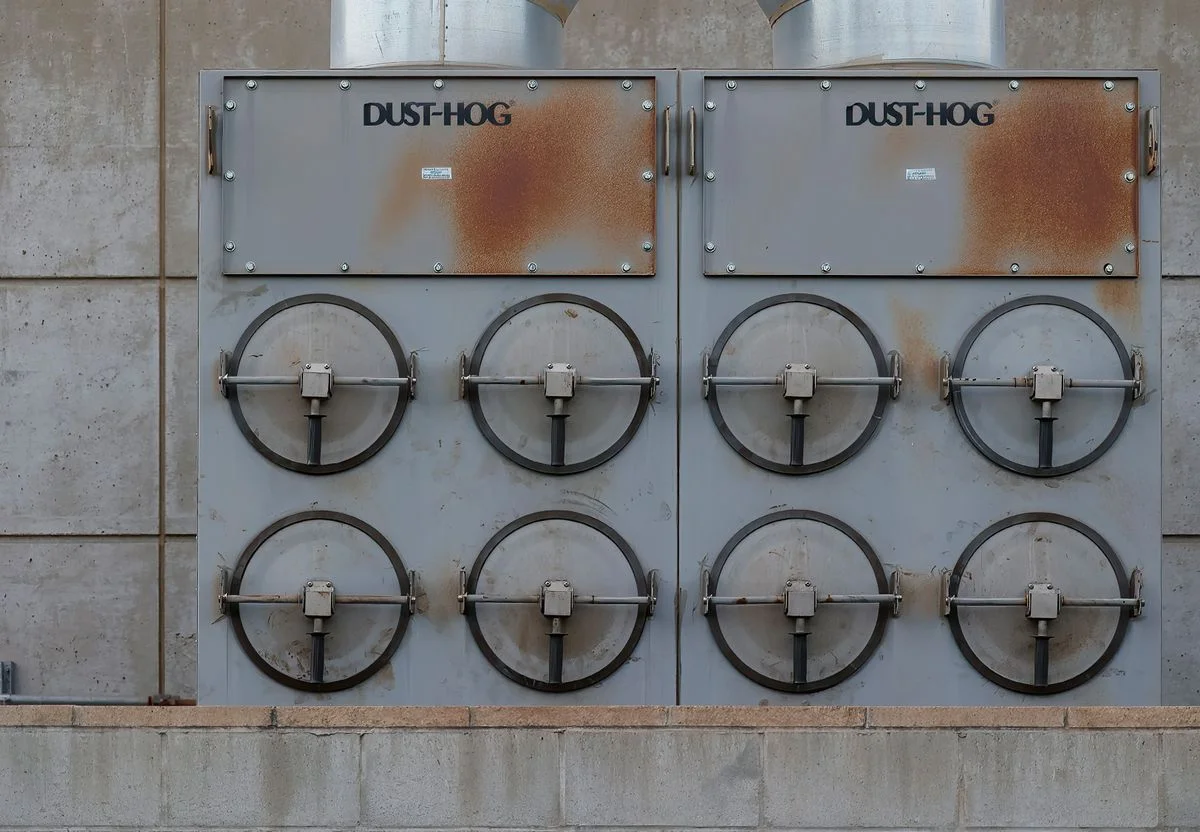
Dust & fume extraction systems are engineered air-cleaning installations used to capture airborne particulates, smoke, vapours, and process-generated fumes at or near the source, then separate contaminants from the airstream before air is discharged outdoors or recirculated to the workspace. In plastics processing, they are essential for controlling dust from conveying, cutting, grinding, pellet handling, regrind preparation, additive dosing, and trim removal, as well as fumes from hot processes such as extrusion, thermoforming, and certain compounding operations.
These systems are typically built around three functions: capture, convey, and collect. Capture occurs through hoods, extraction arms, enclosures, or downdraft surfaces; conveyance is handled by ductwork and fans; and collection is achieved using cartridge filters, bag filters, cyclones, wet scrubbers, or hybrid stages depending on particle size, temperature, stickiness, and explosion risk. In modern plants, the same system may also support energy recovery, filtered air recirculation, and digital monitoring for pressure drop, filter loading, and maintenance planning.
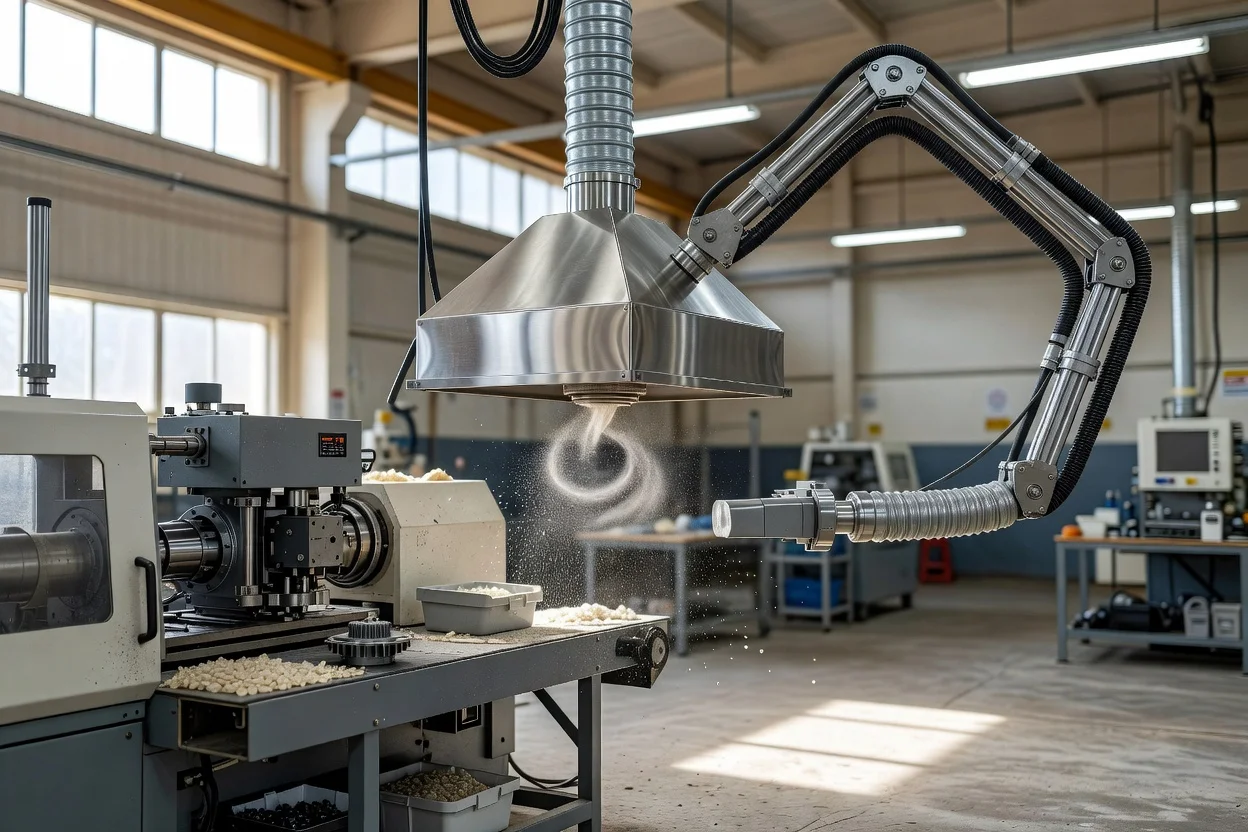
Within plastics manufacturing, dust and fume extraction is closely tied to product quality, operator health, housekeeping, and plant safety. Fine dust can contaminate pellets and finished parts, while fumes and ultrafine particulates can affect indoor air quality and increase compliance burdens in processing areas. The technology continues to evolve toward higher filtration efficiency, lower specific energy consumption, better capture at the source, and smarter integration with automation and Industry 4.0 maintenance systems.
History and Development
Industrial dust collection developed first as a means of improving workplace cleanliness and reducing nuisance emissions, then matured into a formal branch of process ventilation and occupational safety engineering. Early systems relied on simple settling chambers, cyclones, and fabric filters, while later designs added pulse-jet cleaning, compact cartridge modules, and purpose-built local exhaust ventilation for source capture.
Three notable development milestones shaped the modern field:
- Fabric filtration and baghouses established high-efficiency capture for heavy dust loads and remain widely used for large-volume industrial extraction.
- Cartridge collectors and pulse-jet cleaning improved compactness and automated filter regeneration, making high-performance dust control practical in space-constrained plants.
- Source-capture fume extraction arms and benches extended the concept from ambient cleaning to targeted extraction, which is especially important where fumes or fine aerosols are generated at a workstation rather than across a whole room.
In recent years, manufacturers have increasingly combined particulate filtration with HEPA, activated carbon, and smart monitoring elements for finer contaminants and vapour control. This has broadened use beyond general dust collection toward integrated air-quality management in plastics, welding, electronics, pharmaceuticals, machining, and additive manufacturing.
Technical Overview
A dust and fume extraction system is usually composed of five subsystems: capture device, ducting, fan or blower, filtration stage, and dust discharge/collection bin. The capture device creates local negative pressure near the emission source, while the fan maintains transport velocity in the ductwork and the collector separates solids or condensable aerosols from the air stream.
Operating principle
- Source capture reduces the air volume that must be moved, improving efficiency and limiting fugitive spread.
- Duct transport must maintain enough air velocity to keep particles suspended and avoid deposition or blockage.
- Separation and filtration may use inertial, centrifugal, gravitational, wet, or media-based mechanisms depending on the contaminant.
- Clean-air discharge may be outdoors or, where permitted and designed for it, back into the building after filtration.
Typical performance characteristics
- Baghouse dust collectors are commonly used for high dust loading and can achieve very high collection efficiency, often cited near 99% in industrial applications.
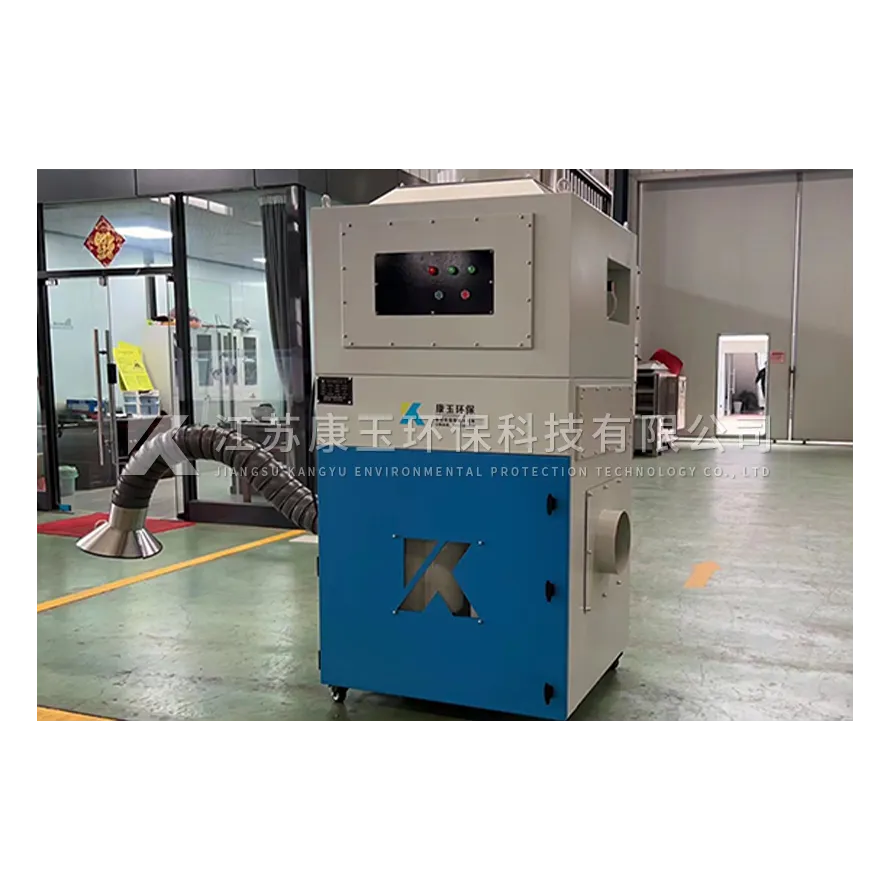
- Cartridge collectors are favored where compact footprint and fine-particle capture matter; pleated media provides high surface area in a smaller cabinet.
- Cyclones are effective for coarse particulate pre-separation but are less efficient for fine dust unless followed by downstream filtration.
- Wet scrubbers are useful for sticky, hot, or reactive contaminants and can reduce ignition risk in some applications.
Common technical benchmarks
Industry guides and manufacturer literature indicate the following typical values:
- Cartridge collector filters often use pleated cylindrical elements approximately 12–15 inches in diameter and 24–72 inches long.
- Fume extraction arms are often positioned close to the source, commonly within 200–300 mm in practical source-capture use.
- Portable fume extractors frequently operate in the range of about 800–1,500 CFM per arm, depending on hood design and contaminant type.
- Cyclone separators can be used as pre-cleaners before fine filtration, improving system life and reducing loading on final filters.
- Pulse-jet cleaning is a standard regeneration method in many modern dry collectors, using short bursts of compressed air to dislodge dust from filter media.
Where water-based dewatering is used upstream or in hybrid systems, residual moisture after centrifugal separation is often reduced substantially, but the exact value depends on polymer type, particle size, and feed geometry. In plastics recycling and regrind handling, centrifugal dewatering commonly targets a surface-moisture level low enough for downstream drying, but the final specification remains process-dependent rather than universal.
Main Types and Configurations
| Type | Typical use | Strengths | Limitations |
|---|---|---|---|
| Baghouse collector | High dust loading, bulk powder handling, grinding and conveying | High efficiency, robust for large volumes | Larger footprint, more ducting and maintenance |
| Cartridge collector | Fine dust, compact installations, mixed manufacturing areas | Compact, high surface area, efficient cleaning | Can be less suitable for heavy, fibrous, or hot dust |
| Cyclone separator | Coarse particulate, pre-separation | Simple, durable, low maintenance | Limited fine-dust capture |
| Wet scrubber | Sticky, hot, or combustible contaminants | Suitable for challenging process streams | Slurry handling and water treatment required |
| Fume extractor with arm or bench | Welding-like fumes, soldering, thermal cutting, spot extraction | Excellent source capture | Localized coverage only |
| Ambient dust/fume system | Larger rooms or areas with diffuse emissions | Covers broader space | Less efficient than source capture, higher airflow demand |
Dry collectors dominate where particulate can be filtered and discharged as solid waste, while wet scrubbers are selected where water contact improves capture or safety. In plastics processing, cartridge systems and compact extraction units are often preferred around granulators, hoppers, bag-dumping stations, and additive dosing points because they fit tighter plant layouts.
Applications in Plastics Processing
Dust and fume extraction systems are used throughout the plastics value chain, from raw-material intake to finished-part packaging.
- Pellet conveying and silos: capture of fines and dust during loading, discharge, and transfer operations to protect material cleanliness and reduce fugitive emissions.
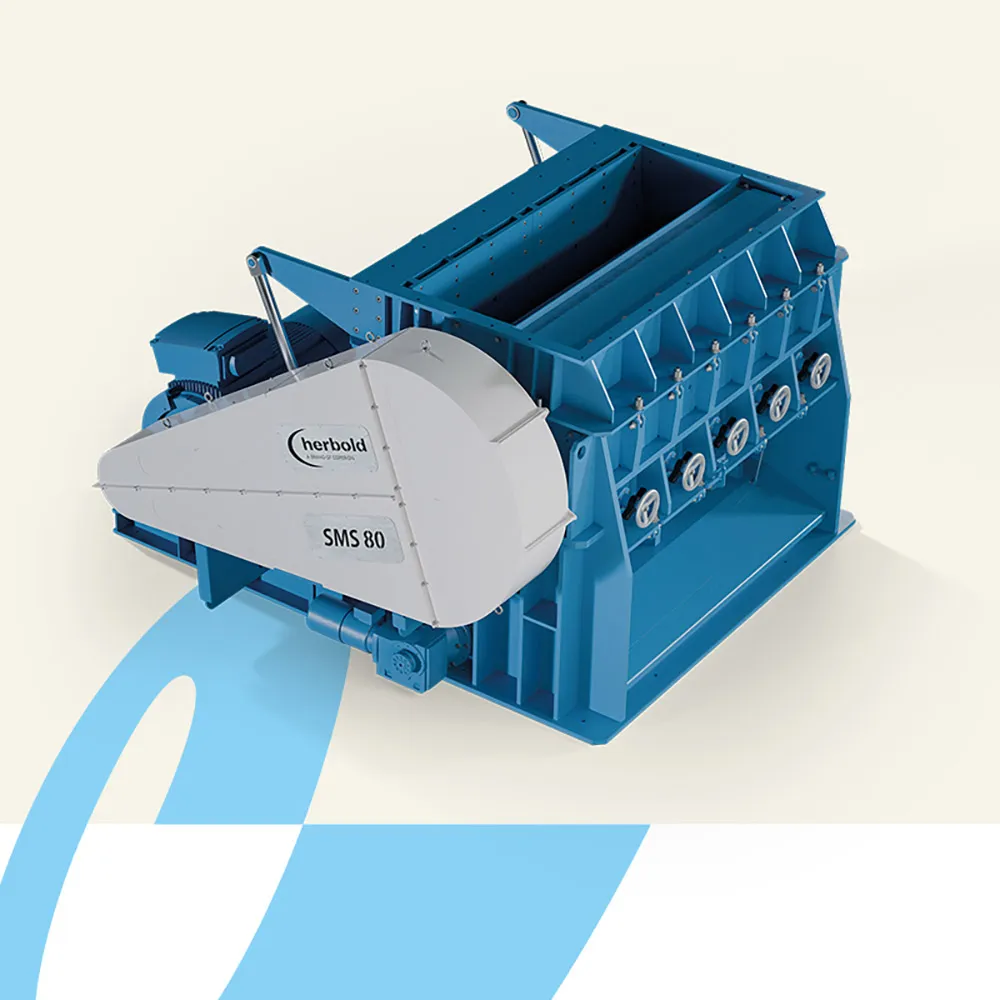
- Grinder and granulator stations: extraction of particulate from regrind processing, where knives, screens, and transfer chutes generate airborne dust and lightweight fragments.
- Additive and masterbatch handling: control of fine powders during weighing, mixing, and feeding, where source capture prevents contamination and operator exposure.
- Extrusion and compounding: fume extraction near vented extruders, melt zones, die areas, and purging points to remove heat-generated fumes and condensables.
- Thermoforming and trimming: removal of scrap dust, edge trim, and any thermal fumes from cutting or hot-forming operations.
- Injection moulding auxiliary operations: extraction at post-mould trimming, degating, and downstream finishing stations rather than the injection machine itself in many cases.
- Packaging and bagging: dust control where resin, flakes, or powder are filled into sacks or drums.
A poorer-fit use is general room cleaning where emissions are diffuse and intermittent but no credible source-capture point exists; ambient systems can help, but they are usually less efficient and more energy-intensive than local exhaust ventilation.
Technological Innovations and Automation
Modern systems increasingly incorporate variable-speed drives, differential-pressure sensors, remote alarms, and networked controllers that adjust fan speed or cleaning cycles to actual dust loading. This reduces unnecessary compressed-air use and can lower operating costs compared with constant-output systems.
Other notable developments include:
- Nanofiber and advanced pleated media, which improve fine-particle capture while extending filter life in cartridge systems.
- HEPA and activated carbon stages for ultrafine particulates and selected gaseous contaminants.
- Smart maintenance diagnostics, including filter differential-pressure trending and cloud-connected service alerts.
- Integrated extraction booths and downdraft tables, which combine work positioning, source capture, and filtration in one workstation.
- Hybrid systems that combine cyclonic pre-separation with final media filtration to reduce wear and loading.
In plastics plants, these developments matter because the contaminant stream is often variable: light fluff, heavy regrind dust, thermal fumes, anti-block powders, mineral fillers, and occasional condensable emissions may all appear in one facility. Adaptive control allows the system to respond more precisely to these changing loads.
Environmental and Sustainability Aspects
Dust and fume extraction systems support sustainability in three ways: they improve occupational air quality, reduce material loss, and enable more efficient air recirculation where regulations allow. Capturing dust at the source can also reduce contamination of floors, machinery, and finished goods, which lowers rework and cleanup demand.
Energy use remains a central trade-off. High airflow systems are effective but can be electricity intensive, especially when they rely on ambient capture or oversized duct networks. As a result, best practice increasingly favors:
- source capture instead of whole-room extraction,
- low-resistance duct design,
- pulse-jet cleaning optimized by pressure drop,
- and variable-speed fans matched to process demand.
Material recovery is another sustainability benefit. In plastics processing, extracted solids may sometimes be reintroduced into controlled recycling streams if contamination and quality requirements permit, though this is highly application-specific and must not compromise product performance or safety. In other cases, captured dust must be treated as waste because it contains mixed contaminants or cannot be reliably separated.
Economic and Global Market Impact
The market for dust and fume extraction is driven by regulatory compliance, worker safety, product quality, and facility productivity. In plastics manufacturing, the business case often rests on avoided downtime, reduced contamination, less maintenance on adjacent equipment, and lower exposure risk rather than on the collector itself as a standalone production asset.
Turnkey system suppliers and filtration specialists occupy an important position in the sector because system performance depends on engineering integration, not only on the collector unit. Companies such as Camfil, Nederman, Donaldson, ULT, and other industrial air-filtration providers are active in collectors, source-capture arms, benches, and application-specific extraction packages. Their role is typically defined by collector design, filtration media, workstation extraction, or integrated plant ventilation rather than by the plastics process itself.
Current Challenges and Innovations
Several engineering challenges continue to shape development:
- Capturing contaminants efficiently at the source without excessive airflow demand remains the core design problem.
- Filter loading and maintenance affect both energy consumption and uptime, especially where resin fines, tacky dust, or variable thermal fumes are present.
- Combustible dust risk requires careful design of collection, grounding, housekeeping, and explosion protection where applicable.
- Noise, footprint, and duct routing can constrain retrofits in older plastics plants.
- Process variability in compounding, recycling, and regrind handling makes fixed-design assumptions less reliable than adaptive control.
Current innovation is concentrated in better media, lower-pressure-drop systems, more precise source capture, and digital integration. For plastics processors, the most valuable systems are often those that are invisible in daily production: they run automatically, maintain stable airflow, preserve product cleanliness, and need minimal intervention.
Future Outlook
Dust and fume extraction systems are likely to become more tightly integrated with machine controls, plant-wide energy management, and predictive maintenance platforms. For plastics processing, the future points toward three broad priorities:
- More selective capture, using better hood geometry and localized enclosures to reduce airflow demand.
- Lower life-cycle energy use, through efficient fans, smart cleaning cycles, and reduced compressed-air consumption.
- Greater circularity compatibility, including better segregation of recoverable dust streams and improved collection of reusable fines where process specifications allow.
As plastics plants face stricter air-quality expectations and increased pressure to improve sustainability, dust and fume extraction will remain a core enabling technology rather than a peripheral utility.
References
- •
Dust, Mist & Fume Collectors: Complete Industrial Guide [2026]. (2026, May 12). https://www.kaskomakine.com/blogs/dust-mist-fume-collectors-complete-guideLink
- •
Dust, Fume & Mist Collectors | Industrial Air Filtration. (n.d.). https://www.camfil.com/en-us/products/dust-fume-and-mist-collectorsLink
- •
How Do Fume Extractors Work? (2019, June 23). https://www.nederman.com/en-gb/knowledge-center/how-do-fume-extractors-work---ukLink
- •
Mobile Dust Collection System. (2024, December 27). https://www.airsystems-inc.com/products/fume-extractors/s-dtl-e-portable-fume-extractor-dust-collector-no-filters/Link
- •
How an ambient dust, fume collection system works. (2017, October 30). https://www.thefabricator.com/thefabricator/article/safety/how-an-ambient-dust-fume-collection-system-worksLink
- •
Dust Extraction Systems | Welding Fume Extraction | Flextraction Ltd. (2022, May 4). https://www.flextraction.co.uk/Link
- •
Fume Extraction Systems | Dust & Fume Filtration: Dust Control. (2024, May 19). https://www.dustandfumefiltration.co.uk/Link
- •
Dust, fume & mist extraction solutions | Camfil. (2023, March 6). https://www.camfil.com/en/insights/dust-fume-and-mist-extractionLink
- •
DUSTOLEX. (n.d.). https://www.advancedengineeringuk.com/exhibitors/dustolex-244452/Link
- •
Fume & Dust Extraction Systems | View Our Range Online. (2025, November 6). https://www.donaldsonbofa.com/fume-extraction-systems/Link
- •
Dust and Fume Extraction Systems. (2024, November 20). https://ejpfiltration.co.uk/services/dust-fume-extraction-systems/Link
- •
Dust & Fume Extraction | iXtract. (2024, July 1). https://www.ixtract.com/solution-category/dust-extraction/Link
- •
Industrial fume extraction for efficient air filtration - ULT AG. (2026, August 20). https://www.ult-airtec.com/industrial-fume-extractionLink
- •
Industrial dust, fume and mist collectorS. (n.d.). https://www.camfil.com/en/products/dust,fume-,-a-,-mist-collectorsLink
- •
Industrial dust collection systems, dust & smoke extraction. (n.d.). https://www.ult-airtec.com/ife/dust-collection-and-fume-extractionLink
- •
Industrial dust and fume extraction systems. (2023, April 27). https://inteliair.co.uk/industrial-dust-and-fume-extraction-systems/Link
- •
Commercial Dust & Fume Collection - A Buying Guide | Airtight. (2022, October 28). https://airtight.com.au/commercial-dust-fume-collection-a-buying-guide/Link
- •
LEV Extraction Methods for Fumes, Vapours and Dust | Vent-Tech. (2025, September 24). https://www.vent-tech.co.uk/fumes-vapours-dust-choosing-the-right-extraction-method/Link
- •
All you need to know about fume extraction in the workplace. (2021, June 7). https://knowhow.distrelec.com/manufacturing/all-you-need-to-know-about-fume-extraction-in-the-workplace/Link
- •
DUSTEX: fume and dust extraction systems NZ-wide. (2026, July 31). https://www.dustex.co.nz/Link
- •
Industrial Fume - Diversitech. (2026, May 14). https://www.diversitech-air.com/productsLink
- •
Dust collector - Wikipedia. (2006, February 16). https://en.wikipedia.org/wiki/Dust_collectorLink
- •
Industrial fume and dust extraction: tips for choosing - Blog. (2022, June 16). https://blog.worky-italy.com/en-us/industry/industrial-fume-and-dust-extraction-tipsLink
- •
Understanding Industrial Dust Collection Systems | Camfil APC. (2026, July 24). https://camfilapc.com/blog/understanding-the-different-types-of-dust-collection-systems/Link
- •
Understanding the Basics of Fume & Dust Extraction. (2026, May 28). https://www.donaldsonbofa.com/understanding-the-basics/Link
- •
Dust & Fume Extraction | Control Gear. (2021, June 22). https://www.controlgear.net/dust-fume-extraction/Link
- •
Dust and Fume Extraction - Extraction Ducting | Extractly. (2025, August 12). https://www.extractly.co.uk/Link
- •
Airbench's Five Types of Extraction System. (2026, January 7). https://www.airbench.com/latest/airbenchs-five-types-of-extraction-system/Link
- •
How Does a Dust Extraction System Work? - Mideco. (2025, December 15). https://midecohse.com/how-does-a-dust-extraction-system-work/Link
- •
Fume and Dust Extractor: What's the Difference? - TYSUM. (2025, November 5). https://www.tysum.com/fume-and-dust-extractor-difference/Link
- •
A Guide To Dust Extraction Systems - RS Components. (2025, January 9). https://uk.rs-online.com/web/content/discovery/ideas-and-advice/dust-extraction-guideLink
- •
Dust and Fume Extraction. (n.d.). https://www.dustandfume.uk/Link
- •
Our Products. (n.d.). https://www.dustextraction.com.au/Link
- •
Dust and Fume Extraction Systems | Dust Management Services. (n.d.). https://dustman.com.au/dust-and-fume-extraction-systems/Link
- •
How does a Dust Extraction System Work. (2024, May 21). https://www.levengineering.co.uk/blog/how-does-a-dust-extraction-system-work/Link
- •
Dust Collectors. (n.d.). https://www.airflowsystems.com/dust-collectors/Link
- •
How Do Fume Extraction Systems Work? - ABIBLOG. (2019, November 25). https://blog.binzel-abicor.com/usa/how-fume-extraction-systems-workLink
- •
How Does a Fume Extractor Work? (2022, November 26). https://clean-air.com/how-does-a-fume-extractor-work/Link
- •
The Comprehensive Benefits of Dust and Fume Extraction Systems in Industry. (2025, January 23). https://www.controlgear.net/blog/the-comprehensive-benefits-of-dust-and-fume-extraction-systems-in-industry/Link
- •
An In-Depth Look at How Fume Extraction Systems Work. (2022, January 18). https://fumedog.com/blogs/news/an-in-depth-look-at-how-fume-extraction-systems-workLink
- •
Different Types of Fume Extraction Systems for Furnaces. (2023, January 12). https://techflow.net/articles/different-types-of-fume-extraction-systems-for-furnacesLink
- •
Benefits of Dust and Fume Extraction for Industrial Operations. (2025, January 23). https://techflow.net/articles/understanding-the-benefits-of-dust-and-fume-extraction-for-industrial-operationsLink