
Introduction
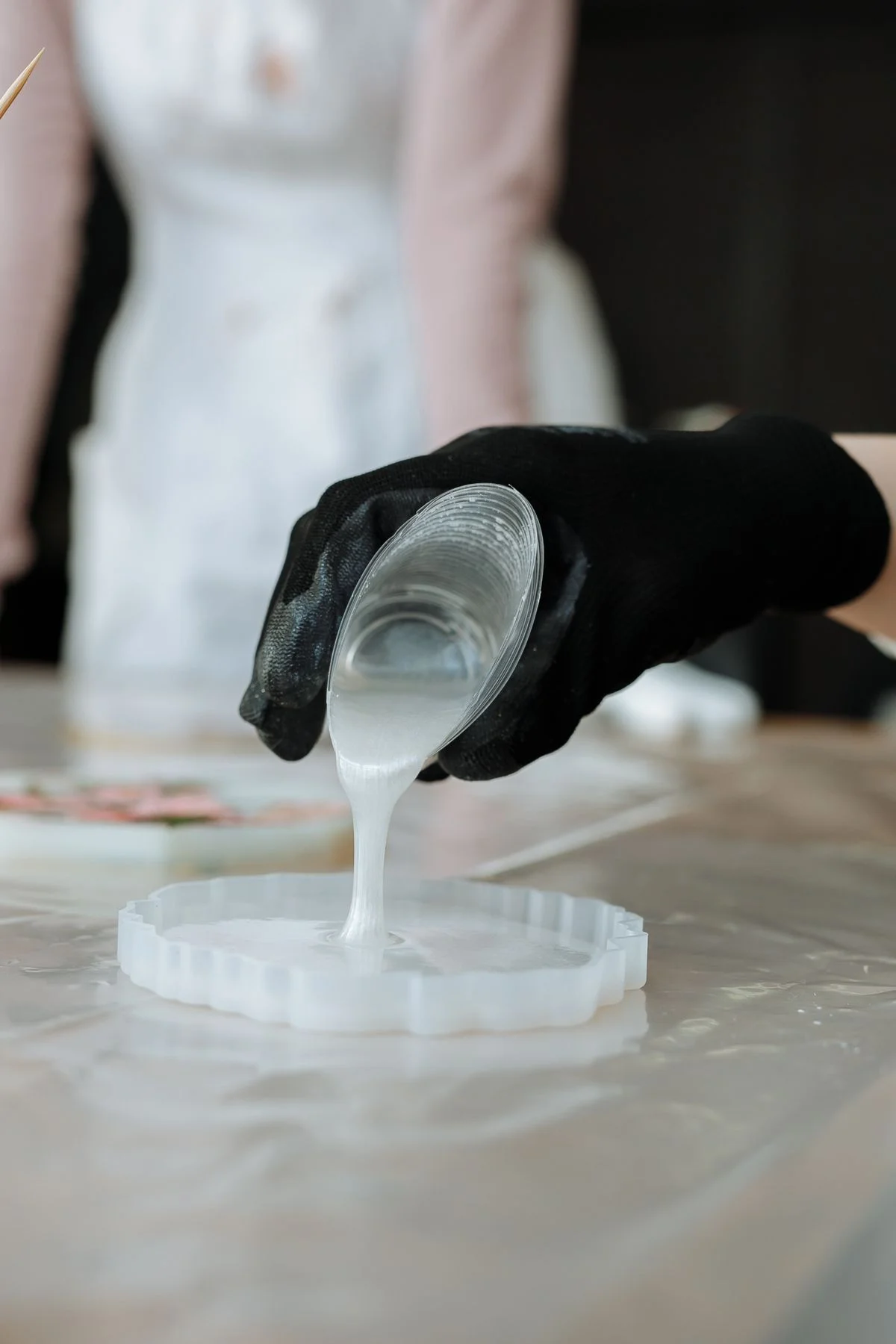
Casting machines for open molds are machines and automated systems used to meter, pour, or feed material into molds that remain open at the filling stage, rather than being fully sealed before casting. In plastics processing, the term most often refers to open casting equipment for polyurethane, epoxy, silicone, resin, foam, and related formulations; in foundry practice, closely related open-mold concepts also appear in gravity casting, permanent mold casting, low-pressure casting, and continuous casting systems that expose the mold cavity during filling or use open-top mold arrangements.
Open-mold casting occupies an important niche between manual bench casting and fully enclosed closed-mold processes. It is valued for low-to-medium production volumes, large-part capability, relatively simple tooling, and the ability to process air-sensitive formulations when combined with metering, mixing, and degassing equipment. At the same time, it has clear limitations: open exposure increases the risk of contamination, entrapped air, and emissions, so modern systems increasingly incorporate vacuum assistance, automatic dispensing, temperature control, and robot handling to improve repeatability and worker safety.
Historically, open molds represent one of the oldest casting concepts, but industrialization transformed the process through automated pouring, reusable mold materials, and closed-loop process controls. In plastics and elastomers, a major development was the integration of vacuum casting machines that mix, degas, and dispense resin under controlled conditions; in metals, progress came through automated gravity and permanent-mold casting systems, as well as specialized open-mold arrangements for billet, ingot, and continuous casting. Current trends point toward higher automation, better energy efficiency, and tighter quality control, particularly where open molds are used for prototype parts, short-run production, and large structural components.
History and Development
Open casting began as a manual process in which liquid material was poured into a cavity-shaped mold and allowed to cure or solidify in air. Early use was widespread in metal founding, where open-top molds and gravity filling were practical for simple shapes, and in artisan resin and wax casting, where visual inspection and accessibility were more important than throughput.
A major milestone in modern plastics manufacturing was the adoption of vacuum casting for polyurethane and similar systems. By combining degassing, metered mixing, and controlled chamber pressurization, these machines reduced bubble formation and improved finish quality, making open casting more suitable for prototyping and short-run functional parts.
Another important development was the automation of open and semi-open metal-casting systems. In foundry and aluminum casting, machine builders introduced hydraulic clamping, tilting, automatic mold opening, and robot extraction to stabilize cycle time and reduce operator exposure to molten material. Some modern systems even use open-form dosage concepts to shorten cycle time by shifting part of the solidification step into non-productive time, thereby raising productivity without fundamentally changing the open-mold principle.
Key Characteristics and Technical Overview
Open-mold casting machines are defined less by one hardware architecture than by a shared process principle: the mold cavity is open during filling, and the machine is designed to control metering, pouring, degassing, temperature, and demolding rather than to provide full cavity sealing before injection.
Typical technical elements include:
- Metering and mixing heads for two-component polyurethane, epoxy, or silicone systems.
- Vacuum chambers or degassing units to remove entrained air before or during dispensing.
- Heated cups, hoses, and molds to stabilize viscosity and cure behavior.
- Tilting or vertical opening mechanisms for gravity-fed metal casting and large-part release.
- Robot handling and automatic extraction for repeatability and ergonomic safety.
For plastics and elastomers, a vacuum casting machine typically automates the sequence from mixing to casting to curing, with operator control over chamber pressurization, mixer speed, heated cup temperature, and oven heat. Industrial-scale vacuum casting with silicone molds commonly uses open molds with no parting line, meaning the same opening is used for filling and demolding; this reduces tooling complexity but also limits geometry compared with fully closed molds.

For foundry-oriented open or semi-open casting machines, performance is often expressed by mold size, casting weight, and cycle rate. Representative industrial examples include horizontal parting or permanent-mold systems capable of handling castings from less than 25 lb to more than 250 lb in automated lines, and higher-capacity configurations for larger aluminum or iron parts. In sand-molding automation, production rates of around 70 molds/hour are reported for some automatic box molding lines, while other systems can reach up to 150 molds/hour depending on the machine and whether cores are set manually or automatically.
Although exact values vary by material and machine class, common process benchmarks include:
- Flake or part thickness precision in vacuum-cast resin parts is governed mainly by mold quality and degassing rather than by injection pressure.
- Residual moisture is not a primary metric in resin open casting, but in metal and sand-related open systems, drying and cooling control remain critical to minimize defects.
- Rotor speeds or mixer speeds are process-specific for resin systems; higher-speed mixing improves dispersion but can increase entrained air unless vacuum-degassing is effective.
- Specific energy consumption is generally lower than that of high-pressure injection systems for low-volume production, but vacuum chambers, heaters, and robots add electrical load; the net result depends strongly on throughput and cycle time.
A practical engineering advantage of open casting is tooling simplicity: open molds are often cheaper to make than fully enclosed molds, and for smaller production runs they can reduce capital cost and lead time. The trade-off is that open systems usually require more post-processing, more operator attention, or tighter formulation control to achieve consistent surface quality and dimensional accuracy.
Types and Variations
| Type | Typical material | Main mechanism | Strengths | Limitations |
|---|---|---|---|---|
| Manual open casting | Resin, silicone, foam, wax | Pouring into an open cavity | Lowest tooling cost, simple setup | Labor-intensive, variable quality |
| Vacuum open casting | Polyurethane, epoxy, silicone | Meter, mix, degas, then pour under controlled vacuum | Low bubble content, better repeatability | Higher equipment cost than manual casting |
| Gravity metal open casting | Aluminum, brass, copper alloys | Molten metal fills an open or semi-open cavity by gravity | Simple process, good for large parts | Lower geometric complexity than pressure die casting |
| Permanent mold casting | Aluminum and nonferrous alloys | Reusable metal mold, often gravity-fed | Better repeatability and surface finish than sand casting | Higher tooling cost than disposable molds |
| Open continuous casting | Metals | Open-top molds on conveyors or rotating systems | High output, stable section production | Limited to standardized shapes |
In plastics, the most important distinction is between open molds and semi-open molds. Open molds have no parting line and no separate sprue; semi-open molds have a partially enclosed cavity that can be stretched or opened for demolding. This distinction matters because it determines whether the machine prioritizes simple pouring, controlled metering, or assisted demolding.
In metals, the phrase “open mold” may refer to different practices depending on sector. Some systems use open-top permanent molds or gravity-fed arrangements, while others describe open billet molds and other simpler tooling for continuous or semi-continuous solidification. Because of this overlap, the term is best understood as a process family, not a single standardized machine class.
Applications and Uses
Open-mold casting machines are used wherever the part geometry, production volume, or material system favors accessibility and flexible tooling.
- Prototype and short-run plastics production: vacuum casting is widely used for polyurethane prototypes, functional samples, housings, and appearance parts that need near-production quality without injection-mold tooling.
- Large polyurethane and epoxy components: open casting is suitable for bulky parts such as machine housings, encapsulations, and structural composite-like pieces where closed molds would be difficult to fill or vent.
- Electrical and industrial enclosures: open casting supports low-volume production of customized housings and insulation components when vacuum degassing reduces voids.
- Foundry castings: gravity-fed permanent mold, open mold, and semi-open mold systems are used for aluminum and other nonferrous castings, including pressure-tight components in some low-pressure and semi-permanent mold lines.
- Ingot and billet production: open molds remain relevant in smaller casting lines and simple solidification systems where low tooling cost and easy stripping matter more than geometry complexity.
One poor-fit use is high-volume, high-precision thin-wall parts with complex undercuts. These are generally better matched to high-pressure die casting, injection molding, or fully enclosed automated systems because open casting lacks the cavity control and pressure-assisted filling needed for such geometries.
Technological Innovations and Automation
Recent innovation has focused on making open casting less manual and more predictable. In plastics, modern vacuum casting machines integrate automated metering, mixing, chamber control, and curing management, reducing operator dependency and improving part consistency. Some systems also link with printed molds, silicone tooling, or CNC-made master patterns, which shortens development cycles for prototype and bridge production.
In foundry applications, automation includes automatic mold opening and closing, robotic casting, core handling, and controlled tilt mechanisms. Certain casting machines for electric motor housings and similar parts use tilting up to 90° and side or front sliders to manage mold access and reduce turbulence during fill. Permanent-mold systems may also use PLC control and hydraulic drive systems to automate mold closing, pouring, and opening.

A notable process innovation is the use of open-form dosage in die-casting-related systems, where one chamber fill can feed two molds, improving output and moving solidification time into parallel non-productive intervals. While this is not a universal open-mold solution, it illustrates the broader industrial trend: open or semi-open arrangements are increasingly engineered for throughput rather than manual simplicity alone.
Environmental and Sustainability Aspects
Open-mold casting can be advantageous in sustainability terms when it reduces tooling waste and enables economical short-run production. Reusable silicone or metal molds can lower material consumption relative to disposable tooling, especially in prototype and bridge manufacturing.
Energy and emissions performance, however, depends heavily on process control. Open molds are more exposed to ambient air, which can increase heat loss, evaporation, and contamination risk, and in resin systems may require ventilation or emission controls. Automation and vacuum assistance can partially offset this by reducing reject rates and limiting rework.
From a circular-economy perspective, open casting is useful for:
- Rapid replacement parts that extend equipment life.
- Low-volume local production that can reduce transport and warehousing.
- Reworkable tooling workflows using silicone, RTV, or printed masters.
In metal casting, open-mold systems also integrate well with scrap recovery and remelting loops, particularly where production is organized around foundry return material and offcut recycling. The sustainability value is therefore less about the open mold alone and more about how tightly the process is controlled and how efficiently scrap is recirculated.
Economic and Global Market Impact
Open-mold casting machines occupy a commercially important space in prototyping, specialty manufacturing, and foundry production. Their main economic advantage is lower tooling cost, which reduces barrier to entry for small and medium-volume production.
This matters especially in industries with frequent design changes, such as:
- consumer electronics housings,
- automotive prototype parts,
- industrial equipment enclosures,
- customized metal castings,
- low-volume medical and specialty products.
In the global market, machine builders compete on process stability, automation level, and flexibility rather than raw size alone. Suppliers in the foundry segment emphasize mold dimensions, parting-line architecture, and high-speed automatic molding lines, while plastics-oriented suppliers emphasize vacuum integrity, degassing, and precise dosing. The result is a segmented market in which open-mold systems remain relevant precisely because they serve applications that do not justify the expense of fully enclosed high-pressure tooling.
Current Challenges and Innovations
The principal technical challenges are:
- Air entrapment and voids in resin parts.
- Surface defects and contamination from ambient exposure.
- Dimensional variability due to temperature drift, cure kinetics, or manual handling.
- Worker safety risks in molten-metal applications and in reactive resin handling.
- Limited geometric complexity compared with closed-mold or injection-based processes.
Current innovation is addressing these issues through:
- better vacuum systems and degassing chambers,
- closed-loop temperature and viscosity control,
- robotized pouring and demolding,
- digital recipe management and PLC-based sequencing,
- integration with additive manufacturing for master patterns and short-run molds.
The strategic direction of the segment is clear: open-mold casting is moving from a manual craft process toward a hybrid automated process that retains tooling flexibility while improving repeatability and traceability.
Future Outlook
Open-mold casting machines are likely to remain essential where flexibility, speed of setup, and moderate capital cost outweigh the need for maximum cavity pressure or ultra-high throughput. The strongest future opportunities are expected in prototype manufacturing, bridge production, large-part resin casting, and specialty metal casting with automated handling.
Future technical development is likely to concentrate on:
- finer process control for resin mix ratios and degassing,
- more energy-efficient heaters, drives, and vacuum systems,
- greater use of robotics for open-mold loading and unloading,
- better simulation of fill and cure behavior,
- integration with digital manufacturing workflows for rapid tooling.
In practical terms, the segment will continue to split into two major directions: simple low-cost open casting for flexibility, and highly automated open or semi-open systems for productivity and quality.
References
- •
Giga press. (2020, April 20). In Wikipedia. https://en.wikipedia.org/wiki/Giga_PressLink
- •
DuoCast - druckguss service deutschland GmbH. (2025, August 5). Druckguss Service Deutschland GmbH. https://www.dgs-hl.de/en/duocast/Link
- •
Guide to vacuum casting (urethane casting). (2023, June 5). Formlabs. https://formlabs.com/blog/vacuum-casting-urethane-casting-polyurethane-casting/Link
- •
LEARN MORE ABOUT THE PRODUCT. (n.d.). Zaz Die Casting. https://www.zazdiecasting.com/die-casting/25.htmlLink
- •
Hot chamber die casting machine DM90. (2020, February 25). Yomato Machinery. https://www.yomato-machinery.com/product/Hot-Chamber-Die-Casting-Machine-DM90.htmlLink
- •
State-of-the-art aluminum permanent mold casting equipment. (2023, February 9). LeClaire Manufacturing. https://www.leclairemfg.com/our-equipment/permanent-mold-casting/Link
- •
Open casting. (2024, May 1). DeSantis Mechatronics and Machinery LLC. https://desantismechatronics.com/process/open-casting/Link
- •
Molding services - Foundry. (2024, February 10). Tampa Brass & Aluminum. https://tampabrass.com/foundry/molding/Link
- •
CMH Manufacturing. (n.d.). CMH Manufacturing. https://www.cmhmfg.com/documents/brochure.pdfLink
- •
Molding machines archives. (n.d.). Sinto America. https://sintoamerica.com/product_category/foundry/molding-machines/Link
- •
Hunter matchplate molding machines - HLM technology. (2025, March 27). Hunter Foundry. https://hunterfoundry.com/Link
- •
KIRKCO Corporation. (2025, November 12). Kirkco Corp. https://kirkcocorp.com/Link
- •
Low-pressure molding machines for aluminum casting systems. (2025, April 8). EMI, Inc. https://emi-inc.com/aluminum-casting-systems/emi-low-pressure-molding-machines/Link
- •
Forming castings. (2025, May 23). Odlewnie Polskie S.A. https://odlewniepolskie.pl/technology/forming-castings/?lang=enLink
- •
LK 1600T die casting machine. (2022, January 20). Die Casting China. https://www.diecasting-china.com/products/lk-die-casting-machine/lk-1600t-die-casting-machineLink
- •
Casting machine - An overview. (n.d.). ScienceDirect. https://www.sciencedirect.com/topics/engineering/casting-machineLink
- •
DISAMATIC C3. (2025, January 1). DISA. https://pdf.directindustry.com/pdf/disa/disamatic-c3/16576-770854.htmlLink
- •
R&D-Huateng Heavy Industry Technology. (n.d.). Huateng Heavy Industry Technology. https://www.htzgcast.com/rd.htmlLink
- •
The casting machine. (n.d.). Fill Gesellschaft m.b.H. https://www.fill.co.at/en/products/tiltcaster-eLink
- •
Technical information. (n.d.). Hongteng. https://www.lyhonten.com/news/Technical-Information/page/67Link
- •
Capabilities. (n.d.). Imperial Casting Inc. https://imperialcastinginc.com/capabilities/Link
- •
How it works. (2024, August 21). Necko. https://neckog.com/Link
- •
Open mold casting. (n.d.). YD Castings. https://www.ydcastings.com/product/open-mold-casting.htmlLink
- •
Centrifugal casting machine. (n.d.). Centrifugal Cast Machine. https://www.centrifugalcastmachine.com/Link
- •
Foundry molding machine. (n.d.). Zoomzu. https://www.zoomzuauto.com/product5/31-1-2.htmlLink
- •
DISA DISA 240. (n.d.). MachineTools.com. https://www.machinetools.com/en/models/type/foundry-molding-machinesLink
- •
Tekcast spin-casting. (n.d.). Howard Models. http://www.howardmodels.com/equipment-for-sale/tekcast-spin-casting.htmlLink
- •
Fully automatic molding machines. (n.d.). Zoomzu (Guangdong). http://www.castingcc.com/Link
- •
Products. (n.d.). Jingda Machine. https://www.jingdamachine.com/permanent-mold-casting-machine-1Link
- •
Demand for larger aluminum castings. (2012, December 12). Alcast Company. https://alcastcompany.com/large-permanent-mold-aluminum-casting-machines/Link
- •
Casting equipment product list and ranking from 11 manufacturers. (2026, March 25). IPROS. https://mono.ipros.com/en/cg1/Casting%20equipment/Link
- •
Products. (n.d.). JN Foundry Machinery. https://www.jnfoundrymachinery.com/productsLink
- •
Ingot molds. (2019, July 18). Lacy West. https://lacywest.com/index.php?main_page=index&cPath=38_172Link
- •
Fully automatic steel casting foundry molding machine. (n.d.). XN Casting. https://www.xncasting.com/fully-automatic-steel-casting-foundry-molding-machine-products-i-298.htmlLink
- •
1000*1000(T23) large size cast iron automatic sand molding machine. (2024, January 1). Casting Molding Machine. https://www.casting-molding-machine.com/automatic-sand-horizontal-parting-flaskless-molding-machine/Large-size-fully-automatic-horizontal-molding-machine.htmlLink
- •
[Hot item] Advanced gravity casting machine for precision valve handle production. (2025, April 9). Made-in-China. https://jingjierobot.en.made-in-china.com/product/CEyRsofbrjYV/China-Advanced-Gravity-Casting-Machine-for-Precision-Valve-Handle-Production.htmlLink
- •
Spin casting white metal. (2025, April 8). Contenti. https://contenti.com/casting-supplies/spin-casting-white-metalLink
- •
ZOOMZU-Automatic molding machine | Green sand casting molding line. (n.d.). ZOOMZU. http://moldingcastingmachine.com/Link
- •
Mold casting equipment suppliers: Find reliable machines & prices. (2025, August 14). Accio. https://www.accio.com/plp/mold-casting-equipmentLink
- •
Casting machine - All industrial manufacturers. (n.d.). DirectIndustry. https://www.directindustry.com/industrial-manufacturer/casting-machine-82548.htmlLink
- •
Industrial-scale vacuum casting with silicone molds: A review. (n.d.). Wiley Online Library. https://onlinelibrary.wiley.com/doi/full/10.1002/appl.202100012Link
- •
Resin coated sand mixer. (2025, January 20). Alibaba. https://www.alibaba.com/showroom/resin-coated-sand-mixer.htmlLink
- •
Molding methods for customer end products. (2022, August 12). OMNI Technologies. https://www.omnitechnologies.com/manufacturing-your-solution/Link
- •
Open molding - Processes. (2015, September 21). CompositesLab. https://compositeslab.com/composites-manufacturing-processes/open-molding/index.htmlLink
- •
High pressure & cold chamber die casting machines. (n.d.). Shibaura Machine. https://shibaura-machine.com/die-casting-machines/Link
- •
I made this a few hours ago. Used an open mold. ... (2024, March 31). Reddit. https://www.reddit.com/r/MetalCasting/comments/1brze78/i_made_this_a_few_hours_ago_used_an_open_mold/Link
- •
Multiple use casting and molds. (2024, May 6). University of Arkansas Pressbooks. https://uark.pressbooks.pub/mechanicaldesign/chapter/multiple-use-casting-and-molds/Link
- •
Making hollow casts in open or 'closed' moulds. (2017, July 2). davidneat. https://davidneat.wordpress.com/methods/mouldmaking-and-casting/making-hollow-casts-in-open-or-closed-moulds/Link
- •
SIMOND STORE cast iron 2-part flask mold frame for ... (n.d.). Amazon. https://www.amazon.com/2-Part-Flask-Casting-Jewelry-Making/dp/B08K7JB4YVLink
- •
The machines used in centrifugal casting tube making. (2025, October 29). Walkson. https://www.walkson.com/the-machines-used-in-centrifugal-casting-tube-making.htmlLink
- •
The metal casting process explained. (2025, August 4). General Kinematics. https://www.generalkinematics.com/blog/metal-casting-process-explained/Link
- •
Exploring 6 types of metal casting processes. (n.d.). General Foundry. https://www.genfoundry.com/blog/capabilities/exploring-6-types-of-metal-casting-processes/Link