
Introduction
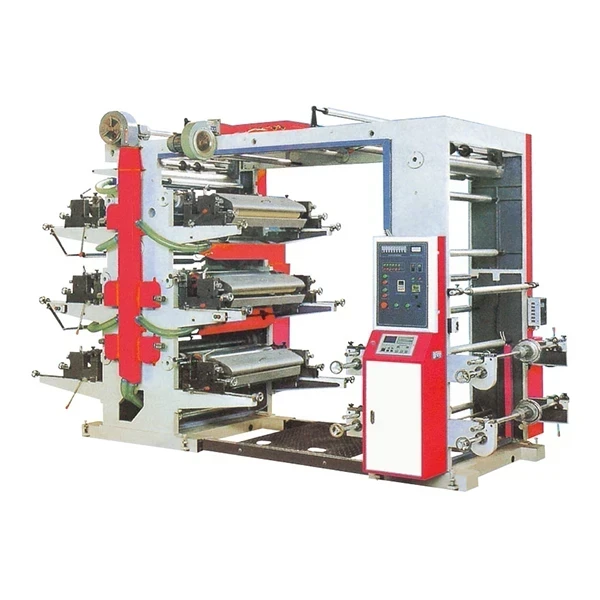
Printing equipment for plastic and rubber products comprises industrial machines used to apply text, graphics, codes, compliance marks, and decorative images directly onto plastic and elastomeric substrates. In plastics and rubber manufacturing, these systems are most often integrated into packaging, container finishing, molded-part marking, and roll-to-roll converting lines, where they support branding, traceability, and product differentiation.
The segment includes several major machine classes: flexographic printers for films and flexible packaging, rotogravure printers for high-volume, high-quality graphics, screen and pad printing systems for shaped parts and irregular surfaces, dry-offset and offset printers for rigid containers and closures, and inkjet or laser marking systems for coding and permanent identification. The field has evolved from mechanically driven, plate-based decoration toward more automated, modular, and digital workflows, while sustainability pressures have increased interest in low-waste setup, solvent reduction, and ink-efficient marking methods.
History and development
Industrial printing for plastics and rubber developed as polymer packaging and molded consumer goods became mass-market products. Early equipment largely adapted conventional printing methods to non-porous substrates, especially for films, tubes, lids, and rigid containers.
Several practical milestones shaped the modern market:
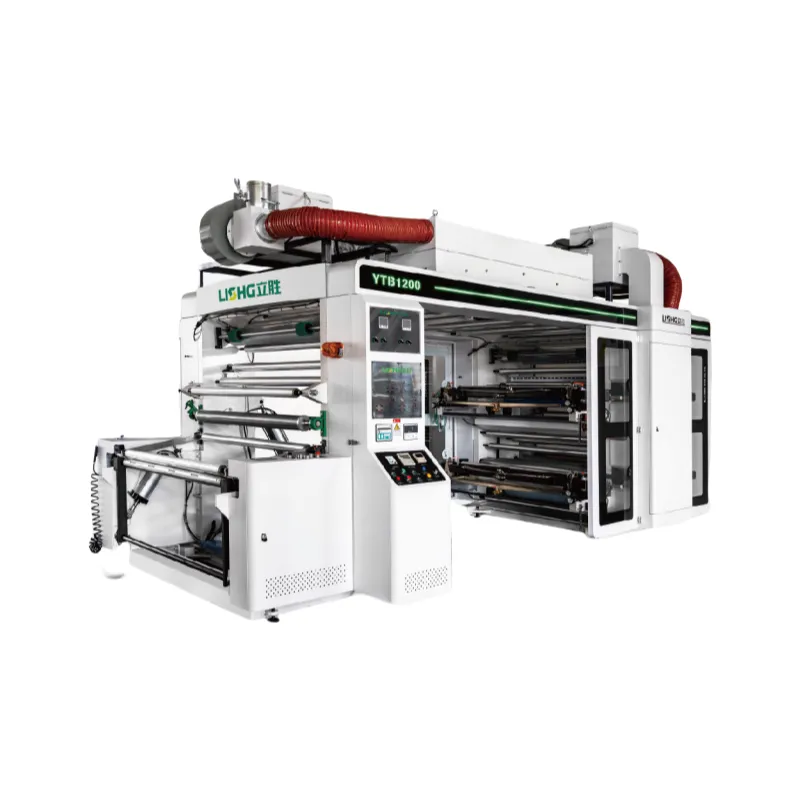
- Flexographic printing became a dominant choice for roll-fed plastic films because its flexible relief plates could transfer ink efficiently at high line speeds and adapt to a broad range of substrates.
- Rotogravure printing expanded in high-volume packaging because engraved cylinders delivered very fine detail, strong color saturation, and consistent repeatability for long production runs.
- Industrial inkjet and laser marking advanced non-contact coding for plastic and rubber parts, especially where variable data, short runs, or permanent traceability were required.
More recently, manufacturers have increasingly adopted modular systems with servo control, faster changeover, and automated handling for bottles, lids, tubes, and shaped rubber products.
Key characteristics and technical overview
Printing equipment for plastic and rubber products is selected primarily by substrate shape, surface energy, required durability, graphics complexity, and production volume.
Main operating principles
- Flexographic printing uses raised image areas on flexible polymer or rubber plates. Ink is metered by an anilox system and transferred under controlled pressure, making the process suitable for continuous webs such as plastic film, labels, and laminated packaging.
- Rotogravure printing uses engraved cells in a cylinder. The cells retain ink, a doctor blade removes excess ink, and the substrate receives the image with high tonal fidelity, which suits premium packaging and long runs.
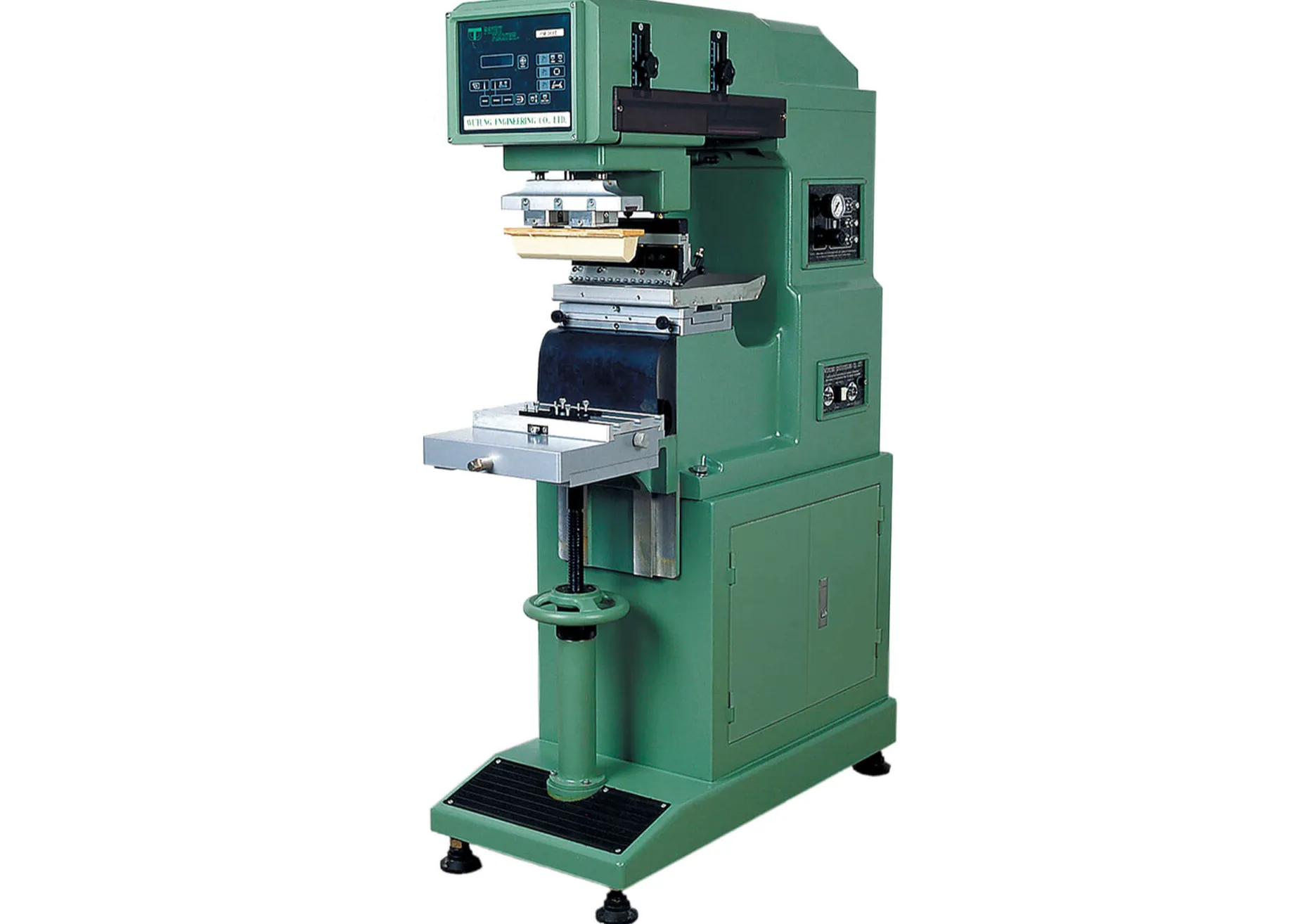
- Pad printing transfers ink from an etched cliché to a silicone pad and then to the part, allowing printing on curved, recessed, or uneven surfaces such as molded housings, caps, and medical components.
- Screen printing forces ink through a patterned mesh, which is useful when high ink deposit, opacity, or durable graphics are needed on plastic containers and rubber parts.
- Dry-offset and offset printing are widely used for rigid packaging items such as lids, tubs, pails, tubes, and closures, where high-speed decoration and registration stability matter.
- Inkjet and continuous inkjet (CIJ) systems apply variable information non-contact, making them effective for date codes, batch numbers, and serialization on moving plastic and rubber parts.
- Laser marking creates permanent marks without inks or solvents and is often chosen for durability and tamper resistance on suitable plastics and elastomers.
Typical performance ranges
While specifications vary by machine design and substrate, commonly reported industrial ranges include:
- Flexographic and gravure web systems: high-speed roll-to-roll operation for films and laminates, with throughputs that can reach industrial packaging line speeds suited to large-volume converting.
- Dry-offset lid printers: up to 600 pieces per minute have been reported for plastic lid decoration systems.
- Direct printers and high-speed coders: some systems for continuous plastic film can run at up to 600 feet per minute.
- Rubber marking systems: automated inkjet systems for cured and uncured rubber are used for date, time, and batch information on tire and rubber products.
- Pad printing systems: commonly configured as single-color, multi-color, servo-driven, or automated cells for precision manufacturing and high-volume repetitive parts.
For material preparation and downstream handling, the printing sector often works alongside drying, curing, and part-conveying equipment. In practice, adhesion and cure performance are strongly influenced by substrate chemistry, surface treatment, and ink selection.
Technical selection factors
Key engineering criteria include:
- Substrate compatibility: polyethylene, polypropylene, PVC, PET, rubber, silicone, and engineered plastics each respond differently to inks and curing systems.
- Geometry: flat film favors flexo or gravure; cylindrical parts may use offset or screen systems; complex 3D parts often require pad printing or inkjet.
- Durability requirement: permanent traceability may favor hot-printing, laser marking, or specialized inks over temporary coding.
- Registration and color count: high-end packaging may require multicolor control and tight registration, especially in rotogravure and advanced flexo lines.
- Throughput and automation: production speed and line integration often determine whether a manufacturer chooses continuous web printing, indexing equipment, or direct-to-object marking.
Types and variations
| Machine class | Typical substrates | Strengths | Limitations |
|---|---|---|---|
| Flexographic printers | Plastic films, labels, roll stock, laminates | High speed, versatile, efficient for packaging | Plate and setup requirements |
| Rotogravure printers | Films, foils, packaging webs | Excellent image quality, consistent long runs | High cylinder cost, less economical for short runs |
| Pad printers | Molded plastic parts, rubber parts, curved surfaces | Best for irregular geometry and small graphics | Lower coverage area, process tuning needed |
| Screen printers | Containers, panels, rubber parts, tubes | High ink deposit, strong opacity | Slower than web systems |
| Dry-offset / offset printers | Lids, pails, tubes, rigid packaging | Good for high-volume container decoration | Best suited to specific part geometries |
| Inkjet / CIJ coders | Films, bottles, rubber parts, moving products | Variable data, non-contact, flexible | Ink adhesion and environmental stability vary |
| Laser markers | Selected plastics and elastomers | Permanent, ink-free, low consumable use | Material compatibility is critical |
Applications and uses
Printing equipment for plastic and rubber products serves both decorative and functional roles.
- Flexible packaging: Flexographic and rotogravure systems dominate films, pouches, and bags used in food, beverage, household, and personal care packaging.
- Rigid plastic packaging: Dry-offset, offset, and screen printing are widely used for lids, tubs, pails, tubes, jars, and caps.
- Rubber products: Inkjet, screen, and specialized marking systems are used for tires, molded elastomers, and cured or uncured rubber components.
- Consumer and industrial parts: Pad printing and screen printing are common for control knobs, housings, keypads, dials, and technical components that require logos or functional symbols.
- Traceability and compliance marking: CIJ, laser, and direct printers apply date codes, batch codes, lot numbers, and regulatory marks on production lines.
A poorer-fit use case is deep-color photographic decoration on highly textured rubber, where adhesion, distortion, and abrasion resistance can make traditional printing less reliable than laser marking or alternative labeling systems.
Technologies, automation, and line integration
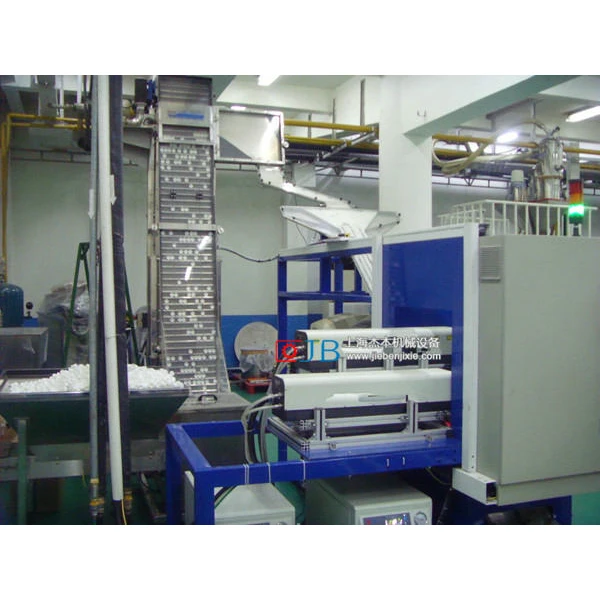
Modern equipment increasingly emphasizes servo control, modular architecture, and automated handling. Recent machine offerings highlight quick changeover, adjustable format sections, and integrated part-handling systems for improved precision and lower labor dependence.
Common automation features include:
- Automatic loading and unloading for caps, lids, bottles, and molded parts
- Vision-assisted registration and print inspection in high-value packaging lines
- Inline coding synchronized with extrusion, molding, filling, or converting equipment
- Recipe-based setup for repeat jobs and faster format changeovers
- Digital file-based workflows for short runs and customization
Digital and inkjet-based systems have gained share in applications that require variable data, reduced setup waste, or rapid product personalization, although they may not fully replace gravure or flexo in very high-volume packaging runs.
Environmental and sustainability aspects
Sustainability performance depends strongly on the print process and consumables used.
- Ink and solvent use: Flexographic systems can reduce ink consumption compared with older methods, while solvent recovery and low-VOC formulations remain important in packaging lines.
- Waste reduction: Digital and inkjet systems reduce plate or cylinder preparation waste on short runs and sampled production.
- Permanent ink-free marking: Laser systems eliminate ink and solvent consumption where material compatibility permits.
- Production efficiency: Faster changeover and better automation reduce scrap during startup and format transitions.
- Circular economy compatibility: Print durability, de-inking behavior, and package recyclability increasingly influence equipment and ink selection, especially for plastic packaging.
At the same time, some high-performance systems still depend on solvent-based inks or energy-intensive curing, so the most sustainable choice is often application-specific rather than universally “green.”
Economic and global market impact
This equipment category is closely tied to the scale of the global packaging industry. Demand is strongest where plastics and rubber products require branding, consumer differentiation, food-grade labeling, or traceability across large production volumes.
Global market demand is shaped by:
- Growth in flexible packaging and molded packaging components
- Rising adoption of variable-data coding and serialization
- Regional concentration of packaging machinery manufacturing and converting capacity
- Continued need for cost-effective decoration of commodity items such as lids, caps, bottles, tubes, and rubber products
Because equipment selection is closely linked to substrate and application, the segment remains fragmented across machine classes rather than dominated by one universal technology.
Current challenges and innovations
Current engineering challenges include:
- Adhesion on low-surface-energy plastics such as polyethylene and polypropylene
- Maintaining print quality on curved, flexible, or irregular rubber parts
- Balancing speed with registration accuracy in multicolor packaging
- Reducing setup waste and operator dependency through better automation
- Ensuring durability and compliance for codes exposed to abrasion, chemicals, or heat
Innovation is centered on:
- Faster servo-driven changeover systems
- Modular machine platforms for multiple container formats
- Specialized inks for plastics and elastomers
- Non-contact marking technologies for flexible and moving products
- Integration of printing with production tracking and inspection systems
Future outlook
The most important growth directions are likely to be automation, digitalization, and sustainability-driven process change. Short-run customization, traceability requirements, and the need to reduce waste are expected to support further adoption of inkjet, laser, and highly automated hybrid printing lines.
At the same time, flexographic and rotogravure equipment will remain essential in high-volume packaging because they still offer strong economics for long production runs and demanding graphic quality. In rigid packaging and molded-part marking, the future is likely to favor more modular systems that can handle multiple part geometries, reduce operator intervention, and adapt quickly to evolving regulatory and branding requirements.
References
- •
A guide selection for plastic printing machine. (2023, June 21). PRM-Taiwan. https://www.prm-taiwan.com/blog/guide-selection-for-plastic-printing-machine_340Link
- •
Flexographic printing machines | Pannier rotary printers. (2026, July 9). Pannier. https://www.pannier.com/industrial-printers/flexographic/Link
- •
Screen, pad & digital printing on plastic/rubber | DoonX. (n.d.). DoonX. https://www.doonx.com/capabilities/printingLink
- •
Laser marking on plastic and rubber parts. (2006, February 16). Videojet. https://www.videojet.com/us/homepage/applications/printing-on-plastic-and-rubber-parts.htmlLink
- •
JIANGSU NEWDO MACHINE CO., LTD. | Plastics and rubber. (2026, August 10). ChinaPlasOnline. https://www.chinaplasonline.com/eMarketplace/exhibitorinfo/eng?compid=1038499&menu=service&Tab=productsLink
- •
Marking systems for glass, plastic & steel | Marvel Marking. (n.d.). Marvel Marking. https://www.marvelmarking.com/Link
- •
Printer rubber print: Print onto rubber - NasaJet. (2021, July 18). NasaJet. https://www.nasajet.com/printer-print-on-rubber.phpLink
- •
Industrial coding and marking. (n.d.). CYCJET. https://cycjet.com/Link
- •
Marking for plastic | Industry - Marvel Marking Products. (2026, January 1). Marvel Marking Products. https://www.marvelmarking.com/plastic.htmlLink
- •
Marktec Products, Inc. (2017). Thomasnet. https://www.thomasnet.com/suppliers/usa/plastic-printing-systems-6896Link
- •
Rubber printing machine: High-speed precision printing - Accio. (2025, September 27). Accio. https://www.accio.com/plp/rubber-printing-machineLink
- •
CPS+ eMarketplace | Find your plastics and rubber. (2024, June 28). SDJRXS. http://www.sdjrxs.com/index-3.htmlLink
- •
Specialty industrial printing equipment. (2026, August 21). Inkcups. https://www.inkcups.com/industrial-printing-equipment/Link
- •
Rubber printing machine - All industrial manufacturers - DirectIndustry. (2026, January 1). DirectIndustry. https://www.directindustry.com/industrial-manufacturer/rubber-printing-machine-265418.htmlLink
- •
MOSS srl - Plast 2026 - Agenzia ICE. (n.d.). Agenzia ICE. https://plast2026.digital.ice.it/azienda/moss-srl-2Link
- •
Rubber printing system for marking cured & uncured rubber products. (2025, March 27). Pannier. https://www.pannier.com/industrial-printers/ink-jet/rubber-printing-system/Link
- •
Printer for rubber suppliers - Made-in-China.com. (2026, January 16). Made-in-China.com. https://www.made-in-china.com/manufacturers/printer-for-rubber.htmlLink
- •
Wholesale rubber printing machine. (2026, August 5). Made-in-China.com. https://www.made-in-china.com/products-search/hot-china-products/Wholesale_Rubber_Printing_Machine.htmlLink
- •
Plastic printing machine, plastic label printer-applicator. (2025, January 1). DirectIndustry. https://www.directindustry.com/industrial-manufacturer/plastic-printing-machine-237781.htmlLink
- •
Industrial pad printing machines, inks, pads & clichés. (2024, March 24). Deco Tech. https://www.decotechgroup.com/pad-printingLink