
Introduction
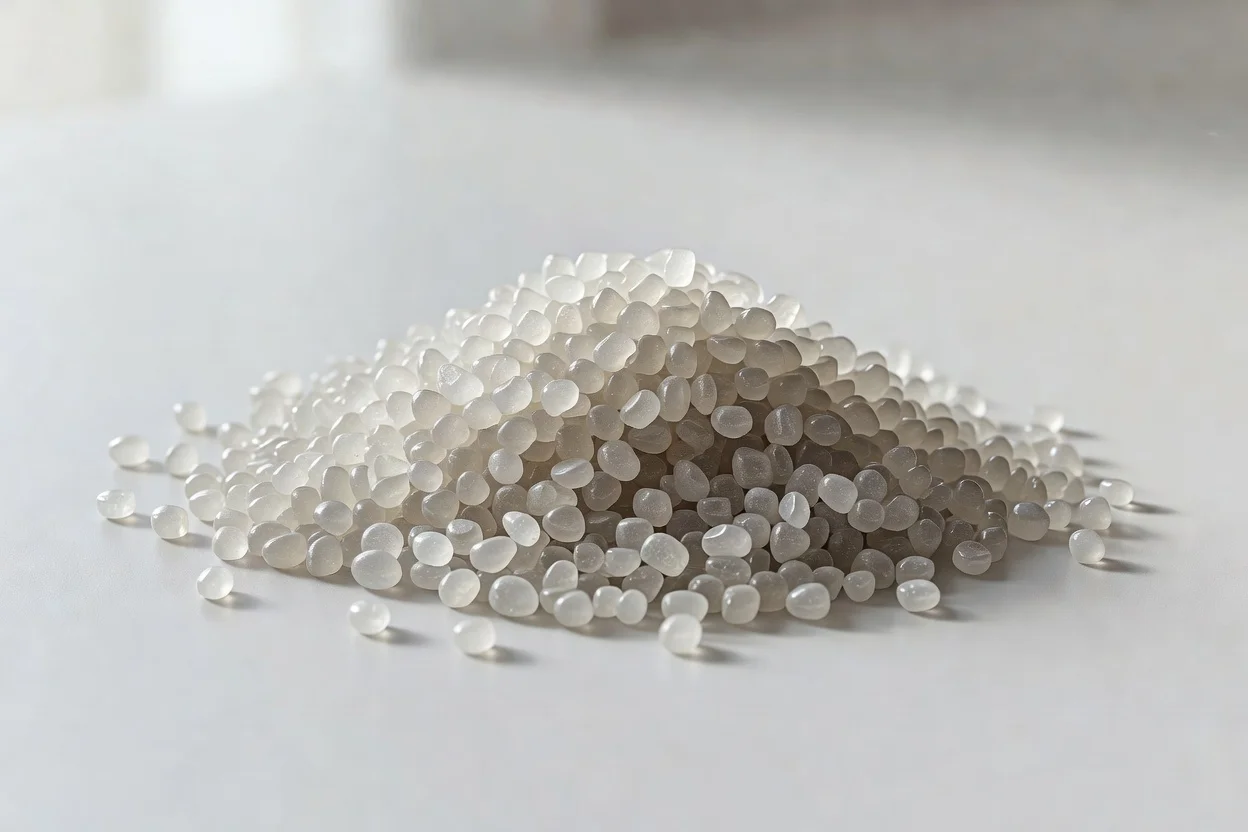
rPA6/rPA66 recycled polyamide refers to recycled engineering thermoplastics based on polyamide 6 and polyamide 66, recovered from post-consumer and post-industrial waste streams and converted back into usable pellets, compounds, fibers, or regranulate. It occupies a high-value niche in the circular plastics economy because it can retain much of the strength, wear resistance, thermal stability, and processability that make virgin nylon important in automotive, textile, electrical, and industrial applications.
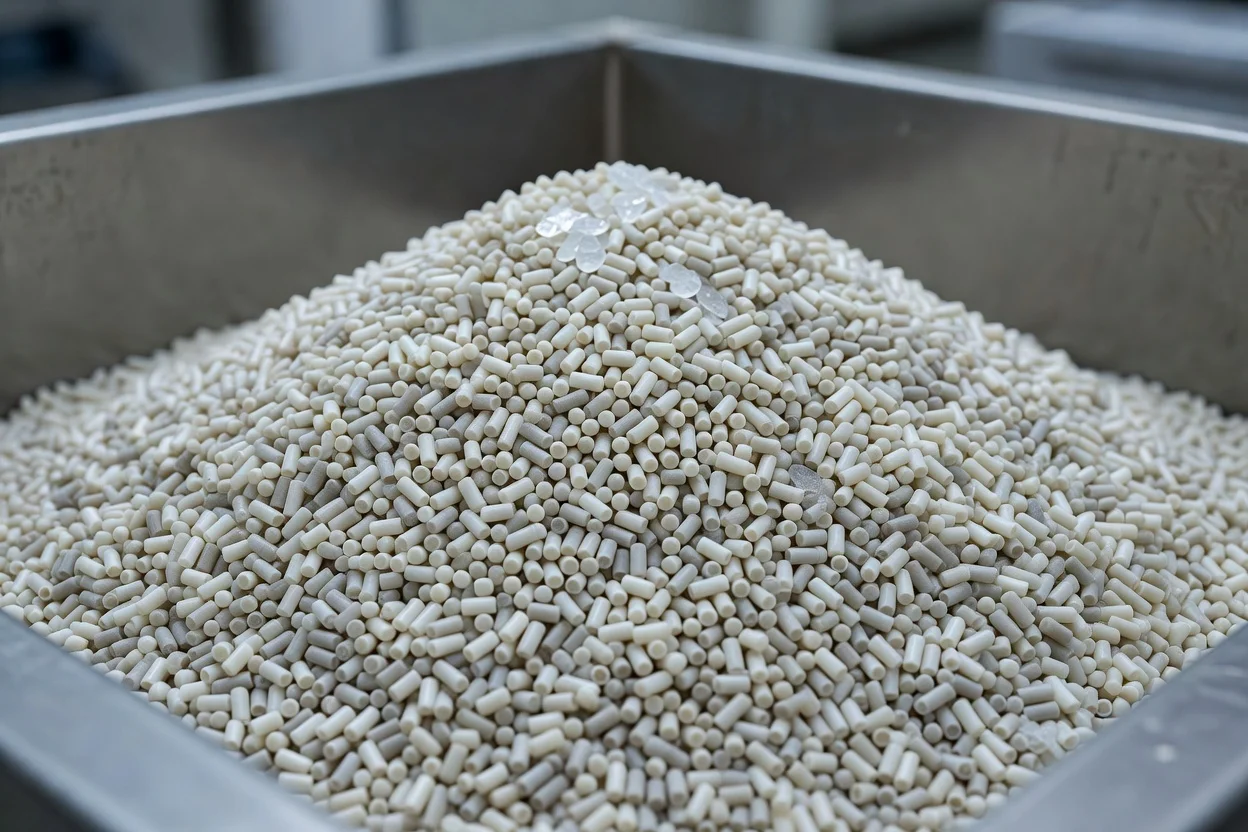
Within the broader polyamide family, rPA6 is often associated with better processability and impact performance, while rPA66 is typically selected for higher heat resistance, stiffness, and demanding under-the-hood or structural uses. Recent technical and market literature also shows increasing interest in upgraded recycled PA grades, including glass-fiber reinforcement, chain extension, purification, and chemical recycling routes that narrow the performance gap with virgin resin.
Recycled polyamide is important not only as a substitute for fossil-derived nylon, but also as a platform material for reducing carbon footprint, diverting high-quality waste from landfill or incineration, and enabling closed-loop systems in fishing nets, carpets, automotive parts, and industrial textiles. At the same time, it faces real challenges: moisture sensitivity, property loss after repeated reprocessing, feedstock contamination, and the need for strict sorting between PA6 and PA66 streams because their melting behavior and end-use windows differ significantly.
History and Development
Polyamide recycling developed from conventional mechanical regrind and remelting practices into more controlled industrial recycling systems for engineering-grade materials. Early applications were limited by mixed waste streams and inconsistent properties, but improved sorting, purification, and compounding have made recycled nylon a credible substitute in higher-value markets.
A major milestone in market development has been the industrialization of recycled PA6 from sources such as fishing nets and carpet waste, which are relatively concentrated and suitable for traceable recycling loops. Recycled PA66 has followed a more demanding path because its target applications often require tighter control of molecular weight, viscosity, and thermal performance, especially in automotive and electrical components.
More recent progress has come from chemical recycling and upcycling strategies, where polyamide waste is depolymerized or purified and then repolymerized into near-virgin material. Research and patent literature suggest that such routes can recover performance more effectively than repeated melt recycling alone, particularly for high-specification PA66 applications.
Chemical Structure and Key Properties
Polyamide 6 and polyamide 66 are both condensation-type engineering polymers with amide groups in the backbone, which create strong intermolecular hydrogen bonding and give nylon its toughness, abrasion resistance, and heat resistance. The difference in chain architecture is important: PA6 is derived from caprolactam, while PA66 is based on adipic acid and hexamethylene diamine, and this structural difference contributes to distinct melting behavior and property profiles.
A useful technical comparison is shown below:
| Property | rPA6 | rPA66 |
|---|---|---|
| Typical melting point | Lower than PA66; commonly around 220 °C in industrial references | Higher than PA6; commonly around 255–262 °C |
| Heat resistance | Good | Better, especially for under-hood service |
| Processability | Generally easier | Typically more demanding but higher performance |
| Stiffness and dimensional stability | Good | Usually higher |
| Wear and abrasion resistance | Good | Very good |
Key practical limits are significant in recycled grades:
- Moisture sensitivity → polyamides absorb water, which can lower mechanical performance and complicate processing → drying before extrusion or molding and, in some cases, chain extension or stabilization are used to restore usable viscosity.
- Property drift during repeated recycling → thermal and hydrolytic degradation reduce molecular weight and mechanical strength → controlled reprocessing, purification, and chemical recycling can mitigate the loss.
- Poor barrier performance for some uses → nylon is not an ideal replacement where very low oxygen or moisture transmission is required → multilayer structures, coatings, or alternative barrier polymers are used instead.
- Feedstock variability → mixed waste streams and contamination change melt flow, color, and odor → sorting, hot-wash purification, and compounding with stabilizers or glass fiber are common workarounds.
Typical mechanical data for PA6 and PA66 show why recycled versions remain attractive in engineering uses: tensile strength, modulus, and thermal resistance are still high relative to many commodity plastics, even though recycled material may exhibit some degradation unless carefully processed.
In practice, compounders often use additives and reinforcements to tune recycled nylon. Examples include:
- Glass fiber at 20–30 wt% to raise stiffness and heat deflection temperature for structural automotive parts.
- Chain extenders or reactive stabilizers at low percentages to rebuild molecular weight after recycling and improve melt strength.
Production Processes and Raw Feedstocks
rPA6/rPA66 is produced from both post-industrial recycled and post-consumer recycled feedstocks. Common input streams include carpet fluff, fishing nets, textile scrap, industrial fiber waste, automotive parts, and manufacturing offcuts.
Main production routes include:
- Mechanical recycling: sorting, washing, shredding, melt filtration, extrusion, and pelletizing.
- Physical or solvent-based purification: removal of dyes, contaminants, and low-molecular-weight fractions before regranulation.
- Chemical recycling: depolymerization or monomer recovery followed by repolymerization into high-grade PA.
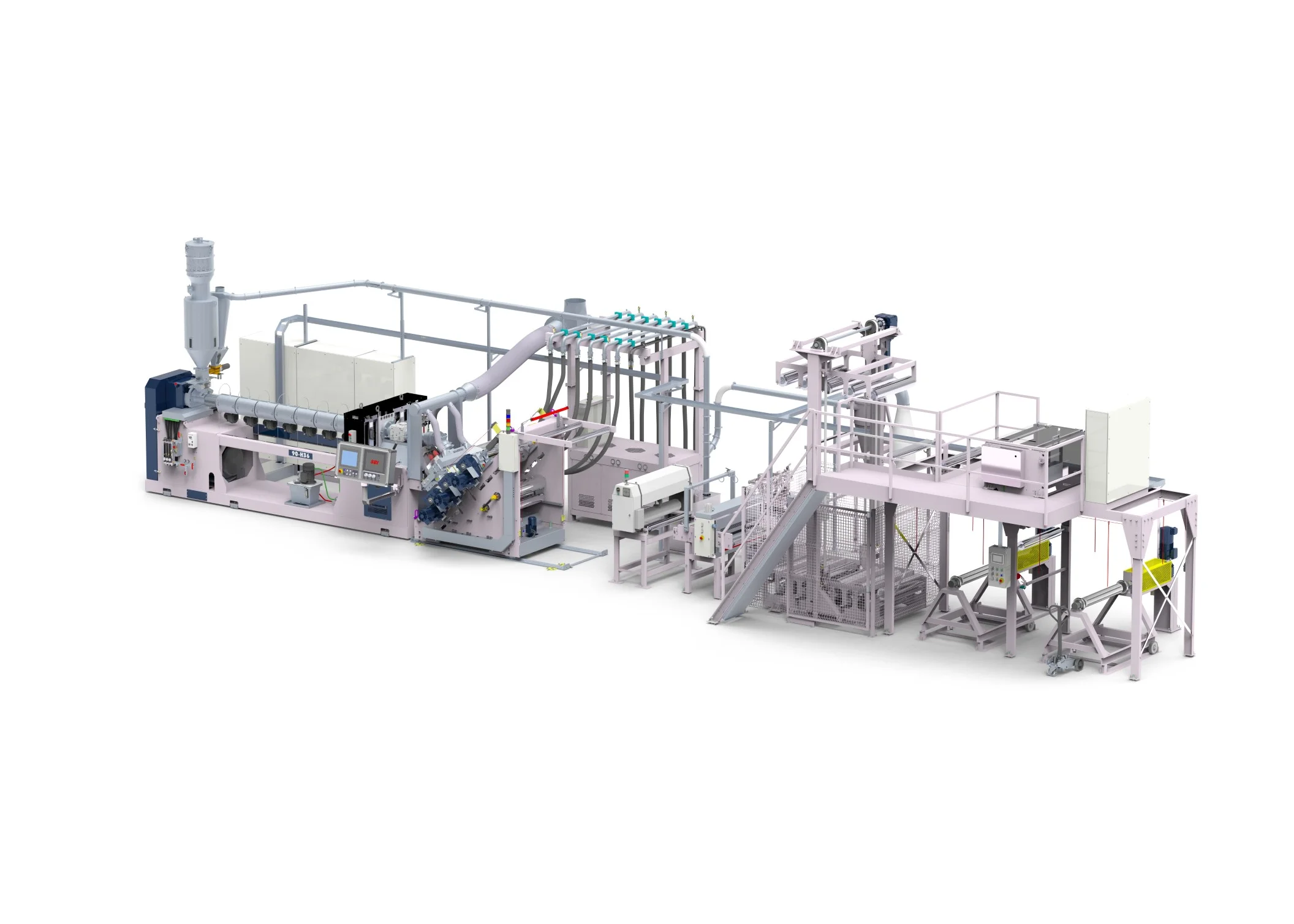
Mechanical recycling remains the largest and most mature route because it is lower-cost and well suited to relatively clean streams such as post-industrial scrap and selected post-consumer textile or net waste. Chemical recycling is more capital-intensive but offers a pathway to higher purity and better property recovery, which is especially valuable for PA66 and demanding engineered compounds.
A technically important point is that PA6 and PA66 should be sorted carefully because their melting points, crystallization behavior, and moisture response differ substantially. Mixing them without control can cause inconsistent viscosity, unpredictable processing, and lower final performance.
Applications and End-Use Markets
rPA6/rPA66 serves both volume and high-performance markets, with the exact grade depending on feedstock quality, reinforcement, and target part performance.
| End-use sector | Typical recycled grade | Usual process | Notes |
|---|---|---|---|
| Textiles and carpets | rPA6 | Fiber spinning, extrusion, tufting | Large-volume market for apparel, carpet yarn, and interiors |
| Automotive | rPA66, reinforced rPA66 | Injection molding, compounding | Under-hood parts, connectors, brackets, housings |
| Electrical and electronics | rPA66, flame-retarded grades | Injection molding | Connectors, housings, insulation-related parts |
| Industrial goods | rPA6/rPA66 | Injection molding, extrusion | Gears, bushings, wear parts, machine components |
| Consumer goods | rPA6/rPA66 | Injection molding | Durable housings, appliance components |
| Technical fibers | rPA6 | Melt spinning | Fishing line, ropes, industrial yarns |
| Composite and structural parts | Glass-fiber rPA66 | Injection molding | Structural brackets, battery-related components, reinforced parts |
One poor-fit use is high-barrier packaging, because recycled polyamide is mechanically strong but not a universal substitute where exceptional oxygen or moisture barrier is required.
Specific application patterns are clear in the literature:
- rPA6 is widely used in textiles, carpets, sportswear, footwear, and some industrial components.
- rPA66 is preferred for under-hood automotive parts, connectors, and other heat-stressed applications.
- Glass-fiber reinforced rPA66 is gaining importance in EV-related components such as battery housings, thermal management parts, and structural enclosures.
Environmental and Sustainability Aspects
The main environmental value of rPA6/rPA66 is that it can displace virgin nylon while keeping high-performance material in circulation. In sectors such as fishing nets, carpets, and industrial textiles, recycled polyamide enables relatively closed loops because the waste stream is often polymer-rich and technically recoverable.
Sustainability considerations include:
- Lower fossil feedstock demand compared with virgin polyamide, especially when recycled content displaces petrochemical monomers.
- Potential carbon footprint reduction when waste is recovered into high-value applications instead of incinerated or landfilled.
- Material circularity through repeated recycling, although repeated cycles can gradually reduce properties unless stabilization or repolymerization is used.
- Bio-based alternatives are relevant mainly as complementary routes rather than direct replacements, because most bio-based nylon systems still face cost, scale, or performance trade-offs.
The main technical limitation is that mechanical recycling alone can degrade polyamide over time, especially in the presence of heat and moisture. Chemical recycling and purified monomer recovery are therefore increasingly important for higher circularity and for maintaining performance in premium applications.
Economic and Global Market Impact
According to recent industry analyses, the recycled polyamide market is expanding across Europe, Asia, and global automotive and textile supply chains, with rPA6 generally more established in volume markets and rPA66 commanding a premium in technical applications. Demand is reinforced by brand commitments to recycled content, corporate carbon targets, and regulatory pressure to improve plastics circularity.
Commercially, the market is shaped by three factors:
- Feedstock availability: clean nylon waste streams remain a bottleneck, especially for PA66.
- Quality consistency: engineering applications require stable viscosity, color, and mechanical performance.
- Price premium versus virgin resin: recycled grades often compete on sustainability value as much as on cost.
Leading market participants and notable contributors include:
- Aquafil, widely recognized for recycled PA6 from textile and fishing-net loops, including the Econyl system.
- BASF and other major chemical companies, which have advanced chemical recycling and circular nylon initiatives for premium applications.
- Compounders and recyclers such as specialized European and Asian suppliers that formulate reinforced rPA66 and custom recycled PA compounds for automotive and industrial customers.
Current Challenges and Innovations
The central technical challenge is that recycled polyamide must match demanding performance specifications despite feedstock variability and recycling-induced degradation. This is particularly difficult for PA66, where end-use sectors often require tight heat, stiffness, and dimensional-stability windows.
Current innovations include:
- Chain extension and reactive extrusion to rebuild molecular weight and improve melt strength.
- Hot-water extraction and purification to remove oligomers and low-molecular-weight fractions from recycled PA66.
- Glass-fiber reinforcement to recover stiffness and heat resistance in structural parts.
- Upcycling of fishing nets and composite waste into higher-value compounds rather than simple regrind.
- Chemical depolymerization to regenerate near-virgin nylon quality.
A second technical issue is aging across recycling cycles. Research on reprocessing shows that mechanical properties can decline substantially after repeated exposure to heat and moisture, particularly without stabilization or careful process control. That is why higher-value recycling increasingly combines sorting, purification, and chemistry rather than relying on remelting alone.
Future Outlook
The outlook for rPA6/rPA66 is favorable, especially in markets where engineering performance and recycled content must coexist. rPA6 will likely remain the dominant recycled nylon in textile and carpet applications, while rPA66 is positioned for premium automotive, electrical, and structural uses where heat resistance matters most.
The most important growth path is likely to be quality-upgraded recycling: better feedstock sorting, chemical recovery, and formulation with stabilizers and reinforcements. As these technologies mature, recycled polyamide should move from a sustainability substitute to a mainstream engineering material category with clearly defined grades and specifications.
Summary
rPA6/rPA66 recycled polyamide is a high-performance recycled engineering plastic made from nylon 6 and nylon 66 waste streams. Its value lies in retaining the core advantages of polyamide—strength, wear resistance, and thermal stability—while reducing dependence on virgin petrochemical feedstocks.
rPA6 is typically favored for processability and textile-scale recovery, while rPA66 is more suited to high-temperature and structural applications. The sector’s main constraints are moisture sensitivity, feedstock inconsistency, and property loss during repeated recycling, but these are being addressed through sorting, purification, chain extension, reinforcement, and chemical recycling.
References
- •
Mechanical Recycling and Its Effects on the Physical and ... - PMC. (2023, November 28). https://pmc.ncbi.nlm.nih.gov/articles/PMC10708457/Link
- •
Recycled PA – Properties, Applications, and Benefits. (n.d.). https://www.ambiomaterials.com/en/materials/rpaLink
- •
Enhancing Mechanical and Thermal Performance of Recycled PA6 ... . (2025, February 26). https://pmc.ncbi.nlm.nih.gov/articles/PMC11901141/Link
- •
Recyceltes PA – Eigenschaften, Anwendungen und Vorteile. (n.d.). https://www.ambiomaterials.com/de/materialen/rpaLink
- •
Recycled Polyester and Polyamide Pellets: A Manufacturer's Sourcing Guide. (2026, July 22). https://plastic-pellet.com/blog/recycled-polyester-and-polyamide-pellets/Link
- •
Recyceltes Polyamid (PA6, PA66, PA12). (2025, October 6). https://cirplus.com/de/kunststoff-rezyklate/R-PALink
- •
Återvunnen PA – Egenskaper, användningsområden och fördelar. (n.d.). https://www.ambiomaterials.com/se/material/rpaLink
- •
Recycled polyamide granules for demanding users. (2025, August 12). https://enneatech.com/en/recycled-polyamide-granules-for-demanding-users/Link
- •
The Effect of Reprocessing and Moisture on Polyamide Recycling: A ... . (2025, February 1). https://onlinelibrary.wiley.com/doi/10.1002/mame.202400304Link
- •
Recycling polyamide 6 fishing nets and carbon fibers for the development of novel sustainable composites: Properties and LCA process analysis. (n.d.). https://cris.unibo.it/retrieve/handle/11585/1003421/459bcf90-50d4-4117-ab30-fb1f5b4e36f1/Recycling%20polyamide%206%20fishing%20nets%20-%20FINAL%20PAPER.pdfLink
- •
Recycled Polyamide 6.6 (rPA66) with Glass Fiber Reinforcement Market Research Report 2026-2034. (n.d.). https://www.24chemicalresearch.com/reports/308924/recycled-polyamide-with-glass-fiber-reinforcement-marketLink
- •
Recycling polyamide 6 fishing nets. (n.d.). https://cris.unibo.it/retrieve/459bcf90-50d4-4117-ab30-fb1f5b4e36f1/Recycling%20polyamide%206%20fishing%20nets%20-%20FINAL%20PAPER.pdfLink
- •
Recycled Polyamide (rPA6/rPA66) Market in South-Eastern Asia. (2026, February 11). https://www.indexbox.io/store/south-eastern-asia-recycled-polyamide-rpa6-rpa66-market-analysis-forecast-size-trends-and-insights/Link
- •
Polyamide 6 (PA6) NH (CH2)5CO Recycling - AZoM. (2012, December 6). https://www.azom.com/article.aspx?ArticleID=7937Link
- •
Recycled PA Compounds - Topcentral. (n.d.). https://www.itopcentral.com/recycled-pa-compounds/Link
- •
Modified recycled polyamide 6,6 (r-PA 6,6) based on pelagic fishing nets and their physical properties. (n.d.). https://www.sciencedirect.com/science/article/abs/pii/S0019452222001121Link
- •
Recycled Polyamide: Everything You Need to Know in 2025. (2025, October 31). https://europlas.com.vn/en-US/blog-1/recycled-polyamide-everything-you-need-to-know-in-2025Link
- •
Technical Properties of Post-Consumer Recycled Nylon for Automotive Parts. (2026, March 5). https://www.itopcentral.com/recycled-nylon-for-automotive-parts/Link
- •
Thermoplastic Polyamide Recycled Content Grade - PatSnap Eureka. (n.d.). https://eureka.patsnap.com/materials/recycled-polyamide-gradeLink
- •
recycling and reusing polyamide 6 extruded waste products to ... . (n.d.). https://www.aos.ro/wp-content/anale/PCVol2Nr2Art.7.pdfLink
- •
Material Properties of PA6/rPA6x Blend. (n.d.). https://www.scientific.net/AMM.752-753.326Link
- •
Recycled Polyamide. (n.d.). https://www.technoform.com/en/recycled-polyamideLink
- •
Recycling and Upcycling of Polyamides 2024 | PDF. (2025, November 6). https://www.scribd.com/document/903506187/Recycling-and-Upcycling-of-Polyamides-2024Link
- •
Recycled Polyamide 66: Advanced Recovery Technologies ... . (n.d.). https://eureka.patsnap.com/materials/recycled-pa66-recoveryLink
- •
Recommend (rPA6/rPA66) recycled polyamide. (2026, August 1). https://www.chinaplasonline.com/eMarketplace/allproducts/eng?SProds=526&SearchType=all&SearchBy=Prod&page=1&Sort=0&v=c6Link
- •
Recycling of polyamides: Processes and conditions ... . (n.d.). https://onlinelibrary.wiley.com/doi/full/10.1002/pol.20230154Link
- •
Recycled Polyamide (rPA6/rPA66) Market in the European Union. (2026, February 11). https://www.indexbox.io/store/european-union-recycled-polyamide-rpa6-rpa66-market-analysis-forecast-size-trends-and-insights/Link
- •
Nylon 6, rPA, Recycled, Econyl - Spot material. (2025, August 7). https://spotmaterial.com/material/polyamide-pa/nylon-6-rpa-recycled-econyl/Link
- •
Pa66 Price - Search - IndexBox. (2026, March 7). https://www.indexbox.io/search/pa66-price/Link
- •
Recycled Polyamide (rPA6/rPA66) Market in South Korea | Report ... . (2026, March 1). https://www.indexbox.io/store/south-korea-recycled-polyamide-rpa6-rpa66-market-analysis-forecast-size-trends-and-insights/Link
- •
How much does it change when using recycled polyamide? . (n.d.). https://irinsubria.uninsubria.it/retrieve/5017d088-6535-400c-b8bf-dc7b98bb1cc5/238-JCP-LatiLCA-Torretta-2025.pdfLink
- •
Characterization of Melt-Spun Recycled PA 6 Polymer ... - PMC. (2024, July 1). https://pmc.ncbi.nlm.nih.gov/articles/PMC11244155/Link
- •
Recycled Polyamide 6(PA6) in the Real World: 5 Uses You' ... . (2025, October 3). https://www.linkedin.com/pulse/recycled-polyamide-6pa6-real-world-5-uses-youll-actually-usgmfLink
- •
Top (rPA6/rPA66) recycled polyamide - Chinaplas 2026. (2026, March 26). https://www.chinaplasonline.com/eMarketplace/Quality/AllProducts/eng?v=c2&Sprods=526&SearchBy=ProdLink
- •
The degradation during recycling of polyamide 6 produced by ... - PMC. (2023, October 10). https://pmc.ncbi.nlm.nih.gov/articles/PMC10564943/Link
- •
BASF Reveals Powerful Polyamide Recycling ... . (2025, October 6). https://www.polyestertime.com/basf-rpa6/Link
- •
Recycled Polyamide (rPA6/rPA66) Market in Eastern Europe ... . (2026, February 11). https://www.indexbox.io/store/eastern-europe-recycled-polyamide-rpa6-rpa66-market-analysis-forecast-size-trends-and-insights/Link
- •
Recommend (rPA6/rPA66) recycled polyamide. (2026, March 18). https://www.chinaplasonline.com/eMarketplace/Quality/AllProducts/eng?v=c6&Sprods=526&SearchBy=ProdLink
- •
Polyamide (Nylon): How to select the right grade? . (2025, July 7). https://www.specialchem.com/plastics/guide/polyamide-pa-nylonLink