
Introduction
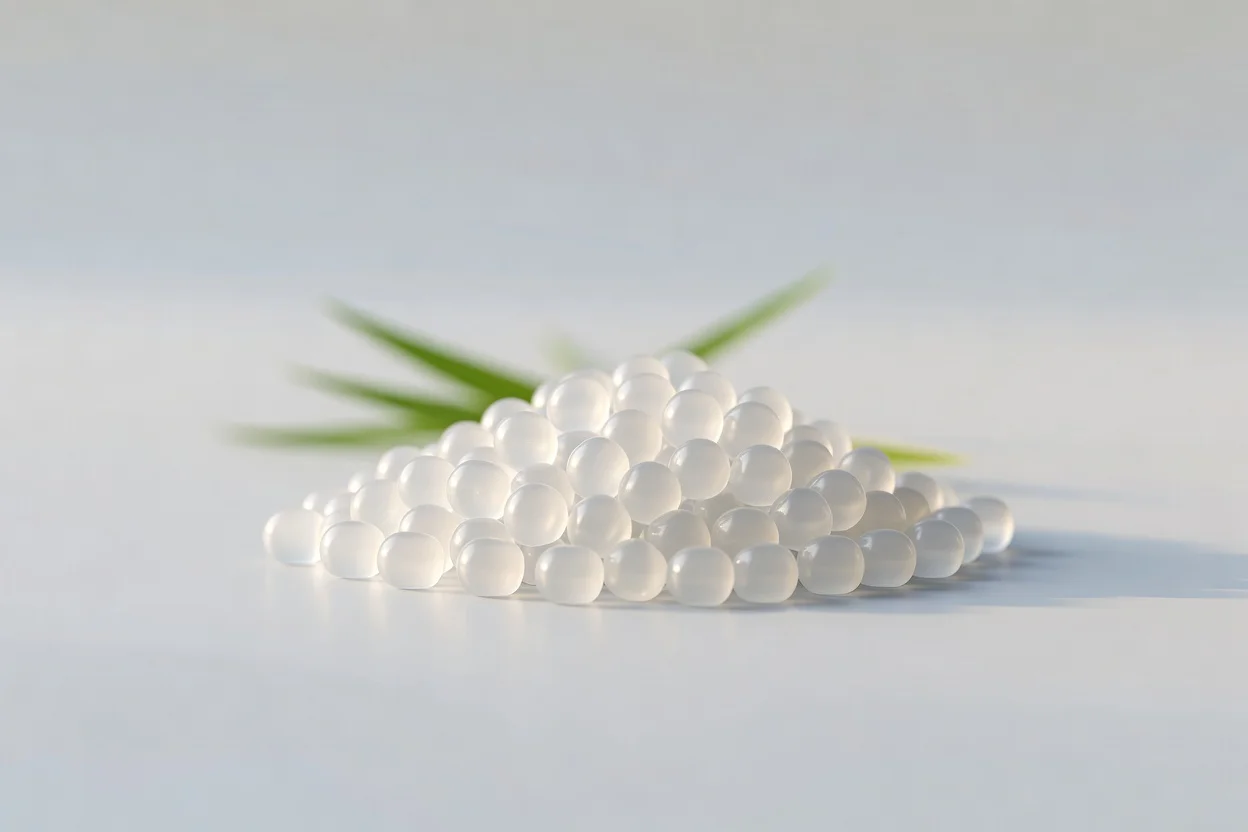
Bio-based polyethylene (bio-PE) is polyethylene made from renewable carbon rather than fossil feedstocks, while remaining chemically identical to conventional polyethylene. It is a drop-in material, meaning it can usually be processed, used, and recycled in the same streams as standard PE without major changes to equipment or product design.
Bio-PE is part of the broader bioplastics family, but it is important to distinguish bio-based from biodegradable: bio-PE is renewable in origin, yet it is not biodegradable. Its commercial relevance comes from combining the familiar performance of PE with a lower dependence on fossil resources, which makes it especially important in packaging and other high-volume applications.
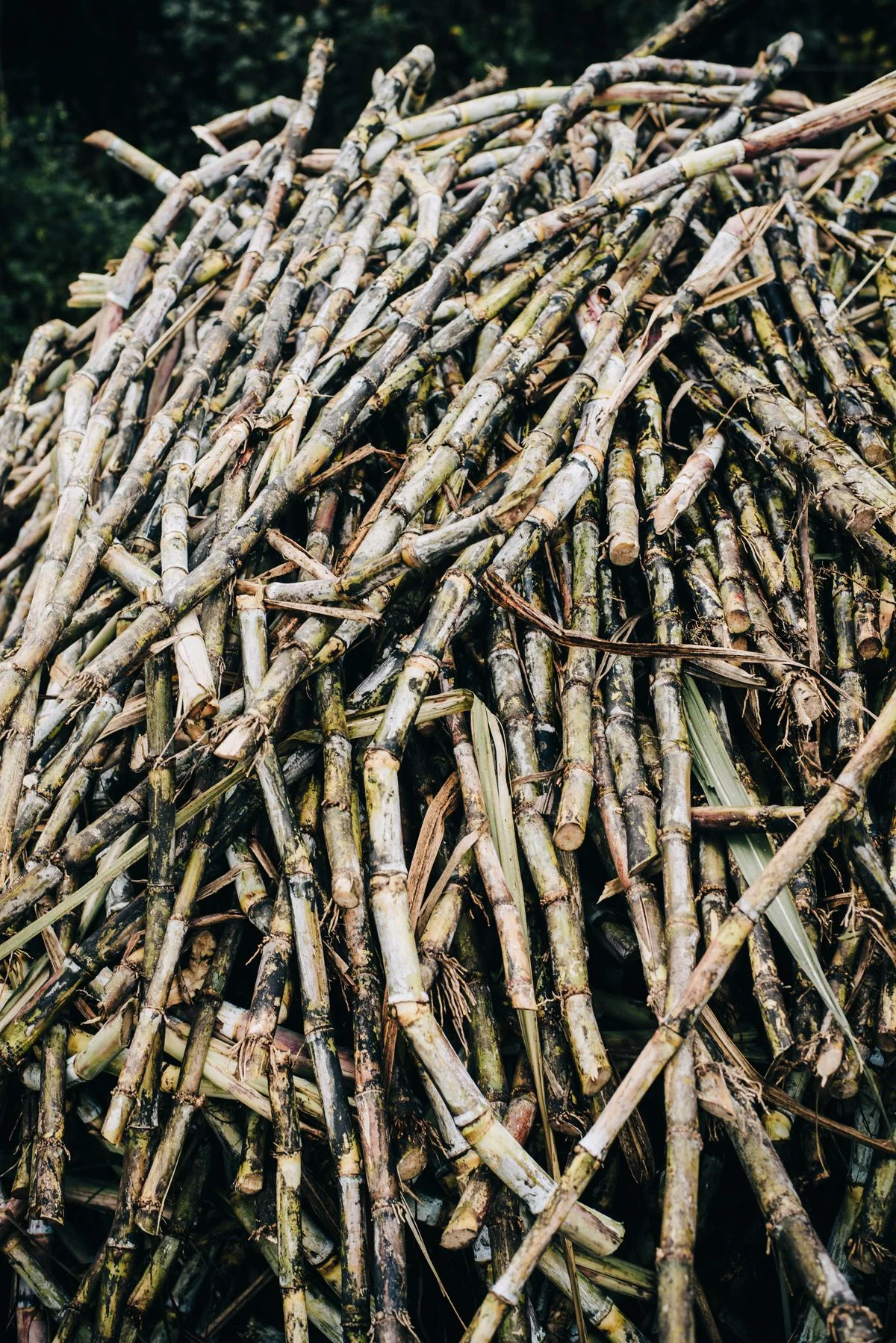
The dominant production route today converts biomass-derived ethanol, most commonly from sugarcane, into ethylene by catalytic dehydration, and then polymerizes that ethylene using conventional polyethylene processes. This pathway has reached industrial scale, with Braskem widely recognized as the leading producer of bio-based PE and a major contributor to commercialization.
Interest in bio-PE has grown alongside pressure to reduce greenhouse-gas emissions, expand renewable-content packaging, and improve supply-chain resilience. At the same time, the material faces ongoing debates over feedstock sourcing, land use, certification, cost, and the fact that it does not solve end-of-life litter or recycling limitations on its own.
History and Development
The development of bio-PE closely followed progress in industrial bioethanol production and olefin chemistry. Once ethanol dehydration to ethylene became technically and economically feasible at scale, the polyethylene value chain could be shifted upstream from fossil naphtha or ethane to renewable carbon while keeping the polymerization step unchanged.
Commercial bio-PE emerged first in markets with strong sugarcane ethanol infrastructure, especially Brazil. That geographic concentration was significant because it linked a renewable feedstock base, available process energy from bagasse combustion, and an established petrochemical sector capable of ethylene conversion and PE polymerization.
From an industry perspective, bio-PE was one of the earliest successful examples of a renewable drop-in polymer. Its development demonstrated that a large-volume commodity plastic could be decarbonized upstream without abandoning the established PE product portfolio or downstream recycling systems.
Chemical Structure and Key Properties
Bio-PE has the same chemical structure as fossil-based polyethylene because both are made by polymerizing ethylene. The difference lies in the origin of the carbon, not in the polymer backbone itself.
Because the structure is unchanged, the main PE grades are also available in bio-based form, including:
Typical properties therefore mirror conventional PE:
- low density
- chemical resistance
- toughness and impact resistance
- good moisture barrier
- processability in extrusion, injection molding, blow molding, film blowing, and fiber-related operations
Technical limitations and workarounds
- Poor oxygen and grease barrier → caused by the nonpolar, semicrystalline PE structure with high gas permeability relative to barrier polymers → workaround: multilayer films, coatings, tie layers, or conversion to barrier-rich laminates.
- Low surface energy before treatment → caused by the chemically inert hydrocarbon surface, which limits printing, adhesion, and coating performance → workaround: corona treatment, flame treatment, plasma treatment, or primers.
- Not biodegradable → caused by the stable carbon-carbon backbone typical of PE → workaround: mechanical recycling, design for reuse, and in some applications substitution with compostable materials where end-of-life requirements justify it.
Property comparison
| Attribute | Bio-PE | Conventional PE |
|---|---|---|
| Feedstock origin | Renewable biomass-derived carbon | Fossil oil or gas-derived carbon |
| Chemical structure | Same as PE | Same as PE |
| Recyclability | Compatible with PE recycling streams | Compatible with PE recycling streams |
| Biodegradability | No | No |
| Processing behavior | Essentially identical | Standard reference |
| Main sustainability advantage | Renewable carbon and potentially lower GHG footprint | Mature, low-cost commodity supply chain |
Production Processes and Raw Feedstocks
The most commercially established route begins with bioethanol produced from sugarcane, and in some cases from corn or other sugar/starch feedstocks. The ethanol is then dehydrated to polymer-grade ethylene using solid acid catalysts at elevated temperature, after which standard PE polymerization is applied.
A typical industrial sequence is:
- Biomass cultivation and harvesting
- Sugar extraction or starch hydrolysis
- Fermentation to ethanol
- Distillation and purification
- Catalytic dehydration to ethylene
- Polymerization to PE resin
- Pelletizing and distribution
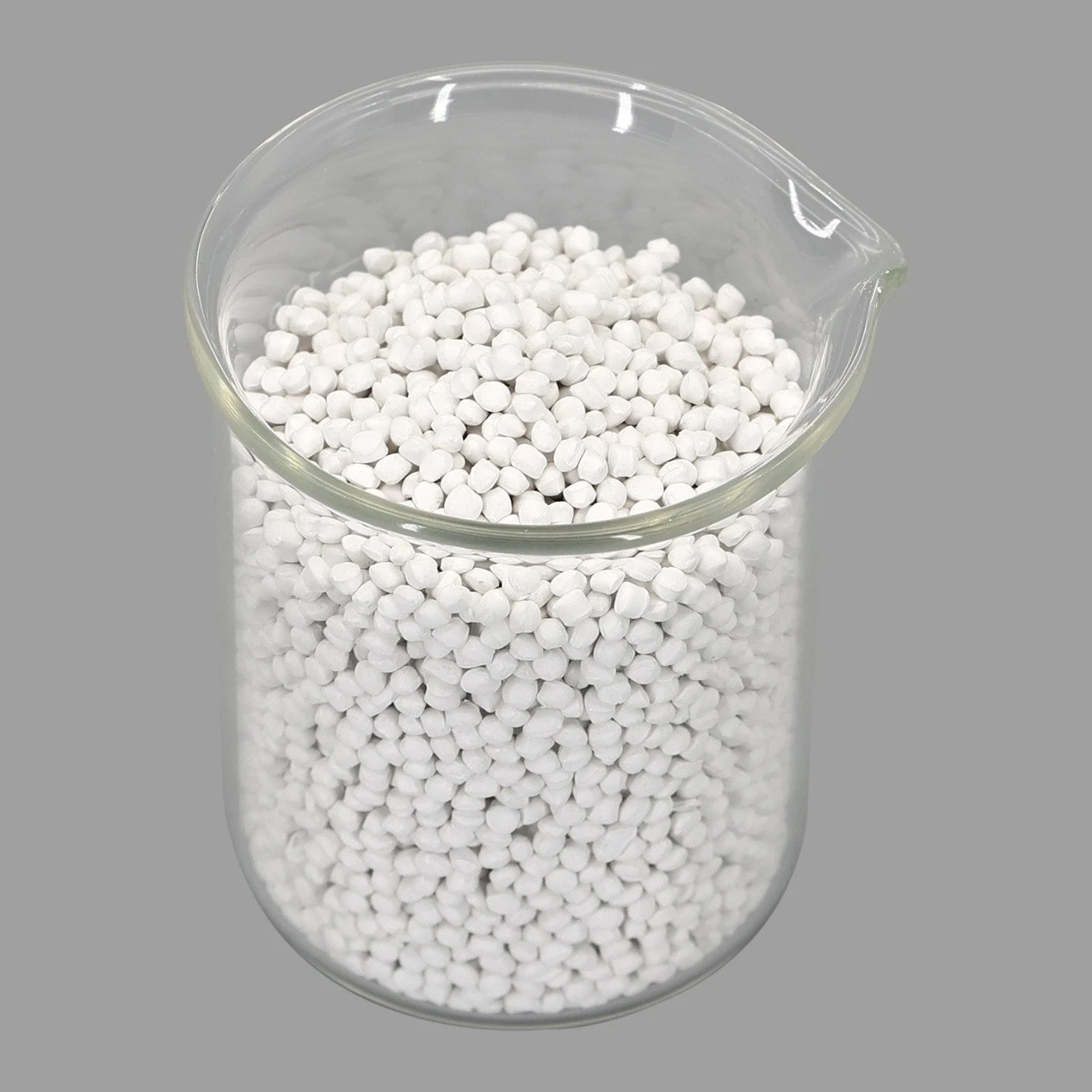
The most common feedstock today is sugarcane, especially in Brazil, because of its favorable ethanol yield and established logistics. Recent technical literature also discusses lignocellulosic biomass and other advanced feedstocks, but these pathways remain less mature than first-generation sugar-based routes.
Mechanism note
- Ethanol dehydration removes water from ethanol to form ethylene.
- That ethylene is then polymerized with the same catalysts used for fossil ethylene, including Ziegler-Natta or metallocene systems in conventional PE production.
The polymerization step is therefore not the key differentiator; the core innovation is the renewable monomer supply.
Applications and End-Use Markets
Bio-PE is used primarily where conventional PE already dominates, especially in packaging. Its strongest commercial advantage is that it can replace fossil PE one-to-one in many existing applications without retooling.
| End-use sector | Typical bio-PE grade/process | Usual rationale |
|---|---|---|
| Flexible packaging | Bio-LDPE, bio-LLDPE; film blowing | Renewable-content films, shopping bags, shrink and stretch wrap |
| Rigid packaging | Bio-HDPE; blow molding and injection molding | Bottles, caps, containers, cosmetic and household packaging |
| Labels and laminates | Bio-PE film facestock, coating-compatible grades | Brand-owner renewable-content requirements |
| Agriculture | Bio-LDPE, bio-LLDPE; film extrusion | Mulch films, greenhouse films, bale wrap |
| Industrial packaging | Bio-LLDPE, bio-LDPE; stretch/shrink film | Pallet wrapping and logistics films |
| Consumer goods | Bio-HDPE and blends; injection molding | Toys, household products, sporting goods |
| Pipe and cable | Selected PE grades; extrusion and compounding | Cable jacketing and some pipe uses where PE is already standard |
| High-performance wear/medical | Bio-based PE where PE is already specified, including UHMWPE-derived niches | Specialty components, wear parts, and selected medical uses |
| Cross-linked systems | Bio-PEX via conventional PE crosslinking | Hot-water pipe and insulation applications where crosslinking adds thermal resistance |
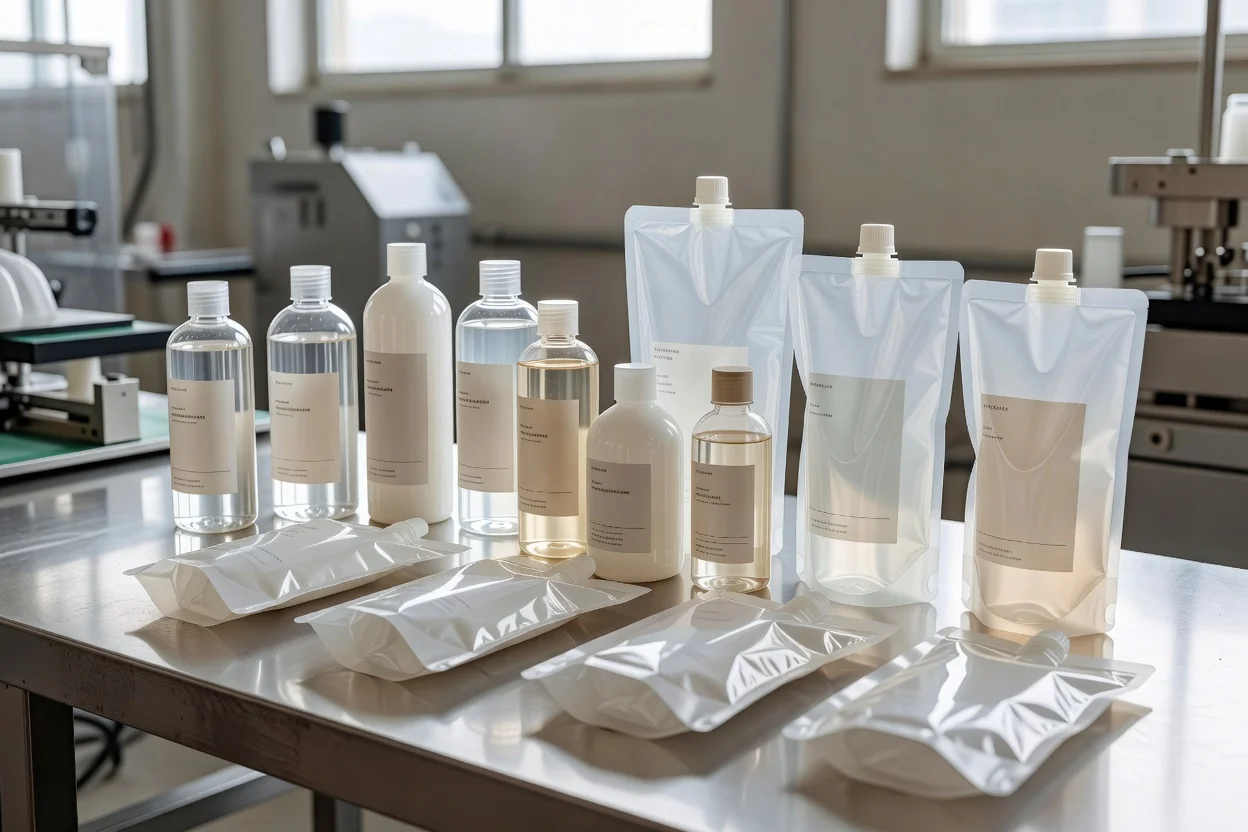
A poor-fit use is high oxygen-barrier packaging that requires strong shelf-life protection without multilayer structures, because bio-PE retains the barrier limitations of standard PE. In such cases, PET, EVOH-containing laminates, or coated structures may be more suitable.
Food and personal-care packaging remain the most important demand centers, because bio-PE combines visual familiarity, process compatibility, and renewable-content branding. Industrial users also value its supply-chain continuity, since many converters can switch resin source without altering tooling or product certification regimes.
Environmental and Sustainability Aspects
Bio-PE’s main environmental benefit is that it replaces a portion of fossil carbon with renewable carbon. Braskem states that each ton of its bio-based HDPE avoids approximately 5 tons of CO2 equivalent versus the fossil equivalent, although actual results depend on assumptions about energy, land use, and system boundaries.
Sustainability strengths
- Renewable feedstock base
- Potentially lower lifecycle greenhouse-gas emissions
- Drop-in compatibility with existing PE recycling streams
- Lower transition risk for converters and brand owners
Sustainability limitations
- Not biodegradable, so it does not address litter by itself
- Feedstock cultivation can raise concerns about land use, fertilizer demand, and agricultural impacts
- Sustainability performance depends heavily on agricultural practice, process energy, transport, and certification
- End-of-life benefits still depend on collection and recycling infrastructure
Bio-PE is generally considered compatible with mechanical recycling because it is chemically the same as conventional PE. That said, recycling performance depends more on contamination, sortation, and product design than on whether the resin carbon originally came from biomass.
Bio-based and recycled-content strategies are increasingly being used together in packaging, since renewable content alone does not guarantee circularity. In practice, the strongest sustainability case is often made when bio-PE is paired with lightweighting, reuse design, and high-quality recycling systems.
Economic and Global Market Impact
The global bio-PE market remains a niche relative to the vast conventional PE market, but it is growing as brand owners seek renewable-content materials for packaging and consumer goods. Recent market analyses project strong growth through the next decade, although estimates vary by methodology and segment definition.
Commercial production is concentrated among a small number of integrated players. Braskem is the best-known leader, particularly through its sugarcane-based “I’m green” bio-based PE portfolio. Its importance lies not only in capacity, but also in proving that renewable PE can be made at industrial scale and sold into mainstream packaging markets.
Other value-chain participants include resin distributors, compounders, film converters, and brand owners that specify renewable content for labels, bottles, and flexible packaging. The market is therefore shaped as much by procurement and certification as by polymer chemistry.
Cost remains a central constraint. Bio-PE generally competes best in premium packaging segments where brand value, sustainability claims, and regulatory disclosure can justify a higher resin cost. Broader adoption depends on feedstock economics, policy support, and the ability to scale advanced bio-based ethylene routes beyond first-generation sugarcane ethanol.
Current Challenges and Innovations
The biggest challenge is that bio-PE is successful as a material substitution, but it is not a complete circularity solution. Its future competitiveness will depend on whether it can reduce emissions more reliably, diversify feedstocks, and fit into circular packaging systems.
Key challenges include:
- feedstock sustainability and land-use scrutiny
- price volatility of agricultural inputs
- limited availability of non-food and waste-derived bioethanol
- certification complexity for renewable-carbon claims
- consumer confusion between bio-based and biodegradable plastics
Promising innovations include:
- lignocellulosic bioethanol pathways from residues and wood waste
- improved dehydration catalysts and process integration
- low-carbon energy integration in ethanol and polymer plants
- mass-balance and traceability systems for certified renewable content
- advanced grades with improved downgauging, sealing, or barrier performance when used in multilayers
One important technical direction is the expansion of second-generation feedstocks, because they can reduce dependence on food crops and potentially improve lifecycle sustainability. Another is the development of better collection and sorting systems so that bio-PE contributes to, rather than complicates, established PE recycling flows.
Future Outlook
Bio-PE is likely to remain a strategically important renewable polymer because it combines a mature market with a realistic decarbonization pathway. Its largest near-term opportunity is in packaging, where substitution can be immediate and visible to brand owners and consumers.
Longer term, the material’s trajectory will depend on several factors:
- scale-up of advanced bio-based ethylene
- tighter sustainability certification
- lower-cost renewable electricity and process heat
- policy support for low-carbon materials
- improved collection and recycling systems
The most plausible role for bio-PE is not as a replacement for all plastics, but as one component of a broader portfolio that includes recycled PE, lightweight designs, and application-specific alternatives. In that context, bio-PE is best understood as a bridge technology: commercially proven, technically familiar, and environmentally useful, but only partially addressing the broader plastics sustainability challenge.
Summary
Bio-PE is chemically identical to conventional polyethylene but made from renewable carbon, most commonly through sugarcane-derived bioethanol and ethylene dehydration. Its key strengths are drop-in compatibility, recyclability in existing PE streams, and suitability for large packaging markets.
Its main limitations are equally clear: it is not biodegradable, its sustainability depends on feedstock and energy choices, and it does not solve end-of-life management by itself. Even so, bio-PE remains one of the most commercially mature and strategically relevant biobased plastics in the global materials economy.
References
- •
Bio-Polyethylene (Bio-PE), Bio-Polypropylene (Bio-PP) and ... - PMC. (2020, July 23). https://pmc.ncbi.nlm.nih.gov/articles/PMC7465145/Link
- •
Bio-Based Polyethylene: Sustainable Production Routes, Material .... (2026, February 26). https://eureka.patsnap.com/materials/bio-based-polyethyleneLink
- •
1. (n.d.). https://www.qenos.com/internet/home.nsf/(LUImages)/White%20Paper%20-%20Biopolyethylene%20a%20critical%20enabler%20for%20the%20decarbonisation%20of%20plastics/$File/262%20QEN%20WP%20Biopolyethylene_P3.pdfLink
- •
Top 5 Uses of Bio Based Polyethylene in Packaging | Integr - LinkedIn. (2025, October 22). https://www.linkedin.com/pulse/bio-based-polyethylene-packaging-real-world-5-uses-youll-3iqacLink
- •
Understanding Bio Polyethylene: Complete Guide to Standards, .... (2025, November 11). https://www.alibaba.com/product-insights/bio-polyethylene.htmlLink
- •
I'm green™ bio-based Polyethylene - FKuR. (n.d.). https://fkur.com/en/bioplastics/im-green-polyethylene/Link
- •
How Bio Based Polyethylene PE Works — In One Simple Flow (2025). (2025, October 13). https://www.linkedin.com/pulse/how-bio-based-polyethylene-pe-works-one-simple-flow-2engfLink
- •
Bio PE as a material for packaging Rixius.com. (n.d.). https://www.rixius.com/en/guide/knowledge/materials/sustainable-materials/bio-pe/Link
- •
Bio-PE - Biokunststofftool. (n.d.). https://biokunststofftool.de/materials/bio-pe/?lang=enLink
- •
[PDF] Replacing fossil based PET with biobased PEF - Avantium. (n.d.). https://avantium.com/wp-content/uploads/2022/02/Eerhart-Faaij-Patel-2012-Replacing-Fossil-Based-PET-with-Biobased-PEF-process-analysis-energy-and-GHG-balances.pdfLink
- •
Biobased polyolefins - Biobased Polyethylene (bio-PE). (2020, May 27). https://biorrefineria.blogspot.com/2020/05/biobased-polyolefins-biobased-Polyethylene-bio-PE.htmlLink
- •
Bio-polyethylene furanoate (Bio-PEF) from lignocellulosic .... (n.d.). https://bioresources.cnr.ncsu.edu/resources/bio-polyethylene-furanoate-bio-pef-from-lignocellulosic-biomass-adapted-to-the-circular-bioeconomy/Link
- •
[PDF] PE-Im-green-bio-based-LCA-Results-SUMMARY-ENG.pdf - Braskem. (n.d.). https://www.braskem.com.br/portal/imgreen/arquivos/PE-Im-green-bio-based-LCA-Results-SUMMARY-ENG.pdfLink
- •
Bioplastics – Good Application Practices in Japan. (n.d.). https://www.env.go.jp/recycle/plastic/bio/pdf/Application_Practices.pdfLink
- •
Recent developments in bio-based polyethylene: Degradation .... (2023, October 22). https://pmc.ncbi.nlm.nih.gov/articles/PMC10598529/Link
- •
Bioplastics packaging - combining performance with sustainability. (n.d.). https://www.docs.european-bioplastics.org/publications/fs/EUBP_FS_Packging.pdfLink
- •
[PDF] Biobased Polyethylene Furanoate: Production Processes .... (2024, June 13). https://d-nb.info/133510979X/34Link
- •
Bio Polyethylene: Drop-in Replacement - Polymer Innovation Blog. (2013, March 11). https://polymerinnovationblog.com/bio-polyethylene-drop-in-replacement/Link
- •
Review: Bio-polyethylene from Wood Wastes. (2019, January 1). https://www.academia.edu/81854799/Review_Bio_polyethylene_from_Wood_WastesLink
- •
Organic PE. (n.d.). https://schroeder-folien.de/en/sustainability/sustainability-campaign/films/organic-pe/Link
- •
Biodegradable biopolymers for active packaging - RSC Publishing. (2023, January 26). https://pubs.rsc.org/en/content/articlehtml/2023/fb/d2fb00004kLink
- •
Bio-Polyethylene: When Performance Meets Sustainability. (2024, March 21). https://www.plasticsengineering.org/2024/03/bio-polyethylene-when-performance-meets-sustainability-003907/Link
- •
Bio-Based Polyethylene for Sustainable Packaging. (2025, April 25). https://xray.greyb.com/packaging/bio-based-polyethyleneLink
- •
Renewable polyethylene - Wikipedia. (2008, March 31). https://en.wikipedia.org/wiki/Renewable_polyethyleneLink
- •
บทที่ 10 รายละเอียดข้อมูลพลาสติกชีวภาพประเภท พ. (n.d.). http://asp.plastics.or.th:8001/files/article_file/20180624234746u.pdfLink
- •
Applications / Sectors – European Bioplastics e.V. (2026, February 10). https://www.european-bioplastics.org/market/applications-sectors/Link
- •
Bio-based PE Film - Product Overview SSA. (n.d.). https://label.averydennison.com/content/dam/averydennison/lpm-responsive/asia-pacific/en-sa/documents/products/select-solutions/select-solutions-portfolio/po/ssa/po-select-solutions-biobased-pe-ssa-2021.pdfLink
- •
Bio-Based Polyethylene for Packaging Market's Role in .... (2024, July 4). https://www.datainsightsmarket.com/reports/bio-based-polyethylene-for-packaging-1145995Link
- •
Bio-Based PE Films for Food Packaging Market Research .... (2025, October 1). https://researchintelo.com/report/bio-based-pe-films-for-food-packaging-marketLink
- •
Bio-Ethylene Production: Alternatives for Green Chemicals and Polymers. (2012, April 3). https://www.academia.edu/76903974/Bio_Ethylene_Production_Alternatives_for_Green_Chemicals_and_PolymersLink
- •
Fossil-Free Polyethylene and Polypropylene Production via .... (2026, January 14). https://pmc.ncbi.nlm.nih.gov/articles/PMC12854507/Link
- •
[PDF] Sustainability of bio‐based polyethylene - TU Delft Repository. (n.d.). https://repository.tudelft.nl/file/File_b4c0beaa-29fc-4195-9bc4-6450d98d8ba7?preview=1Link
- •
Bio-Polyethylene (Bio-PE), Bio-Polypropylene (Bio-PP) and Bio-Poly(ethylene terephthalate) (Bio-PET): Recent Developments in Bio-Based Polymers Analogous to Petroleum-Derived Ones for Packaging and Engineering Applications. (2022, December 1). https://ouci.dntb.gov.ua/en/works/7pxVBej7/Link
- •
Next-Generation Bioplastics for Food Packaging: Sustainable Materials and Applications. (2025, June 19). https://www.mdpi.com/1996-1944/18/12/2919Link
- •
Biodegradable biopolymers for active packaging: demand, development and directions. (n.d.). https://pubs.rsc.org/en/content/articlepdf/2023/fb/d2fb00004kLink
- •
Biobased PE Packaging | Renewable & Eco-Friendly. (2025, April 7). https://www.ponteurope.com/sustainability/biobased-pe/Link
- •
Review article Recent developments in bio-based polyethylene. (n.d.). https://www.sciencedirect.com/science/article/pii/S2405844023085821Link
- •
Bio-based plastics. (2021, October 27). https://plasticseurope.org/plastics-explained/a-large-family/bio-based-plastics/Link
- •
5 Facts About Bio-Based Polyethylene In Packaging - Stanpac. (2019, August 29). https://www.stanpacnet.com/5-facts-bio-based-polyethylene-packaging/Link
- •
I'm green bio-based - Braskem. (n.d.). https://www.braskem.com.br/imgreen/home-enLink
- •
Bio-based polymers and plastics | Kuraray Elastomer Division. (2023, March 2). https://elastomer.kuraray.com/us-en/blog/bio-based-polymers/Link
- •
Sustainable and Bio-Based Food Packaging: A Review ... - PMC. (2023, March 2). https://pmc.ncbi.nlm.nih.gov/articles/PMC10000825/Link
- •
Bio Based Polyethylene Market | Global Market Analysis Report - 2035. (2025, August 28). https://www.futuremarketinsights.com/reports/bio-based-polyethylene-marketLink