
Introduction
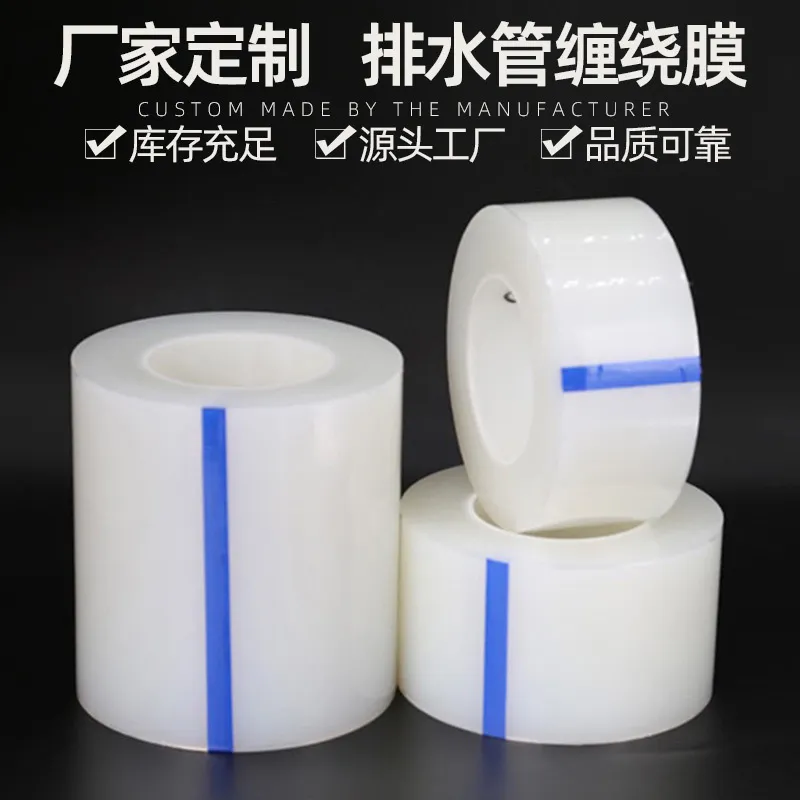
Pressure sensitive adhesives (PSAs) are a class of permanently tacky, viscoelastic adhesives that form a bond with solid surfaces when only light pressure is applied, without the need for heat, water, or solvent activation. They are the core bonding layer in many adhesive tapes, labels, medical dressings, protective films, mounting products, and industrial attachment systems, and they are widely valued for fast application, clean removability in some designs, and compatibility with high-speed manufacturing.
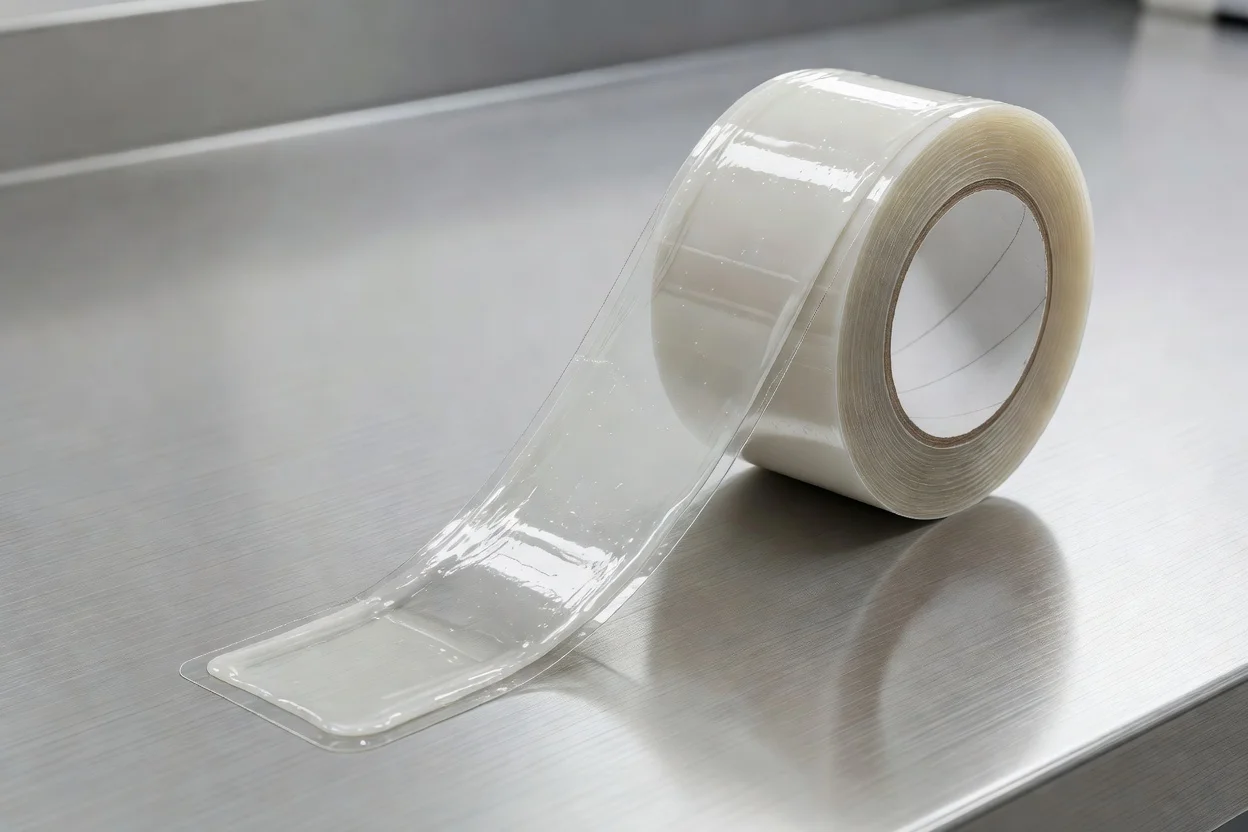
PSAs occupy an important position in the plastics and auxiliaries value chain because they are formulated from polymeric binders, tackifiers, plasticizers, crosslinkers, fillers, and functional additives, then coated onto paper, film, foil, or nonwoven backings to create finished adhesive products. The main PSA families are rubber-based, acrylic, and silicone systems, with additional niches such as polyisobutylene and polyolefin-based formulations. Their development has been shaped by the need to balance tack, peel strength, cohesion, aging resistance, and surface compatibility, especially for difficult substrates and demanding environments.
From a sustainability perspective, PSAs present both opportunities and challenges. They enable lightweight construction, eliminate many mechanical fasteners, and can reduce assembly energy by avoiding curing or heating steps, yet they can also complicate recycling when bonded to multilayer plastics, coated papers, or composite assemblies. Current innovation is focused on water-borne and hot-melt formulations, lower-VOC systems, bio-based and recyclable chemistries, debond-on-demand concepts, and PSA architectures better suited to circular-economy product design.
History and Development
The modern PSA concept emerged from the broader development of rubber-based adhesive technology and later expanded through advances in acrylic polymer chemistry and silicone materials. Early commercial PSAs were dominated by natural-rubber and synthetic-rubber systems combined with tackifying resins, because these blends could deliver immediate tack and acceptable peel performance at room temperature.
Acrylic PSAs became especially important as polymerization control improved, because they offered better aging resistance, clearer films, and more tunable performance across temperature and substrate types. Silicone PSAs were later developed for applications requiring exceptional thermal stability, low-temperature flexibility, or adhesion to low-energy surfaces where conventional systems underperform.
As industrial packaging, electronics, healthcare, and automotive assembly advanced, PSA technology diversified into tapes, transfer adhesives, resealable closures, removable labels, and specialty medical products. The shift from simple office tapes to engineered functional materials reflects the broader trend of adhesives becoming enabling materials rather than purely fastening media.
Chemical Structure and Key Properties
PSAs are best understood as viscoelastic polymers whose rheology is tuned so they can wet a surface under light pressure while retaining enough internal cohesion to resist flow under service loads. In practical terms, a good PSA must be soft enough to conform to microscopic surface roughness, yet strong enough not to fail cohesively during peeling or shear loading.
Typical PSA formulations contain:
- A polymeric base that provides the main viscoelastic body.
- Tackifiers that increase surface wetting and initial stickiness.
- Plasticizers that soften the formulation and adjust flow.
- Crosslinkers or other modifiers that improve shear resistance and heat stability.
- Optional fillers, stabilizers, pigments, and process aids for cost, durability, color, and processing control.
A useful technical shorthand for PSA performance is the interplay of tack, peel, and shear:
- Tack is the instantaneous stickiness on brief contact.
- Peel strength measures resistance to separation at an angle.
- Shear strength measures resistance to sliding or creep under sustained load.
Core performance limits and practical workarounds
- Poor oxygen and grease barrier performance → many PSA layers are thin, soft, and not designed as barrier materials → use metallized films, laminates, or dedicated barrier coatings when barrier performance is required.
- Low surface energy before treatment → many substrates such as polyethylene and polypropylene are difficult to wet and bond → use surface treatment, primer, or PSA chemistries designed for low-energy plastics.
- Creep under heat or load → soft formulations can deform over time → increase crosslink density, use higher-cohesion acrylic or silicone systems, or select reinforced tape constructions.
- Plasticizer migration or contamination risk → low-molecular-weight components can move into adjacent materials → choose migration-resistant formulations, especially for electronics, optics, and medical devices.
Main PSA chemistry families
| Family | Typical strengths | Typical limitations | Common use profile |
|---|---|---|---|
| Rubber-based | High initial tack, low cost, strong instant grab | Aging, oxidation, and heat resistance can be weaker | Packaging tapes, general-purpose labels, some industrial tapes |
| Acrylic | Good UV and weather resistance, balanced performance, broad tunability | Often lower initial tack than rubber systems | Labels, durable tapes, medical and outdoor uses |
| Silicone | Excellent thermal stability, adhesion to difficult surfaces | High cost | High-temperature masking, specialty electronics, medical and release-sensitive uses |
These families are well established in the PSA literature and industrial practice.
Production Processes and Raw Feedstocks
PSAs are produced through formulation, compounding, and coating rather than by a single universal synthesis route. The adhesive polymer may be made in-house or purchased as a finished resin, then blended with tackifiers and additives before being coated onto a backing material.
Common manufacturing routes
- Solvent-borne PSAs are dissolved in organic solvent, coated, and then dried; they offer good process control but create solvent-emission concerns.
- Water-borne PSAs use latex or emulsion systems and are attractive for lower VOC emissions and regulatory compliance.
- Hot-melt PSAs are processed without solvent and coated in the molten state, supporting cleaner and often more energy-efficient manufacturing.
- Reactive or crosslinkable systems are used when improved heat resistance, creep resistance, or specialty performance is needed.
Typical feedstocks and auxiliaries
- Elastomers or polymer backbones: natural rubber, synthetic rubber, acrylic polymers, silicone polymers, polyisobutylene, and polyolefin variants.
- Tackifiers: hydrocarbon resins, rosin derivatives, and other low-molecular-weight modifiers that improve wetting and tack.
- Plasticizers and softeners: used to tailor flexibility, flow, and low-temperature behavior.
- Crosslinking agents: improve cohesion and reduce creep.
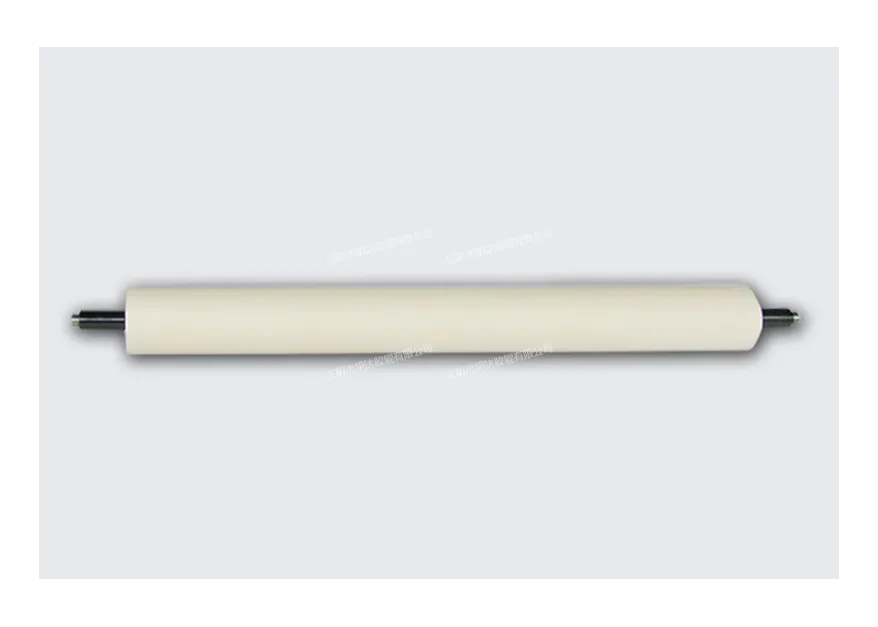
- Release liners and backings: paper, polyethylene film, polyester film, foils, nonwovens, and specialty papers that convert the coating into a final product.
A practical formulation example is a rubber-based PSA with a tackifier loading commonly on the order of tens of percent, where the tackifier increases chain mobility at the interface and improves wetting on contact; the exact level depends on the target peel, tack, and shear balance. Another example is a crosslinked acrylic PSA used for durable labels, where a low level of crosslinking agent improves cohesion and heat resistance by restricting chain flow without eliminating tack.
Applications and End-Use Markets
PSAs are used wherever rapid bonding, controlled removability, or lightweight assembly is preferred. Their market is broad because the same underlying chemistry can be adapted to very different products through formulation and backing selection.
| End-use sector | Typical PSA type | Usual product form | Functional requirement |
|---|---|---|---|
| Packaging and labeling | Acrylic, rubber | Labels, resealable closures, carton sealing | Printability, adhesion to diverse substrates, clean die-cutting |
| Office and consumer goods | Rubber, acrylic | Tapes, sticky notes, mounting pads | Instant tack, low cost, easy handling |
| Medical | Acrylic, silicone | Wound dressings, surgical drapes, transdermal systems, ostomy products | Skin compatibility, controlled peel, breathability, sterilization tolerance |
| Automotive | Acrylic, silicone, high-performance rubber | Interior trims, emblems, NVH damping, gaskets | Heat resistance, vibration damping, durable adhesion |
| Electronics | Acrylic, silicone | Display bonding, protective films, PCB-related assembly, thermal management interfaces | Low outgassing, clean removal, thermal stability |
| Construction and industrial | Acrylic, rubber | Foams, membranes, insulation, mounting tapes | Weathering, shear strength, longevity |
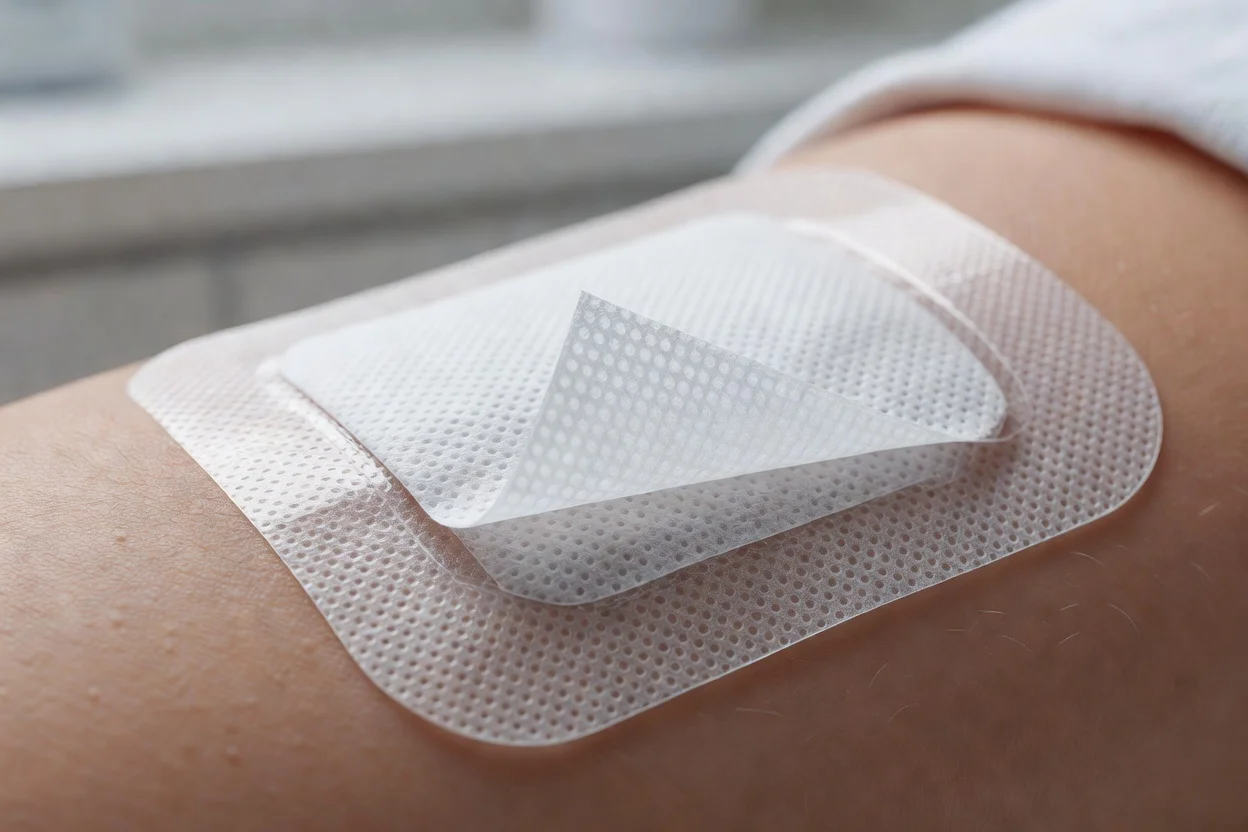
PSAs are widely used in labels and tapes, where high-speed converting and immediate adhesion are essential. In packaging, they support food labels, logistics labels, resealable structures, and specialty durable labels. In healthcare, they are central to wound protection, adhesive drapes, transdermal drug delivery, medical tapes, and other skin-contact products.
In automotive and construction, PSAs replace or supplement mechanical fasteners by reducing visible hardware, improving vibration damping, and enabling dissimilar-material bonding. In electronics, they are used in display assembly, optical films, thermal management, and protective interfaces where precise thickness and low contamination are important.
A notable poor-fit application is structural load-bearing bonding, where PSAs are generally less suitable than reactive structural adhesives because PSAs rely on permanent tack and viscoelastic balance rather than high-modulus structural cure.
Environmental and Sustainability Aspects
PSAs are both enabling and problematic in sustainability terms. They can reduce manufacturing steps, support lightweight product design, and eliminate fasteners or solvents in many applications, but they may also hinder recycling when strongly bonded to multi-material articles, labels, or coated laminates.
Recyclability and circularity
- Pressure-sensitive labels can interfere with paper or plastic recycling streams if adhesive residues are not designed for clean removal or repulpability.
- Packaging structures using PSA layers can complicate delamination and polymer sorting.
- Design-for-recycling approaches include wash-off adhesives, recyclable liner systems, mono-material constructions, and adhesives compatible with mechanical recycling workflows.
Bio-based and lower-impact options
- Bio-based tackifiers and partially bio-derived polymers are increasingly used to reduce fossil feedstock dependence.
- Water-borne PSAs and hot-melt PSAs can reduce VOC emissions relative to solvent-borne systems.
- Lower-temperature processing and higher-solids formulations can improve energy efficiency in coating operations.
Carbon footprint considerations
The footprint of a PSA product depends less on the adhesive alone than on the full system: polymer feedstock, solvent use, coating energy, liner waste, product lifetime, and end-of-life behavior all matter. In many applications, the ability of PSAs to replace heavier mechanical assemblies or reduce assembly energy can offset part of their material footprint, but this benefit is application-specific rather than universal.
Economic and Global Market Impact
PSAs are an important subsegment of the broader adhesives and specialty materials market because they support high-volume consumable products and value-added technical applications. Demand is driven by packaging, healthcare, electronics, transportation, and e-commerce logistics, all of which require reliable, fast, and scalable bonding solutions.
The market structure is global and highly competitive, with major integrated chemical and adhesive companies active in acrylics, silicones, hot-melt systems, tapes, and labelstock technologies. Leading global producers and converters commonly cited in industry practice include 3M, Henkel, Avery Dennison, tesa, Bostik, and other multinational adhesive suppliers. In many cases, value is created not only by the adhesive chemistry but also by coating technology, liner engineering, slitting and converting capabilities, regulatory qualification, and application-specific formulation support.
Current Challenges and Innovations
The most important technical challenges are balancing adhesion with cohesion, ensuring reliable performance on low-energy or contaminated surfaces, and maintaining function over temperature, humidity, UV exposure, and aging. Medical and electronics applications add strict requirements for biocompatibility, cleanliness, low residue, and controlled peel behavior.
Key innovation directions include:
- Low-VOC and solvent-free systems to reduce emissions and compliance burden.
- Recyclable PSA architectures designed for easier delamination and cleaner substrate recovery.
- Debond-on-demand technologies that retain service performance but release under heat, light, electrical stimulus, or chemical trigger.
- Advanced acrylic and silicone formulations for difficult substrates, higher temperature windows, and longer outdoor durability.
- Functional PSA tapes used not only for attachment but also for damping, thermal management, sensing, masking, and microfabrication.
A notable formulation trend is the use of controlled crosslinking, which improves shear resistance and heat stability by limiting long-chain flow while preserving enough surface wetting for initial tack. Another is the development of skin-compatible medical PSAs, where polymer polarity, moisture handling, and residue control are tuned to reduce irritation while maintaining secure attachment during wear.
Future Outlook
PSAs are likely to become more specialized rather than less important. The strongest growth opportunities are in medical wearables, electronics assembly, lightweight automotive systems, sustainable packaging, and industrial tapes that substitute for mechanical fastening.
Future development is expected to emphasize:
- Better adhesion to recycled and low-energy plastics.
- More recyclable label and tape constructions.
- Increased use of bio-attributed and bio-based raw materials.
- PSA formulations compatible with automation and high-speed converting.
- Multifunctional systems that combine bonding with thermal, electrical, acoustic, or sensing functions.
As manufacturing continues to shift toward lighter materials, shorter assembly cycles, and circular design, PSAs will remain a strategically important auxiliary technology bridging polymer chemistry, converting science, and end-product performance.
Summary
Pressure sensitive adhesives are permanently tacky, viscoelastic materials that bond under light pressure without heat, water, or solvent activation. Their main families are rubber-based, acrylic, and silicone systems, each serving different cost, durability, and temperature requirements. They are essential to tapes, labels, medical products, electronics, and automotive and construction assemblies, while also posing challenges for recycling and end-of-life separation.
References
- •
Pressure-sensitive adhesive. (2006, April 22). Wikipedia. https://en.wikipedia.org/wiki/Pressure-sensitive_adhesiveLink
- •
Pressure Sensitive Adhesive - an overview. (n.d.). ScienceDirect. https://www.sciencedirect.com/topics/engineering/pressure-sensitive-adhesiveLink
- •
Pressure Sensitive Adhesive (PSA) - Types, Uses & .... (2025, July 1). SpecialChem. https://www.specialchem.com/adhesives/guide/additives-for-pressure-sensitive-adhesivesLink
- •
What are Pressure Sensitive Adhesives (PSA)?. (2026, August 3). Kuraray. https://elastomer.kuraray.com/us-en/blog/pressure-sensitive-adhesive/Link
- •
What are Pressure Sensitive Adhesives | Types & Applications. (2024, February 12). Duracote. https://www.duracote.com/articles/what-are-pressure-sensitive-adhesives/Link
- •
Understanding Pressure Sensitive Adhesives and How They .... (2022, January 14). Lamart. https://lamartcorp.com/blog/understanding-pressure-sensitive-adhesives-and-how-theyre-made/Link
- •
Types of Pressure-Sensitive Adhesives (PSAs). (2018, September 13). JBC Technologies. https://www.jbc-tech.com/blog/posts/types-of-pressure-sensitive-adhesives-psas/Link
- •
Pressure-Sensitive Adhesive (PSA) | NIST. (2025, January 15). National Institute of Standards and Technology. https://www.nist.gov/glossary-term/39891Link
- •
Pressure Sensitive Adhesives Basics. (n.d.). Sanyo Chemical. https://sanyo-chemical-solutions.com/technology/2022/02/102488/Link
- •
What Are Pressure Sensitive Adhesives? | Types & When to Use. (2024, March 11). Rubber Resource. https://rubberresource.com/blog/psas-explained-what-is-a-pressure-sensitive-adhesive/Link
- •
The Fundamentals of Selecting Pressure-Sensitive Adhesives. (2024, January 12). Medical Device and Diagnostic Industry. https://www.mddionline.com/materials/the-fundamentals-of-selecting-pressure-sensitive-adhesivesLink
- •
Common Chemistry of PSA Tapes. (n.d.). 3M. https://www.3m.com/3M/en_US/bonding-and-assembly-us/resources/science-of-adhesion/common-chemistry-psa-tapes/Link
- •
Pressure Sensitive Adhesives. (n.d.). TA Instruments. https://www.tainstruments.com/pdf/literature/AAN002e_Pressure_Sensitive_Adhesives.pdfLink
- •
Packaging pressure sensitive adhesives. (2026, August 18). Henkel. https://next.henkel-adhesives.com/us/en/articles/packaging-pressure-sensitive-adhesives.htmlLink
- •
Understanding Pressure Sensitive Adhesives in Tapes - TESA. (n.d.). Tesa. https://www.tesa.com/en-us/about-tesa/press-insights/stories/why-is-it-pressure-sensitive-adhesives-that-work-in-tapes.htmlLink
- •
Pressure-Sensitive Adhesives in the Real World: 5 Uses You'll .... (2025, October 1). LinkedIn. https://www.linkedin.com/pulse/pressure-sensitive-adhesives-real-world-bfbvfLink
- •
The Basics of Pressure Sensitive Adhesive Tape. (2025, February 11). Strouse. https://www.strouse.com/blog/the-basics-of-pressure-sensitive-adhesive-tapeLink
- •
Pressure-Sensitive Adhesives: An Introductory Course. (n.d.). https://ccreton.simm.espci.fr/sites/ccreton.simm.espci.fr/IMG/pdf/june03_creton.pdfLink
- •
Pressure-Sensitive Adhesive | NIST. (2025, January 15). National Institute of Standards and Technology. https://www.nist.gov/glossary-term/39901Link
- •
特論講座. (n.d.). J-STAGE. https://www.jstage.jst.go.jp/article/gomu1944/76/9/76_9_334/_pdfLink
- •
Pressure-Sensitive Adhesive (PSA): Types and Applications - Beontag. (2026, January 20). Beontag. https://www.beontag.com/blog/pressure-sensitive-adhesives/Link
- •
Pressure‐Sensitive Adhesives. (n.d.). Wiley. https://onlinelibrary.wiley.com/doi/10.1002/0471440264.pst296Link
- •
Pressure-Sensitive Adhesive Joints. (2019, May 27). IntechOpen. https://www.intechopen.com/chapters/67362Link
- •
What is a “pressure sensitive” adhesive? : r/AskEngineers. (2021, October 3). Reddit. https://www.reddit.com/r/AskEngineers/comments/q07zsx/what_is_a_pressure_sensitive_adhesive/Link
- •
Pressure-sensitive adhesive tapes | Avery Dennison. (n.d.). Avery Dennison. https://tapes.averydennison.com/na/en/home/explore-tapes/pressure-sensitive-adhesive-tapes.htmlLink
- •
Pressure Sensitive Adhesive Tape: A Versatile Material .... (2020, September 16). PMC. https://pmc.ncbi.nlm.nih.gov/articles/PMC7570651/Link
- •
Synthetic Pressure Sensitive Adhesives for Biomedical Applications. (2023, May 4). PMC. https://pmc.ncbi.nlm.nih.gov/articles/PMC10237363/Link
- •
Chemistry of pressure-sensitive adhesives. (2014, April 29). Wikipedia. https://en.wikipedia.org/wiki/Chemistry_of_pressure-sensitive_adhesivesLink
- •
Understanding Types of Pressure Sensitive Adhesives .... (2019, May 13). Bostik. https://www.bostik.com/us/en_US/blog/post/2019/5/understanding-types-of-pressure-sensitive-adhesives/Link
- •
Synthesis and Characterization of Pressure-Sensitive Adhesives .... (2023, November 24). PMC. https://pmc.ncbi.nlm.nih.gov/articles/PMC10707846/Link