
Introduction
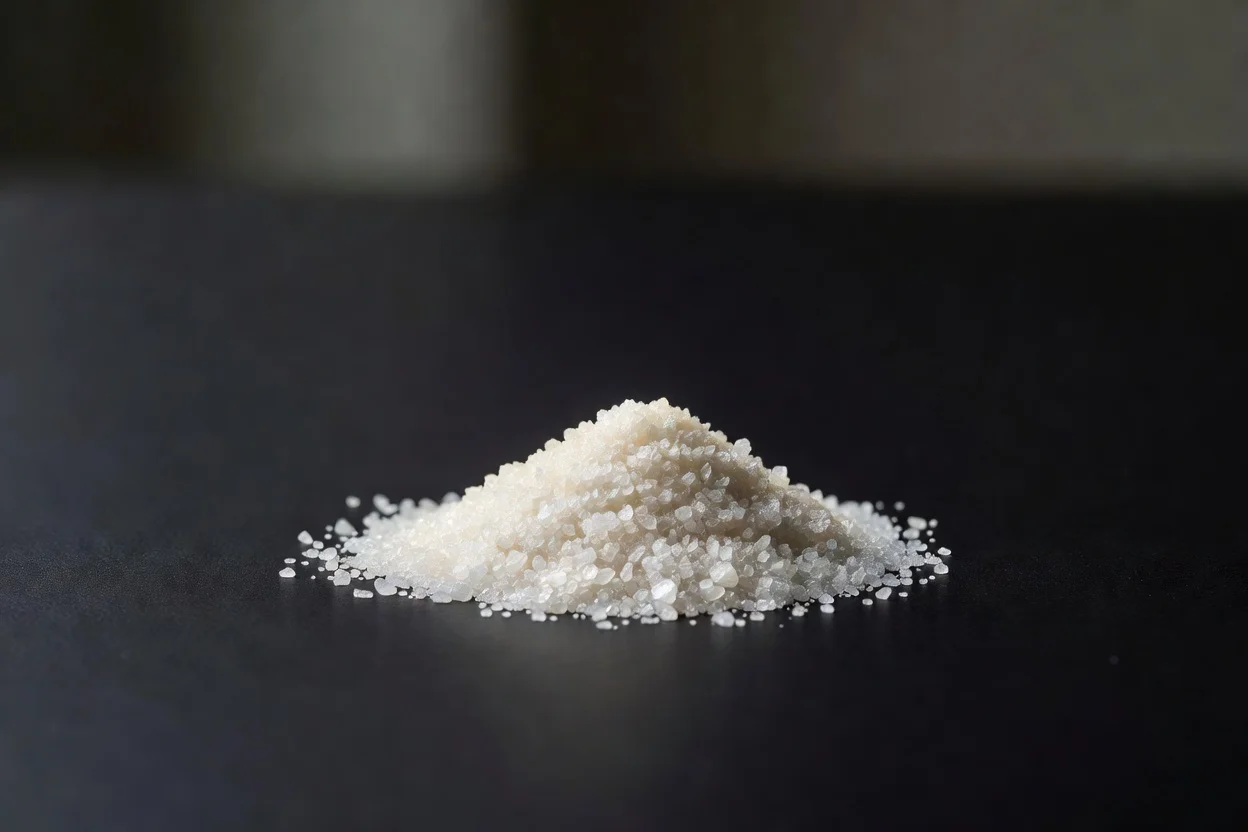
Halogen flame retardants are a major class of flame-retardant additives used to reduce the ignitability and flame spread of plastics, textiles, foams, electronics housings, cables, and building materials. They are typically bromine- or chlorine-containing compounds that act mainly in the gas phase by interrupting combustion radical chains, which explains their high efficiency at relatively low loading levels.
In plastics, these additives have been especially important where strong flame performance is needed with minimal impact on processing or mechanical properties, such as in electrical and electronic parts, polyurethane foams, wire and cable insulation, and engineering polymers. Their long industrial history has also made them one of the most debated auxiliaries in the plastics value chain because many halogenated systems are persistent, can migrate out of products, and have been associated with human exposure and environmental contamination.
The topic now sits at the center of a transition in polymer formulation: many legacy brominated and chlorinated systems have been restricted, phased out, or replaced by lower-halogen or halogen-free alternatives, yet they remain relevant in certain performance-sensitive uses where fire safety standards are demanding and substitutes can require higher loadings or trade-offs in cost, viscosity, color, or mechanical properties. Current innovation focuses on more durable reactive systems, polymeric brominated chemistries, synergist optimization, better recycling compatibility, and halogen-free formulations that can match the balance of flame resistance, processability, and compliance.

History and Development
Halogenated flame retardants expanded rapidly with the growth of petrochemical plastics from the 1960s onward, as manufacturers sought compact, low-cost ways to meet fire safety requirements in consumer goods, transport, and electronics. Brominated systems became especially prominent because bromine-based chemistries generally offer strong flame suppression at comparatively low use levels, often in combination with antimony trioxide as a synergist.
Over time, the industry shifted from a broad use of additive brominated ethers and related compounds toward more specialized reactive or polymeric systems, as concern increased over persistence, migration, and toxicological profiles. Regulatory pressure in many jurisdictions, including restrictions associated with RoHS and REACH in electronics and chemicals management, accelerated the phaseout of several high-profile substances and encouraged development of replacement flame retardants.
Chemical Structure and Key Properties (Technical Overview)
Halogen flame retardants are not a single chemical family but a broad category of organic compounds containing chlorine, bromine, and in some cases fluorine or iodine, although bromine and chlorine are the most relevant for plastics flame retardancy. Their performance depends on molecular structure, volatility, thermal stability, compatibility with the host polymer, and whether the chemistry is additive or reactive.
Their core mechanism is gas-phase flame inhibition. When heated, they release halogen-containing species or hydrogen halides that capture flame-propagating radicals such as H• and OH•, thereby slowing or terminating chain reactions in the flame zone. In many commercial systems, antimony trioxide enhances this effect by forming more effective radical-scavenging species in the combustion zone.
Key practical properties include:
- High flame-retardant efficiency at relatively low dosage compared with many mineral alternatives.
- Good compatibility with several engineering plastics, especially when designed as brominated polymeric or reactive systems.
- Low formulation impact in some resins, which is why they were widely adopted in electronics and molded parts.
- Potential migration for additive systems, because many are not chemically bound to the polymer matrix.
Real limits are important in practice:
- Limited environmental durability → persistence and bioaccumulation in many brominated/chlorinated systems → move to polymeric, reactive, or halogen-free designs.
- Toxic smoke and corrosive gases during burning or thermal degradation → release of hydrogen halides and related combustion byproducts → use of alternative chemistries, better enclosure design, or smoke-suppression strategies.
- Compatibility versus recyclability trade-off → additive migration and contaminated recyclate streams → tighter material labeling, mono-material design, and controlled recovery.
A useful formulation example is antimony trioxide at roughly 5–10% combined with brominated additives in some legacy polymer systems, where the synergist improves gas-phase radical inhibition and can reduce the amount of brominated additive needed for a given fire rating. Another example is the use of reactive brominated monomers or oligomers in engineering resins, where covalent incorporation can reduce migration relative to purely additive systems.
Production Processes and Raw Feedstocks
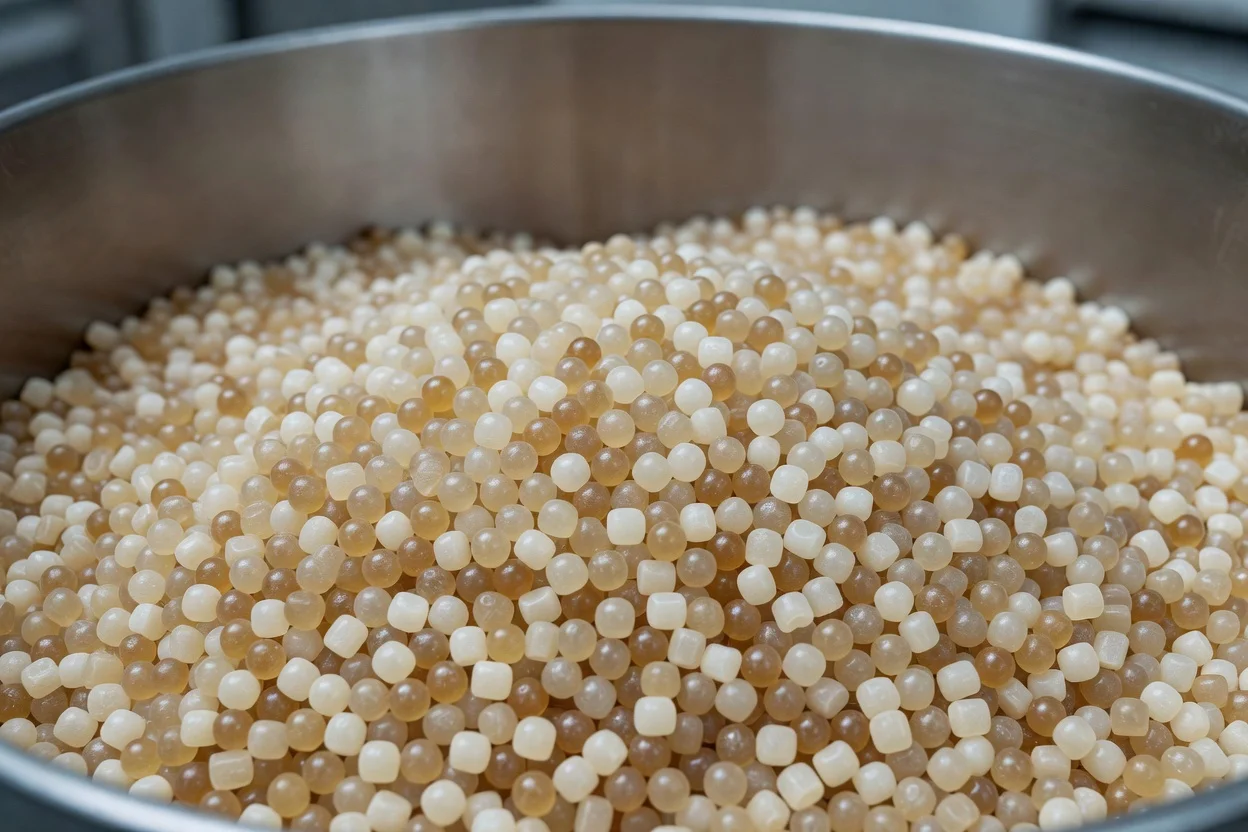
Halogen flame retardants are produced through specialty chemical synthesis rather than bulk polymerization, using aromatic or aliphatic feedstocks that are brominated or chlorinated in multi-step reactions. The exact routes vary widely by product family, but they generally involve:
- halogenation of aromatic intermediates,
- condensation or etherification,
- purification to control residuals and volatility,
- and, for reactive systems, incorporation into resins or oligomers designed to become part of the final polymer network.
The downstream plastics industry normally classifies them as:
- Additive flame retardants, which are physically blended into the polymer and therefore more prone to migration.
- Reactive flame retardants, which become part of the polymer structure and are generally less mobile.
- Polymeric flame retardants, which use higher-molecular-weight structures to reduce volatility and leaching.
Feedstock choice matters for both performance and sustainability. Brominated chemistries often rely on bromine derived from mineral brines, while chlorinated systems depend on chlorine chemistry integrated into broader petrochemical chains. The broader environmental profile is shaped not only by synthesis but also by product lifetime, use-phase emissions, and end-of-life handling.
Applications and End-Use Markets
Halogen flame retardants have been used in a wide range of plastic and composite applications where stringent fire performance is required. Typical uses include:
- Electronics and electrical housings: usually engineering plastics such as ABS, PC/ABS blends, polycarbonate, and related formulations, often because halogenated systems provide strong UL-style flame performance with limited property loss.
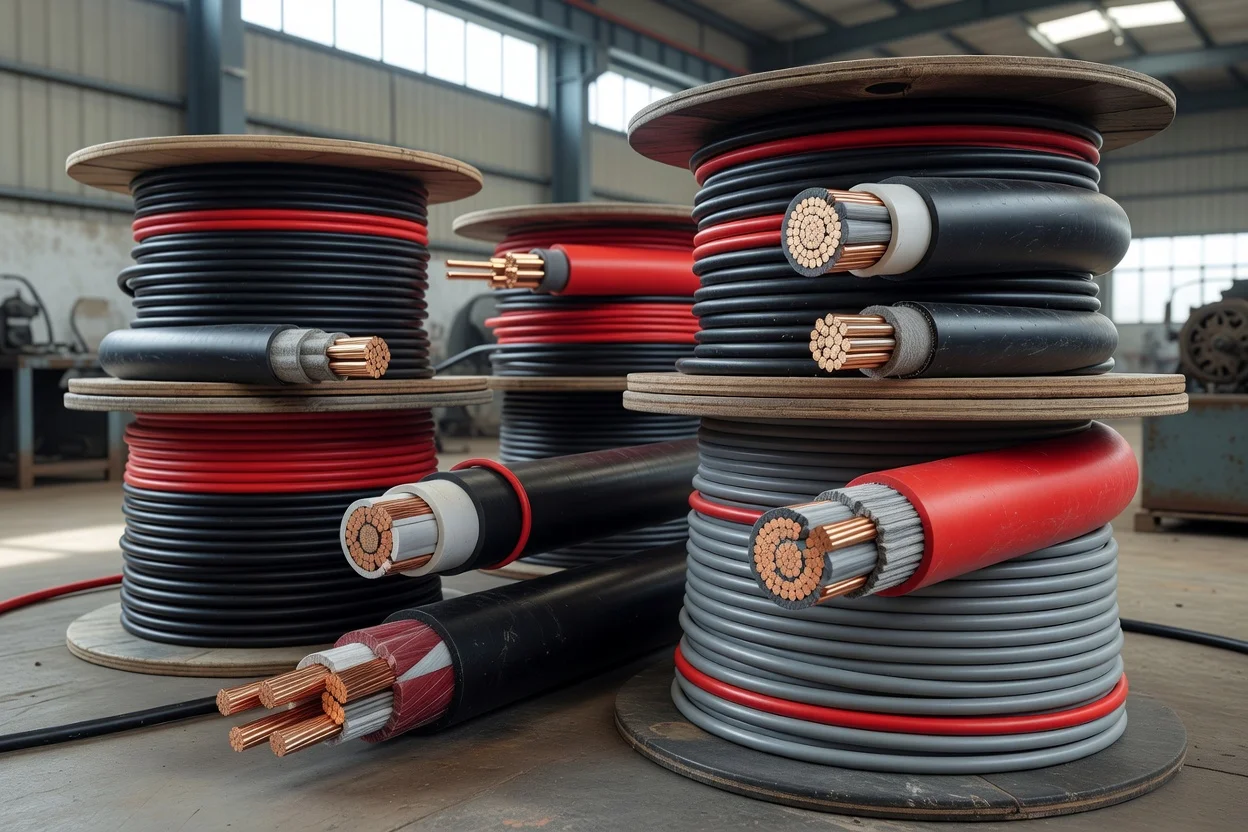
- Wire and cable insulation: chlorinated or brominated systems in certain jackets and compounds where flame spread resistance and electrical performance are critical.
- Upholstered furniture and mattress foams: often polyurethane foam treated with additive flame retardants, especially in legacy formulations.
- Building and construction materials: insulation boards, foams, coatings, and selected plastic components.
- Transportation products: interior plastics, seating, wiring, and molded parts exposed to fire-safety standards.
For plastics, the usual grade/process pairing is:
- Film and sheeting: less common for halogenated systems, because migration and smoke concerns can be limiting.
- Molded electronics parts: common, especially with brominated systems in engineering resins.
- Cable compounds: common for halogenated or halogen-containing formulations where low flame spread is prioritized.
- Foams and upholstery: historically important, particularly additive systems.
- High-performance engineering plastics: used where small additive loadings can preserve flow and mechanical integrity.
A poor-fit use is food-contact packaging, where halogenated flame retardants are generally unsuitable because the application does not require flame retardancy and the regulatory and migration concerns outweigh any benefit.
Environmental and Sustainability Aspects
The environmental profile of halogen flame retardants is one of the main reasons their use has declined in many sectors. Additive systems can migrate from products into dust, indoor air, wastewater, sediments, and organisms, and many brominated compounds are persistent and bioaccumulative.
Key concerns include:
- Persistence in environmental compartments and in human biomonitoring samples.
- Bioaccumulation in food webs, especially for some brominated compounds.
- Toxic combustion byproducts, including corrosive hydrogen halides and, under improper waste treatment, hazardous emissions linked with legacy halogenated systems.
- Recycling complications, because halogenated additives can contaminate recovered polymer streams and complicate thermal recycling and waste-to-energy handling.
At the same time, fire safety itself has a sustainability dimension. Fire prevention can reduce loss of life, material destruction, smoke pollution, and replacement-resource use, so the substitution question is not simply “halogenated versus non-halogenated,” but rather which system delivers the best overall risk balance across the full life cycle. Recent life-cycle assessments and policy analyses generally find that waste-phase impacts and toxicity considerations are central in comparing halogenated and halogen-free systems.
Alternative pathways include:
- Phosphorus-based systems, which often operate in the condensed phase or via char formation.
- Inorganic hydroxides and mineral fillers such as magnesium hydroxide and aluminum trihydrate, though often at higher loadings that can affect density and mechanics.
- Polymeric or reactive halogen-free systems, designed to improve durability and recyclability.
Economic and Global Market Impact
Halogen flame retardants became dominant in several high-volume plastics segments because they combine strong performance, processing convenience, and mature supply chains. Their economic appeal historically came from low dosage, relatively low formulation cost, and compatibility with established polymer systems.
Market dynamics are now shaped by regulation and substitution. Restrictions on certain organohalogen compounds, product stewardship programs, ecolabels, and procurement requirements are pushing many applications toward halogen-free technologies. Nonetheless, halogenated systems remain commercially relevant in parts of the electronics, transportation, and specialty engineering plastics markets where legacy qualification, performance margins, and cost-performance balance still matter.
Leading producers have historically included large global specialty chemical groups with strong positions in brominated intermediates and engineered flame-retardant packages, alongside formulators of synergist systems and polymeric alternatives. The market direction, however, is increasingly toward formulations that reduce halogen content, improve recyclability, and simplify compliance across regions.
Current Challenges and Innovations
The central challenge is to preserve fire performance while reducing human-health and environmental burdens. For halogenated systems, this means addressing migration, toxic smoke, end-of-life emissions, and regulatory risk.
Current innovation themes include:
- Polymeric and reactive brominated chemistries that lower volatility and migration.
- Synergist optimization to reduce additive loading, including more efficient antimony-based or phosphorus-based packages.
- Halogen-free replacement systems for applications where comparable flammability performance can be achieved without halogens.
- Design for recycling, including better identification of halogenated polymers and separation from recovered streams.
- Lower-smoke and lower-corrosion formulations for transport and electronics, where combustion byproducts are especially important.
A major technical issue is that substitutes often require higher loading levels, which can increase viscosity, brittleness, density, or processing cost, so replacement is not always straightforward. This is why some sectors continue to use halogenated systems in selected niches despite the regulatory trend away from them.
Future Outlook
The long-term trajectory is toward reduced reliance on legacy additive halogen flame retardants, particularly those with high migration potential or poor environmental profiles. Growth is likely to be strongest for polymeric, reactive, and lower-emission systems, as well as for halogen-free technologies that can meet strict fire standards without sacrificing processability.
For plastics manufacturers, the strategic priority will be formulation platforms that integrate fire safety, recyclability, regulatory compliance, and life-cycle performance. In that sense, halogen flame retardants will remain technically important as a reference point and in selected high-performance uses, but they are increasingly being replaced by newer auxiliary packages aligned with circular-economy goals and product stewardship requirements.
Summary
Halogen flame retardants are highly efficient fire-safety additives based mainly on bromine and chlorine chemistry, with their effectiveness rooted in gas-phase radical suppression. They have played a major role in electronics, foams, cables, construction materials, and transport plastics, but their persistence, migration potential, and combustion byproducts have driven strong regulatory and market pressure toward safer alternatives.
Their future in plastics will be narrower than their historical role, concentrated in applications where no alternative yet matches the balance of fire performance, processing, and cost.
References
- •
NTP Review of Halogenated Flame Retardants. (2026, January 7). https://ntp.niehs.nih.gov/research/assessments/cancer/ongoing/hfrLink
- •
Halogenated Flame Retardants: Do the Fire Safety Benefits Justify the Risks. (n.d.). https://greensciencepolicy.org/docs/halogenated-flame-retardants-do-the-fire-safety-benefits-justify-the-risks.pdfLink
- •
Halogen Flame Retardant. (2022, May 19). https://flame-retardant.alfa-chemistry.com/halogen-flame-retardant.htmlLink
- •
卤代阻燃剂环境毒效应和机理研究进展 Review of Halogenated Flame Retardants Environmental Toxicology. (n.d.). https://image.hanspub.org/Html/2-1750496_27660.htmLink
- •
Toxic Chemistry: Halogenated flame retardants. (2025, October 20). http://www.greenspec.co.uk/building-design/halogenated-flame-retardants-environment-health/Link
- •
European Parliament. (n.d.). https://www.europarl.europa.eu/RegData/etudes/etudes/join/2010/433449/IPOL-ENVI_ET(2010)433449_EN.pdfLink
- •
What are Halogen Flame Retardants? (2014, September 2). https://mat.rjmarshall.com/2014/09/02/what-are-halogen-flame-retardants/Link
- •
Halogen at Ed. (2026, March 24). https://www.scribd.com/document/60237996/Halogen-at-EdLink
- •
Halogenated vs. Non-Halogenated Flame Retardants. (2025, July 24). https://www.techmerpm.com/halogenated-vs-non-halogenated-flame-retardants/Link
- •
Flame Retardants. (n.d.). https://www.healthandenvironment.org/resources/environmental-hazards/chemicals-and-materials/flame-retardantsLink
- •
Environment International. (n.d.). https://discovery.ucl.ac.uk/id/eprint/10166548/1/1-s2.0-S0160412023000557-main%20(1).pdfLink
- •
Environmental Impact of Flame Retardants (Persistence ... (2009, February 5). https://pmc.ncbi.nlm.nih.gov/articles/PMC2672362/Link
- •
Flame Retardant - an overview. (n.d.). https://www.sciencedirect.com/topics/earth-and-planetary-sciences/flame-retardantLink
- •
Environmental impact and sustainability of flame retardants. (n.d.). https://www.pinfa.eu/wp-content/uploads/2020/10/A-Beard_Clariant-Sustainable-Flame-Retardants_20201028.pdfLink
- •
Journal of Applied Polymer Science. (2026, February 5). https://onlinelibrary.wiley.com/doi/full/10.1002/app.58149Link
- •
Halogen-free Electronics. (n.d.). https://calce.umd.edu/halogen-free-electronicsLink
- •
(HFRs) in Healthcare. (n.d.). https://www.nrdc.org/sites/default/files/hea_13020701a.pdfLink
- •
Halogen vs Non-halogen Flame Retardants: Some inconvenient truths! (n.d.). https://www.soci.org/-/media/files/conference-downloads/2015/bromine-flame-retardants-life-savers-or-eco-villains_2015/fmg_2015_dick_horrocks.ashxLink
- •
Halogenated vs Halogen-Free Flame Retardant: Key Differences. (2026, March 25). https://www.favorchem.cn/en/blog/halogenated-vs-halogen-free-flame-retardant-pros-cons-cost-comparison.htmlLink
- •
What is Halogenated Flame Retardants? Uses, How It ... (2025, October 11). https://www.linkedin.com/pulse/what-halogenated-flame-retardants-uses-how-ekeqfLink
- •
Halogenated Flame Retardants in the Great Lakes Environment. (2015, June 8). https://pubs.acs.org/doi/10.1021/acs.accounts.5b00180Link
- •
A Class Act? Regulating Organohalogen Flame Retardants in Groups versus Singly. (2024, May 17). https://pmc.ncbi.nlm.nih.gov/articles/PMC11100461/Link
- •
Are Flame Retardants Safe? Growing Evidence Says 'No'. (2025, January 1). https://e360.yale.edu/features/pbdes_are_flame_retardants_safe_growing_evidence_says_noLink
- •
Introduction. (2019, May 15). https://www.ncbi.nlm.nih.gov/books/NBK545465/Link
- •
Flame Retardant Mechanism of Halogen Flame Retardants. (n.d.). https://www.ruicoglobal.com/news/flame-retardant-mechanism-of-halogen-flame-retardants.htmlLink
- •
Halogen. (2001, March 10). https://en.wikipedia.org/wiki/HalogenLink
- •
Environment. (2025, February 4). https://www.pinfa.eu/sustainability/environment/Link
- •
A new consensus on reconciling fire safety with environmental & health impacts of chemical flame retardants. (n.d.). https://www.sciencedirect.com/science/article/pii/S0160412023000557Link
- •
Some Flame Retardants of Concern. (n.d.). https://greensciencepolicy.org/harmful-chemicals/flame-retardants/fr-list/Link
- •
Flame retardant. (2004, July 10). https://en.wikipedia.org/wiki/Flame_retardantLink
- •
Development of a Flame Retardant and an Organohalogen Flame Retardant Chemical Inventory - Scientific Data. (2022, June 13). https://www.nature.com/articles/s41597-022-01351-0Link
- •
Halogen-Free Flame Retardants. (n.d.). https://www.budenheim.com/polymers/knowledge-base/halogen-free-flame-retardantsLink
- •
Life cycle assessment of flame retardants in an electronics application. (n.d.). https://link.springer.com/article/10.1007/s11367-015-0999-zLink
- •
Flame Retardants. (2026, March 19). https://www.niehs.nih.gov/health/topics/agents/flame_retardantsLink
- •
Flame retardants. (n.d.). https://ecology.wa.gov/waste-toxics/reducing-toxic-chemicals/reducing-toxic-chemicals-washington/pbdeLink
- •
Non-halogenated Flame Retardants, Product Article. (2021, May 17). https://www.chempoint.com/insights/non-halogenated-flame-retardantsLink
- •
Flame Retardants. (n.d.). https://www.p65warnings.ca.gov/fact-sheets/flame-retardantsLink
- •
Halogen-Free Flame-Retardant Compounds. Thermal Decomposition and Flammability Behavior for Alternative Polyethylene Grades. (2019, September 10). https://pmc.ncbi.nlm.nih.gov/articles/PMC6780580/Link