
Introduction
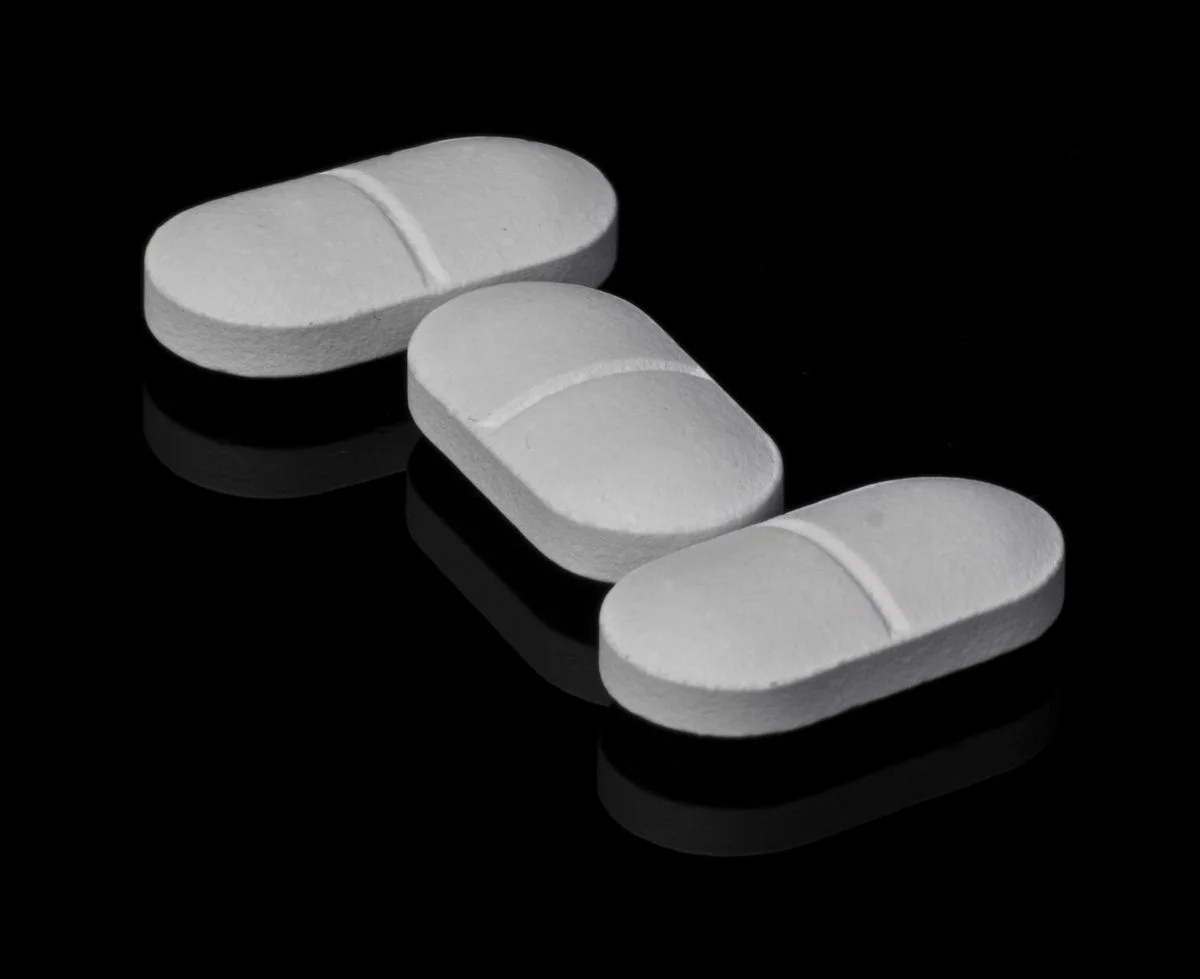
Tabletting presses are mechanical compression machines used to convert powders, granules, or blended particulate materials into tablets of defined weight, thickness, hardness, and geometry. They are a core technology in pharmaceutical solid dosage manufacturing and are also used in nutraceutical, food, chemical, and industrial applications where a reproducible compact is required.
In plastics processing, the term is less common than in pharmaceuticals, but tabletting presses are relevant to the shaping of polymer powders, additives, masterbatch ingredients, catalysts, and some specialty compounding formulations. The same engineering principles apply: controlled die filling, uniaxial compression, and ejection of a consolidated article. Modern presses range from simple single-station units for laboratory or low-volume use to high-speed rotary systems with automated force control, multi-layer capability, and containment features for potent or dust-sensitive materials.
History and Development
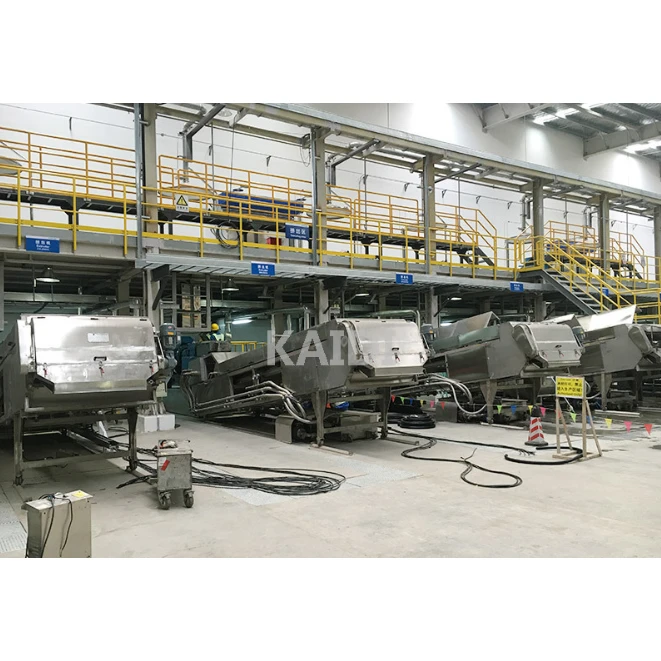
The modern tablet press evolved from early mechanical stamping and eccentric presses into rotary multi-station machines that could produce tablets continuously rather than one at a time. A major development milestone was the introduction of rotary tablet presses, which increased output by using a rotating turret carrying multiple punches and dies.
Another milestone was the expansion of pre-compression and main compression control, which improved tablet integrity by expelling trapped air and reducing capping or lamination. This made high-speed production more robust for fragile or poorly flowing formulations.
A third milestone was the integration of automation, including automatic weight control, force monitoring, reject systems, and recipe-based process control. Recent equipment generations also emphasize containment, cleanability, and digital monitoring for regulated production environments.
Technical Overview
A tabletting press works by three linked functions: filling, compression, and ejection. Powder or granules flow from a hopper into a die cavity, punches close the cavity and apply force, and the finished tablet is lifted out and discharged.
The principal machine elements are:
- Hopper for material supply
- Feeder system for distributing powder into each die
- Turret or single-station frame carrying punches and dies
- Upper and lower punches that define dose and compression
- Cams, rollers, and tracks that control punch motion
- Compression rollers in rotary presses
- Ejection system and take-off blade for tablet removal
Working principle
- During filling, the lower punch drops to create a cavity of controlled volume.
- During pre-compression, a light force removes trapped air and begins particle rearrangement.
- During main compression, the punches pass between rollers and apply peak force to form the tablet.
- During ejection, the lower punch rises and pushes the tablet to the die-table surface for removal.
Typical performance benchmarks
| Parameter | Typical range |
|---|---|
| Output | about 16,000 to 240,000 tablets/hour for many commercial presses, depending on configuration and budget |
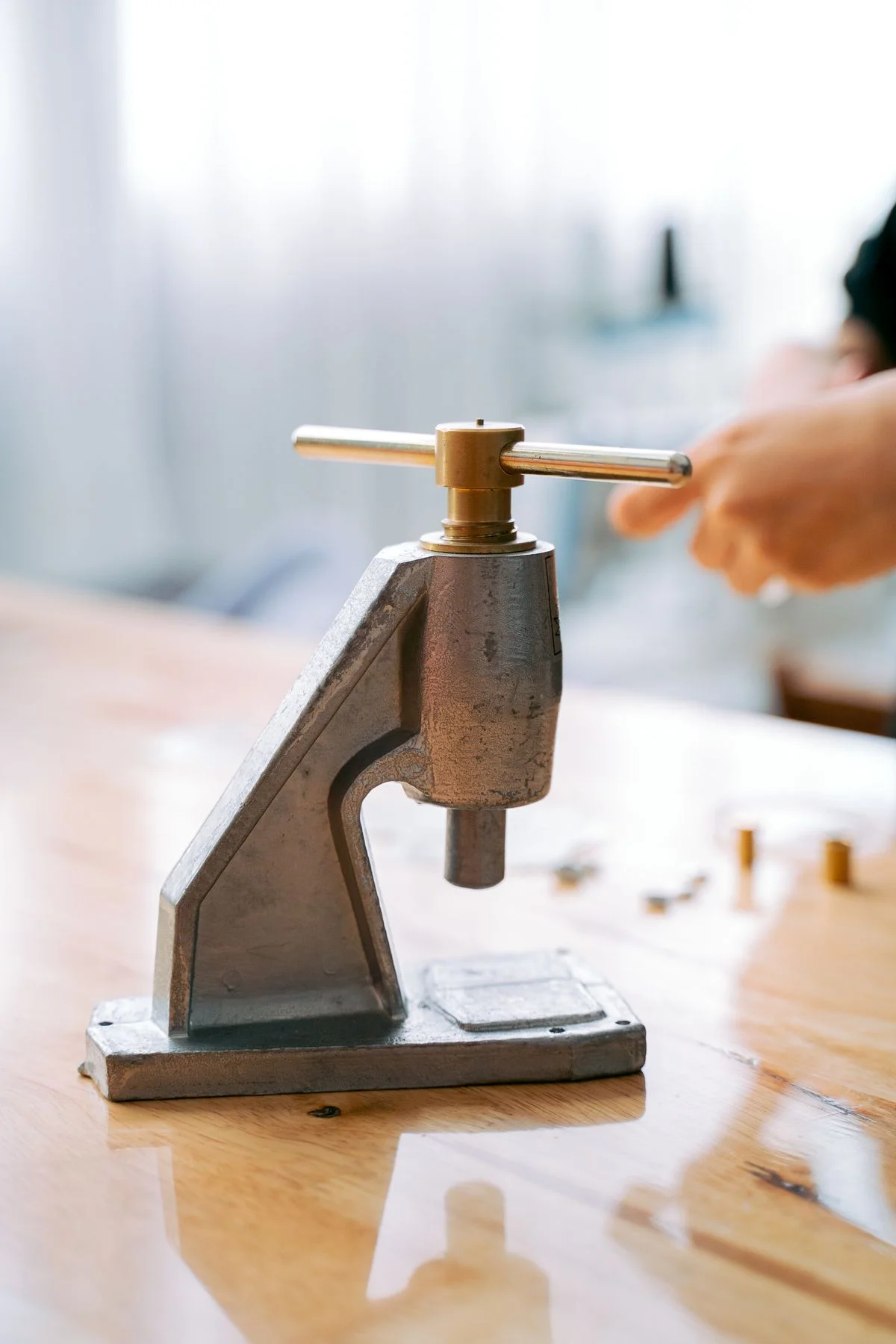
| Small bench or single-station use | one tablet per cycle, suited to R&D and small batches |
| High-volume rotary systems | hundreds of thousands of tablets per hour in industrial service |
| Compression force | commonly described in tons or kilonewtons, depending on machine class and formulation |
| Dwell time | shortened at higher turret speeds, which can affect compaction behavior and tablet quality |
For plastics-related tablet presses, such as those used for polymer powders or low-melting formulations, process windows are often governed by flowability, compressibility, heat sensitivity, and die-wall friction rather than by pharmaceutical disintegration behavior. That makes tooling finish, lubricant selection, and temperature control especially important in non-pharma applications.
Types and Variations
| Type | Main characteristics | Typical use |
|---|---|---|
| Single-punch / single-station press | One die and one pair of punches; simple, low cost, slower output | R&D, small-scale production, compounding labs |
| Rotary press | Multiple stations on a rotating turret; continuous output; higher automation | Large-scale production |
| High-speed rotary press | Optimized for very high throughput and fast turret rotation | Mass production of standard tablets |
| Multi-layer press | Separate feeds and compression stages for layered tablets | Bilayer and trilayer formulations |
| Contained / clean-room press | Designed for potent, dusty, or contamination-sensitive products | High-containment pharmaceutical manufacturing |
| Specialty press | Configured for chewable, effervescent, sublingual, or industrial tablets | Niche formulations and process-specific products |
Applications and Uses
Tabletting presses are most established in pharmaceuticals, where they produce conventional oral solid dosage forms at scale.
Other important applications include:
- Nutraceuticals and vitamins, where rotary presses support large batches and branding-specific tablet shapes.
- Food applications, including bouillon, sweetener, and confectionery tablets.
- Chemical products, such as catalysts, detergents, and effervescent technical tablets.
- Industrial and materials applications, including compressed polymer powders, laboratory pellets, and specialty additive compacts.

A poor-fit application is very abrasive or highly elastic materials that do not form stable compacts easily, because they can cause sticking, capping, excessive ejection force, or rapid tooling wear. In such cases, alternative forming routes or formulation redesign are often more effective than forcing tablet compression.
Engineering and Process Control
Tablet quality depends on the interaction of powder properties and machine settings. Important variables include:
- Flowability, which affects die filling consistency
- Compressibility, which determines compact strength
- Particle size distribution, which influences segregation and density variation
- Moisture content, which can improve or impair binding depending on formulation
- Lubrication, which reduces die-wall friction but can weaken tablets if excessive
- Punch design and tooling geometry, which influence tablet shape, edge integrity, and stress distribution
For rotary presses, the fill depth, compression force, turret speed, and feeder design must be balanced to maintain uniform tablet mass. Higher speed can raise output, but it also shortens dwell time and may require tighter control of granulation quality and compression force.
Technological Innovations and Automation
Recent tabletting presses increasingly use:
- Automatic weight control through monitored fill depth and feedback loops
- Force measurement systems for each station or compression segment
- Reject mechanisms for out-of-spec tablets
- Containment enclosures for operator protection and cross-contamination control
- Multi-layer feeding systems for combination products
- Data logging and connectivity for batch records and process analytics
These features improve consistency and compliance, but they also add complexity, maintenance needs, and capital cost. The trade-off is most evident in high-throughput rotary systems, where automation improves productivity yet increases dependence on skilled setup, validation, and preventive maintenance.
Environmental and Sustainability Aspects
Tabletting presses can support sustainability goals in several ways:
- Low material waste, because dose accuracy reduces off-spec scrap
- Rework reduction, when process control maintains mass and hardness within limits
- Energy efficiency, especially in modern servo-assisted or optimized rotary systems
- Compact logistics, because tablets are dense, stable, and easy to package and transport
At the same time, sustainability performance depends on upstream and downstream factors. Poor powder flow, excessive lubrication, or overcompression can increase rejects and tooling wear, offsetting the inherent efficiency of tabletting. In circular-economy contexts, the process is most compatible when it converts recycled or recovered powders into stable, spec-compliant tablets without extensive solvent use.
Economic and Global Market Impact
Tabletting presses are capital equipment with a wide price and capability range, from low-cost manual or bench-top machines to fully automated production lines. The market is strongly influenced by demand in pharmaceuticals and nutraceuticals, where tablet dosage forms remain among the most widely used solid oral formats.
Commercial competition centers on throughput, containment, validation support, serviceability, and the ability to handle diverse formulations. Suppliers such as GEA, Romaco/Kilian, Syntegon, IMA, Natoli, and other specialized manufacturers are active in different segments, from R&D presses to high-speed industrial systems and non-pharmaceutical tablet applications.
Current Challenges and Innovations
Key challenges include:
- Powder variability, which can destabilize weight control and tablet strength
- Tooling wear, especially with abrasive formulations
- Capping and lamination, often linked to air entrapment or poor compaction behavior
- Cross-contamination risks, particularly in multiproduct facilities
- Scale-up complexity, where lab formulations do not always behave the same on rotary production equipment
Current innovation is focused on better in-die sensing, improved feeder geometry, faster changeover, and cleaner, more contained machine architectures. For non-pharmaceutical applications, there is also growing interest in adapting tablet press technology to specialty powders and functionally compacted materials where consistent pellet density is more important than conventional drug-performance metrics.
Future Outlook
Tabletting presses are likely to become more digital, more contained, and more application-specific. In the pharmaceutical sector, the main direction is toward closed-loop control, multivariate process monitoring, and continuous manufacturing integration.
For broader materials processing, including polymer-adjacent uses, the future will likely emphasize:
- Better handling of difficult powders
- Lower-energy compaction systems
- Faster tooling changeover
- Improved dust control and operator safety
- Expanded use in specialty compaction of recyclable or functional powder blends
As formulations become more complex and sustainability requirements tighten, the value of the tabletting press will lie not only in compression speed, but in how precisely it can convert variable powder feeds into repeatable, low-waste solid products.
References
- •
LFA Tablet Presses | Solid Dose and Tableting Specialists. (n.d.). https://www.lfatabletpresses.com/Link
- •
Innovation in Tableting since 1875: Kilian's Tablet Presses. (n.d.). https://www.romaco.com/products/tabletingLink
- •
Pharma Tablet Presses - GEA. (2025). https://www.gea.com/en/products/tablet-presses/pharma-tablet-presses/?i=pharma-healthcare&m=solid-dosageLink
- •
Tablet Press: Types, functional parts, how it works, .... (2016). https://www.pharmapproach.com/tablet-press/Link
- •
Types of Tablet Presses. (2017). https://fedequipblog.fedequip.com/types-tablet-presses/Link
- •
The Different Types Of Tablet Presswww.lfatabletpresses.com › articles › types-tablet-press. (2019). https://www.lfatabletpresses.com/nl/articles/types-tablet-pressLink
- •
Tablet Press Guide — Types, Specs, Selection | SpecForge. (n.d.). https://www.sourcebyspec.com/encyclopedia/tablet-press.htmlLink
- •
What Is a Pill Press and How It Works - SED Pharma. (2026). https://sedpharma.com/news-events/what-is-a-pill-press-and-how-it-works/Link
- •
Production Tablet Presses | Compression Machines > .... (2023). https://natoli.com/products/tablet-presses/production-tablet-presses/Link
- •
How Tablet Press Machinery Works. (2022). https://www.richpacking020.com/blog/How-Tablet-Press-Machinery-Works_b276Link
- •
TABLET PRESSES. (2020). https://globepharma.com/tablet-presses/Link
- •
Tableting machine, Tablet press machine - MedicalExpo. (n.d.). https://www.medicalexpo.com/medical-manufacturer/tableting-machine-46729.htmlLink
- •
How to Press Pills. (2026). https://sedpharma.com/news-events/how-to-press-pills/Link
- •
Rotary Tablet Presses. (2019). https://stokestabletpresses.com/products/rotary-tablet-presses/Link
- •
Types of Tablet Presses in the Pharmaceutical Industry. (2025). https://usvalidation.com/kb/eq_tablet_types.aspxLink
- •
Types and Classification of Tablet Press. (2024). https://www.saintytec.com/types-and-classification-of-tablet-press/Link
- •
Руководство по машинам для прессования таблеток: типы .... (2026). https://ruidapacking.com/ru/tablet-press-machine-guide-types-specs/Link
- •
Types Of Tablet Press. (2024). https://ruidapacking.com/types-of-tablet-press/Link
- •
Types of Tablet Compression Machine and Their .... (n.d.). https://www.chinacanaan.com/blog/tablet-press/6-types-tablet-press-machines/Link
- •
Tableting - Wikipedia. (2010). https://en.wikipedia.org/wiki/TabletingLink
- •
Optimal Tablet Press Operation. Machine Versus Granulation. (2017). https://medium.com/@soliddosetraining/optimal-tablet-press-operation-c8aa0cf45688Link
- •
The Different Types of Tablet Press Machine. (2021). https://www.finalwe.com/the-different-types-of-tablet-press-machine/Link
- •
Tablet Press Machine | Performance & Efficiency. (2026). https://www.syntegon.com/solutions/pharma/tablet-press/Link
- •
Tablet presses - Pharmaceutical industry - MedicalExpo. (2025). https://www.medicalexpo.com/cat/pharmaceutical-industry/tablet-presses-AD-1946.htmlLink
- •
E 150 PLUS - Romaco | Non-Pharmaceutical Tablet Press. (n.d.). https://www.romaco.com/products/product-details/e-150-plusLink
- •
The Ultimate Tablet Press Machine Buying Guide. (2025). https://www.richpacking020.com/the-ultimate-tablet-press-machine-buying-guide-types-working-principle-10-critical-specs_n342Link
- •
How do a Tablet press machine works and its various uses .... (2024). https://www.fluidpack.net/blogs/how-does-a-tablet-press-machine-work-and-its-various-uses-in-pharmaceutical-industriesLink
- •
How to Select a Tablet Press Machine for Different .... (2026). https://www.jinlupacking.com/blogs/how-to-select-tablet-press-machine/Link
- •
Tablet Compression Machines & Solutions. (n.d.). https://imagroup.com/technologies/tableting/Link
- •
टैबलेट प्रेस मशीनों के प्रकारों को डिकोड करना - Jinlu Packing. (2025). https://www.jinlupacking.com/hi/blogs/types-of-tablet-press-machines-guide/Link
- •
High Speed Tablet Press - Prism Pharma Machinery. (n.d.). https://www.prismpharmamachinery.in/tablet-press.htmlLink
- •
Types of Tablet Press Machines Guide Features Applications Comparison. (2025). https://qualipakmachines.com/ja/types-of-tablet-press-machines/Link
- •
How to Press a Pill: Ultimate Tablet Production Guide - SED Pharma. (2025). https://sedpharma.com/news-events/how-to-press-a-pill/Link
- •
Tablet Press Machine; Types, Working Principle .... (2024). https://grandpackmachine.com/tablet-press-machine-types-working-principle-production-steps-all-you-need-to-know/Link
- •
What is a single station tablet press and how does it work?. (2024). https://www.lfatabletpresses.com/nl/articles/single-station-tablet-pressesLink
- •
Tablet (pharmacy) - Wikipedia. (2002). https://en.wikipedia.org/wiki/Tablet_(pharmacy)Link
- •
Pharmaceutical Tablet Press Machines. (n.d.). https://www.americanpharmaceuticalreview.com/25310-Pharmaceutical-Manufacturing/25344-Pharmaceutical-Tablet-Press-Machine-Rotary-Tablet-Press/Link
- •
Complete Guide to Designing rotary tablet press machine. (2024). https://www.romaco.com/blog/detail/guide-to-rotary-tablet-press-machinesLink
- •
Used Tablet presses - rotary / rotary compacting presses for sale. (n.d.). https://www.exapro.com/chemical-pharmaceutical-cosmetics-rotary-tablet-presses-c251/Link
- •
Types of Tablet Press Machines. (2024). https://tabletpress.co.in/types-of-tablet-press-machines/Link
- •
How a Pill Press Works: Feeding, Compression and Ejection. (2025). https://www.lanphan.com/how-does-the-pill-press-work-a-simple-guide/Link
- •
The Process of Tablet Compression - Urban Machinery. (2025). https://www.urbanpackline.com/a-the-process-of-tablet-compression-how-tablet-press-machines-work.htmlLink
- •
Rotary Tablet Presses | Made in USA | Stokes. (n.d.). https://stokestabletpresses.com/Link
- •
1-48 of 351 results for "tablet press machine". (2022). https://www.amazon.com/tablet-press-machine/s?k=tablet-press-machineLink
- •
Top 8 Tablet Press Manufacturers. (2025). https://sedpharma.com/news-events/tablet-press-manufacturers/Link