
Introduction
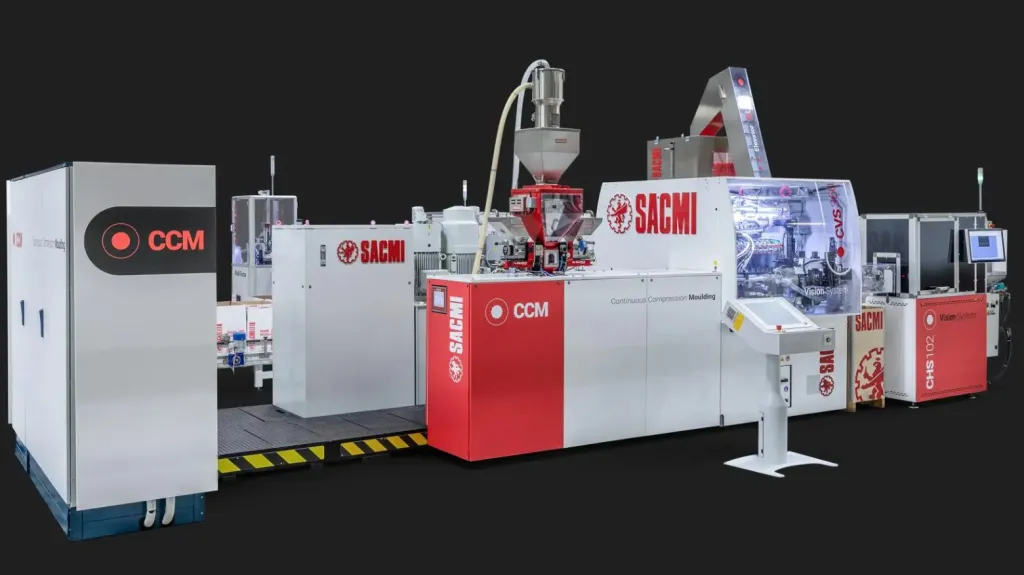
Compression moulding machines and transfer moulding machines are closed-mould presses used chiefly for thermoset plastics, elastomers, and fibre-reinforced composites. In compression moulding, a measured charge is placed directly into an open heated cavity and then pressed to shape and cure; in transfer moulding, the material is first heated in a separate chamber and then forced through runners into a closed cavity, which generally improves fill control, insert encapsulation, and dimensional precision.
These machine classes occupy an important position between simpler press-forming methods and higher-automation injection systems. Compression moulding is widely used for larger, simpler parts and long-fibre composites, while transfer moulding is favored for more intricate thermoset or rubber parts, including electrical components, encapsulated inserts, and multi-cavity production where controlled cavity fill is essential.
History and Development
Compression moulding evolved from early hot-press forming methods used for rubber and thermoset resins, with industrial adoption expanding as heated hydraulic presses and matched metal moulds became more reliable and repeatable.
Transfer moulding developed as a refinement of compression moulding by separating material plasticization from cavity filling. That change made it possible to process more complex geometries, protect delicate inserts, and achieve tighter dimensional control in parts such as electrical housings and semiconductor encapsulation packages.
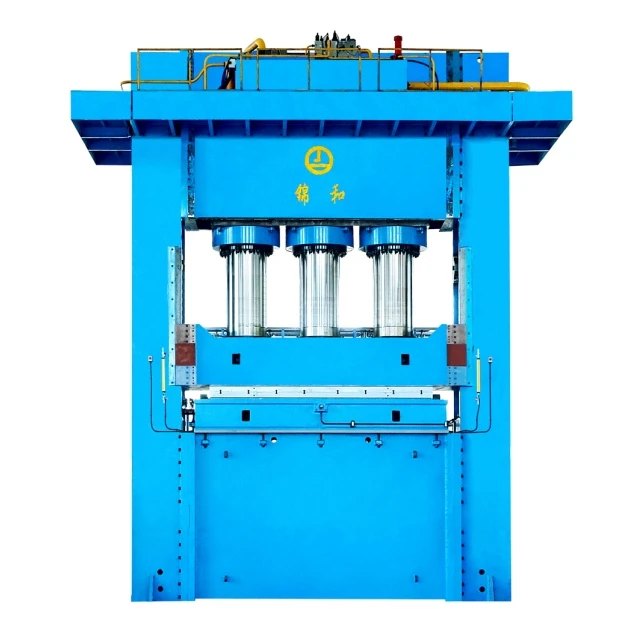
A major modern milestone has been the growth of hydraulic press systems with improved platen guidance, pressure control, and temperature zoning. In parallel, specialized lines for composites and continuous compression processing have expanded the range of materials and cycle strategies beyond classic batch presses.
Key Characteristics and Technical Overview
At the core of both technologies is the combination of heat, pressure, and time. In compression moulding, the press closes on a pre-measured charge and applies force until the material flows, fills the cavity, and cures. In transfer moulding, a plunger drives a softened charge from a pot or transfer chamber into a closed mould, after which curing occurs under heat and pressure.
Typical engineering characteristics include:
- Press force: commonly from tens of tons for smaller rubber or electrical parts to several hundred tons or more for larger composite panels and structural components.
- Mould temperature: often around 130–200°C for thermoset and composite applications, depending on resin system and part geometry.
- Cure time: roughly 30–300 s for many compression moulding applications, with transfer moulding often faster at about 45–90 s in suitable rubber and thermoset parts.
- Moulded part size: compression moulding can accommodate large projected areas, whereas transfer moulding is better suited to small and medium parts with more complex details.
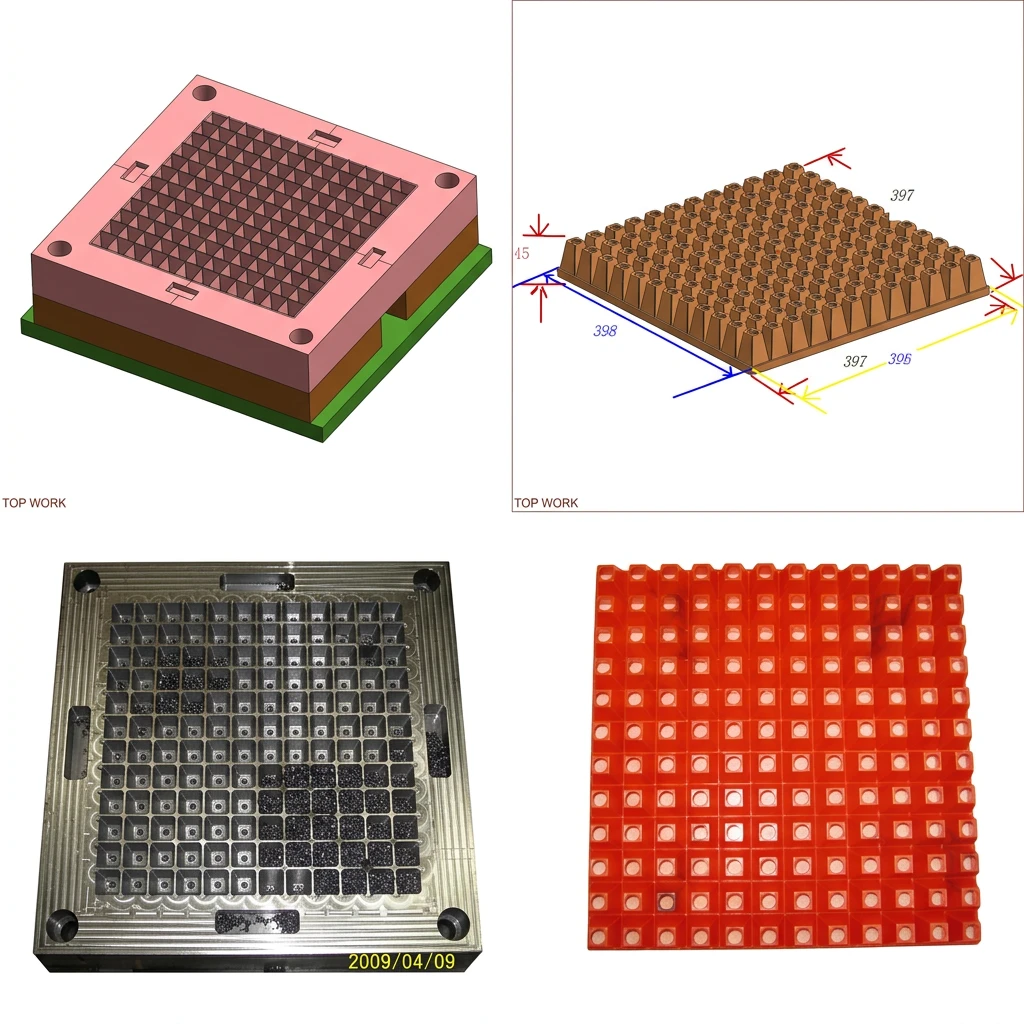
- Tooling architecture: compression moulds are generally simpler and cheaper; transfer moulds require a pot, plunger, gates, runners, and a more complex cavity feed system.
For material preparation, compression moulding often uses preforms, premeasured charges, or preheated blanks. Transfer moulding uses a heated pot or chamber to plasticize the charge before forcing it through the runner system, which helps fill thin sections and encapsulate inserts more evenly.
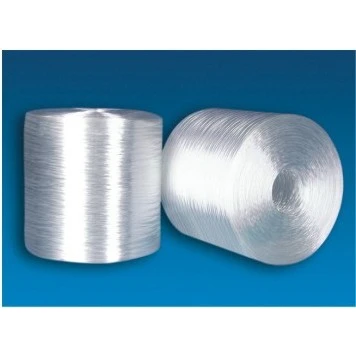
In composite work, especially for SMC, BMC, and fibre prepregs, compression presses may be equipped with high-tonnage hydraulics, heated platens, rapid closing cycles, and accurate parallelism control to manage fibre orientation and resin flow.
Types and Variations
Compression Moulding Machines
Compression moulding presses are commonly built as:
- Four-post hydraulic presses
- Pillar or frame presses
- Down-stroke presses
- Heated platen presses
- Continuous compression moulding systems for selected thermoplastic and composite products
These machines are used for rubber goods, electrical insulating parts, phenolic components, and composite panels where high fibre retention and relatively low tooling cost are advantageous.
Transfer Moulding Machines
Transfer moulding machines are usually configured with:
- Transfer pot and plunger assemblies
- Multi-cavity moulds
- Heated mould shells with runners and gates
- Rubber or thermoset transfer presses
- Injection-transfer variants for specialized compounds and lined systems
These systems are common in electrical connectors, encapsulated electronics, rubber-to-metal bonded parts, switchgear components, and precision rubber seals.
Hybrid and Specialized Variants
- Injection-compression moulding combines partial injection with compression closure to reduce orientation and improve surface quality.
- Transfer-compression systems may add secondary transfer functions for multi-mode processing.
- Composite compression lines may integrate loading, preheating, moulding, trimming, and automatic part removal into a single production cell.
Applications and Uses
Compression moulding machines are especially important in:
- Automotive composites such as SMC body panels, underbody shields, structural brackets, and heat-resistant covers.
- Electrical and electronic components made from phenolic, melamine, or other thermosets.
- Rubber parts including gaskets, pads, seals, vibration mounts, and industrial wear items.
- Aerospace and transport composites where fibre length preservation and structural performance matter.
- Consumer and industrial goods such as cookware handles, appliance parts, and utility housings.
Transfer moulding machines are especially important in:
- Electrical connectors and switchgear parts that require accurate cavity fill and insert protection.
- Encapsulated electronics and semiconductor packaging, where controlled flow is essential.
- Rubber-to-metal bonded parts and precision elastomer seals.
- Small, intricate thermoset components with thin walls or delicate features.
A poor-fit use for both machine classes is high-volume thin-wall packaging, which is generally better suited to injection moulding because the required fill speed, cooling profile, and part count favor that process.
Working Principle: Compression vs. Transfer
| Aspect | Compression Moulding | Transfer Moulding |
|---|---|---|
| Material placement | Charge is placed directly in open cavity | Charge is placed in transfer pot |
| Mould state during filling | Open, then closed | Closed during filling |
| Fill mechanism | Material is compressed outward | Material is forced through runners |
| Best part type | Larger, simpler, fibre-rich parts | Smaller, more intricate parts |
| Insert handling | Less suitable for delicate inserts | Well suited to insert encapsulation |
| Tool complexity | Lower | Higher |
| Waste profile | Usually lower | Usually higher due to cull, runners, and sprue |
| Precision | Moderate to good | Generally better for detail and repeatability |
Technological Innovations and Automation
Modern presses increasingly use servo-hydraulic control, closed-loop pressure regulation, programmable platen motion, and multi-zone temperature control to improve repeatability and reduce scrap. Automated loading systems, robotic demoulding, and integrated trimming cells have also reduced labor intensity in high-throughput lines.
In transfer moulding, automation is particularly valuable because transfer chamber loading, pot cleaning, runner management, and insert placement can be synchronized to shorten cycle variation and improve consistency.
For compression moulding, automation is advancing in preform handling, charge weighing, mould release management, and in-line inspection, especially for composite and high-value industrial parts.
Environmental and Sustainability Aspects
Compression moulding is often viewed as relatively material-efficient because it can generate less runner waste than transfer moulding and can process fibre-reinforced materials with good reinforcement retention.
Transfer moulding can produce more waste from culls and runners, but it may reduce reject rates in precision parts because cavity fill is more controlled, especially for inserts and delicate features.
Both machine classes are improving in:
- Energy efficiency through better insulation, platen control, and faster heat-up cycles
- Material utilization via improved charge calculation and process simulation
- Circular-economy compatibility for thermosets, which remains limited compared with thermoplastics, but can be improved through reclaim strategies for certain rubber and composite streams
- Scrap reduction through better venting, flow prediction, and automated process monitoring
Economic and Global Market Impact
Compression and transfer moulding machines remain strategically important in regions with strong rubber, electrical, automotive, and composite manufacturing bases. Demand is supported by the need for durable, heat-resistant, and electrically insulating parts that are difficult to make efficiently by other processes.
Compression moulding usually offers lower tooling cost and simpler presses, which makes it attractive for medium-volume and larger-part production. Transfer moulding typically involves higher tooling and machine complexity but can lower finishing and assembly costs when parts contain inserts or require better dimensional stability.
Current Challenges and Innovations
The main technical challenges include:
- Longer cycle times than injection moulding in many applications
- Flash control and post-trim costs in compression moulding
- Runner and cull waste in transfer moulding
- Thermal management for thick, highly filled, or fibre-rich compounds
- Dimensional stability in parts with variable wall thickness or embedded inserts
Current innovation efforts focus on faster heat transfer, better flow simulation, improved mould venting, servo-driven presses, and more reliable automation for material dosing and part removal.
Future Outlook
The outlook for compression moulding machines and transfer moulding machines is shaped by three broad trends: automation, lightweight materials, and precision thermosets. Compression moulding is likely to remain central in composites and large structural parts, while transfer moulding will continue to serve high-precision rubber and electrical components where controlled flow and insert safety are decisive.
Hybrid press systems, digital process monitoring, and smarter tooling designs are expected to narrow some of the historical gaps between these methods and injection moulding, particularly in cycle consistency, scrap reduction, and quality assurance.
Summary
Compression moulding machines are best understood as high-force heated presses for larger, simpler, and fibre-rich parts, while transfer moulding machines are specialized closed-mould systems for more detailed thermoset and elastomer components with tighter control of cavity fill.
References
- •
Formlabs. (2023, May 12). Guide to compression molding from prototyping to mass production. https://formlabs.com/blog/compression-molding/Link
- •
Shuntec. (2024, June 25). Compression molding press machine manufacturer. https://www.shuntecpress.com/applications/compression-molding-press/Link
- •
Modern Hydraulics. (2021, November 3). Compression moulding machines. https://www.modernhydraulics.co.in/compression-moulding-machines.htmlLink
- •
Sacmi. (n.d.). Continuous compression molding machine. https://sacmi.com/en-US/plastics/compression-mouldingLink
- •
JRD Rubber & Plastic Technology Pvt. Ltd. (2000, January 1). Compression moulding machines. https://www.jrdrubber.com/compression-moulding-machines.htmlLink
- •
Mechex India. (n.d.). Pillar type down stroke rubber compression molding machine. https://www.mechexindia.com/compression-molding-presses.htmlLink
- •
PMP Machine Tools. (2021, October 30). Compression molding press. https://pmpmachines.com/products/hydraulic-presses/compression-molding-press/Link
- •
Zhengxi Hydraulic. (2023, September 14). Compression molding machine. https://zxhydraulicpress.com/products/compression-molding-machine/Link
- •
TradeIndia. (2026, September 1). Compression moulding machine. https://www.tradeindia.com/manufacturers/compression-moulding-machines.htmlLink
- •
Polk State College. (n.d.). Compression & transfer molding [PDF]. https://moodle.polk-fl.net/pluginfile.php/482874/mod_resource/content/1/Compression.pdfLink
- •
Zhejiang MDC Mould Co., Ltd. (2025, April 19). What are the different types of tooling compression machines? https://www.zjmdc.com/CompanyNews/compression-tooling-machines.htmlLink
- •
Arburg. (n.d.). Injection compressing molding. https://www.arburg.com/en/us/solutions/by-technology/injection-compressing-molding/Link
- •
Macrodyn. (2025, July 30). Compression molding presses. https://macrodynepress.com/hydraulic-presses/compression-molding-presses/Link
- •
SEC Auto Controls P. Ltd. (n.d.). Pressure transfer press. https://www.secautocontrol.com/Pressure-Transfer-Press.htmlLink
- •
Boyke Technology. (n.d.). Highly efficient transfer moulding systems [PDF]. https://www.boyke-tec.de/wp-content/uploads/2019/10/Boyke_Technology_Transfermoulding_02_2017_EN_min.pdfLink
- •
TradeIndia. (2026, September 2). Compression molding presses. https://www.tradeindia.com/manufacturers/compression-molding-presses.htmlLink
- •
NPTEL. (n.d.). Lecture 4.4: Transfer molding and compression molding [PDF]. https://archive.nptel.ac.in/content/storage2/courses/112107085/module4/lecture4/lecture4.pdfLink
- •
IndiaMART. (2014, February 12). PFA FEP PVDF injection transfer moulding machine. https://www.indiamart.com/proddetail/pfa-fep-pvdf-injection-transfer-moulding-machine-9177350930.htmlLink
- •
Moulding Machine. (2018, October 25). Injection transfer molding machine. https://mouldingmachine.co.in/Link
- •
Softecks. (2025, January 1). Compression molding process, injection molding, blow molding & transfer molding. https://plastictechnology.softecks.in/641/Link
- •
PRM Taiwan. (n.d.). Transfer compression molding machine. https://www.prm-taiwan.com/category/Transfer-Compression-Molding-Machine.phpLink
- •
IndiaMART. (2025, January 1). Transfer mould manufacturers in India. https://dir.indiamart.com/impcat/transfer-mould.html?biz=10Link
- •
Micro Hydrotechnic. (2020, November 7). Transfer molding press. https://www.microhydrotechnic.net/transfer-molding-press/Link
- •
Kintek Solution. (2026, February 10). What is transfer molding and how does it differ from compression molding? https://kinteksolution.com/faqs/what-is-transfer-molding-and-how-does-it-differ-from-compression-moldingLink
- •
Alibaba. (2025, January 20). Automatic compression molding machine. https://www.alibaba.com/showroom/automatic-compression-molding-machine.htmlLink
- •
Zhejiang MDC Mould Co., Ltd. (2026, May 23). Choosing transfer vs. compression molds. https://www.zjmdc.com/Mould-Blog/transfer-vs-compression.htmlLink
- •
Zhejiang MDC Mould Co., Ltd. (2022, July 26). Compression molding machine. https://www.zjmdc.com/CompanyNews/compression-molding-machine-hydraulic-press.htmlLink
- •
IndiaMART. (2025, January 1). Compression molding presses in Ahmedabad. https://dir.indiamart.com/ahmedabad/compression-molding-presses.htmlLink
- •
DMT CNC. (2024, February 1). Compression molds. https://dmtcnc.com/compression-and-transfer-molds/Link
- •
Axtech. (2025, January 1). Axtech. https://www.indiamart.com/axtech/about-us.htmlLink
- •
Scribd. (2025, May 22). 18 compression and transfer molding. https://www.scribd.com/doc/165371382/18-Compression-and-Transfer-MoldingLink
- •
Beckwood Press. (2026, May 4). Compression molding applications. https://beckwoodpress.com/applications/compression-molding/Link
- •
Santec Exim Private Limited. (2019, September 3). Santec Exim Private Limited. https://www.indiamart.com/santec-exim/profile1.htmlLink
- •
Patsnap. (n.d.). Compression molding vs transfer molding. https://eureka.patsnap.com/report-comparison-between-compression-molding-and-transfer-molding-for-achieving-better-finish-accuracyLink
- •
SlideShare. (2014, June 15). Compression and transfer moulding. https://www.slideshare.net/slideshow/presentation-35884736/35884736?nway-content_model=ALink
- •
European Patent Office. (1995, May 24). Method of transfer mold and apparatus for transfer mold (EP0594863A1). https://patents.google.com/patent/EP0594863A1/zhLink
- •
Meitu-Engelhardt. (2026, May 4). Injection vs compression vs transfer rubber molding [Guide]. https://meitu-engelhardt.com/rubber-molding-methods-comparison/Link
- •
Scribd. (2025, September 29). Compression and transfer moulding. https://www.scribd.com/presentation/812554483/compression-and-transfer-mouldingLink
- •
Santec Machine. (2023, January 1). Transfer molding presses. https://www.santecmachine.com/transfer-molding-presses.htmlLink
- •
Gowin Precision Machinery Co., Ltd. (2024, July 31). High-quality transfer moulding machine for efficient and precise manufacturing. https://www.gowinmachinery.com/transfer-moulding-machine/Link
- •
Rubbertech 2000. (2023, July 20). A guide to compression and transfer moulding. https://www.rubbertech2000.co.uk/knowledge/a-guide-to-compression-and-transfer-moulding/Link
- •
Rubber Group. (2026, February 24). Compression molding vs. transfer molding vs. injection molding. https://rubber-group.com/compression-molding-vs-transfer-molding-vs-injection-molding/Link
- •
Scribd. (2025, September 27). Catalogue SHPL [PDF]. https://www.scribd.com/document/635339384/CATALOGUE-SHPLLink
- •
Wikipedia. (2005, May 17). Compression molding. https://en.wikipedia.org/wiki/Compression_moldingLink
- •
USPTO. (n.d.). CPC definition - B29C shaping or joining of plastics. https://www.uspto.gov/web/patents/classification/cpc/html/defB29C.htmlLink
- •
TradeIndia. (n.d.). Rotomoulding machines manufacturers & suppliers. https://www.tradeindia.com/seller/machinery/rotomoulding-machines/Link
- •
Zhejiang MDC Mould Co., Ltd. (2022, August 8). Transfer molding vs. compression molding. https://www.zjmdc.com/Mould-Blog/transfer-molding-vs-compression-molding.htmlLink
- •
Google Patents. (1995, February 21). Transfer molding machine for encapsulation of semiconductor devices (US5626886A). https://patents.google.com/patent/US5626886A/enLink
- •
Reiss Manufacturing. (2024, December 17). Compression molding vs. transfer molding: Benefits & applications. https://reissmfg.com/compression-molding-vs-transfer-molding-benefits-applications/Link
- •
RapidDirect. (2024, February 16). Injection vs. transfer molding: A quick comparison. https://www.rapiddirect.com/blog/injection-molding-vs-transfer-molding/Link
- •
Xometry. (2020, October 9). Compression molding: Definition, importance, how it works. https://www.xometry.com/resources/injection-molding/compression-molding/Link
- •
Plastics News Directory. (2024, August 11). Top compression and transfer molding machines providers. https://www.plasticsnewsdirectory.com/category/primary-equipment-suppliers/compression-and-transfer-molding-machinesLink
- •
Scribd. (2025, April 26). Compression and transfer molding. https://www.scribd.com/presentation/519558454/compression-and-transfer-moldingLink
- •
Made-in-China. (2021, October 20). 트랜스퍼 유형 성형기 제조업체 및 공급업체. https://kr.made-in-china.com/manufacturers/transfer-type-molding-machine.htmlLink
- •
Scribd. (2025, December 17). Ch18 transfer moulding [PDF]. https://www.scribd.com/document/903379408/Ch18transfer-MouldingLink