
Introduction
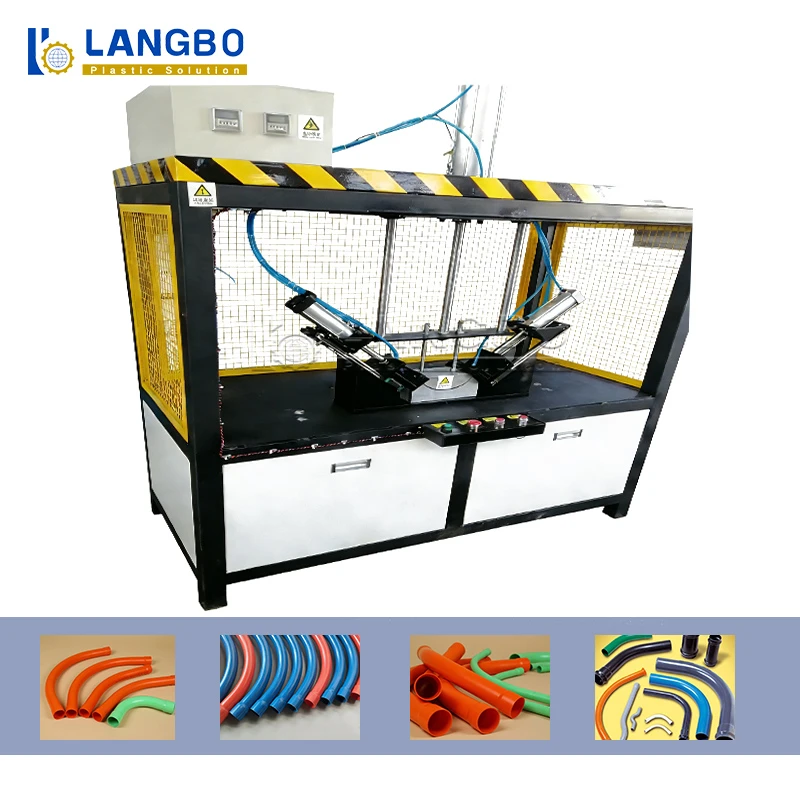
Bending, folding, and edge-trimming machines are forming and finishing systems used to shape sheet materials into accurate geometries, usually by controlled bending along a straight line and by removing excess material or irregular borders after forming. In industrial practice, the term spans several related machine classes, including sheet-metal folders, panel benders, press brakes used for edge forming, and edge-trimming or trim-and-form machines for metal, plastics, molded-fiber parts, and other formed products.
Within plastics processing and adjacent fabrication sectors, these machines are important wherever a part must combine a formed wall, a folded flange, and a clean trimmed perimeter. Typical examples include thermoplastic enclosures, molded trim parts, composite panels, architectural cladding, packaging tools, appliance housings, and industrial covers, where edge quality affects both appearance and assembly performance. The technology has developed from manually operated folders and trimming stations into CNC-controlled, automation-ready systems that improve repeatability, reduce handling, and support lean production; current innovation is focused on servo-electric drives, robotic loading, sensor feedback, and energy efficiency.
History and development
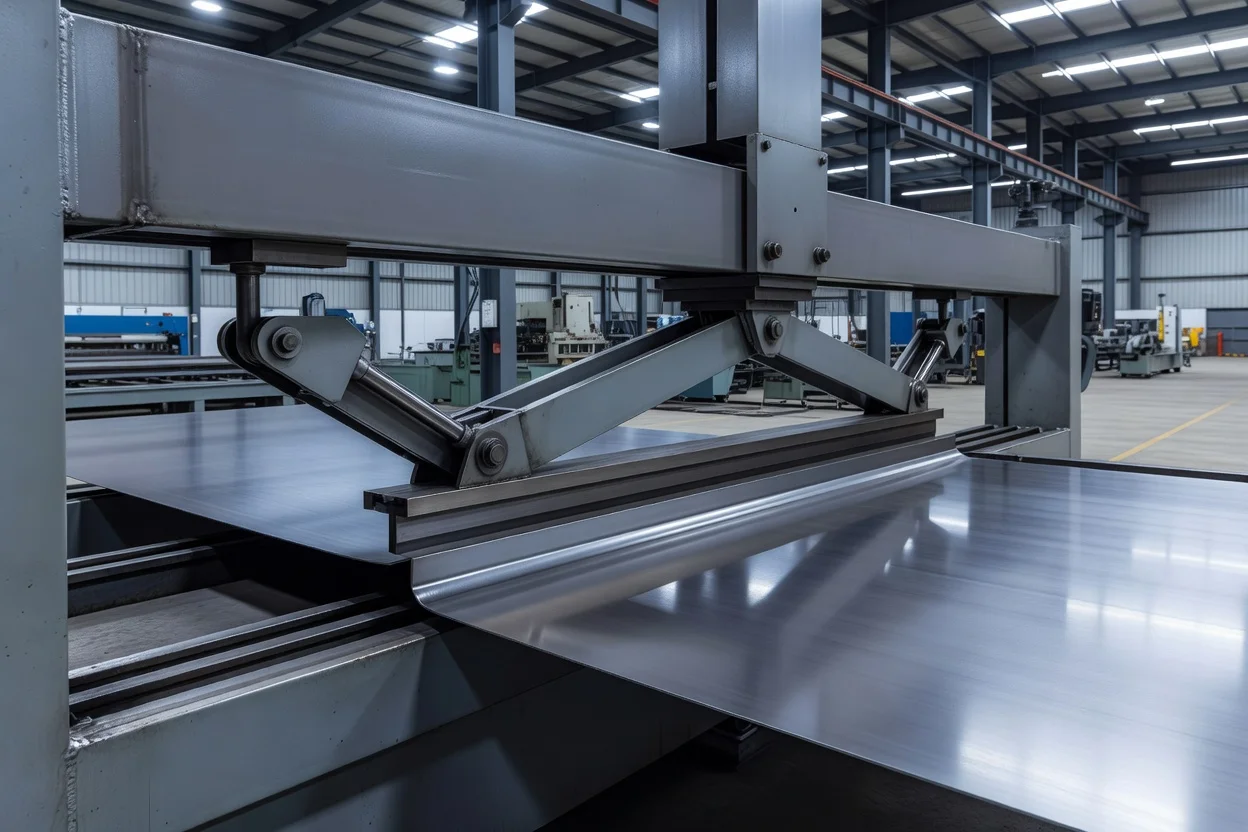
Early sheet-forming equipment relied on manual or mechanically assisted bending beams, clamping bars, and shear-type trimming attachments, with the operator controlling alignment, angle, and cut quality. Over time, the sector diversified into dedicated folders, panel benders, and combined fold-bend-trim systems for higher throughput and more consistent edge geometry.
Three development milestones are especially important:
- The introduction of mechanized folders with a clamping beam and folding beam, which allowed more uniform bends with less operator force and better repeatability than hand forming.
- The rise of panel bending technology, which improved productivity for enclosures and box-type parts by reducing manual repositioning and making multi-edge bending more automated.
- The integration of trimming, punching, edging, flanging, and folding into single-purpose or combination machines, enabling one-pass processing of complex hollow or edge-sensitive parts.
In parallel, CNC control transformed these machines from shop-floor tools into programmable production assets. Modern systems can store bend sequences, automate backgauge positioning, and coordinate clamping and beam movement for consistent part geometry across batches.
Technical overview
Working principle
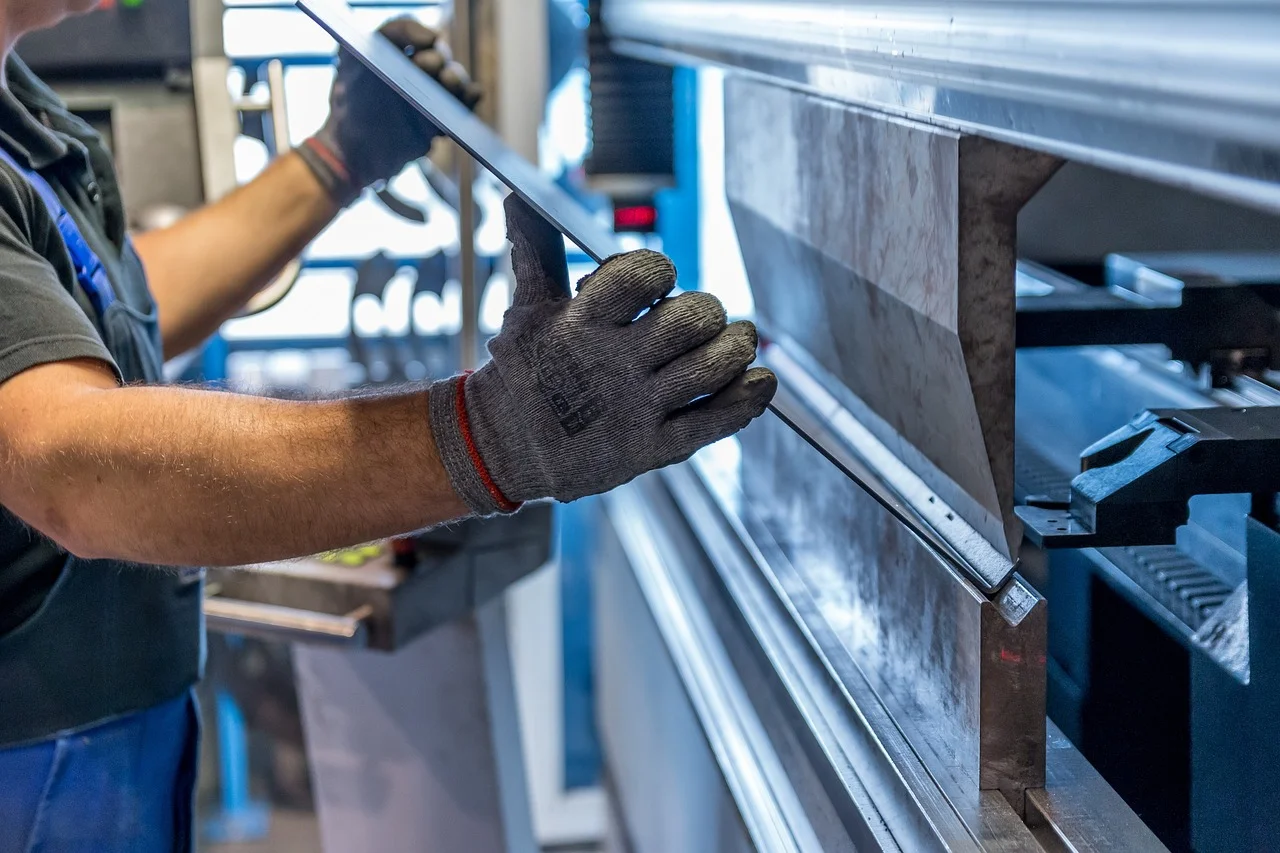
A conventional folding machine clamps the sheet along the bend line, then lifts or rotates a folding beam to form the flange. This “clamp, lift” principle is especially suited to long edges and large panels because the main sheet remains supported during forming.
A panel bender follows a similar logic but typically uses more automated positioning and tooling movement to form multiple edges of a blank with reduced manual turning. This is valuable for cabinets, enclosures, shelving, and other box-like components requiring repeatable orthogonality and tight edge control.
An edge-trimming machine removes surplus material, flash, rough borders, or uneven perimeters after molding or forming. In plastics and molded-fiber processing, this step can be critical for dimensional consistency, fit, and surface quality.
Typical performance and engineering parameters
Typical technical ranges vary widely by machine class and material, but commonly reported industrial benchmarks include:
- Sheet thickness capacity: small folders may handle light-gauge sheet, while heavy-duty systems can process substantially thicker plate; supplier portfolios commonly span multiple thickness and working-length classes.
- Working length: industrial folders and panel benders are frequently offered in long-bed formats for large-format sheet work, including architectural and enclosure applications.
- Flake or trim size in edge-trimming applications: in plastics, molded-fiber, and composite trimming, the removed strip or chip may be only a few millimeters to a few centimeters wide, depending on cutter geometry and allowance; the exact size is process-specific and not standardized across machine families. This is an engineering inference from typical trimming practice rather than a fixed industry constant.
- Residual moisture after centrifugal dewatering: for wet trimming and downstream handling of plastic flakes or washed regrind, industrial dewatering systems often leave a residual moisture content in the low single digits by weight; the exact figure depends on polymer type, particle geometry, and wash line configuration. This is also a process-dependent benchmark rather than a universal machine specification.
- Throughput: trim-and-form systems and sheet folders can range from low-volume shop use to high-volume industrial production; in automated manufacturing, throughputs are commonly described in parts per hour or kilograms per hour, while high-capacity plastic and composite edge-trimming lines may be engineered for continuous or semi-continuous operation.
- Rotor or blade speed: where rotary cutters are used, blade speed is selected to balance cut quality, heat generation, and wear; higher speeds improve throughput but can worsen edge quality or thermal damage if tooling or feed is not matched correctly. Exact rotor speeds vary by design and material and are not consistently published across sources.
- Specific energy consumption: servo-electric and optimized CNC systems are generally positioned as lower-energy alternatives to older hydraulic-heavy equipment, but actual consumption depends on bend length, cycle time, auxiliary systems, and idle losses. Published machine-family comparisons are not uniform, so any single figure should be treated as application-specific.
Key machine elements
- Clamping beam to secure the workpiece without slip
- Folding beam or bending leaf to apply controlled deformation
- Backgauge or positioning system for repeatable location
- Cutting or trimming head where edge removal is integrated
- CNC control for bend sequence, angle, and tool coordination
- Safety systems such as guarding, light curtains, two-hand controls, or interlocks depending on configuration
Types and variations
| Machine class | Primary function | Strengths | Common limitations |
|---|---|---|---|
| Sheet-metal folder | Forms long flanges and edges | High accuracy for long, thin, or surface-sensitive parts | Less suitable for deeply boxed parts without additional handling |
| Panel bender | Automates multi-edge panel forming | High productivity, consistent geometry, reduced handling | Higher capital cost and more specialized tooling |
| Press brake with edge tools | General-purpose bending and edge forming | Flexible and widely available | More operator-dependent for large panels and repeated repositioning |
| Edge-trimming machine | Removes excess edge material | Clean borders, improved fit and finish | Not a full forming solution by itself |
| Combined fold-bend-trim machine | Performs forming and trimming in one platform | Fewer transfers, shorter cycle time | More complex setup and maintenance |
Folders and panel benders are often chosen for large sheet work where surface marking must be minimized. Press brakes remain highly versatile, especially when parts vary widely or require conventional V-bending, air bending, bottoming, or coining.
Applications and uses
These machines serve a broad industrial base, but their value is highest where edge geometry affects assembly, sealing, or appearance.
- Sheet-metal enclosures and electrical cabinets: folders and panel benders are widely used for control cabinets, switch panels, racks, and cable trays.
- Automotive and transport components: folded panels and trimmed parts are used in bodywork, covers, brackets, and structural panels where repeatability matters.
- HVAC and building products: ducts, roof details, gutters, flashings, and façade elements benefit from precise flange formation and clean edges.
- Industrial equipment housings: machine guards, covers, and frames often require both bending and trimming for safe assembly.
- Plastics, molded-fiber, and composite parts: edge-trimming machines remove flash and excess borders from molded trays, panels, and formed decorative components.
- Furniture and architectural panels: panel benders support framed parts, shelving, and clean-room or appliance enclosures.
- Poor-fit use: very deep-draw or strongly three-dimensional parts are usually a poor match for simple folding machines, because they require more complex forming than linear edge bending can provide.
Technological innovations and automation
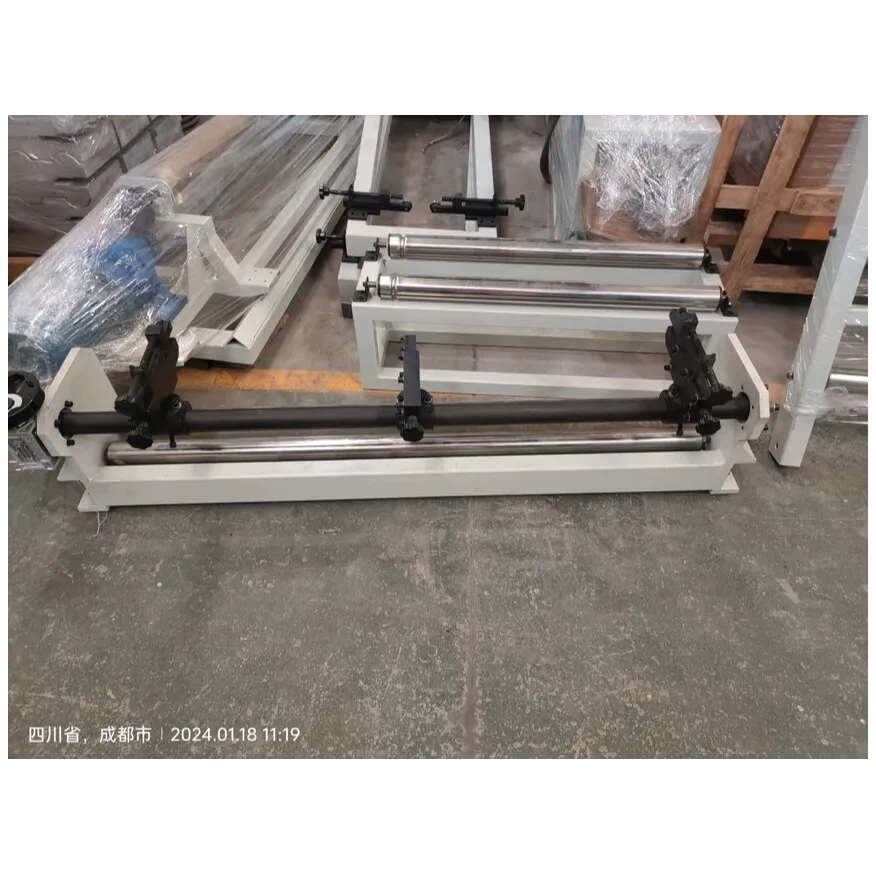
Automation has become a defining feature of the sector. Modern machines increasingly combine:
- CNC sequence control for bend angle and order
- Servo-electric drives for faster response and lower idle losses
- Robotic loading and unloading for uninterrupted flow
- Automatic tool recognition and changeover support
- Vision or sensor-based correction to improve angle consistency
- Digital production integration with factory scheduling and traceability systems
Panel benders are particularly associated with one-operator or low-operator production concepts, while folding machines remain attractive where frequent part changes and long, simple flanges dominate. The trade-off is clear: more automation generally improves consistency and throughput, but raises acquisition cost, system complexity, and maintenance requirements.
Environmental and sustainability aspects
Sustainability in this machine class is driven less by the forming action itself than by how efficiently the system uses material, energy, and labor.
- Material yield improves when trimming is integrated tightly with forming, because fewer parts are damaged during transfer and fewer oversized allowances are needed.
- Energy efficiency tends to improve with servo-electric systems, optimized cycle control, and reduced idle running compared with older hydraulic architectures.
- Waste reduction is supported by precise trimming, which lowers scrap from oversized or irregular edges and can improve downstream assembly yield.
- Circular-economy compatibility is strong when the machine processes recycled-content plastics or reworked sheet products, provided tooling and thermal management are adapted to the material’s reduced consistency.
In plastics processing, clean trimming can also help preserve regrind quality by reducing contamination from burnt edges, burrs, or mixed-material fragments, although material-specific behavior varies substantially by polymer and tooling design.
Economic and global market impact
The market for bending, folding, and edge-trimming equipment is shaped by demand from fabrication, automotive supply chains, construction products, appliances, electronics housings, and plastics finishing. Suppliers position these machines as productivity tools that reduce manual labor, improve part consistency, and support shorter lead times in custom and mixed-model production.
Global competition is strong, with established specialists focusing on long-sheet folding, high-precision panel bending, combined forming cells, and niche trim-and-form systems. Manufacturers with recognized roles in the segment include TRUMPF in bending platforms, LVD in panel bending, Schröder and KNUTH in folding-machine portfolios, and specialized builders such as Kurth + Heuser in trimming and edge-forming of hollow sheet-metal parts.
Current challenges and innovations
Several technical and commercial challenges continue to shape development:
- Material diversity: modern production mixes aluminum, coated steel, stainless steel, plastics, and composites, each with different springback, scratch sensitivity, and edge quality requirements.
- Tolerance control: tight bend-angle accuracy remains difficult on long parts, especially when thickness, grain direction, or residual stress varies.
- Tool wear and edge quality: trimming and folding tools must resist wear, chatter, and burr formation while preserving surface finish.
- Operator skills: despite automation, setup knowledge remains important for die selection, clamping strategy, and part sequence.
- Integration with downstream processes: welded assemblies, adhesive bonding, and robotic handling all demand consistent flange geometry and clean cut edges.
Recent innovation is concentrated in multi-function cells, adaptive control, and process monitoring. In practice, the competitive question is less whether a machine can bend or trim, and more whether it can do so with minimal rehandling, predictable quality, and acceptable total cost per part.
Future outlook
The next phase of development is likely to emphasize:
- Higher automation density, especially for box, cabinet, and enclosure production
- Better closed-loop quality control, using sensors to correct angle drift and compensate for material variation
- More energy-efficient drive systems, especially in light- and medium-gauge production
- Flexible multi-material capability, including coated metals, recycled-content materials, and selected composite stacks
- Digital twin and MES integration for traceability, predictive maintenance, and scheduled tool management
For plastics and composite processing, the strongest growth potential lies in precision trimming and edge-forming systems that can handle lighter, more delicate, and increasingly recycled materials without degrading fit, appearance, or recyclability.
Summary
Bending, folding, and edge-trimming machines are essential tools for producing accurate flanges, clean borders, and assembly-ready parts across metal, plastics, composite, and molded-fiber industries. Their evolution from manual equipment to CNC-driven, automation-compatible systems has improved productivity, consistency, and material efficiency, while future development will likely focus on adaptive control, lower energy use, and deeper integration into digital manufacturing systems.
References
- •
KURTH + HEUSER Sondermaschinenbau GmbH & Co. KG. (2025, February 10). Home page. https://www.kurth-heuser.de/en/Link
- •
Avermann. (n.d.). Folding sheet metal / Bending sheet metal. https://www.avermann.eu/en/services/production/folding-sheet-metal-folding-sheet-metal-bending-sheet-metal/Link
- •
Unifold. (n.d.). Folding machines. https://www.unifold.info/folding.htmlLink
- •
Schröder Group. (2016, June 1). Folding. https://www.schroedergroup.eu/en/products/machines/folding/Link
- •
RSM Machinery. (2026, April 28). Panel bender vs folding machine: Which is better for.... https://rsm-machinery.com/technology/panel-bender-vs-folding-machine/Link
- •
Made-in-China.com. (2023, July 27). Sega 350 manufacturers & suppliers. https://www.made-in-china.com/manufacturers/sega-350.htmlLink
- •
Selmach. (2026, July 17). Bending & folding. https://selmach.com/c/bending-folding/Link
- •
Metalforming-USA. (n.d.). Sheet metal folders & bending machines. https://www.metalforming-usa.com/folders/Link
- •
Mac-Tech. (2024, December 18). STEFA VH 315: Revolutionizing sheet metal fabrication. https://mac-tech.com/folders/stefa-vh-315-revolutionizing-sheet-metal-fabrication/Link
- •
Persico S.p.a. (n.d.). Water conditioning; electrical heating; infrared (IR.... https://www.persico.com/en/products/technologies/overviewLink
- •
MachineTools.com. (n.d.). GAUER 10H-BAR. https://www.machinetools.com/ko/models/type/edgersLink
- •
Englert. (2020, December 8). Metal folding and shearing machines. https://www.englertinc.com/folding-and-shearing-machinesLink
- •
Made-in-China.com. (2026, September 4). Edge trimming machinery. https://www.made-in-china.com/products-search/hot-china-products/Edge_Trimming_Machinery.htmlLink
- •
Made-in-China.com. (n.d.). China machinery directory. https://www.made-in-china.com/products/catlist/listsubcat/132/00/mic/Machinery.htmlLink
- •
FRIMO. (n.d.). Edge folding equipment. https://www.frimo.com/en/edge-folding-equipmentLink
- •
Sterling Fab Tech. (2024, April 12). Folding machines. https://www.sterlingfabtech.com/folding-machines/Link
- •
Technifold USA. (2018, May 18). Edge trimming on the folding machine - Tips and.... https://www.technifoldusa.com/bindery-success-blog/bid/79278/edge-trimming-on-the-folding-machine-tips-and-techniques-part-1Link
- •
Master Machines. (2021, January 1). Hand operated shearing machine. https://www.master-machines.com/folding_bending_notching_cutting_machines.htmLink
- •
ChinaPlasOnline. (2025, October 8). Top bending, folding & edge-trimming machines. https://www.chinaplasonline.com/eMarketplace/Quality/AllProducts/eng/?v=c2&Sprods=127&SearchBy=ProdLink
- •
Knuth. (n.d.). Sheet metal folding machines | Manual & CNC. https://www.knuth.com/en-us/machines/sheet-metal-processing/folding-machinesLink
- •
Xpert.Digital. (2023, October 23). Large sheet metal: Efficient sheet metal processing with folding machines and automation solutions for a wide range of applications. https://xpert.digital/en/folding-machines/Link
- •
Made-in-China.com. (2026, January 1). Cutting & fold-bend machine. https://www.made-in-china.com/manufacturers-directory/item2/Cutting-Fold-bend-Machine-1.htmlLink
- •
Agarwal Machineries. (2026, January 29). Edge trimming machine: A complete guide for industrial.... https://www.agarwalmachineries.com/edge-trimming-machine-a-guide-for-industrial-applications/Link
- •
MyCNC. (2024, November 27). 7 types of industrial metal bending machine. https://www.mytcnc.com/types-of-industrial-metal-bending-machine/Link
- •
XZXKJD. (2025, July 5). Transforming efficiency and precision in manufacturing: The power of edge folding machines and turning tables. https://www.xzxkjd.com/meishishenghuo/13005.htmlLink
- •
TRUMPF. (n.d.). 通快折弯机. https://www.trumpf.com/zh_INT/products/machines-systems/bending-machines/Link
- •
LVD Group. (n.d.). Panel benders. https://www.lvdgroup.com/en/panel-bendersLink
- •
Wikipedia. (2005, April 21). Folding machine. https://en.wikipedia.org/wiki/Folding_machineLink
- •
Biegemaster. (2024, June 28). Bending machines for sheet metal processing. https://www.biegemaster.de/en/machines/Link
- •
DirectIndustry China. (2025, January 1). 自动折弯机. https://www.directindustry-china.cn/zhizaoshang-gongye/zi-dong-wan-ji-106957.htmlLink
- •
The Fabricator. (n.d.). Where folding fits in the job shop. https://www.thefabricator.com/thefabricator/article/bending/where-folding-fits-in-the-job-shopLink
- •
Innomechanika. (2024, December 17). What is edge bending and in which industries.... https://innomechanika.com/what-is-edge-bending-and-in-which-industries-is-this-technology-used/?lang=enLink
- •
EMS Metalworking. (2024, September 4). Edge beading machine | Automatic trimming beading machine. https://ems-metalworking.com/edge-beading-machine/Link
- •
Payapress. (2026, April 9). Bending machine selection guide: Types & tips. https://payapress.com/metal-bending-machine-selection-guide/Link
- •
ADHMT. (2024, November 7). 压力折弯机与折边机:主要区别. https://www.adhmt.com/zh/%E6%8A%98%E5%BC%AF%E6%9C%BAvs%E6%8A%98%E8%BE%B9%E6%9C%BA/Link
- •
The Fabricator. (2018, January 31). Panel benders, folding machines, and other alternatives for.... https://www.thefabricator.com/thefabricator/article/bending/panel-benders-folding-machines-and-other-alternatives-for-bending-big-sheet-metal-workpiecesLink
- •
Wikipedia. (2013, May 8). Bending machine (manufacturing). https://en.wikipedia.org/wiki/Bending_machine_(manufacturing)Link
- •
Baykaldi, I. (2026, August 3). Sheet metal bending technology selection guide panel.... https://www.linkedin.com/pulse/sheet-metal-bending-technology-selection-guide-panel-bender-baykaldi-imq3fLink
- •
EMS Metalworking. (2025, April 13). Edge trimming machine | Round sheet metal forming beading. https://ems-metalworking.com/edge-trimming-machine/Link
- •
Wikipedia. (2006, July 27). Bending (metalworking). https://en.wikipedia.org/wiki/Bending_(metalworking)Link
- •
TRUMPF. (n.d.). Bending machines. https://www.trumpf.com/en_CA/products/machines-systems/bending-machines/Link
- •
TRUMPF. (n.d.). Bending machines. https://www.trumpf.com/en_INT/products/machines-systems/bending-machines/Link
- •
WondersunM. (2025, July 14). The versatility of bending machines in fabrication. https://www.wondersunm.com/blog/the-versatility-of-bending-machines-in-fabrication476Link
- •
Made-in-China.com. (2025, July 20). Precision manual curve and straight edge banding.... https://m.made-in-china.com/product/Precision-Manual-Curve-and-Straight-Edge-Banding-Machine-for-Woodworking-Folding-Arm-Edge-Sealing-Equipment-Folding-Arm-Edge-Banding-Machine-Edge-Bander-2110229652.htmlLink
- •
Baison Laser. (2026, March 12). Bending machines: A comprehensive guide. https://baisonlaser.com/blog/bending-machines-types-and-applications/Link
- •
Hanarok. (n.d.). Precise profiles - long folding machines double bending.... http://hanarok.com/USER_DATA/hanarok/UPLOADFILES/Productbrochure-EN.pdfLink
- •
Payapress. (2026, May 2). Metal bending machine: 7 types, uses & buying guide.... https://payapress.com/metal-bending-machine/Link
- •
New Tech Machinery. (2023, February 17). Review of the seven best manufacturers for sheet metal.... https://newtechmachinery.com/learning-center/best-sheet-metal-folder-manufacturers/Link
- •
Fab-Line. (2023, December 10). What is a bending machine? A guide to its types & uses. https://www.fab-line.com/news/types-of-bending-machine/Link