
Introduction
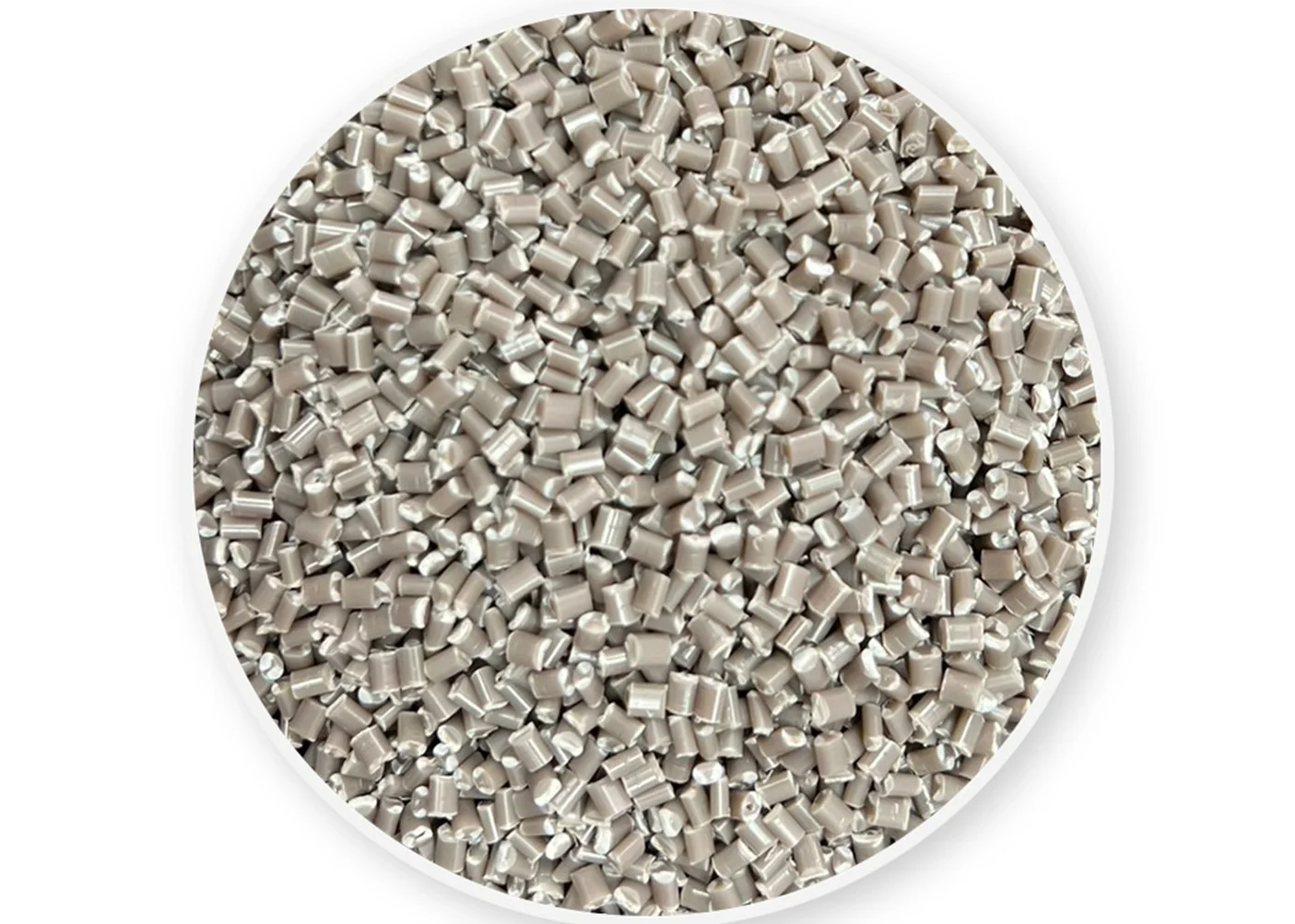
Recycled polystyrene (rPS) is a secondary polymer feedstock produced by collecting, sorting, cleaning, and reprocessing post-consumer and post-industrial polystyrene waste into reusable resin, pellets, or flakes. It is used as a drop-in or near-drop-in material in many of the same sectors served by virgin polystyrene, especially packaging, construction, consumer goods, insulation, and selected technical applications.
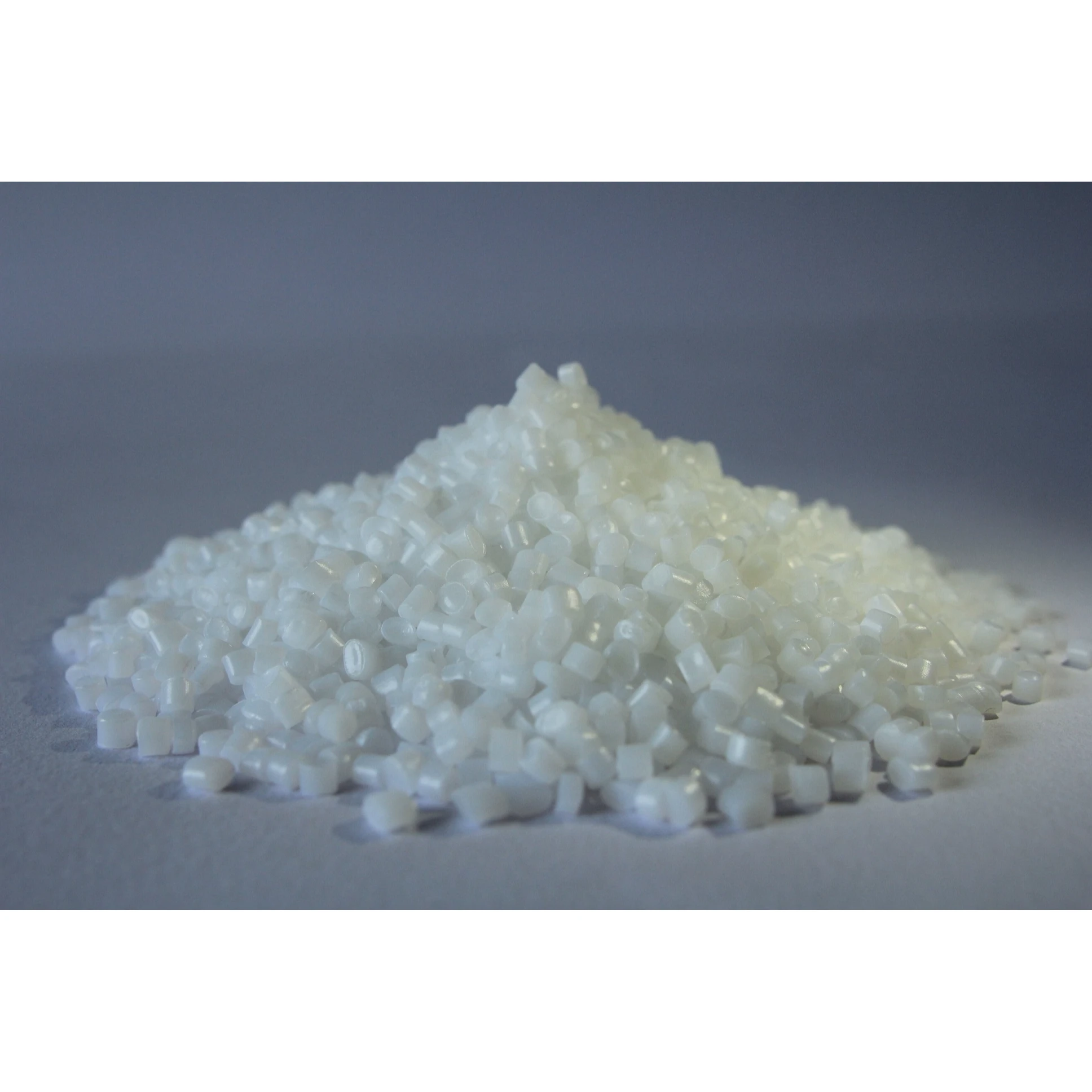
rPS sits at the intersection of materials engineering and circular-economy policy. It can preserve much of the stiffness, light weight, and processability associated with polystyrene while reducing demand for fossil-derived virgin resin and diverting waste from landfills. At the same time, its value depends heavily on feedstock purity, sorting efficiency, decontamination technology, and whether the intended application tolerates color variation, odor, or property drift.
The material landscape is broader than a single product type. rPS may originate from general-purpose PS, high-impact PS, EPS foam, XPS-related streams, appliance housings, or rigid packaging, and it may be upgraded through mechanical recycling, dissolution purification, or depolymerization routes that recover styrene or high-purity resin. These process choices shape the final grade, cost structure, and suitability for food-contact, insulation, or engineering uses.
Interest in rPS has increased as brands, converters, and regulators seek lower-carbon packaging and improved recyclability pathways for rigid polystyrene systems. Leading industry efforts now focus on closed-loop collection, super-clean mechanical recycling, solvent-based purification, and monomer recovery, with several groups reporting technical feasibility for food-contact and high-quality end uses.
History and Development
Polystyrene became a major commodity polymer in the twentieth century because it was inexpensive, transparent or easily modified, and straightforward to process by extrusion, injection molding, and thermoforming. As PS waste streams expanded, recycling efforts initially focused on bulkier industrial scrap and relatively clean post-industrial residues, because these were easier to reprocess than contaminated post-consumer waste.
The development of rPS followed broader plastics-recycling trends: first mechanical regrinding and remelting, then tighter sorting and cleaning, and more recently high-purity routes designed for demanding applications such as food-contact packaging. Industry and research programs in Europe and elsewhere have increasingly treated recycled rigid polystyrene as a legitimate circular-material stream rather than a low-value downcycled residue.
Recent years have also seen interest in “closed-loop” systems for cups, trays, and rigid packaging, in which collected polystyrene is converted back into products of comparable value rather than into mixed lower-grade plastics. In parallel, chemical recycling and depolymerization have been explored for difficult waste streams, including contaminated or flame-retarded polystyrene from insulation and electronics.
Chemical Structure and Key Properties
Polystyrene is an aromatic thermoplastic built from styrene-derived repeating units. rPS retains the same polymer backbone as virgin PS, but its performance reflects the history of the recovered feedstock, including thermal exposure, oxidation, chain scission, and contamination from inks, labels, food residues, or mixed polymers.
Its key advantages are familiar to converters:
- Low density and low material use per part.
- Good stiffness and dimensional stability relative to many commodity plastics.
- Good insulation performance, especially in foam-based forms.
- Broad compatibility with standard PS processing routes such as extrusion, injection molding, and thermoforming.
Important practical limits remain:
- Poor oxygen and grease barrier → the aromatic thermoplastic matrix does not provide the high barrier needed for many sensitive food-packaging applications → common workaround is multilayer design, coatings, or use in applications where barrier demand is modest.[This limitation is well established for PS generally; the rPS sources emphasize packaging use but do not quantify barrier values.]
- Low surface energy before treatment → inks, coatings, and adhesives may adhere poorly to untreated PS surfaces → common workaround is corona, flame, plasma, or primer treatment before printing or bonding.[This is a general PS processing limitation; it is relevant to rPS converting even though not explicitly quantified in the sources.]
- Property variability from mixed feedstock → post-consumer waste can contain different PS grades, additives, and contaminants → common workaround is tighter sorting, super-clean washing, dissolution purification, or blending with virgin resin.
A useful engineering distinction is that rPS quality is not defined only by polymer identity; it is defined by how closely the recovered material approximates the target melt flow, odor profile, color, and impurity level required by the end application.
Production Processes and Raw Feedstocks
rPS is produced from two main waste sources:
- PCR: post-consumer recycled material from used packaging, cups, trays, foam, and appliance parts.
- PIR: post-industrial scrap from trimming, off-spec production, and clean manufacturing leftovers.
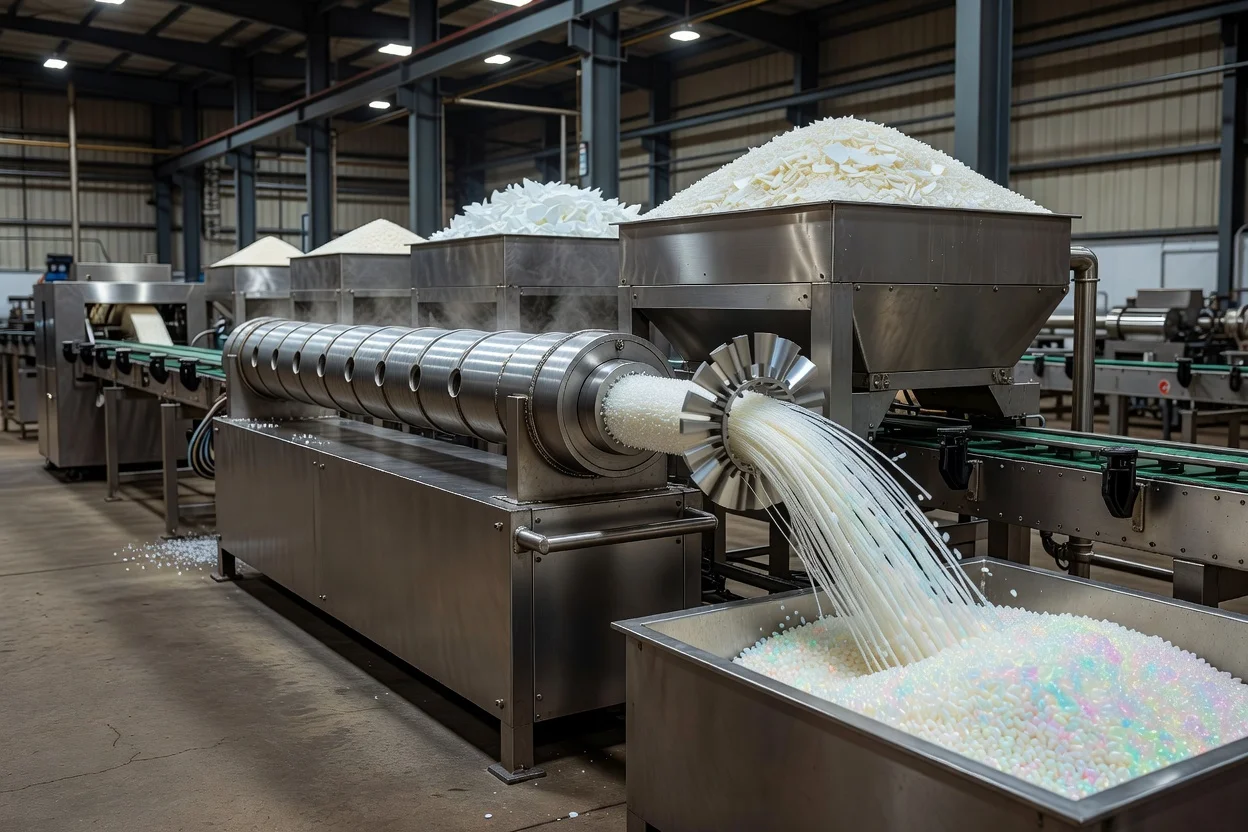
The usual production chain includes:
- Collection and bale preparation.
- Sorting by resin type and removing contaminants.
- Size reduction, washing, and drying.
- Reprocessing by extrusion and pelletizing, or more advanced purification/recovery steps.
For higher-grade applications, additional technologies are used:
- Super-clean mechanical recycling to improve odor, appearance, and residual contamination levels for food-contact or high-value packaging.
- Dissolution and purification to recover high-purity polystyrene while leaving many contaminants behind.
- Depolymerization to recover styrene monomer, especially from difficult or contaminated streams.
Where the feedstock is EPS foam, compaction and density reduction are often critical because the material is very bulky before processing. Several industry sources describe rPS as being suitable for EPS/XPS-related applications after purification, and some systems report performance compatible with insulation and rigid foam uses.
Leading industry participants include:
- Styrenics Circular Solutions, which has helped drive food-contact and circularity initiatives for rigid polystyrene packaging.
- Versalis, which has promoted recycled polystyrene grades intended for packaging and food-contact uses.
- Ambio Materials, INTCO Plastics, and other recyclate suppliers that market rPS pellets or grades for molding and extrusion.
Applications and End-Use Markets
rPS is most valuable where its stiffness, light weight, and processability align with application requirements and where slight variability is acceptable or can be controlled through purification.
| End-use sector | Typical rPS form | Usual process | Notes |
|---|---|---|---|
| Packaging | Clean pellets, sheets, thermoforming grades | Extrusion, thermoforming, injection molding | Cups, trays, clamshells, protective packaging, and selected food-contact formats when approved. |
| Construction and insulation | Purified resin, foam feedstock, board material | Foam expansion, board extrusion, compounding | EPS/XPS-related uses and lightweight insulation products are prominent targets. |
| Consumer goods | Standard pellets and colored compounds | Injection molding | Housings, office items, furniture parts, horticultural products. |
| Electronics and technical parts | High-purity, sometimes antistatic or conductive grades | Injection molding | Used where dimensional stability matters and contamination is controlled. |
| Automotive interiors | Compounded rPS | Injection molding, compounding | Typically non-structural interior or trim components. |
| Lightweight concrete and construction composites | Shredded foam or recycled filler | Cementitious blending | Used to reduce density and thermal conductivity, usually for non-structural applications. |
A concrete example is food packaging: several initiatives report mechanically recycled PS being thermoformed into yogurt cups or similar rigid containers, with some systems aiming for up to 100% recycled content under food-contact approval pathways. Another example is insulation and foam products, where purified rPS or recovered EPS feedstock can be reused in board and foam applications that benefit from low density and thermal performance.
A poor-fit use is high-barrier packaging for oxygen-sensitive foods. rPS can be processed into many packaging formats, but its intrinsic barrier limitations make it less suitable than multilayer barrier structures or specialty resins for products requiring very low oxygen transmission.[This follows from standard PS material behavior and the packaging applications emphasized in the sources.]
Environmental and Sustainability Aspects
rPS is primarily valued for reducing waste and lowering life-cycle emissions relative to virgin polystyrene. By substituting recovered resin for fossil-derived resin, it can reduce energy demand, greenhouse gas emissions, and landfill disposal, especially when the recycling system achieves high collection and yield.
The environmental case is strongest when:
- the rPS replaces virgin PS on a one-to-one performance basis,
- the recycling route preserves material value,
- contamination remains low enough to avoid excessive rejects,
- and the product stays in a closed or semi-closed loop.
Recent analyses cited by industry groups report substantial climate benefits for recycled rigid polystyrene, including large CO2 reductions versus virgin resin and favorable performance relative to some alternative packaging systems. Research on pilot-scale and circular-economy scenarios also indicates that both mechanical and tertiary recycling pathways can outperform baseline disposal or virgin production, with the best outcomes generally coming from high-quality recovery and low-loss systems.
Recyclability remains a practical challenge. Polystyrene waste is often highly dispersed, lightweight, and sometimes contaminated with food or composite materials, which complicates collection economics. EPS foam is also notorious for transport inefficiency before densification, making preprocessing an important part of the sustainability equation.
Bio-based alternatives exist for the styrene value chain in principle, but commercially available sustainable pathways for rPS today are dominated by mechanical recycling and chemical recovery rather than direct bio-based PS substitution. The most mature circular strategy is therefore not replacement of the polymer family, but improvement of collection, sorting, decontamination, and reprocessing.
Economic and Global Market Impact
The rPS market is shaped by three forces: regulation, brand sustainability targets, and the economics of waste recovery versus virgin resin. When virgin PS prices are low, recyclate must compete on quality and compliance rather than on price alone; when recycled-content mandates or corporate procurement targets tighten, demand for dependable rPS grades rises.
Its market value depends on:
- feedstock availability and consistency,
- conversion yield,
- cleaning and decontamination costs,
- color and odor specifications,
- and end-market acceptance, especially in packaging.
Europe has been especially active in rPS development because of stronger circular-economy policy pressure and coordinated industry initiatives. Food-contact approvals and broader acceptance would materially expand the addressable market because rigid packaging is one of the largest value pools for high-quality rPS.
Leading producers and technology developers often emphasize “drop-in” compatibility, meaning the recycled resin can run on existing conversion equipment with minimal process changes. That compatibility is economically important because it lowers adoption barriers for converters and brand owners.
Current Challenges and Innovations
The main technical and commercial challenges are:
- feedstock contamination and mixed polymer streams,
- odor and color control,
- trace additives, inks, adhesives, and labels,
- food-contact compliance,
- and the logistics of collecting lightweight foam waste.
Innovation is concentrated in several areas:
- Super-clean recycling for packaging-grade output.
- Solvent purification for higher-purity recyclate.
- Depolymerization to recover styrene monomer from difficult waste.
- Property restoration through blending and molecular-weight management.
- Expanded use in non-structural construction composites, where recycled foam can improve insulation while accepting some strength trade-off.
One concrete formulation strategy described in technical summaries is blending rPS with higher-molecular-weight PS to restore mechanical performance; this is reported as a way to recover much of the original stiffness and processability at moderate blend levels. Another is using recycled EPS in lightweight concrete at partial replacement levels, where the mechanism is density reduction and improved thermal insulation, albeit with lower compressive strength.
Future Outlook
The future of rPS will be determined less by polymer science than by system design: collection infrastructure, sorting technology, regulatory acceptance, and product design for recyclability. If those conditions improve, rPS could move from a niche recycled resin to a mainstream circular material in rigid packaging and insulation.
The most promising directions are:
- food-contact-ready closed loops for cups and trays,
- higher-purity mechanical recycling for rigid packaging,
- solvent-based upgrading of mixed PS waste,
- and chemical recycling for contaminated or composite streams.
A broader strategic opportunity lies in designing PS products that are easier to recover at end of life, especially by reducing multilayer contamination, improving labeling compatibility, and standardizing collection. If that happens, rPS could become one of the more technically mature examples of circular plastics implementation because it combines established processing technology with a polymer family that is already widely used in packaging and insulation.
Summary
rPS is recycled polystyrene recovered from post-consumer and post-industrial waste and reprocessed into a resin that can serve packaging, construction, consumer, and selected technical markets. Its appeal lies in retaining many of the functional advantages of virgin PS while lowering environmental impact through material recovery and reduced virgin resin demand.
Its success depends on purity, sorting, and process control. Mechanical recycling, solvent purification, and depolymerization each play a role, with high-value growth most likely in food-contact packaging, insulation, and other applications where closed-loop recovery is technically and economically viable.
References
- •
Recycled PS – Properties, Applications, and Benefits. (n.d.). Ambiomaterials. https://www.ambiomaterials.com/en/materials/rpsLink
- •
Post Consumer Recycle PS (RPS). (n.d.). Ecoplashk. https://www.ecoplashk.com/products/post-consumer-recycle-ps-rps.htmlLink
- •
Recycled Plastics Glossary. (n.d.). Intco Plastics. https://intcoplastics.com/glossaryLink
- •
Recyceltes Polystyrol (rPS) – Eigenschaften, Anwendungen und Vorteile. (n.d.). Ambiomaterials. https://www.ambiomaterials.com/de/materialen/rpsLink
- •
Recycled Polystyrene: What You Need to Know About rPS Materials and Their Growing Role in Sustainable Manufacturing. (2026, February 18). CBRHK Global. https://cbrhkglobal.com/recycled-polystyrene-what-you-need-to-know-about-rps-materials-and-their-growing-role-in-sustainable-manufacturing/Link
- •
What is Polystyrene (PS)? Why do we make r-PS? (2025, July 15). HUASHENG. https://www.r-eps.com/what-is-polystyrene-ps-why-do-we-make-r-ps/Link
- •
Återvunnet PS – Egenskaper, användningsområden och fördelar. (n.d.). Ambiomaterials. https://www.ambiomaterials.com/se/material/rpsLink
- •
Emerging Applications of rPS Pellets in Consumer Goods. (2025, February 20). Intco Plastics. https://intcoplastics.com/blog/emerging-applications-of-rps-pellets-in-consumer-goodsLink
- •
Impact of using recycled polystyrene foam in place of coarse aggregate in concrete. (n.d.). Journal of Science and Technology – University of Danang. https://jst-ud.vn/jst-ud/article/download/10185/6656/28743Link
- •
rPS General Purpose — Recycled General Purpose Polystyrene. (n.d.). Plastics Database. https://plastics-database.org/plastic/r-ps-general-purposeLink
- •
Designation: D 5676 – 99. (n.d.). ASTM International. https://img.antpedia.com/standard/files/pdfs_ora/20221211/astm/ASTM%20D5676-99.pdfLink
- •
Kierrätetty PS – Ominaisuudet, käyttökohteet ja hyödyt. (n.d.). Ambiomaterials. https://www.ambiomaterials.com/fi/materiaalit/rpsLink
- •
rPS. (2024, September 11). We Are PA. https://we-are-pa.com/service/rps/Link
- •
Closed-loop mechanical recycling of polystyrene for food-contact applications. (n.d.). Johannes Kepler University Linz. https://www.jku.at/fileadmin/gruppen/368/Poster_LIT_Factory_Symposium_2026/David_Mittermayr_rPS4FoodPackaging_LIT_Factory_Symposium_2026.pdfLink
- •
VERSALIS RECYCLED POLYSTYRENE (r-PS). (n.d.). Versalis. https://versalis.eni.com/assets/documents/versalis/it/documentazione/innovazione/newer/Newer-r-PS-deco-tech_Petition-Summary.pdfLink
- •
Exploring rPS and Virgin PS. (2024, November 12). Intco Plastics. https://www.intcoplastics.com/blog/exploring-rps-and-virgin-ps-performance-characteristics-compared/Link
- •
bage rPS. (2025, April 17). bage plastics. https://bage-plastics.com/products/bage-ps/Link
- •
UpSolv: Market Launch of Recycled Polystyrene. (2026, February 25). Plasticker. https://plasticker.de/Plastics_News_47888_UpSolv_Market_Launch_of_Recycled_PolystyreneLink
- •
China RPS Manufacturers. (n.d.). PY Cycling. https://www.pycycling.com/product-list/rpsLink
- •
Recycled Polystyrene in the Real World: 5 Uses You'll Actually Want to Know. (2025, October 3). LinkedIn. https://www.linkedin.com/pulse/recycled-polystyrene-real-world-5-uses-youll-actually-5d2ueLink
- •
The next steps for recycled polystyrene. (n.d.). Packaging Europe. https://packagingeurope.com/news/the-next-steps-for-recycled-polystyrene/7852.articleLink
- •
Recyclability of Post-Consumer Polystyrene at Pilot Scale. (2023, December 15). PMC. https://pmc.ncbi.nlm.nih.gov/articles/PMC10748170/Link
- •
Reducing Carbon Footprint with Recycled Polystyrene Pellets. (2026, June 25). Intco Plastics. https://www.intcoplastics.com/blog/reducing-carbon-footprint-with-recycled-polystyrene-pelletsLink
- •
Polystyrene rPS approval for food contact. (2023, October 30). Realcycle. https://realcycle.ch/en/2023/10/30/zulassung-von-rezykliertem-polystyrol-rps-in-anwendungen-mit-lebensmittelkontakt/Link
- •
About the ecosystem Recycled plastics from WEEE LCI Database. (n.d.). ecosystem. https://www.ecosystem.eco/document/99Link
- •
How to Spot rPS and Recycled PS Products Like a Pro. (2024, October 8). Intco Plastics. https://intcoplastics.com/blog/how-to-spot-rps-and-recycled-ps-products-like-a-proLink
- •
Recycling of Post-Consumer Polystyrene Packaging Waste into New Food Contact Materials. (n.d.). Semantic Scholar. https://pdfs.semanticscholar.org/bfa4/8364f71d3dd8be787034a316e71ec123bc46.pdfLink
- •
Will rPS soon be used in yogurt cups? (2024, March 27). realcycle. https://realcycle.ch/en/2024/03/27/kommt-rps-bald-in-joghurtbechern-zum-einsatz/Link
- •
How Recycled Polystyrene Plays a Role Beyond Compostability. (2026, June 17). Intco Plastics. https://intcoplastics.com/blog/how-recycled-polystyrene-plays-a-role-beyond-compostabilityLink
- •
How Recycled EPS Foam Transforms the Way We Handle Packaging Waste. (2025, October 29). HUASHENG. https://www.r-eps.com/how-recycled-eps-foam-transforms-the-way-we-handle-packaging-waste/Link
- •
RIGID POLYSTYRENE PACKAGING BUSINESS CASE. (n.d.). Polystyrene Recycling Alliance. https://psrecycling.org/wp-content/uploads/2026/05/PSRA-PS-Rigid-Packaging-Business-Case-Final-5.18.2026.pdfLink
- •
Styrenics Circular Solutions' Post. (2026, July 10). LinkedIn. https://www.linkedin.com/posts/styrenics-circular-solutions_how-rps-food-aims-to-bring-circularity-to-activity-7481351674880667648-mij-Link
- •
Upcycling Polystyrene. (2022, November 18). PMC. https://pmc.ncbi.nlm.nih.gov/articles/PMC9695542/Link
- •
Recycled Polystyrene: Advanced Processing Technologies. (2026, March 30). Eureka. https://eureka.patsnap.com/materials/recycled-polystyrene-techLink
- •
SOSTYROL rPS Material | Recycled Polystyrene Solutions. (n.d.). Sostenplas. https://sostenplas.com/solutions/sostyrol-recycled-psLink
- •
Polystyrene Recycling Alliance. (2026, January 5). Polystyrene Recycling Alliance. https://psrecycling.org/Link