
Introduction
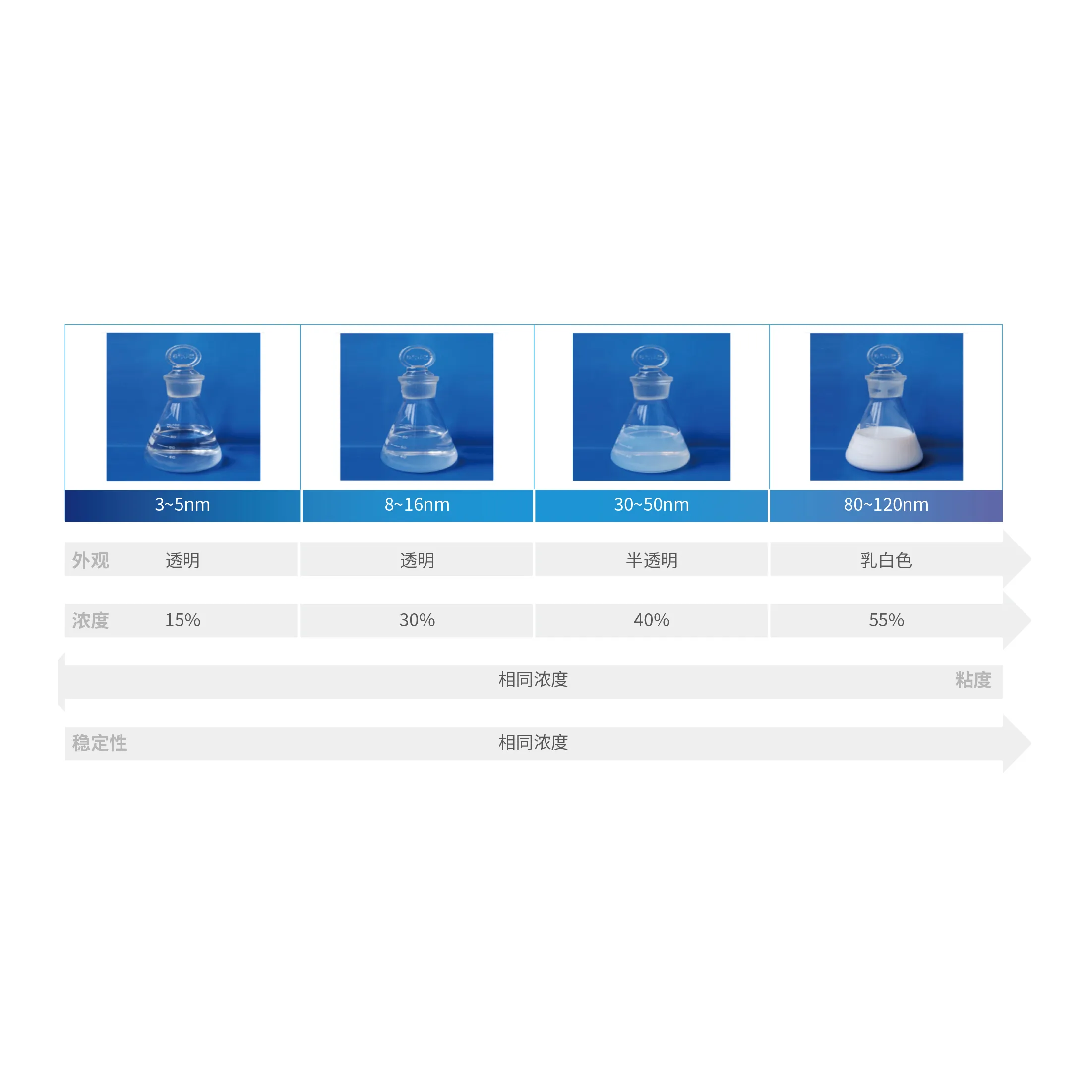
Nano silicon dioxide is a nanoscale form of silica, a silicon–oxygen inorganic material whose primary particles typically fall within the 1–100 nm range and whose high surface area gives it unusual reinforcing, thickening, rheological, optical, and interfacial properties. In the plastics industry, it is used mainly as a high-performance filler, anti-blocking agent, flow modifier, and surface-enhancement additive in coatings, elastomers, adhesives, and selected polymer composites, while also serving broader roles in electronics, catalysis, cosmetics, and packaging.
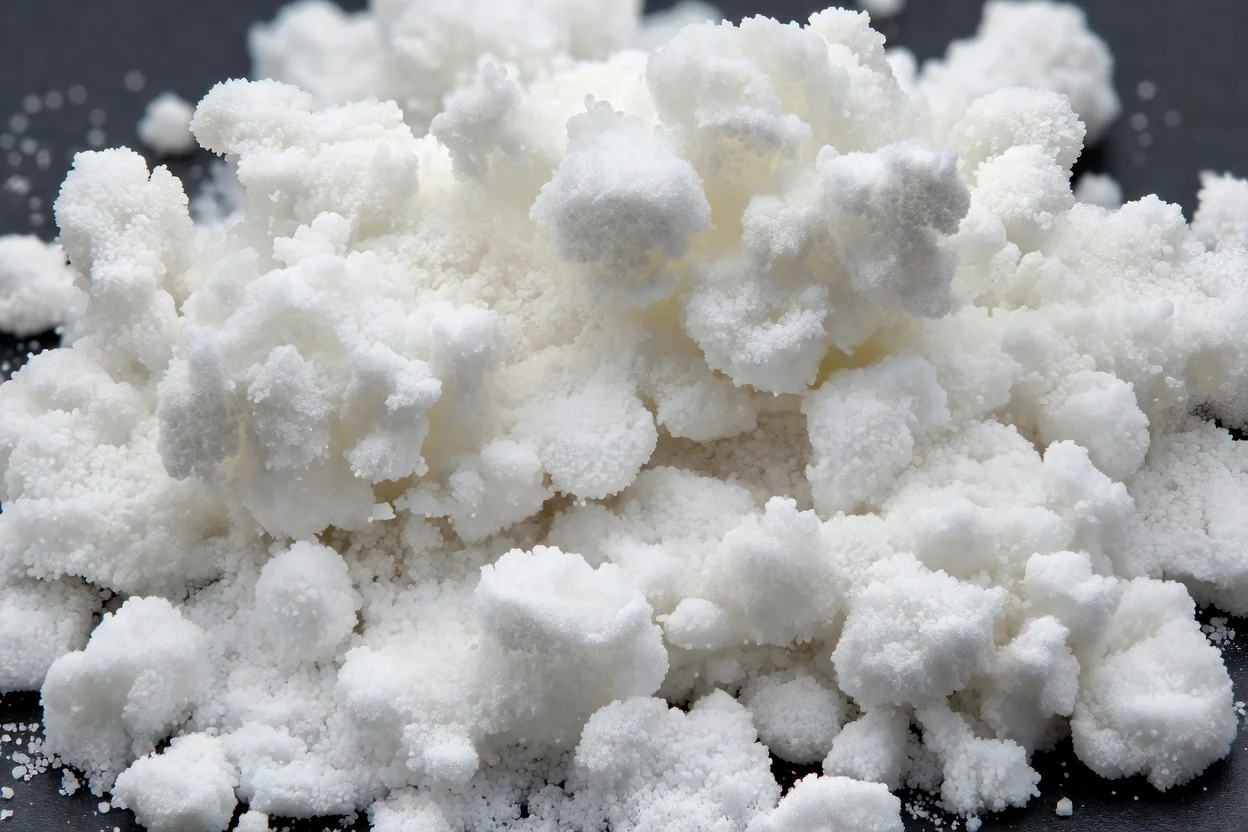
From a materials-science perspective, nano silicon dioxide is valued because its small particle size, abundant surface silanol groups, and three-dimensional aggregated structures can strengthen matrices, improve scratch resistance, raise viscosity or thixotropy, and alter gloss, transparency, and barrier behavior depending on dispersion and surface treatment. Its industrial significance has expanded alongside advances in precipitation, sol–gel, and thermal synthesis routes, as well as surface functionalization methods that improve compatibility with nonpolar polymers and reactive thermosets.
At the same time, nano silicon dioxide illustrates the central sustainability tension of advanced additives: it can extend product life, reduce tire rolling resistance, and improve processing efficiency, but it also adds complexity to end-of-life recycling, raises occupational dust-management requirements, and invites scrutiny over nanoparticle release and toxicology. Current development therefore focuses on safer-by-design surface chemistry, lower-dust forms, renewable feedstocks such as rice husk-derived silica, and application-specific grades that deliver performance with lower environmental burden.
History and Development
Silica has been used for millennia in glass, ceramics, and mineral fillers, but nanoscale silica emerged as a distinct engineered material with the growth of colloid science, polymer reinforcement, and nanotechnology in the late 20th century. Early industrial interest centered on reinforcement in rubber and anti-caking in powders, followed by broader adoption in coatings, adhesives, and electronic materials as manufacturing methods improved particle control and purity.
A key development was the move from conventional silica to engineered nanosilica with controlled particle size, morphology, and surface chemistry. This enabled much greater reactivity per unit mass and made it possible to tailor dispersion, hydrophobicity, and interaction with polymer chains or crosslinking systems. More recently, sustainability-driven work has explored bio-derived silica from rice husk and other biomass residues, linking nanosilica production to agricultural by-product valorization and circular feedstock strategies.
Chemical Structure and Key Properties
Nano silicon dioxide is an amorphous or weakly aggregated silica material composed of silicon and oxygen, commonly written as SiO2. In nanoscale form, the material often consists of primary particles that aggregate into larger clusters, and these aggregates strongly influence handling, reinforcement, and optical behavior.
Its most important properties for plastics and auxiliaries include:
- Very high specific surface area, which increases interaction with polymer matrices and additives.
- Surface silanol groups, which can hydrogen-bond with polar polymers, resins, and moisture, and can be chemically modified for better compatibility.
- High thermal and chemical stability, which supports use in coatings, electronics, and hot-processing environments.
- Rheology control, especially thickening and thixotropy in liquid systems.
- Optical effects, including UV scattering and, in some grades, improved transparency or matte control depending on particle size and dispersion.
A practical way to understand its limitations is to distinguish the limitation, the cause, and the workaround:
- Dispersion loss in nonpolar polymers → surface silanol-rich silica tends to agglomerate and interact poorly with hydrophobic matrices → surface treatment, silane coupling agents, masterbatches, or in situ dispersion during compounding.
- Moisture sensitivity and viscosity rise → abundant hydroxyl groups adsorb water and create strong particle-particle networks → drying, hydrophobic surface modification, and optimized loading levels.
- Possible haze or opacity increase in transparent formulations → particle aggregation and refractive-index mismatch scatter light → tighter particle-size control and lower-dose, better-dispersed grades.
In plastics, loading levels are typically small relative to commodity fillers, often chosen in the low single-digit percent range for functional effects rather than bulk cost reduction; in coatings and silicone-like systems, the mechanism is usually network formation and rheological control rather than simple volume replacement. In rubber, nanosilica can reinforce the matrix by increasing interfacial area and restricting chain mobility, which can improve wear resistance and reduce rolling resistance when properly compounded.
Production Processes and Raw Feedstocks
Industrial nano silicon dioxide is produced by several routes, each affecting purity, particle morphology, and cost.
Main production routes
- Precipitation from silicate solutions
- Sol–gel hydrolysis and condensation
- Flame pyrolysis or thermal routes
- Upgrading of natural or biomass-derived silica sources
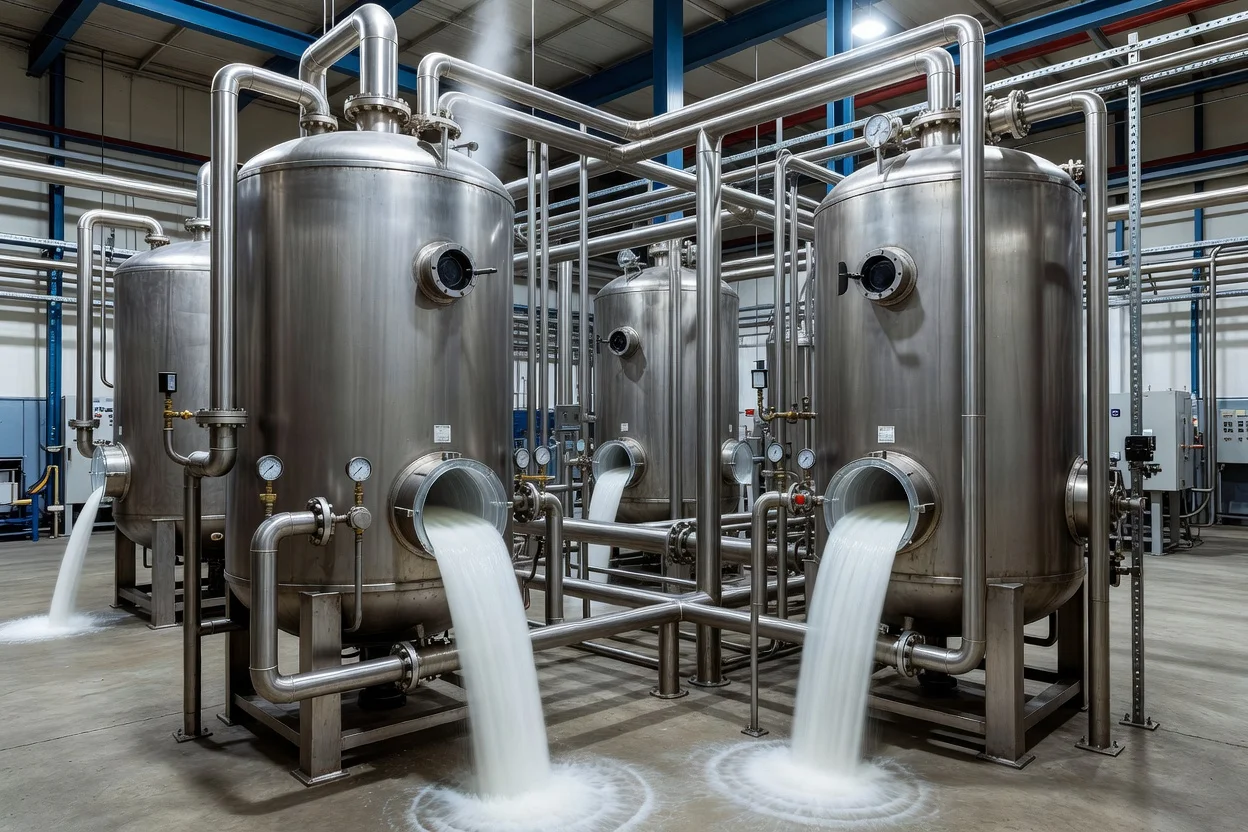
Precipitation processes are widely used because they are scalable and can produce large quantities of amorphous silica with controllable particle characteristics. Sol–gel processing offers especially fine control over porosity, size, and functionalization, making it useful for specialty grades and advanced coatings.
Raw feedstocks
- Sodium silicate and related silicate intermediates
- Silicon-containing precursors for higher-purity grades
- Rice husk ash and other bio-derived silica sources
- Recovered industrial silica streams in some circular-economy models
Biomass-derived routes are of particular interest because rice husk contains abundant silica and can yield nanosilica after combustion, extraction, and purification. These pathways may reduce reliance on mined mineral feedstocks and can lower the embodied carbon of some grades, although process energy and purification demand remain important constraints.
Applications and End-Use Markets
Nano silicon dioxide is used across plastics and adjacent materials mainly as a functional additive rather than a bulk filler.
| End use | Typical role of nano silicon dioxide | Usual material/process fit |
|---|---|---|
| Rubber and tires | Reinforcement, rolling-resistance reduction, wear improvement | Elastomers with controlled dispersion and often silane-compatible systems |
| Coatings and inks | Scratch resistance, matting, thixotropy, anti-sagging, UV protection | Liquid formulations and protective coatings |
| Adhesives and sealants | Viscosity build, anti-settling, mechanical reinforcement | Reactive thermosets and paste systems |
| Plastics and composites | Stiffness, surface hardness, barrier and abrasion improvement | Engineering plastics and compounded masterbatches |
| Packaging | Anti-caking, barrier tuning, functional surface effects | Selected films and packaging auxiliaries |
| Electronics and semiconductors | Insulation, packaging, surface planarization | High-purity specialty grades |
| Cosmetics and personal care | Free-flow, opacity control, sensory improvement | Controlled-purity ultrafine grades |
| Biomedical and drug delivery | Carrier, functional platform, surface modification | Highly tailored porous or functionalized forms |
In plastics and polymers
In plastics, nanosilica is often used to improve stiffness, scratch resistance, dimensional stability, and surface durability, especially in coatings, engineering plastics, and composite systems. Its value is highest where only a modest loading is needed to achieve a visible performance gain, such as harder surfaces, improved abrasion resistance, or better rheological control during processing.
In rubber and tires
One of the most commercially important uses is in tire compounds, where nanosilica can help reduce rolling resistance while maintaining traction and wear resistance when combined with appropriate coupling chemistry. This is strategically important because lower rolling resistance translates into lower energy consumption in use, which can outweigh the additive’s mass contribution over the product life cycle.

In coatings and surface systems
Nano silicon dioxide is widely used in coatings to improve scrub resistance, hardness, anti-sagging behavior, stain resistance, and self-cleaning or hydrophobic performance when combined with other functional materials. The mechanism is typically the formation of a micro- and nano-scale network that modifies flow during application and hardens the dried film.
One poor-fit use
A poor-fit use is as a heavy-load, low-cost bulk filler in very price-sensitive commodity plastics, because nanosilica is usually too expensive and too surface-active to compete with conventional mineral fillers at high dosage. In such applications, the economics and dispersion challenges often outweigh the performance benefits.
Environmental and Sustainability Aspects
Nano silicon dioxide is not a single environmental case; its impacts depend strongly on grade, production route, application, and end-of-life pathway.
Recyclability and processing
In polymer recycling, nanosilica can complicate material identification and reprocessing if it is heavily functionalized or used in multi-layer, multi-additive structures. However, at low loading levels it can also extend service life and reduce waste by improving abrasion resistance, barrier behavior, or thermal durability.
Bio-based and circular alternatives
Interest is growing in silica recovered from rice husk and other biomass residues, which can transform agricultural waste into high-value nanomaterials. This approach can improve resource efficiency, but the net environmental benefit depends on energy use, acid/base consumption, and purification efficiency.
Carbon footprint considerations
The carbon footprint of nano silicon dioxide varies widely by synthesis route. High-temperature routes may be energy intensive, while precipitation and biomass-derived routes can be lower carbon if powered efficiently and integrated with by-product recovery. In downstream applications such as tires, coatings, and insulation, the use-phase savings and service-life extension can be substantial enough to offset the additive burden in favorable cases.
Health and safety
Regulatory and toxicology discussions often distinguish amorphous nanosilica from more hazardous crystalline silica forms. Still, nanoparticle handling requires dust control, exposure assessment, and careful product stewardship because nanoscale materials can behave differently from bulk silica in inhalation and environmental scenarios.
Economic and Global Market Impact
According to recent industry analyses and supplier catalogs, nano silicon dioxide is produced and marketed globally in both commodity specialty and high-purity electronic grades. The market is shaped by demand from coatings, tires, adhesives, cosmetics, electronics, and packaging, with growth supported by performance requirements that favor high-surface-area additives over conventional fillers.
Leading suppliers are concentrated across Asia, Europe, and North America, with Chinese manufacturers especially visible in volume-oriented and application-specific grades, while global specialty chemical suppliers serve high-purity and tightly specified markets. Competitive advantage typically depends on particle-size control, surface-treatment know-how, reproducibility, and the ability to supply application-specific dispersions or masterbatches rather than just powder.
Current Challenges and Innovations
Main challenges
- Agglomeration control remains the central technical issue because nanosilica naturally forms clusters that are difficult to disperse uniformly.
- Moisture handling and dust management are important for manufacturing safety and product consistency.
- Cost-performance balance limits use in bulk commodity plastics.
- End-of-life complexity increases when nanosilica is embedded in multi-material products or chemically functionalized surfaces.
Key innovations
- Surface functionalization with silanes and polymer-compatible groups to improve dispersion and interfacial bonding.
- Hybrid fillers combining nanosilica with carbon black, talc, titanium dioxide, or other nanofillers to tune performance.
- Porous and mesoporous grades for adsorption, delivery, and controlled release.
- Bio-derived silica from rice husk and other residues for lower-impact feedstocks.
- Flame-retardant and barrier systems where nanosilica participates in char formation, network reinforcement, or diffusion-path disruption.
A practical formulation example is the use of hydrophobic nanosilica at low loading in coatings to increase thixotropy and prevent sagging; at the molecular level, the treated particle surface lowers water affinity while maintaining a space-filling network that holds pigment and binder in place during drying. Another example is tire-compound nanosilica, where reinforcement is strengthened by coupling chemistry that improves filler–rubber interaction and reduces energy loss during deformation.
Future Outlook
Nano silicon dioxide is likely to remain a core enabling additive wherever surfaces, interfaces, and rheology matter more than bulk fill. Near-term growth is expected in high-performance coatings, tire technology, electronics packaging, packaging auxiliaries, and functional composites, with greater emphasis on surface-modified and low-dust product forms.
The most important future directions are likely to be:
- Safer-by-design materials with lower inhalation risk and better lifecycle documentation.
- Biogenic feedstocks that reduce dependence on virgin mineral inputs.
- Precision compounding to improve dispersion and reduce additive loadings.
- Multi-function formulations that combine reinforcement, barrier, UV resistance, and rheology control in a single additive package.
As plastics move toward higher performance, lighter weight, and improved circularity, nano silicon dioxide will remain strategically important not because it replaces polymers, but because it helps polymers and related materials do more with less.
Summary
Nano silicon dioxide is a high-surface-area silica nanomaterial that plays an important functional role across plastics, rubber, coatings, adhesives, packaging, and electronics. Its value lies in reinforcement, rheology control, surface enhancement, and durability improvements, while its main challenges are dispersion, cost, and responsible handling at scale.
References
- •
Nano-silicon dioxide (SiO₂) is an inorganic non-metallic material with a particle size in the range of 1-100 nanometers. It has unique physical and chemical properties and is widely used in many fields. (2025, April 23). Suoyi Group. https://www.suoyi-group.com/nano-silicon-dioxide-sio-is-an-inorganic-non-metallic-material-with-a-particle-size-in-the-range-of-1-100-nanometers-it-has-unique-physical-and-chemical-properties-and-is-widely-used-in-many-fields/Link
- •
SiO2 nano powder: Properties & applications. (2026, August 20). Nanografi. https://shop.nanografi.com/blog/sio2-nano-powder-properties-applications/Link
- •
Nanosilica: From preparation to application. (2024, January 1). Nanotrun. https://www.nanotrun.com/blog/nanosilica-from-preparation-to-application_b1433.htmlLink
- •
کاربردهای نانوذرات سیلیکون دی اکسید [Applications of silicon dioxide nanoparticles]. (2000, January 1). Bazar Nano. https://www.bazarnano.com/%D8%A8%D9%84%D8%A7%DA%AF/Applications-of-silicon-dioxide-nanoparticlesLink
- •
Nano silica in the real world: 5 uses you'll actually see. (2025, October 1). LinkedIn. https://www.linkedin.com/pulse/nano-silica-real-world-5-uses-youll-actually-see-tx28cLink
- •
Silicon dioxide nanoparticles (nanosilica): Properties & applications. (2024, January 16). AZoNano. https://www.azonano.com/article.aspx?ArticleID=3398Link
- •
Category: Silicon dioxide nanoparticles. (2016, March 7). Hongwu International Group. https://www.hwnanomaterial.com/blog/category/silicon-dioxide-nanoparticles/Link
- •
Applicazione e utilizzo di biossido di silicio, silice (SiO2) nanoparticelle [Application and use of silicon dioxide, silica (SiO2) nanoparticles]. (2016, July 29). Hongwu International Group. https://it.hwnanomaterial.com/silicon-dioxide-silica-sio2-nanoparticles-application-and-uses_n86Link
- •
Hydrophilic nano silica powder 99.8% 20-30nm SiO2 white powder. (n.d.). Hongwu Nano. https://www.hwnanoparticles.com/nanosilica-sio2-nanoparticles-silicon-dioxide-main-applications-product/Link
- •
[PDF] KHẢ NĂNG KHÁNG KHUẨN CỦA NANO SILICON DIOXIDE ĐƯỢC TỔNG HỢP TỪ VỎ TRẤU [Antibacterial potential of nano silicon dioxide synthesized from rice husk]. (n.d.). Vietnam Journals Online. https://vjol.info.vn/TCPTHLS/article/download/118587/98842/Link
- •
Dioxyde de silicium, application de nanoparticules de silice (SiO2) et utilisations [Silicon dioxide, application of silica nanoparticles (SiO2) and uses]. (2016, July 29). Hongwu International Group. https://fr.hwnanomaterial.com/silicon-dioxide-silica-sio2-nanoparticles-application-and-uses_n86Link
- •
Silicon dioxide nanoparticles: Comprehensive analysis of properties and applications. (n.d.). Patsnap Eureka. https://eureka.patsnap.com/materials/silicon-dioxide-nanoparticlesLink
- •
Silicon oxide nanoparticle (SiO2, 99+%, 11-13 nm). (n.d.). Master Nano. https://masternano.ir/wp-content/uploads/2022/06/nanosadra-catlogue.pdfLink
- •
Silicon dioxide nanostructures: Synthesis, properties, and applications. (n.d.). Patsnap Eureka. https://eureka.patsnap.com/materials/sio2-nanostructures-synthLink
- •
Research progress about the relationship between nanoparticles and human health. (2014, October 20). PubMed. https://pubmed.ncbi.nlm.nih.gov/25342044/Link
- •
Method for preparing nano silicon dioxide. (2003, December 8). Google Patents. https://patents.google.com/patent/CN1626440A/enLink
- •
Silicon dioxide nanopowder, particle size 10-20nm BET, 99.5% trace metals basis. (2026, July 23). Sigma-Aldrich. https://www.sigmaaldrich.com/US/en/product/aldrich/637238Link
- •
Silicon dioxide nanoparticles. (2026, March 5). Techinstro. https://techinstro.com/silicon-dioxide-nanoparticles/Link
- •
Why is nano-silica a kind of ultra-fine powder? (2023, January 1). Nanotrun. https://www.nanotrun.com/blog/why-is-nano-silica-a-kind-of-ultra-fine-powder_b0800.htmlLink
- •
What are silicon dioxide nano-particles and their applications? (2024, June 26). Techinstro. https://blog.techinstro.com/what-are-silicon-dioxide-nano-particles-and-their-applications/Link
- •
Silicon dioxide. (2026, February 10). Material Neutral. https://materialneutral.info/en/element/silicon-dioxide/Link
- •
Silica | SiO2 | CID 24261. (n.d.). PubChem. https://pubchem.ncbi.nlm.nih.gov/compound/SilicaLink
- •
纳米二氧化硅对涂料的改性研究现状 [Research status of nano-silica modification on coatings]. (n.d.). Nanjing Forestry University. https://kyxl.njfu.edu.cn/UpLoadFile/100408119999020.docLink
- •
Nano silicon dioxide powder. (2025, June 5). Stanford Advanced Materials. https://www.samaterials.com/micro-nano-materials/1585-nano-silicon-dioxide-powder.htmlLink
- •
Preparation method of nano silicon dioxide for food anti-caking agent. (2020, June 16). Google Patents. https://patents.google.com/patent/CN111634920B/enLink
- •
Nano SiO2. (2025, June 17). Suoyi Group. https://www.suoyi-group.com/product-category/nano-sio2/Link
- •
Re-evaluation of silicon dioxide (E 551) as a food additive. (2018, January 17). EFSA Journal. https://pmc.ncbi.nlm.nih.gov/articles/PMC7009582/Link
- •
Silicon dioxide. (2002, February 25). Wikipedia. https://en.wikipedia.org/wiki/Silicon_dioxideLink
- •
Silicon dioxide (SiO2) - An overview. (n.d.). ScienceDirect. https://www.sciencedirect.com/topics/engineering/silicon-dioxide-sio2Link
- •
Silicon dioxide nanoparticle. (2015, November 4). ScienceDirect. https://www.sciencedirect.com/topics/chemistry/silicon-dioxide-nanoparticleLink