
Introduction
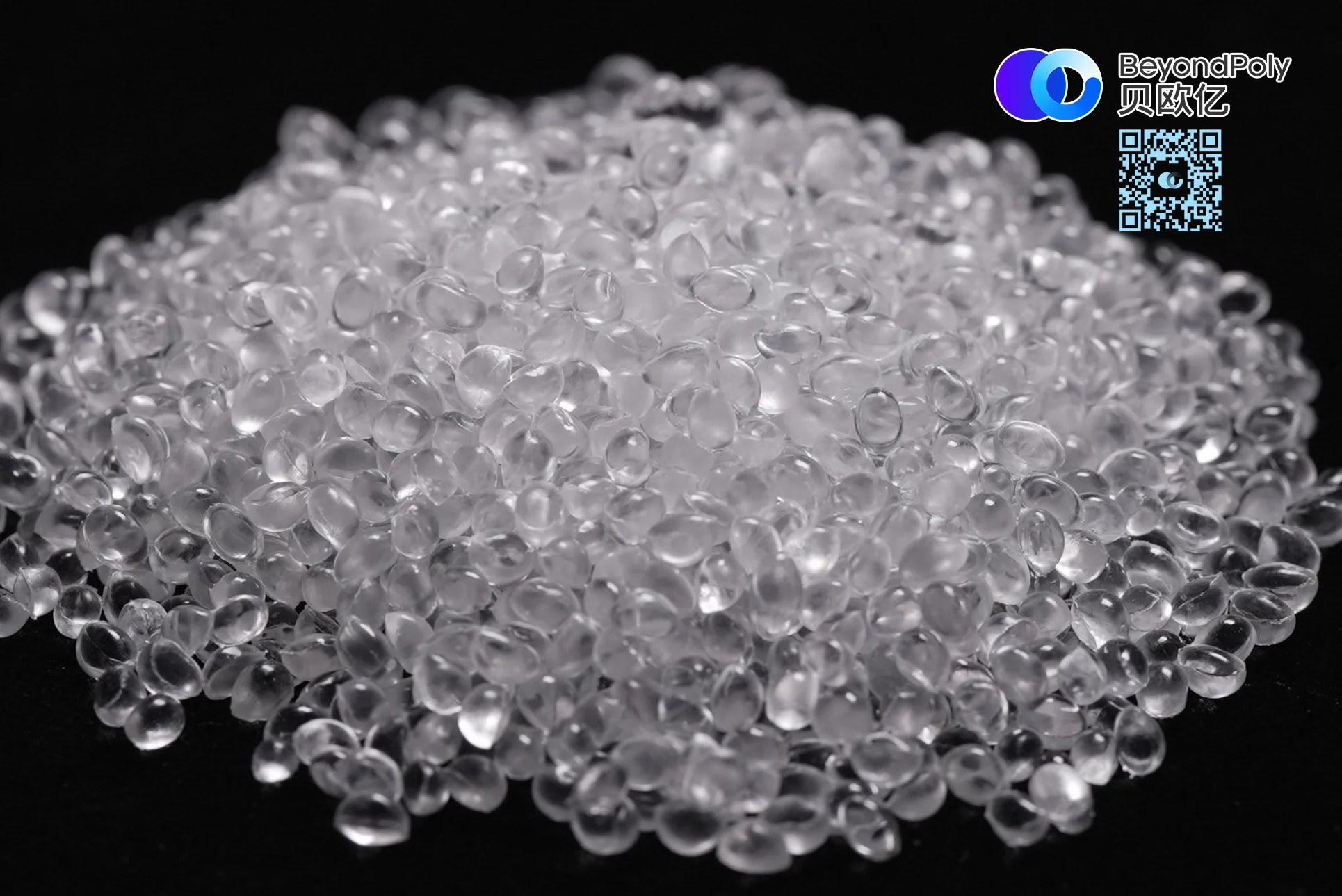
Polyolefin elastomers (POE) are a class of thermoplastic elastomers that combine the processability of polyolefins with the rubber-like flexibility of elastomers. They are typically produced by catalytic copolymerization of ethylene with alpha-olefins such as butene, hexene, or octene, and are widely used as soft, impact-modifying, and sealing materials in plastics compounding, packaging, wire and cable, automotive, photovoltaics, and consumer products.
POE occupies an important position in the plastics raw-material landscape because it bridges the performance gap between rigid polyolefins and conventional rubbers. Compared with standard polyethylene or polypropylene, POE offers much higher elasticity, lower-temperature toughness, and improved impact resistance; compared with cross-linked rubber, it remains melt-processable and recyclable in principle as a thermoplastic. Commercial POE grades are usually tailored by comonomer type, comonomer content, density, melt index, and catalyst system, which allows suppliers to balance softness, strength, clarity, sealability, and compatibility with other polyolefins.
The family became commercially significant in the 1990s with the spread of single-site and metallocene catalyst technology, which enabled tighter control of molecular architecture and more uniform comonomer distribution. In market practice, POE is often discussed alongside polyolefin plastomers (POP), with POE generally representing the lower-density, more elastomeric end of the ethylene alpha-olefin spectrum.
From a sustainability perspective, POE presents both opportunities and trade-offs. Its compatibility with polyolefin systems can simplify processing and support lightweighting, but it remains fossil-derived in most commercial supply chains and is not inherently biodegradable. Current innovation is focused on higher-performance grades for photovoltaic encapsulation, more efficient impact modification, lower-temperature sealing, improved recyclability in polyolefin streams, and the development of bio-based or circular feedstock routes where feasible.
History and Development
POE emerged as a product of advances in coordination polymerization and catalyst design. Earlier elastomeric polyolefin materials were limited by broad molecular weight distributions and less precise incorporation of comonomers, which constrained consistency in softness and elastic recovery. The introduction of single-site and metallocene catalysts in the 1990s enabled more uniform chain growth and more controlled short-chain branching, which in turn improved clarity, toughness, and elastic behavior.
Commercial development accelerated as processors sought materials that could be run on conventional extrusion and injection-molding equipment while delivering rubber-like performance. This made POE attractive for flexible packaging, soft-touch consumer parts, automotive impact modifiers, and later photovoltaic encapsulants and cable formulations. Over time, the market expanded beyond “softness” applications into more technical uses where low-temperature flexibility, adhesion balance, and electrical properties were critical.
Chemical Structure and Key Properties
POE is best understood as an ethylene-based copolymer in which alpha-olefin comonomers introduce short-chain branches that disrupt crystallinity and create a soft, elastic morphology. The resulting material typically has low density, a relatively low melting point, and a low glass-transition temperature, while retaining thermoplastic flow at processing temperatures.
Structure and morphology
- The ethylene backbone provides basic polyolefin character and compatibility with polyethylene or polypropylene blends.
- The alpha-olefin comonomer creates controlled branching, reducing crystallinity and increasing elasticity.
- The polymer often forms a two-phase morphology in which crystalline regions act as physical crosslinks, supporting recovery after deformation.
Key properties
| Property | Typical POE behavior |
|---|---|
| Density | Generally low, often around 0.86 to 0.91 g/cm3 depending on grade and comonomer content. |
| Elasticity | High elongation and strong rebound, with some grades exceeding 900% elongation. |
| Low-temperature toughness | Strong flexibility at sub-zero temperatures, including around -40 C in many applications. |
| Processability | Thermoplastic processing by extrusion, injection molding, compounding, and film processes. |
| Electrical insulation | Useful dielectric performance for wire and cable applications. |
| Weathering resistance | Generally good outdoor durability, depending on formulation. |
Real limits and practical workarounds
- Poor oxygen and grease barrier → POE is a nonpolar polyolefin with limited barrier performance → processors typically use multilayer structures, barrier coatings, or blends with dedicated barrier polymers.
- Low surface energy before treatment → adhesion, printing, and coating can be difficult on untreated POE surfaces → corona treatment, flame treatment, plasma treatment, primers, or compatibilizers are commonly used.
- Moderate heat resistance → softening and loss of stiffness can occur above the service range of many non-cross-linked grades → formulators use higher-crystallinity grades, cross-linking in selected systems, or move to blends and encapsulated structures.
- Limited resistance to hydrocarbons and oils → swelling or property loss may occur in aggressive fluids → material selection often shifts to specialty elastomers when chemical resistance is the primary requirement.
Production Processes and Raw Feedstocks
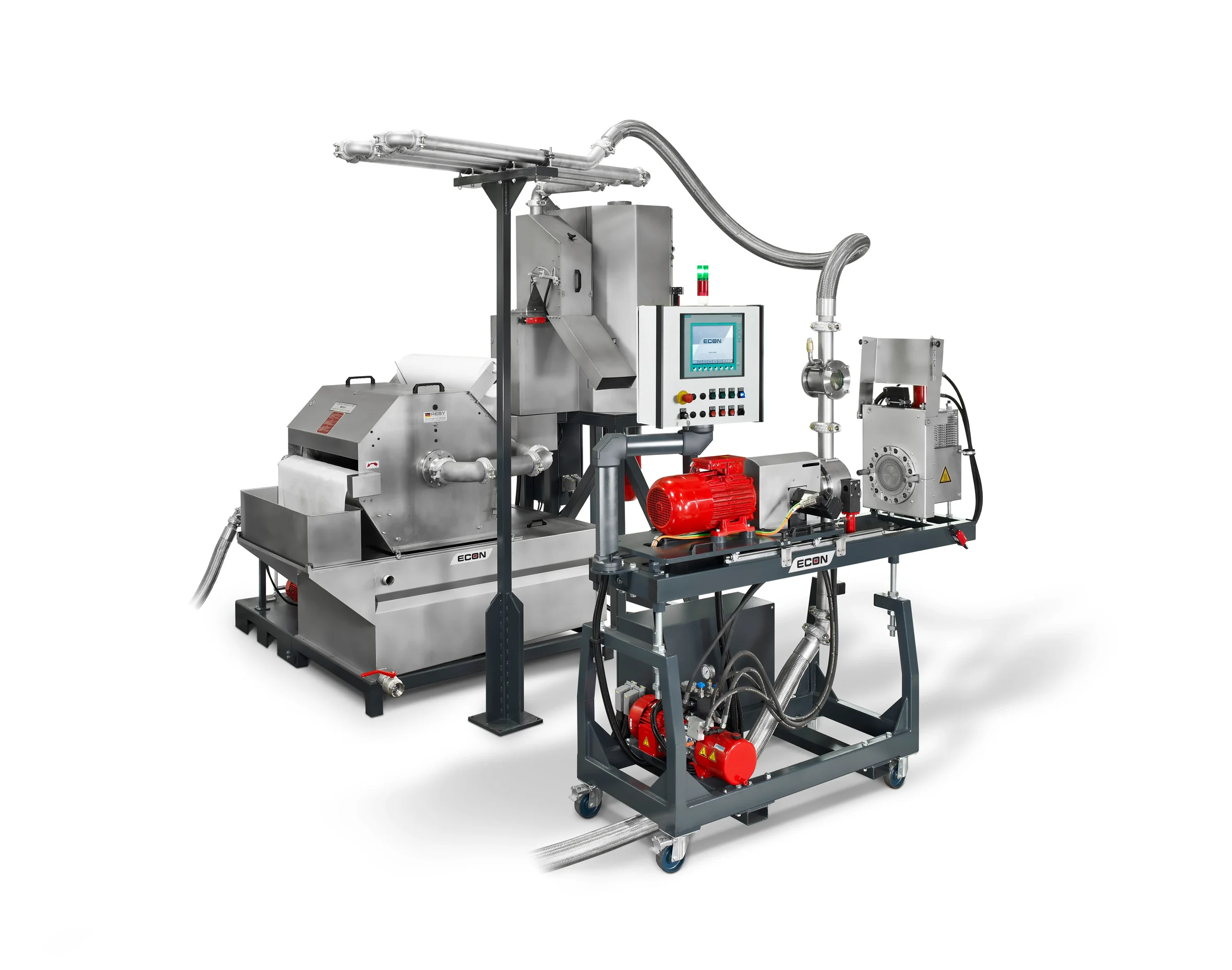
POE is produced mainly by catalytic copolymerization of ethylene with alpha-olefins such as 1-butene, 1-hexene, or 1-octene. The catalyst system is central to performance, because it governs comonomer incorporation, branching uniformity, molecular weight distribution, and therefore elasticity and processability.
Main production steps
- Feedstock preparation: Ethylene and the chosen alpha-olefin are purified to remove catalyst poisons.
- Catalytic copolymerization: Single-site or metallocene catalysts are used to control chain growth and branching.
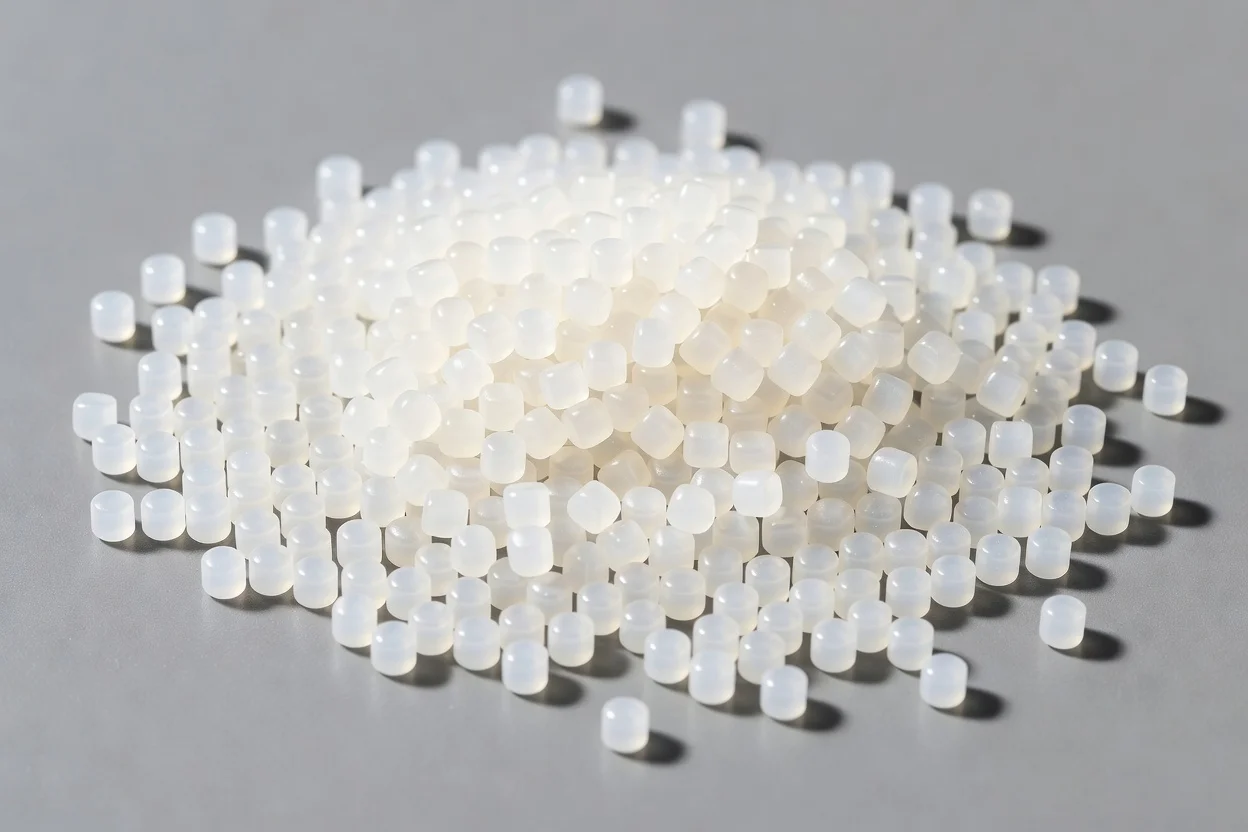
- Polymer recovery and pelletizing: The polymer is separated, stabilized, and converted into pellets for downstream compounding or direct conversion.
- Compounding and formulation: POE is often blended with polypropylene, polyethylene, fillers, stabilizers, pigments, or functional additives to target specific end uses.
Raw feedstocks
- Ethylene: typically derived from steam cracking of naphtha, ethane, or other hydrocarbon feeds.
- Alpha-olefins: commonly 1-butene, 1-hexene, or 1-octene, depending on desired softness and crystallinity.
- Catalysts and cocatalysts: metallocene or other single-site systems are key enabling technologies.
Why catalyst technology matters
A more uniform catalyst system generally yields narrower molecular weight distribution and more homogeneous comonomer placement, which improves predictable elastic response and processing consistency. This is one reason POE grades can be tuned for very different functions, from soft packaging seal layers to toughening modifiers for rigid polyolefins.
Applications and End-Use Markets
POE is used where processors need a combination of softness, resilience, and melt-processability. Its largest markets are in compounding, packaging, automotive, cable, and photovoltaic materials.
| End-use sector | Typical POE function | Usual grade/process fit |
|---|---|---|
| Packaging | Seal layers, toughness modifiers, flexible films, shrink/stretch applications | Lower-density, sealable extrusion grades; often multilayer films. |
| Automotive | Impact modification, soft-touch parts, seals, interior components | Compounding grades for PP blends and molded parts. |
| Wire and cable | Insulation and jacketing | Electrically insulating extrusion grades. |
| Photovoltaics | Encapsulant and toughening layers | Specialized optically stable grades with controlled crosslinking behavior. |
| Construction | Roofing membranes, gaskets, flexible waterproofing | Weather-resistant extrusion and sheet grades. |
| Consumer goods | Footwear, grips, toys, soft-touch parts | Injection molding and compounding grades. |
| Medical and healthcare | Tubing, flexible packaging, closures, device components | High-purity, biocompatibility-oriented grades where required. |
| Industrial and adhesive systems | Hot-melt modifiers, soft-touch overmolding, foam compounds | Blending and compounding grades. |
Major application themes
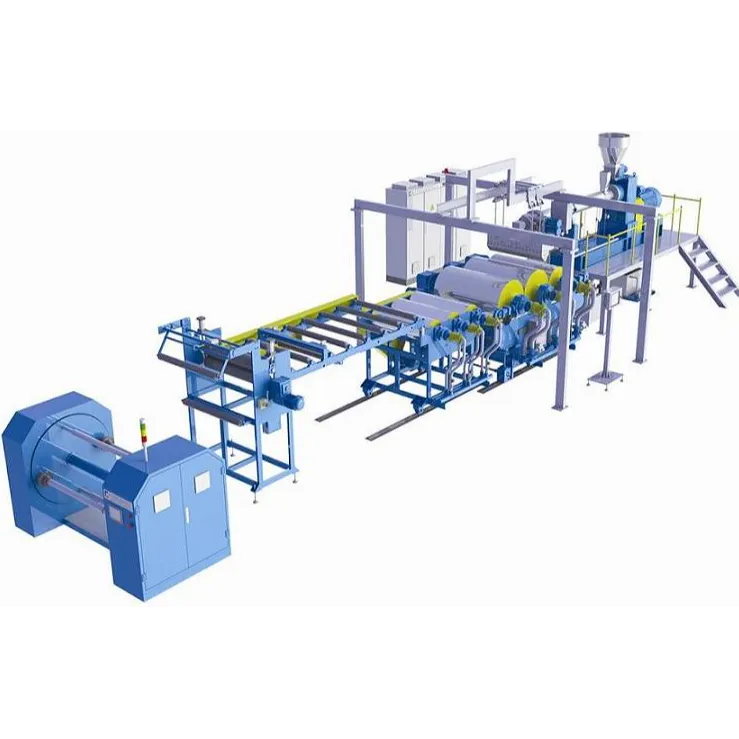
- Packaging: POE is widely used in flexible films and seal layers because it can improve puncture resistance, seal initiation behavior, and toughness while remaining compatible with polyolefin film structures.
- Automotive: In polypropylene compounds, POE serves as an impact modifier that improves low-temperature impact strength and soft-touch feel without the processing burden of many conventional rubbers.
- Wire and cable: The material is valued for insulation, flexibility, and electrical performance, especially in halogen-free formulations.
- Photovoltaics: Recent development has emphasized POE as an encapsulant or encapsulant modifier because of its optical properties, toughness, and durability under module stress conditions.
- Agriculture and outdoor films: POE can improve puncture resistance and flexibility in exposed environments, though it is not a universal replacement for all film resins.
One poor-fit use
POE is generally a poor fit for high-barrier standalone packaging, because its nonpolar structure does not provide strong oxygen or aroma barrier performance. In such applications, it is normally used only as one layer in a multilayer structure rather than as the sole packaging resin.
Environmental and Sustainability Aspects
POE is a thermoplastic, so it can be remelted and reprocessed in principle, unlike cross-linked thermosets or vulcanized rubbers. This makes it potentially useful in circular-design systems when it is kept within compatible polyolefin streams.
Recyclability
- POE is generally most compatible with polyethylene and polypropylene recycling pathways when used in small or moderate proportions and when sorting is adequate.
- In mixed waste streams, however, performance and quality can degrade if the material is not properly identified or if incompatible additives are present.
- Multilayer packaging that uses POE can improve performance but may complicate mechanical recycling if the full structure is not designed for recovery.
Bio-based alternatives and feedstock shift
Commercial POE is usually derived from fossil feedstocks, but the broader polyolefin value chain is increasingly examining renewable ethylene routes and mass-balance approaches. Any climate benefit depends on the actual feedstock origin, process energy, and allocation method used in the supply chain.
Carbon footprint considerations
POE may help reduce system-level material use by enabling lightweighting, thinner films, or lower part mass in automotive and packaging applications. At the same time, its climate profile remains tied to hydrocarbon feedstocks and energy-intensive upstream olefin production, so the environmental balance depends on use-case efficiency rather than on polymer chemistry alone.
End-of-life issues
- Mechanical recycling is the most straightforward route when POE remains in compatible polyolefin streams.
- Chemical recycling may recover feedstock value in mixed or contaminated polyolefin waste, although economics and scale remain variable.
- Incineration with energy recovery remains common in some regions where collection and sorting systems are limited.
Economic and Global Market Impact
POE is a specialized but strategically important polymer segment, especially where processors need toughening, flexibility, and thermoplastic processing in one material. Market analyses generally place automotive, packaging, wire and cable, and photovoltaic applications among the leading demand drivers.
Leading global producers and product families include major polyolefin and specialty polymer suppliers such as Dow, ExxonMobil, and other regional producers and compounders with metallocene-catalyzed elastomer portfolios. The competitive landscape is shaped by catalyst technology, feedstock integration, grade breadth, and the ability to supply consistent low-density elastomeric products at scale.
Current Challenges and Innovations
Main challenges
- Balancing softness with heat resistance in unfilled or non-cross-linked grades.
- Achieving strong adhesion and printability on low-energy surfaces.
- Maintaining performance in aggressive chemical environments, especially hydrocarbons and oils.
- Improving recyclability in multilayer structures without sacrificing barrier or sealing performance.
Active innovation areas
- Photovoltaic encapsulation: improved durability, adhesion, and stress resistance for long-life modules.
- Toughening of polyolefin compounds: more efficient impact modifiers for polypropylene and polyethylene systems.
- Advanced metallocene and single-site catalysts: tighter molecular design for narrower property windows.
- Circular polyolefin design: better sortability, mono-material packaging concepts, and recycled-content integration.
- Functionalized grades: modified POE surfaces or reactive blends for enhanced compatibility in composites and adhesive systems.
Future Outlook
POE is likely to remain an important enabling material wherever elastic recovery, low-temperature performance, and conventional thermoplastic processing must coexist. Demand is expected to remain strongest in packaging, automotive compounds, wire and cable, and photovoltaic applications, while innovation will increasingly focus on higher service temperatures, easier recycling, and more specialized functional grades.
The most significant long-term opportunity lies in designing POE not as a standalone resin, but as a system component within optimized polyolefin architectures. That includes multilayer films that remain recyclable, impact-modified compounds with lower part mass, and encapsulants or cable materials designed for long-life performance with lower embodied carbon.
Summary
POE is a catalytic ethylene alpha-olefin copolymer family that offers rubber-like elasticity, low-temperature toughness, and thermoplastic processability in one material. Its value in the plastics industry comes from its role as a versatile modifier and performance resin, especially in packaging, automotive, cable, and photovoltaic markets, while its main limitations are barrier performance, heat resistance, and the need for careful end-of-life design.
References
- •
Polyolefin Elastomer (POE). (2026, July 22). Formerra. https://www.formerra.com/products/chemistries/polyolefin-elastomer-poeLink
- •
Polyolefin Elastomers (POE) material characteristics. (2025, May 15). POLYPVC. https://www.polypvc.com/news/What-is-POE-Material.htmlLink
- •
Polyolefin Elastomers. (2025, November 5). Dow. https://www.dow.com/en-us/product-technology/pt-elastomers-rubber/pg-elastomers-polyolefin-elastomers.htmlLink
- •
Polyolefin Elastomer POE resin. (2025, December 22). Chemate Group. https://www.chemategroup.com/polyolefin-elastomer/Link
- •
POE (Polyolefin Elastomer) - Product specification. (n.d.). Bohr Chemical. https://www.bohr-chem.com/product-specs/poe.phpLink
- •
What are the key applications of polyolefin elastomers (POE)? (2025, September 3). Jindun Chemical. https://www.jindunchemical.com/h-nd-1385.htmlLink
- •
Understanding the applications of polyolefin elastomer (POE). (n.d.). ChemAnalyst. https://www.chemanalyst.com/Blogs/understanding-the-applications-of-polyolefin-elastomer-poe-67Link
- •
Polyolefin elastomer: Comprehensive analysis of.... (n.d.). Eureka PatSnap. https://eureka.patsnap.com/materials/polyolefin-elastomer-designLink
- •
Polyolefin elastomers/plastomers (POE/POP). (n.d.). IHS Markit. https://cdn.ihsmarkit.com/www/pdf/0920/RP308_toc.pdfLink
- •
Polyolefin elastomer high elasticity: Advanced material.... (n.d.). Eureka PatSnap. https://eureka.patsnap.com/materials/polyolefin-elastomer-high-elasticityLink
- •
What makes polyolefin elastomers (POE) a key material for.... (2025, August 1). Jindun Chemical. https://www.jindunchemical.com/h-nd-999.htmlLink
- •
Chemistry and processing of polyolefin elastomers (POE). (2003, May 2). AZoM. https://www.azom.com/article.aspx?ArticleID=1960Link
- •
Polyolefin elastomers (POE). (2023, July 28). COACE Chemical. https://www.coacechem.com/polyolefin-elastomers-poe/Link
- •
What is the difference between TPE and POE? (2024, April 18). LCY. https://www.lcycic.com/en/materials-tech-pulse/performance-materials/what-is-the-difference-between-tpe-and-poeLink
- •
What is polyolefin elastomer (POE)? Uses, how it works.... (2025, October 4). LinkedIn. https://www.linkedin.com/pulse/what-polyolefin-elastomer-poe-uses-how-works-amp-6humcLink
- •
Polyolefin. (2005, September 5). Wikipedia. https://en.wikipedia.org/wiki/PolyolefinLink
- •
(11 ). (n.d.). J-STAGE. https://www.jstage.jst.go.jp/article/gomu/89/3/89_63/_pdfLink
- •
Polyolefin elastomer industrial applications. (n.d.). Eureka PatSnap. https://eureka.patsnap.com/materials/polyolefin-elastomer-applicationsLink
- •
Polyolefin elastomer (POE). (2023, April 24). LinkedIn. https://www.linkedin.com/pulse/polyolefin-elastomer-poe-nsbpolymersgmbhLink
- •
Thermoplastic polyolefin elastomer POE: The genius of alloy materials. (2023, September 12). COACE Chemical. https://www.coacechem.com/thermoplastic-polyolefin-elastomer-poe-the-genius-of-alloy-materials/Link
- •
Exact™ polyolefin elastomers. (n.d.). ExxonMobil Chemical. https://www.exxonmobilchemical.com/en/products/signature-polymers/exact_polyolefin_elastomersLink
- •
What is the differences of POP and POE? (n.d.). PolyHDPE. https://www.polyhdpe.com/article/what-is-the-differences-of-pop-and-poe.htmlLink
- •
Global polyolefin elastomers and plastomers market snapshot. (2024, July 29). NexantECA. https://nexanteca.com/blog/global-polyolefin-elastomers-and-plastomers-market-snapshotLink
- •
What is polyolefin elastomer (POE)? (2024, August 8). LinkedIn. https://www.linkedin.com/posts/hunan-toll-chemical-co-limited_polyolefin-elastomer-poe-is-a-relatively-activity-7227190266644881408-9lt9Link
- •
Polyolefin elastomers (POE) market size 2026. (2025, August 2). Prismane Consulting. https://prismaneconsulting.com/report-details/polyolefin-elastomers-poe-marketLink
- •
Properties and applications of polyolefin elastomers (POE). (2003, May 2). AZoM. https://www.azom.com/article.aspx?ArticleID=1959Link
- •
Improving the physical properties of polyolefin elastomer encapsulants by radical initiators for reliable photovoltaic modules. (n.d.). ScienceDirect. https://www.sciencedirect.com/science/article/pii/S0142941825002685Link