
Introduction
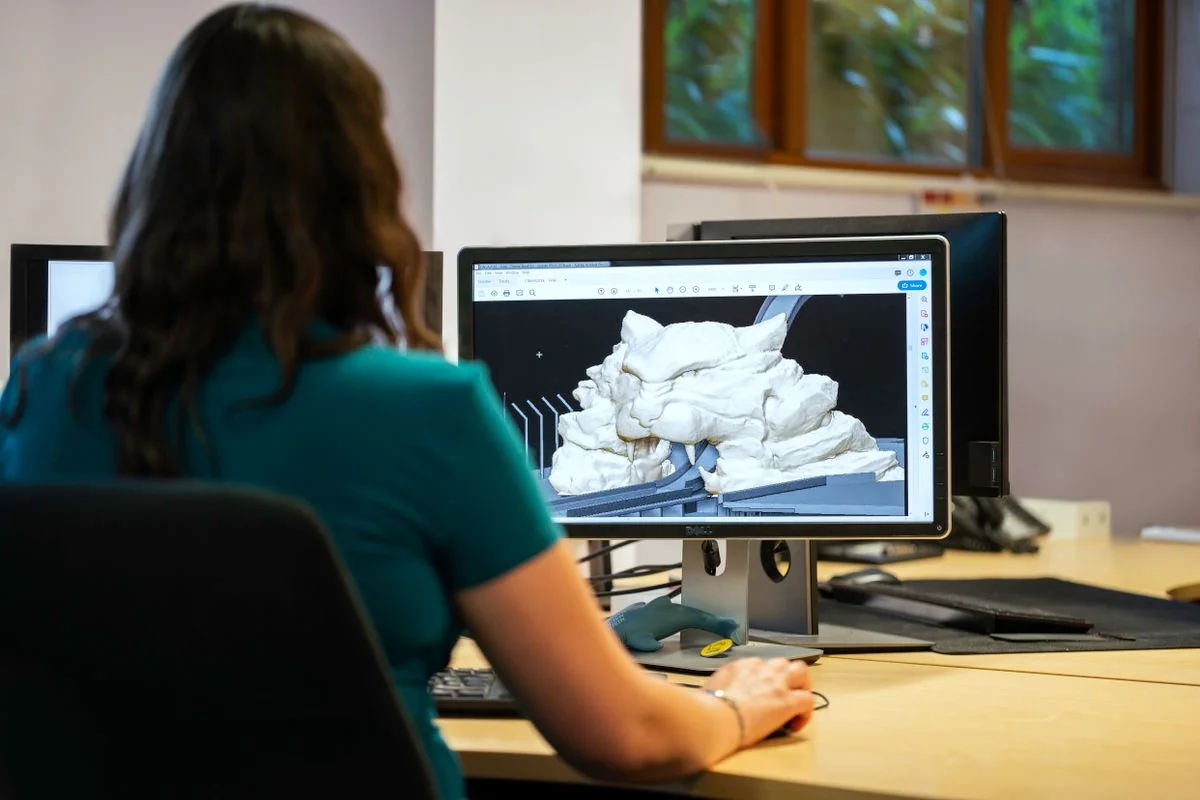
3D software is a broad class of digital tools used to create, edit, simulate, render, and present three-dimensional objects and environments on a computer. In plastics processing and product development, it is used to convert concepts into manufacturable geometry, support tooling and mold design, and validate parts before physical production.
Within the plastics industry, 3D software spans several major categories: CAD for precision engineering, polygonal modeling and sculpting for visual or ergonomic development, rendering and visualization for marketing and design review, and simulation-oriented workflows for fit, form, and process validation. Common platforms include Blender, Autodesk Maya, 3ds Max, Fusion 360, SketchUp, Rhino, SolidWorks, and related design ecosystems, each serving different levels of precision and downstream manufacturing intent.
The importance of 3D software has grown as plastics production has shifted toward shorter development cycles, more complex parts, higher levels of customization, and tighter integration between design, tooling, automation, and digital manufacturing. Current workflows increasingly combine parametric modeling, cloud collaboration, real-time visualization, and AI-assisted functions, while future development is likely to focus on deeper simulation, generative design, and closer links to additive manufacturing, injection molding, and Industry 4.0 systems.
History and Development
Early 3D software evolved from computer graphics and CAD systems that were initially focused on wireframe and surface representation rather than fully manufacturable solids. As computing power increased, these tools expanded into parametric modeling, rendering, animation, and data exchange for engineering and creative production.
Three practical milestones shaped modern 3D software use in manufacturing and plastics:
- Parametric CAD maturation enabled designs to be controlled by dimensions, constraints, and feature history, making revision management and moldable part design more reliable for engineering teams.
- Widespread adoption of polygonal and sculpting tools supported faster concept development, organic shapes, and consumer-product styling, especially where visual realism and ergonomics mattered.
- Cloud and collaborative workflows made it easier to move models between design, simulation, visualization, and production, which is increasingly important in globally distributed tooling and plastics supply chains.
In recent years, software ecosystems have also become more specialized: one set of tools is optimized for manufacturable CAD geometry, while another set focuses on rendering, animation, and digital presentation.
Key Characteristics and Technical Overview
3D software typically works by representing objects as vertices, edges, faces, surfaces, or parametric solids in a virtual coordinate space. The model can then be edited, textured, shaded, measured, animated, simulated, or exported to manufacturing systems such as CAM, injection mold design tools, or 3D printing pipelines.
The main technical families are:
- Wireframe modeling, which shows skeletal geometry and is useful for early structural layout.
- Surface modeling, which is used for smooth exterior form and styling work.
- Solid modeling, which is essential for engineering, interference checking, and manufacturable geometry.
- Polygonal and sculpting workflows, which are common in creative, ergonomic, and organic-form design.
For plastics processing, the most important technical properties are often:
- Dimensional accuracy, especially for molded parts with shrinkage allowances and tight tolerances.
- Surface quality, including draft, parting lines, texture, and visible weld-line management.
- File interoperability, such as STEP, IGES, STL, OBJ, and native CAD formats used across engineering and production systems.
- Design intent preservation, meaning that changes remain editable through a history tree or feature-based structure in parametric systems.
Typical performance benchmarks vary by application rather than by a single industry standard. In practice, engineering-grade CAD platforms are chosen for tolerance control and assembly management, while visualization-oriented platforms prioritize mesh density, shading, and rendering speed. AI-assisted tools are increasingly used to automate repetitive modeling steps, improve geometry creation speed, and support iterative design refinement.
Types and Variations
| Type | Primary purpose | Typical strengths | Typical limitations |
|---|---|---|---|
| Parametric CAD | Mechanical and product design | Accuracy, constraints, manufacturability | Less fluid for artistic sculpting |
| Polygonal modeling | General 3D creation | Flexibility, speed, broad compatibility | Weaker direct engineering precision |
| Digital sculpting | Organic forms and detail | High-resolution surfaces, artistic control | Not ideal for tolerance-driven parts |
| Procedural modeling | Rule-based generation of geometry | Repeatability, automation, complex scenes | Steeper learning curve |
| Visualization software | Rendering and presentation | Photorealism, communication, marketing | Usually not a source of manufacturing geometry |
In industrial plastics work, the most relevant variants are CAD-centric systems for product and mold development, and hybrid suites that combine modeling, visualization, and downstream export capabilities. Open-source and low-cost tools such as Blender and FreeCAD are also widely used for concept modeling and prototyping, especially where budget flexibility matters.
Applications and Uses
3D software supports nearly every stage of plastics product development:
- Injection-molded parts: used for consumer goods, housings, closures, technical components, and appliance parts, where wall thickness, draft, ribs, bosses, and shrink compensation matter.
- Extrusion products: used for profiles, pipes, films, and sheet systems, where continuous geometry and die design benefit from precise digital planning.
- Blow-molded containers: used for bottles, canisters, and hollow shapes, where preform or parison behavior can be evaluated in advance.
- Thermoformed products: used for packaging trays, inserts, and lightweight enclosures, where draw behavior and thinning are important.
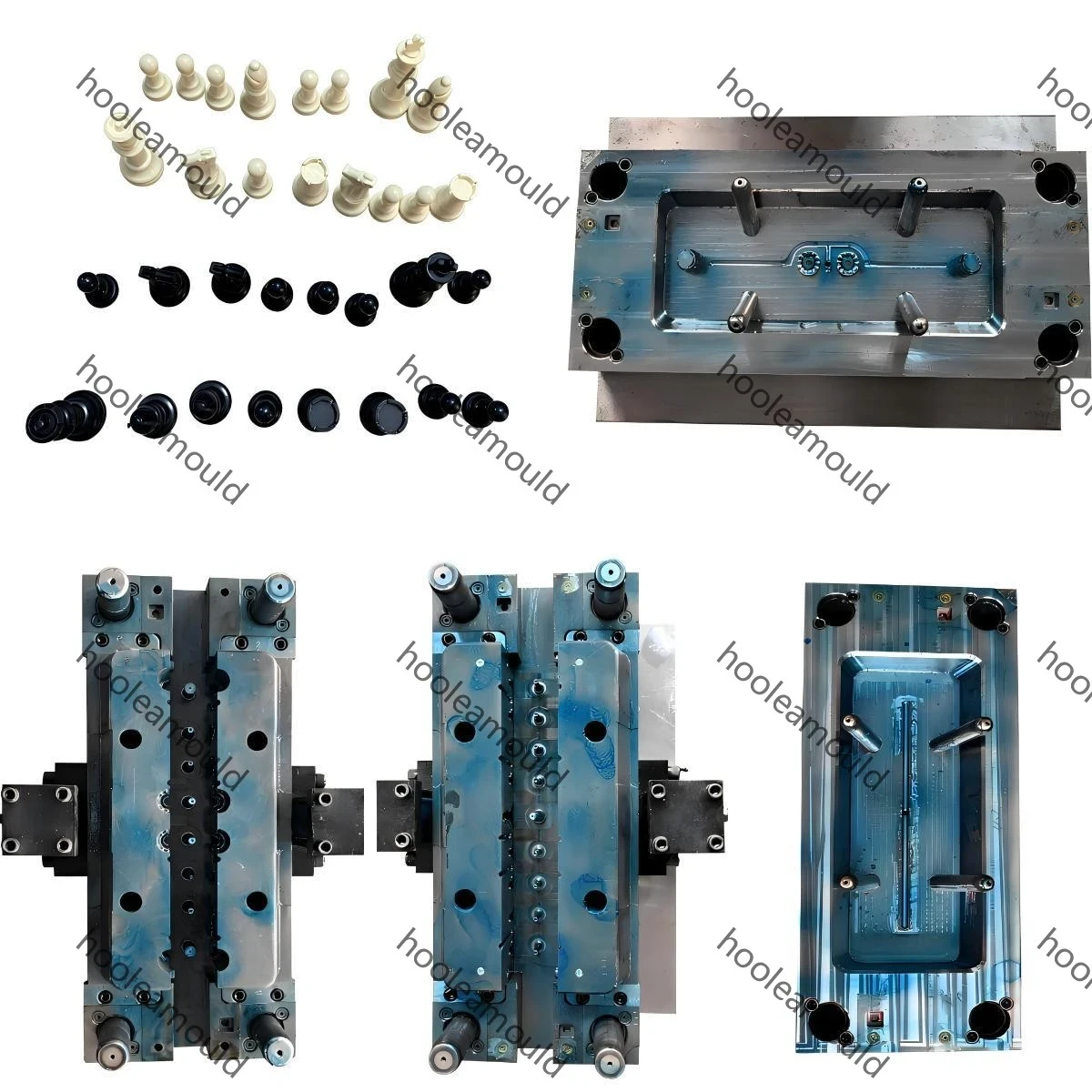
- Tooling and mold design: used for cavities, cores, cooling channels, venting, ejector layouts, and assembly interfaces.
- Packaging graphics and retail visualization: used to present product concepts before tooling approval.
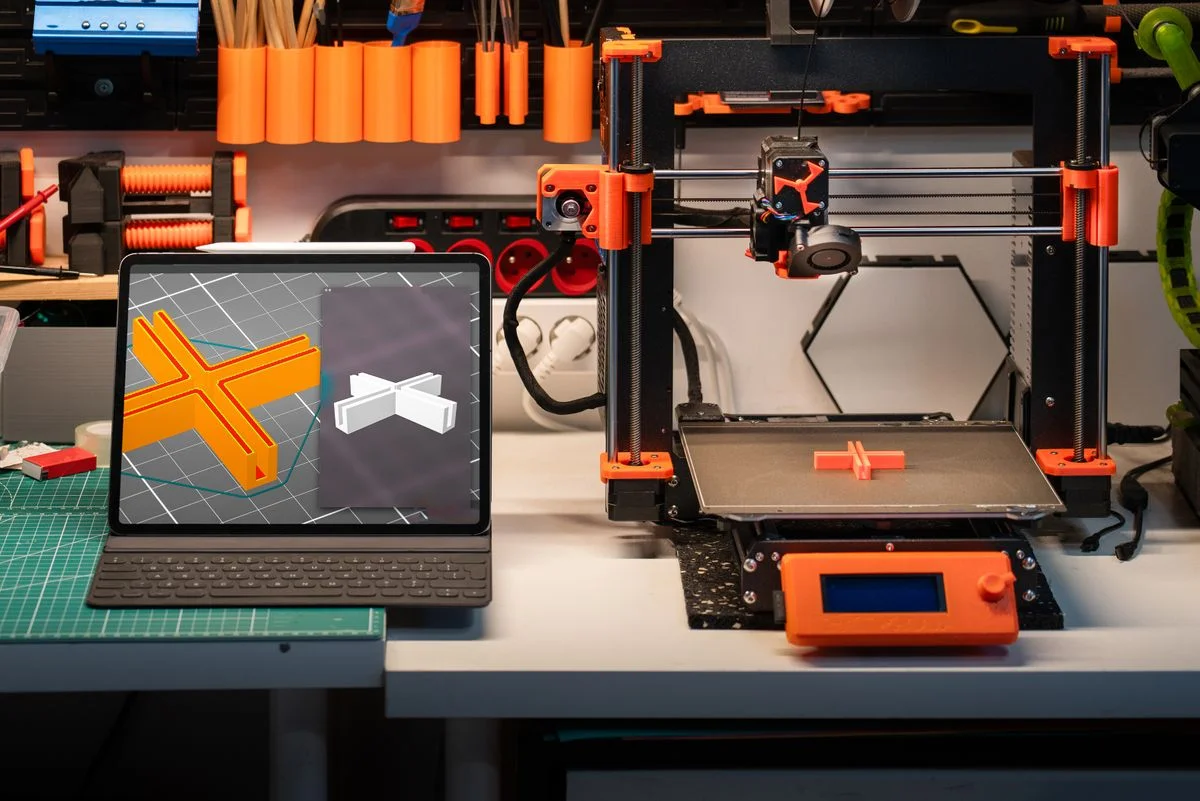
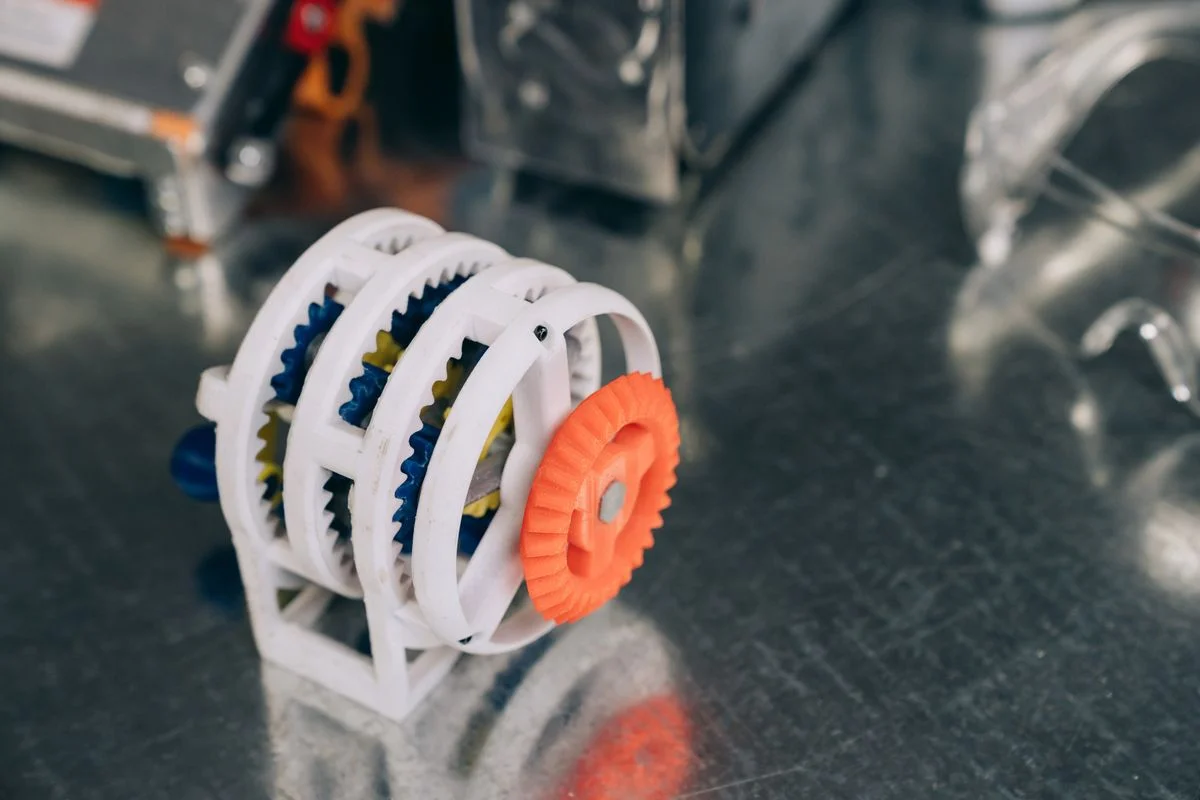
- 3D printing and additive prototyping: used for rapid iteration, fit checks, jigs, fixtures, and low-volume functional parts.
A poor-fit use is highly constrained numerical process control of molding equipment, because 3D software can support design and validation, but it does not replace dedicated machine control systems, PLCs, or process monitoring platforms.
Technological Innovations and Automation
Modern 3D software increasingly incorporates:
- Cloud collaboration, which supports multi-user review, revision control, and remote design access.
- Real-time rendering, which improves design communication and approval cycles.
- AI-assisted modeling, which helps automate repetitive geometry tasks and accelerate iteration.
- Generative design, which can propose lightweight or structurally efficient forms.
- Interoperable pipelines, linking design directly to additive manufacturing, CAM, and simulation workflows.
For plastics manufacturers, the main benefit is faster movement from concept to tool release, with fewer manual translation errors between design, analysis, and production departments.
Environmental and Sustainability Aspects
3D software can reduce waste by limiting the number of physical prototypes needed during product development and by improving first-time-right design decisions. This is particularly relevant in plastics processing, where tooling changes and material trials can be expensive and resource-intensive.
Sustainability contributions commonly include:
- Reduced prototyping scrap through virtual validation.
- Optimized material use through lightweighting and topology-driven design.
- Improved part consolidation, which can reduce assembly complexity and material consumption.
- Support for circular design, including easier redesign for disassembly, recycling, or regrind compatibility.
The environmental downside is that high-end rendering, cloud storage, and computational simulation can increase energy use, especially in large organizations with intensive digital workflows. The overall footprint depends on how effectively software replaces physical iteration and prevents downstream waste.
Economic and Global Market Impact
The 3D software market is fragmented, with strong competition between open-source tools, broad commercial suites, and specialist platforms for architecture, engineering, animation, and product visualization. User reviews and vendor comparisons consistently show that no single program dominates every use case; instead, adoption depends on workflow fit, budget, learning curve, and interoperability.
In the plastics sector, economic value comes from:
- Shorter product development cycles
- Lower tooling risk
- Fewer prototype revisions
- Better communication with customers and moldmakers
- Improved manufacturability before capital investment
Commercial platforms such as Autodesk’s product family, Dassault Systèmes’ modeling tools, Adobe Substance 3D, and Maxon’s ecosystem illustrate how 3D software now spans engineering, visualization, and asset creation rather than a single narrow function.
Current Challenges and Innovations
Despite its maturity, 3D software still faces several practical challenges:
- Interoperability problems between CAD, visualization, CAM, and simulation formats.
- Learning-curve complexity, especially where engineering precision and artistic modeling are combined.
- Version-control issues in distributed teams working across different platforms.
- Mismatch between visual fidelity and manufacturing realism, especially when aesthetic models do not account for draft, shrinkage, or tooling constraints.
- License and ecosystem fragmentation, which can limit cross-platform collaboration.
Current innovation is focused on reducing these barriers through improved file exchange, browser-based access, cloud collaboration, and more automated modeling assistance.
Future Outlook
Future 3D software for plastics and manufacturing is likely to become more integrated, more automated, and more simulation-aware. The strongest trends are:
- Tighter CAD-to-manufacturing integration
- More AI-assisted feature generation and repair
- Deeper coupling with additive manufacturing and moldflow-style analysis
- Greater use of cloud-native collaboration
- Expanded use of real-time visualization for customer approval and production planning
For plastics processors and moldmakers, the strategic value of 3D software will continue to shift from mere visualization toward digital product realization, where geometry, manufacturability, sustainability, and supply-chain coordination are managed in a unified workflow.
Summary
3D software is now a foundational technology for plastics product design, tooling, visualization, and prototype development. Its value lies in enabling accurate digital models, faster iteration, better manufacturability, and lower waste, while future advances in AI, cloud collaboration, and simulation will deepen its role across the plastics processing industry.
References
- •
10 Best 3D Modeling Software That I Reviewed (and Loved). (2025, May 6). G2. https://learn.g2.com/best-3d-modeling-softwareLink
- •
Best 3D Modeling Software: A Practical Comparison. (2026, July 20). Maverick Frame. https://maverickframe.com/blog/best-3d-modeling-software/Link
- •
Best 3D Design Software 2026 | Modeling & Animation Comparison. (n.d.). Toolradar. https://toolradar.com/guides/best-3d-design-softwareLink
- •
Best 3D Modeling Software (2026): The Right Tool for .... (2026, August 19). Maxon. https://www.maxon.net/en/article/best-3d-modeling-softwareLink
- •
Best 3D Modeling Software: User Reviews from July 2026. (n.d.). G2. https://www.g2.com/categories/3d-modeling?order=g2_score&page=11Link
- •
Best 3D modeling software of 2025. (2025, September 8). TechRadar. https://www.techradar.com/best/best-3d-modelling-softwareLink
- •
The best 3D software artists actually use to make games and films. (2022, December 19). Creative Bloq. https://www.creativebloq.com/features/best-3d-modelling-softwareLink
- •
3D Modeling Software: Compare Pricing And Features. (2026, April 23). Software Finder. https://softwarefinder.com/resources/best-3d-modeling-softwareLink
- •
List of 3D modeling software. (2009, July 24). Wikipedia. https://en.wikipedia.org/wiki/List_of_3D_modeling_softwareLink
- •
10 best 3d modeling software for 2026. (2026, August 31). Guideflow Blog. https://www.guideflow.com/blog/best-3d-modeling-softwareLink
- •
3d-design-software-list. (n.d.). California State Library. https://www.library.ca.gov/wp-content/uploads/2021/08/3d-design-software-list.pdfLink
- •
The best 3D modeling software. (2023, September 25). Popular Science. https://www.popsci.com/gear/best-3d-modeling-software/Link
- •
Best 3D Design Tools in 2026 | Toolradar. (2026, January 1). Toolradar. https://toolradar.com/best/3d-designLink
- •
Best 3D Modeling Software 2026: Expert Picks by Workflow. (2026, July 12). Trellis 2. https://trellis2.app/blog/best-3d-modeling-softwareLink
- •
List of 3D computer graphics software. (2009, April 22). Wikipedia. https://en.wikipedia.org/wiki/List_of_3D_computer_graphics_softwareLink
- •
The 11 Best 3D Modeling Software Packages. (2019, August 13). Rendernode. https://www.rendernode.com/3d-modeling-software/Link
- •
3D Visualization Software: Types, Uses & How to Choose. (2026, July 2). Unity. https://unity.com/resources/3d-visualization-softwareLink
- •
12 Best 3D Modeling Softwares 2025 (Free and Paid). (2026, March 11). Xencelabs. https://www.xencelabs.com/us/community/creative-corner/12-best-3d-modeling-softwares-free-and-paidLink
- •
10 Best Free 3D Modeling Software Tools for 2026. (2026, April 3). Vibe3D. https://vibe3d.ai/blog/best-free-3-d-modeling-softwareLink
- •
Michael Tanzillo's Post. (2024, May 2). LinkedIn. https://www.linkedin.com/posts/michaeltanzillo_a-complete-list-of-all-the-3d-software-for-activity-7191870041397555200-jXfMLink
- •
List of 3D computer programs. (2024, May 21). Scribble Designs. https://www.scribbledesigns.co.uk/list-of-3d-computer-programs/Link
- •
what is the best 3d modeling software? (n.d.). Prusa3D Forum. https://forum.prusa3d.com/forum/original-prusa-i3-mk3s-mk3-software-archive/what-is-the-best-3d-modeling-software/Link
- •
Comparison of computer-aided design software. (2008, July 5). Wikipedia. https://en.wikipedia.org/wiki/Comparison_of_computer-aided_design_softwareLink
- •
Best 3D Modeling Software in 2026. (2026, March 6). Marketing Case Study. https://marketingcasestudy.io/blog/best-3d-modeling-software/Link
- •
Comparison of 3D computer graphics software. (2008, September 27). Wikipedia. https://en.wikipedia.org/wiki/Comparison_of_3D_computer_graphics_softwareLink
- •
What software do people recommend for modeling? (2026, January 12). Reddit. https://www.reddit.com/r/3Dprinting/comments/1qg61gi/what_software_do_people_recommend_for_modeling/Link
- •
3D Modeling Software Guide: Types, Tools & More. (2026, January 10). Kad3D. https://kad3d.com.au/3d-modeling-software-guide/Link
- •
What is the best 3d software right now? (2025, July 7). Reddit. https://www.reddit.com/r/3Dmodeling/comments/1ltxat7/what_is_the_best_3d_software_right_now/Link
- •
3D modeling. (2004, June 29). Wikipedia. https://en.wikipedia.org/wiki/3D_modelingLink
- •
3D modelling software. (2025, August 20). Autodesk. https://www.autodesk.com/uk/solutions/3d-modeling-softwareLink
- •
Best 3d modelling software? (2023, December 2). Reddit. https://www.reddit.com/r/IndustrialDesign/comments/188tbn5/best_3d_modelling_software/Link
- •
3D Modelling Software | What Is 3D Modelling? (2024, November 21). Autodesk. https://www.autodesk.com/in/solutions/3d-modelling-softwareLink
- •
3D design software. (2026, January 12). Adobe. https://www.adobe.com/products/substance3d.htmlLink
- •
10 Free 3D modeling software for 3D Printing. (2025, June 11). PA Academy. https://paacademy.com/blog/10-free-3d-modeling-software-for-3d-printingLink
- •
The Ultimate Guide to 3D Software. (n.d.). Scenegraph Studios. https://scenegraphstudios.com/animation-and-3d/the-ultimate-guide-to-3d-software/Link
- •
3D Design Software | 3D CAD Design. (2026, March 17). Autodesk. https://www.autodesk.com/solutions/3d-design-softwareLink
- •
Choosing the Best 3D CAD Software: A Comprehensive .... (2023, May 12). Formlabs. https://formlabs.com/blog/cad-software/Link
- •
Buy 3ds Max 2026 | 3D Modelling Software. (2021, January 19). Autodesk. https://www.autodesk.com/in/products/3ds-max/overviewLink
- •
Industry-Standard 3D Modeling Software for Films, TV & .... (2026, June 4). Autodesk. https://www.autodesk.com/solutions/media-entertainment/3d-modeling-softwareLink
- •
3D Modeling Software: The 5 Best. (2025, March 20). Tai Arts. https://taiarts.com/en/blog/3D-modeling-programs/Link
- •
What Is 3D Modeling? Understanding the Basics. (2026, January 31). Coursera. https://www.coursera.org/articles/what-is-3d-modelingLink
- •
What Is 3D Design? And How to Get Started. (2022, December 7). Coursera. https://www.coursera.org/articles/3d-designLink
- •
3D Modeling Software. (2025, October 29). 3DS. https://www.3ds.com/store/cad/3d-modeling-softwareLink
- •
The 4 Main Types of 3D Modeling – Simply Explained. (2025, July 6). All3DP. https://all3dp.com/2/types-of-3d-modeling/Link