

Introduction
Cellulose-based bioplastics are plastics and plastic-like materials made from cellulose, the most abundant structural polysaccharide in plant biomass, or from cellulose-derived intermediates such as cellulose acetate and carboxymethyl cellulose. They occupy a distinctive place in the bioplastics landscape because they combine renewable feedstock origin with a long industrial history, broad formulation flexibility, and a property profile that can range from rigid transparent articles to flexible films, fibers, membranes, and hydrogels.
In practice, the term covers several related material families rather than a single resin type. The most established commercial forms are cellulose esters and derivatives, especially cellulose acetate, while newer research includes nanocellulose-reinforced films, all-cellulose materials, bacterial cellulose, and chemically modified cellulose networks aimed at improved barrier, strength, and recyclability. Their appeal lies in the combination of renewability, biodegradability in many contexts, and useful optical and mechanical properties, but their adoption is constrained by moisture sensitivity, processing complexity, and cost relative to petrochemical plastics.
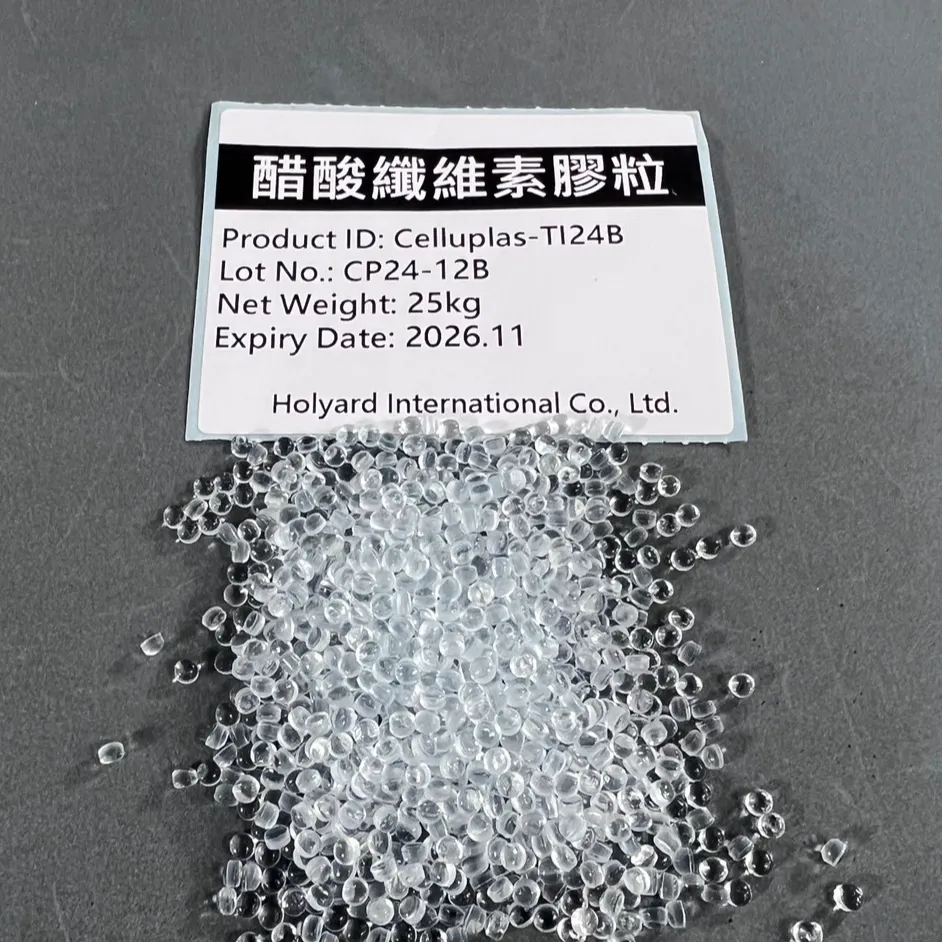
Cellulose-based bioplastics are used in packaging, specialty films, textiles, biomedical devices, electronics, coatings, and molded consumer goods, with cellulose acetate remaining one of the most versatile industrial derivatives. At the same time, sustainability claims must be interpreted carefully: many cellulose-based materials are bio-based and biodegradable, but biodegradation rate depends strongly on chemical modification, thickness, additives, and disposal environment, and not all products are compostable or readily recyclable in conventional systems.
History and Development
Cellulose was one of the earliest natural polymers used by industry, first through paper, regenerated cellulose, and nitrocellulose-based products, then through cellulose acetate and other esterified derivatives that enabled thermoplastic processing and transparent molded goods. Cellulose acetate became particularly important because it offered improved dimensional stability and processability compared with unmodified cellulose, allowing its use in films, eyewear frames, cigarette filters, textiles, and specialty molded parts.
The modern “bioplastics” framing emerged later, as interest shifted toward renewable feedstocks, waste valorization, and low-carbon materials. Recent work has expanded cellulose-based bioplastics beyond conventional esters into nanocellulose composites, chemically dual-crosslinked fiber networks, and all-cellulose materials produced from wood or agricultural residues. Research on bacterial cellulose has also accelerated because it offers high purity, fine fibrous morphology, and strong mechanical performance without the need for plant fiber purification.
Chemical Structure and Key Properties
Cellulose is a linear polymer of glucose units linked by glycosidic bonds, forming strong interchain hydrogen bonding and semicrystalline microfibrillar structures. Those structural features explain both its strengths and its limitations: high stiffness, good film-forming ability after modification, and excellent reinforcement potential, but also poor solubility and difficult melt processing in native form.
Cellulose-based bioplastics usually rely on chemical or physical modification to make cellulose processable. Common routes include esterification, etherification, dissolution-regeneration, nanofibrillation, and blending with plasticizers or other biopolymers. Typical additives such as glycerol at moderate loadings can increase flexibility by reducing intermolecular hydrogen bonding, while nanocellulose can improve strength and gas barrier performance through a percolating reinforcement network.
Important performance characteristics include:
- High specific strength in regenerated or reinforced forms, especially in nanocellulose-based systems.
- Good transparency in some esterified, regenerated, or nanoengineered films.
- Potentially strong gas barrier performance, particularly for oxygen and aromas in dense cellulose-derived films and coatings.
- Biodegradability, which is often favorable but still dependent on chemistry and environment.
Real limits, with cause and practical workaround:
- Poor moisture resistance → cellulose is highly hydrophilic and absorbs water readily → use esterification, multilayer structures, hydrophobic coatings, or blending with less water-sensitive polymers.
- Poor oxygen and grease barrier in some untreated or highly plasticized formulations → water uptake and chain mobility increase permeation → use dense regenerated films, nanocellulose reinforcement, or surface coatings.
- Low melt processability of native cellulose → strong hydrogen bonding and thermal degradation before melting → use derivatives such as cellulose acetate, solvent casting, or dissolution-regeneration routes.
- Low surface energy and poor adhesion in untreated cellulose surfaces → limited compatibility with inks, coatings, and some matrices → use corona/plasma treatment or coupling chemistries.
A practical comparative view is shown below.
| Material family | Main advantage | Main limitation | Typical use |
|---|---|---|---|
| Cellulose acetate | Thermoplastic processability, transparency, established supply chain | Moisture sensitivity and solvent dependence in some routes | Films, eyewear frames, molded items |
| Regenerated cellulose | Good clarity and renewable origin | Narrow processing window, water sensitivity | Films, coatings, membranes |
| Nanocellulose composites | Very high strength and barrier potential | Cost and dispersion challenges | Barrier films, reinforcement, coatings |
| Bacterial cellulose | High purity, fine network, biocompatibility | High production cost, limited scale | Biomedical and specialty materials |
Production Processes and Raw Feedstocks
Cellulose-based bioplastics are produced from several feedstock streams:
- Virgin wood pulp and dissolving pulp, commonly used for cellulose acetate and regenerated cellulose.
- Agricultural residues such as rice straw, oil palm empty fruit bunches, and other lignocellulosic wastes, which can improve resource efficiency and valorize residues.
- Bacterial fermentation media, used to produce bacterial cellulose with high-purity nanofibrillar morphology.
- Recovered cellulosic waste from wood, paper, and textile streams, increasingly studied for circular production.
Main manufacturing routes include:
- Chemical derivatization, especially acetylation and other substitution reactions that lower hydrogen bonding and improve processability.
- Dissolution-regeneration, where cellulose is dissolved in selected solvent systems and reformed into films or fibers.
- Mechanical fibrillation, producing microfibrillated or nanofibrillated cellulose for reinforcement and barrier enhancement.
- Fermentation-based biosynthesis, used for bacterial cellulose.
The key industrial challenge is that cellulose is abundant, but converting it into high-performance plastic-like products can be energy- and chemistry-intensive. Recent research therefore emphasizes lower-energy fibrillation, greener solvents, and integrated biorefinery pathways that simplify isolation and downstream processing.
Applications and End-Use Markets
Cellulose-based bioplastics serve both high-volume and specialty markets. The exact grade and process route generally depend on whether the application needs transparency, flexibility, barrier performance, biocompatibility, or high stiffness.
- Packaging films → regenerated cellulose, cellulose acetate, and nanocellulose-reinforced films are used where transparency and odor barrier matter.
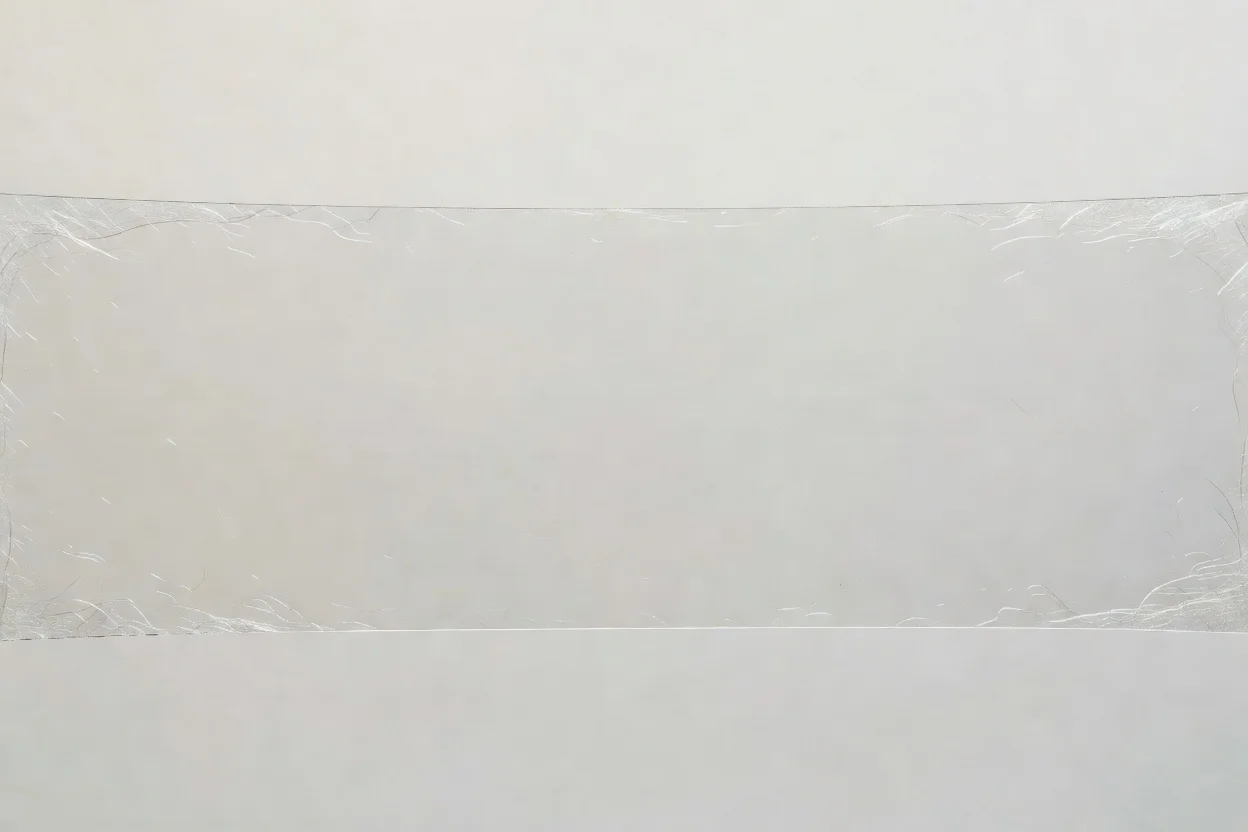
- Food packaging and coatings → cellulose derivatives are used in wraps, coatings, and paper-based barrier layers because of film-forming ability and potential gas-lipid barrier performance.
- Eyeglass frames and molded consumer goods → cellulose acetate is widely used because it can be injection molded and polished to a premium finish.
- Textiles and fibers → regenerated cellulose and acetate fibers are used in apparel and technical textiles.
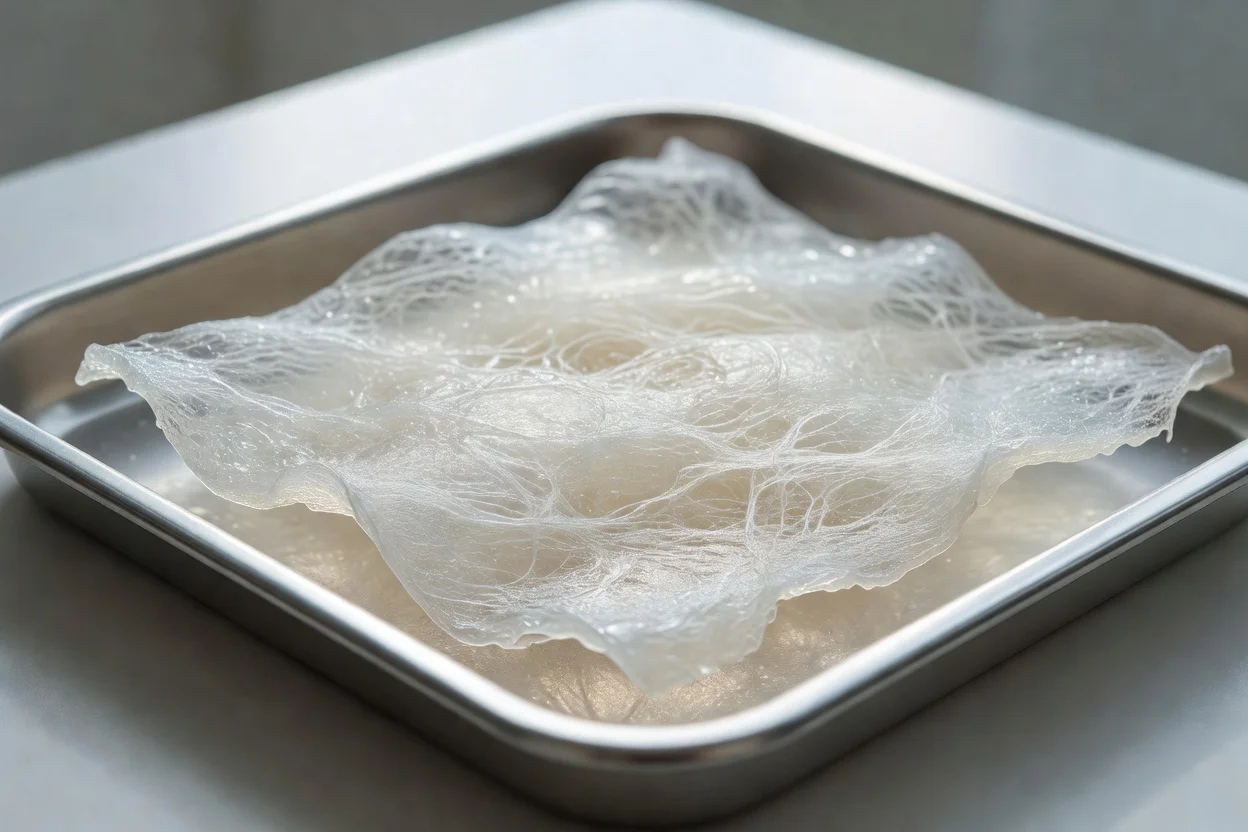
- Biomedical products → bacterial cellulose, cellulose membranes, and modified cellulose are used in wound dressings, scaffolds, and controlled-release systems because of biocompatibility and water retention.
- Electronics and optical accessories → cellulose-based transparent films and substrates are used in screen shields, wearable devices, and other specialty components.
- Membranes and water treatment → cellulose matrices and nanocellulose composites are applied in filtration and sorption media.
- Agriculture → mulch-like films, coatings, and controlled-release matrices are being studied, especially where biodegradability is valued.
- 3D printing and advanced composites → cellulose derivatives and nanocellulose are used as rheology modifiers, reinforcements, or specialty feedstock components.
One relatively poor-fit use is high-temperature structural parts. Cellulose-based bioplastics generally do not match engineering thermoplastics in heat resistance, long-term hydrolytic stability, or load-bearing performance unless extensively modified or used in composites.
Environmental and Sustainability Aspects
Cellulose-based bioplastics are attractive because they are made from renewable biomass and can reduce reliance on fossil carbon, especially when sourced from residues or managed forestry streams. Their environmental profile can be favorable when they displace short-life fossil plastics in low-durability applications, and some cellulose systems have strong biodegradation performance in the right environments.
However, the sustainability picture is not uniform.
- Recyclability: some cellulose-based films and all-cellulose systems are being designed for recyclability, but many commercial products are not compatible with standard mechanical recycling streams because of coatings, additives, mixed-material structures, or solvent-processing histories.
- Compostability: biodegradability does not automatically mean industrial compostability, and disposal conditions strongly affect degradation rate.
- Bio-based alternatives: cellulose competes with PLA, starch blends, PHA, and bio-PBS, but cellulose has advantages in feedstock abundance and, in some forms, lower material cost potential.
- Carbon footprint: recent analyses generally associate cellulose-based bioplastics with lower fossil-resource dependence and potentially lower greenhouse-gas emissions than conventional plastics, but actual outcomes depend on pulp sourcing, energy mix, solvent recovery, and end-of-life management.
A key nuance is that cellulose is renewable, but not always “low impact” by default. Solvent intensity, chemical substitution steps, and purification can offset some of the environmental advantage if the process is not well integrated.
Economic and Global Market Impact
The global bioplastics market remains dominated by a few families, while cellulose-based materials hold a smaller but meaningful share. One recent source estimates cellulose-based bioplastics at 3.2% of global bioplastics production. This relatively modest share reflects both technical constraints and the dominance of other bioplastics in high-volume packaging markets.
Commercially, cellulose acetate and related derivatives benefit from established industrial know-how and mature end-use markets in films, fibers, and specialty molding. Bacterial cellulose and advanced nanocellulose systems remain more specialized because their production costs are higher and scale-up is less mature.
Leading industrial producers are typically integrated pulp, specialty chemicals, and cellulose-derivatives companies rather than commodity polyolefin producers. Market power therefore tends to sit at the intersection of forestry, pulp processing, solvent chemistry, and downstream converting rather than in conventional petrochemical value chains.
Current Challenges and Innovations
The principal challenges are well established:
- Cost → purification, derivatization, and solvent handling can be expensive → integrate biorefinery routes, use residues, and improve recycling of solvents.
- Moisture sensitivity → hydrophilicity raises water uptake and dimensional change → add hydrophobic coatings, crosslinking, or multilayer design.
- Processing complexity → native cellulose does not melt like standard thermoplastics → use cellulose esters, dissolution-regeneration, or reactive processing.
- Mechanical/thermal limits → some formulations remain brittle or heat-limited → incorporate nanocellulose, blend systems, or dual-crosslinking.
- End-of-life ambiguity → “bio-based” is often confused with “compostable” or “recyclable” → improve labeling, standards, and collection systems.
Recent innovation directions include:
- All-cellulose bioplastics made from waste wood particles and low-energy fibrillation routes.
- Dual-crosslinked films that improve strength and recyclability.
- Nanocellulose reinforcement for barrier and mechanical enhancement.
- Bacterial cellulose platforms for wound care, tissue engineering, and flexible bio-based materials.
- Greener dissolution systems and partial-solvent approaches intended to lower chemical burden.
Future Outlook
Cellulose-based bioplastics are likely to expand where their combination of renewability, transparency, moderate strength, and tunable barrier properties offers a direct substitute for fossil-based materials. The strongest near-term opportunities are in premium packaging, paper-based barrier coatings, medical and wound-care products, specialty films, and fiber-based materials.
Their long-term competitiveness will depend on three developments:
- More efficient feedstock utilization, especially residues and waste wood.
- Lower-impact processing, including solvent recovery, low-energy fibrillation, and scalable green chemistry.
- Better end-of-life systems, including design for recycling, controlled compostability, and clearer product labeling.
If these constraints are addressed, cellulose-based bioplastics could move from a specialty and niche category toward a broader platform material family that bridges traditional paper chemistry, modern polymer engineering, and circular materials design.
Summary
Cellulose-based bioplastics are a technically diverse family of renewable materials built from cellulose itself or from its derivatives, with the best-known commercial example being cellulose acetate. They offer valuable combinations of transparency, film-forming ability, biocompatibility, and biodegradability, but they also face persistent limits in moisture resistance, processability, and cost. Their future will depend on improved chemistry, lower-energy manufacturing, and more credible end-of-life pathways that match the performance claims of the material with practical sustainability outcomes.
References
- •
Cellulose-Based Biodegradable Polymers: Synthesis, Properties, and Their Applications. (n.d.).Link
- •
Cellulose Based Biomaterials: Benefits and Challenges. (n.d.).Link
- •
Cellulose and starch-based bioplastics: a review of .... (2024, July 2).Link
- •
Cellulose-Based Bioplastics | 5 | Second and Third Generation Bioplast. (n.d.).Link
- •
Bioplastic production from cellulose of oil palm empty fruit bunch. (2017, May 1).Link
- •
Bioplastic - Wikipedia. (2005, August 29).Link
- •
Cellulose based bioplastics: A sustainable approach .... (n.d.).Link
- •
Bioplastics 101: Cellulose-Based Materials. (2025, June 11).Link
- •
Key Types of Bioplastics and Their Applications. (2026, February 25).Link
- •
Innovations in applications and prospects of bioplastics ... - PMC - NIH. (2021, November 29).Link
- •
Natural biodegradable promising polymers from cellulose .... (n.d.).Link
- •
Current progress in production of biopolymeric materials based on cellulose, cellulose nanofibers, and cellulose derivatives. (n.d.).Link
- •
An insight overview of bioplastics produced from cellulose extracted .... (2022, December 1).Link
- •
Bioplastic Production Using Natural Extracts with Cellulose .... (2025, June 26).Link
- •
Biodegradable Polymers in the Circular Plastics Economy. (n.d.).Link
- •
New cellulose-based bioplastic matches performance of fossil .... (2026, June 12).Link
- •
Characterization and optimization studies of cellulose based bioplastics. (n.d.).Link
- •
Advantages and Disadvantages of Bioplastics Production from .... (2021, July 28).Link
- •
Current progress in production of biopolymeric materials based on .... (2018, January 3).Link
- •
Large-Scale Manufacture of Recyclable Bioplastics from Renewable Cellulosic Biomass Derived from Softwood Kraft Pulp. (2022, January 26).Link
- •
Cellulose Based Biopolymers - Circular Material Librarycircularmateriallibrary.org › material › cellulose-based-biopolymers. (2023, January 9).Link
- •
Characteristics of biodegradable plastic from cellulose fiber .... (2025, June 24).Link
- •
A Comprehensive Overview of Cellulose and Its Derivatives. (n.d.).Link
- •
Formulating bioplastic composites for biodegradability .... (n.d.).Link
- •
Algal cellulose, production and potential use in plastics: Challenges and opportunities. (n.d.).Link
- •
Opportunities and Challenges in the Application of Bioplastics. (2024, September 10).Link
- •
Advances and Applications of Cellulose Bio-Composites in Biodegradable Materials. (n.d.).Link
- •
Scientists unveil bioplastic that degrades at room .... (2026, September 2).Link
- •
Bacterial cellulose as a promising biodegradable bioplastic for .... (2026, March 25).Link
- •
All-Cellulose Bioplastics from Waste Wood Particles. (2024, June 13).Link
- •
Advantages and Disadvantages of Bioplastics Production from Starch and Lignocellulosic Components. (n.d.).Link
- •
Engineered Cellulose: A Multifunctional Platform for Next .... (2026, April 1).Link
- •
Technological limitations in obtaining and using cellulose .... (2022, August 17).Link
- •
Recent Developments in Biodegradable Cellulose‐Based Plastics. (n.d.).Link
- •
US20230235136A1 - Method of making cellulose bioplastics. (2021, May 20).Link
- •
Frontiers | Modifications of cellulose-based biomaterials for biomedical applications. (2022, November 3).Link
- •
Bacterial cellulose as a promising biodegradable bioplastic for sustainability. (2026, March 25).Link
- •
Biodegradable Cellulose Films as Alternatives to Plastics. (n.d.).Link
- •
Applications and Advantages of Cellulose–Chitosan Biocomposites: Sustainable Alternatives for Reducing Plastic Dependency. (2024, December 26).Link
- •
5 Types of Bioplastics: Starch, Cellulose, Protein, and More. (2024, September 13).Link
- •
Effect of Cellulose-Based Bioplastics on Current LDPE .... (2023, July 7).Link
- •
Biorefinery-based production of biodegradable bioplastics. (2025, December 29).Link
- •
Biodegradable carboxymethyl cellulose based material for .... (2020, December 15).Link
- •
Advantages and Disadvantages of Bioplastics. (2021, January 1).Link
- •
Opportunities and Challenges in the Application of .... (n.d.).Link
- •
(PDF) Bioplastics: Their Advantages and Concerns. (2021, June 22).Link
- •
Exploring the Rise of Bioplastics: A Sustainable Alternative. (2025, April 10).Link