
Introduction
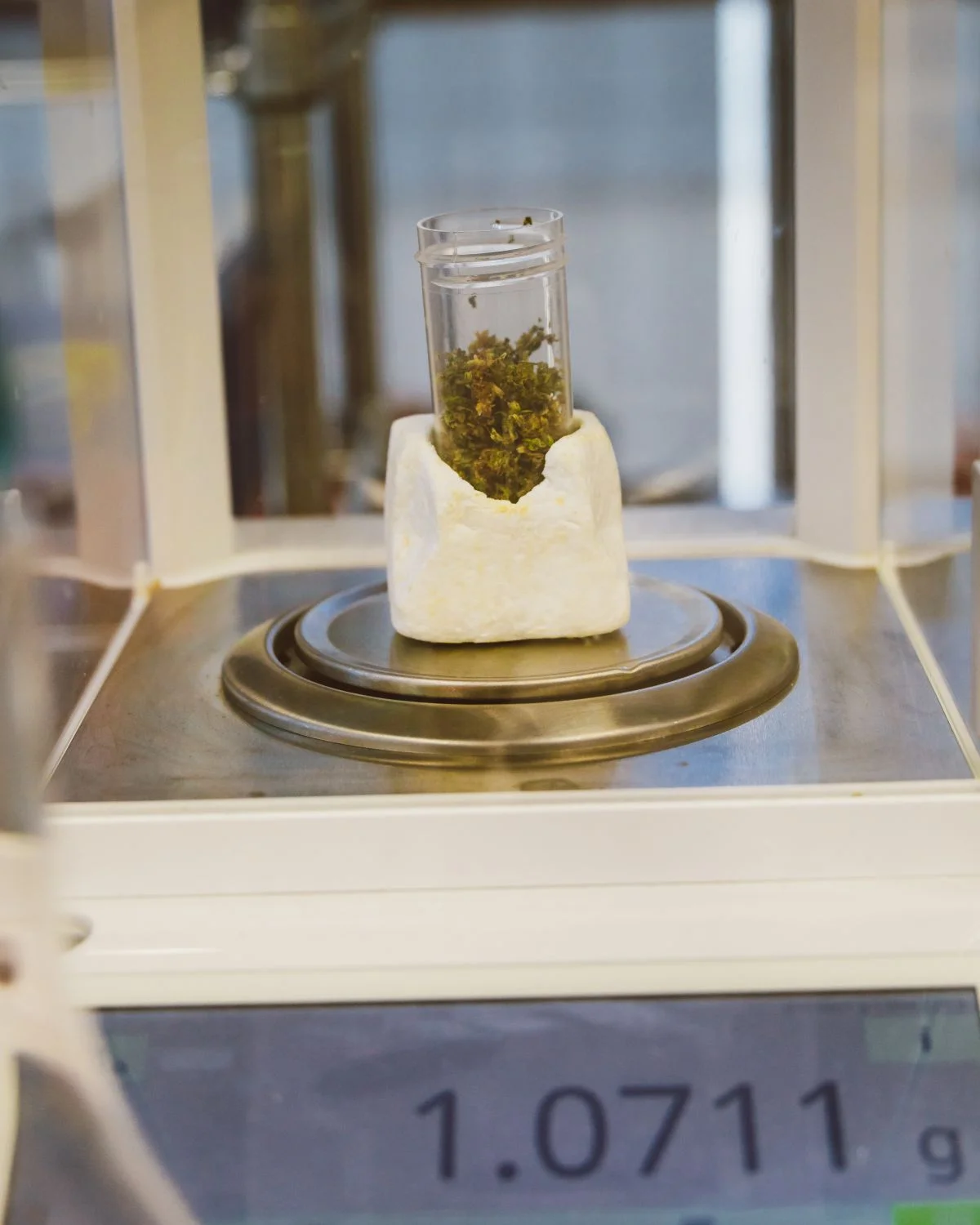
Precision weighing equipment refers to weighing instruments designed to measure mass with high repeatability and fine readability, typically from the milligram range up to multi-kilogram capacities depending on the model and application. In plastics processing, this equipment supports formulation, compounding, additive dosing, quality control, inventory verification, and moisture-related sample analysis, making it an enabling technology rather than a standalone production machine.
The category includes precision balances, analytical balances, top-loading balances, industrial precision scales, and specialized weighing modules used in laboratory and production environments. Its importance has grown alongside tighter product specifications, automated batching, and traceability requirements in regulated industries such as pharmaceuticals, food packaging, and materials development, while future demand is increasingly shaped by digital connectivity, automation, and efficiency expectations.
History and Development
Precision weighing developed from mechanical beam and spring balances into electronic instruments based on load cells and electromagnetic force compensation. This shift improved sensitivity, reduced operator-dependent error, and enabled direct digital output for process integration.
Several milestones define the field’s modern form:
- The widespread adoption of electronic precision balances made milligram-level weighing practical in laboratories and production rooms, replacing many mechanical top-loading balances.
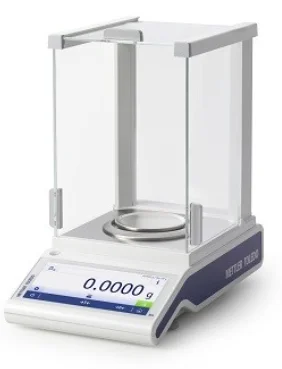
- The introduction of analytical balances with draft shields improved measurement stability by limiting air currents, which is critical at sub-milligram readability.
- Industrial systems later incorporated high-capacity precision weighing for formulation, counting, filling, and check-weighing, allowing one instrument to support both laboratory and shop-floor tasks.
In plastics and related processing industries, the rise of masterbatch production, compounding, and controlled additive feeding increased the need for accurate low-mass measurement, especially where small formulation errors can affect color, mechanical properties, or regulatory compliance.
Key Characteristics and Technical Overview
Precision weighing equipment is defined by a combination of readability, capacity, repeatability, linearization, and resistance to environmental disturbance. Readability commonly ranges from 1 g down to 0.1 mg for precision balances, while analytical balances typically reach 0.0001 g (0.1 mg) readability or better.
Typical technical characteristics include:
- Capacity: from a few grams for analytical and micro weighing up to about 64 kg for larger precision balances in some product classes.
- Readability: commonly 1 mg, 0.1 mg, or 0.0001 g for higher-precision laboratory units.
- Load-cell technology: widely used for industrial precision scales and robust top-loading instruments.
- Electromagnetic force restoration: used where very high sensitivity and stability are required.
- Draft shielding: essential for sub-milligram measurement to reduce airflow effects.
In industrial settings, precision scales are often specified by both accuracy and application function. They are used for formulation, piece counting, check weighing, portion control, and sample preparation. The same device may support a small ingredient addition onto a heavy base load, which is valuable in plastics compounding when fine additions of stabilizers, pigments, or processing aids must be made accurately into larger resin batches.
Operational performance is also shaped by physical handling. As a rule of thumb in laboratory and materials work:
- Granularity of weighed portions: often from a few milligrams to several kilograms, depending on the class of balance.
- Typical analytical pan loads: generally up to a few hundred grams in high-precision laboratory units.
- High-capacity precision balances: used when medium to large samples must be weighed directly into vessels or containers.
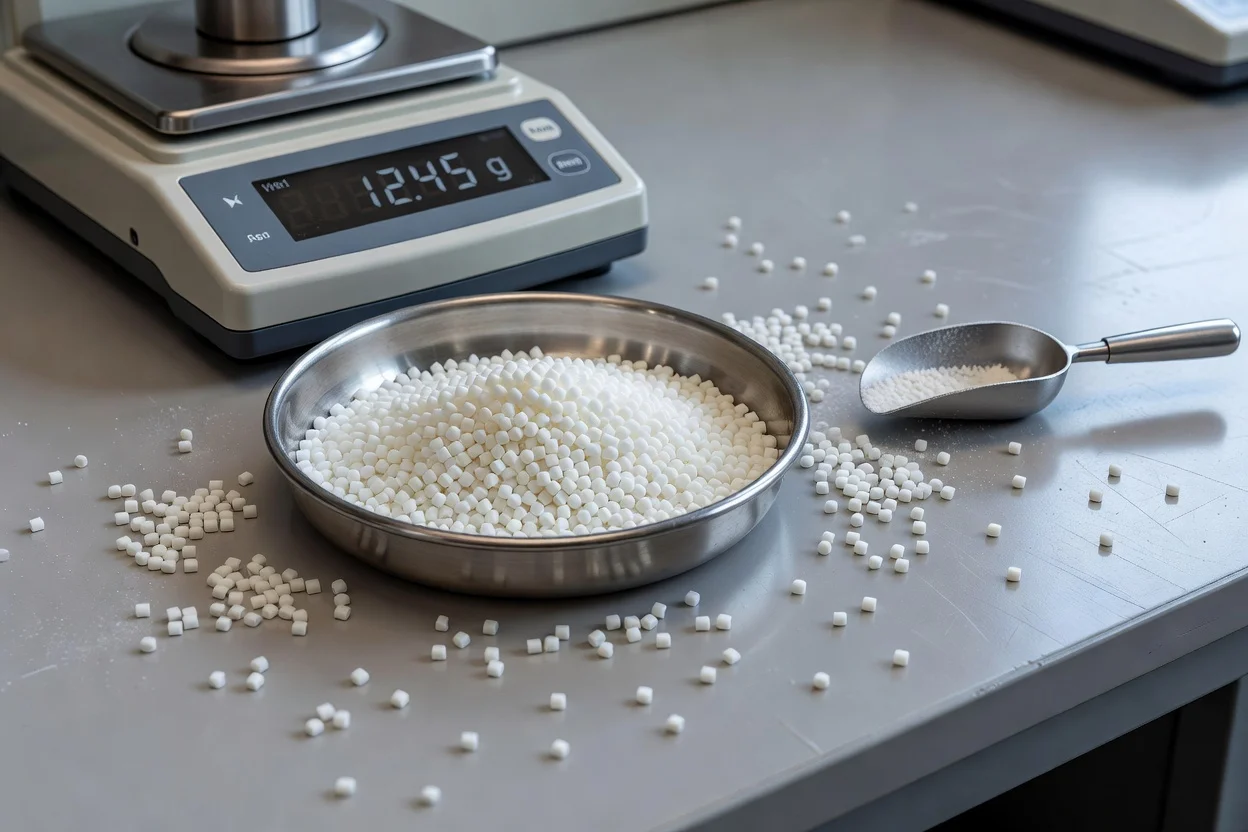
For plastics processing specifically, precision weighing is often paired with moisture analysis and sample conditioning. Accurate weighing of resin pellets, powders, and recycled flakes is important because bulk density, particle distribution, and residual moisture can all affect process consistency.
Types and Variations
| Type | Typical readability | Typical capacity | Common use |
|---|---|---|---|
| Precision balance | 1 mg to 0.01 g | grams to several kilograms | Formulation, sample prep, QC |
| Analytical balance | 0.1 mg | roughly 100 g to 320 g in many lab units | Laboratory analysis, trace weighing |
| Microbalance | 1 µg or better | very low gram range | Ultra-trace research |
| Industrial precision scale | 0.1 g to 0.001 g | grams to tens of kilograms | Production weighing, counting |
| Weighing module | system-dependent | integrated into machinery | Automated batching and process control |
Precision balances are often called toploaders because samples are placed on an exposed pan, while analytical balances usually include a draft shield for stability. Microbalances and semi-microbalances serve specialized analytical work where even minute mass changes matter.
In industrial plastics applications, the most relevant variants are:
- Bench precision scales for resin, additive, and sample weighing.
- Floor or platform weighing systems for larger containers and batch handling.
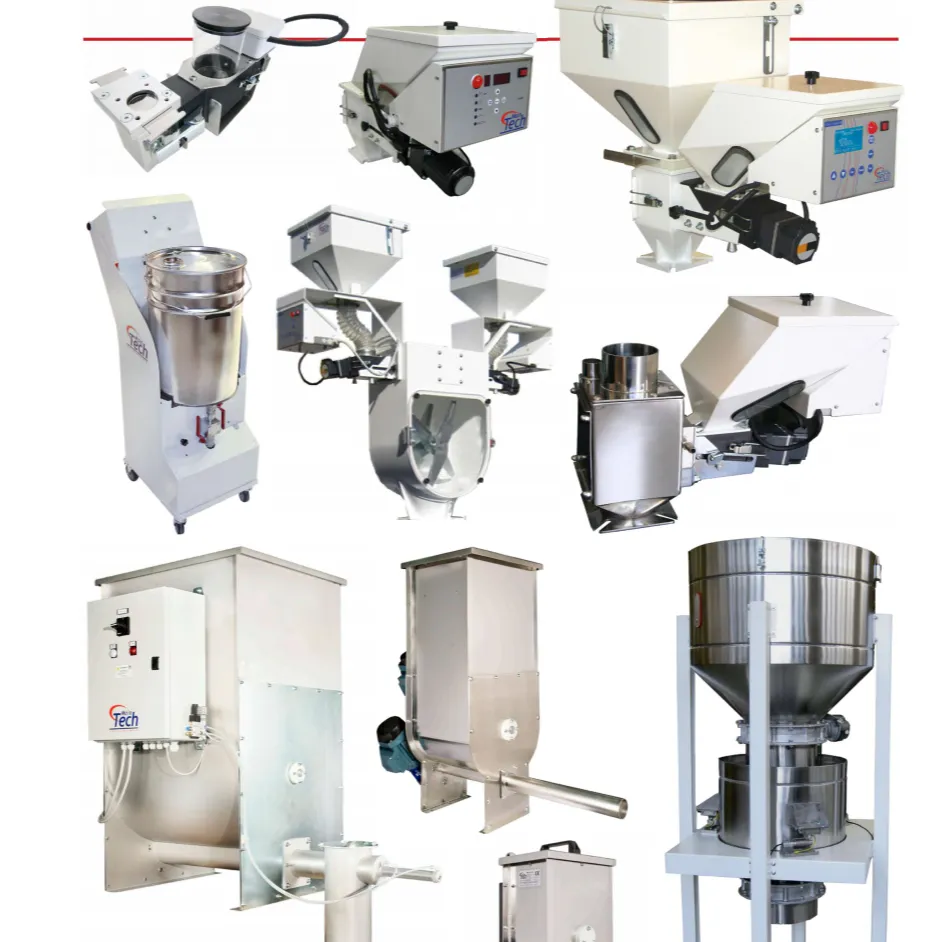
- Integrated weighing modules for automated dosing, bagging, and in-line process control.
Applications and Uses
Precision weighing equipment is used throughout the plastics value chain, from incoming material inspection to finished-product validation.
Major applications include:
- Compounding and masterbatch production for pigments, fillers, stabilizers, and functional additives.
- Injection molding and extrusion for recipe verification, sample control, and material reconciliation.
- Laboratory formulation for test blends, polymer characterization, and development trials.
- Quality control for part count, net content checks, and tolerance verification.
- Recycling and reprocessing for feedstock characterization, sample retention, and moisture-related analysis.
A less suitable fit is bulk raw-material transport, where precision balances are not appropriate because load cells, platform scales, or weighbridges are required for the mass range involved.
In plastics processing, precision weighing helps ensure that small deviations in additives or test formulations do not propagate into downstream defects such as discoloration, brittleness, warpage, or inconsistent melt behavior. This is especially important in high-value or regulated applications where traceability is part of the quality system.
Technological Innovations and Automation
Modern precision weighing increasingly functions as part of a digital production ecosystem. Connectivity to laboratory information systems, manufacturing execution systems, and batch-control software supports automatic recording, audit trails, and recipe enforcement.
Key innovations include:
- Automated dosing interfaces that reduce manual transfer error and improve repeatability.
- High-precision sensors with improved drift control and faster stabilization times.
- Single-platform systems that combine weighing and counting functions to simplify workflow.
- Data integration for statistical process control, traceability, and electronic recordkeeping.
In plastics manufacturing, these technologies support better batch consistency and reduce the risk of formulation errors when numerous minor components are used. They also help operators manage regrind and recycled content with greater control, which is increasingly relevant in circular processing strategies.
Environmental and Sustainability Aspects
Precision weighing contributes to sustainability primarily by reducing material waste, overdosing, and off-spec production. In compounding and dosing, even small weighing errors can create unusable batches or require corrective rework, both of which increase energy use and scrap generation.
Sustainability-related benefits include:
- Lower additive overuse, which reduces raw material consumption.
- Better batch accuracy, which helps avoid rejected product and reprocessing.
- Improved support for recycled feedstocks, where variability makes accurate dosing more important.
- More efficient inventory control, reducing losses and unnecessary overstocking.
At the same time, high-precision equipment may require controlled environments, calibration routines, and trained operators, which adds operational complexity. The sustainability value therefore depends not only on the instrument itself, but on how well it is integrated into the broader production system.
Economic and Global Market Impact
Precision weighing equipment is a mature but strategically important segment across laboratory, industrial, and production markets. Demand is supported by pharmaceuticals, food processing, materials science, electronics, packaging, and plastics manufacturing, where exact mass measurement is linked directly to product quality and compliance.
Market-relevant dynamics include:
- Global standardization of measurement practices, which favors well-documented, calibrated instruments.
- Expansion of automation, which increases demand for connected weighing modules and integrated systems.
- Broader adoption in production environments, not only laboratories, as manufacturers seek tighter process control.
- Competition among established suppliers such as METTLER TOLEDO, Sartorius, OHAUS, Precisa, Adam Equipment, and Rice Lake, each serving different mixes of laboratory, industrial, and value-oriented segments.
For plastics processors, the economic case is usually based on reduced waste, improved formulation accuracy, and stronger consistency across production lots rather than on weighing hardware cost alone.
Current Challenges and Innovations
The main technical challenges are environmental sensitivity, calibration discipline, operator technique, and integration with automated workflows. Precision scales can be affected by vibration, airflow, temperature variation, static charge, and contamination, especially when working at milligram or microgram levels.
Current innovation priorities include:
- Faster stabilization without sacrificing accuracy.
- Better resistance to vibration and draft effects.
- Improved digital connectivity and auditability.
- More robust designs for factory-floor use, especially where laboratory-grade precision is needed outside the lab.
In plastics and compounding applications, a continuing challenge is balancing the need for high accuracy with the realities of throughput, dust, regrind variability, and operator workflow. This is why many plants use a mix of laboratory-grade balances for development and more rugged precision scales or modules for production.
Future Outlook
Future development is likely to emphasize smart weighing systems, automation compatibility, and higher measurement confidence in mixed-material workflows. As plastics manufacturing continues to incorporate recycled content, specialty additives, and tighter compliance documentation, precision weighing will remain central to recipe control and quality assurance.
Expected directions include:
- More networked balances with automatic data capture.
- Broader use of embedded weighing modules in dosing, bagging, and in-line verification.
- Stronger support for traceability in regulated and high-value applications.
- Continued convergence between laboratory balances and production-scale precision systems.
For the plastics industry, the strategic role of precision weighing will likely expand as manufacturers pursue lower waste, more consistent formulations, and better integration between material science, process control, and sustainability goals.
References
- •
Precision Scales. (2024, June 24). METTLER TOLEDO. https://www.mt.com/us/en/home/products/Laboratory_Weighing_Solutions/precision-balances/precision-scales.htmlLink
- •
Precision Balances and Scales - Mettler Toledo. (2026, June 29). METTLER TOLEDO. https://www.mt.com/us/en/home/products/Laboratory_Weighing_Solutions/precision-balances.htmlLink
- •
High Precision Weighing Scales - Accurate Measurements. (n.d.). Weighing-Net. https://weighing-net.co.uk/product-category/industrial-scales/bench-scales/precision-scales/Link
- •
Accurate Scales | High Accuracy Digital Weighing Scales. (2023, March 17). METTLER TOLEDO. https://www.mt.com/us/en/home/products/solutions/accurate-scales.htmlLink
- •
Precision Weighing Scales. (2025). Newark. https://www.newark.com/c/tools-production-supplies/measurement-inspection/weighing-scales?balance-scale-type=precisionLink
- •
Digital Weighing Scales Online | ScalesHub Advanced.... (n.d.). ScalesHub. https://www.scaleshub.com/Link
- •
Adam Equipment | Professional Weighing Scales & Balances. (n.d.). Adam Equipment. https://adamequipment.com/Link
- •
Precision Balances. (2026, August 24). ScalesPlus. https://www.scalesplus.com/precision-balances/Link
- •
Analytical Balances And Accessories. (2025). Thomas Scientific. https://www.thomassci.com/instruments/balances/analytical-balancesLink
- •
Precision Laboratory Balance in the Real World: 5 Uses.... (2025, October 2). LinkedIn. https://www.linkedin.com/pulse/precision-laboratory-balance-real-world-5-uses-youll-pmmxcLink
- •
Precision Balances and Scales for Laboratory - Wishart Group. (n.d.). Wishart Group. https://wishartgroup.co.uk/laboratory_weighing/precision_balances/Link
- •
High Precision Weighing Scales - Accurate Measurements. (2022, February 1). Weighing-Net. https://weighing-net.co.uk/precision-scales/Link
- •
High Precision Weighing Module in the Real World: 5 Uses.... (2025, October 24). LinkedIn. https://www.linkedin.com/pulse/high-precision-weighing-module-real-akmueLink
- •
Precision Balance in the Real World: 5 Uses You'll Actually See (2025). (2025, October 2). LinkedIn. https://www.linkedin.com/pulse/precision-balance-real-world-5-uses-youll-actually-4oaacLink
- •
Precision balances. (2014). Fleischhacker. https://shop.fleischhacker.biz/en/laboratory-equipment-supplies/measuring-systems/weighing-systems/scales/precision-balances/Link
- •
METTLER TOLEDO Balances & Scales for Industry, Lab, Retail.... (2026, May 14). METTLER TOLEDO. https://www.mt.com/us/en/home.htmlLink
- •
Precision Industrial Weighing - Advanced Weighing Systems. (n.d.). Advanced Weighing Systems. https://scaledealer.com/precision-industrial-weighing/Link
- •
Products: Lab Balance & Industrial Scales | Lab.... (n.d.). OHAUS. https://us.ohaus.com/en-us/productsLink
- •
Precisa - TechComp. (2020, September 30). TechComp. https://techcomp-instruments.com/our-companies/precisa/Link
- •
An Overview of the Industries Requiring Precision Weighing. (2022, March 3). Precisa. https://www.precisa.com/article/an-overview-of-the-industries-requiring-precision-weighing/Link
- •
High Precision Laboratory Balance in the Real World. (2025, October 2). LinkedIn. https://www.linkedin.com/pulse/high-precision-laboratory-balance-real-world-5-uses-youll-yvmtcLink
- •
Laboratory Scales & Laboratory Precision Balances - Precisa. (2022, March 2). Precisa. https://www.precisa.com/blog/precisas-laboratory-scales-an-overview-of-precision-balances-and-their-applications/Link
- •
American Made Scales: Precision Weighing Solutions. (2024, October 1). USA Measurements. https://usameasurements.com/product-category/american-made/Link
- •
High Precision Weighing. (2021, March 15). METTLER TOLEDO. https://www.mt.com/in/en/home/applications/industrial_weighing/high-precision-weighing.htmlLink
- •
Explore the Precision Balances & Scales. (n.d.). Sartorius. https://www.sartorius.com/en/products/weighing/laboratory-balances/precision-lab-balances-scalesLink
- •
10 Main Types of Weighing Equipment. (2025, August 1). Weighing Review. https://www.weighingreview.com/article/10-main-types-of-weighing-equipment-for-commercial-industrial-and-moreLink
- •
Buyer's Guide: Top Weighing Equipment for R&D Labs. (2024, May 21). Weighing-Net. https://weighing-net.co.uk/industrial-scales-research-development/Link
- •
Overview of weighing. (2016, May 11). Physikalisch-Technische Bundesanstalt. https://www.ptb.de/cms/en/ptb/fachabteilungen/abt1/fb-11/ag-112/overview-of-weighing.htmlLink
- •
BALANCES RESOURCE GUIDE. (n.d.). Lab Manager. https://cdn2.hubspot.net/hubfs/547446/Images/LM/eBooks/2018/Balances/033-Balances-V3%20(1).pdfLink
- •
16 Weighing Equipment Categories | Metoree. (n.d.). Metoree. https://us.metoree.com/lists/1296/Link
- •
3 Types of Weighing Scales and How They Work. (2015, April 9). Arlyn Scales. https://www.arlynscales.com/scale-knowledge/3-types-of-weighing-scales-and-how-they-work/Link
- •
Weighing Sensor Applications and Innovative Use Cases. (2022, November 3). Interface. https://www.interfaceforce.com/weighing-sensor-applications-and-innovative-use-cases/Link
- •
Types of Laboratory Scales and Balances Explained. (2021, February 4). Arlyn Scales. https://www.arlynscales.com/laboratory/types/Link
- •
Laboratory Balances. (2026, September 4). Fisher Scientific. https://www.fishersci.com/us/en/browse/90165059/laboratory-balancesLink
- •
Types of Analytical Balances - Triton Store. (2025, September 9). Triton Store. https://tritonstore.com.au/types-of-analytical-balances/Link
- •
Ultra Precision Scales Uses: 3 Real-Life Applications. (2024, September 23). Arlyn Scales. https://www.arlynscales.com/ultra-precision-scales/3-real-life-applications-that-ultra-precision-scales-can-be-used-for/Link
- •
Precision Weighing scales and solutions from Minebea.... (n.d.). Greenville Scale. https://www.greenvillescale.com/precision_weighing.phpLink
- •
Mechanical, Digital & Analytical Weighing Scales & Their Uses l.... (2026, April 16). MWS. https://www.mws.ltd.uk/three-main-types-of-weighing-scales/Link
- •
Frank's Weighing Scales. (n.d.). Frank's Hospital Workshop. http://www.frankshospitalworkshop.com/equipment/weighing_scales_equipment.htmlLink
- •
Rice Lake Weighing Systems. (2021, November 30). Rice Lake Weighing Systems. https://www.ricelake.com/Link
- •
Electronic Balances in the Real World: 5 Uses You'll Actually.... (2025, October 1). LinkedIn. https://www.linkedin.com/pulse/electronic-balances-real-world-5-uses-youll-actually-diskeLink
- •
The Complete Guide to Industrial Weighing Scales - RS Components. (2023, January 5). RS Components. https://uk.rs-online.com/web/content/discovery/ideas-and-advice/weighing-scales-guideLink
- •
Integration Notes. (2025, October 7). LinkedIn. https://www.linkedin.com/pulse/platform-electronic-laboratory-balance-real-world-5-uses-wdwofLink
- •
Weighing Scale Uses and Applications Explained | Develoscale. (2025, September 15). Develoscale. https://www.develoscale.com/weighing-scale-uses-and-applications/Link
- •
What are the uses of Weighing Machines at different places. (n.d.). Samurai Scale. https://www.samuraiscale.com/blog/what-are-the-uses-of-weighing-machines-at-different-places/Link
- •
Weighing scale. (2004, September 7). Wikipedia. https://en.wikipedia.org/wiki/Weighing_scaleLink
- •
Precision vs. Standard Weighing Scales. (2025, January 20). HiWeigh. https://www.hiweigh.com/news/latest-news/precision-vs-standard-weighing-scales-whats-the-difference/Link