
Introduction
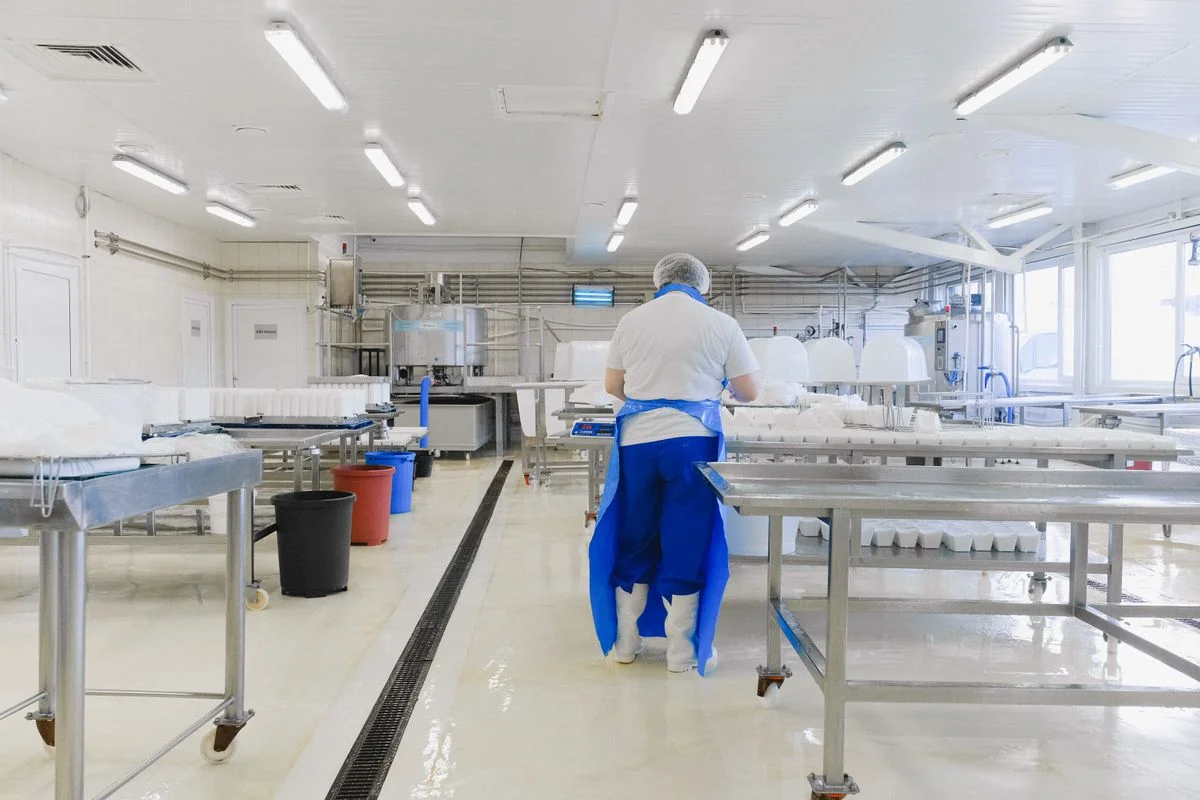
Cleanroom systems are engineered environmental-control installations that maintain airborne particle counts, temperature, humidity, pressure, airflow, and electrostatic conditions within defined limits for contamination-sensitive manufacturing and testing. In plastics processing, they are most relevant where polymer products must meet stringent cleanliness, dimensional, optical, medical, or electronic-performance requirements, such as medical disposables, pharmaceutical packaging, precision optics, semiconductor-related plastic components, and high-reliability assemblies.
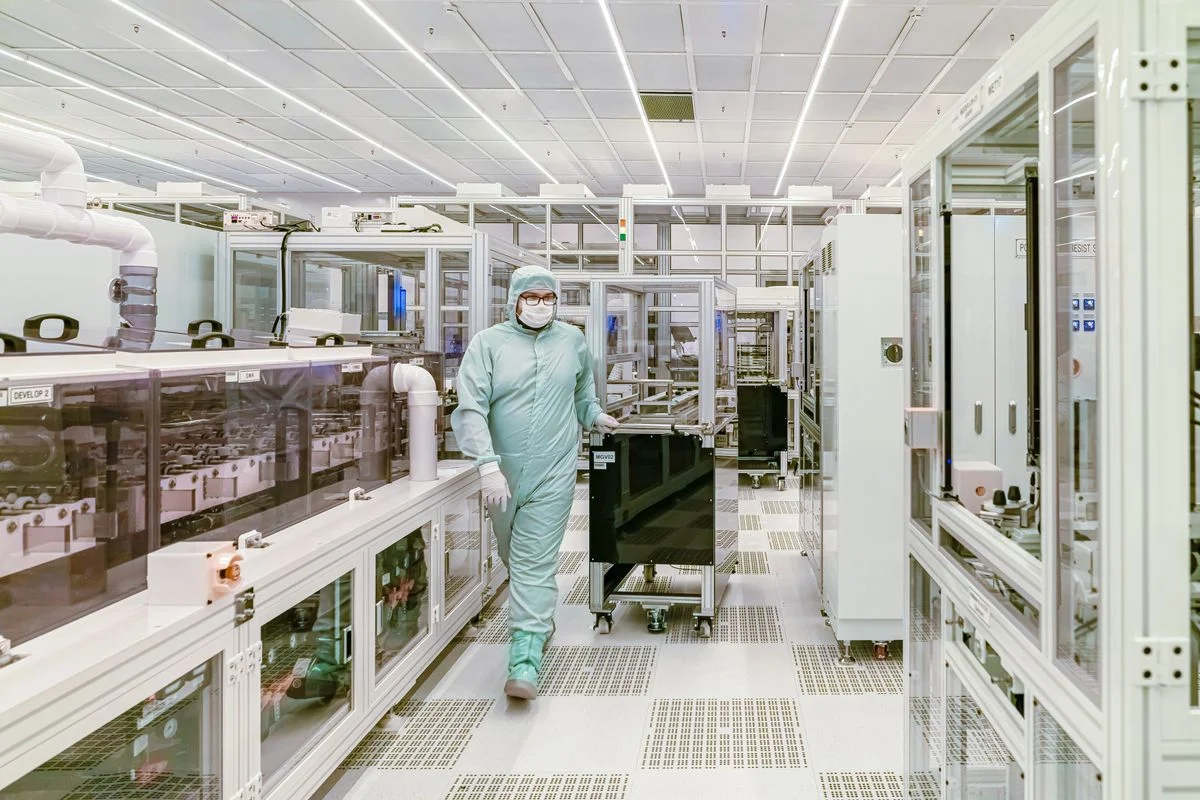
A complete cleanroom system is more than a filtered room: it is a coordinated package of building envelope, HEPA/ULPA filtration, air-handling, pressure cascade control, monitoring, and often personnel and material transfer equipment such as airlocks, pass-throughs, and air showers. Modern systems are commonly modular and turnkey, allowing clean zones to be built inside existing buildings or expanded in stages as production changes.
Historically, cleanroom engineering evolved from early contamination-controlled rooms to standardized clean environments governed by particle-count classifications and installation/testing protocols. Key developments include the formalization of cleanliness classes, the widespread adoption of HEPA filtration, and the later integration of real-time environmental monitoring and automation for continuous compliance. Recent system designs increasingly emphasize energy efficiency, low-waste construction, and compatibility with digital manufacturing, which is especially relevant for plastics processors facing tighter quality, regulatory, and sustainability expectations.
History and Development
Cleanroom technology developed as industries discovered that conventional factory environments could not reliably support microelectronics, pharmaceuticals, precision optics, or sterile medical production. As contamination limits tightened, cleanrooms shifted from ad hoc controlled spaces toward standardized engineering systems with defined cleanliness classes and validated operating procedures.
Several milestones shaped modern cleanroom systems:
- The adoption of high-efficiency particulate filtration made it practical to remove submicron particles at scale and became the basis of modern cleanroom air treatment.
- International and industry standards such as ISO 14644 established a common particle-class framework that enabled specification, qualification, and comparison across facilities.
- Modular construction methods made it possible to deliver turnkey cleanrooms with prefabricated walls, ceilings, and integrated HVAC/filtration packages, reducing installation time and allowing later reconfiguration.
For plastics manufacturing, these developments mattered because contamination control became increasingly linked to product performance, especially for medical, optical, and electronic-grade polymer parts where a single particle, fiber, or residue can impair appearance, sealing, adhesion, sterilization, or electrical reliability.
Technical Overview
A cleanroom system works by combining source control, air cleaning, flow management, and pressure management so that contaminants are diluted or removed faster than they are introduced. The objective is not absolute sterility, but a controlled and repeatable environment with a specified cleanliness class.
Core subsystems
- Building envelope: insulated wall panels, sealed ceilings, cleanroom doors, glazing, and chemically compatible flooring create a low-leakage controlled zone.
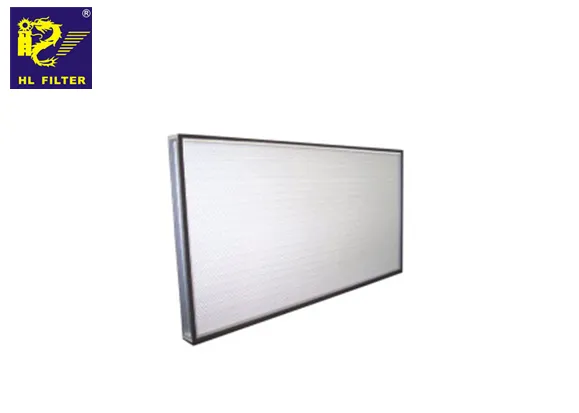
- Air-handling and filtration: staged filtration typically uses prefilters plus HEPA or ULPA final filters, often arranged in fan filter units or central air-handling systems.
- Airflow organization: either unidirectional flow for the highest cleanliness zones or non-unidirectional/turbulent flow for less stringent areas.
- Pressure cascade: positive pressure relative to adjacent spaces helps prevent infiltration of dirty air; some processes use local negative pressure for hazardous materials.
- Monitoring and controls: particle counters, differential pressure sensors, temperature and humidity probes, alarms, and building-management integration sustain compliance.
- Transfer interfaces: pass boxes, air showers, gowning rooms, and material airlocks reduce contamination introduced by people and goods.
Typical performance benchmarks
- ISO classifications range from the most stringent particle limits in Class 1 to far looser limits in Class 9.
- A commonly cited cleanroom operating range maintains positive pressure of about 5–20 Pa above adjacent non-clean areas, depending on process and layout.
- Temperature in many industrial cleanrooms is commonly held around 22–26 °C, with relative humidity often in the 45–65% range when process requirements allow.
- HEPA filtration is widely used to achieve very high removal efficiency for fine particulates, with cited efficiencies of 99.97% or higher for the relevant particle size range.
Engineering examples in plastics processing
- In medical molding, cleanrooms reduce airborne dust that can compromise device surfaces, packaging integrity, or downstream sterilization.
- In optical or transparent polymer parts, contamination control reduces visible defects and haze.
- In battery and electronic plastics, cleanrooms help prevent particle-induced shorts, seal defects, and cosmetic contamination.
- In food-contact packaging, controlled environments support hygiene and regulatory compliance, although some applications require only localized clean zones rather than a full cleanroom.
Types and Variations
Cleanroom systems are usually classified by construction method, airflow strategy, and cleanliness target.
| Type | Main feature | Typical use |
|---|---|---|
| Modular cleanroom | Prefabricated panels and ceilings assembled inside an existing building | Flexible plastics operations, pilot lines, changing product mixes |
| Stick-built cleanroom | Permanently constructed room integrated into the building shell | Large, long-life plants with fixed layouts |
| Hardwall cleanroom | Rigid walls, higher durability, stronger seal integrity | Regulated production and higher cleanliness classes |
| Softwall cleanroom | Flexible curtain or film enclosure | Localized clean zones, temporary expansion, lower-cost applications |
| Single-pass cleanroom | Conditioned air is supplied and exhausted without major recirculation | Higher-contamination-risk or specialty process conditions |
| Recirculating cleanroom | Clean air is filtered and reused to reduce energy demand | Most industrial cleanrooms |
Modular systems are especially attractive in plastics processing because product lines often change faster than building lifecycles; a modular layout can be reconfigured for new molds, packaging formats, or validation zones without full reconstruction.
Applications and Uses
Cleanroom systems support a broad range of plastics-related operations where airborne contamination affects quality or compliance.
- Medical plastics
- Pharmaceutical packaging
- Semiconductor and electronics-related polymer parts
- Optical and display components
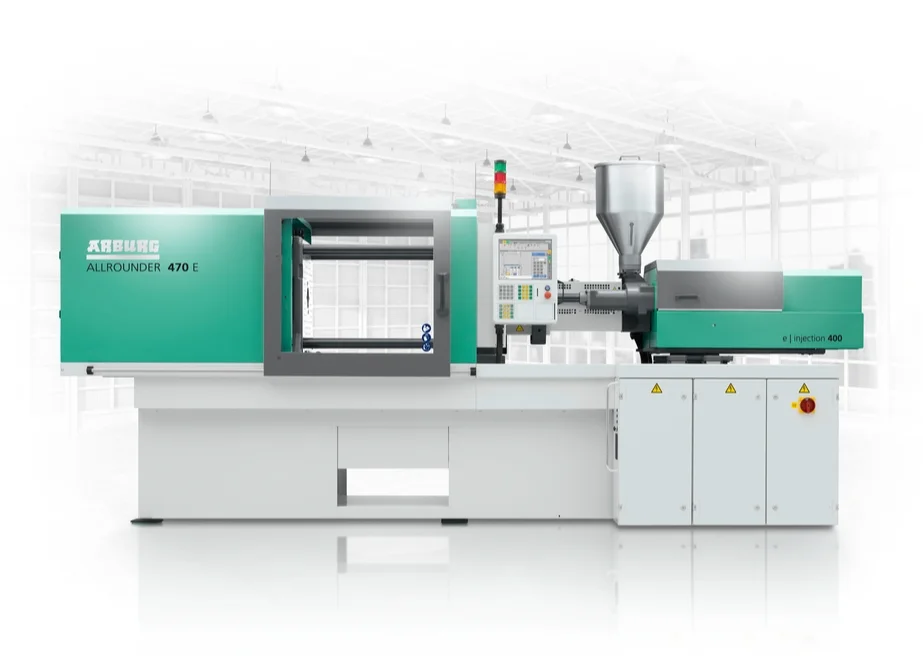
- Precision injection molding
- Clean assembly and inspection
- Sterile or hygienic packaging
- Localized laboratories and pilot plants
In these sectors, cleanrooms protect not only the product but also process stability, because contamination can interfere with decoration, bonding, welding, printing, sealing, or sterilization.
A poor-fit use is heavy, dirty, and open bulk processing, such as raw polymer resin storage or non-sensitive pallet handling, where the cost of a full cleanroom usually outweighs the benefit. In such cases, targeted containment, dust extraction, or localized clean booths are often more economical than a whole-room clean environment.
Technological Innovations and Automation
Recent cleanroom systems increasingly combine contamination control with digital supervision and automation. This is particularly relevant for plastics plants where process excursions can quickly create scrap or validation failures.
Key innovations include:
- Real-time particle monitoring linked to alarms and trend analysis
- Automated differential-pressure control to stabilize room cascades
- BMS/SCADA integration for HVAC, filtration, and access control
- Remote validation records and digital audit trails
- Smart occupancy management that adjusts airflow based on use patterns
- Energy-optimized fan filter units and variable-speed drives
Automation improves repeatability, but it also adds complexity: sensors must be calibrated, control logic must be validated, and maintenance teams need stronger instrumentation skills. In regulated plastics manufacturing, this trade-off is often justified by lower defect rates and better compliance evidence.
Environmental and Sustainability Aspects
Cleanroom systems can be energy intensive because large volumes of air must be filtered, conditioned, and sometimes recirculated continuously. The most significant sustainability challenges are fan power, cooling/dehumidification load, filter replacement, and construction material embodied carbon.
Common efficiency strategies include:
- Modular zoning so only critical areas are maintained at the highest cleanliness level
- Demand-based airflow control using variable-speed fans and occupancy logic
- High-performance envelope sealing to reduce leakage and rework
- Long-life filtration planning to reduce waste from premature changeouts
- Air recirculation with monitored make-up air where process rules permit
- Reconfigurable modular construction to extend facility life and reduce demolition waste
For plastics manufacturers, these strategies align with broader circular-economy goals because they support lower scrap rates, longer equipment life, and cleaner requalification after line changes.
Economic and Global Market Impact
Cleanroom systems are a capital-intensive but strategically important infrastructure category, especially in sectors where contamination directly affects yield and regulatory acceptance. The market spans system integrators, HVAC specialists, modular cleanroom manufacturers, filtration suppliers, monitoring vendors, and validation service providers.
For plastics processors, the economic case usually depends on:
- reduced defect and scrap rates,
- better validation success,
- lower contamination-related recalls or complaints,
- improved access to medical, electronic, or export-grade markets,
- and faster conversion from general manufacturing to regulated production.
Modular suppliers have gained traction because they can deliver rooms and components faster than fully bespoke construction, and because they simplify relocation or expansion as product demand changes.
Current Challenges and Innovations
Cleanroom systems face several persistent technical challenges:
- Balancing cleanliness and energy use
- Maintaining compliance during frequent product changeovers
- Preventing human-borne contamination
- Integrating new sensors without compromising validation
- Managing maintenance access while preserving cleanliness
- Adapting legacy plants to modern cleanliness standards
In plastics processing, another challenge is that contamination sources are not limited to ambient dust; they may include mold release residues, polymer fines, packaging fibers, lubricant aerosols, and operator-generated particles. This means the cleanroom must be coordinated with upstream molding, trimming, assembly, and packaging practices rather than treated as a standalone room.
Current innovation is therefore moving toward system-level contamination control, where process design, material handling, gowning, housekeeping, and automation are engineered together.
Future Outlook
Future cleanroom systems are likely to become more modular, data-driven, and energy-aware. For plastics manufacturing, this points toward facilities that can be rapidly reclassified, digitally monitored, and adjusted to the cleanliness needs of specific product families rather than maintained uniformly at maximum cost.
Expected directions include:
- tighter coupling of cleanroom controls with manufacturing execution systems,
- more local clean zones instead of whole-room ultra-clean specifications,
- improved filtration and airflow modeling,
- lower-energy HVAC architectures,
- and greater use of prefabricated, recyclable, or relocatable cleanroom components.
As plastics applications move deeper into medical, electronics, and precision assemblies, cleanroom systems will remain a core enabling technology rather than a supporting utility.
Summary
Cleanroom systems are integrated contamination-control environments that combine filtration, airflow engineering, pressure control, enclosure design, and monitoring to support sensitive plastics processing and other advanced manufacturing. Their importance continues to grow as product tolerances tighten, regulatory requirements expand, and manufacturers seek cleaner, more flexible, and more efficient production platforms.
References
- •
Wancili. (n.d.). 专业净化工程服务商 [Professional purification engineering service provider]. https://www.wancili.com/pinpai/9311817.htmlLink
- •
Nortek Air Solutions. (2025, April 18). Cleanroom systems. https://www.nortekair.com/products/cleanroom-systems/Link
- •
Clean Rooms International. (2026, August 5). Cleanroom systems and contamination control. https://cleanroomsint.com/Link
- •
Timotec. (2026, September 16). Cleanroom systems and components. https://www.timotec.eu/en/products/category/cleanroom-systems-componentsLink
- •
Lindner Group. (n.d.). Clean room. https://www.lindner-group.com/en/products/clean-roomLink
- •
Lumin Air. (2026, April 2). Cleanroom systems. https://lumin-air.com/cleanroom-systems/Link
- •
Clean Rooms International. (2026, February 4). Cleanroom systems & components. https://cleanroomsint.com/clean-room-systems-components/Link
- •
AP Systems. (n.d.). Turnkey cleanrooms according to customer requirements. https://www.ap-systems.de/en/home-en/Link
- •
AP Systems. (n.d.). Overview of cleanroom systems (interactive tour). https://www.ap-systems.de/en/cleanroom/overview-of-cleanroom-systemsLink
- •
GenAire Systems. (n.d.). Clean rooms. https://genairesys.com/products/clean-processes/clean-rooms/Link
- •
Baidu. (n.d.). 车间无尘车间装修 [Cleanroom decoration]. https://b2bwiki.baidu.com/encyclopedic/clean-room-decoration-2Link
- •
FläktGroup. (n.d.). Clean room solutions. https://www.flaktgroup.com/en/solutions/clean-room-solutions/Link
- •
PortaFab. (n.d.). Modular cleanrooms & custom cleanroom manufacturer. https://www.portafab.com/cleanrooms.htmlLink
- •
Southwest Solutions Group. (2026, April 10). Modular cleanrooms for controlled environments. https://www.southwestsolutions.com/modular-walls-buildings-and-carts/modular-cleanrooms/Link
- •
American Cleanrooms. (2025, April 8). What is a cleanroom? https://www.americancleanrooms.com/what-is-a-cleanroom/Link
- •
Siemens. (n.d.). Cleanroom. https://www.siemens.com/en-us/industries/life-sciences/cleanroom-technology/Link
- •
Contec Cleanroom. (n.d.). Contec cleanroom: Controlled environment cleanroom products. https://cleanroom.contecinc.com/Link
- •
HK Air Clean. (n.d.). 無塵車間 [Cleanroom]. https://hkairclean.com/pages/cleanroomLink
- •
Wancili. (n.d.). 洁净车间一体化交付 [Cleanroom integrated delivery]. https://www.wancili.com/pinpai/10851365.htmlLink
- •
Terra Universal. (n.d.). Modular and stick-built cleanrooms. https://www.terrauniversal.com/cleanrooms.phpLink
- •
Yiwu. (n.d.). 净化工程一站式专家 [One-stop purification engineering expert]. http://www.yiwu.com.cn/pinpai/8496958.htmlLink
- •
Wancili. (n.d.). 洁净+智能物流一体化 [Clean + intelligent logistics integration]. https://www.wancili.com/pinpai/10887431.htmlLink
- •
Vestis. (2026, August 4). Cleanroom. https://www.vestis.com/industries/cleanroomLink
- •
Branding Works Air. (n.d.). 無塵車間 [Cleanroom]. https://brandingworks-air.com/pages/cleanroomLink
- •
Cleanroom.com.hk. (2026, July 10). 無塵車間核心設備集成構築極致穩定的潔淨生產環境 [Core equipment integration for cleanrooms]. https://www.cleanroom.com.hk/workshop-equipmentLink
- •
Yiwu. (n.d.). 匠心筑洁净 真诚做实业 [Crafting cleanliness with dedication]. http://www.yiwu.com.cn/pinpai/6116395.htmlLink
- •
39Cleanroom. (n.d.). 产品中心 [Product center]. http://www.39cleanroom.com/cpzx/wccj/Link
- •
Allied Cleanrooms. (n.d.). Allied cleanrooms. https://www.vwr.com/us/en/allied-turnkey-cleaning-servicesLink
- •
Zhongjing Shenzhen. (2023, September 11). 无尘车间通常需要用到哪些净化设备 [Purification equipment for cleanrooms]. http://zhongjingshenzhen.com/qyxw/742.htmlLink
- •
Sohu. (2026, September 5). 沈阳净化车间一站式服务口碑推荐 [Shenyang cleanroom one-stop service]. https://www.sohu.com/a/1071711952_228943Link
- •
Cleanroomer. (2019, November 30). 关注微信公众号 [Follow WeChat public account]. https://cleanroomer.com/newshow.php?classID=41&id=1564Link
- •
Wancili. (n.d.). 洁净环境整体解决方案 [Overall clean environment solution]. https://www.wancili.com/pinpai/10616823.htmlLink
- •
Control.com. (2020, July 31). Considerations for designing cleanroom control systems. https://control.com/technical-articles/considerations-designing-control-systems-for-cleanrooms/Link
- •
Wikipedia. (2003, July 23). Cleanroom. https://en.wikipedia.org/wiki/CleanroomLink
- •
Sohu. (n.d.). 什么是无尘车间,一分钟带你全面了解 [What is a cleanroom]. https://www.sohu.com/a/713654125_121751624Link
- •
Taobao. (2025, October 15). 无尘车间英文用法 [Cleanroom English usage]. https://fanyi.taobao.com/en/quanwujinghuaxitong_14198/detail-02a2614bdc7ef363fb538533d52907e5.htmlLink
- •
Gzkhlab. (n.d.). 无尘车间装修 [Cleanroom decoration]. http://www.gzkhlab.com/shiyanshi/62.htmlLink
- •
Sohu. (2020, July 15). 无尘车间是什么意思? [What does cleanroom mean?]. https://www.sohu.com/a/407797486_120409518Link
- •
Whdcjh. (n.d.). 无尘车间等级标准有哪些? [Cleanroom grade standards]. https://www.whdcjh.com/hyxgzs/4098.htmlLink
- •
ACDT. (n.d.). 無塵室和空氣淨化設備 [Cleanroom and air purification equipment]. https://zh-tw.acdt.com.tw/cleanroom-equipmentLink
- •
Sohu. (2026, September 5). 2026年沈阳做无尘车间净化工程靠谱设计施工公司实力参考 [2026 Shenyang cleanroom companies]. https://www.sohu.com/a/1071251514_122918615Link
- •
Sina Finance. (2026, September 20). 芯联集成电路制造申请环境监控系统相关专利 [Xinlian integrated circuit patent]. https://finance.sina.com.cn/stock/aigc/zl/2026-09-20/doc-inismrfh9383398.shtmlLink
- •
163.com. (2026, September 16). 做十万级净化车间工程沈阳做总包企业推荐 [Shenyang 100,000-class cleanroom contractors]. https://www.163.com/dy/article/L6UM7CV20517AVVO.htmlLink
- •
163.com. (2026, September 8). 山东仁科壁挂式尘埃监测设备推荐 [Shandong Renke dust monitoring equipment]. https://www.163.com/dy/article/L6AOG8SJ0556K3VJ.htmlLink
- •
Sohu. (2026, September 19). 生产洁净室空气过滤器的靠谱公司 [Reliable cleanroom air filter companies]. https://www.sohu.com/a/1078016555_121307677Link
- •
Sohu. (2026, September 21). 如何开展净化车间长效运维保养工作 [Long-term cleanroom maintenance]. https://www.sohu.com/a/1079182206_122755957Link
- •
Sina Finance. (2026, September 21). 半导体背后的“隐形战场”:洁净室 [The invisible battlefield behind semiconductors]. https://finance.sina.cn/fund/jjgdxw/2026-09-21/detail-inisqzxv7581261.d.html?vt=4&cid=76568&node_id=76568Link