
Introduction
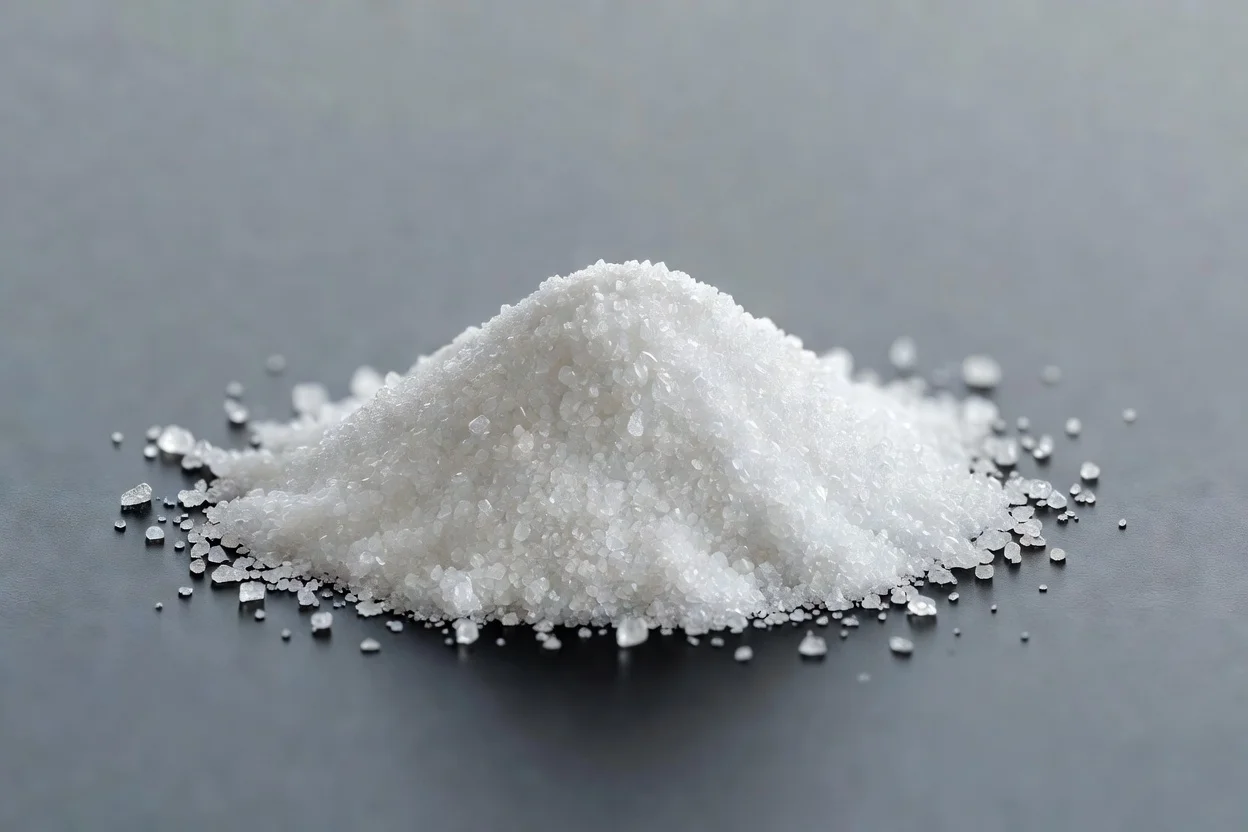
Inorganic flame retardants are a broad class of mineral- and metal-based additives used to reduce ignition, slow flame spread, suppress smoke, and improve fire safety in plastics and other combustible materials. They are especially important in halogen-free formulations because they typically act through endothermic cooling, release of water or other inert gases, and formation of a protective glassy or ceramic-like barrier layer.
The most widely used inorganic flame retardants are aluminium hydroxide and magnesium hydroxide, often referred to in industry as ATH and MDH, but the category also includes metal oxides, borates, phosphates, expanded graphite, clays, and selected mineral fillers with flame-retardant or synergistic effects. Their technical value lies in a combination of fire performance, low toxicity, and smoke suppression, although they often require relatively high loadings and can impair mechanical properties or processability if not properly formulated.
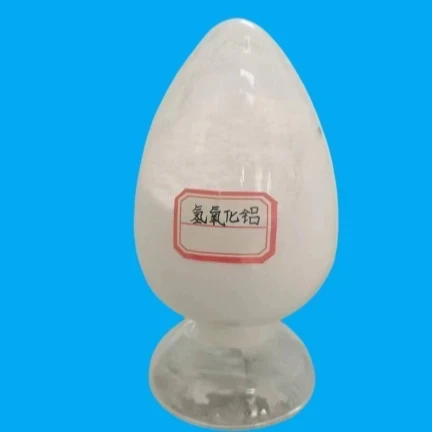
From a plastics-industry perspective, inorganic flame retardants are central to cables, electrical housings, construction materials, transport interiors, elastomers, and selected thermoplastic compounds, particularly where low smoke, halogen-free compliance, and thermal stability are prioritized. Their development has been shaped by fire regulations, substitution away from some halogenated systems, and ongoing efforts to improve dispersion, compatibility, and synergy with phosphorus-, nitrogen-, and nanofiller-based approaches.
History and Development
Early flame-retardant practice relied on mineral fillers, metal salts, and naturally occurring minerals long before modern polymer chemistry created a distinct additives market. As plastics expanded into electrical, construction, and consumer applications, inorganic retardants gained importance because they offered a non-halogenated route to improved fire performance and reduced smoke.
ATH became the dominant commercial inorganic flame retardant because it is inexpensive, widely available, and effective as both a flame retardant and filler, while MDH gained importance in higher-temperature processing windows because it decomposes at a higher temperature than ATH. Over time, the family broadened to include borates, metal oxides, expanded graphite, and mineral and nanostructured systems that provide synergy rather than standalone protection.
Chemical Structure and Key Properties
Inorganic flame retardants are not a single chemical class but a formulation family unified by their inorganic elemental composition and condensed-phase fire-suppression behavior. Their mechanisms are usually physical-chemical rather than radical-quenching in the gas phase, and they often influence both combustion chemistry and the integrity of the solid polymer residue.
Main classes
- Metal hydroxides: aluminium hydroxide and magnesium hydroxide are the principal commercial grades.
- Borates and metal compounds: zinc borate, molybdenum compounds, and related synergists are used at lower loadings.
- Mineral fillers: selected silicates, carbonates, clays, and naturally occurring rock-derived systems contribute barrier effects.
- Expanded graphite and layered minerals: these improve char integrity and heat shielding.
Core performance characteristics
- Endothermic decomposition: hydroxides absorb heat as they decompose, lowering local temperature.
- Water release: released water vapor dilutes combustible gases and cools the flame zone.
- Barrier formation: residual oxides or ceramic-like layers slow heat and mass transfer.
- Smoke suppression: many inorganic systems reduce smoke and toxic byproducts relative to some halogenated systems.
Key limitations
- High loading requirement → low intrinsic flame-retardant efficiency → workaround: use finer particle size, surface treatment, or synergists such as zinc borate or phosphorus systems to reduce loading.
- Poor compatibility with polymers → dispersion and mechanical-property loss → workaround: coupling agents, coatings, masterbatches, and reactive or hybrid formulations improve interfacial adhesion.
- Processing-window constraint for ATH → premature dehydration at elevated temperature → workaround: use MDH or hybrid systems in higher-temperature polymers.
Typical comparative view
| Material | Main role | Strengths | Main constraint |
|---|---|---|---|
| ATH | High-volume general-purpose inorganic FR | Low cost, smoke suppression, non-halogenated | Lower decomposition temperature and high loading need |
| MDH | Higher-temperature halogen-free FR | Better thermal stability before decomposition | Still needs substantial loading |
| Zinc borate | Synergist and smoke suppressant | Char reinforcement, improved residue quality | Usually not sufficient alone |
| Expanded graphite | Barrier-forming additive | Strong physical shielding | Compatibility and aesthetics challenges |
Production Processes and Raw Feedstocks
ATH is commonly produced from refined alumina or aluminium salt routes, while MDH is typically derived from magnesium-rich feedstocks and precipitation or refining processes that yield controlled particle size and purity. Industrial value is strongly tied to particle morphology, surface area, moisture content, and dispersibility, because these factors affect both fire performance and compounding behavior.
Downstream producers often supply:
- Uncoated powder grades for general compounding.
- Surface-treated grades for improved polymer wetting and reduced viscosity increase.
- Micronized or nano-modified grades for higher efficacy at lower loading.
- Masterbatches for easier incorporation into thermoplastics.
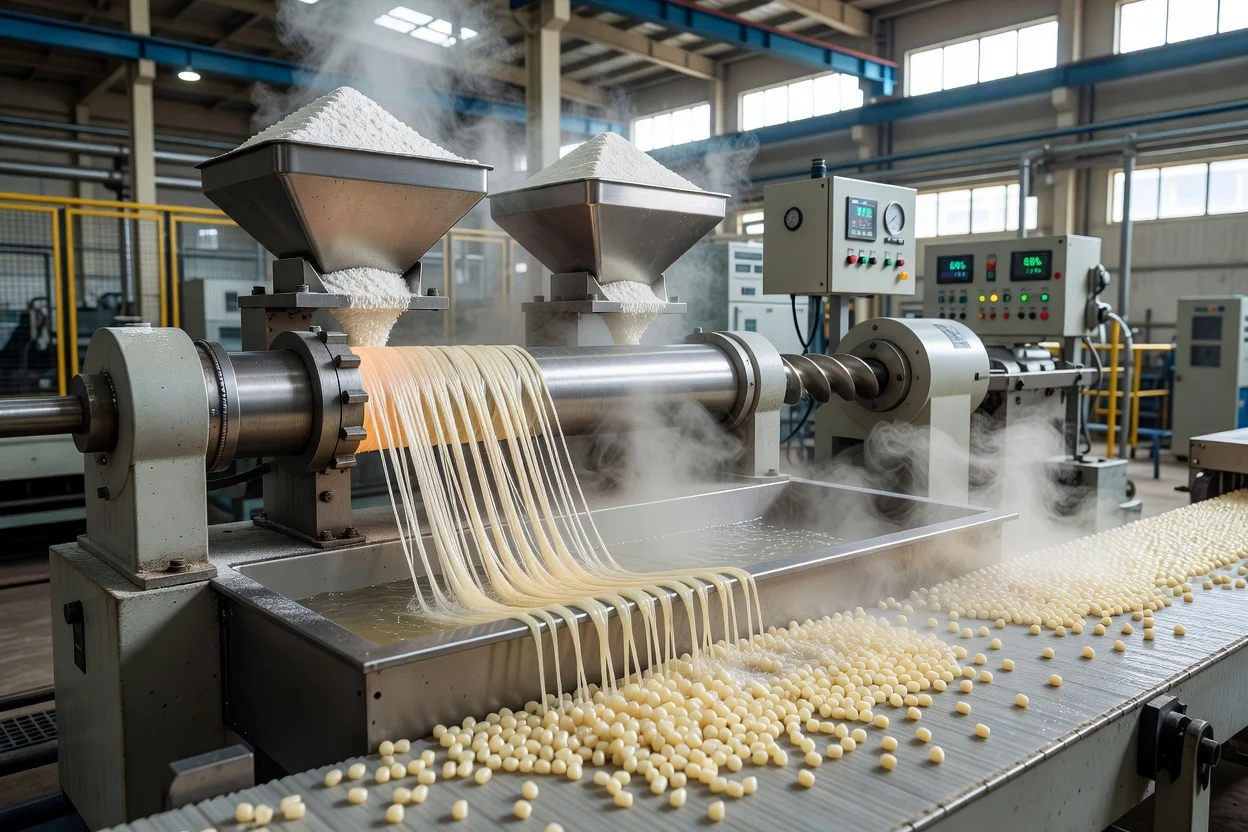
A recurring formulation principle is that inorganic flame retardants are usually blended physically into the polymer matrix rather than chemically bound, which makes compounding quality crucial for end performance.
Applications and End-Use Markets
Inorganic flame retardants are used wherever fire resistance, low smoke, and regulatory compliance are more important than maximum polymer toughness or ultra-lightweight design.
Major application sectors
- Wire and cable: ATH and MDH are widely used in insulation and jacketing, especially in halogen-free flame-retardant cable compounds.
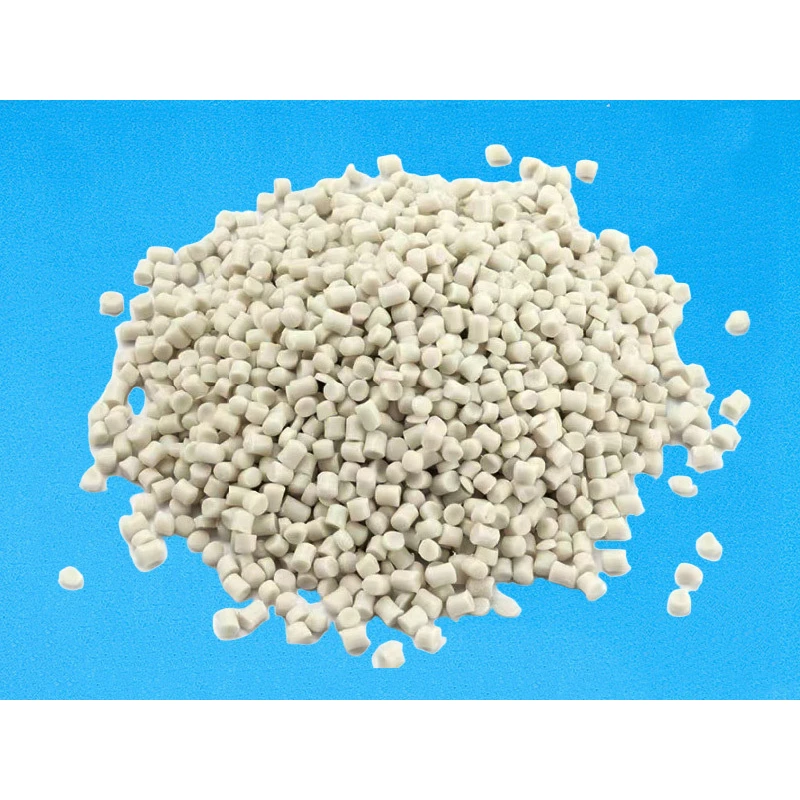
- Construction: mineral-filled polymer systems, insulation materials, coatings, sealants, and panels use inorganic FRs for fire resistance and smoke control.
- Electrical and electronic housings: connectors, enclosures, switches, and related parts use mineral-based systems when halogen-free compliance is required.
- Transportation: interior parts, under-hood components, and selected elastomeric parts use hybrid mineral systems for flame resistance and smoke reduction.
- Rubber and elastomers: inorganic FRs are used where smoke suppression and non-halogenated formulations matter.
- Paints and coatings: inorganic fillers and mineral systems are used in fire-protective and intumescent coating packages.
Typical grade and process matching
| End use | Usual grade | Typical processing route |
|---|---|---|
| Cable insulation/jacketing | ATH or MDH, often surface-treated | Twin-screw compounding and extrusion |
| Electronics housings | Fine-particle mineral blends, often synergized | Injection molding |
| Building panels and profiles | ATH, MDH, clay, carbonate or graphite blends | Extrusion or calendering |
| Rubber parts | Mineral FR systems, often with synergists | Banbury/internal mixing and molding |
| Coatings | Borates, mineral pigments, expandable minerals | Coating formulation and application |
A poor-fit use is high-performance thin-wall thermoplastics, where very high mineral loading can excessively raise viscosity and reduce impact strength, making organophosphorus or reactive systems more suitable in many cases.
Environmental and Sustainability Aspects
Inorganic flame retardants are often viewed as a comparatively favorable option in the fire-retardant landscape because many are non-halogenated, low-volatility, and associated with lower smoke and lower toxicity than some legacy systems. They also support halogen-free cable and construction formulations that align with fire-safety and material-compliance demands.
However, their sustainability profile is not automatically benign. High loadings can increase material use, raise compounding energy, and reduce the durability or lightweighting potential of the final product, which can partially offset environmental gains. Mining, refining, and particle-processing impacts also matter, especially for globally traded mineral feedstocks.
Recyclability and circularity
- Mineral FRs are generally more compatible with mechanical recycling than reactive chemical systems, but property retention depends on contamination control and thermal history.
- Their presence can complicate melt filtration, color, and rheology in recycled plastics, particularly if loading levels are high.
- They can support circular design when chosen as part of durable, halogen-free formulations that maintain performance through repeated service life.
Bio-based alternatives and hybrid systems
Recent research increasingly combines inorganic fillers with bio-based flame-retardant systems such as lignin, starch, chitosan, and phytic-acid-derived additives, often seeking synergy between char formation and mineral barrier effects. These hybrid strategies aim to reduce loading, improve renewability, and maintain fire performance without relying on halogens.
Economic and Global Market Impact
The market is dominated by ATH and MDH, which are repeatedly identified as the most used inorganic flame retardants in plastics. Their scale is driven by cost, broad compatibility with halogen-free cable and construction compounds, and strong smoke-suppression performance.
Global demand is closely linked to:
- Building and infrastructure fire codes.
- Electrical and cable regulations.
- Substitution away from halogenated systems.
- Growth in electrification and data infrastructure, which increases cable and enclosure demand.
Leading producers and suppliers vary by region and product segment, but the competitive landscape is shaped by mineral processing capacity, particle-engineering capability, and compounding support rather than chemistry alone.
Current Challenges and Innovations
The central technical challenge is the classic trade-off between fire performance and polymer properties. Because many inorganic flame retardants require high loading, they can reduce tensile strength, elongation, gloss, and processability while raising density and viscosity.
Key innovation directions
- Surface modification to improve polymer compatibility and dispersion.
- Nano- and micro-engineering to increase flame-retardant efficiency at lower loadings.
- Hybrid synergy systems combining ATH or MDH with phosphorus, borates, graphite, or silicates.
- Intumescent-inorganic hybrids that improve char expansion and residue strength.
- Functional fillers with dual roles that contribute both mechanical reinforcement and fire protection.
Mechanistic insight
A common formulation strategy is to pair a mineral flame retardant with a char-promoting system so that the inorganic phase cools the melt and the carbonaceous phase builds a barrier, improving overall resistance to heat and mass transfer.
Future Outlook
The future of inorganic flame retardants is likely to be defined by lower loading, better dispersion, and multifunctionality rather than by simple volume growth. Demand should remain strong in cables, electrical infrastructure, transport, and construction, especially where halogen-free and low-smoke specifications are essential.
Research is moving toward:
- More efficient ATH and MDH surface engineering.
- Nanostructured and hybrid mineral systems.
- Circular-economy-compatible formulations that retain performance in recycled plastics.
- Bio-mineral blends that combine renewability with mineral barrier effects.
Summary
Inorganic flame retardants are essential halogen-free additives in modern plastics, led by ATH and MDH and supported by borates, mineral fillers, graphite, and other metal-based systems. Their value comes from endothermic cooling, water release, barrier formation, and smoke suppression, but their widespread use is balanced by high loading requirements and compatibility challenges that continue to drive formulation innovation.
References
- •
Inorganic flame retardants. (2025, May 9). Pinfa. https://www.pinfa.eu/pin-frs-fire-safety/what-are-pin-frs/inorganic-pin-flame-retardants/Link
- •
Recent progress in additive inorganic flame retardants ... - PMC. (2024, October 22). PMC. https://pmc.ncbi.nlm.nih.gov/articles/PMC11550072/Link
- •
Overview of the inorganic flame retardant family. (2026, March 24). Vtalc. https://www.vtalc.com/news/overview-of-the-inorganic-flame-retardant-familyLink
- •
The flame-retardant mechanisms and preparation of polymer ... - PMC. (2021, December 27). PMC. https://pmc.ncbi.nlm.nih.gov/articles/PMC8747271/Link
- •
A comprehensive guide to inorganic flame retardant solutions. (2025, October 23). Alfa Chemistry. https://flame-retardant.alfa-chemistry.com/a-comprehensive-guide-to-inorganic-flame-retardant-solutions.htmlLink
- •
What are the differences in flame retardant mechanisms between organic and inorganic flame retardants? (2024, November 8). Oceanchem Group. https://www.oceanchemgroup.com/news/what-are-the-differences-in-flame-retardant-me-82244019.htmlLink
- •
How do flame retardants work. (n.d.). Aerofiltri. https://aerofiltri.it/DC_pdf/AS_A_HdFRW.pdfLink
- •
An alternatives assessment for the flame retardant ... - US EPA. (n.d.). US EPA. https://19january2021snapshot.epa.gov/sites/static/files/2015-04/documents/deca_report_chapter3.pdfLink
- •
"Flame retardants, antimony and other inorganic agents". In. (n.d.). Softbeam. http://softbeam.net:8080/txt/ko2008/article/antitouv.a01/current/antitouv.a01.pdfLink
- •
Flame retardants: Materials and applications. (n.d.). University of Leoben. https://pure.unileoben.ac.at/en/publications/flame-retardants-materials-and-applications/Link
- •
Polymer flame retardant chemistry. (n.d.). NIST. https://www.nist.gov/document/2-morganpdfLink
- •
FLAME RETARDANTS IN ELECTRIC AND ELECTRONIC ... (n.d.). Pinfa. https://www.pinfa.eu/wp-content/uploads/2024/09/PINFA_EE_brochure_Edition_2017-11.pdfLink
- •
The applications of flame retardants. (n.d.). ChemRJ. https://chemrj.org/download/vol-9-iss-1-2024/chemrj-2024-09-01-32-49.pdfLink
- •
Inorganic flame retardants in the real world: 5 uses you'll actually ... (2025, October 1). LinkedIn. https://www.linkedin.com/pulse/inorganic-flame-retardants-real-world-5-uses-youll-uffzeLink
- •
Microsoft Word - MAS200902e. (n.d.). Semantic Scholar. https://pdfs.semanticscholar.org/8582/1d9520aa9a7e984eae35981196f6cd0a1684.pdfLink
- •
Flame retardant-inorganic flame retardant. (2024, April 2). LinkedIn. https://www.linkedin.com/pulse/flame-retardant-inorganic-retardant-roger-luo-zgtqcLink
- •
Flame retardants: Chemistry, applications, and environmental impacts. (n.d.). Wiley. https://onlinelibrary.wiley.com/doi/10.1002/9783527628148.hoc017Link
- •
Flame retardants in printed circuit boards: Chapter 3, December 2014. (n.d.). US EPA. https://19january2021snapshot.epa.gov/sites/static/files/2015-04/documents/141215_pcb_flame_retardants_report_updated_draft_ch_3.pdfLink
- •
Understanding the flame retardant mechanism of intumescent ... - PMC. (2022, November 14). PMC. https://pmc.ncbi.nlm.nih.gov/articles/PMC9696838/Link
- •
Types of inorganic flame retardants: A manufacturer's guide. (2026, June 3). Favorchem. https://www.favorchem.cn/blog/what-are-the-types-of-inorganic-flame-retardants.htmlLink
- •
Treasure of the past VIII: Molecular basis of flame inhibition. (n.d.). NCBI. https://www.ncbi.nlm.nih.gov/pmc/articles/PMC4862824/Link
- •
Non halogenated flame retardants. (2024, September 6). Sage Journals. https://journals.sagepub.com/doi/10.1177/02670844241296887?int.sj-abstract.similar-articles.3Link
- •
Flame retardants. (2024, August 14). UNEP. https://www.unep.org/flame-retardantsLink
- •
Next-generation flame retardant materials: Design strategies ... (n.d.). Springer. https://link.springer.com/article/10.1007/s10694-026-01939-7?error=cookies_not_supported&code=3b9a8dc5-1596-4286-88fc-2681d5ea6107Link
- •
5 major categories of flame retardants. (2016, August 23). Polymer Solutions. https://www.polymersolutions.com/major-categories-flame-retardants/Link
- •
Flame retardant coatings: Additives, binders, and fillers - PMC. (2022, July 17). PMC. https://pmc.ncbi.nlm.nih.gov/articles/PMC9324192/Link
- •
Mechanism and types of flame retardants. (2025, January 20). GO YEN CHEMICAL INDUSTRIAL CO LTD. https://www.goyenchemical.com/en/mechanism-and-types-of-flame-retardants/Link
- •
Inorganic flame retardant materials analysis report 2025: Market to grow by a CAGR of XX to 2033, driven by government incentives, popularity of virtual assistants, and strategic partnerships. (2024, July 4). Data Insights Market. https://www.datainsightsmarket.com/reports/inorganic-flame-retardant-materials-272077Link
- •
Flame retardant. (2004, July 10). Wikipedia. https://en.wikipedia.org/wiki/Flame_retardantLink
- •
The flame-retardant mechanisms and preparation of polymer composites and their potential application in construction engineering. (2021, December 27). MDPI. https://www.mdpi.com/2073-4360/14/1/82?type=check_update&version=1Link
- •
Flame retardants of plastic - mechanism, types, & ... (2026, April 2). SpecialChem. https://www.specialchem.com/polymer-additives/guide/flame-retardantsLink
- •
Flame retardants of the future. (2024, November 1). PMC. https://pmc.ncbi.nlm.nih.gov/articles/PMC11564728/Link
- •
Phosphorus‐based flame retardants. (2021, December 14). Wiley Online Library. https://onlinelibrary.wiley.com/doi/10.1002/9781119752240.ch2Link
- •
Flame retardants (EHC 192, 1997). (n.d.). INCHEM. https://www.inchem.org/documents/ehc/ehc/ehc192.htmLink
- •
Flame retardancy mechanism - an overview | ScienceDirect Topics. (n.d.). ScienceDirect. https://www.sciencedirect.com/topics/engineering/flame-retardancy-mechanismLink
- •
Synergistic flame retardant effect of an intumescent flame ... - PMC. (2019, February 14). PMC. https://pmc.ncbi.nlm.nih.gov/articles/PMC6648587/Link
- •
Flame retardants. (2026, March 19). National Institute of Environmental Health Sciences. https://www.niehs.nih.gov/health/topics/agents/flame_retardantsLink
- •
Advantages and disadvantages of inorganic flame retardants. (n.d.). Taifengfr. https://www.taifengfr.com/news/advantages-and-disadvantages-of-inorganic-flame-retardants/Link
- •
Flame retardants. (2023, September 11). Lanxess. https://lanxess.com/en/products/industries/polymer-additives/flame-retardantsLink