
Introduction
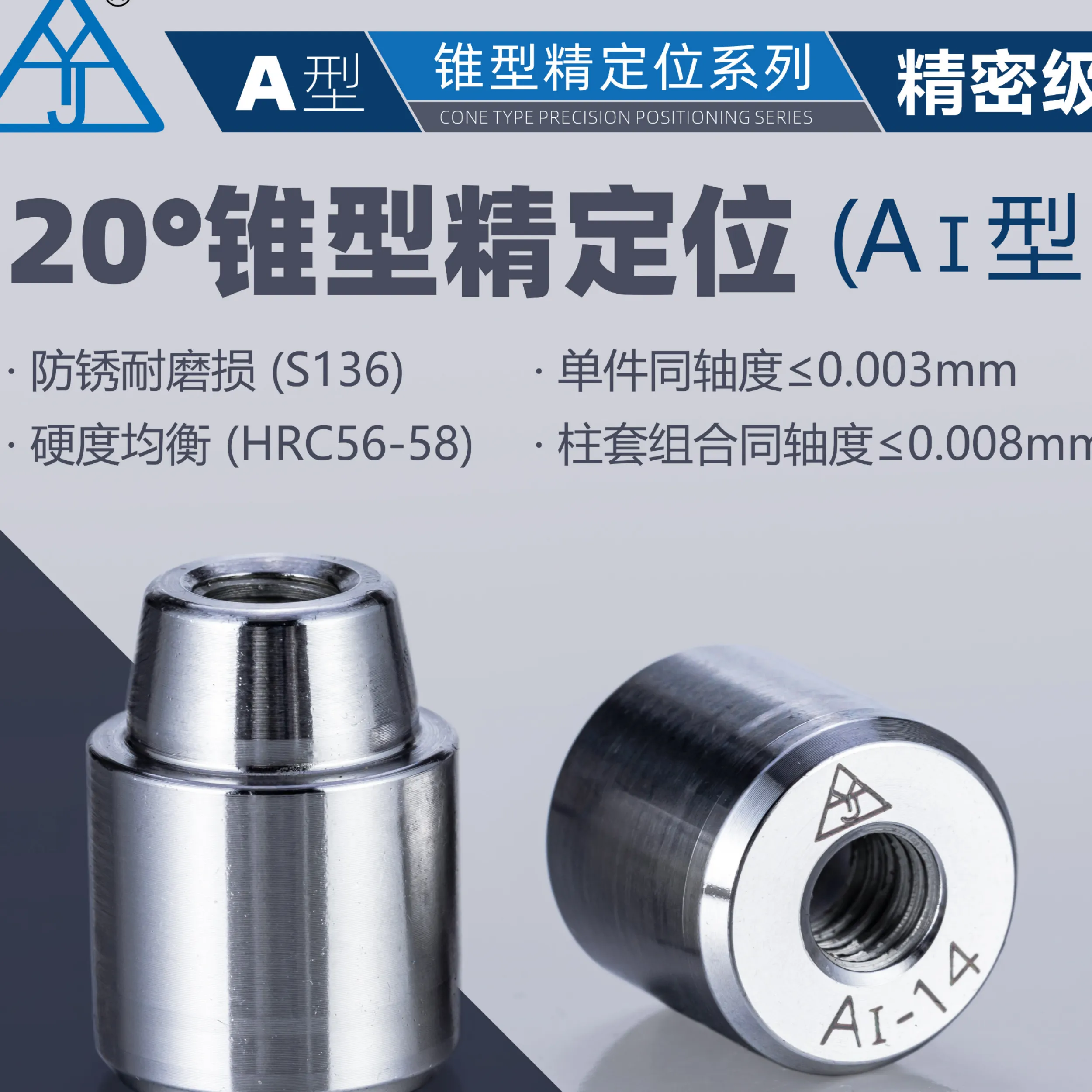
Standard parts for molds are standardized, commercially available components used to build, align, guide, cool, eject, clamp, and identify injection molds and related tooling. They reduce design time, improve interchangeability, and support repeatable mold performance in high-volume plastics processing, die casting, and some stamping and automation applications.
In modern moldmaking, standard parts sit between fully custom machining and fully assembled mold bases: they include guide pillars and bushes, ejector and knockout pins, sprue bushings, centering units, gas springs, wear plates, locating rings, and date punches, among others. Their broad adoption has been driven by modular mold construction, tighter dimensional expectations, shorter lead times, and the need for easier maintenance and replacement.
History and Development
The rise of standardized mold parts followed the broader industrial move toward modular tooling and interchangeability. Suppliers such as HASCO helped formalize metric standard mold systems in Europe, while DME became a major reference point in North American mold component standardization.
Three practical milestones shaped the segment:
- The shift from predominantly shop-made components to catalogued, off-the-shelf mold elements, which improved procurement speed and repeatability.
- The expansion of modular mold base systems and interchangeable guide, ejector, and cooling elements, enabling faster tool builds and simpler repair workflows.
- The growth of global supplier ecosystems offering both metric and imperial component families, supporting cross-border moldmaking and replacement-part availability.
Technical Overview
Standard mold parts are engineered for repeatability, dimensional compatibility, and wear resistance under cyclic thermal and mechanical loading. They are typically produced from tool steels, prehardened steels, stainless steels, or other application-specific alloys depending on load, corrosion exposure, sliding wear, and polish requirements.
The principal functional groups are:
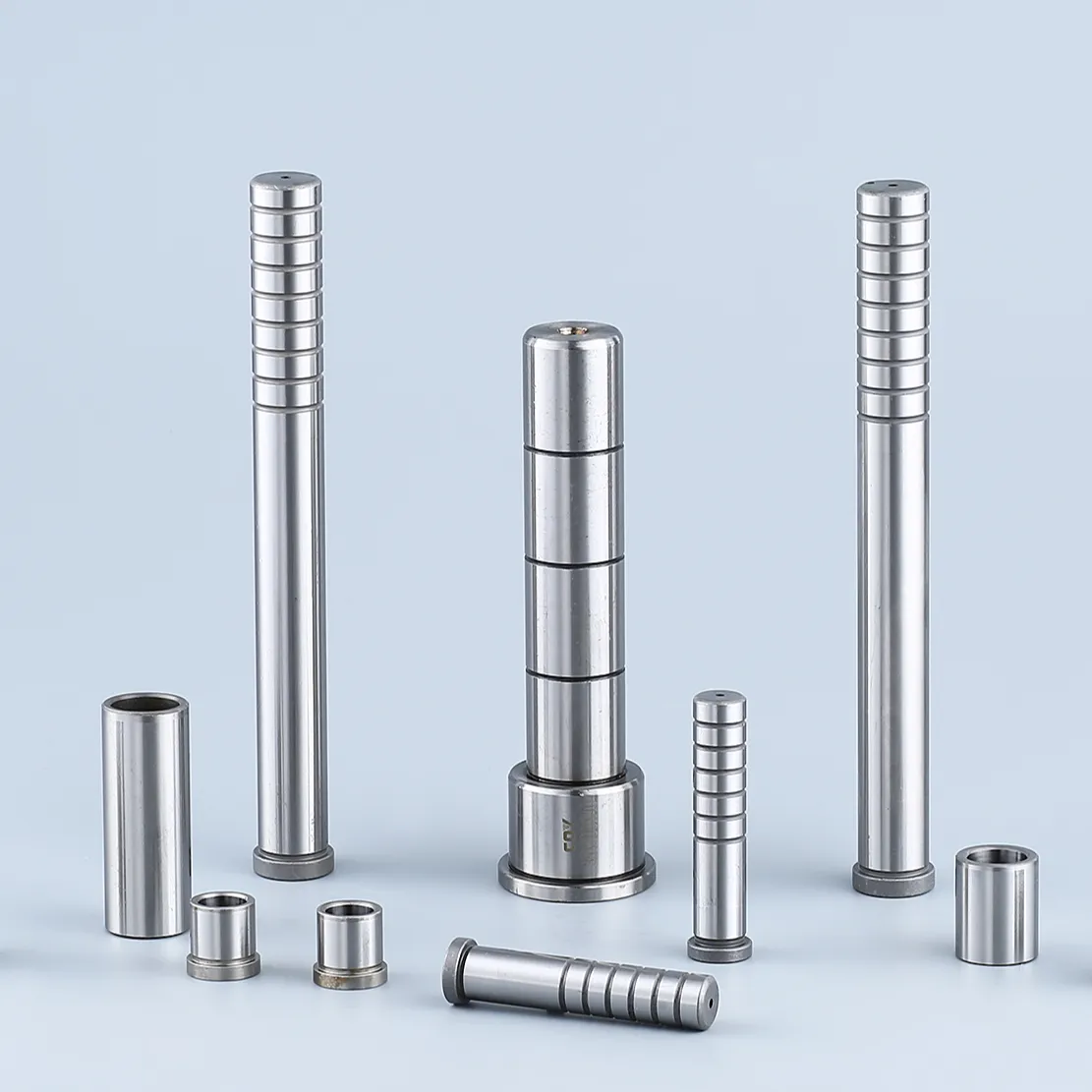
- Alignment and guiding: guide pillars, guide bushes, locating rings, and alignment units keep cavity and core halves coaxial during opening and closing.
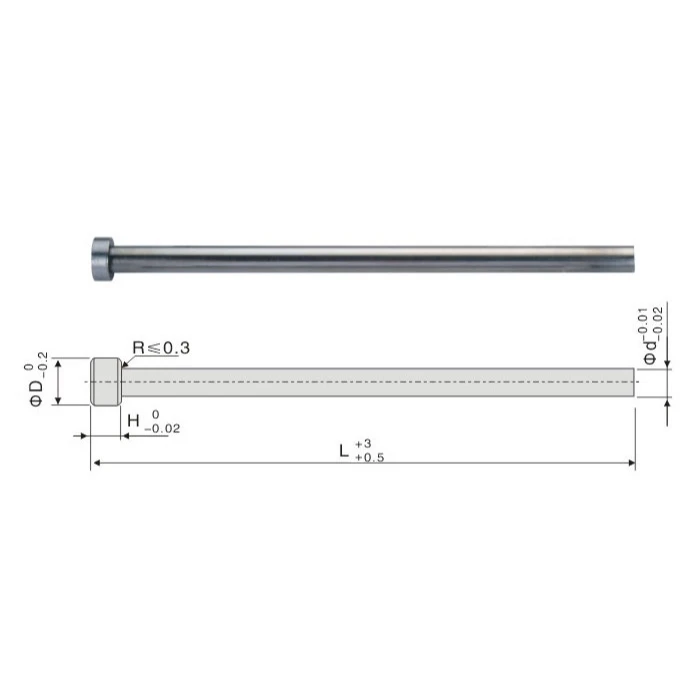
- Ejection: ejector pins, ejector sleeves, knockout pins, blades, return pins, and ejector plates release the molded part without excessive distortion.
- Feeding and gating: sprue bushings, gate inserts, runner-related elements, and date inserts manage melt entry and traceability.
- Cooling and temperature control: cooling plugs, fittings, baffles, and manifold-related parts support cycle-time reduction and thermal stability.
- Support and wear management: support pillars, support plates, wear plates, ball guide bushings, and thrust pieces improve structural rigidity and reduce frictional damage.
Typical performance and dimensional characteristics
Common benchmark values vary by mold size and application, but industry practice often falls within these ranges:
- Guide/ejector pin diameters: typically a few millimeters up to several tens of millimeters, selected by mold tonnage and local load.
- Ejector pin travel: often on the order of several millimeters to several tens of millimeters, depending on part depth and undercut strategy.
- Centrifugal dewatering in recycling-related mold support systems and auxiliary handling: residual surface moisture after mechanical dewatering is commonly reduced to low single-digit percentages, depending on polymer form and equipment design.
- Throughput relevance: standard components themselves are not throughput machines, but their use can materially support mold cycle times, with cooling and ejection elements often being cycle-critical in production.
- Rotational and sliding wear elements: guide and wear components are designed to tolerate repeated cycling at very high duty counts, often measured in hundreds of thousands to millions of cycles in production tooling, depending on material, lubrication, and maintenance.
Where mold standards are well developed, the main engineering value is not higher single-part speed but lower variability: tighter alignment, more stable part quality, and easier replacement of worn elements without remaking the entire mold.
Main Types and Variations
| Category | Typical parts | Primary function |
|---|---|---|
| Guiding parts | Guide pillars, guide bushes, locating rings, ball guide bushings | Alignment and repeatable closure |
| Ejection parts | Ejector pins, ejector sleeves, knockout pins, blades, return pins | Part release |
| Support parts | Support pillars, support plates, spacer blocks, wear plates | Structural rigidity |
| Feeding parts | Sprue bushings, gate inserts, runner elements, date punches | Melt entry and identification |
| Elastic and motion parts | Gas springs, spring-loaded thrust pieces, die springs | Controlled force and return motion |
| Locking and positioning parts | Latch locks, centring units, interlocks | Tool positioning and side-action control |
Standard parts may be supplied as metric systems, imperial systems, or manufacturer-specific series. In practice, mold builders often choose a supplier family and stay within that ecosystem to preserve interchangeability across future repairs and variants.
Applications and Uses
Standard mold parts are used across most plastic processing sectors:
- Injection molding: the largest and most direct application, especially for consumer goods, packaging closures, appliances, automotive interior parts, medical components, and technical housings.
- Die casting: similar needs for alignment, ejection, and wear management make many standard part families transferable.
- Press dies and stamping tools: guide, punch, and retaining components follow similar modular principles.
- Automation-related tooling: some standardized elements are also used in fixtures, end-of-arm tooling, and auxiliary automation systems where repeatable positioning matters.
A weaker-fit use is in highly specialized one-off molds with extreme geometry, where custom components may outperform standard parts because of unusual parting lines, side actions, or thermal constraints.
Manufacturing and Materials
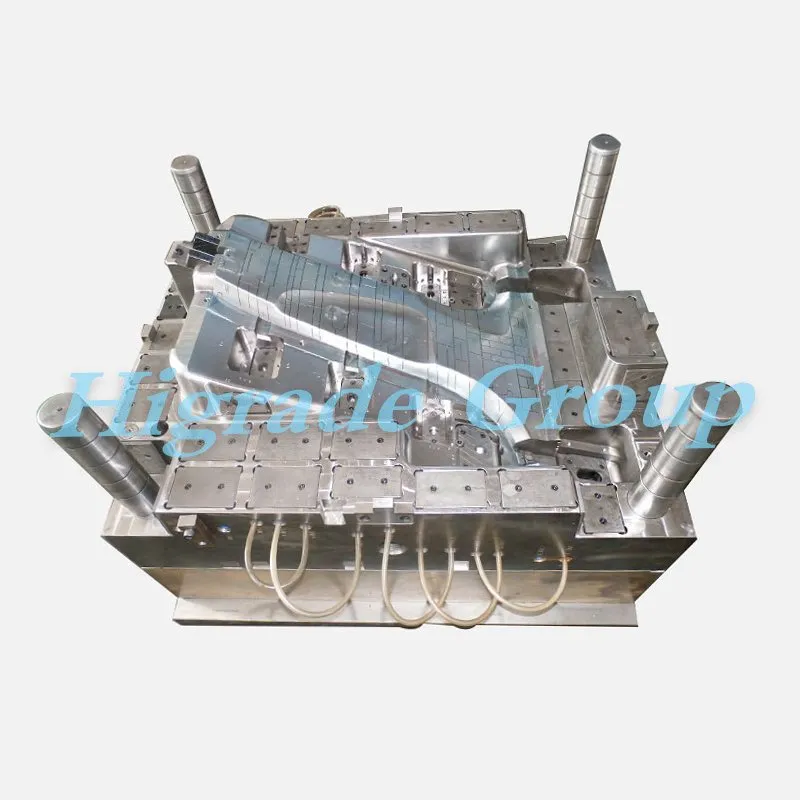
Standard parts are typically produced by precision turning, milling, grinding, heat treatment, and surface finishing. The emphasis is on tolerance consistency rather than novelty of geometry.
Common material choices include:
- Hardened tool steel for guide and wear-heavy parts
- Prehardened steel for moderate-wear inserts and support elements
- Stainless steel for corrosion-prone cooling and ejector environments
- Surface-treated steels where galling, friction, or corrosion resistance is critical
Heat treatment and finish quality strongly influence service life, especially in guiding and ejector systems, where poor fit can create wear, stick-slip, or premature seizure.
Technological Innovations and Automation
Recent product development has concentrated on modularity, digital configuration, and faster procurement. Catalog-based selection tools now allow mold designers to configure bases, fixed halves, moving halves, and associated standard parts with fewer manual drawings and less rework.
Automation and digital manufacturing have also increased demand for:
- faster tool changeovers
- predictable spare-part replacement
- traceable component families
- standardized interfaces for sensors and monitoring
- compatibility with quick-change mold systems
These trends favor standard parts because automated production depends on repeatable geometry and low maintenance variability.
Environmental and Sustainability Aspects
Standard parts support sustainability primarily through resource efficiency rather than direct material substitution. Their main environmental advantages are:
- reduced scrap from fewer remake cycles
- longer service life through replaceable wear elements
- lower downtime and less energy wasted during tool adjustment
- improved mold cooling and ejection consistency, which can shorten cycle times and reduce per-part energy use
At the same time, standardization has trade-offs. A fully standardized design may not always be the lightest, shortest-cooling, or lowest-material solution for a specific part, so moldmakers often balance standardization against performance optimization.
Economic and Global Market Impact
The market for standard mold parts is global, fragmented, and strongly linked to injection mold demand. Major recognized supplier families include HASCO, DME, Meusburger, MISUMI, PCS Company, FUTABA, FIBRO, and others with regional or segment-specific strength.
Their economic value comes from:
- shorter mold build lead times
- lower engineering labor per tool
- easier maintenance and spare-parts stocking
- more predictable total cost of ownership
- reduced dependence on fully custom machining for routine functions
Suppliers also compete on catalog breadth, tolerance consistency, material quality, and whether they support both original and replacement components.
Current Challenges and Innovations
Several challenges remain central to the segment:
- Standardization versus specialization: complex molds often need custom slides, lifters, or cooling geometries that standard catalogs cannot fully address.
- Tolerance stack-up: a mold may use many standard parts, but performance still depends on how well those parts integrate with custom plates and inserts.
- Wear and maintenance: guide and ejector systems are exposed to repeated cyclic loads, lubrication failure, and contamination.
- Global compatibility: metric, imperial, and proprietary series can complicate substitution across suppliers.
- Supply-chain resilience: moldmakers increasingly seek multi-source compatibility to avoid downtime when a part family is unavailable.
Innovation is concentrated in better coatings, improved steel cleanliness, modular quick-change interfaces, smarter cooling elements, and more configurable catalog systems.
Future Outlook
The future of standard parts for molds is likely to be shaped by three forces:
- greater modular design, especially for fast-turnaround tooling and repeated platform derivatives
- more digital configuration, with online selection, validated geometry libraries, and integrated BOM workflows
- higher performance standards, including longer life, lower friction, and better thermal management in tighter packaging and automotive applications
Standard parts are unlikely to replace custom tool engineering, but their role will continue to expand wherever moldmaking values speed, repeatability, and maintainability. The most competitive mold systems will probably combine a highly standardized backbone with selectively customized cavity, cooling, and motion elements.
Summary
Standard parts for molds are the standardized mechanical foundation of modern moldmaking. They improve interchangeability, reduce build time, simplify maintenance, and support consistent molding performance across injection molding, die casting, and related tooling applications.
References
- •
Standard parts for mould construction - fibro.com. (n.d.). Fibro. https://www.de.fibro.com/en/products/standard-parts-for-mould-constructionLink
- •
Buy Mold Components - DME. (2026, February 9). DME. https://www.dme.net/mold-components/Link
- •
Top manufacturers of original and replacement parts for molds. (2025, October 22). Nexuply. https://www.nexuply.com/en/blog/plastic-injection-molding-industry-7/top-manufacturers-of-original-and-replacement-parts-for-molds-11Link
- •
Supplier Directory. (2026, August 1). MoldMaking Technology. https://www.moldmakingtechnology.com/suppliers?productIds=75Link
- •
Supplier Directory | MoldMaking Technology. (2026, September 1). MoldMaking Technology. https://www.moldmakingtechnology.com/suppliers?productIds=34Link
- •
Mold Components - PCS Company. (n.d.). PCS Company. https://www.pcs-company.com/mold-componentsLink
- •
CF Torino. (n.d.). CF Torino. https://www.cftorino.it/en/product/1301/superior-plate-separatorLink
- •
Standard Mold Parts and Non-Standard Mold Parts Differences. (n.d.). Langdi Precision. https://langdi-precision.com/the-difference-between-standard-parts-and-non-standard-parts-in-mold-parts/Link
- •
Comprehensive List of Mold Part Names: A Quick Understanding of the Role of Each Component in Mold Making. (2024, June 22). LinkedIn. https://www.linkedin.com/pulse/comprehensive-list-mold-part-names-quick-role-each-component-anna-lee-8o0jcLink
- •
Introduction to Standard Components in Injection Moulds. (2025, September 22). Moldoworks. https://www.moldoworks.com/Standard_Components_in_Injection_Moulds.htmlLink
- •
Mold Standard Parts - China Supplier, Wholesale - SENLAN precision. (2018, January 1). SENLAN Precision. https://www.precision-mouldparts.com/supplier-4325402-mold-standard-partsLink
- •
Mold Components Guide and Buying Checklist. (2026, May 10). Sunshinepro. https://www.sunshinepro.net/mold-components-guide/Link
- •
Home - moldmro.com. (2024, March 13). Moldmro. https://moldmro.com/Link
- •
What are the commonly used standardized parts for injection molding machine molds? - Industry knowledge. (2025, April 19). Superbheater. https://www.superbheater.com/info/what-are-the-commonly-used-standardized-parts-102871862.htmlLink
- •
Standard mold parts Manufacturer, Suppliers and Company Rankings. (2025, November 26). Ipros. https://mono.ipros.com/en/cg2/Standard%20mold%20parts/Link
- •
Standard Parts (Moulds, Plates, Pins, Punches) Archives - Voestalpine. (n.d.). Voestalpine. https://www.voestalpine.com/highperformancemetals/usa/en-us/applications/standard-parts-moulds-plates-pins-punches/Link
- •
A simple breakdown of mold components. (n.d.). Pleasant Precision, Inc. https://inbound.teamppi.com/blog/a-simple-breakdown-of-mold-componentsLink
- •
China Precision Mold Parts & Plastic Injection Mold Parts ... (n.d.). Molding-part. https://www.molding-part.com/Link
- •
The Name and Function of Mold Components. (2021, January 18). DGMF Mold Clamps. https://dgmfmoldclamps.com/the-name-and-function-of-mold-components/Link
- •
[PDF] Standard Parts for Mould Making - PromSnab.info. (n.d.). PromSnab. https://www.promsnab.info/catalogues/fibro/2012/l%20-%20standard%20parts%20for%20mould%20making/L-standard%20parts%20for%20mould%20making.pdfLink
- •
PUNCH INDUSTRY(DALIAN)CO.,LTD - Profile. (n.d.). Asia Machinery. https://www.asiamachinery.net/supplier/profile.asp?SupID=5714Link
- •
Mold Components Guide for Buyers - sunshinepro.net. (2026, August 10). Sunshinepro. https://www.sunshinepro.net/mold-components-guide-2/Link
- •
Standard Components For Plastic Mold 2021 - MISUMI. (n.d.). MISUMI. https://catalog.misumiusa.com/view/428892376/8-9/Link
- •
Mould and Die Standard Components - Catalogue | KVOTA. (n.d.). KVOTA. https://www.kvota.com.ua/en/katalohy/normali-do-pres-form-ta-shtampiv/Link
- •
MS mould Co., Limited. (2023, April 1). MS Mould. https://www.msmould.com/Link
- •
PCS Company - Mold Base Supplier - Molding Components. (2026, June 17). PCS Company. https://www.pcs-company.com/Link
- •
Standard Mold Components. (2025, October 2). Made-in-China. https://www.made-in-china.com/products-search/hot-china-products/Standard_Mold_Components.htmlLink
- •
What Is Mold Parts:Its Components, Functions, and Applications | Be-cu.com. (n.d.). Be-cu. https://be-cu.com/blog/what-is-mold-parts/Link
- •
The name and function of mold components | PDF. (2021, January 18). SlideShare. https://www.slideshare.net/slideshow/the-name-and-function-of-mold-components/241504819Link
- •
TECNORM | Standard and drawing parts - TECNORM (EN). (n.d.). TECNORM. https://www.tecnorm.de/en/Link
- •
Standard Mold & Die Components. (n.d.). Punch Industry. https://punch-us.com/standard-components.htmlLink
- •
DME Mould Component. (2026, July 20). Made-in-China. https://m.made-in-china.com/hot-china-products/DME_Mould_Component.htmlLink
- •
Standard Parts. (n.d.). Kaihua Moulds. https://www.kaihuamoulds.com/standard-parts/Link
- •
Mold Parts Manufacturers & Suppliers. (2025, December 26). Made-in-China. https://www.made-in-china.com/manufacturers/mold-parts.htmlLink
- •
Mould making: High-quality standard parts from Meusburger. (n.d.). Meusburger. https://www.meusburger.com/en-gb/mould-makingLink
- •
Cathy Leung | LinkedIn. (n.d.). LinkedIn. https://www.linkedin.com/in/cathy-leung-ba9310304Link
- •
Asia Machinery.net - standard components for press dies. (n.d.). Asia Machinery. https://www.asiamachinery.net/supplier/product_details.asp?ProID=6500&SupID=5714Link
- •
TOOL DESIGN_CHAPTER 3 (PART 3). (2025, April 29). Scribd. https://www.scribd.com/document/605760792/TOOL-DESIGN-CHAPTER-3-PART-3Link
- •
Dg mf mold components. (2019, August 16). SlideShare. https://es.slideshare.net/slideshow/dg-mf-mold-components/164259689Link
- •
Mould Components and Their Functions | PDF | Industries. (2025, September 25). Scribd. https://www.scribd.com/presentation/352820440/1-Mould-Elements-CopyLink
- •
What are Components of an Injection Mold? - RapidDirect. (2024, October 9). RapidDirect. https://www.rapiddirect.com/blog/components-of-an-injection-mold/Link
- •
MOLD COMPONENTS. (n.d.). DME. https://www.dme.net/wp-content/uploads/PDFCatalogs/MoldComponents.pdfLink
- •
Mould Standard Parts - China Factory, Suppliers, Manufacturers. (2017, October 10). Plastic Metal Mold. https://www.plasticmetalmold.com/mould-standard-parts/Link
- •
Components for Mold Shops & Tool Makers. (n.d.). Axiom Molds. https://axiommolds.com/industries/mold-making/Link
- •
Shenzhen Lantong Precision Technology Co., Ltd: Mould Parts ... (2022, March 24). Made-in-China. https://szwmould.en.made-in-china.com/Link
- •
Injection Mold Components: Understanding The Structure. (2023, May 8). Firstmold. https://firstmold.com/guides/injection-mold-components/Link
- •
Molds (Fungi) - an overview | ScienceDirect Topics. (n.d.). ScienceDirect. https://www.sciencedirect.com/topics/agricultural-and-biological-sciences/molds-fungiLink
- •
Die & Mold Components. (2026, August 23). Penn Tool Co. https://www.penntoolco.com/die-mold-components/Link
- •
The Biology of Mold | Bactronix. (2023, December 13). Bactronix. https://bactronix.com/blog/the-biology-of-mold/Link
- •
Mold | Characteristics, Structure & Benefits - Lesson - Study.com. (2016, January 19). Study.com. https://study.com/learn/lesson/what-is-mold.htmlLink
- •
Mold Components Suppliers. (2016, January 1). Thomasnet. https://www.thomasnet.com/suppliers/usa/mold-components-52112760Link
- •
Components of an Injection Mold: A Complete Guide. (2026, August 13). Ewmfg. https://www.ewmfg.com/insights-blogs/components-of-an-injection-mold-a-complete-guideLink
- •
8.3: Molds. (2016, March 8). LibreTexts. https://bio.libretexts.org/Bookshelves/Microbiology/Microbiology_(Kaiser)/Unit_4:_Eukaryotic_Microorganisms_and_Viruses/08:_Fungi/8.3:_MoldsLink
- •
Mold - Wikipedia. (2002, May 5). Wikipedia. https://en.wikipedia.org/wiki/MoldLink
- •
elements of mould / component of mould / important part of mould. (2022, September 12). YouTube. http://www.youtube.com/watch?v=PcY5XyzXCYsLink
- •
The Biology of Molds (Moulds) - classification, characteristics ... (2023, February 23). RSScience. https://rsscience.com/mold-biology-structure/Link
- •
Explaining Injection Mold Components. (2024, January 9). Remmed. https://remmed.com/injection-mold-components/Link
- •
Molding and Manufacturing Glossary. (n.d.). PH Molds. https://www.phmolds.com/knowledge-base/glossary/Link
- •
Top 100 Mold Component Suppliers in 2026. (2025, February 8). Ensun. https://ensun.io/search/mold-componentLink
- •
Mold Course Chapter 1: | US EPA. (2014, July 29). US EPA. https://www.epa.gov/mold/mold-course-chapter-1Link