
Introduction
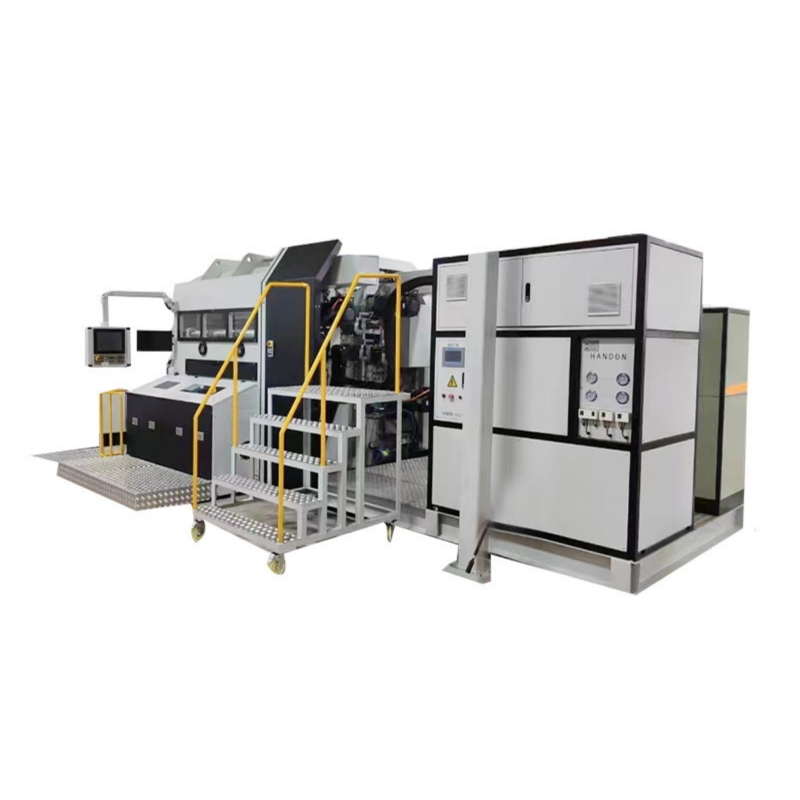
Coating equipment refers to industrial machinery and process systems used to apply a controlled layer of liquid, powder, or functional film onto a substrate such as metal, plastic, paper, textile, glass, wood, or electronics assemblies. In plastics processing and converting, it is used not only for decorative finishes but also for barrier layers, primers, adhesion promotion, abrasion resistance, and functional surface modification on films, sheets, molded parts, and laminates.
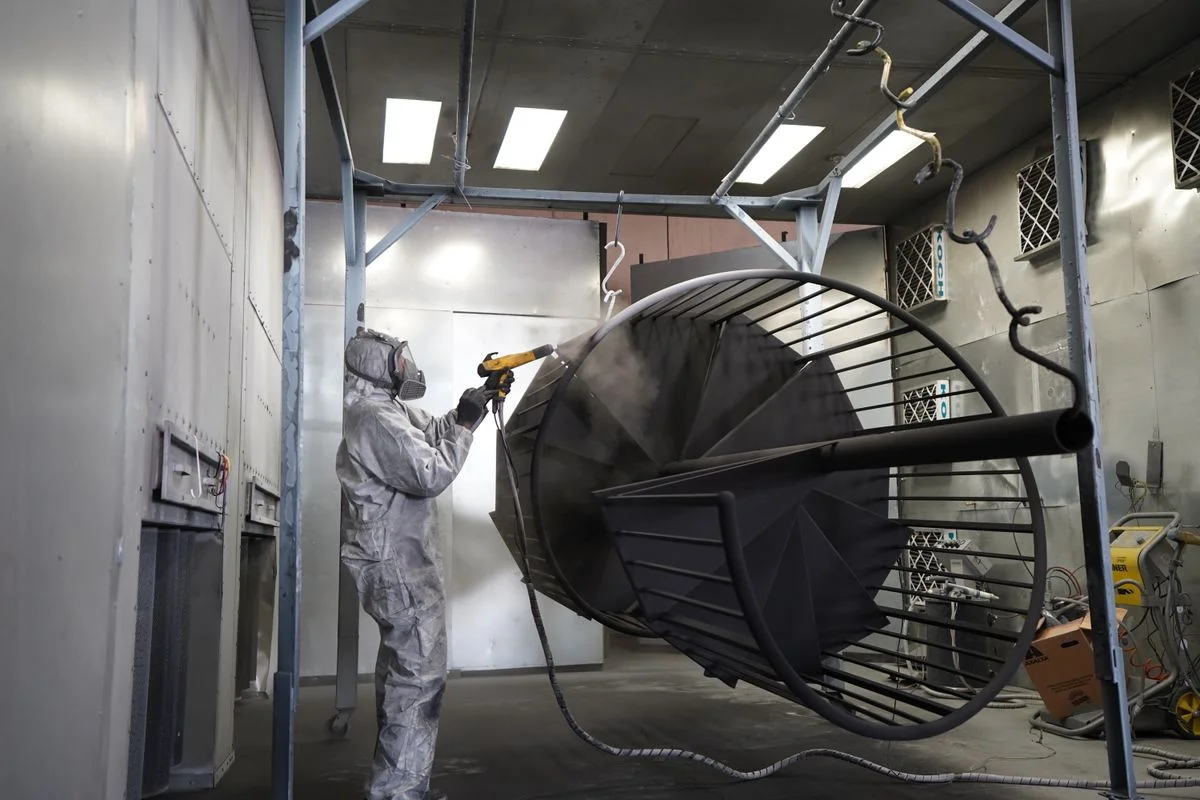
The field spans a broad range of machine classes, including spray systems, roll coaters, curtain coaters, dip coaters, powder coating lines, and vacuum or thin-film deposition systems, with the selection driven by substrate geometry, coating chemistry, throughput, film thickness, and cure requirements. Modern systems increasingly combine pretreatment, coating application, drying or curing, inspection, and exhaust or recovery subsystems into integrated production lines to improve consistency and reduce waste.
In plastics-related manufacturing, coating equipment is especially important for packaging films, automotive interior and trim components, electronics housings, optical parts, and technical laminates, where surface energy, adhesion, and chemical compatibility can be as important as appearance. Current development trends emphasize higher automation, lower solvent emissions, energy-efficient curing, and compatibility with circular-economy objectives such as reduced overspray, improved material recovery, and process adaptability for recycled or bio-based polymers.
History and Development
Early coating machinery developed from manual brushing and simple roller application methods, later expanding into continuous industrial equipment as mass production demanded higher uniformity and speed. In the mid-20th century, coating and lamination machinery advanced significantly with pilot coaters and modular systems that allowed controlled scale-up from laboratory formulations to industrial lines.
A major development milestone was the spread of electrostatic spray and powder coating technologies, which improved transfer efficiency and reduced liquid solvent losses in metal and plastics-adjacent finishing. Another important milestone was the rise of web coating and roll-to-roll processing for flexible packaging, paper, adhesive films, and technical webs, where precise thickness control and continuous operation became central design goals.
More recently, machine builders have integrated robotics, closed-loop control, and inline inspection to address variability in coating thickness, edge coverage, and cure quality. Specialized manufacturers have also expanded into niche segments such as conformal coating for electronics, hydrophilic and medical-device coatings, and internal coating systems for containers and tubes.
Key Characteristics and Technical Overview
The fundamental function of coating equipment is to meter, distribute, and fix a coating material on a surface with repeatable thickness and adhesion. Performance depends on the interplay among deposition method, substrate preparation, rheology, line speed, drying or cure regime, and environmental control such as temperature, humidity, and dust management.
Common operating characteristics include:
- Application method: spray, roll, curtain, dip, slot die, knife, powder, or vapor-phase deposition.
- Coating thickness: from nanometer-scale functional films to multi-hundred-micron protective layers, depending on the process.
- Throughput: from laboratory systems handling small batches to industrial lines processing continuous webs or parts at high rates.
- Automation level: manual booths, semi-automatic stations, robotic cells, and fully integrated lines with conveyorized pretreatment and curing.
Typical technical benchmarks vary by machine class:
- Roll coaters are favored for flat panels and webs because they provide stable film transfer and low waste on smooth substrates.
- Spray systems are preferred for complex shapes, with air spray, airless spray, and electrostatic spray offering different balances of atomization quality, transfer efficiency, and speed.
- Curtain coaters excel on flat substrates when high surface quality and uniform wet film build are required, provided the coating formulation has suitable flow behavior.
- Powder coating lines use electrostatic attraction followed by thermal curing, making them common where solvent-free finishing is desired.
In plastics recycling and material recovery contexts, coating equipment is often paired with auxiliary systems such as washing, dewatering, drying, and filtration. For example, centrifugal dewatering in plastic reprocessing typically leaves flakes at roughly 1–3% residual moisture before final thermal drying, and flake sizes are commonly reduced to approximately 10–12 mm in many downstream pelletizing or washing operations, although exact values vary by plant design and resin stream. While these figures are more characteristic of recycling lines than coaters themselves, they matter because moisture, dust, and surface contamination directly affect coating adhesion on recycled polymer substrates.
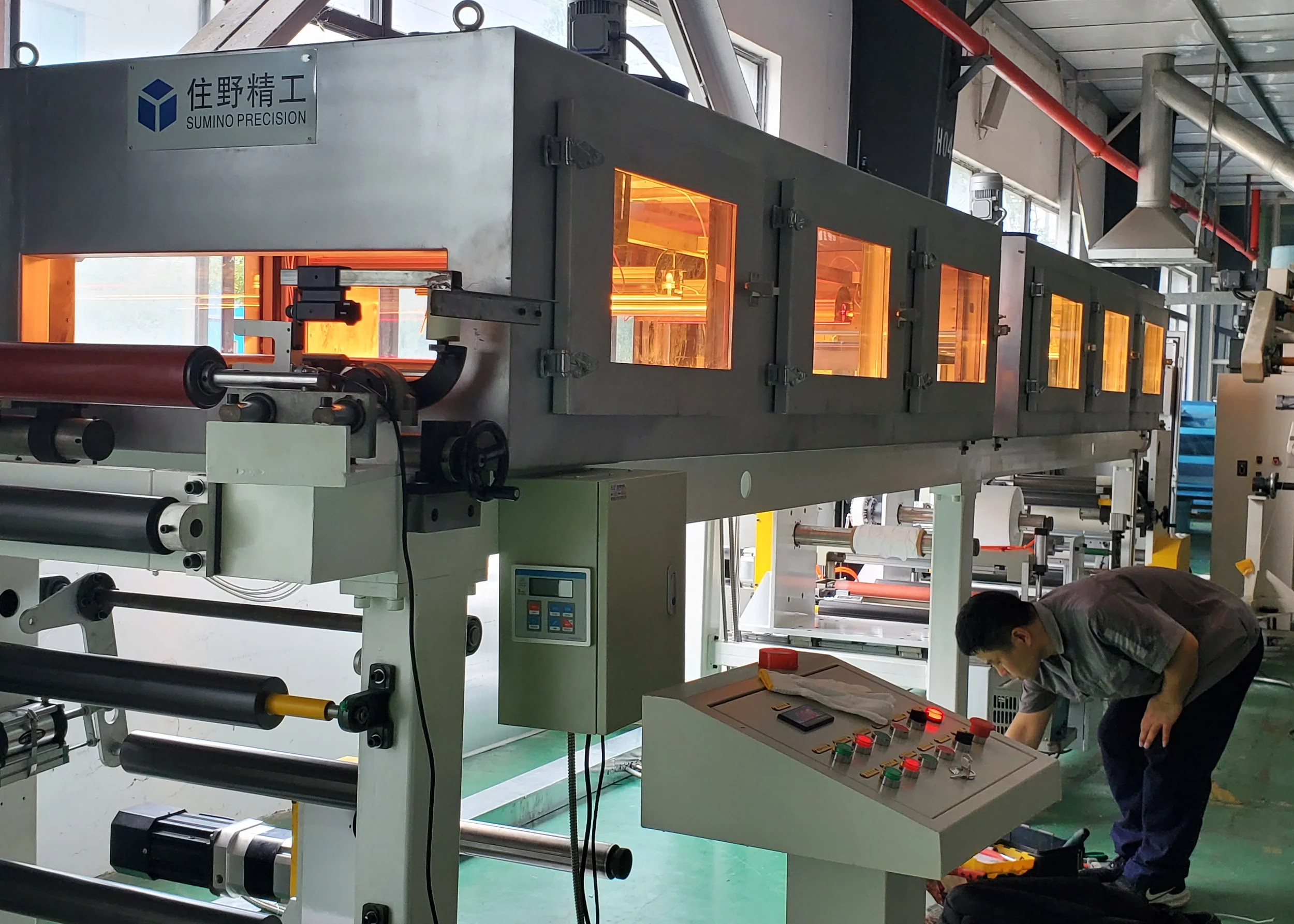
Specific energy consumption is highly process-dependent. In practice, equipment using high-efficiency transfer methods, closed-loop solvent recovery, or powder recapture can materially reduce energy and material losses versus older open spray systems, while UV and infrared curing can shorten dwell time compared with conventional hot-air ovens.
Types and Variations
| Type | Main principle | Strengths | Typical limitations |
|---|---|---|---|
| Spray coating equipment | Atomizes coating onto the substrate using air, pressure, or electrostatics | Flexible, suitable for complex shapes | Overspray control and booth management are critical |
| Roll coating equipment | Transfers coating via one or more rollers | High speed, good for flat webs and panels | Less suitable for deep geometries |
| Curtain coating equipment | Applies a continuous liquid curtain over moving substrates | Uniform coverage, low waste | Requires stable formulation and flat parts |
| Dip coating equipment | Substrate is immersed and withdrawn through coating bath | Simple, good coverage of intricate shapes | Drainage and film build control can be challenging |
| Powder coating equipment | Electrostatic powder deposition followed by curing | Solvent-free, durable finishes | Mostly suited to heat-resistant substrates |
| Vacuum / thin-film coating equipment | Deposits thin functional films under vacuum | High precision, advanced functionalities | Higher capital cost and complexity |
Industrial coaters are also often classified by substrate and process context:
- Web coating systems for flexible packaging, adhesive tapes, and technical films.
- Panel coating systems for furniture boards, architectural panels, and decorative laminates.
- Conformal coating systems for printed circuit boards and electronic assemblies.
- Medical dip coating systems for catheters, guidewires, and hydrophilic surfaces.
- Container coating systems for cans, tubes, and closures.
Applications and Uses
Coating equipment is used across a wide range of sectors because surface properties often determine product performance as much as the bulk material does.
- Packaging and flexible films: barrier coatings, sealant layers, print receptivity, and adhesive application on polymer films and laminates.
- Automotive and transportation: decorative and protective coatings for plastic trim, interior components, emblems, and composite parts.
- Electronics: conformal coatings, insulating layers, and functional films for circuit boards and devices.
- Medical devices: hydrophilic, lubricious, or biocompatible coatings on polymer or metallic components.
- Furniture and building products: roller and curtain coating of boards, panels, moldings, and profile parts.
- Textiles and nonwovens: waterproofing, breathability control, and durability enhancement.
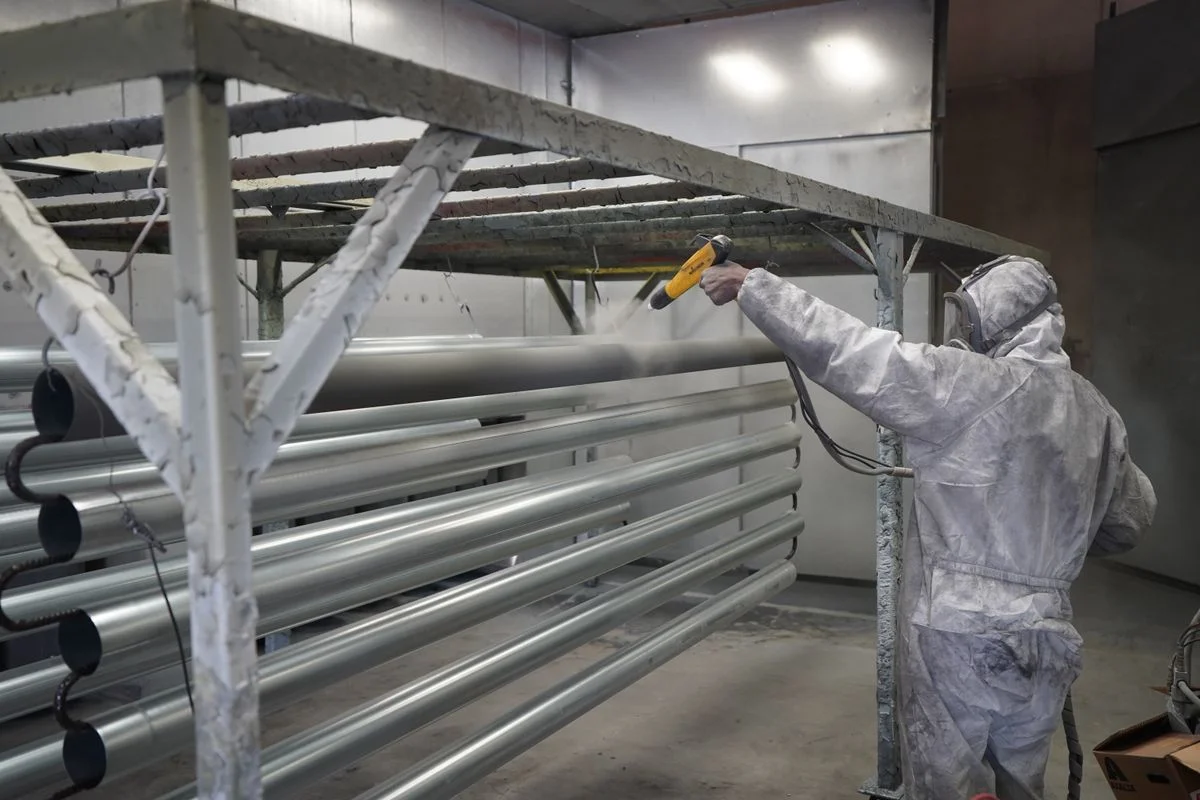
- Industrial and corrosion protection: anti-corrosion and wear-resistant coatings for tools, pipes, and engineered parts.
A comparatively poor-fit application is highly porous or irregularly contaminated substrates when the formulation cannot compensate for absorption or surface nonuniformity, because coating weight control and appearance consistency become difficult without extensive pretreatment.
Process Integration and Auxiliary Systems
A coating line is rarely only a coater. It usually includes:
- Pretreatment equipment such as washing, degreasing, blasting, or phosphating systems.
- Material handling through conveyors, indexing fixtures, or roll-to-roll web transport.
- Drying and curing via hot-air, infrared, or UV systems.
- Recovery and filtration to capture overspray, dust, or solvent vapors.
- Inspection equipment for film thickness, adhesion, coverage, and defect detection.
This integration is one reason coating machinery is closely linked to process engineering rather than being treated as a stand-alone finishing device.
Technological Innovations and Automation
Recent innovation has focused on robotic spray coating, closed-loop thickness control, and modular line architectures that allow rapid changeover between products and coating chemistries. Robotic arms improve repeatability on complex parts, while reciprocating and multi-axis systems are used where geometry varies but throughput must remain high.
Other notable developments include:
- Electrostatic application to improve transfer efficiency and reduce overspray.
- Ultrasonic atomization for fine, low-waste application in precision systems.
- Inline inspection and metrology to monitor film build, edge coverage, and cure quality.
- Modular coating platforms that can be reconfigured for liquid, powder, or specialty films.
The trade-off is that higher automation generally increases capital cost and maintenance complexity, even as it reduces labor dependence and improves process repeatability.
Environmental and Sustainability Aspects
Sustainability has become a central design criterion for coating equipment. Key priorities include:
- Lower volatile organic compound emissions through powder coating, waterborne systems, or better solvent capture.
- Higher transfer efficiency through electrostatic and targeted application technologies.
- Material recovery via powder reclaim systems and overspray filtration.
- Reduced cure energy through infrared or UV curing where formulation permits.
- Compatibility with recycled polymers through better pretreatment and contamination tolerance on reclaimed substrates.
In plastics processing, these measures are especially significant because coating failures can invalidate otherwise recyclable substrates, while poorly controlled overspray or solvent loss undermines both economics and compliance.
Economic and Global Market Impact
Coating equipment forms a substantial part of the broader surface-finishing and converting machinery market, with demand shaped by automotive production, packaging growth, electronics manufacturing, and premium consumer goods. The market is highly segmented: one group of suppliers focuses on roll and curtain coaters for flat products, another on robotic spray systems, and another on medical, electronics, or vacuum-deposition niches.
Competitive differentiation typically depends on:
- Process knowledge for the target substrate and chemistry.
- Line integration capability with pretreatment and curing.
- Consistency and uptime under production conditions.
- Compliance support for emissions, safety, and cleanroom requirements.
- After-sales engineering for commissioning, recipe tuning, and maintenance.
Companies such as CET in the United States, Coatema in roll-to-roll equipment, Specialty Coating Systems in conformal coating, Sprimag in container coating, and Harland Medical in automated medical dip coating illustrate the segment’s specialization by application rather than by a single universal machine type.
Current Challenges and Innovations
The main engineering challenges remain:
- Coating uniformity on complex shapes and mixed-material assemblies.
- Adhesion on recycled or low-surface-energy plastics, which often require plasma, corona, flame, or chemical pretreatment.
- Overspray, waste, and emissions control in solvent-based systems.
- Process stability under changes in viscosity, temperature, and substrate speed.
- Energy use in drying and curing, especially for high-throughput lines.
Innovation is moving toward better formulation-machine matching, digital process control, and more adaptable lines that can handle shorter product life cycles without excessive downtime.
Future Outlook
Coating equipment is likely to become more data-driven, modular, and resource-efficient as manufacturers respond to stricter environmental requirements and greater product customization. In plastics processing, future demand should remain strong for barrier coatings, functional films, electronics protection, and lightweight automotive finishing, especially where recycled polymers and multilayer structures require precise surface engineering.
The most important technical direction is not a single new machine type but the convergence of coating application, sensing, and curing into tightly controlled production cells capable of balancing throughput, quality, and sustainability.
References
- •
CET — Coating Equipment Technology. (2026, February 23). https://www.cetinc.com/Link
- •
What is a coating machine?. (2025, April 27). https://www.puretemac.com/home/public/article/id/180.htmlLink
- •
What is the coating equipment. (2025, August 26). Suzhou Jwell Machinery Co., Ltd. https://www.jwellmachine.com/what-is-the-coating-equipment/Link
- •
Coating Equipment Manufacturer | Roller Coating Machines | Senr. (n.d.). https://chinacoatingline.com/products.htmlLink
- •
The Applications of Coating Equipment in Different Fields. (2025, February 14). https://www.fxpvd.com/applications-of-coating-equipment-in-different-fields/Link
- •
Coating Equipment. (2021, May 30). MSE Supplies. https://www.msesupplies.com/collections/coating-equipmentLink
- •
Types of coating machine and factors affecting .... (2024, October 25). https://fyitester.com/types-of-coating-machine/Link
- •
Top 10 Coating Equipment You Need to Know for Optimal .... (2025, December 22). https://www.hscoat.com/blog/top-coating-equipment-for-optimal-performance/Link
- •
Coating Equipment Manufacturer. (n.d.). https://chinacoatingline.com/Link
- •
Conformal Coating Equipment - Specialty Coating Systems. (2026, June 9). https://scscoatings.com/equipment/Link
- •
Powder coating equipment. (2015, July 23). Suzhou Jwell Machinery. https://www.jwellmachine.com/coating-equipment/Link
- •
Coating Equipment. (2019, August 15). MIRWEC Coating. https://www.mirwec-coating.com/capabilities/coating-equipment/Link
- •
Paint & Powder Coating Equipment. (2025, November 19). SurfacePrep. https://surfaceprep.com/paint-powder/Link
- •
Coater Diagrams - ACC Coatings. (n.d.). https://www.acc-coatings.com/resources/coater-diagrams/Link
- •
NEWS. (2025, April 17). https://www.puretemac.com/home/public/article/id/179.htmlLink
- •
Coating equipment | PPTX. (2020, September 4). SlideShare. https://www.slideshare.net/slideshow/coating-equipment/238389627Link
- •
Products. (2026, May 26). Sono-Tek. https://www.sono-tek.com/products/Link
- •
Industrial Coating & Lamination Machinery. (2025, June 10). https://eandr.com/coating-and-lamination-machinery/Link
- •
Applications of Metal Coating Equipment. (2022, September 8). https://www.ruiyuanpress.com/applications-of-metal-coating-equipment.htmlLink
- •
6 Key Machines Every Paint Coating Manufacturer Needs | Z-mixer. (2024, October 19). https://z-mixer.com/6-key-machines-every-paint-coating-manufacturer-needs/Link
- •
Types of coating Equipment Tablet Coating Process. (2023, June 6). https://www.ltcoatingline.com/resources/types-of-coating-equipment-tablet-coating-process.htmlLink
- •
What Is a Coating Machine and How Does It Work? - PURETE. (n.d.). https://www.puretemac.com/What-is-a-coating-machine.htmlLink
- •
Large B2B Manufacturers Platform. (2021, January 1). https://www.indiantradebird.com/category/surface-coating-&-paint-equipmentLink
- •
The Complete Guide to Coating Line Equipment: Types, Processes .... (2026, March 30). https://www.attractivechina.net/NEWS/781.htmlLink
- •
Coating Equipment. (2002, May 20). SMTnet. https://smtnet.com/products/index.cfm?fuseaction=browse_products&cat_id=42Link
- •
Hydrophilic Coating Equipment - Harland Medical Systems. (2025, October 2). https://harlandmedical.com/products-and-services/coating-equipment/Link
- •
The Different Types of Coating Machines and How They .... (2023, January 10). https://pagmachinery.com/the-different-types-of-coating-machines-and-how-they-work/Link
- •
Essential Equipment For Industrial Coatings | QIS. (2026, April 24). https://qisbc.ca/essential_equipments/Link
- •
Coating machine classification and usage - Knowledge - Wuxi Xindou Dyeing & Printing Machinery Co.,Ltd. (n.d.). https://www.xindoumachine.com/info/coating-machine-classification-and-usage-24141351.htmlLink
- •
Web Coating Machinery | New Era Converting. (n.d.). https://neweraconverting.com/equipment/coatersLink
- •
Coating Machine. (2026, September 4). Made-in-China.com. https://www.made-in-china.com/products-search/hot-china-products/Coating_Machine.htmlLink
- •
17 Coating Process Equipment Manufacturers in 2026. (n.d.). Metoree. https://us.metoree.com/categories/application-equipment/?page=4Link
- •
Equipment - COATEMA. (n.d.). https://www.coatema.de/en/products/einzellaggregate/equipment.htmlLink
- •
Coating & Paint Inspection Equipment - Best Catalog - MTest. (2026, August 27). https://m-testco.com/coating-inspection-equipment-paint-inspection/Link
- •
Coating Machinery Solutions: Industrial Equipment & Suppliers. (2025, July 25). https://www.accio.com/plp/coating-machineryLink
- •
Roller Coater Equipment Types, Components And Choose .... (2024, September 25). https://coatingsdirectory.com/blog/roller-coater-equipment-types-guide/Link
- •
Coating Machinery Manufacturers and Suppliers in the .... (2015, January 1). Thomasnet. https://www.thomasnet.com/suppliers/usa/coating-machinery-46201802Link
- •
Roller Coating Machine | Surface Finishing Equipment | Senr. (n.d.). https://chinacoatingline.com/1-roller-coater.htmlLink
- •
How to Choose Industrial Coating Equipment: A Practical Guide for Manufacturers. (n.d.). https://www.puretemac.com/how-to-choose-industrial-coating-equipment.htmlLink
- •
Tablet's Coating equipment's | PPTX. (2021, December 8). SlideShare. https://www.slideshare.net/slideshow/tablets-coating-equipments-ppt/250806091Link
- •
Multi Purpose Coating Machine: Technical Specifications, .... (2026, March 14). https://www.alibaba.com/product-insights/multi-purpose-coating-machine.htmlLink
- •
Coating Equipment Types: Complete Classification Guide - 2025. (2025, February 28). https://glscoat.com/coating-equipment-classification-guide/Link
- •
How to Choose Spray Coating Equipment for Your Factory. (n.d.). https://www.puretemac.com/how-to-choose-spray-coating-equipment-for-factory.htmlLink
- •
42 Coating Equipment Manufacturers in 2026 - Metoree. (n.d.). https://us.metoree.com/categories/4123/Link
- •
The Ultimate Guide to Roller Coating Technology: Machines .... (2025, October 10). https://gp-line.com/en/the-ultimate-guide-to-roller-coating-technologyLink
- •
Coating Machine Types for Industrial Finishing - PURETE. (n.d.). https://www.puretemac.com/types-of-coating-machines-industrial-finishing.htmlLink
- •
How Are Coatings Applied?. (n.d.). https://p2infohouse.org/ref/25/24924.pdfLink
- •
Coating Machines & Spraying Equipment. (n.d.). Sprimag. https://www.sprimag.com/en/coating-machines-productsLink
- •
Industrial coating application │ ADLER Coatings. (n.d.). https://www.adler-coatings.com/application-techniquesLink
- •
Key Markets & Applications. (2026, February 12). Powder Coating Institute. https://www.powdercoating.org/page/ApplsLink
- •
Coating Machines | Industrial Coating. (2022, November 1). Dubois Equipment. https://www.duboisequipment.com/products/coating/Link
- •
Coating Application - an overview. (n.d.). ScienceDirect. https://www.sciencedirect.com/topics/engineering/coating-applicationLink